Can You Do This Yourself
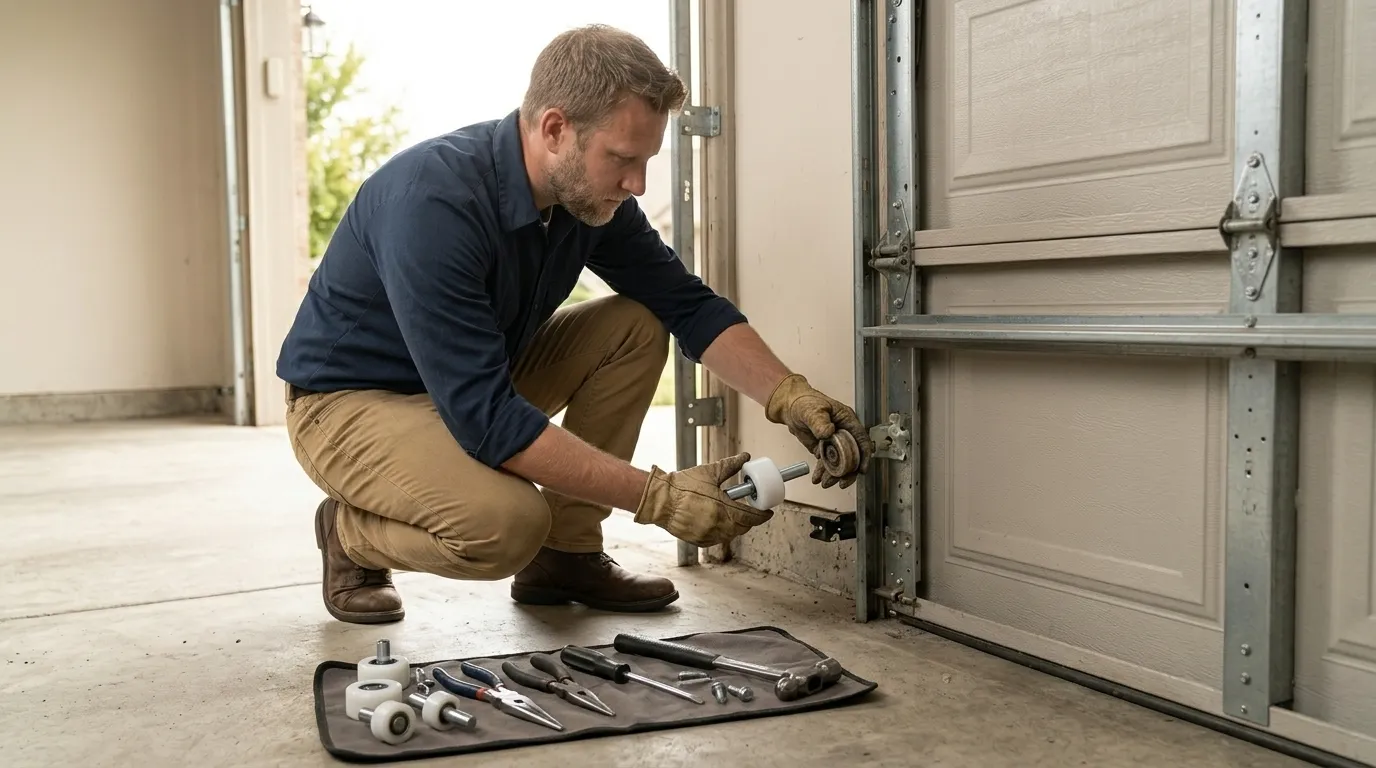
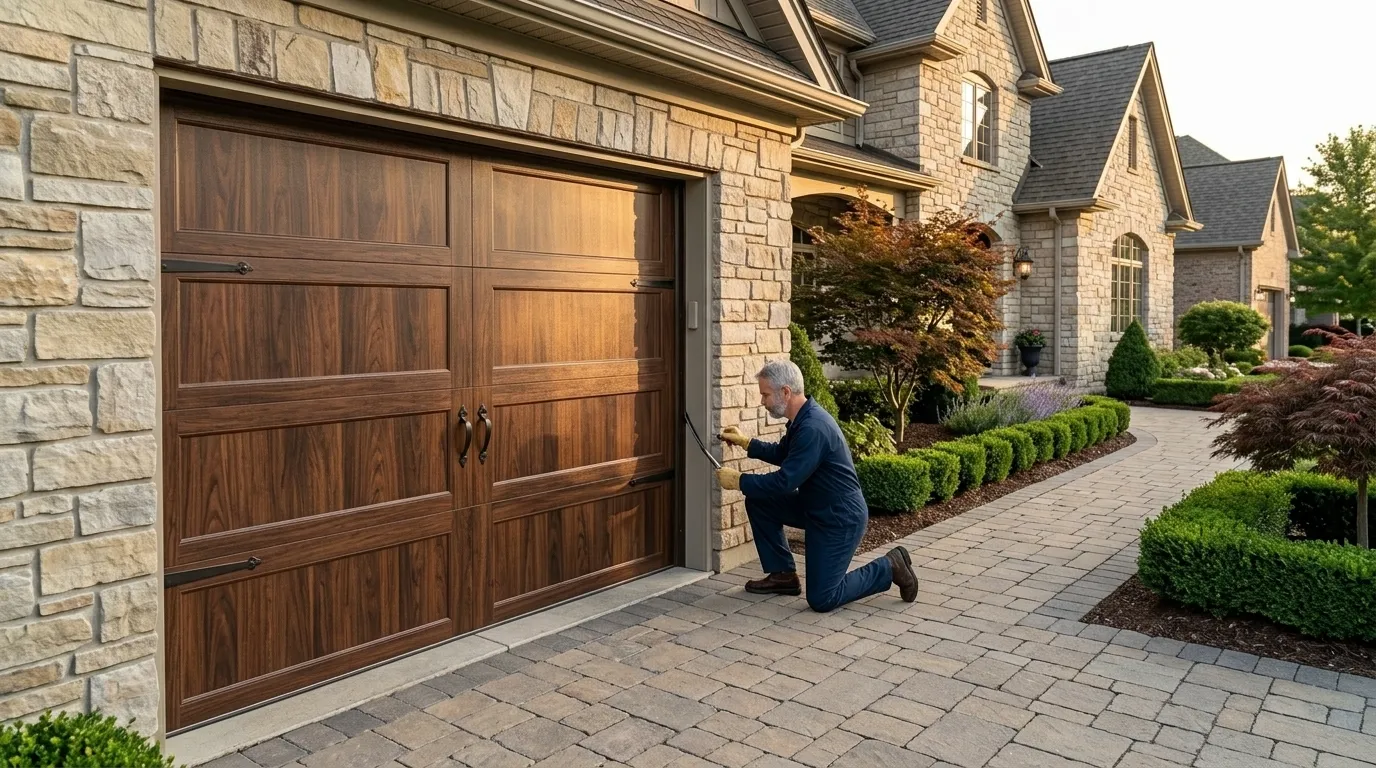
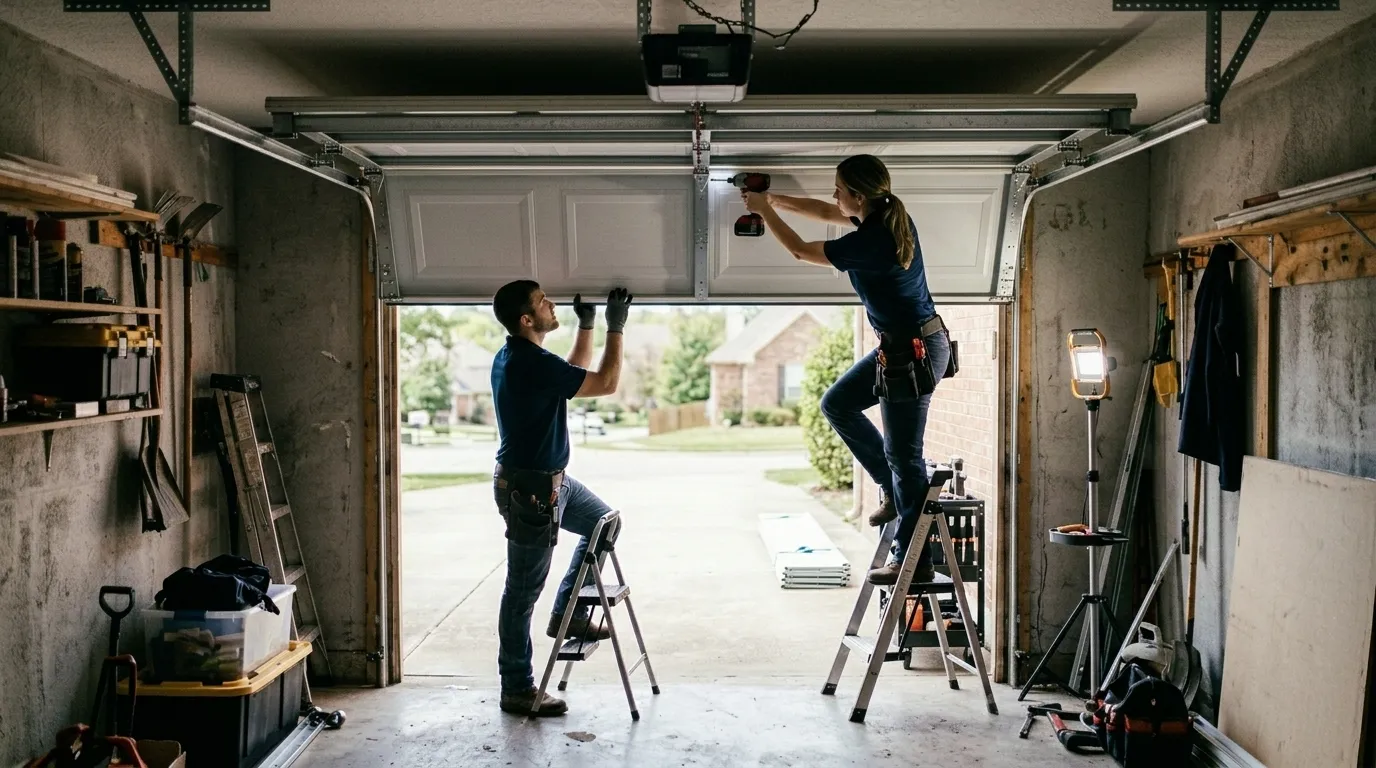
A determined homeowner can hang a pre-hung steel door on a garage that's already framed square, and plenty of people do. Where it goes sideways here is the opening itself. Toms River housing runs from 1938 up through 2005, with most of the stock built in the 1960s and 70s, and those openings were framed to whatever lumber and rough-in standard was common that decade - not to today's door sizes. You can absolutely swap a door yourself if the frame is true and the header is sound. What you can't safely eyeball is whether 50-plus years of settling left the jack studs out of plumb, or whether the old track anchors were ever meant to carry a heavier insulated panel. Get the opening checked before you order anything, even if you plan to install it yourself. One honest limitation: we don't sell doors without measuring the opening in person first - a phone quote on a house this old is a guess, and we won't pretend otherwise.
What the Fix Involves
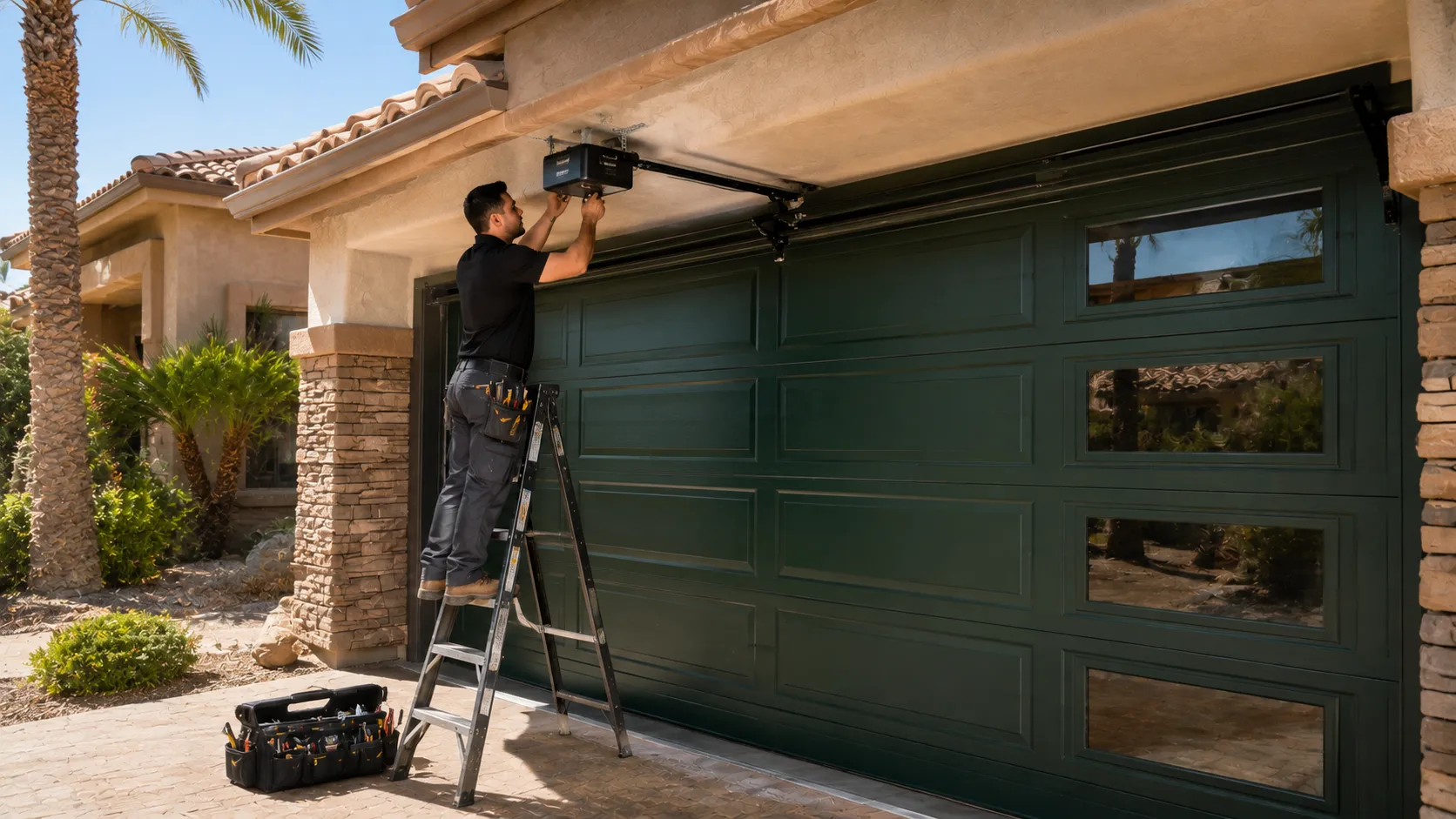
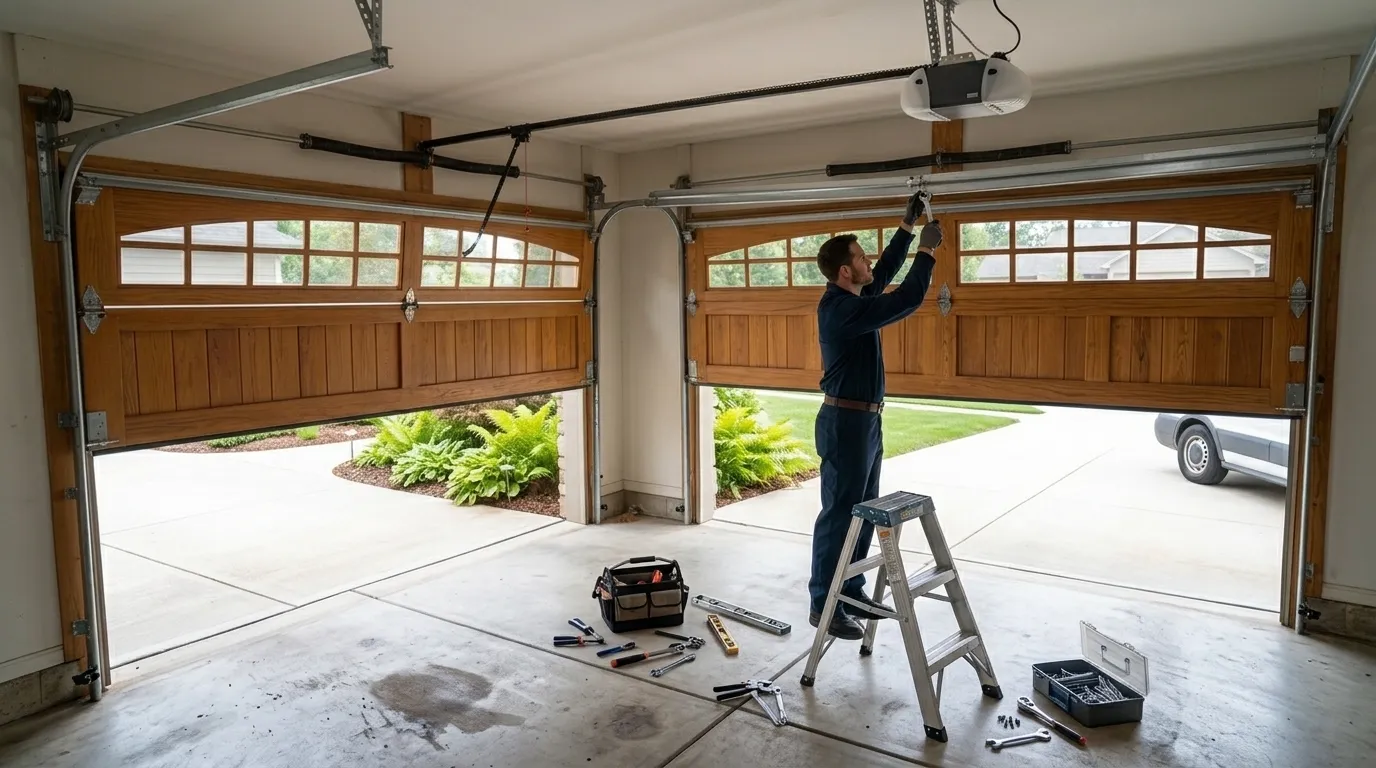
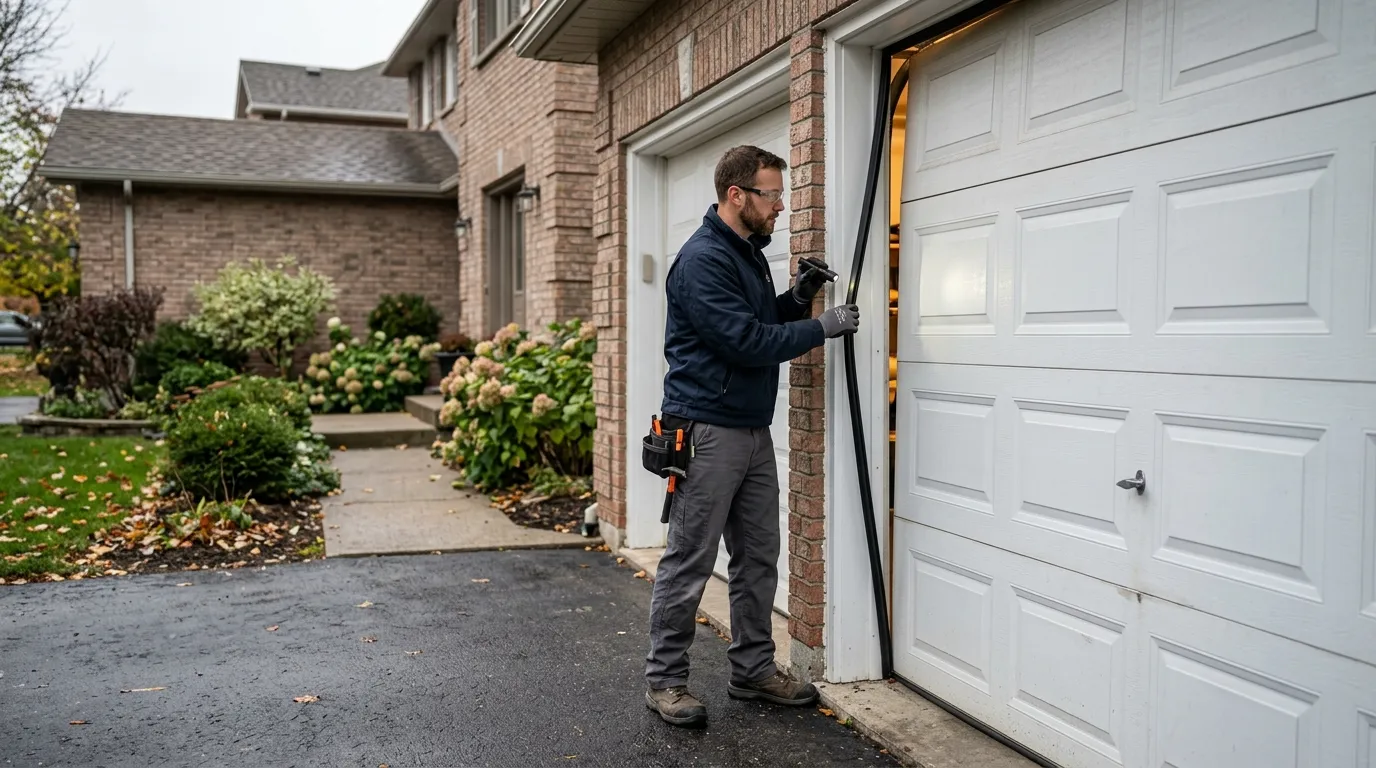
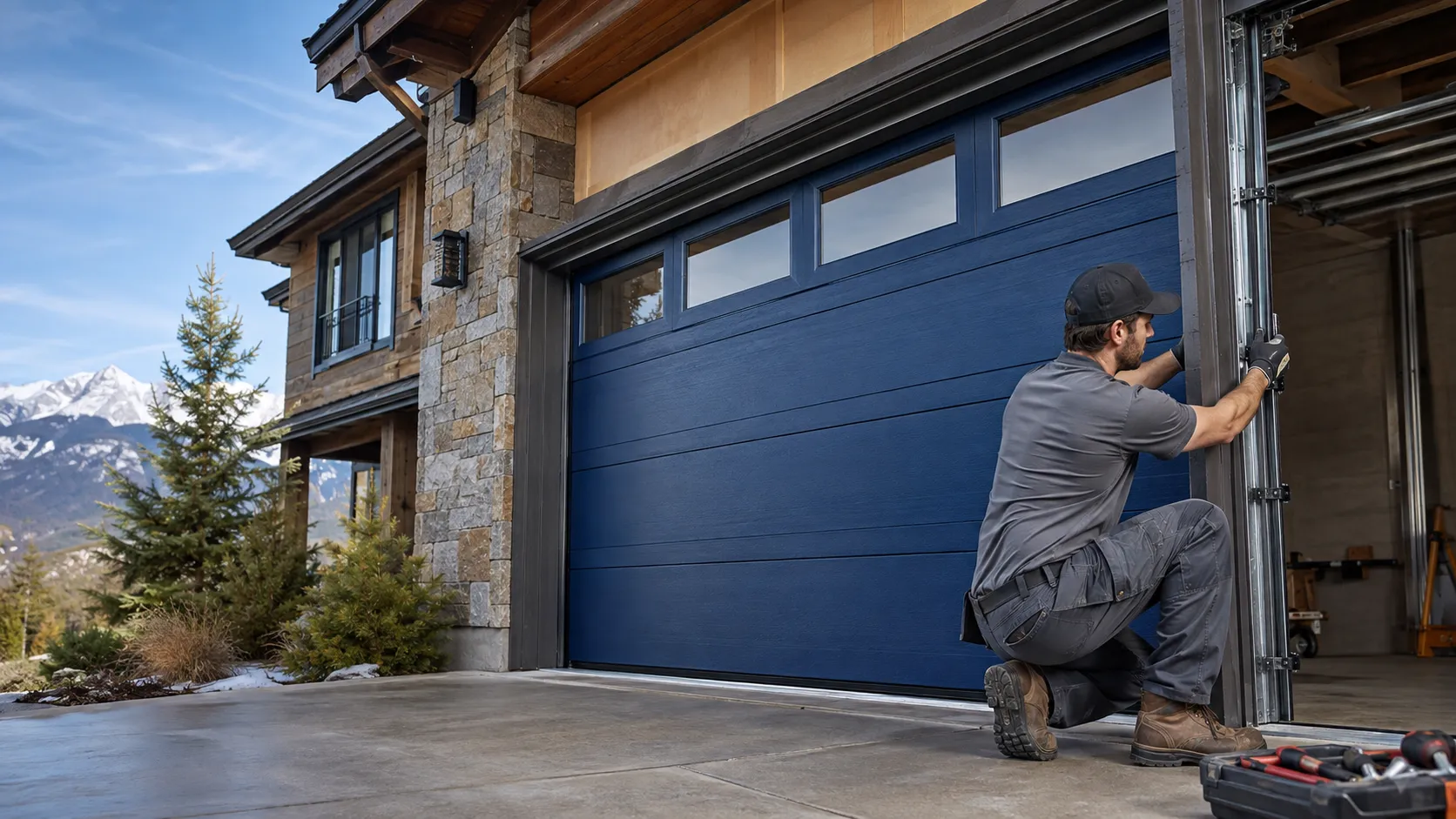
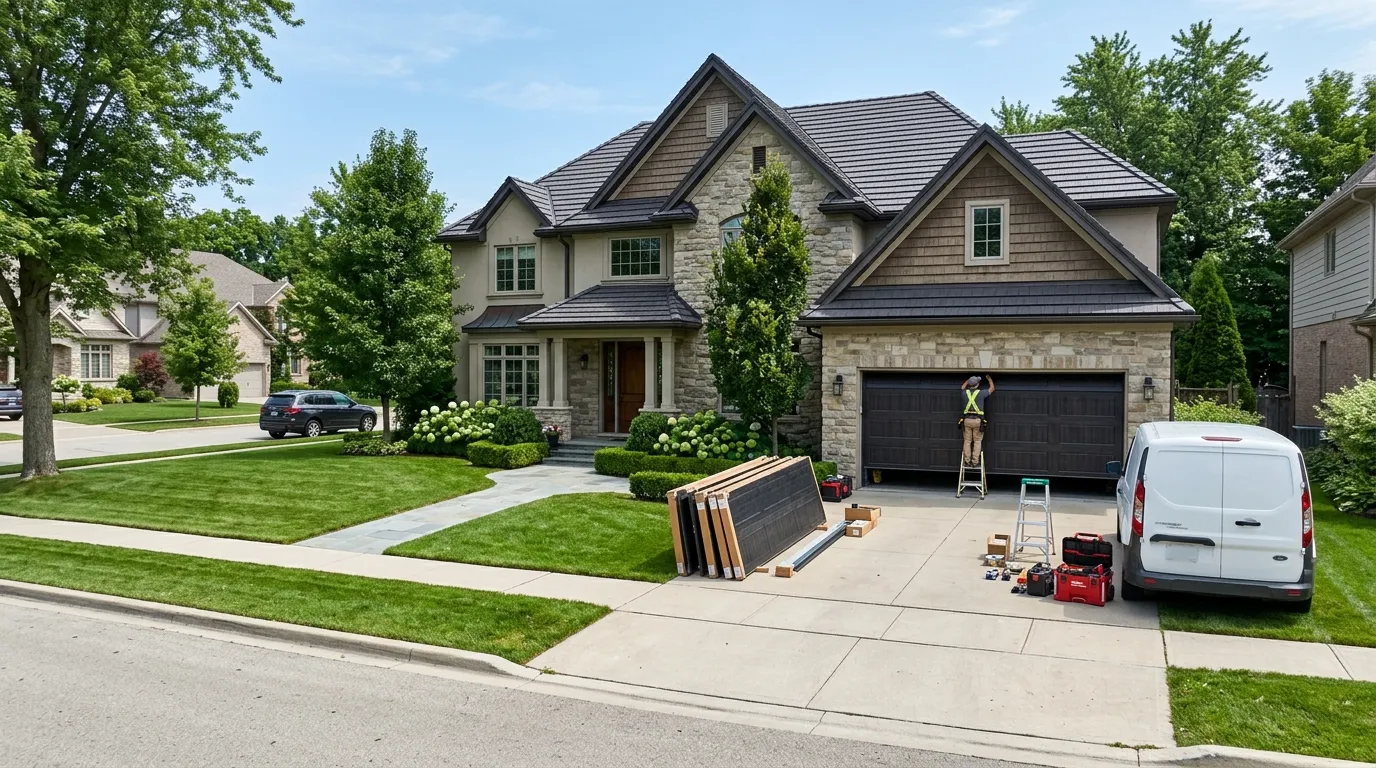
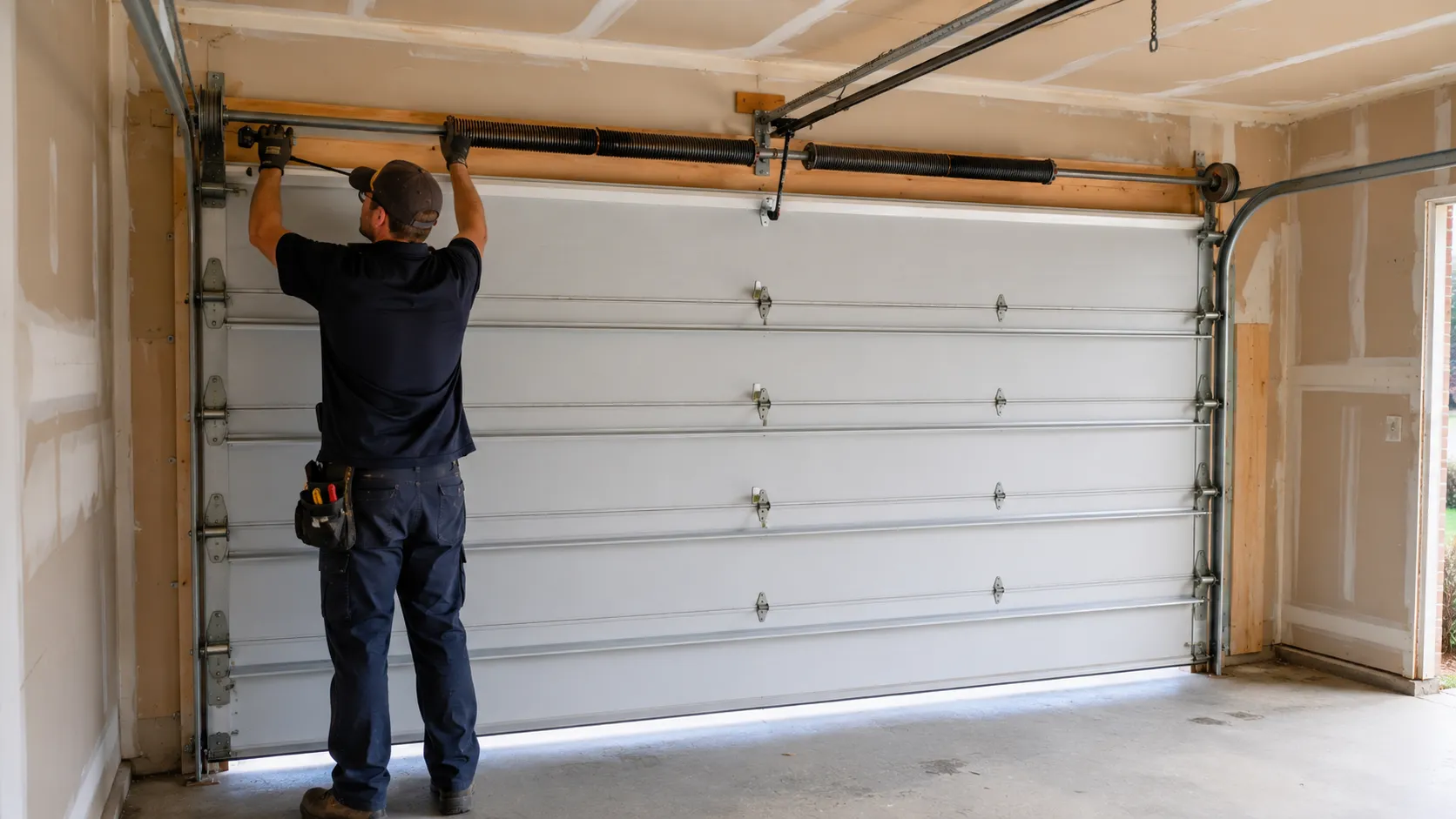
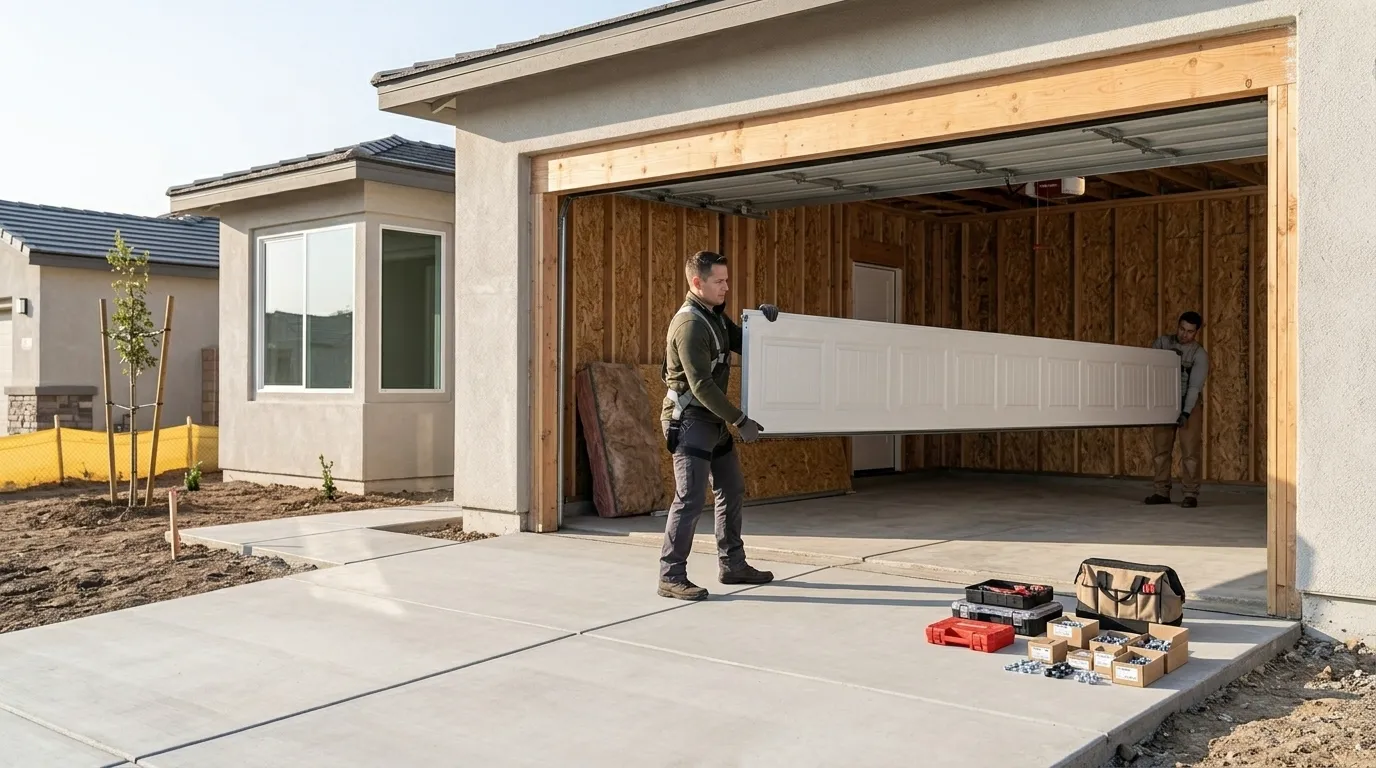
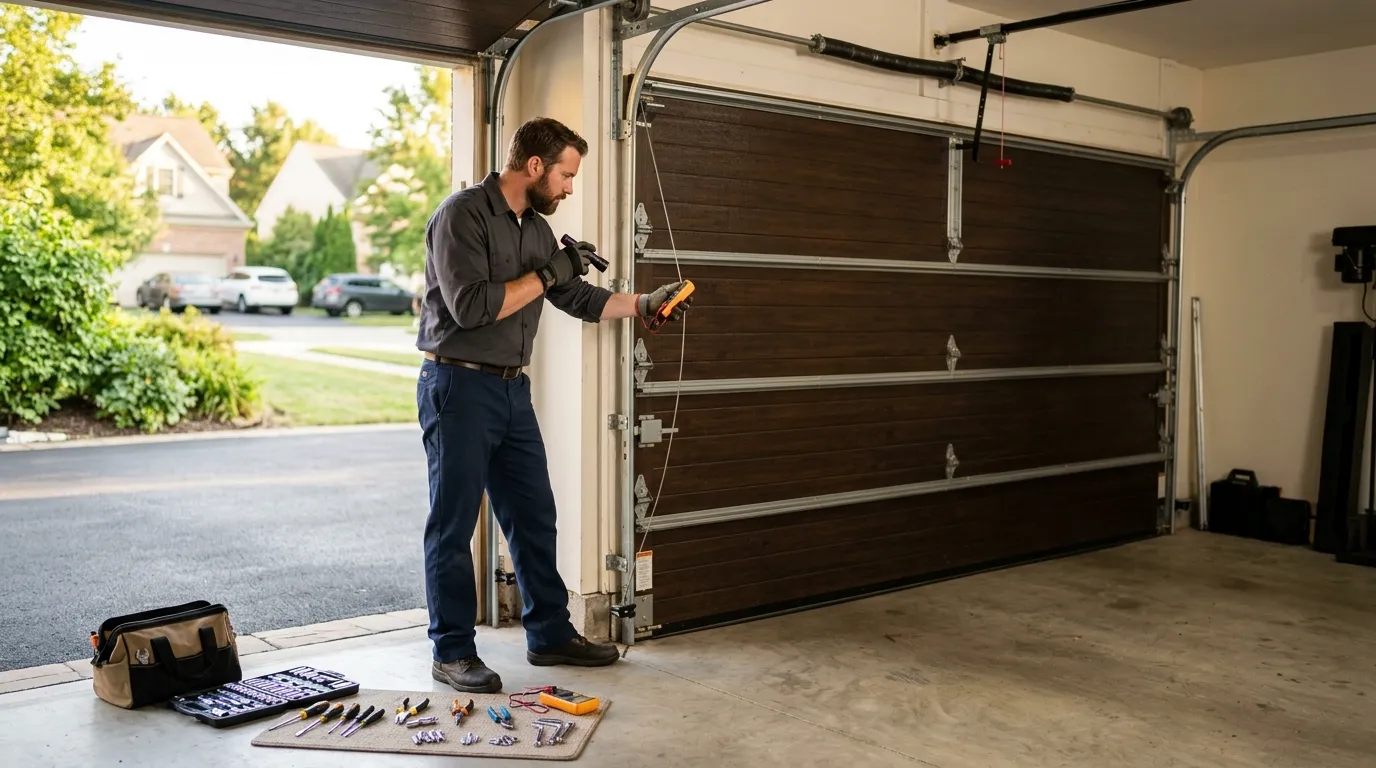
A proper installation starts with measuring the rough opening, not the old door - those two numbers are rarely the same on a house built before the 1980s. From there it's removing the existing door and track, checking the jambs and header for rot or shift, and setting new track and springs sized to the door's actual weight, not a generic chart number. Given our climate band - classified cold and severe here - insulation matters more than it does further south. A door with a real R-value and a tight bottom seal cuts the draft that owners on older slabs complain about most in January. We size the opener to the door weight, not the other way around, and we set the travel limits so the door seats fully without straining the header on an older frame. Permits and disposal of the old door are part of the job, not an add-on.
What Causes It Around Here
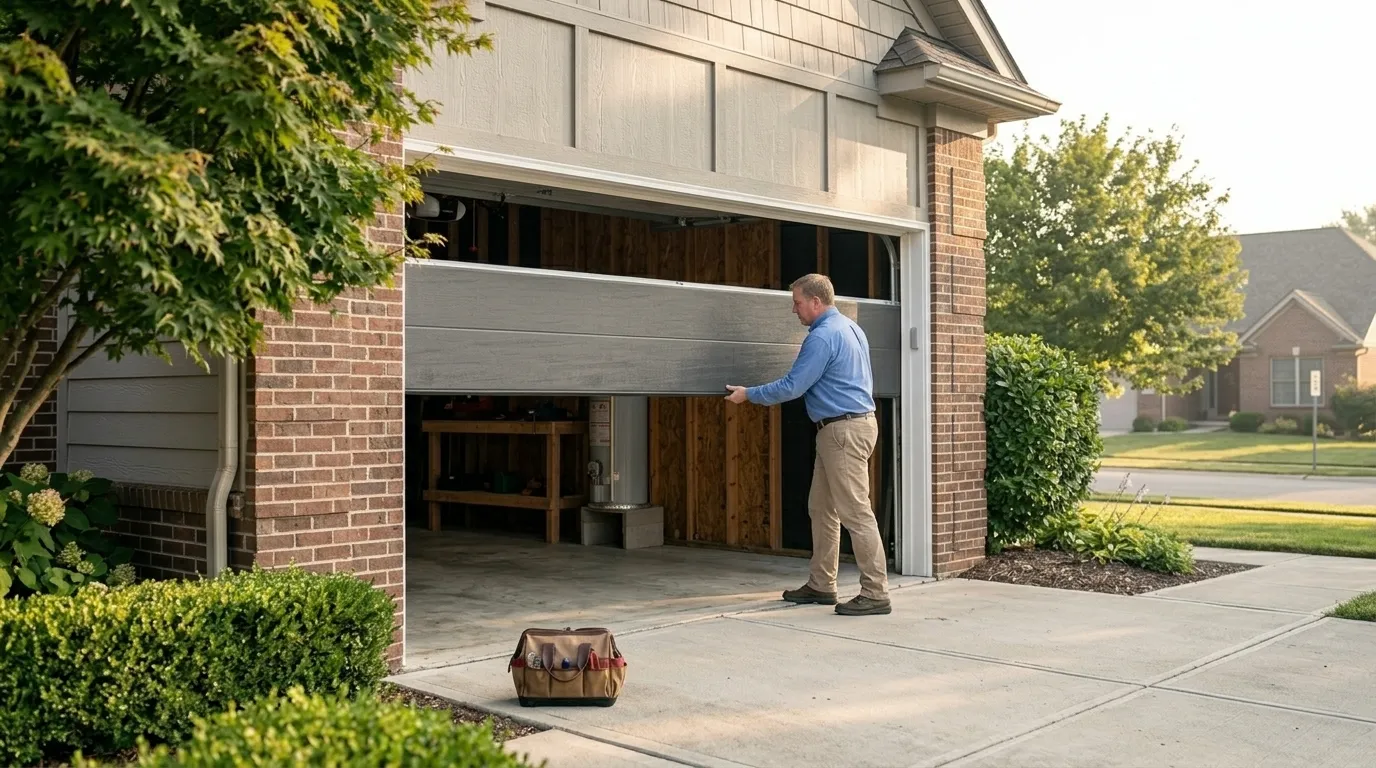
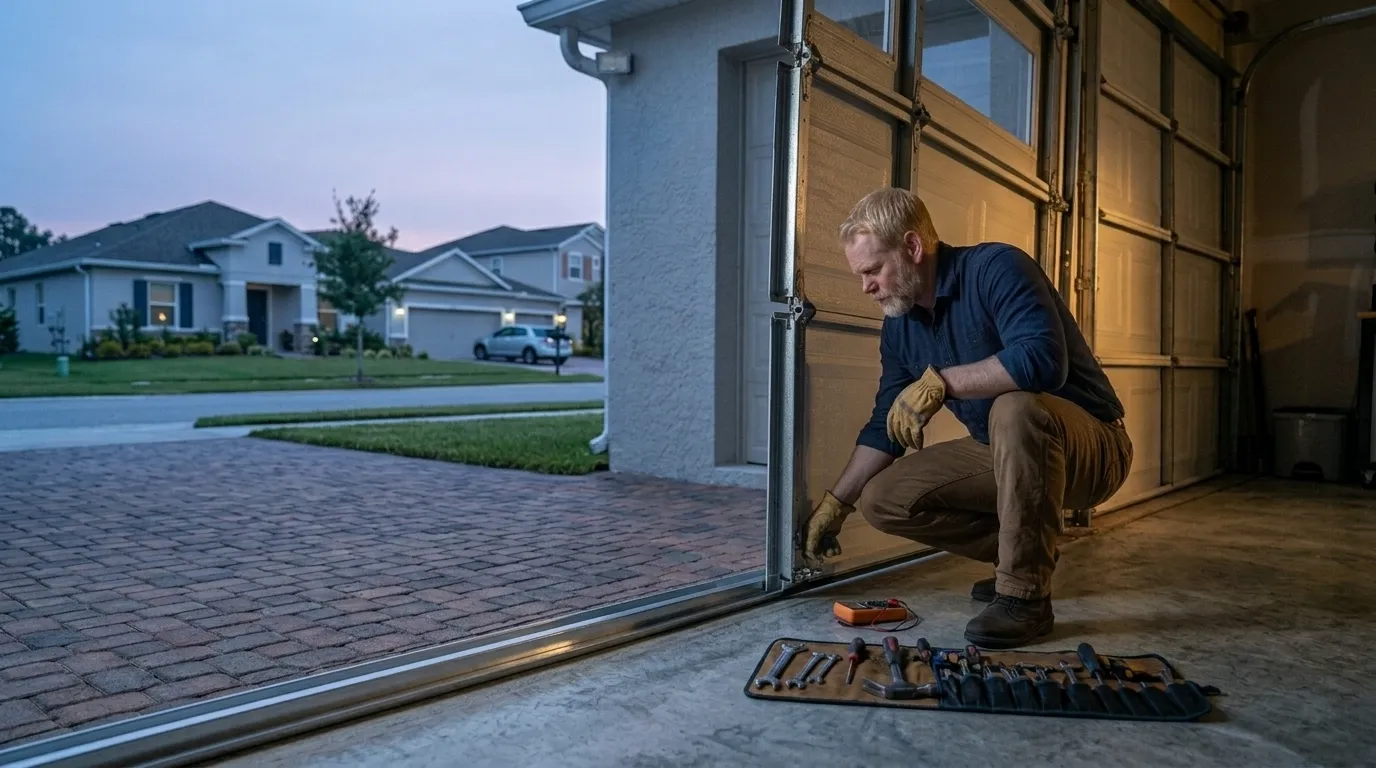
The pattern traces straight back to when the neighborhood went up. A house built in the 1960s or 70s got a door sized to the openers and steel gauge of that decade, and nobody's replaced the framing since - just the door, maybe twice. Add a cold, severe climate that puts real temperature swings on a steel panel and its seals every winter, and thermal contraction works on old caulking and worn weatherstrip faster than it would in a milder zone. With over 84,000 owner-occupied houses in this service area, most sharing that same build era, we see the same failure show up house after house: original opening, undersized or single-layer door, hardware nobody stocks new parts for anymore. It's not bad luck, it's just what a 50-to-80-year-old garage door does eventually.