The Situation
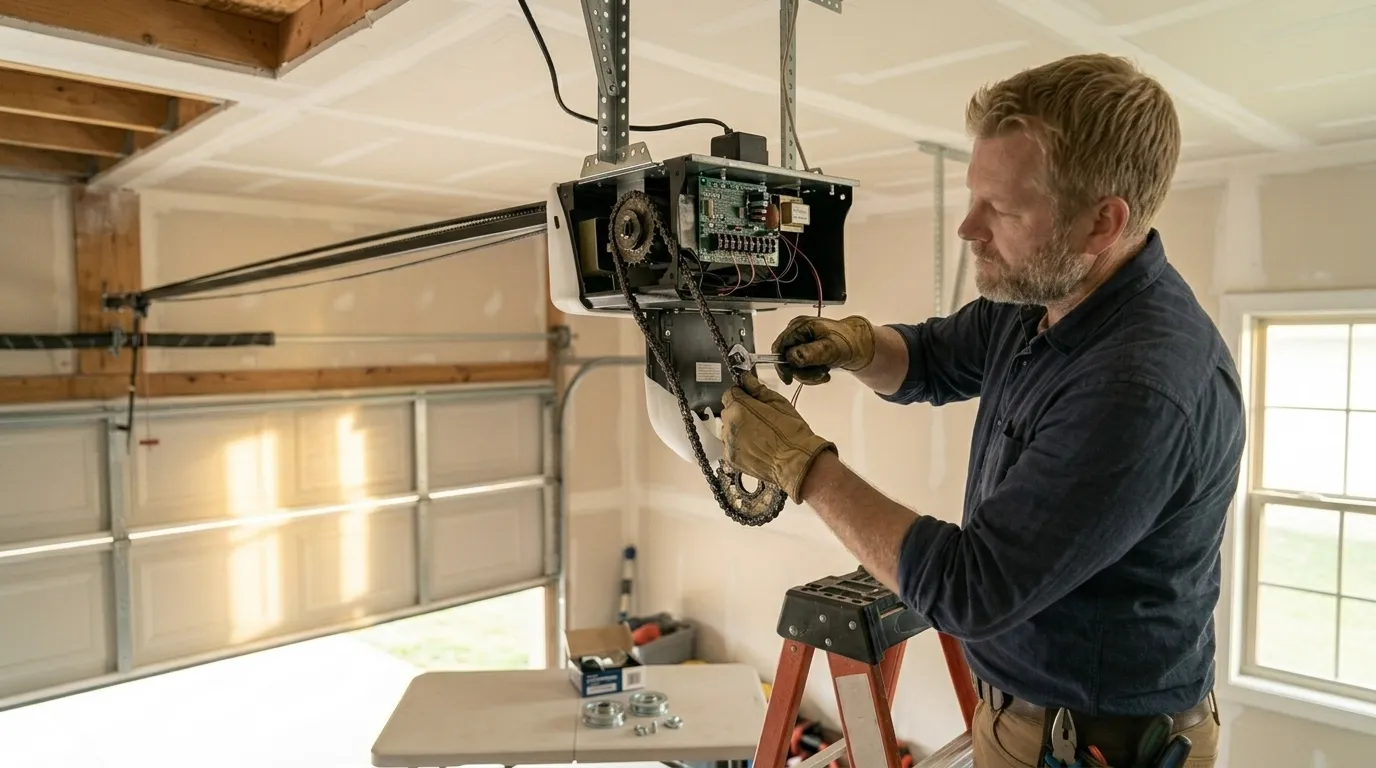
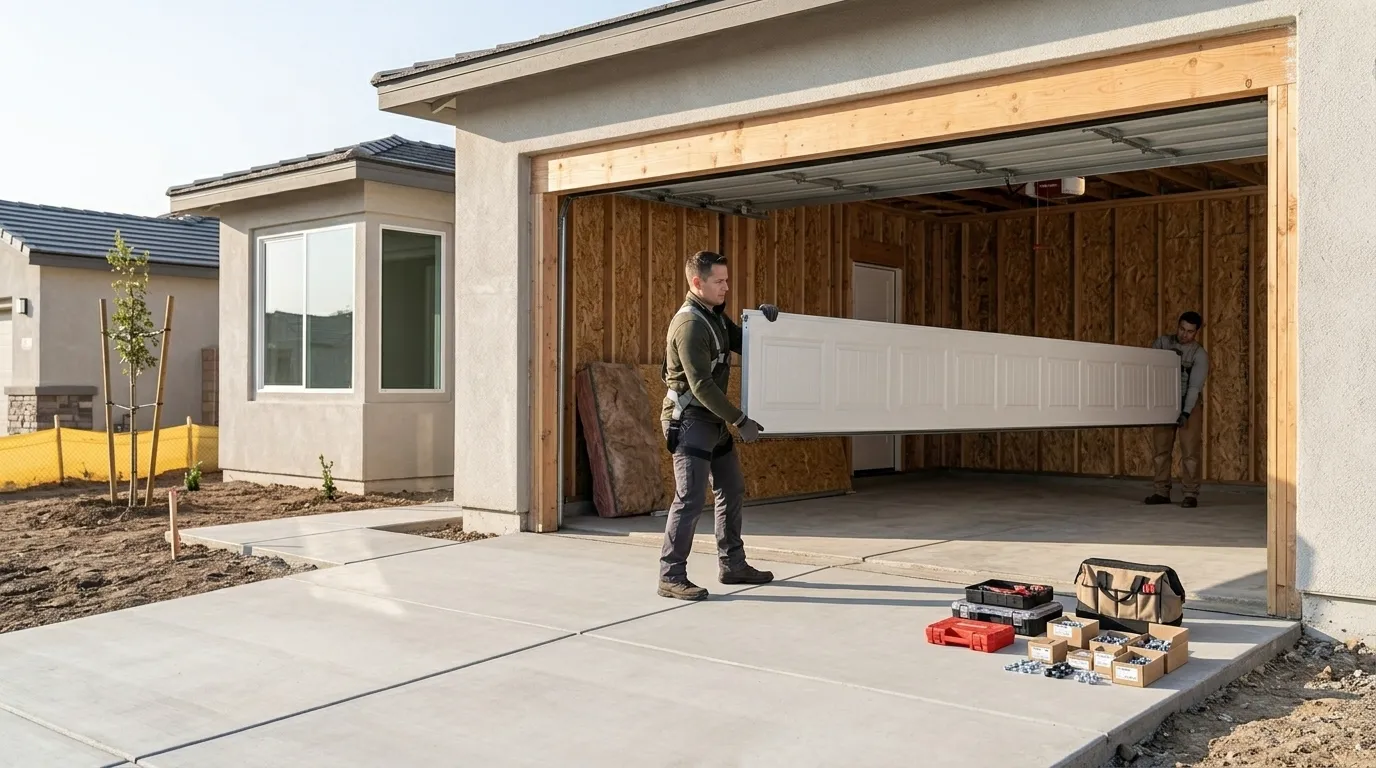
Most of the housing stock in and around Toms River went up between 1938 and 2005, with the bulk of it clustered in the 1960s and 70s across the 46 named areas we work in - places like Holiday City-Berkeley, Pine Ridge at Crestwood, and Leisure Village East. That matters more than people think. A door installed on a house built in 1968 is not the same job as one installed in a 2005 build. The older stock tends to run smaller torsion springs sized for lighter, single-layer doors, and a lot of it still has the original steel track that's never been swapped. When we get a call, the first ten minutes is us figuring out which era of hardware we're actually looking at, because the fix depends on it. A call that starts as 'my door won't open' can end up being three different jobs depending on whether the track is original 1970 stock or a replacement from a decade ago.
What Local Conditions Do
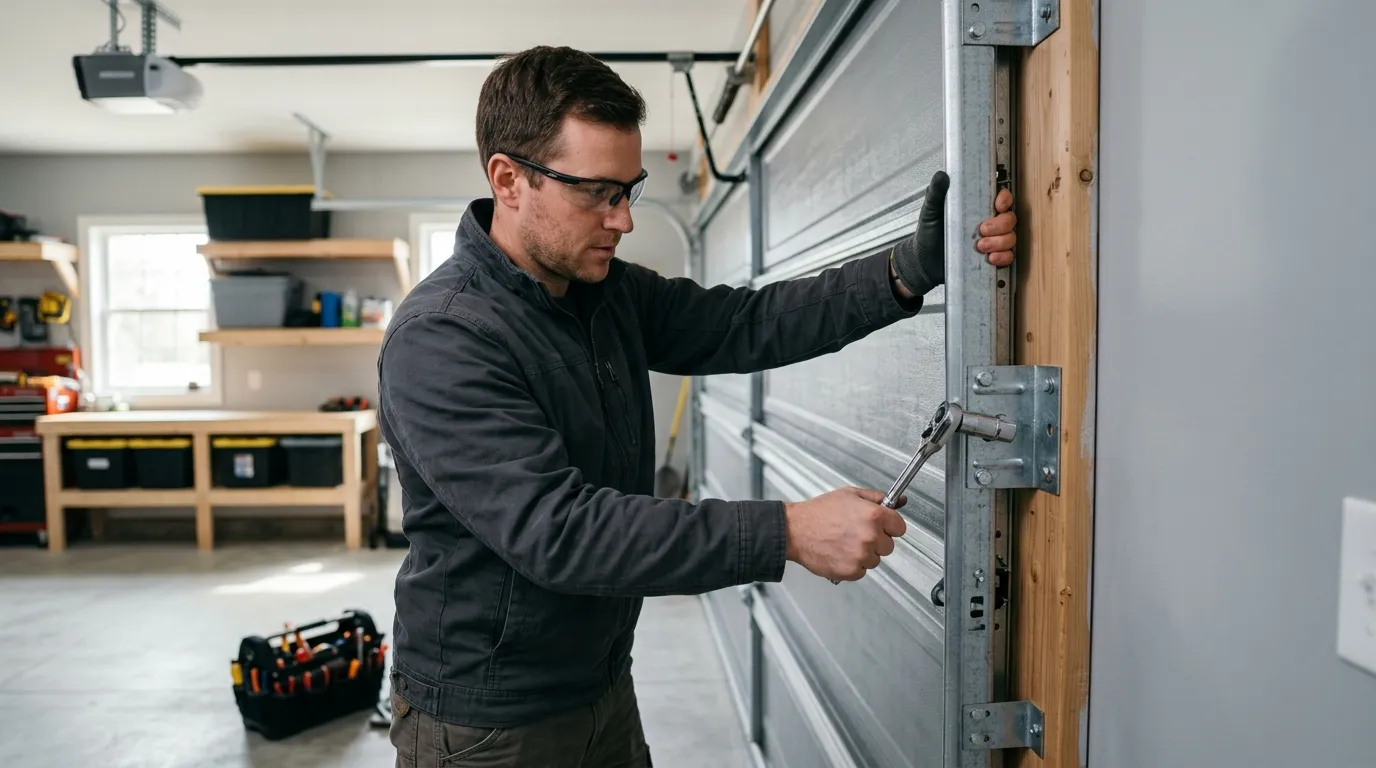
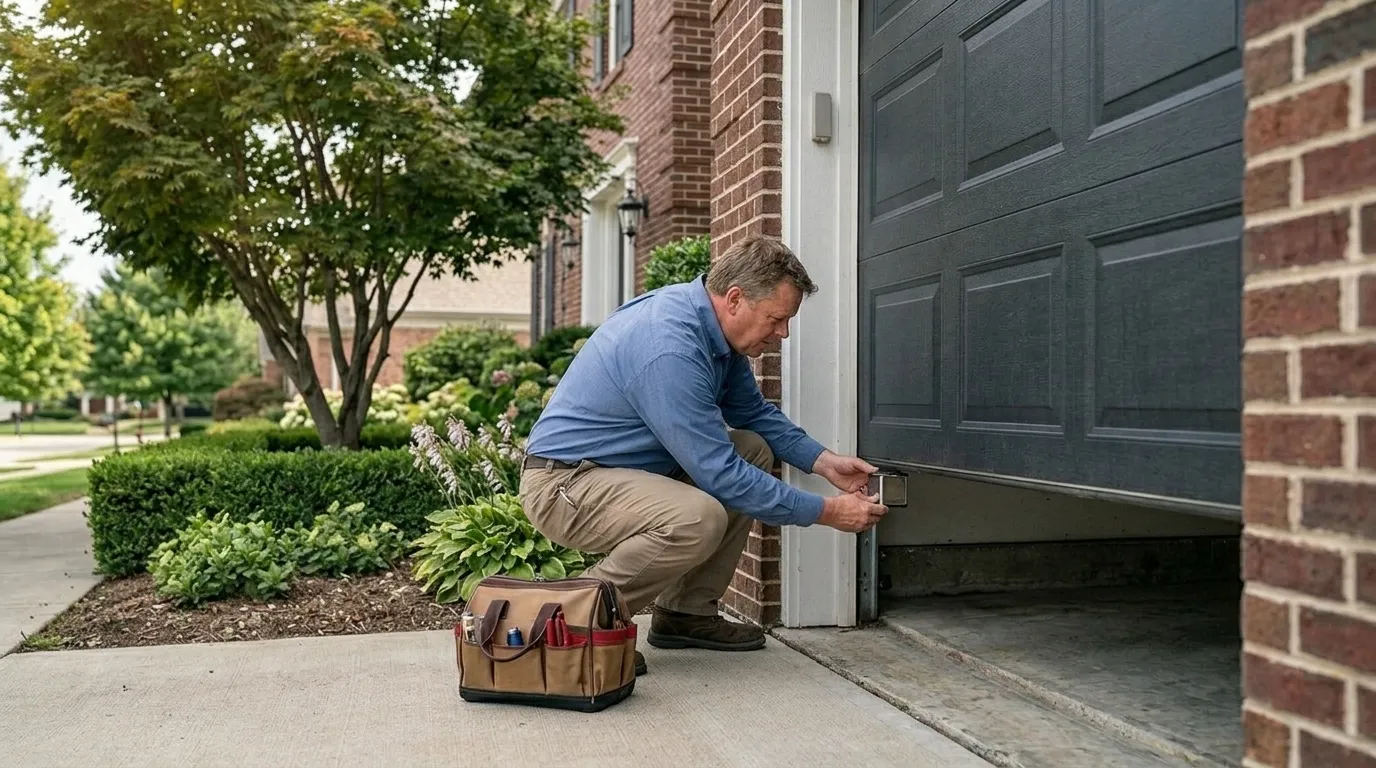
This is a severe cold climate area, and that shows up in the door before it shows up anywhere else in the house. Steel contracts in cold weather, and on a door that's been cycling through New Jersey winters since the 1970s, that contraction works the metal at the same stress points year after year - hinges, the end bearing plates, the bottom bracket where the cable attaches. Lubricant that's fine in July turns thick and sluggish in January, which is why openers strain harder on cold mornings and springs that were already fatigued tend to let go in the first real cold snap rather than in summer. Across the older stock in Holiday City South, South Toms River, and similar-era neighborhoods nearby, we see the same pattern: it's rarely one dramatic failure, it's forty-plus winters of small cold-driven stress finally catching up to a part nobody's replaced.
Leaving It Alone
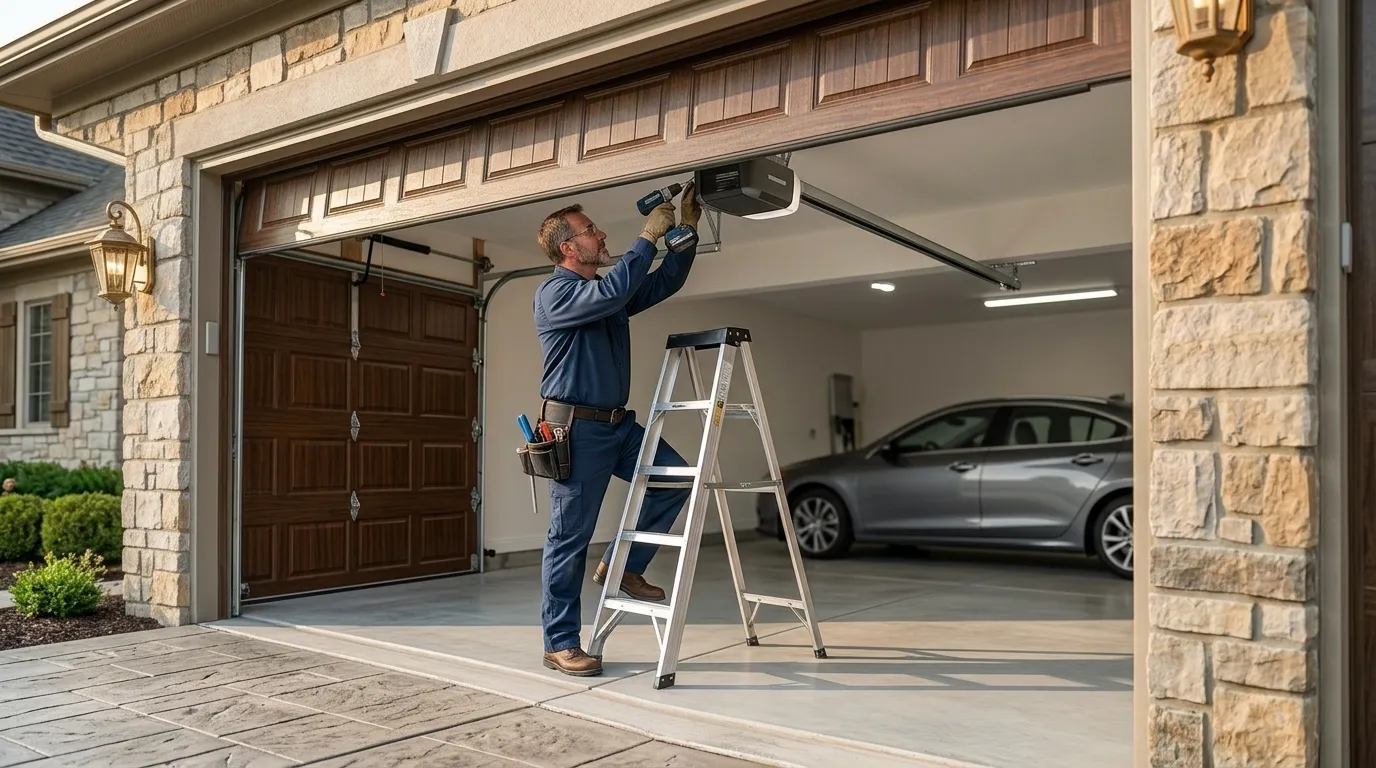
Here's the limitation we're upfront about: not every noisy or slow door needs a service call right away, and we're not going to tell you it does. If your door is from the newer end of the local stock - built well after 1972 - a little roughness in cold weather is often just thick grease, and a homeowner can sometimes clear that up without paying anyone a truck fee. Where we'd push back is on the older side of the 1938-2005 range: once a door's original spring and track have gone through decades of severe cold cycling, waiting usually doesn't save money. A spring that snaps under load can take a finger or a windshield with it, and on a lot of this older stock, that spring is well past due regardless of how the door currently sounds.