24/7 Emergency Service Open 7 days · 7am–8pm Serving Toms River, NJ & nearby
(732) 359-5246
Toms River, NJ

Why Older Toms River Garage Doors Let Cold Air In

Toms River garage doors built between 1938 and 2005, most from the 1960s and 70s, lose their factory seals to cold winters and coastal wind. Here's what that costs and why it happens.

Why Older Toms River Garage Doors Let Cold Air In

The Situation

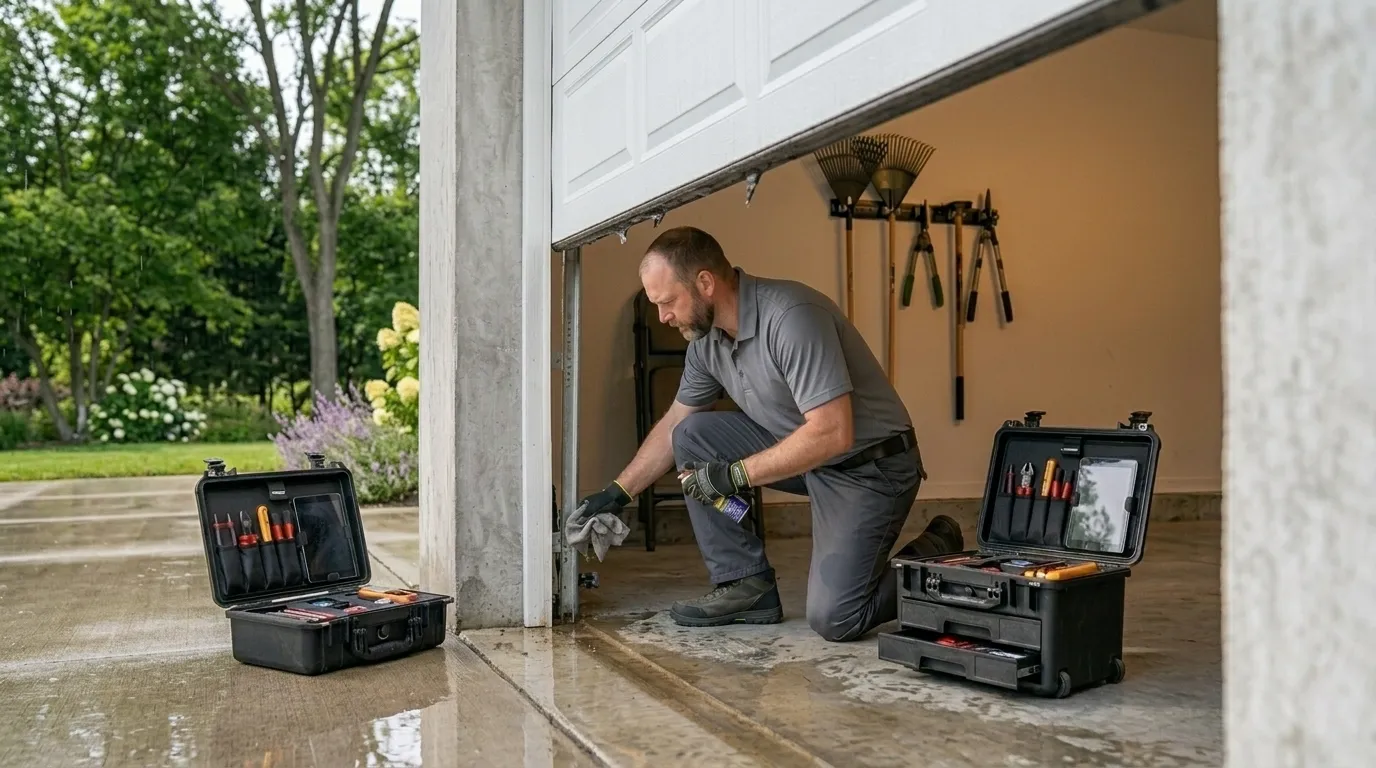
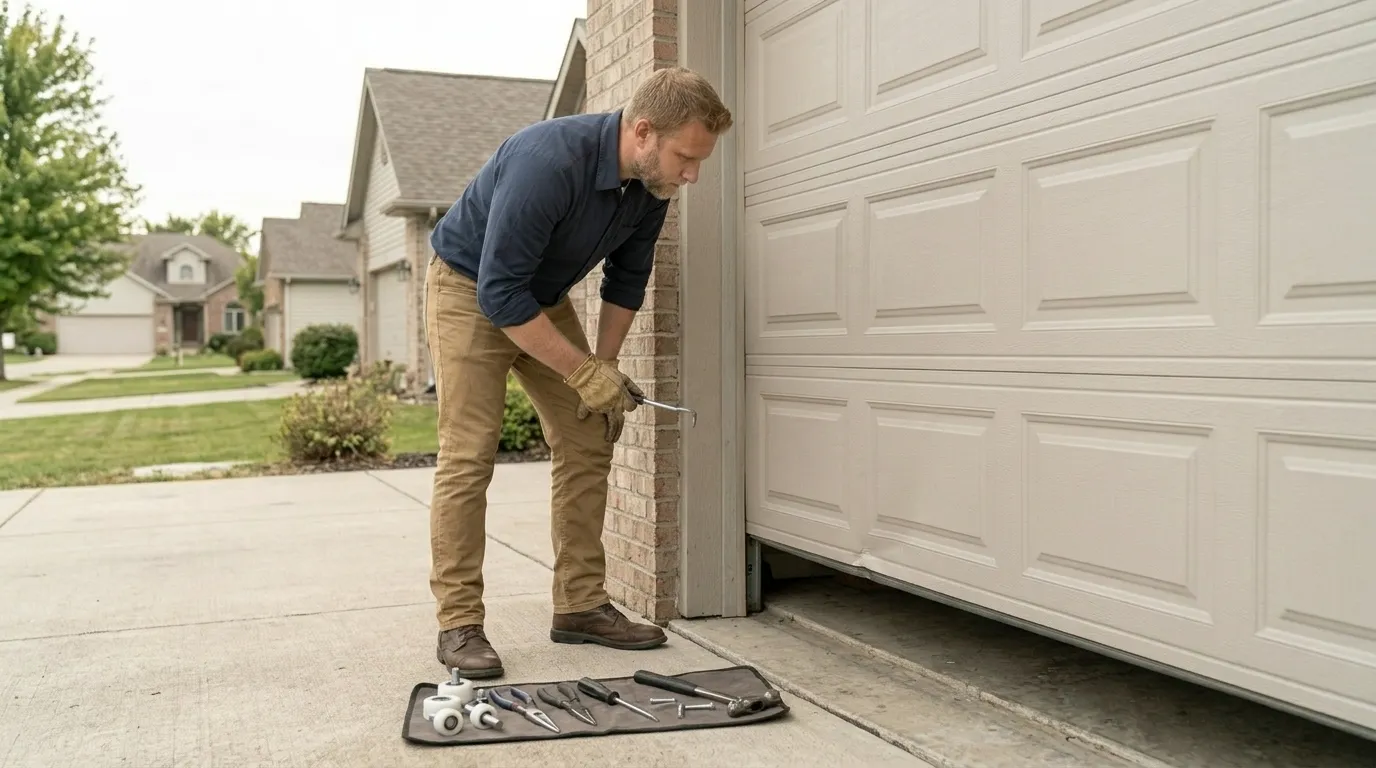
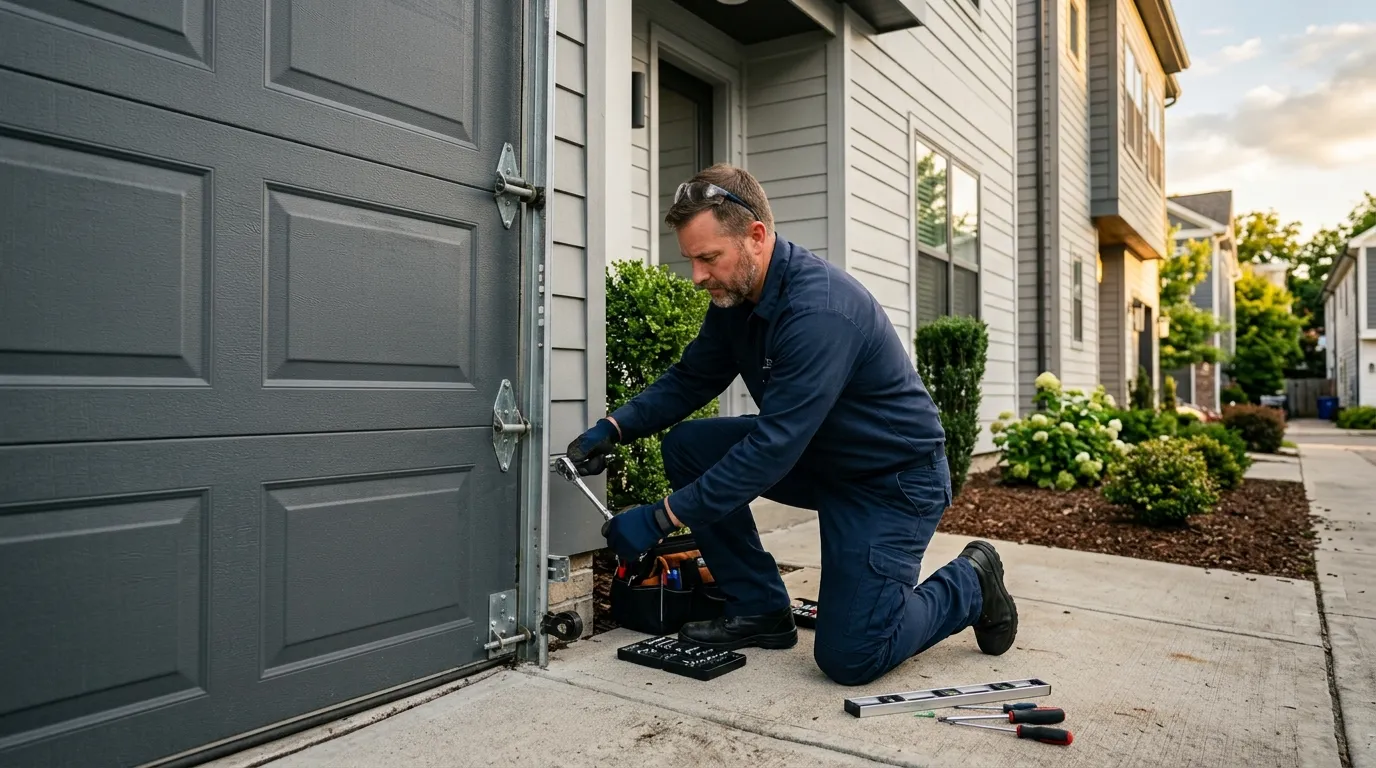
Housing in the Toms River service area went up mostly between 1938 and 2005, with a median build year of 1972 and the bulk of the stock dating to the 1960s and 70s. That matters for garage doors because a door from that era, even one that's been replaced once since, usually sits on hardware and a jamb that were never built with today's vinyl bottom seal or side weatherstripping in mind. The rubber that came with a 1970s steel door has long since cracked, shrunk, or pulled loose from the track it was stapled to. On a lot of these houses the gap isn't at the bottom seal at all - it's where two original panels meet, or where the door frame itself has settled a half-inch over fifty years. We see draughts along the top run panel, at the corner where the track bolts into wood that's moved, and under a threshold that was never re-set when the driveway was repaved. None of this is dramatic. It shows up as a cold floor, a wet stripe on the concrete after rain, or a door that whistles in a north wind. It's ordinary wear on an ordinary door, decades late for attention.

What It Costs

We're not going to hand you a number here because we don't have one that's honest without seeing the door. A single bottom seal swap on a standard door is a different job from resetting weatherstripping around a double door whose jamb has shifted, and a door with rusted-through track brackets is a different job again. What we can tell you is what drives the cost up or down: door width, whether the track needs shimming along with the seal, and whether the original astragal or corner seals are still available for that panel profile or need a universal substitute. Homes at the older end of the 1938-2005 range sometimes need custom-cut seal stock because the jamb dimensions were never standardized the way they are now. That's a real limitation - we may need to order material rather than fix it same-visit, and we'll tell you that up front rather than guess. If a door's seals have failed on more than two sides, it's often cheaper to handle it as one job than three separate call-backs, and we'll say so when we're standing in front of it.

What Local Conditions Do

Toms River sits in a cold-severe climate band, and that's the whole reason seals matter here in a way they wouldn't in a mild climate. Freeze-thaw cycling through a Toms River winter works differently on rubber than steady cold does - the seal expands slightly on a 40-degree afternoon and contracts hard overnight, and that repeated flex is what splits vinyl faster than raw cold alone would. On a door built around the 1972 median, that seal has been through roughly five decades of that cycling, whether or not it's ever been swapped. There's a coastal factor too. Shore towns like Lavallette, six miles out, and Seaside Heights, seven miles out, sit close enough that wind carrying salt air reaches garages well inland of the beach, and that air is harder on vinyl and rubber seals than dry inland wind. A garage in Toms River isn't right on the water, but it isn't shielded from what the water sends inland either. A bad seal here doesn't just let a draught through - it lets meltwater refreeze on the track overnight, which is a winter problem specific to this climate band, not a manufacturing flaw in the door.

Leaving It Alone

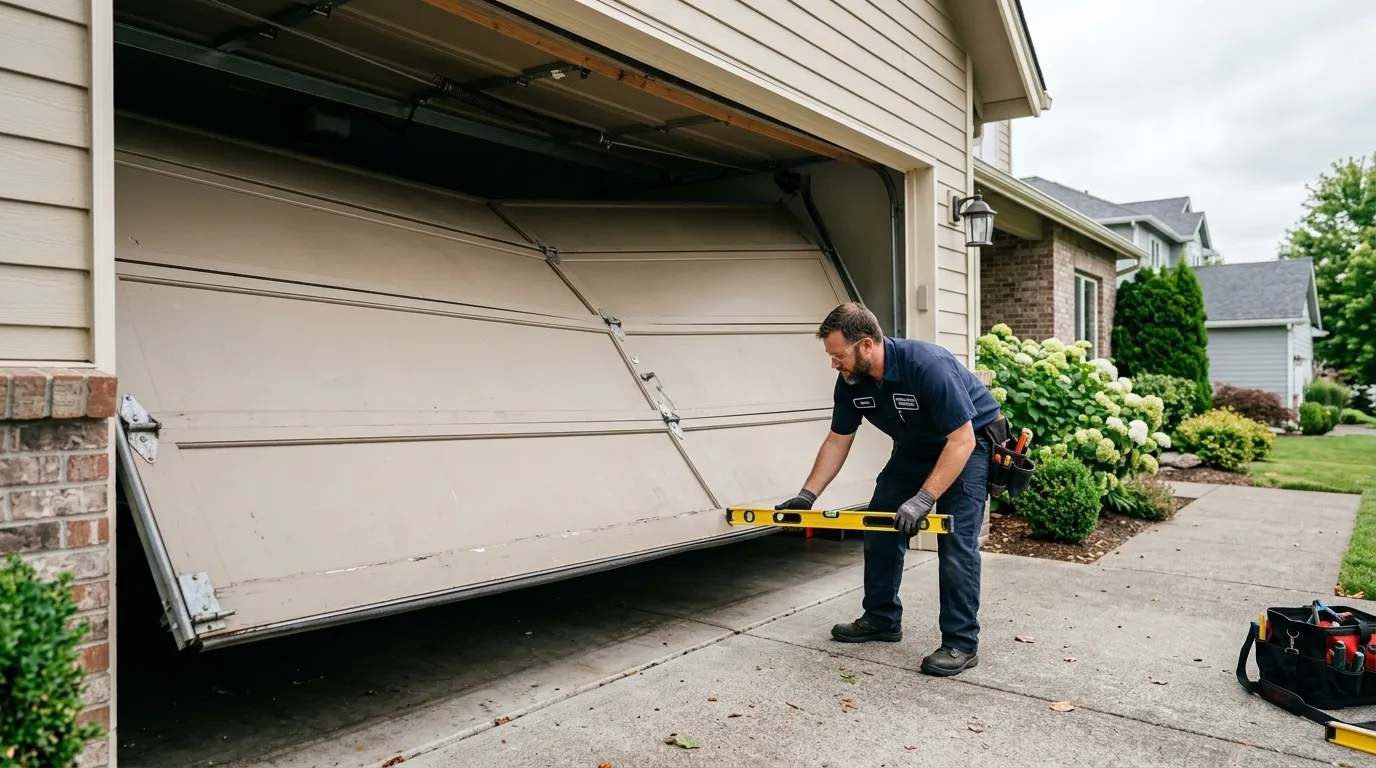
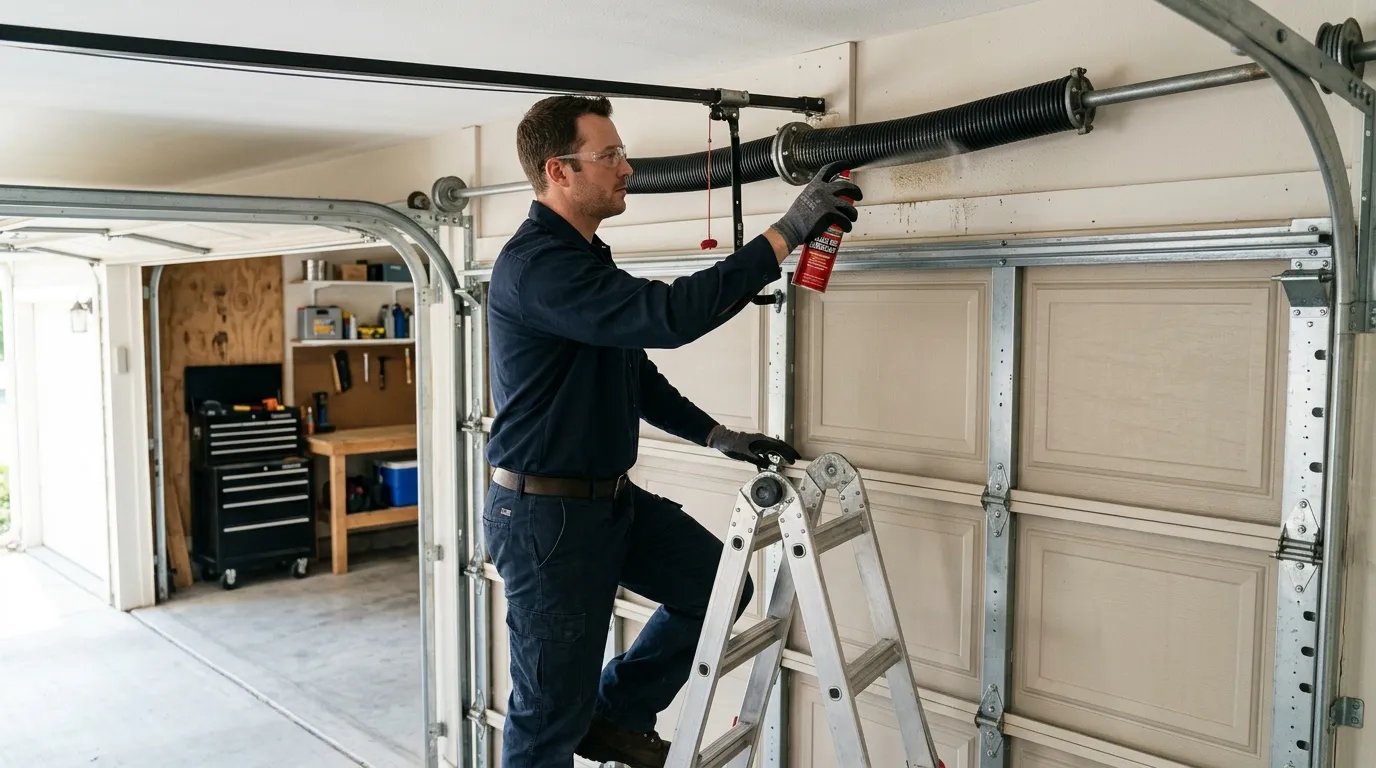
A gap at the bottom seal or a torn side weatherstrip doesn't fail a door outright, which is exactly why it gets ignored for years. What it does instead is slow and cumulative. Cold air pulling in under the door pushes your heating bill up every month it's not fixed, not just on the coldest nights. Moisture that gets past a failed seal sits on a concrete slab and works on anything steel it touches - track brackets, the bottom panel edge, spring anchor plates - and rust doesn't reverse itself once it starts. In a cold-severe climate, water that gets in and then freezes on the track can pit the roller path enough that the door starts binding, which turns a seal job into a track job. None of this happens in one winter. It happens over the five or six winters that a lot of Toms River homeowners let pass between noticing the draught and calling someone. The fix, when it's just seals, is a small job. Left alone through enough freeze-thaw cycles in this climate, it stops being one.
How it works

From “it’s stuck” to “it’s fixed”

Tell us what’s wrong - Toms River garage door service
1

Tell us what’s wrong

Describe the symptom - won’t open, loud bang, opener runs but the door won’t move.

On-site diagnosis - Toms River garage door service
2

On-site diagnosis

A technician tests the door under power and by hand and finds what actually failed.

Clear, up-front plan - Toms River garage door service
3

Clear, up-front plan

You get the fix that’s needed and what drives the cost - before any work starts.

Repaired & tested - Toms River garage door service
4

Repaired & tested

The repair is done, the door is set true and tested, and the work area left clean.

Next step

Serving Toms River, NJ - tell us what your door’s doing and we’ll take it from there.

How we work

What to expect

Diagnosis firstEvery visit starts by finding what actually failed - not a pre-written parts list.
The right part for the doorSprings and openers matched to the door’s weight and age, so the fix holds up.
Straight answersWhen a repair makes more sense than a replacement - or the reverse - you hear it plainly.
Clean, careful workTension released safely, hardware set true, the door tested under power before we leave.
Questions

Frequently asked

Straight answers about garage door repair in Toms River. Still unsure? Ask us directly.

Why does my garage door only draught in winter?

Vinyl and rubber seals flex with temperature, and in Toms River's cold-severe climate that flex happens hard and often through freeze-thaw cycling. A seal that looked fine in summer can pull away from the track once nightly temperatures start swinging, which is why the same door feels sealed tight in July and drafty in January.

Do I need to replace the whole door or just the seals?

Most draught problems on the older housing stock common here are seal or weatherstrip failures, not door failures. We check the seals, the threshold, and the jamb fit before recommending anything bigger. Replacement only makes sense when the panel or frame itself has warped or rusted through, not just because the rubber cracked.

Can salt air really affect a garage door this far from the beach?

Yes. Toms River sits close enough to shore towns like Lavallette (6 miles) and Seaside Heights (7 miles) that wind carries salt-laden air well inland. It degrades vinyl and rubber seals faster than dry inland air would, even on a garage that never sees standing saltwater.

Why can't you quote a seal repair price over the phone?

Because the fix depends on what we find at the door: whether the jamb has shifted, whether the seal profile is still stocked or needs custom-cut material, and whether more than one side is failing. We'd rather look at it than guess and be wrong.

Ready to get your garage door sorted?

Tell us what it’s doing and where you are in Toms River - we’ll take it from there.

Request a QuoteCall