24/7 Emergency Service Open 7 days · 7am–8pm Serving Toms River, NJ & nearby
(732) 359-5246
Toms River, NJ

What We Check First on a Toms River Garage Door Call

Toms River homes built 1938-2005 face specific spring and track wear from coastal cold snaps. Here's what our techs check first before any repair quote.

What We Check First on a Toms River Garage Door Call

The Situation

Most of the calls we run in Toms River come from houses built somewhere between 1938 and 2005, with the bulk of the stock going up in the 1960s and 70s. That matters because a door on a house built in 1968 is not the same animal as one on a house built in 1995. The older side of town - closer to areas like Pine Lake Park and South Toms River - still has original torsion setups on steel jambs that have been painted over a dozen times. The newer construction, further out toward Holiday City-Berkeley and Ramtown, tends to have lighter-gauge track and composite jamb brackets that flex more than owners expect.

Before we touch anything, a tech looks at three things: the age of the door relative to the house (not always the same - plenty of these homes have had at least one door swap since the 1970s), the hardware type, and whether the track alignment matches what the house was built with or something bolted on later. A door that's been re-hung on original brackets from a 1972 build is a different repair than one on a 2001 build with factory hardware still intact. We don't guess at this - we look at the bracket stamps and the spring winding cones before we say a word about cost.

What It Costs

We're not going to put a number here that doesn't hold up once a tech has eyes on the door - what drives the bill is almost always the same handful of things: whether the spring size matches the door weight it was never rated for, whether the track has been re-set more than once, and whether the opener is original to a house built decades before smart openers existed. A door that's been fighting its own hardware for twenty years costs more to fix than one that's just worn out on schedule.

The honest answer is that a lot of the older stock in this area - 1960s and 70s builds especially - was set up with hardware sized for lighter doors than what's on it now, after a replacement somewhere along the way. That mismatch is often the real cost driver, not the age of the door itself. We quote after we've actually looked, not before.

What Local Conditions Do

This is a cold-climate service area, and it's a severe one - not the kind of cold that just makes a door stiff for a week in January. Steel contracts, lubricant thickens, and torsion springs that were already sized tight for an older door lose tension faster than they would somewhere milder. On the 1960s-70s stock that makes up most of this area's 46 named neighborhoods, that combination shows up as a spring that snaps on the first hard cold morning of the season, not gradually.

Humidity off the shore side - toward Dover Beaches North, Seaside Heights, and the barrier communities - adds a second problem: hardware that rusts from the inside of the coil out, which you don't see until the spring is already compromised. Inland toward Lakewood and Jackson-adjacent areas, it's more straightforward cold-stiffening of grease and cable. Either way, the fix a technician recommends in February is not the same fix they'd recommend in July, because the failure mode is different.

Leaving It Alone

Not every noisy door needs a same-week call. If a door on one of the newer builds - say, something from the 90s or 2000s - is just noisy on the rollers and still opens smooth and level, that's a lubrication job, not an emergency. We'll tell you that on the phone if that's what it sounds like, and we won't send a truck out to sell you a spring you don't need yet.

What we won't do is tell you to wait on a door that's already off-track or that's dropped unevenly, especially heading into a cold stretch - on the older torsion setups common across this area's 1960s and 70s housing, an unevenly wound spring under load is how a cable snaps, and that's a hardware-damage repair instead of a spring swap. If you're not sure which situation you're in, that's a five-minute look, not a guess over the phone.
How it works

From “it’s stuck” to “it’s fixed”

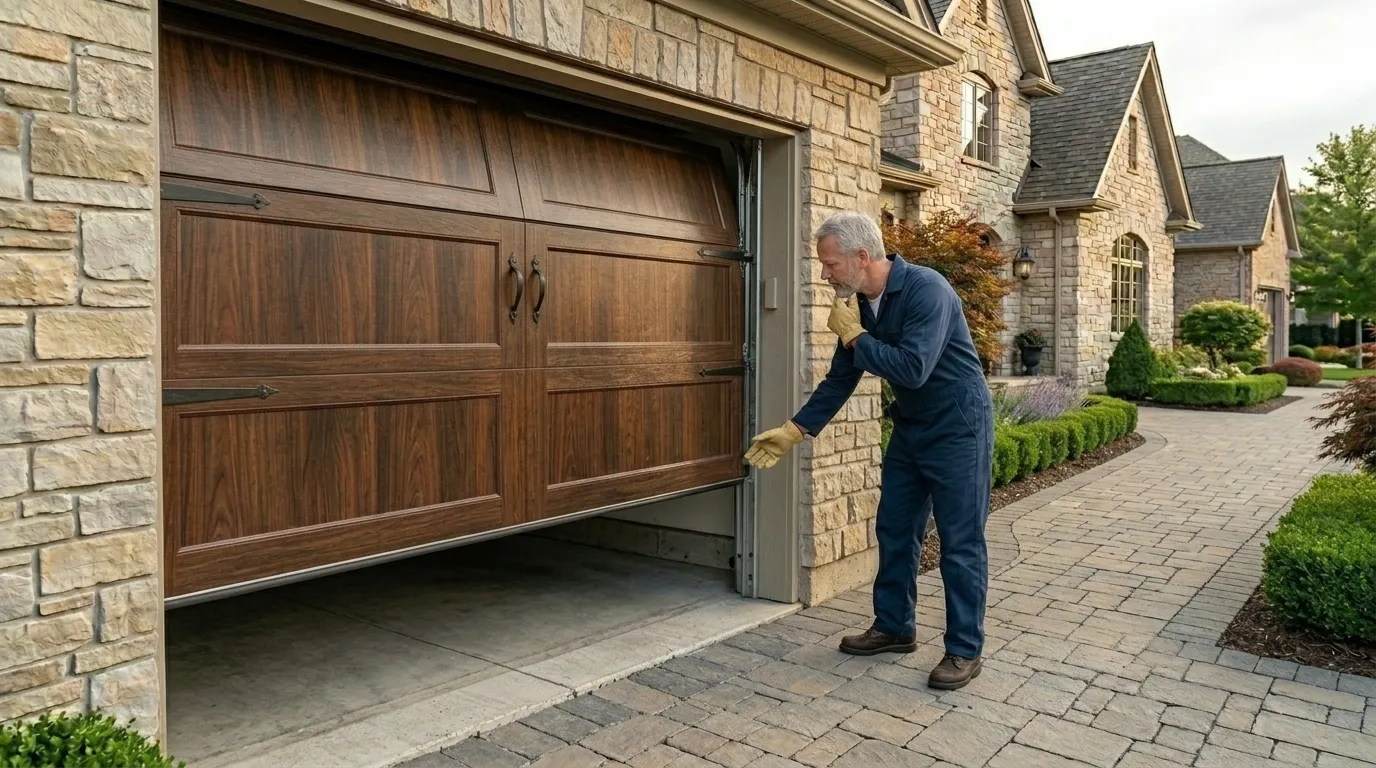
Tell us what’s wrong - Toms River garage door service
1

Tell us what’s wrong

Describe the symptom - won’t open, loud bang, opener runs but the door won’t move.

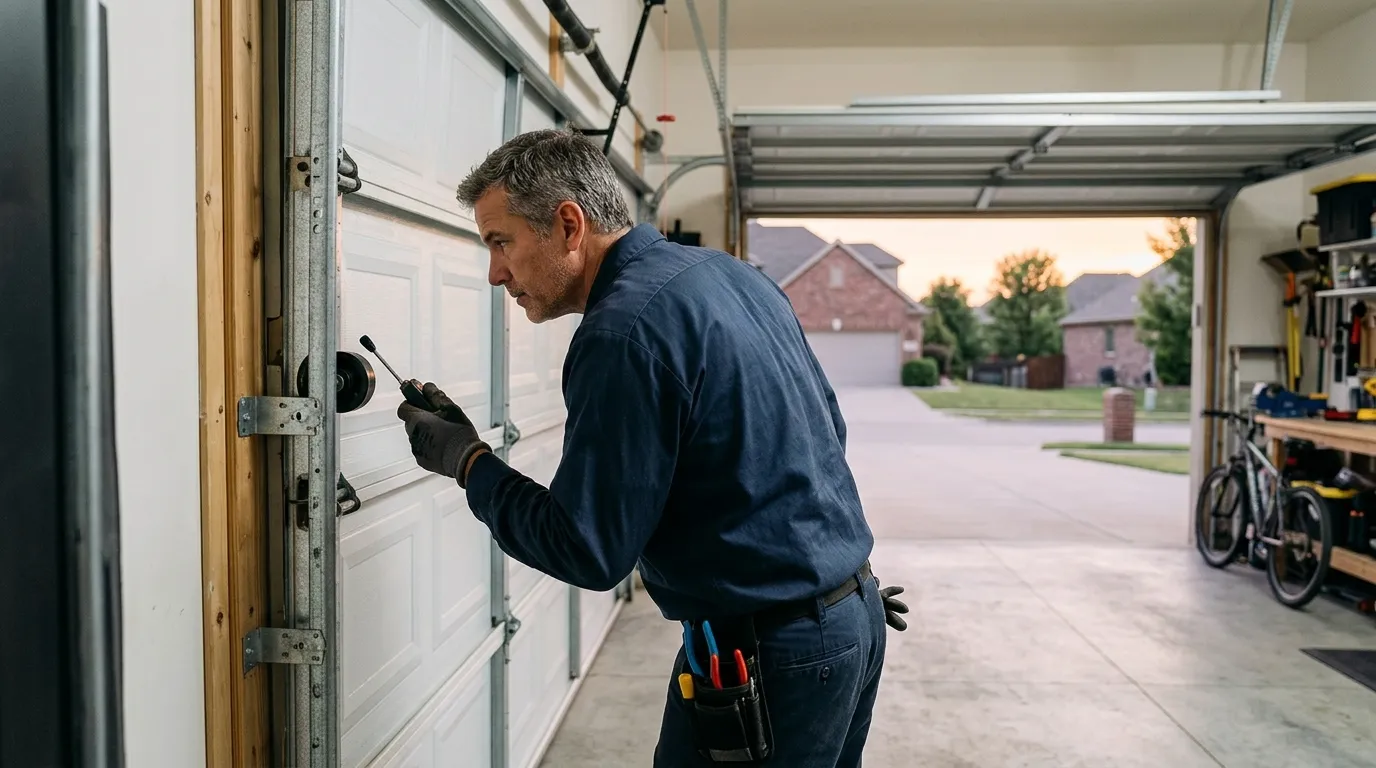
On-site diagnosis - Toms River garage door service
2

On-site diagnosis

A technician tests the door under power and by hand and finds what actually failed.

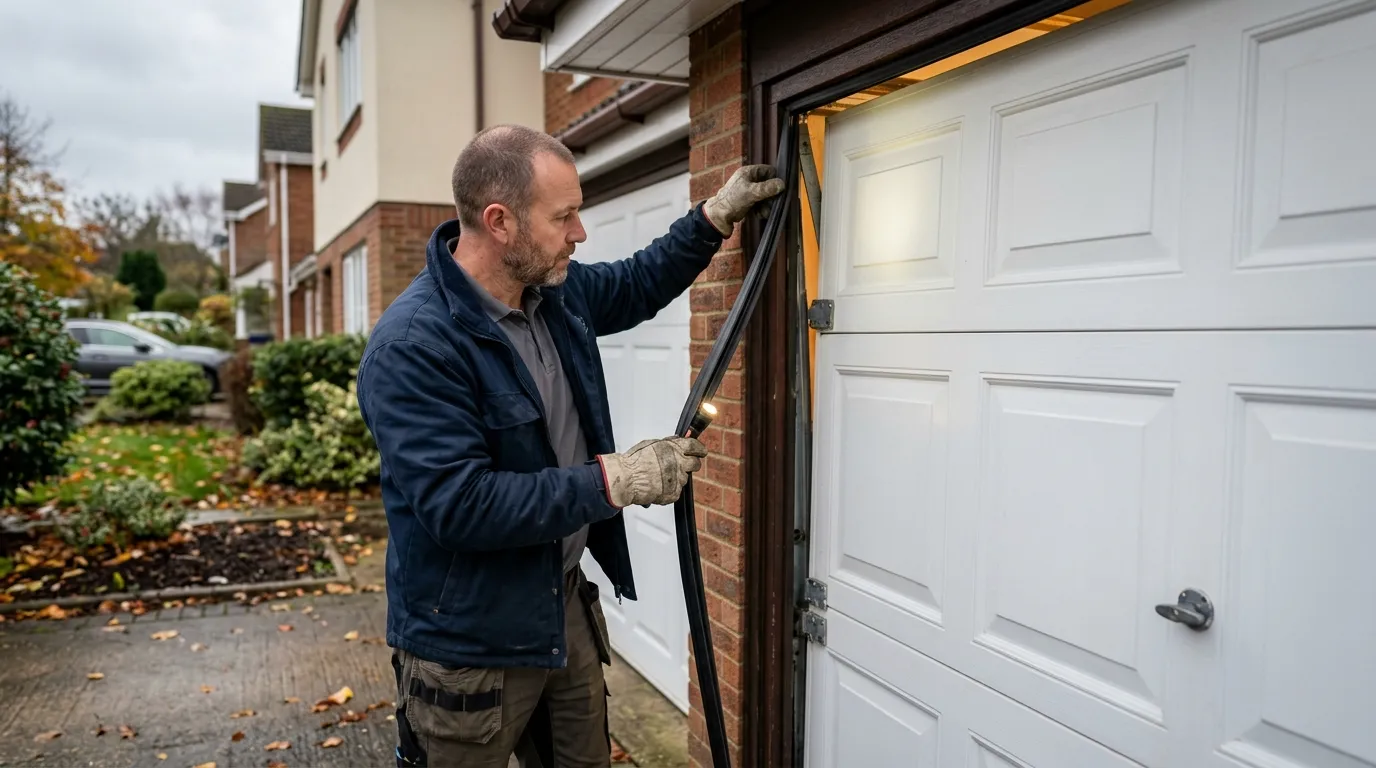
Clear, up-front plan - Toms River garage door service
3

Clear, up-front plan

You get the fix that’s needed and what drives the cost - before any work starts.

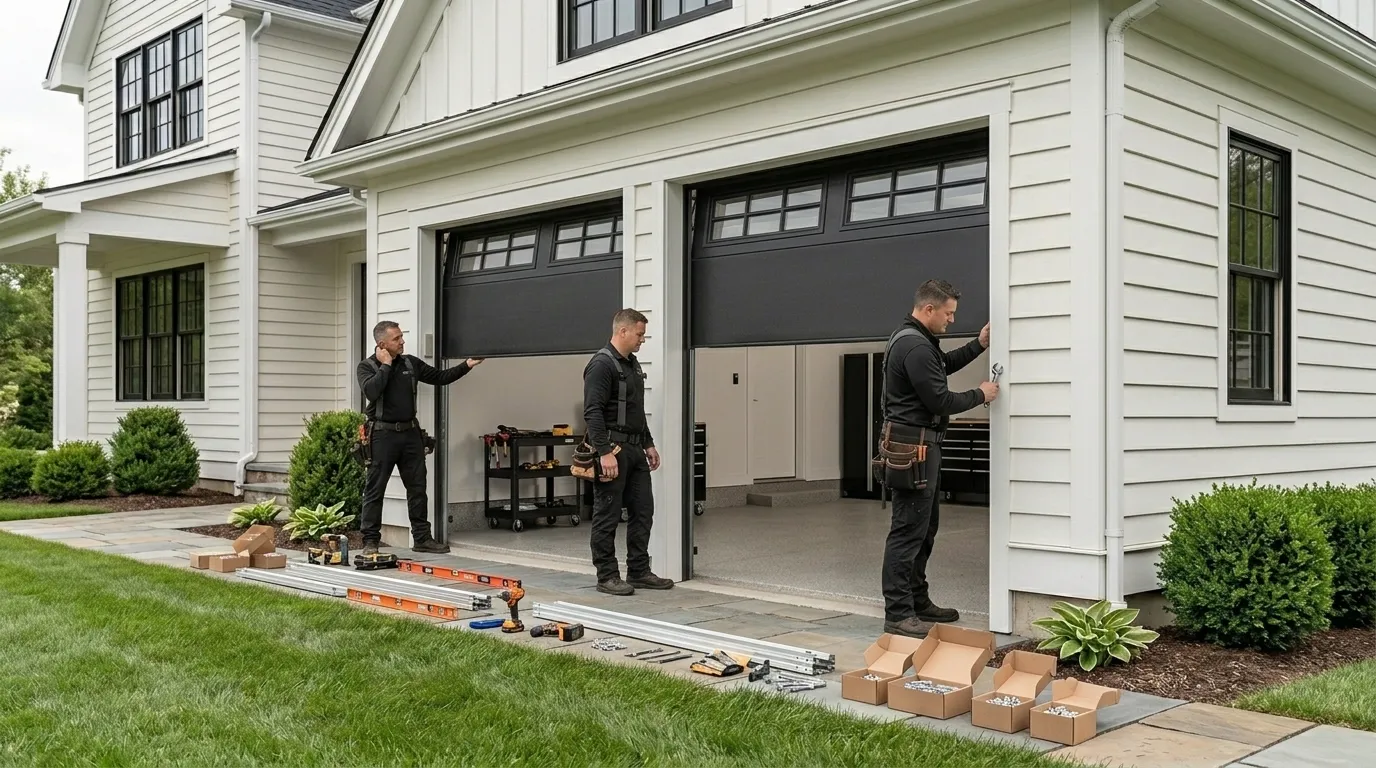
Repaired & tested - Toms River garage door service
4

Repaired & tested

The repair is done, the door is set true and tested, and the work area left clean.

Next step

Serving Toms River, NJ - tell us what your door’s doing and we’ll take it from there.

How we work

What to expect

Diagnosis firstEvery visit starts by finding what actually failed - not a pre-written parts list.
The right part for the doorSprings and openers matched to the door’s weight and age, so the fix holds up.
Straight answersWhen a repair makes more sense than a replacement - or the reverse - you hear it plainly.
Clean, careful workTension released safely, hardware set true, the door tested under power before we leave.
Questions

Frequently asked

Straight answers about garage door repair in Toms River. Still unsure? Ask us directly.

Why does my garage door spring keep breaking every winter?

On a lot of the 1960s and 70s houses in this area, the torsion spring was sized for the original door weight, and years of cold snaps in a severe cold climate wear that tension down faster than milder regions see. Once a spring is marginal, the first hard freeze is usually what finishes it. Replacing with correctly rated hardware for the current door usually stops the yearly pattern.

Is my door old enough that the parts are hard to find?

It depends on the build year. Housing in this service area runs from 1938 to 2005, with a median around 1972, so a fair number of doors are running original 1960s-70s hardware. Some of that hardware is still available, some isn't - a tech has to look at the bracket stamps to tell you which situation you're in before quoting a repair.

Does the coastal air near Toms River affect garage door hardware?

Yes, in the neighborhoods closer to the shore side - toward Dover Beaches North, Seaside Heights, and similar areas - we see more internal coil rust on springs and cables that isn't visible from the outside. Inland, the bigger issue is grease and cable stiffening from cold rather than moisture. Either way, it changes what we check first.

Do I need a new opener if my house was built before openers were standard?

Not automatically. Plenty of houses in this area built in the 1960s-70s have had an opener added later, sometimes more than once, and the wiring or bracket mount from an earlier install can be the actual problem rather than the opener itself. We check the mount and the door balance before recommending a new unit.

How do I know if my door just needs lubrication instead of a repair call?

If the door is still opening smooth and level and the noise is only from the rollers, that's usually a lubrication fix, not a repair. If it's dropping unevenly, sticking on one side, or came off track, that's a load issue on the spring or cable and shouldn't wait, especially heading into a cold stretch.

Ready to get your garage door sorted?

Tell us what it’s doing and where you are in Toms River - we’ll take it from there.

Request a QuoteCall