Old Streets and New Ones
West Freehold sits about 17 miles from our shop in Toms River, and the trip matters when we're scheduling a visit - it's not a five-minute run across town. What makes this pocket different from a lot of the wider service area isn't the drive, though. It's the age of the houses. The broader coverage area we work in has a median build year of 1972, spread across dozens of named sections that mostly went up in the 1960s and 70s. West Freehold's own median build year runs a bit later, 1978, and with only 5,392 households here, it's a small, fairly tight window of construction compared to the 135,232 households across the whole service area. A six-year gap doesn't sound like much until you're standing in front of a door. It's the difference between a house built with steel sectional doors on extension springs versus one that got in just ahead of the torsion-spring standard becoming common. Streets built in the same few years tend to have the same garage door bones, good or bad, and that consistency is actually useful when we know what we're driving into before the truck leaves Toms River.
What We Do Not Do
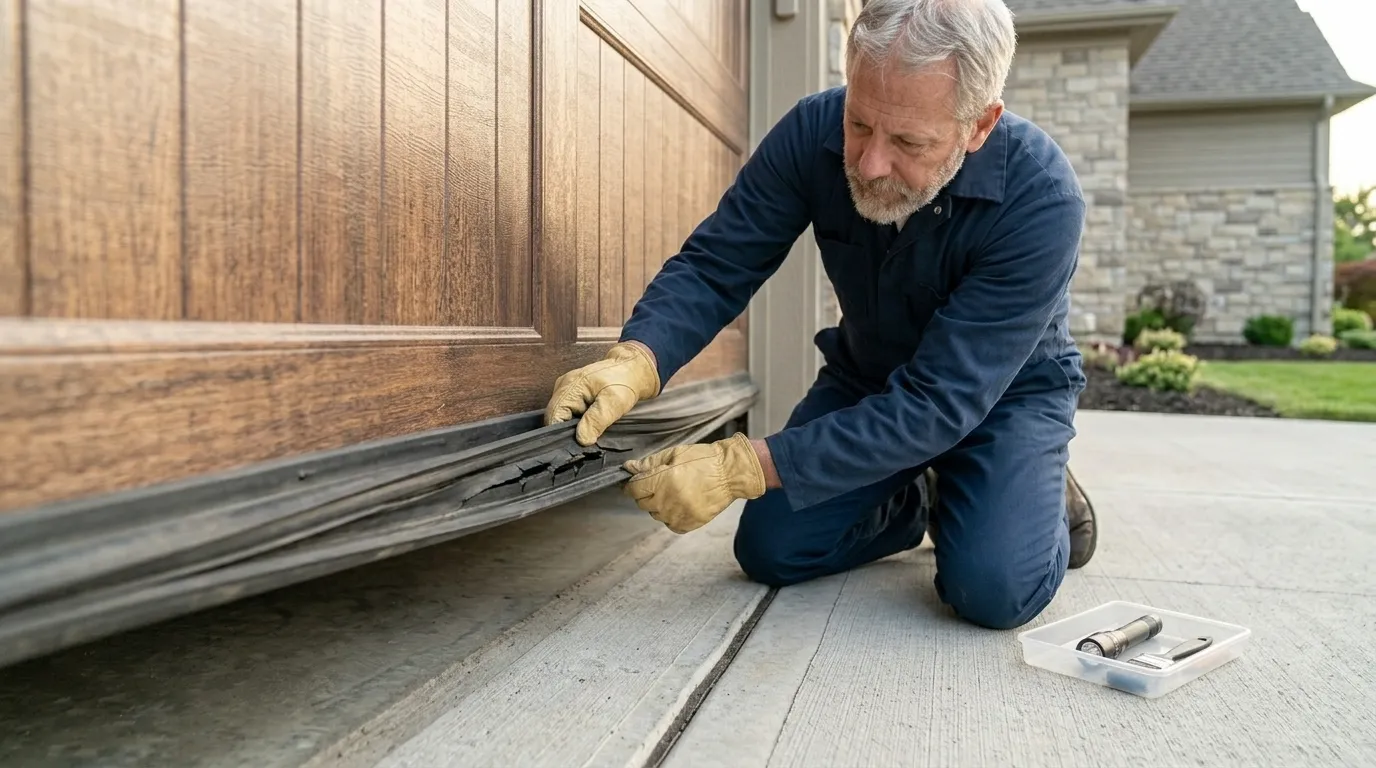
We drive out from Toms River, we don't keep a truck stationed in West Freehold, so we can't promise a same-day fix the way a shop based five minutes away might. If your spring lets go at 6pm on a Friday, we'll get you on the schedule, but we're not going to pretend we're already around the corner. We also don't do fence or gate work - garage doors, openers, and the hardware that runs them is the job. And if a door from the late 1970s has a bent track, a rusted-through bottom panel, and an opener on its last legs all at once, we're going to tell you straight that replacement is the better math, not keep billing you for repairs on a door that's done its job for over forty years. That's not a sales pitch - it's the honest read on what a door that age can still give you.
How That Shows Up in the Door
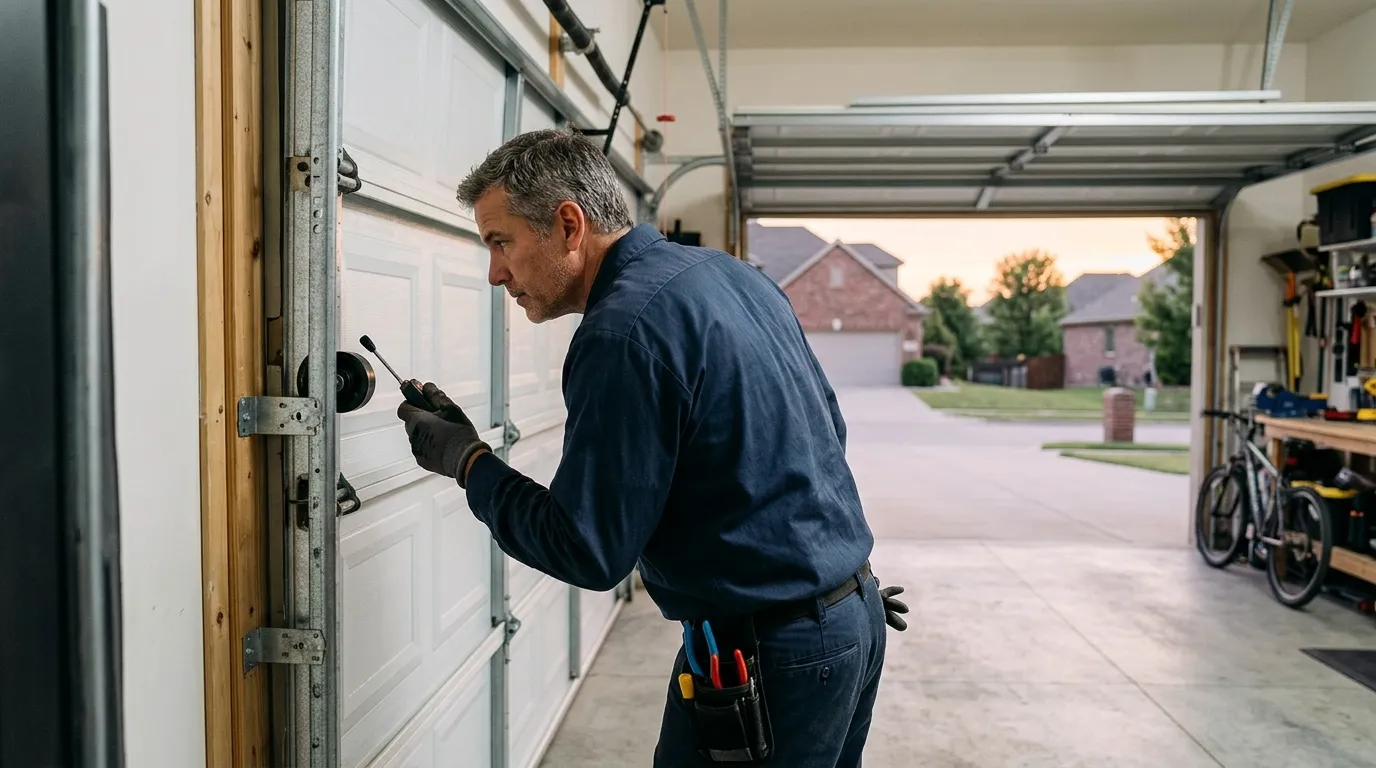
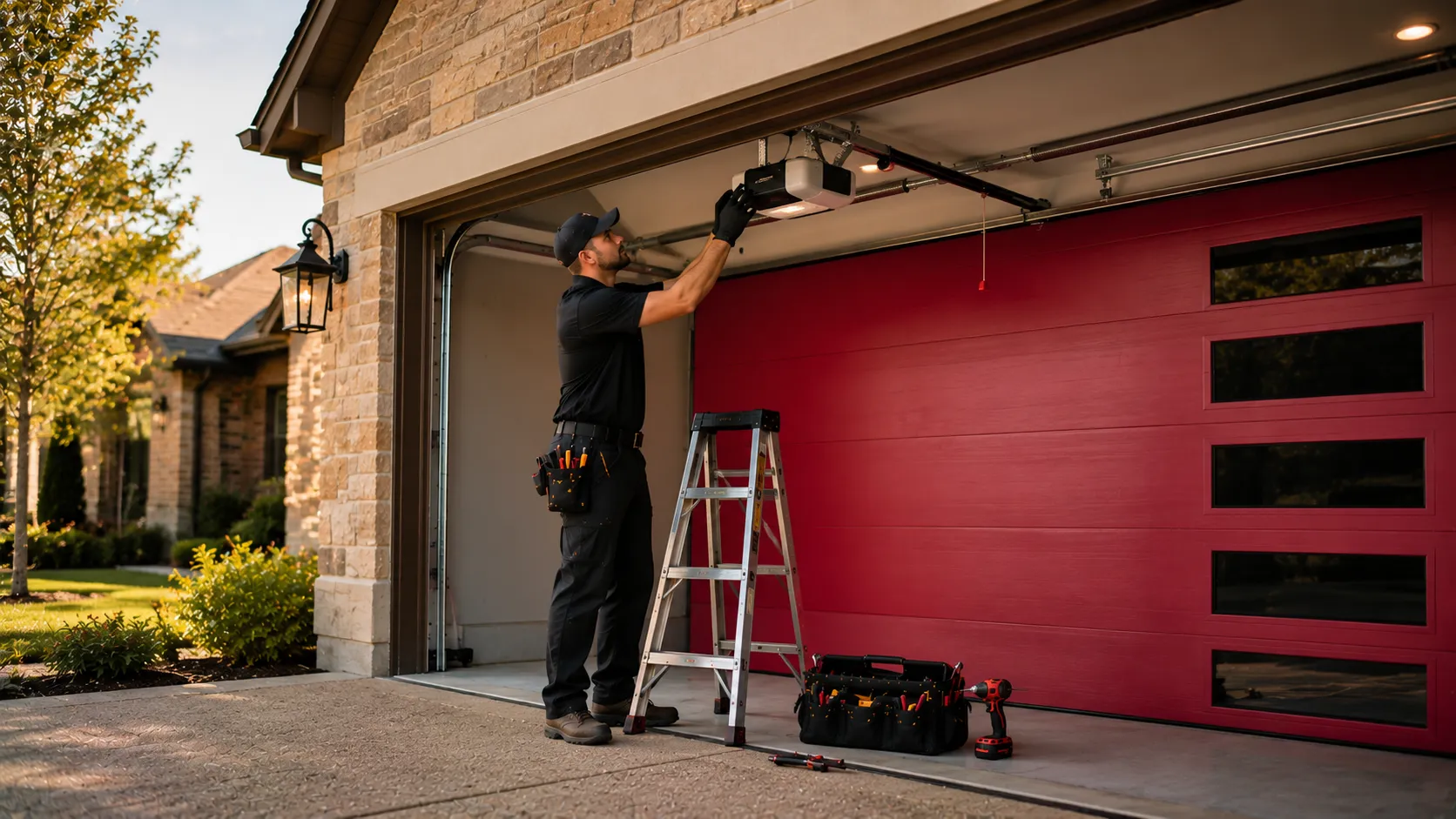
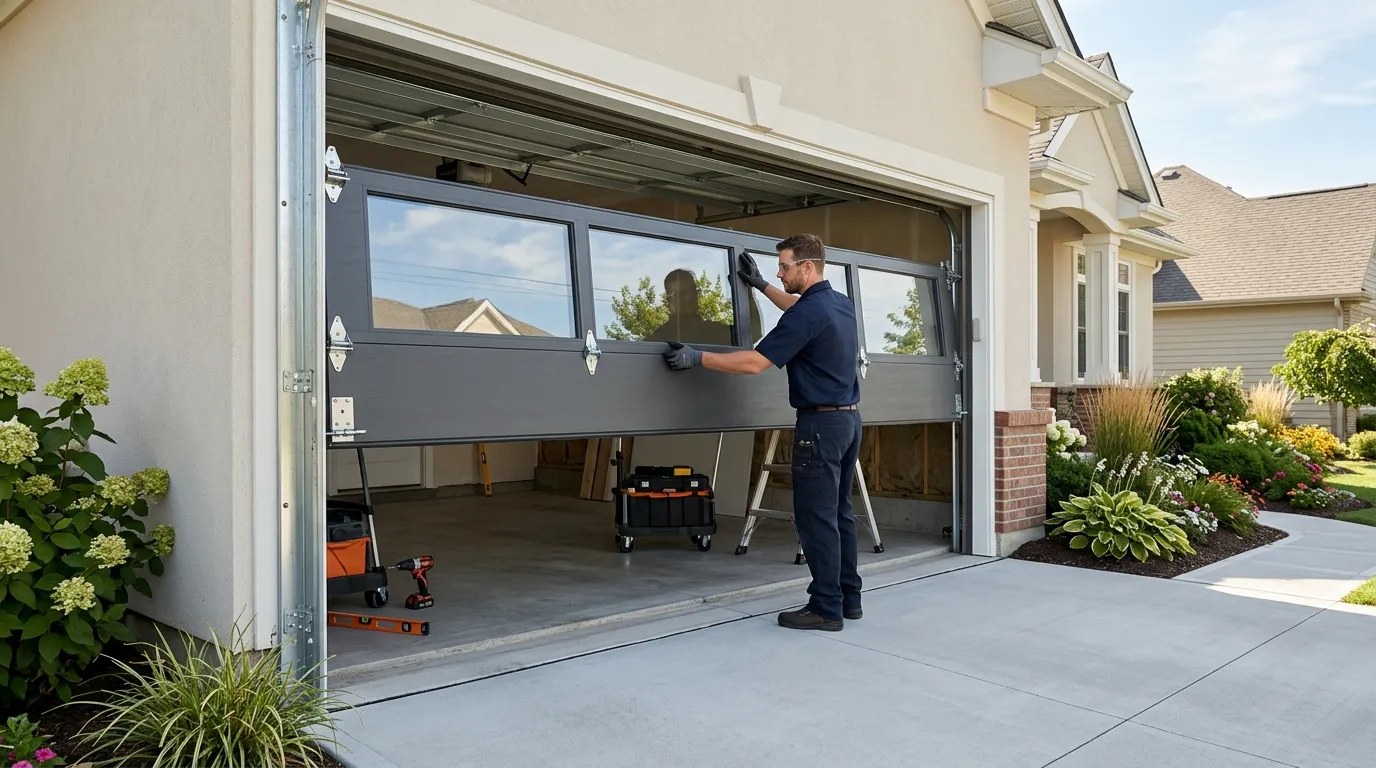
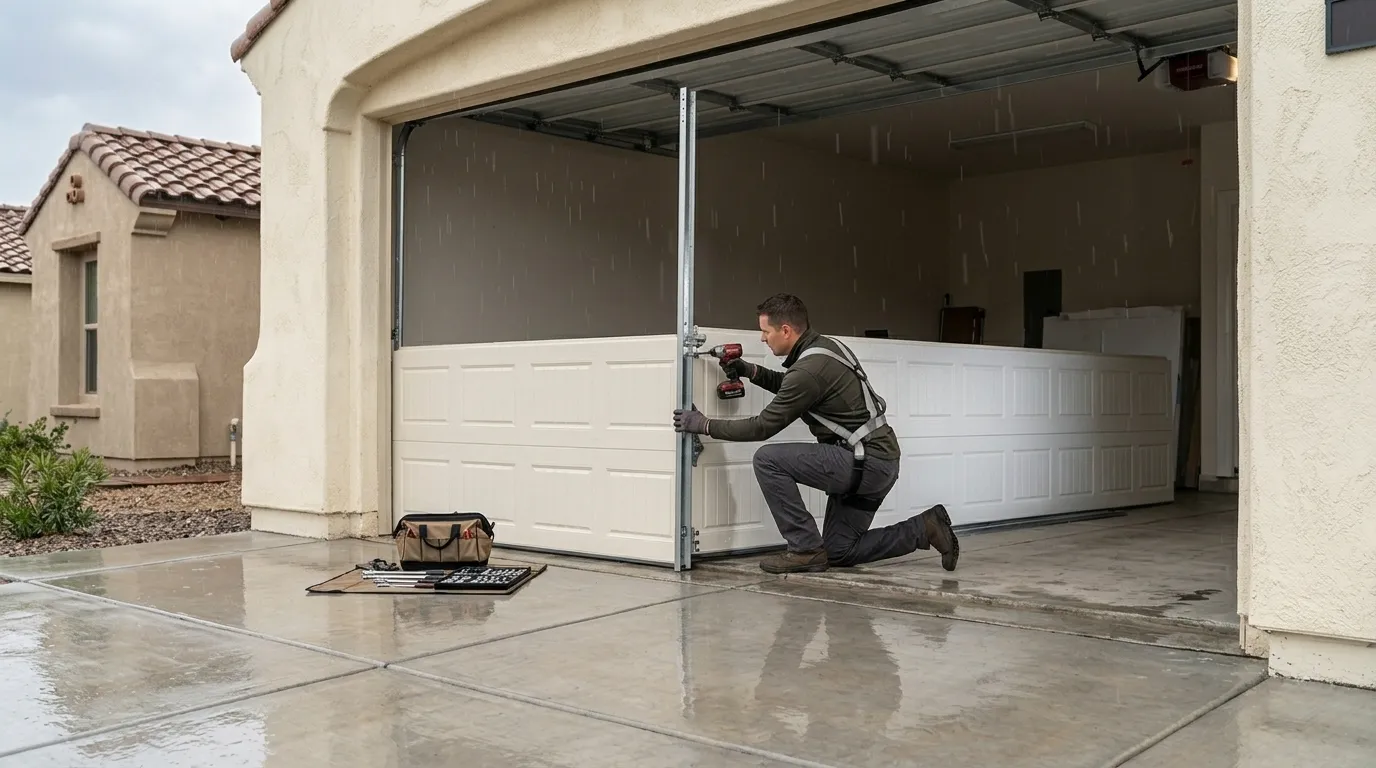
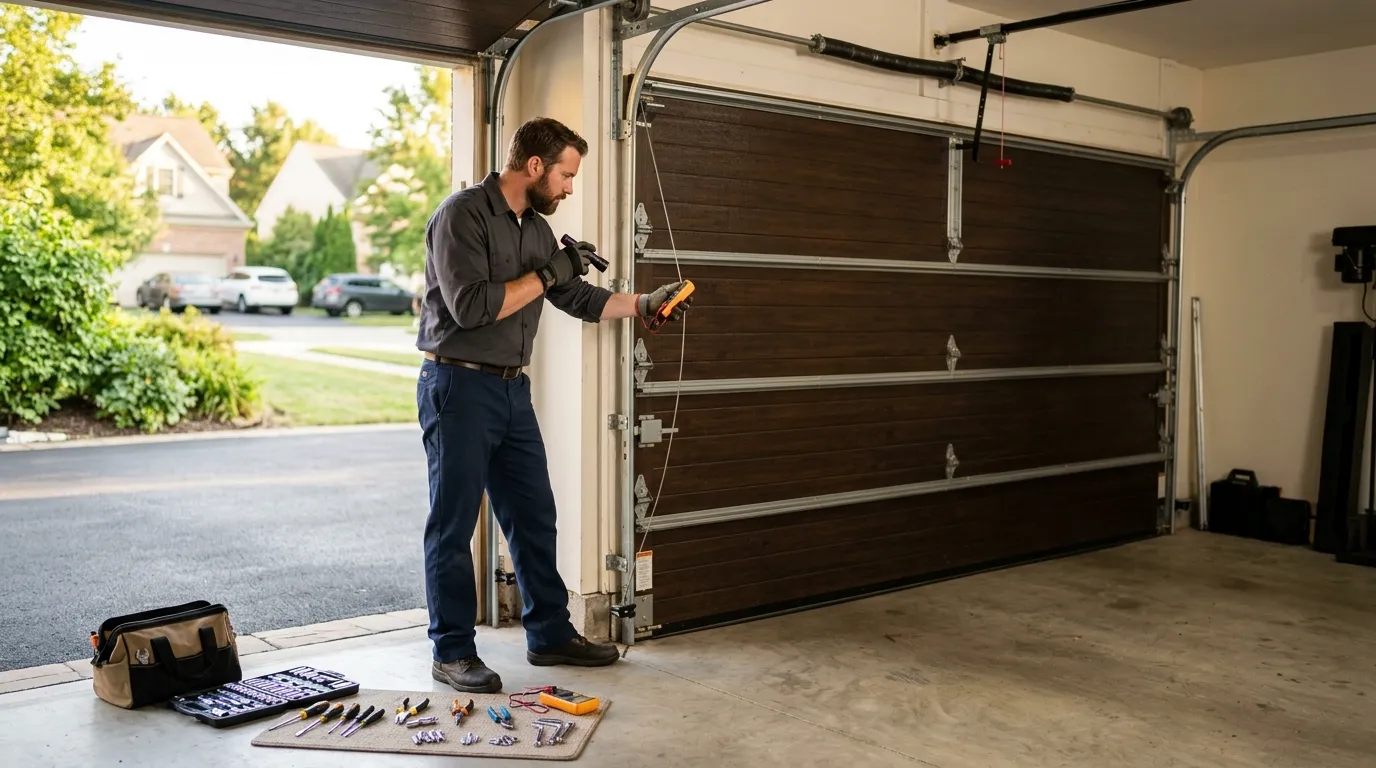
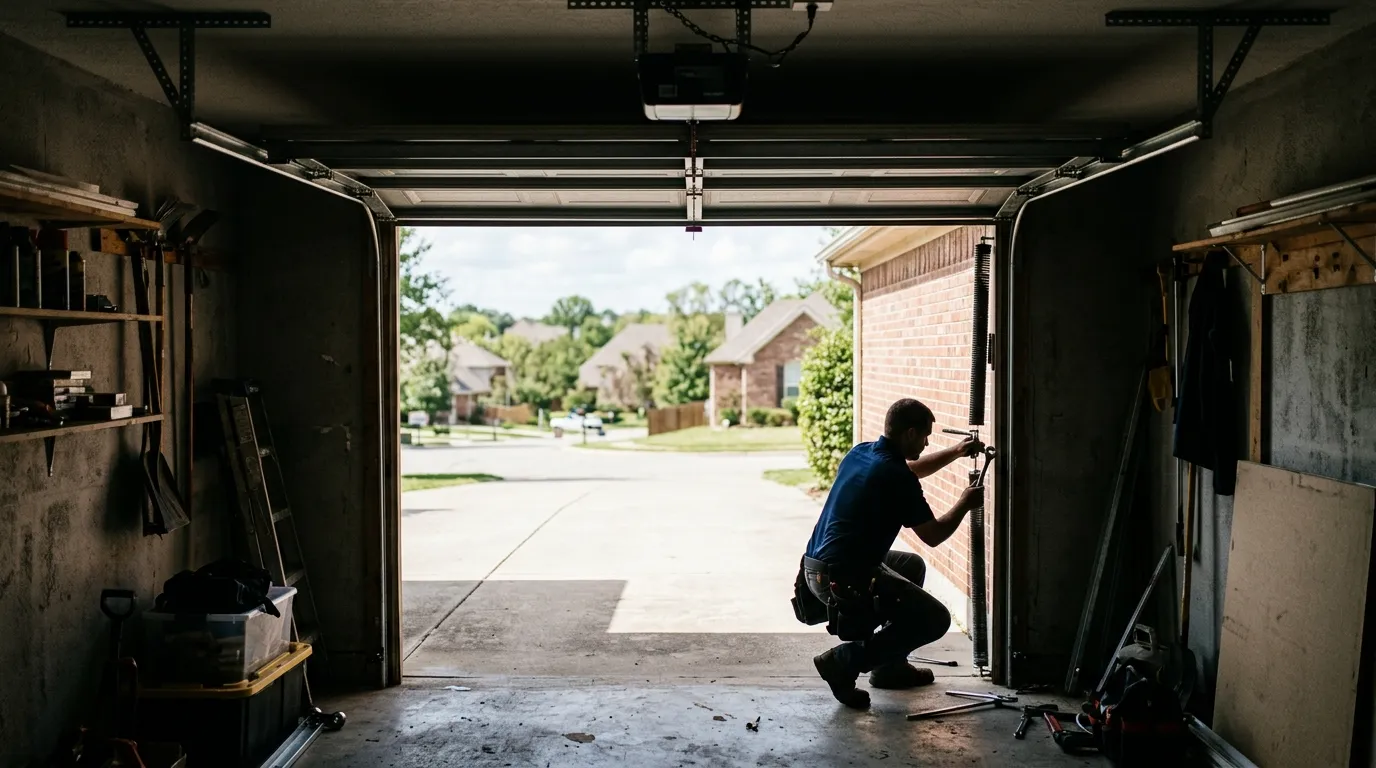
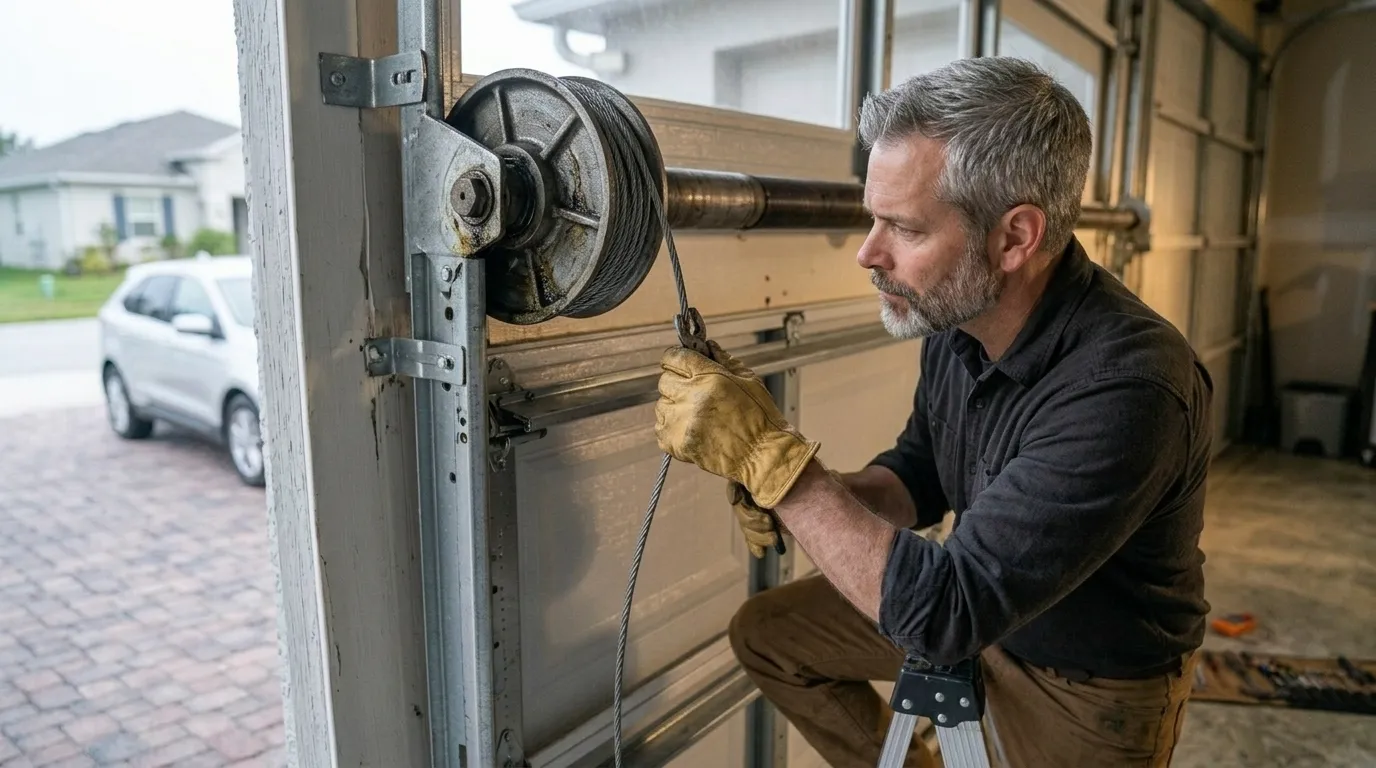
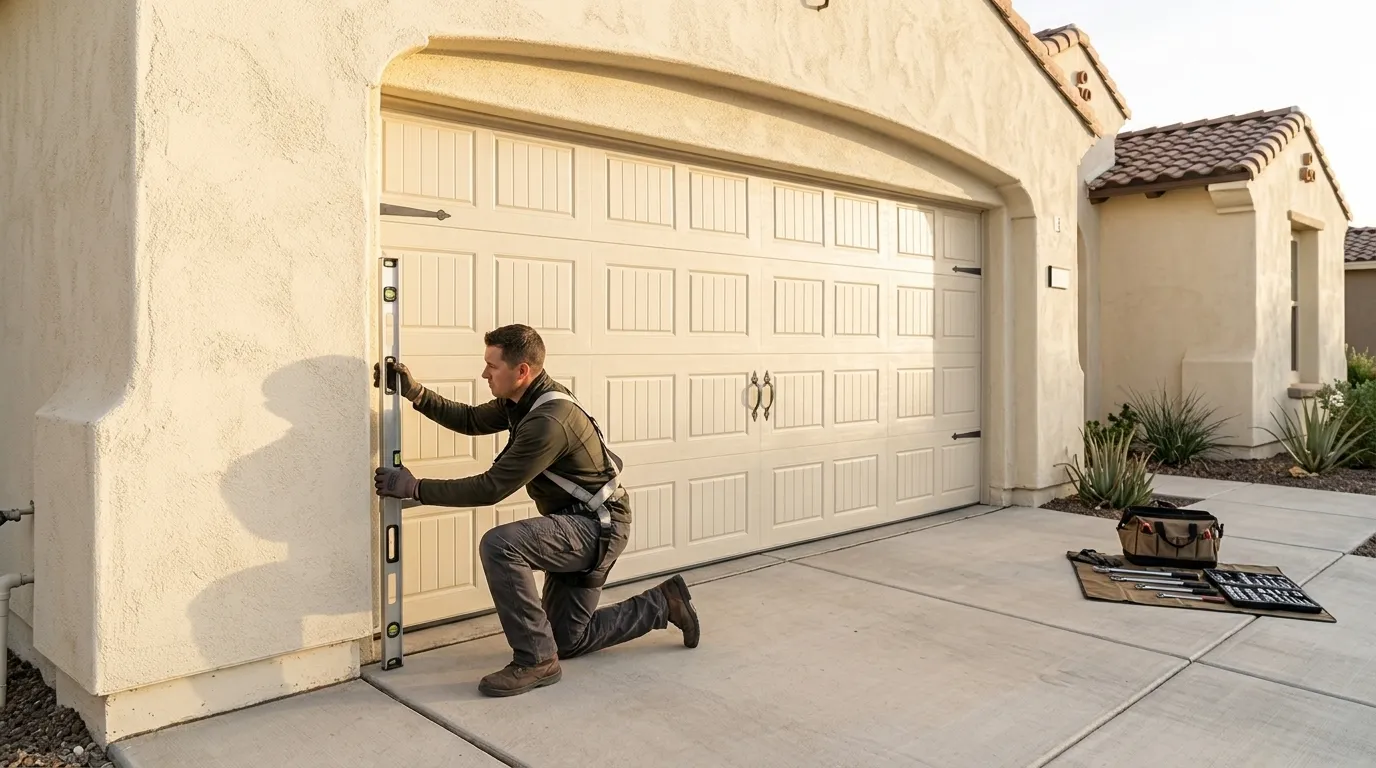
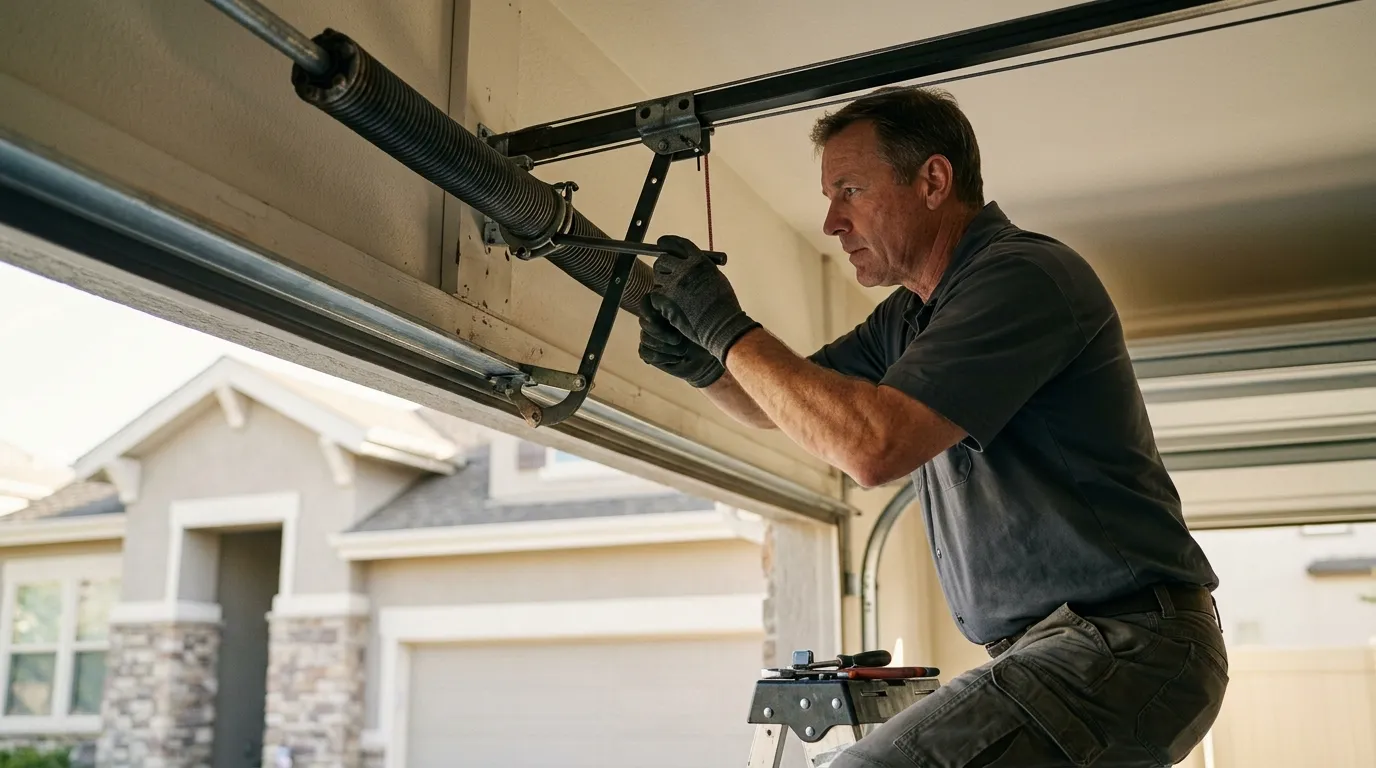
On a service call in West Freehold, the pattern we see most often traces straight back to that 1978 median build year. Extension springs stretched along the horizontal track wear differently than torsion springs - they sag, they lose tension unevenly, and one side often goes before the other, which tilts the whole door in the opening. Original chain-drive openers from this window tend to run loud and stiff after four decades, and homeowners often mistake worn opener gears for a spring problem, or the reverse. Tracks bent from small impacts show up more on doors of this vintage too, since the steel gauge used then was often lighter than what goes into a new install. None of this means every door here is failing at once - plenty of these garages have had partial upgrades over the years, new opener, same door, or new springs on an old track. But knowing the build era going in means we're not guessing at what's behind the panel before we've even opened the garage.