
Old Streets and New Ones
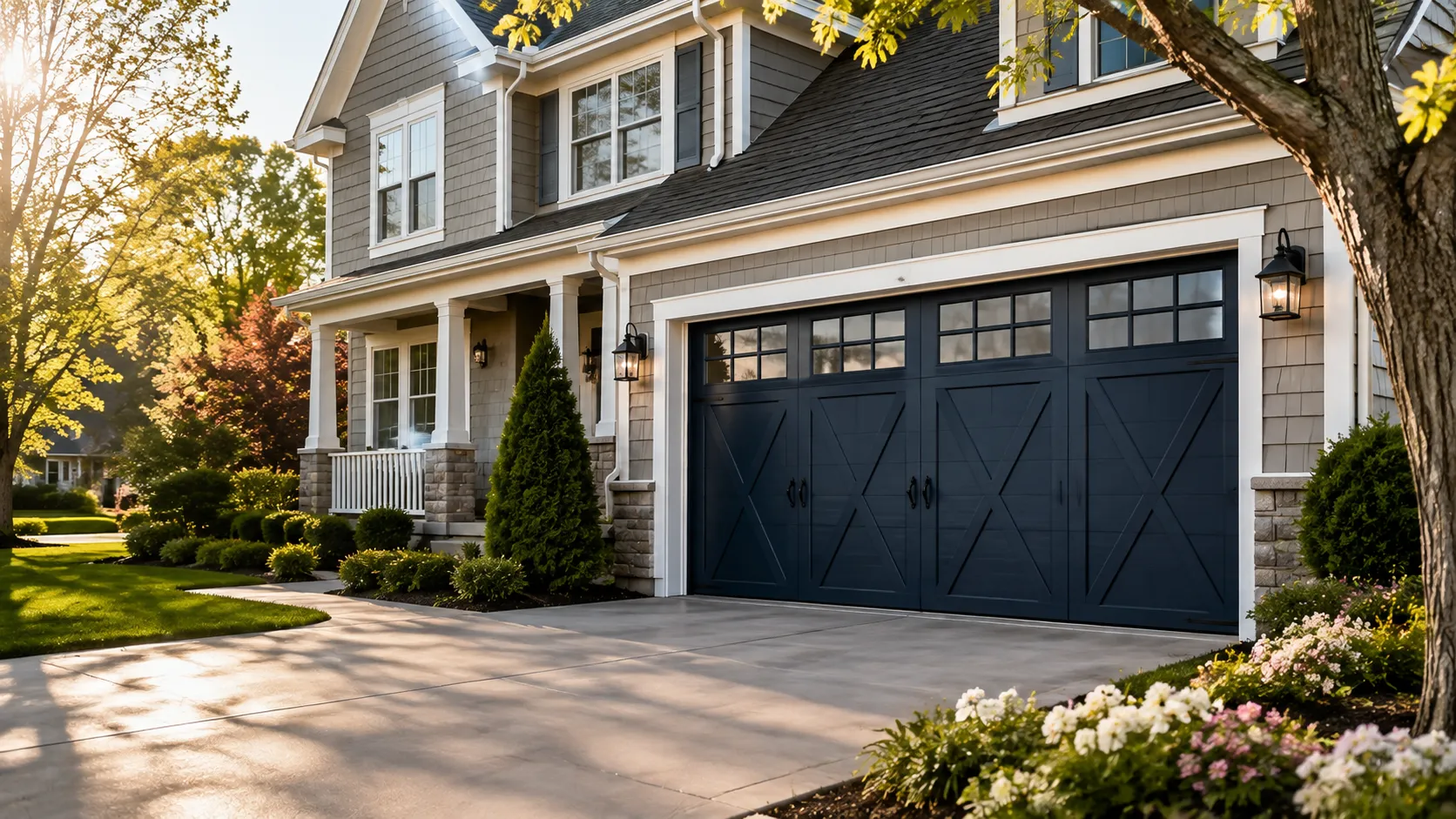
Tinton Falls sits about 19 miles from our Toms River shop, and the drive matters less than what's waiting at the end of it. Across the wider service area we cover, the median home dates to 1972, with a lot of stock going back to 1938. Tinton Falls skews much younger - the median build year here lands around 1992. That's two decades of difference in framing, in door weight, and in the hardware that came with the house from the factory. A 1992 build isn't old by garage door standards, but it isn't new either. It's right at the point where the first opener and the first spring set are due, or overdue, for real attention. With roughly 8,762 households in town, that's a lot of doors hitting that same age window around the same time.
What We Do Not Do
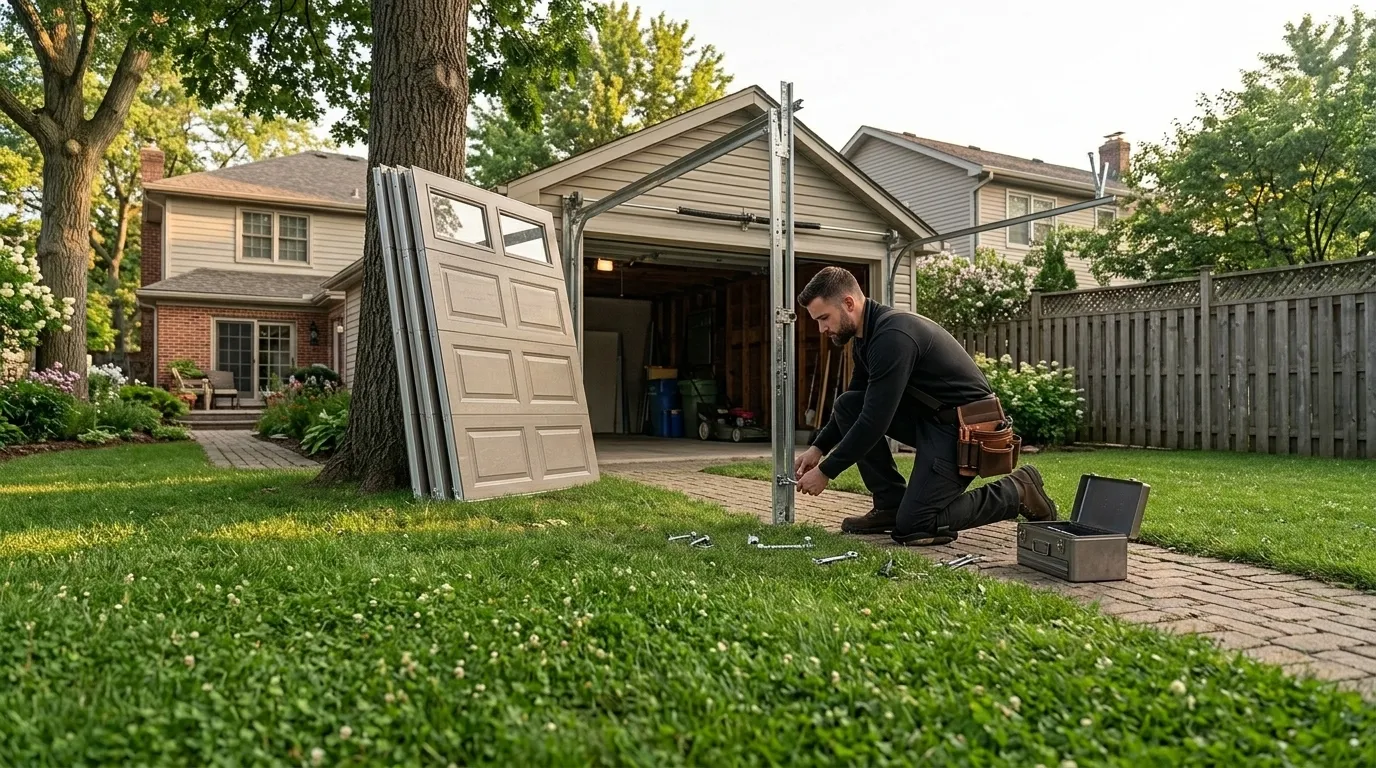
We don't keep a truck or a yard in Tinton Falls. Every job here is a trip out from Toms River, and that means we're not the outfit to call for a same-day fix at 6 a.m. if the door happens to fail at the start of a workday - plan around the drive, not around us being local. We also don't try to force a repair on hardware that's clearly at the end of its service life just because a repair is technically possible. If a torsion spring from the original 1990s install is pitted or the shaft is worn, patching it usually costs more over two years than replacing the set once, and we'll say so instead of running the meter on a fix that won't hold.
How That Shows Up in the Door
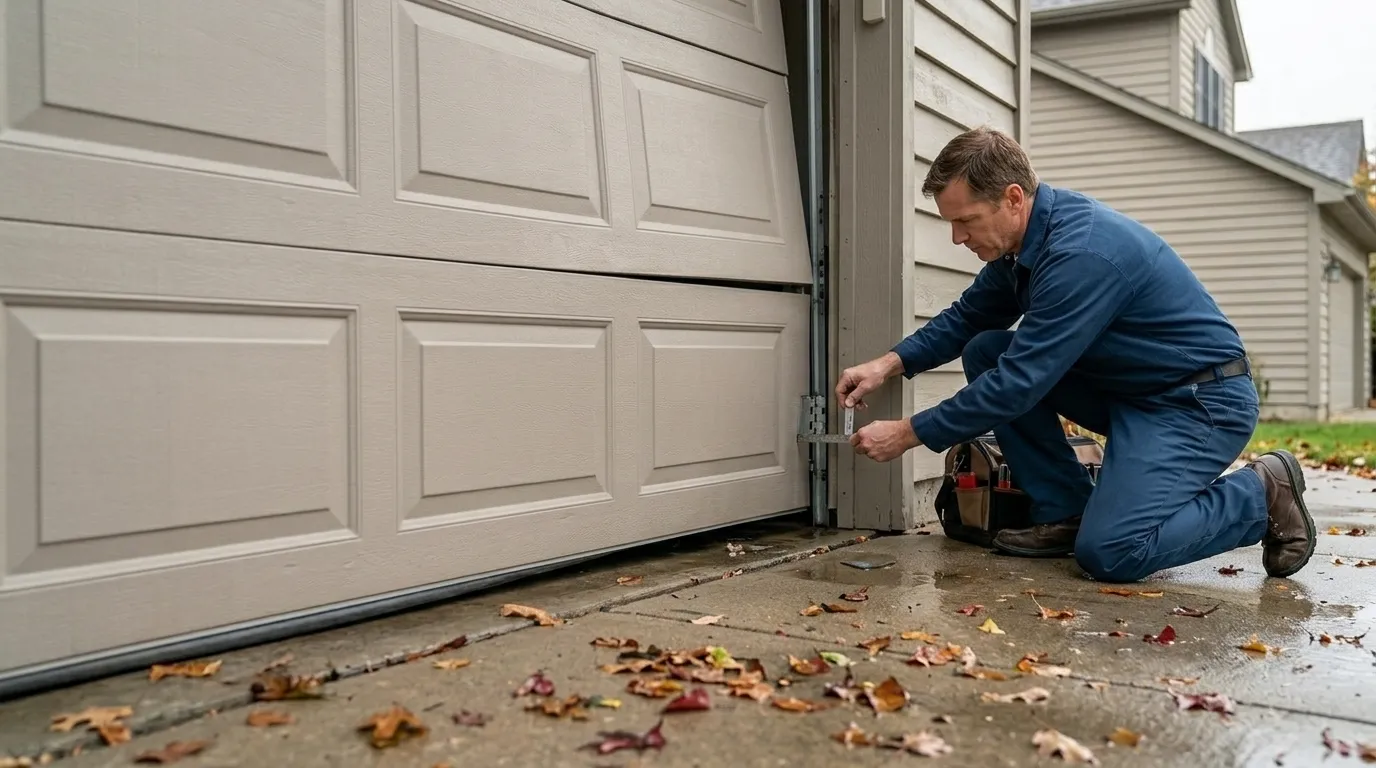
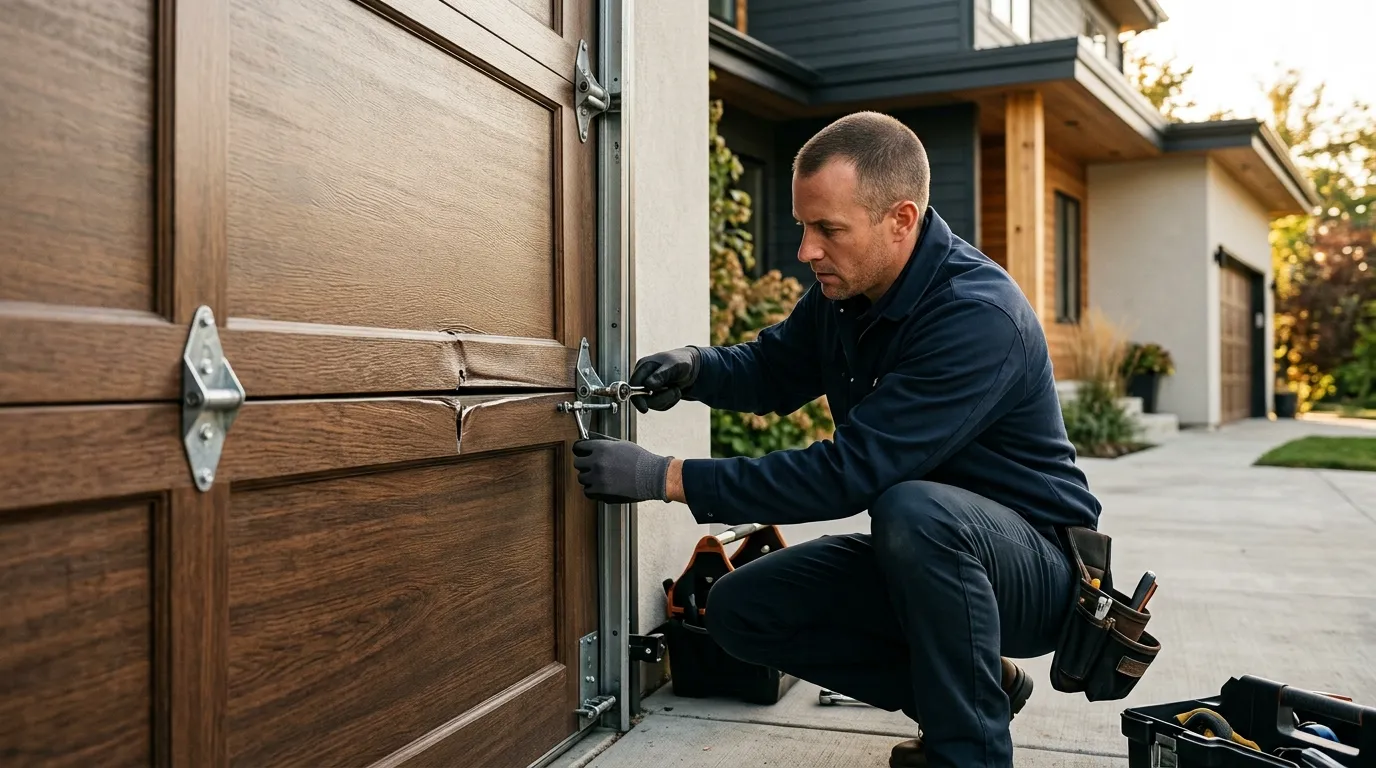
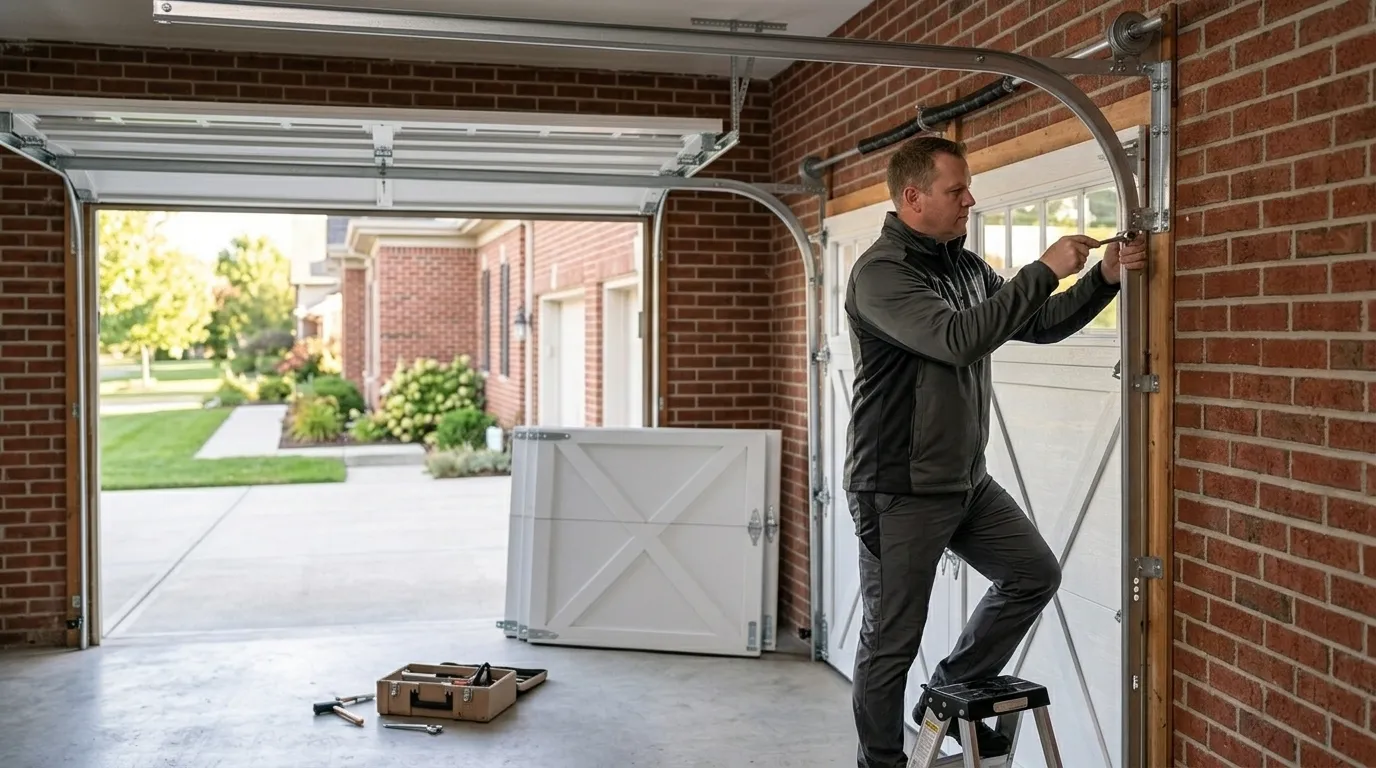
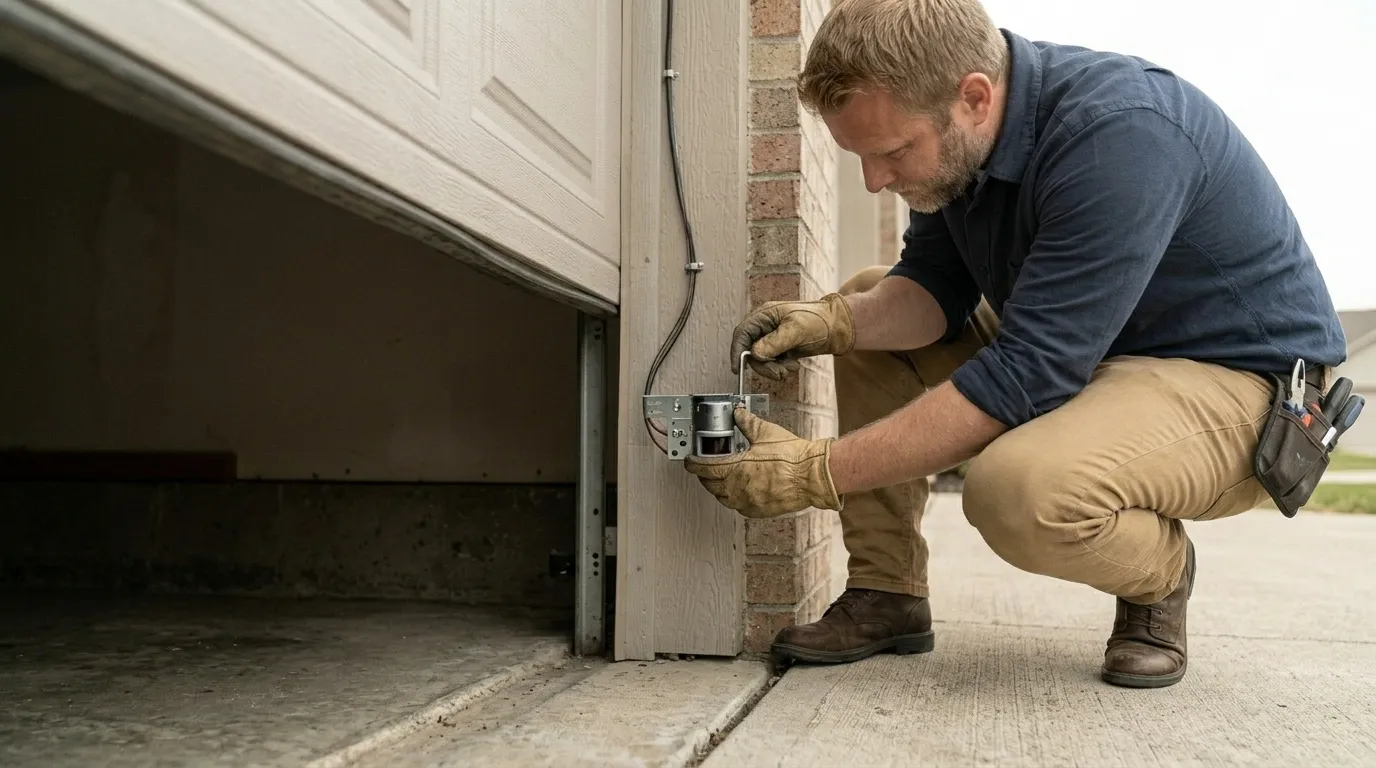
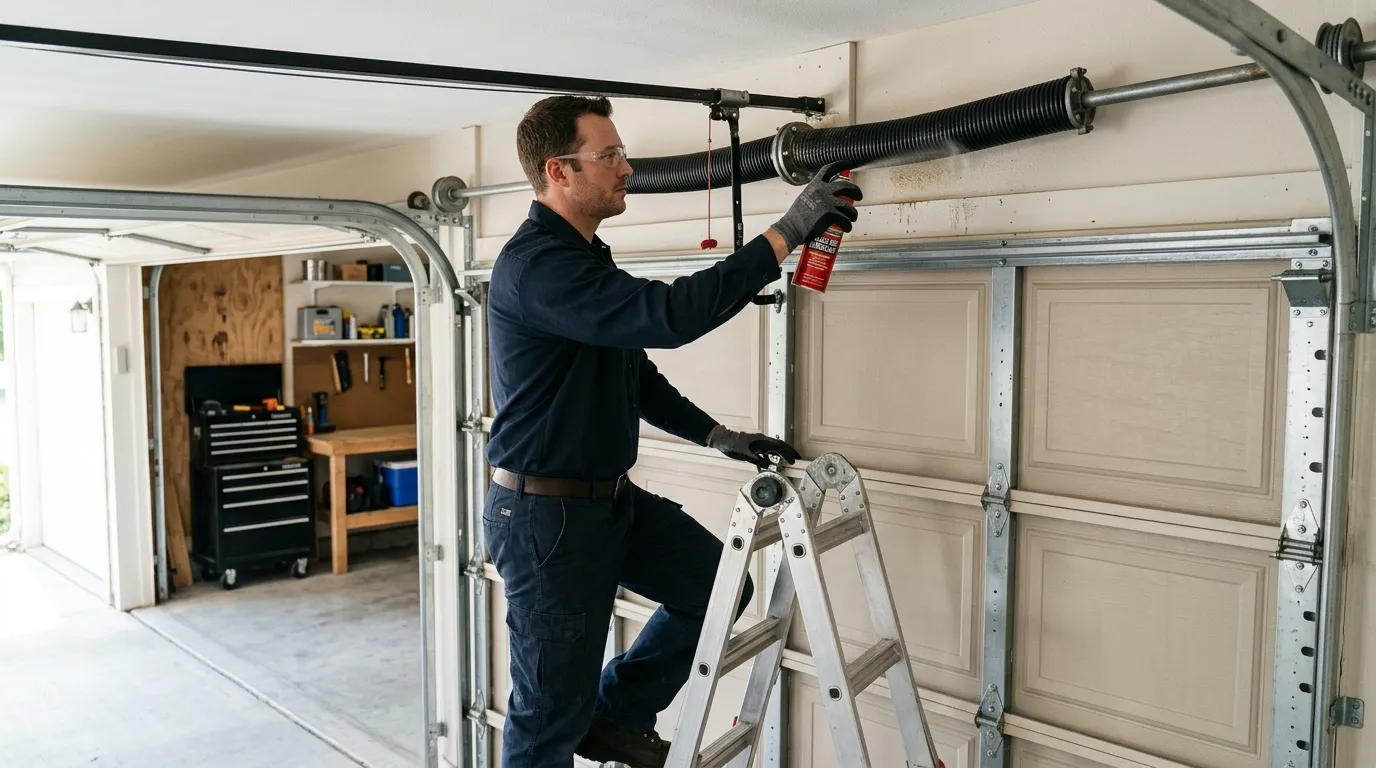
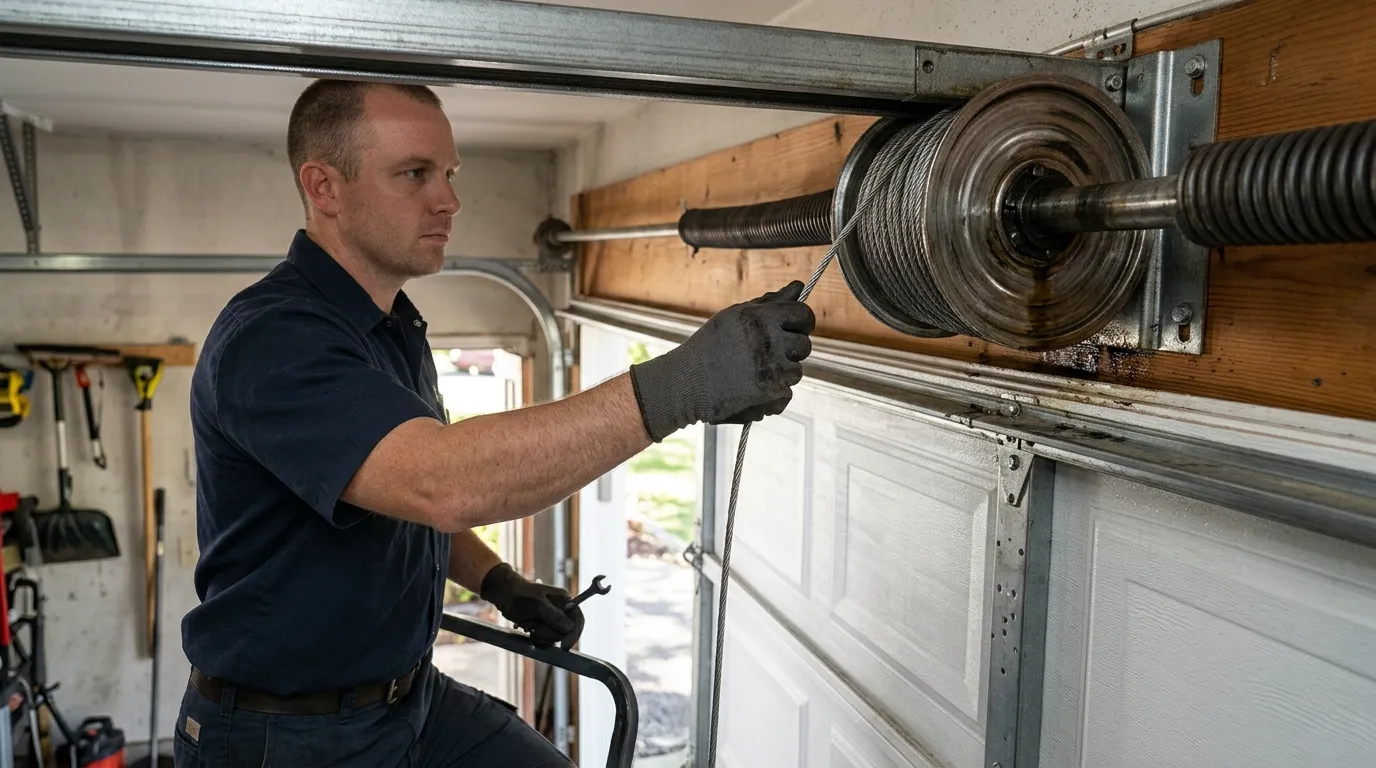
Cold winters here put the same strain on spring steel as anywhere else in this severe cold climate band, but a 1992-era torsion spring has usually seen thirty-plus winters of contraction and expansion by now, which is close to where fatigue cracking starts to show up as a door that won't fully close or that slams the last six inches. On newer builds like these, the failure point is often the spring or the cable, not the whole hardware assembly the way it can be on older extension-spring setups elsewhere in the service area. Openers from this construction era are also old enough that circuit boards, not belts or chains, tend to be the part that finally gives out - a different failure than the mechanical wear you'd expect on an older, retrofitted system.