Old Streets and New Ones
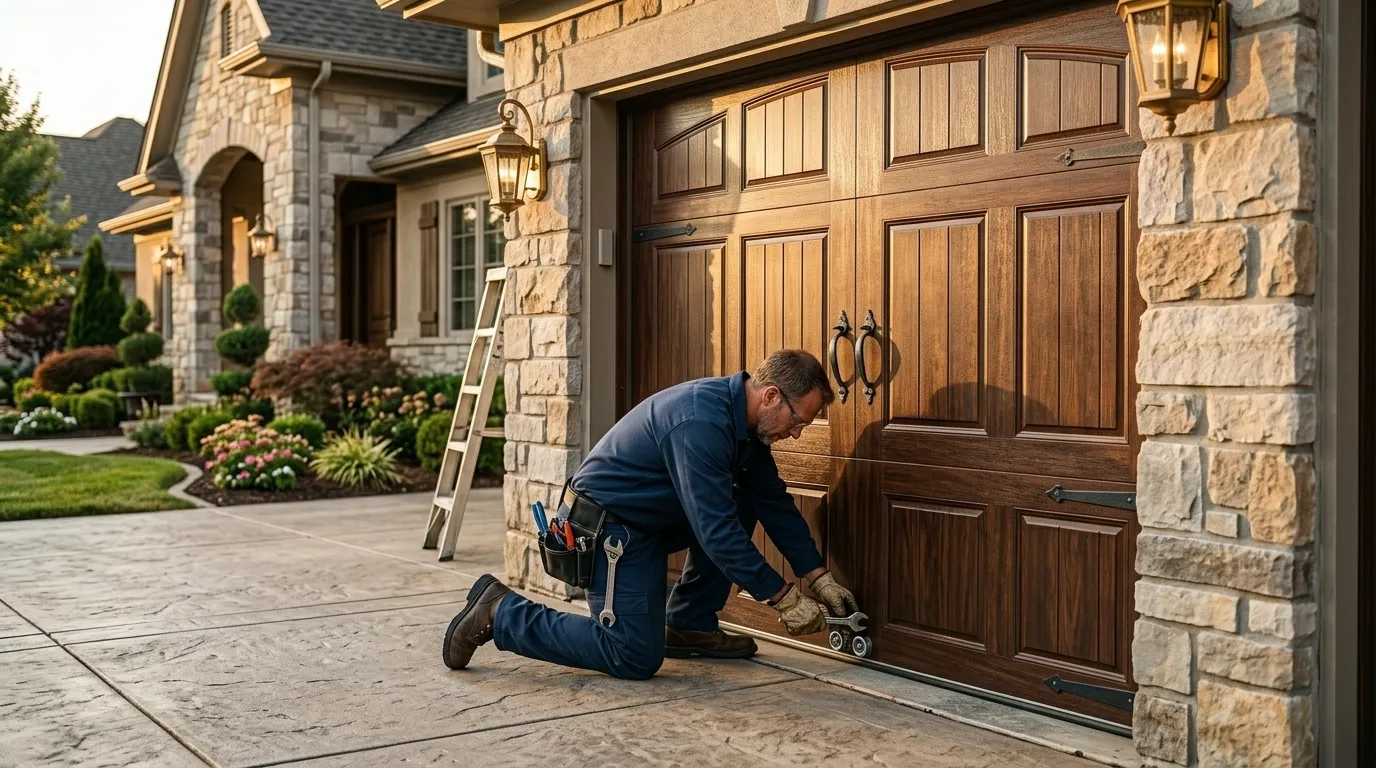
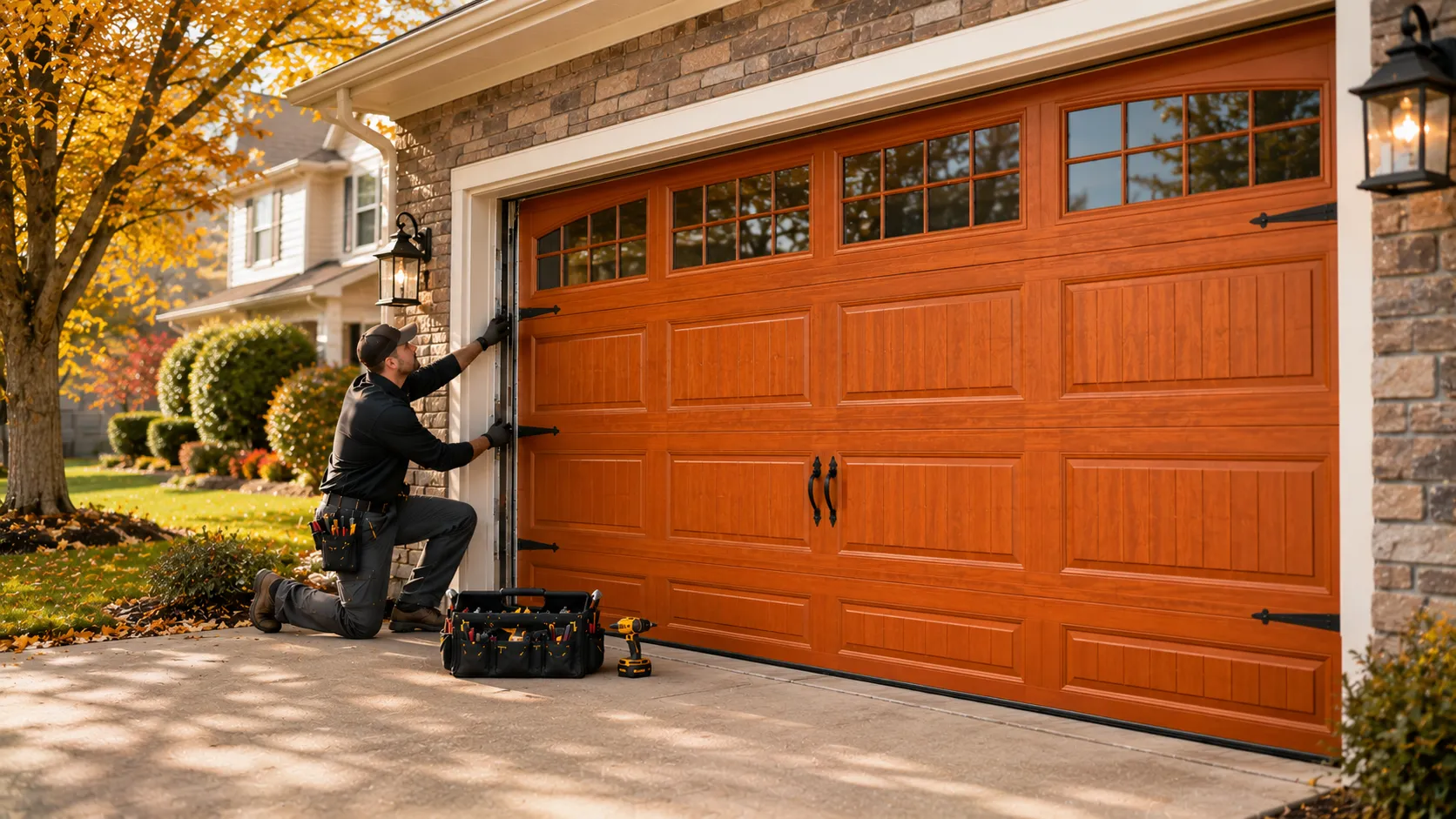
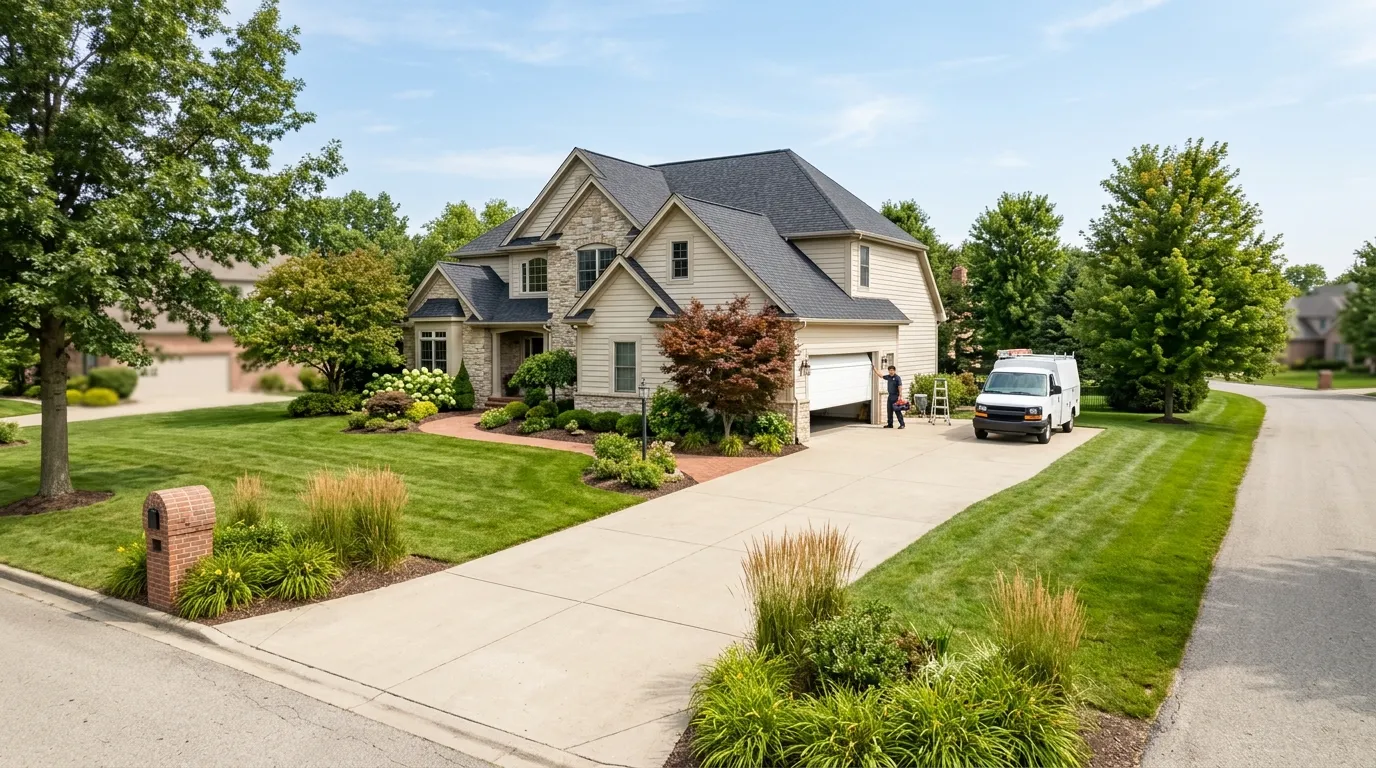
Spring Lake sits about 14 miles from our shop in Toms River, and the housing here doesn't match the newer construction closer to us. The median home in this borough went up around 1958, well ahead of the 1972 median across the wider service area we cover. That gap matters: a door installed on a 1958 build has usually been replaced once or twice already, but the header, jamb, and framing behind it are original, and original framing on a house this age is rarely square anymore. With 1,301 households in Spring Lake and a median income of $146,976, we also see more owners paying for a full replacement rather than a patch repair, since the budget is there and the original hardware often isn't worth saving. Compare that to the region overall, where the housing stock runs newer on average and household incomes sit closer to $97,037 - the calculus for repair versus replace shifts. We're not based here and don't claim a local depot; every call means the truck comes from Toms River, and we plan the visit around that distance rather than pretending otherwise.
What We Do Not Do
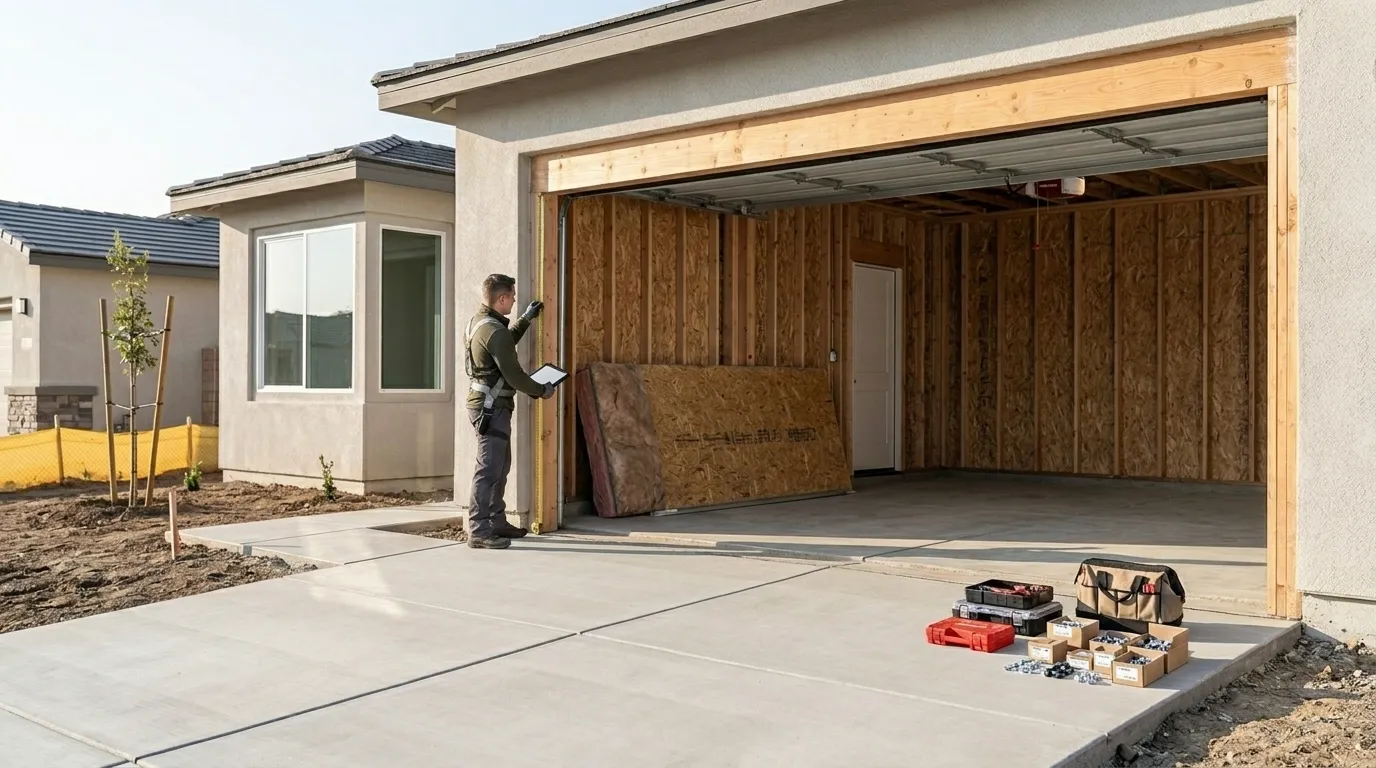
We don't keep a stocked location in Spring Lake, and we're not going to tell you we can be there in fifteen minutes because we can't - the drive from Toms River is part of every job we quote. We also don't try to force modern insulated steel doors into openings that were framed for something narrower without talking through what that reframe actually costs; sometimes the honest answer is that the opening needs carpentry work before a new door goes in, and that's not a job we take on. If a spring or drum is a discontinued size from a 1950s-era installer that's since gone out of business, we may need to source a compatible replacement rather than an exact match, and we'll say so up front instead of promising an original part we can't get. We don't do cosmetic-only fixes on doors where the track is bent badly enough that the panel is at risk of coming off the rollers - that's a safety call, not a preference.
How That Shows Up in the Door
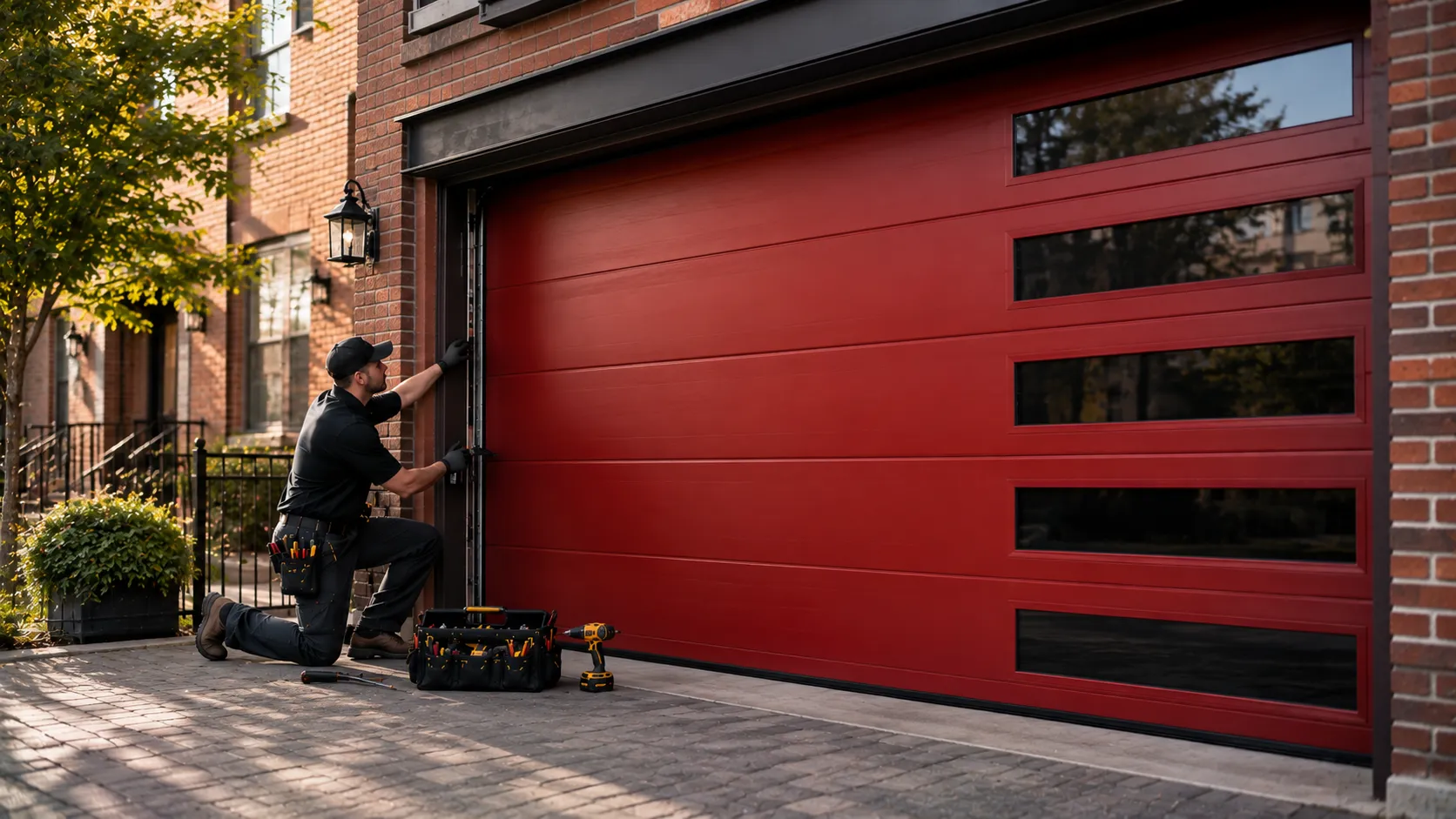
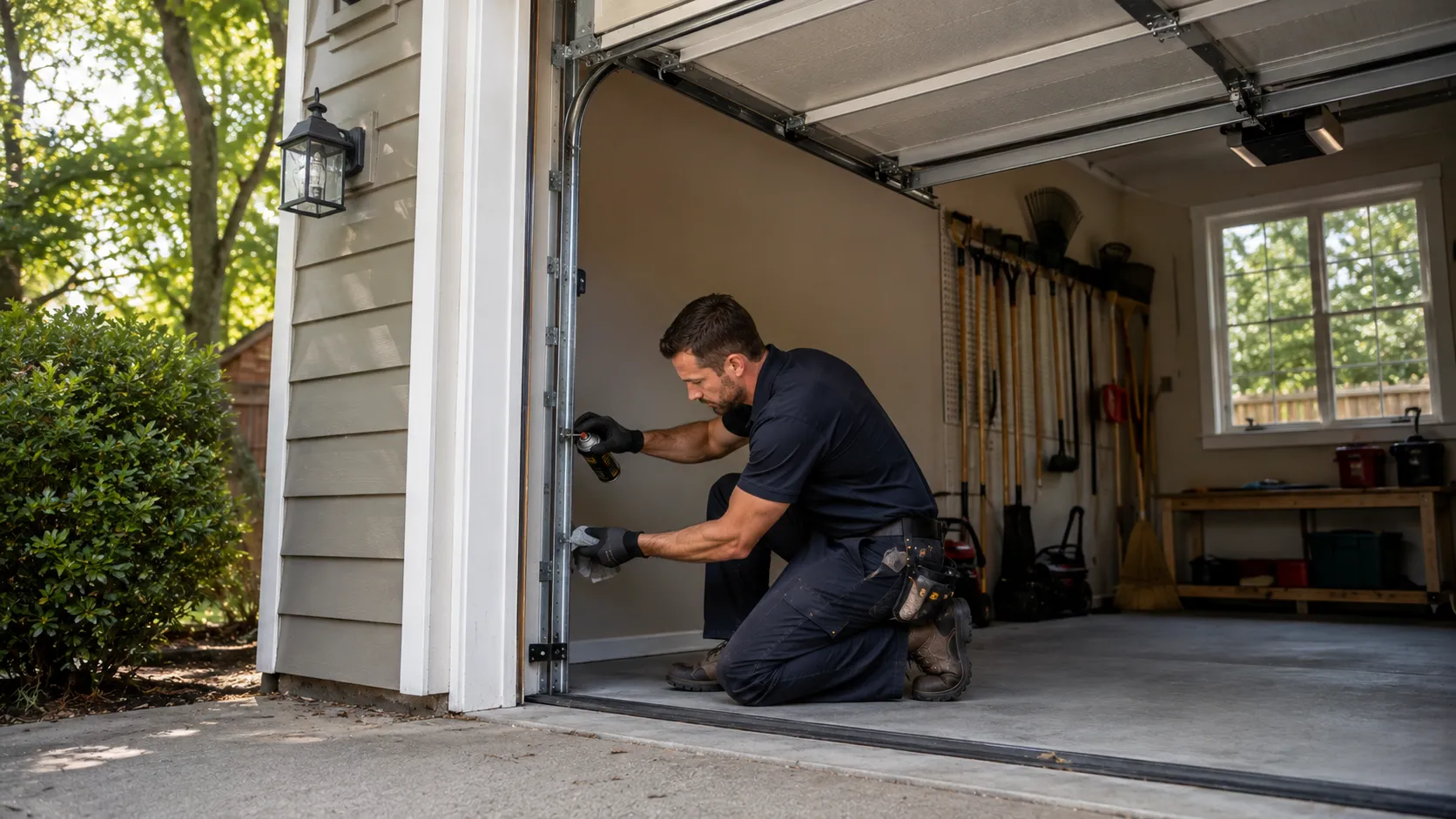
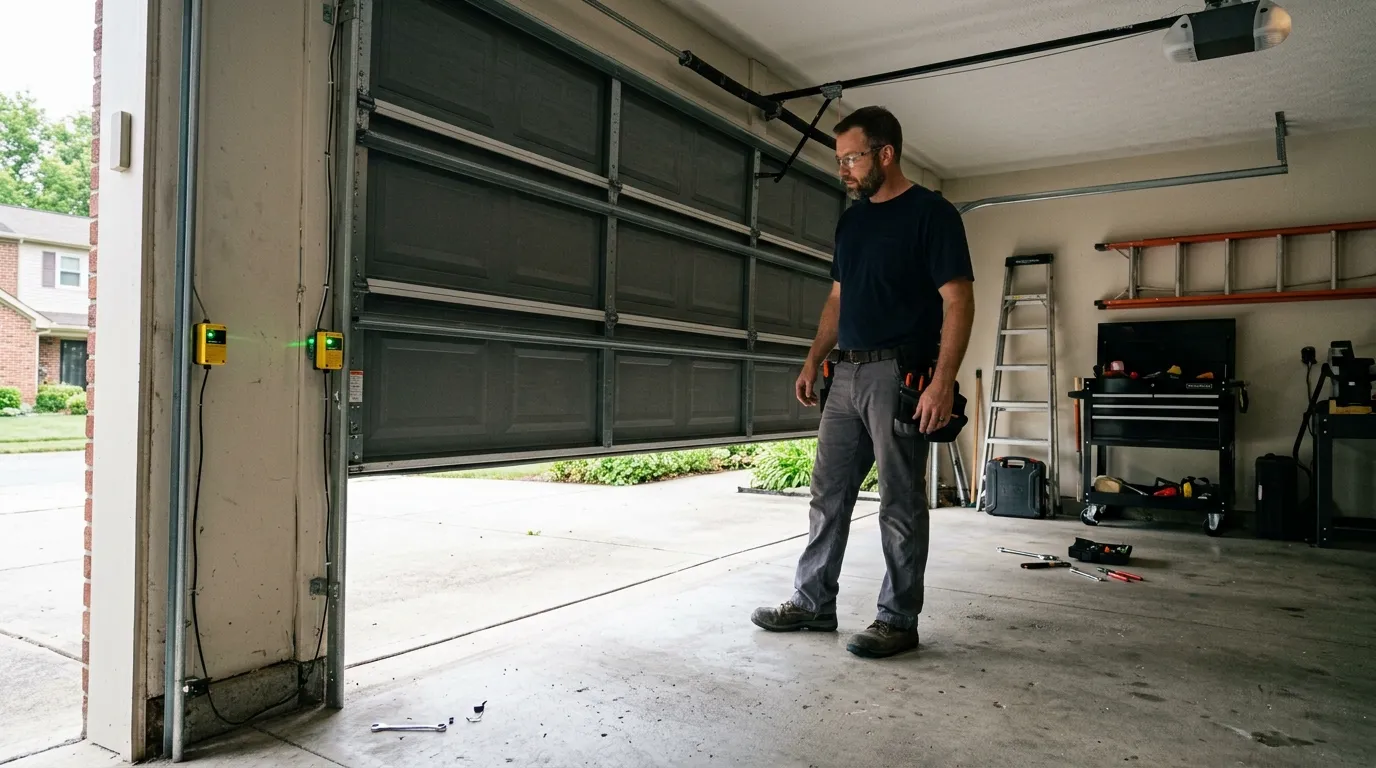
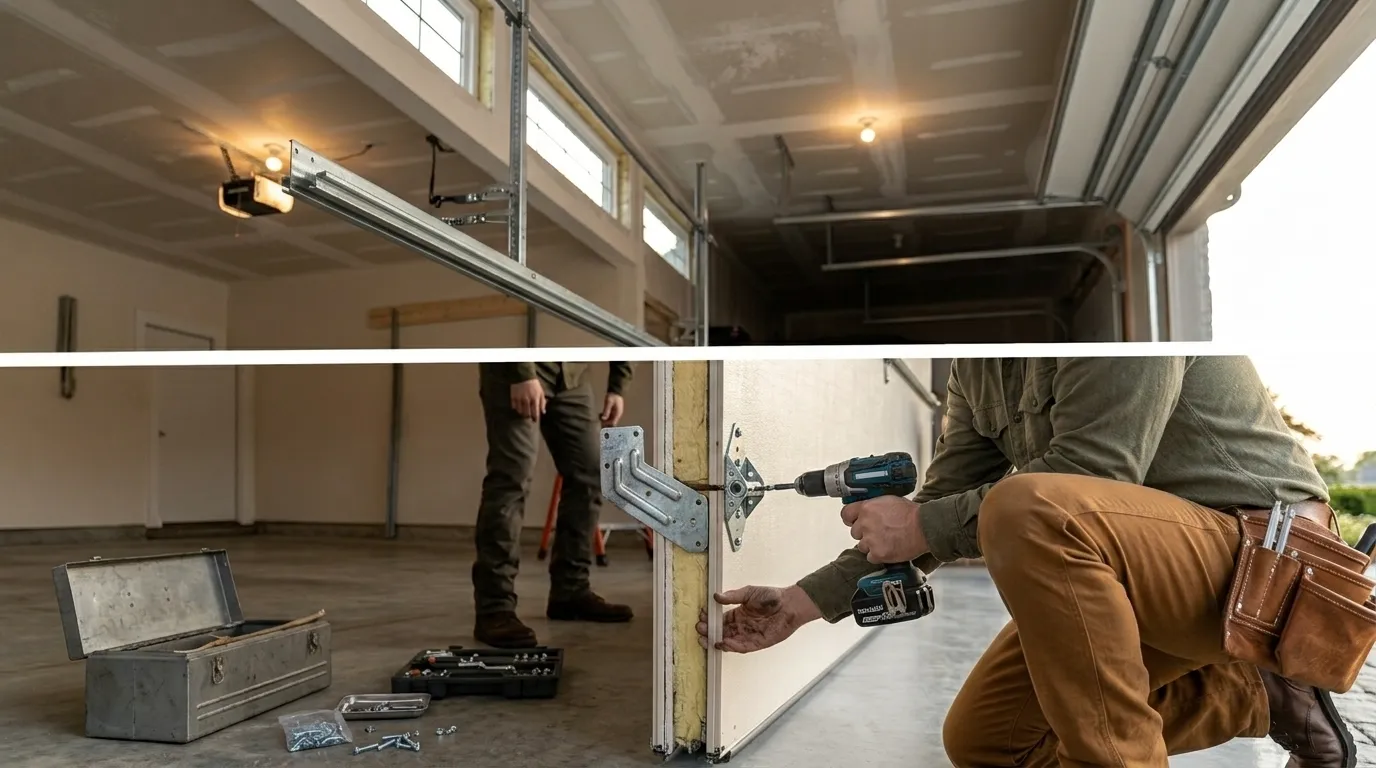
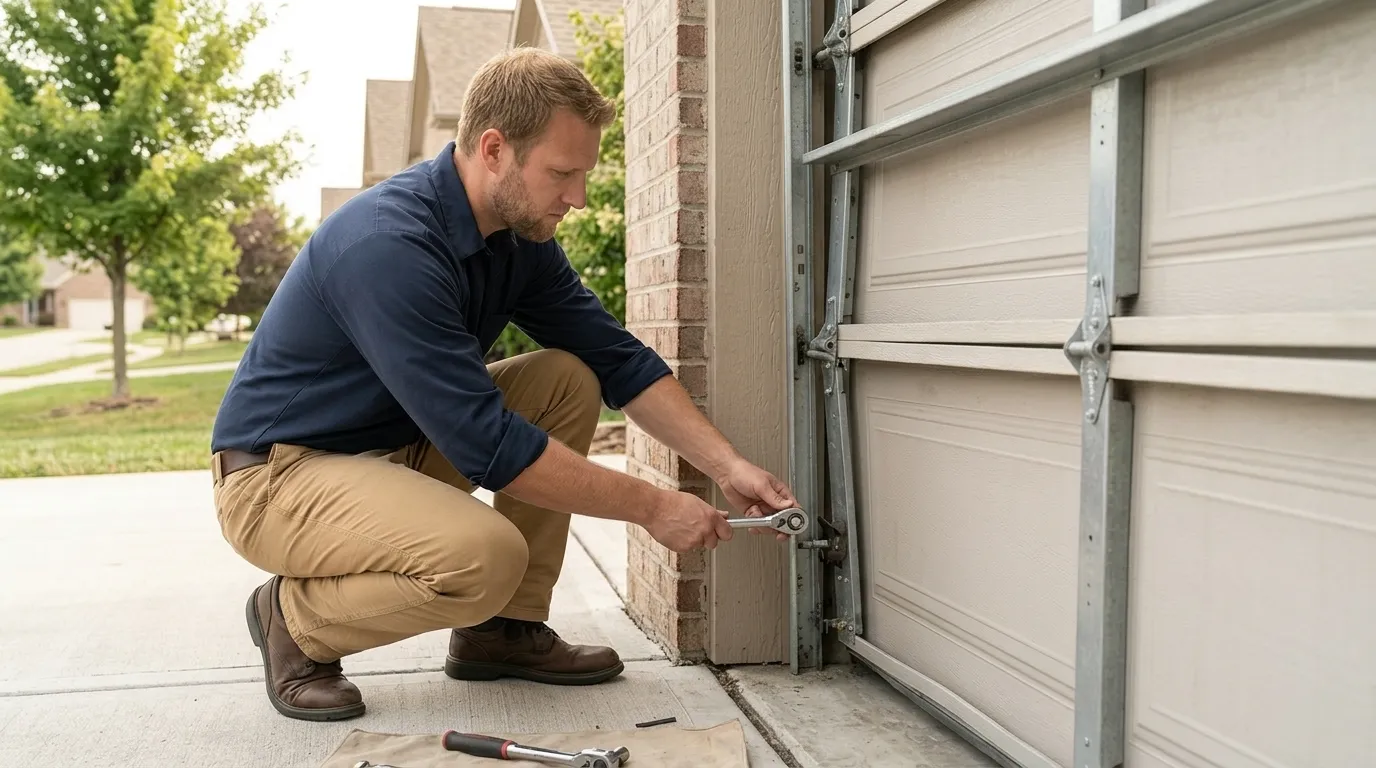
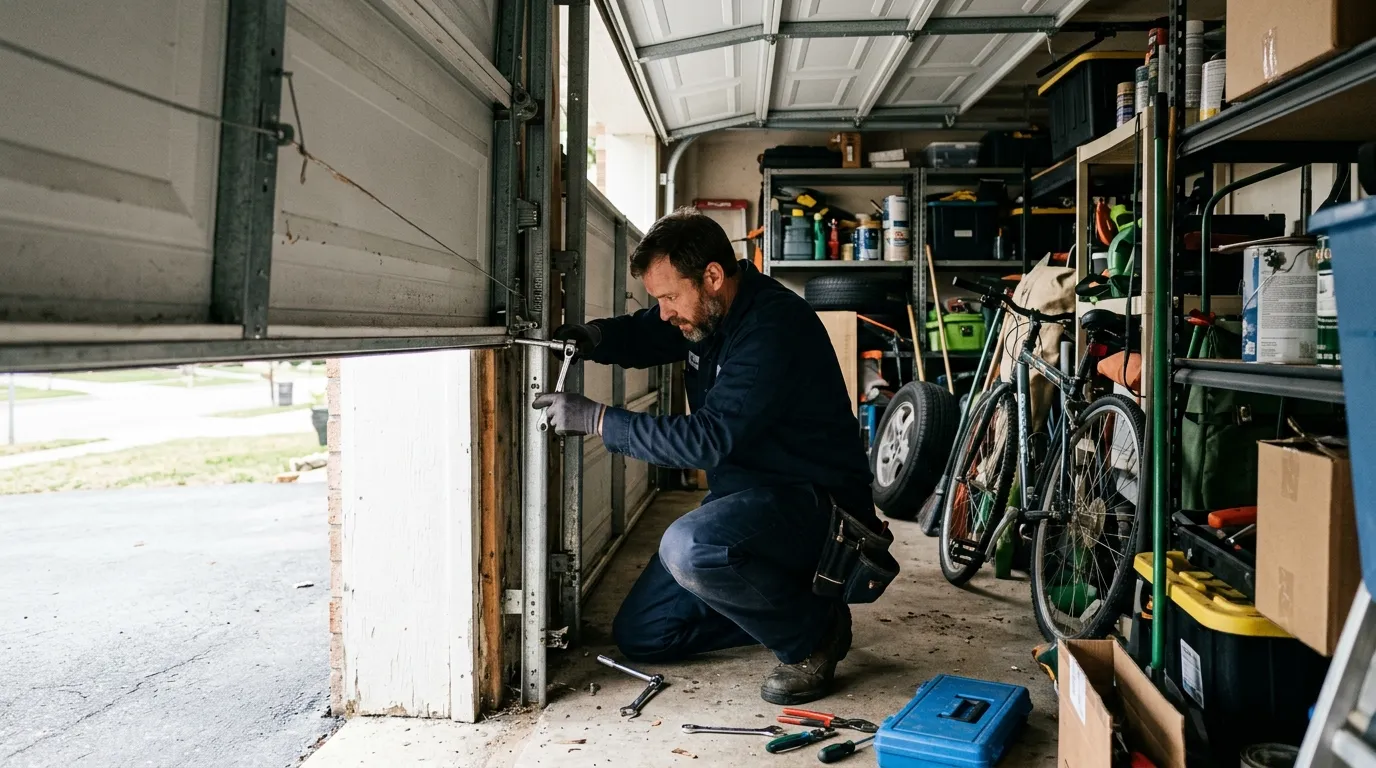
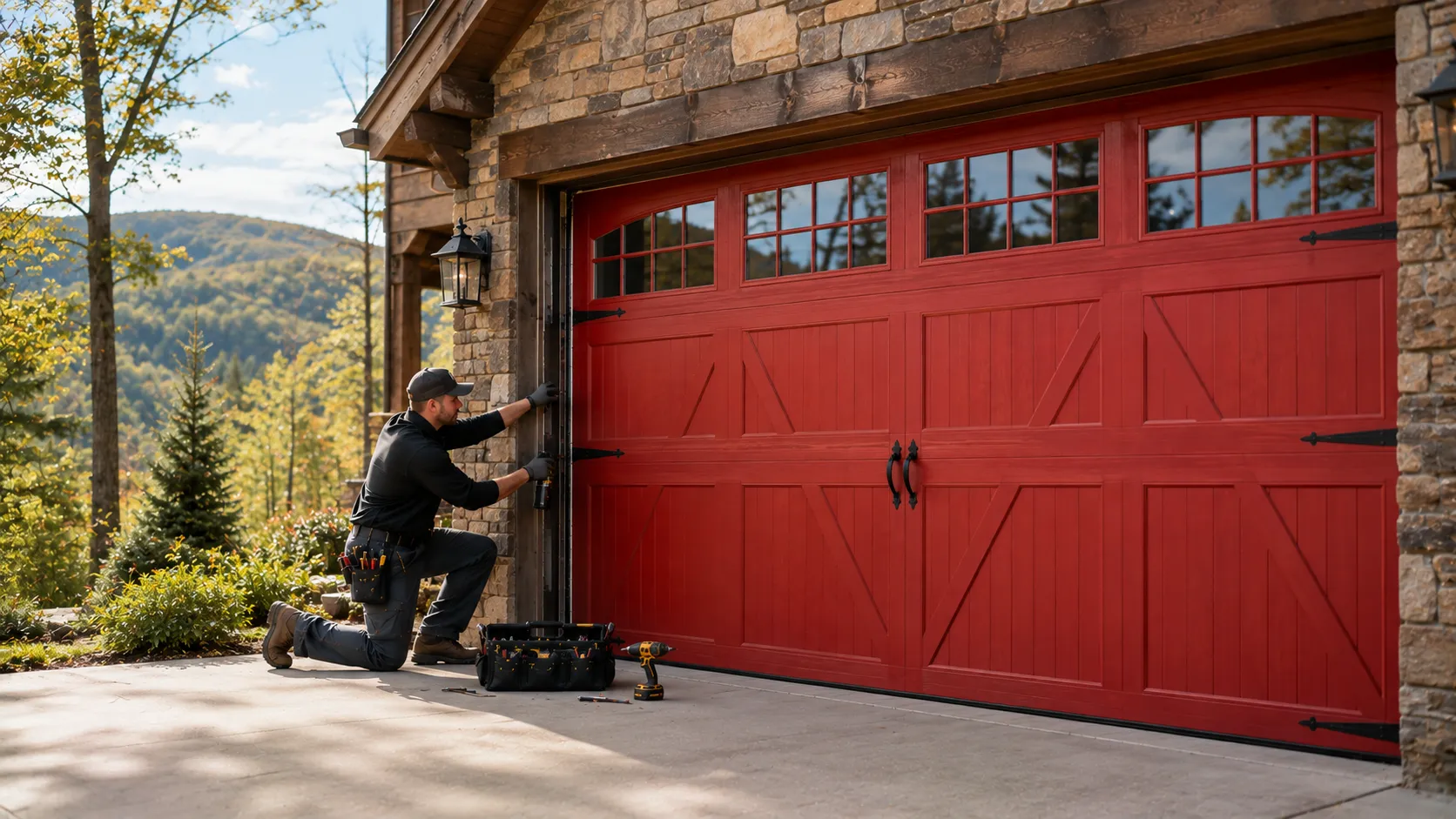
On a door tied to a 1958-era opening, the failure pattern is usually the track first, not the spring. Decades of a narrower track flexing under a heavier replacement panel - one swapped in at some point after the original wore out - leaves the rail slightly out of parallel, and the rollers start binding before anything actually breaks. You'll notice it as a door that shudders partway up, or an opener that strains and then reverses. Springs on these older setups are often undersized for whatever panel replaced the original, since nobody recalculated the spring rate when the door itself was upgraded; that shows up as a door that feels heavy to lift by hand, or an opener motor that's working harder than it should. Cables fraying near the bottom bracket are also more common here, since the drums were never resized to match later cable gauges. None of this means the door is beyond fixing - it means the fix usually starts by measuring what's actually there instead of assuming it matches a newer standard install.