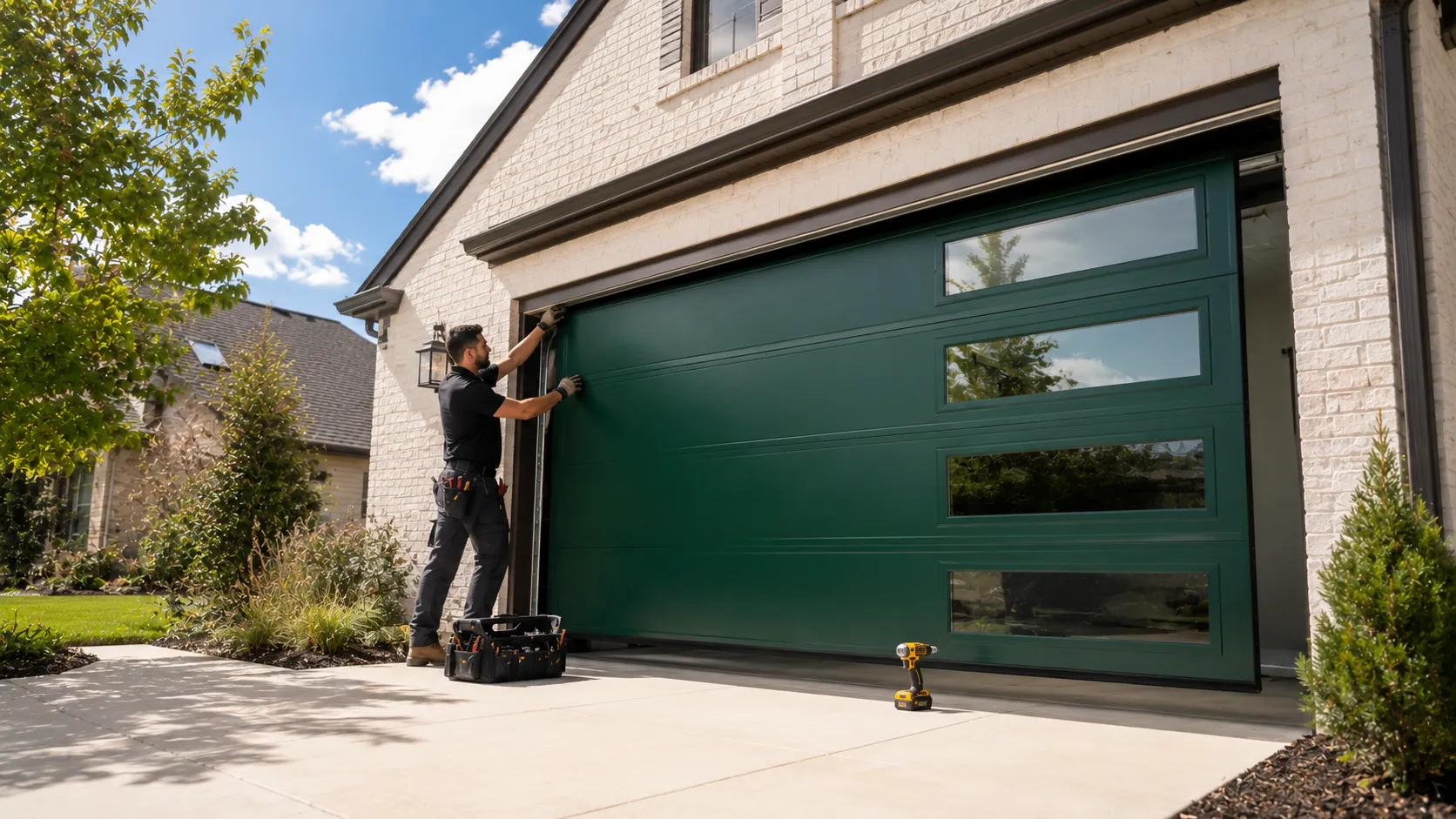
Old Streets and New Ones
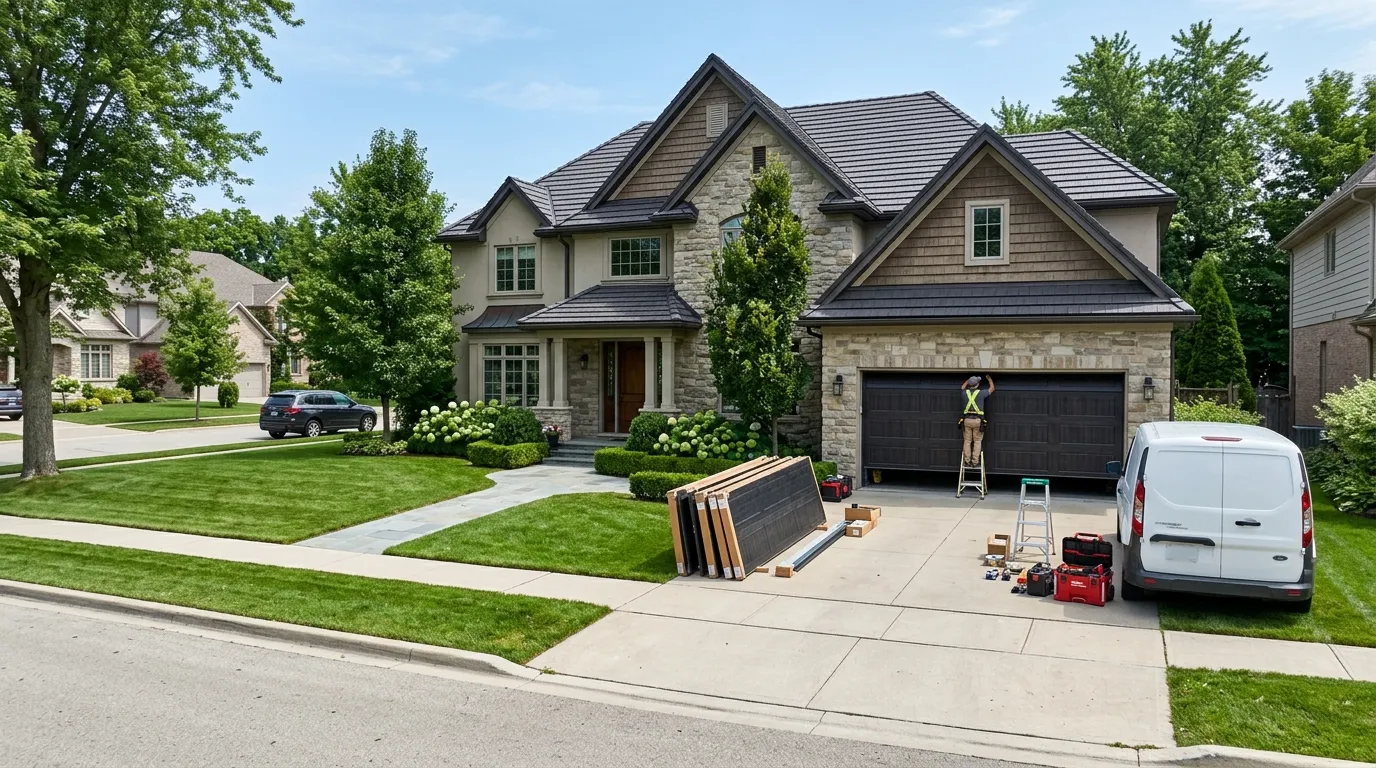
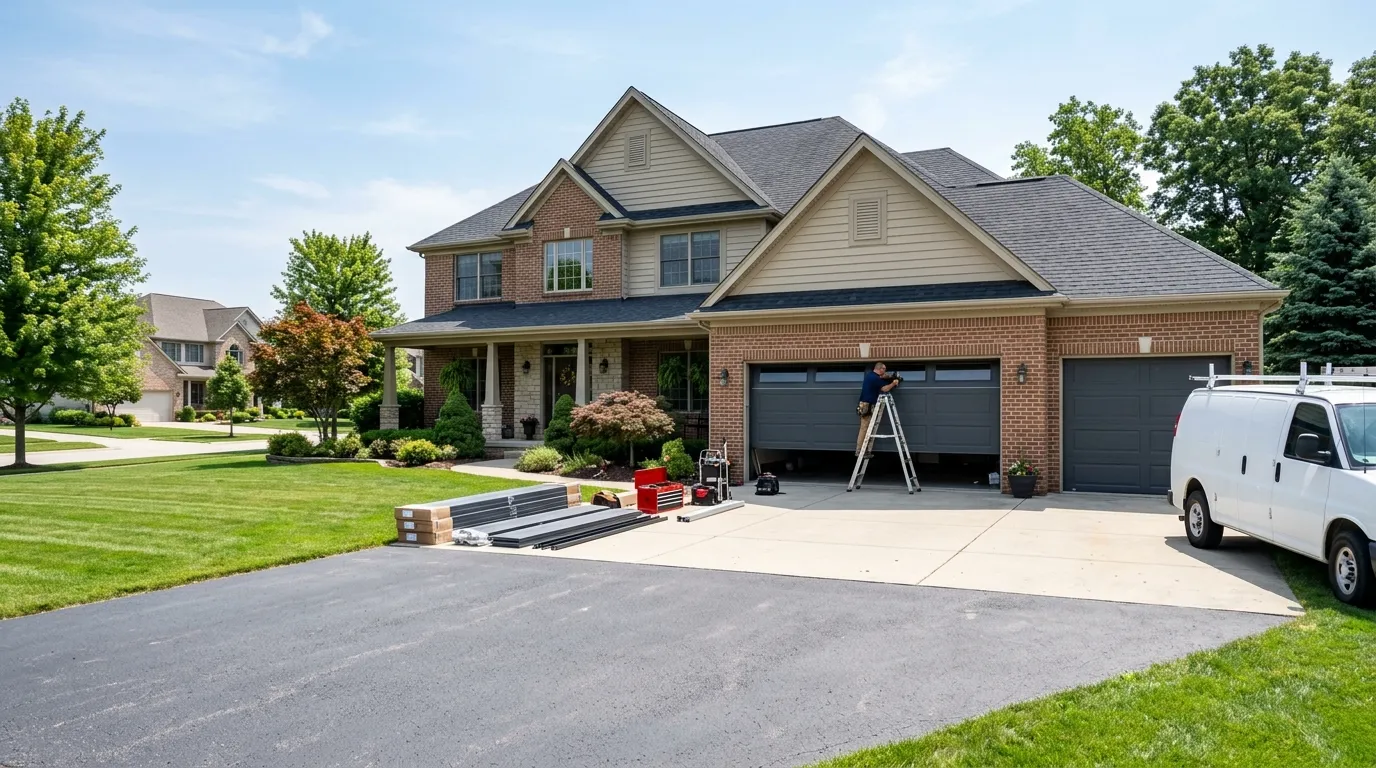
Spring Lake Heights sits about 13 miles from our shop in Toms River, and the housing here runs a bit newer than what you'll find on some of the older streets closer to the coast road corridor. Across the wider service area, homes were built anywhere from 1938 to 2005, with a median build year of 1972. Spring Lake Heights lands almost exactly on that median, at 1973. That single year matters more than it sounds like it should, because it puts most of the town's original garage doors right at the hinge point between two different hardware generations - the last of the heavier steel sectional doors on extension springs, and the first wave of torsion-spring setups that became standard through the rest of the decade. Walk a few of these blocks and you'll see both. A door replaced once in the last twenty years is almost certainly torsion. A door that's original to the house could be either, and that's the first thing we check before we quote anything, not after.
The town's small size shows up in the numbers too - about 2,358 households, which is a fraction of the households across the full 46-area territory we cover from Toms River. It's not a place with a large or varied housing stock; it's mostly one era, built close together, aging the same way at the same time.
What We Do Not Do
We don't keep a truck or a depot in Spring Lake Heights - we run out of Toms River, 13 miles out, and that drive is part of every job we schedule here. If you need something inside the hour, we're not the right call; we'll tell you that up front instead of promising a window we can't hold.
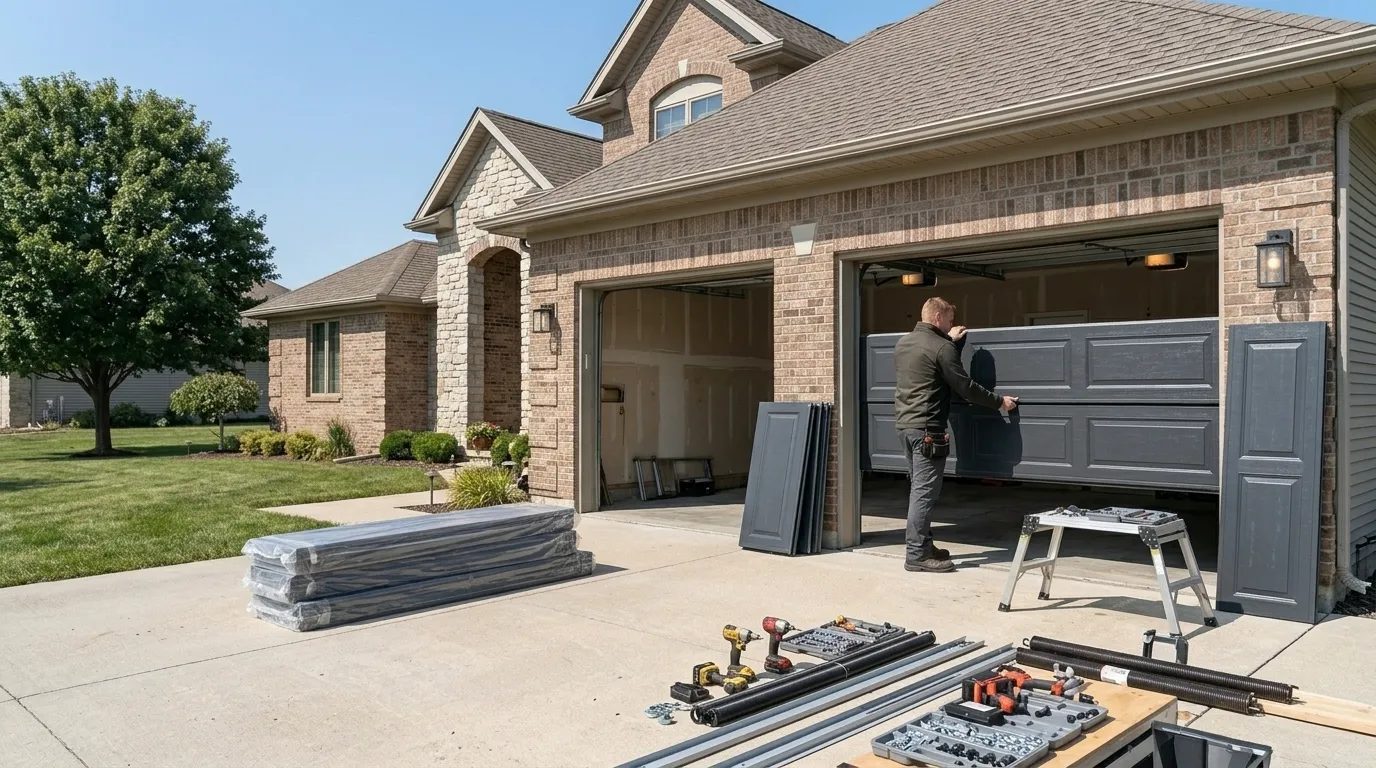
We also don't try to save every 1973-era door. Once a steel sectional panel has rusted through at the bottom section, or the torsion spring has been replaced with the wrong wind or wrong wire gauge by a previous repair, patching it again usually costs more over two years than a new door would. We'll tell you when replacement is the honest answer, even if that's a smaller job for us than a repair would be.
How That Shows Up in the Door
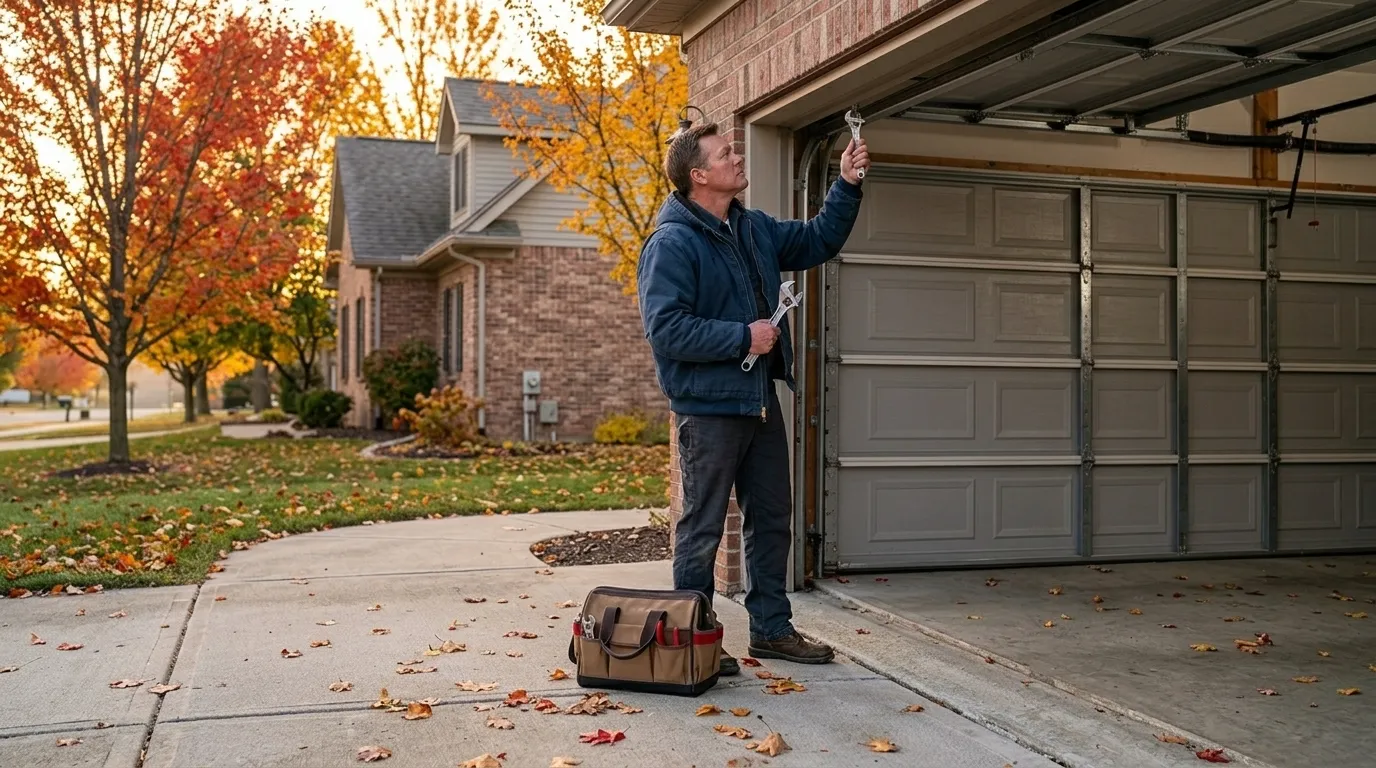
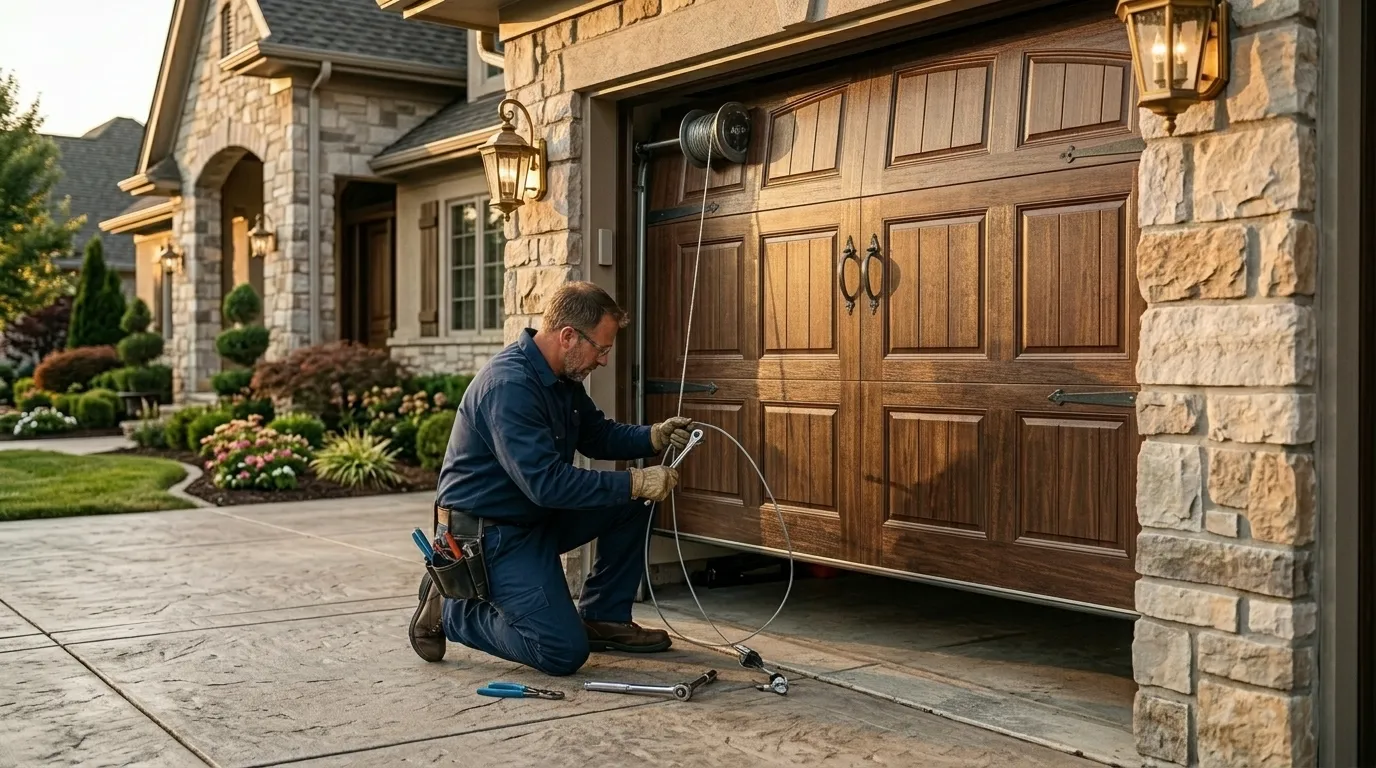
The service area sits in a severe cold climate band, and a torsion spring installed in the early 1970s has had fifty winters of contraction and expansion working against it. That's the failure we see most in houses from this exact build year - not the spring snapping dramatically, but the door getting heavier and slower to lift over a season or two as the spring loses tension, until one morning it doesn't lift at all.
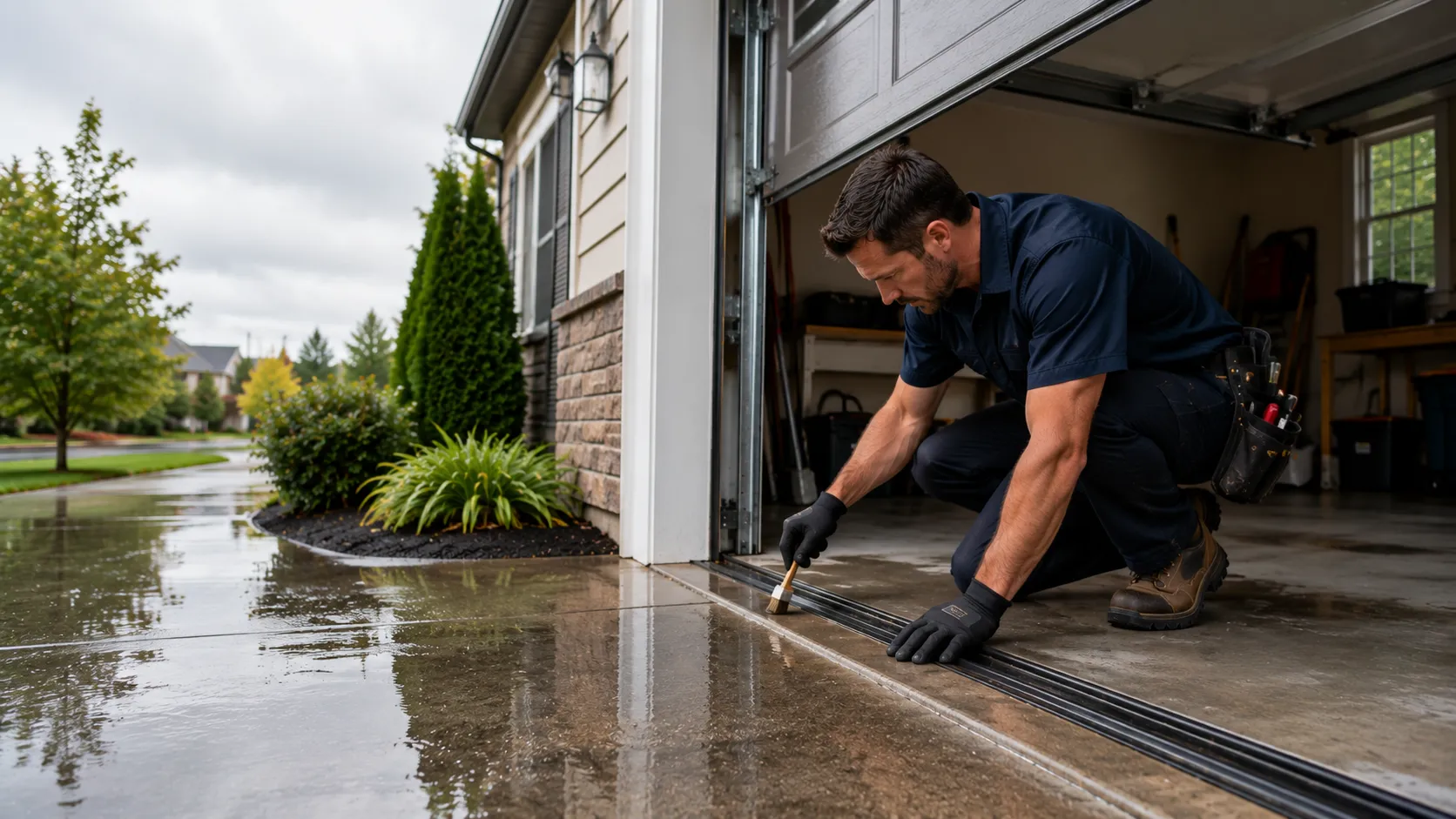
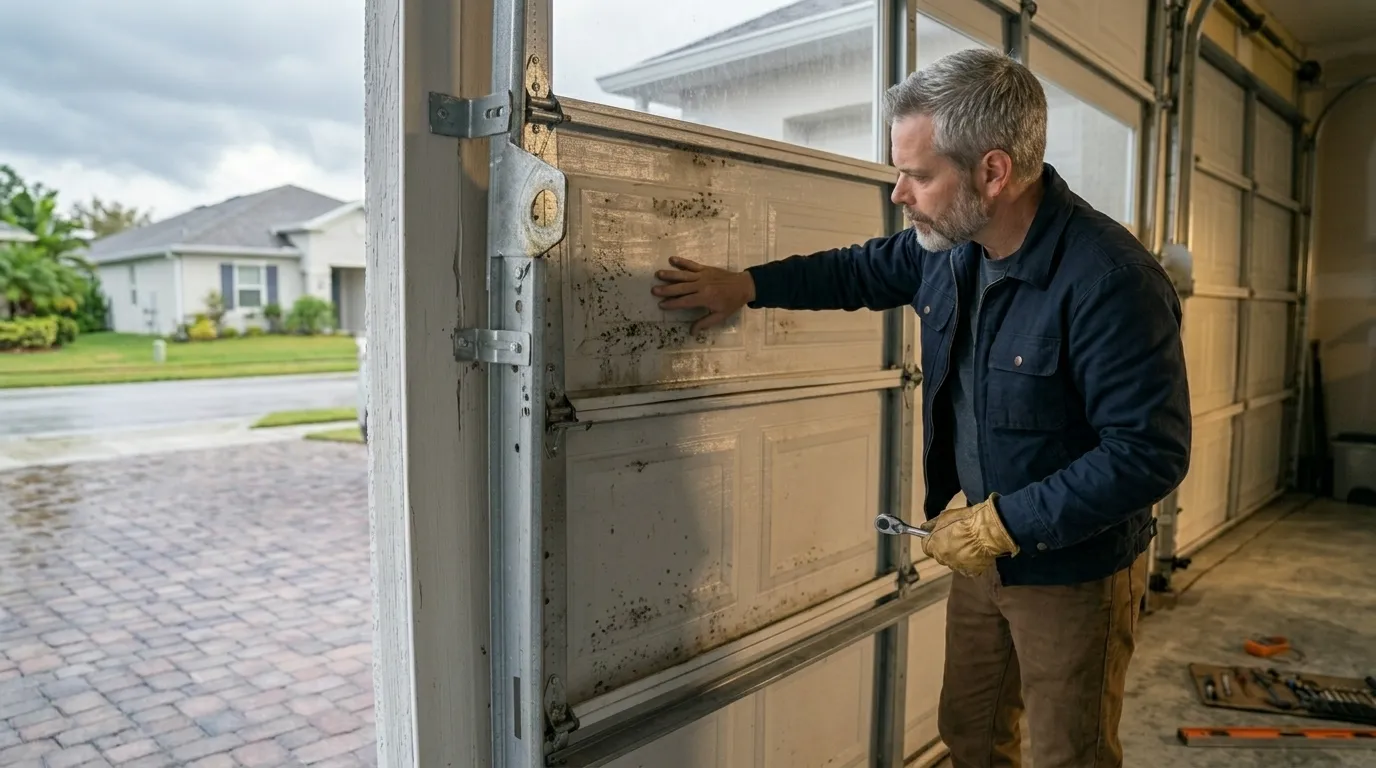
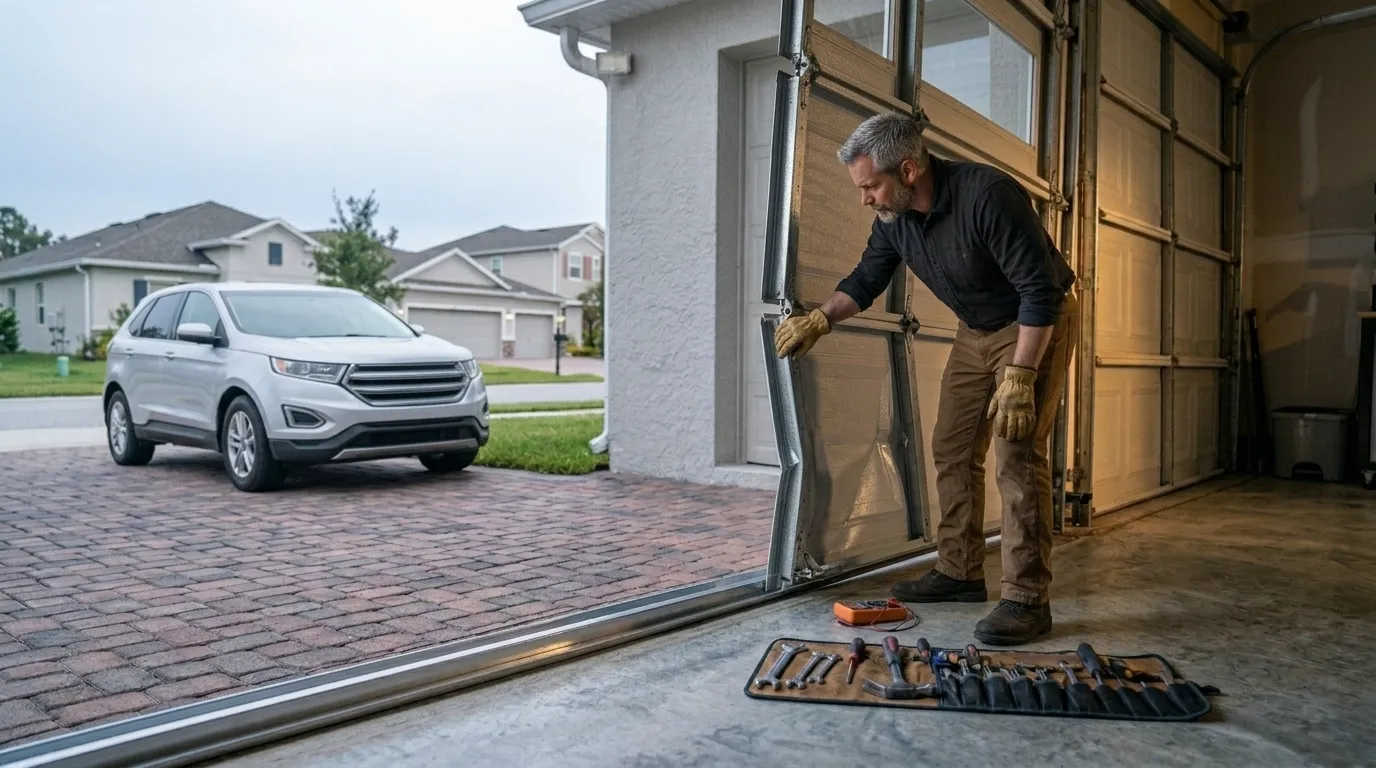
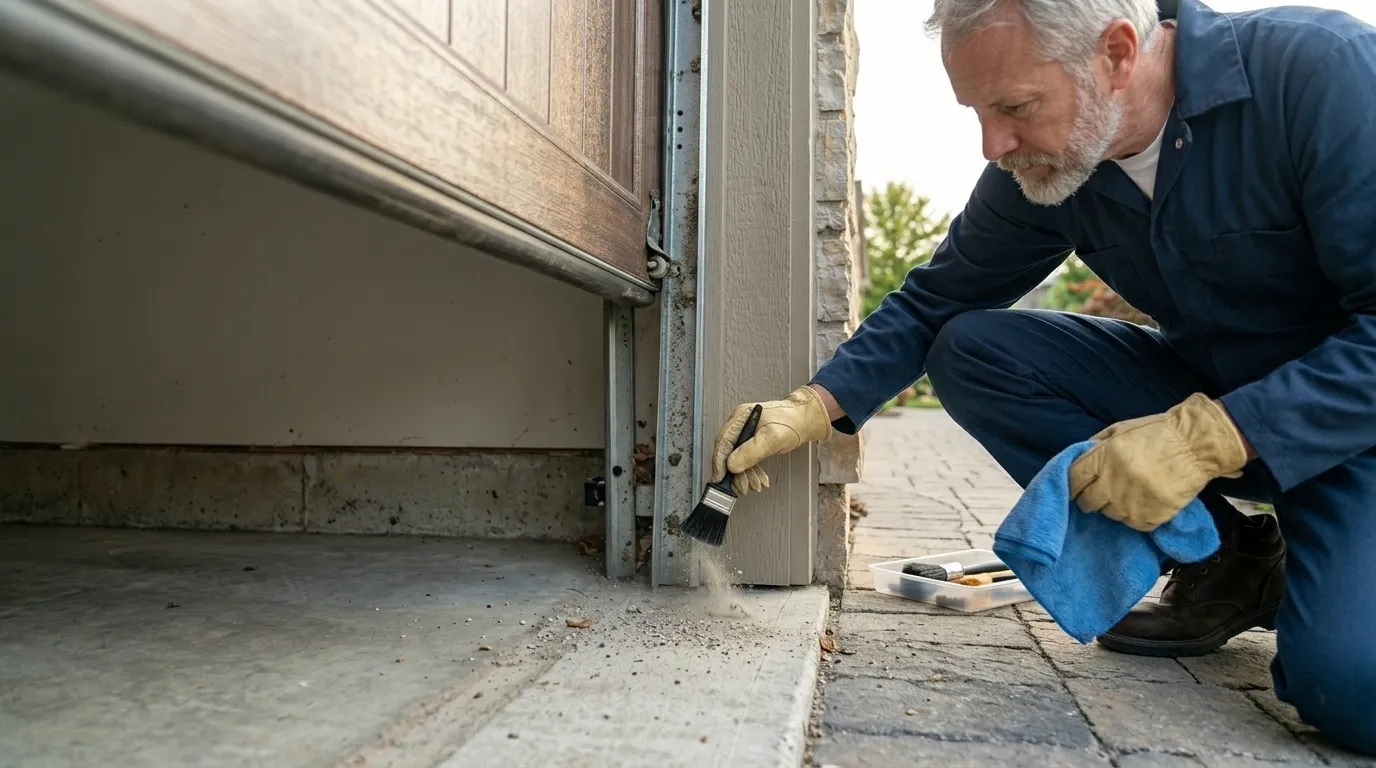
On the original steel sectional doors, cold makes the second issue worse too: the bottom panel, closest to the concrete slab, is the one that takes the moisture and salt air off the winter roads first. On a 1973 door that's never been swapped, that panel is usually the weak point, well before the opener or the track ever fail. If your door is sticking, groaning, or lifting unevenly on one side, that combination - original spring, original bottom panel, fifty-year-old steel - is the most likely reason, not a bad opener.