Old Streets and New Ones
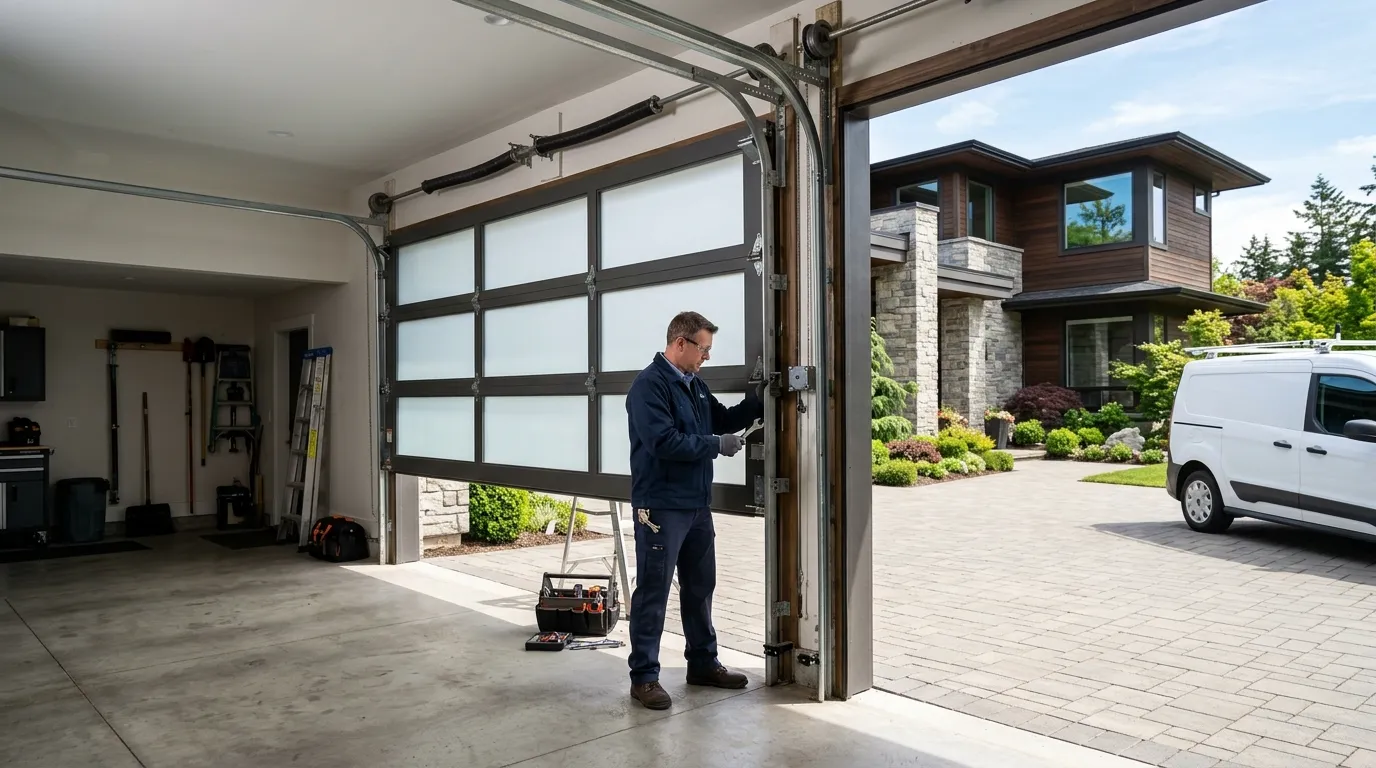
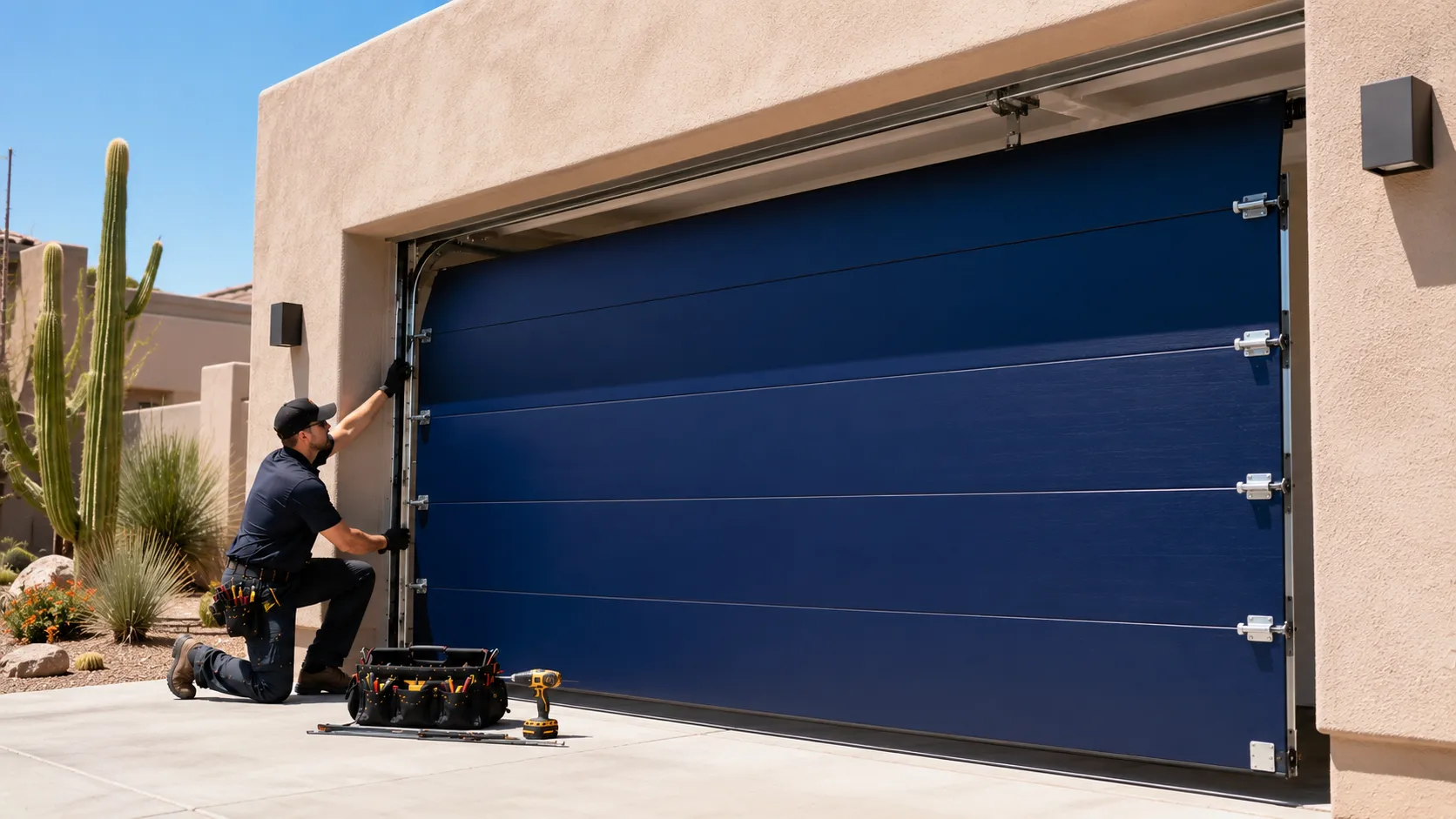
Seaside Park's median home here dates to about 1959, a good bit older than the 1972 median across the wider Toms River service area. That gap matters more than it sounds. A door installed in 1959 or shortly after was almost never built with torsion spring hardware overhead - it was extension springs running along the horizontal track, sometimes with a single heavy spring on each side instead of a wound torsion bar over the header. If your house hasn't had the door swapped since, or had only the opener replaced while the door and track stayed original, you're carrying 1950s-era hardware into a 2024 problem. We see this pattern often enough on this side of the route that it's the first thing we ask about on the phone: has the door itself ever been replaced, or just the opener bolted onto what was already there. The answer usually tells us more than the symptom does.
What We Do Not Do
We don't keep a depot or a truck stationed in Seaside Park. We run out of Toms River, about eight miles away, and that drive is built into how we schedule the day rather than something we can promise around. We also don't push a full door replacement when a repair will hold - if your 1959-era hardware needs one new spring and a roller set, that's what we quote, not a whole new door. What we won't do is guess at a part number over the phone for hardware this old; if your track or spring size isn't a standard stock item, we tell you that up front instead of showing up with the wrong part and a wasted trip.
How That Shows Up in the Door
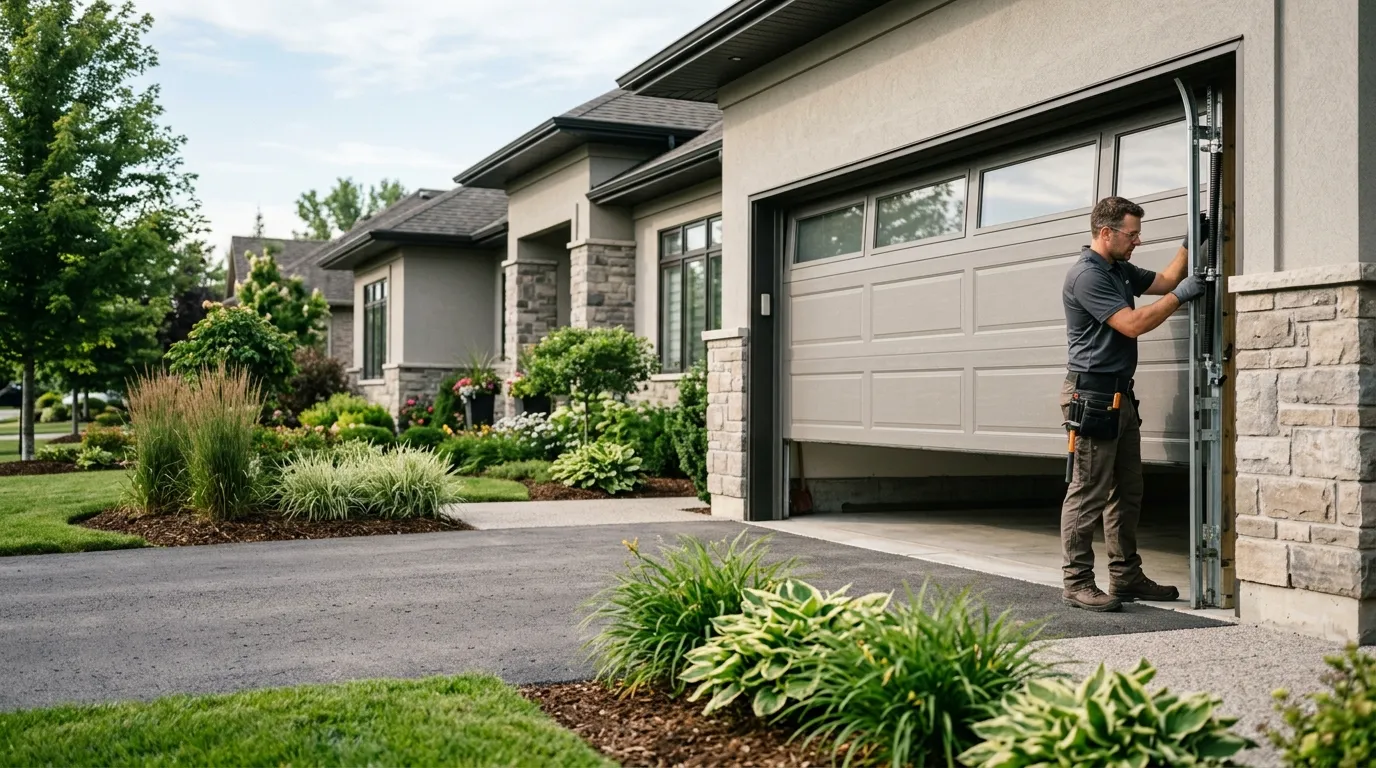
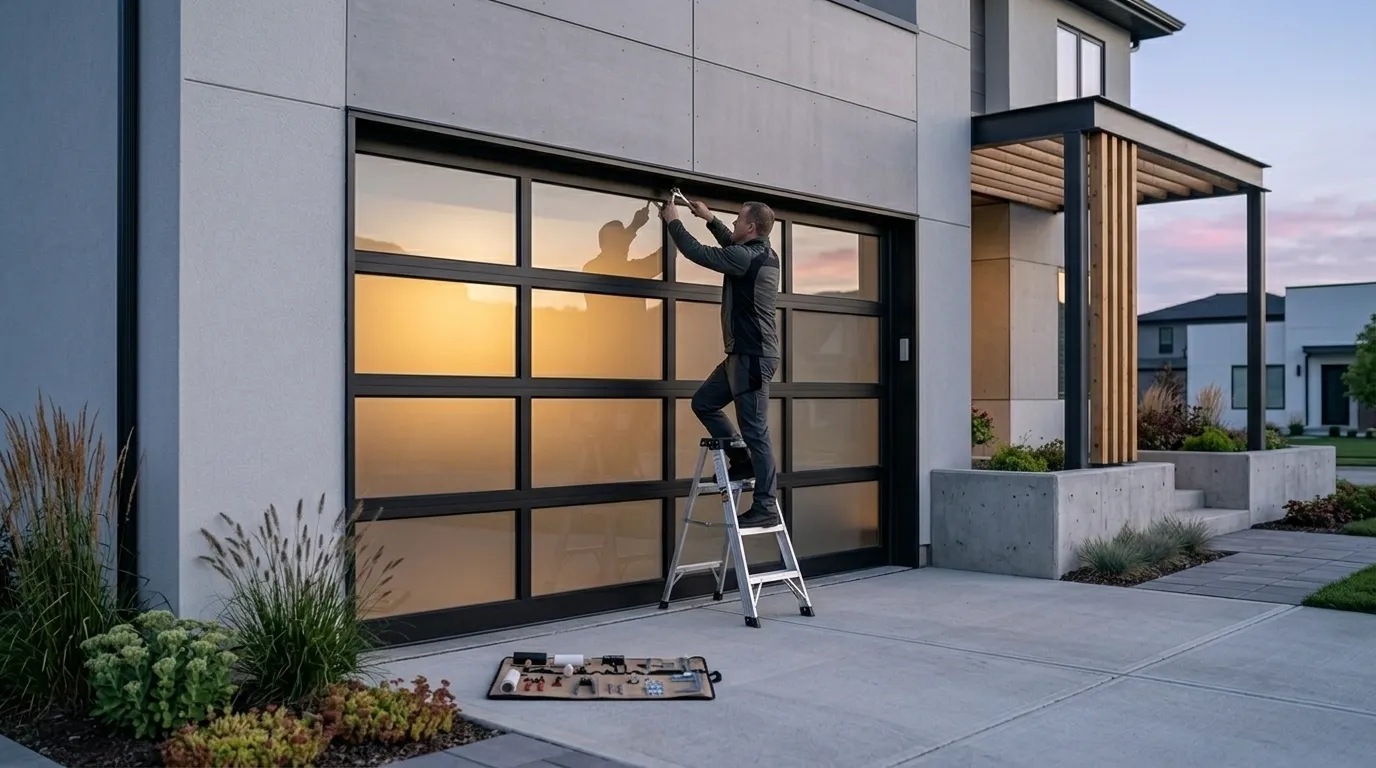
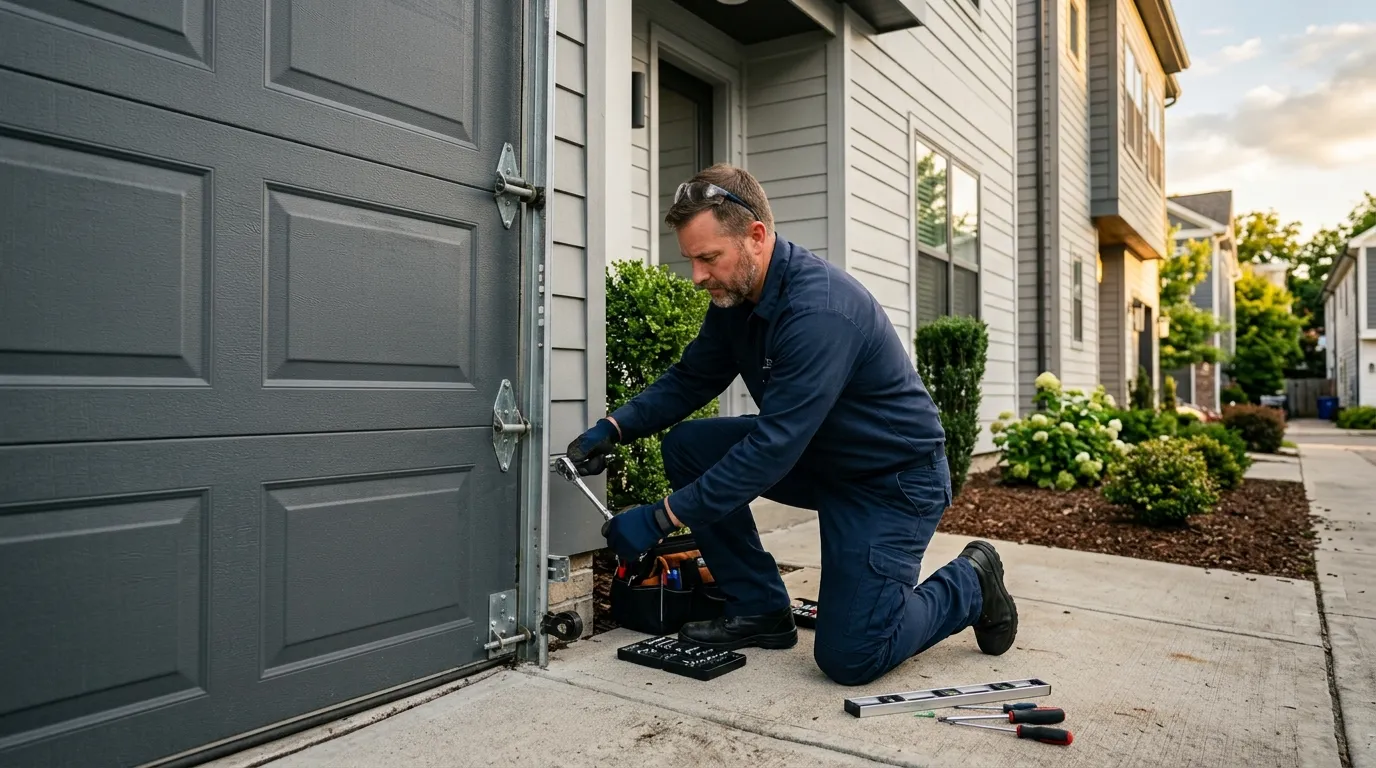
On a house built around 1959, the complaint we hear most is a door that's suddenly heavy to lift by hand, or an opener straining and reversing partway up. That's almost always an extension spring that's lost tension or snapped, not the opener itself, and it's a different fix than the torsion spring jobs common on newer builds. The other pattern is a door that shudders or drifts to one side on the way down - often stretched or rusted track brackets that were fine for decades until the mounting screws finally gave in the wood framing behind them. Given the severe cold swings this area gets, steel panels from that era also tend to develop a bow at the bottom rail where condensation collects. None of these are emergencies most of the time, but a spring that's already stretched thin can snap without warning, and that's the one we tell people not to wait on.