Old Streets and New Ones
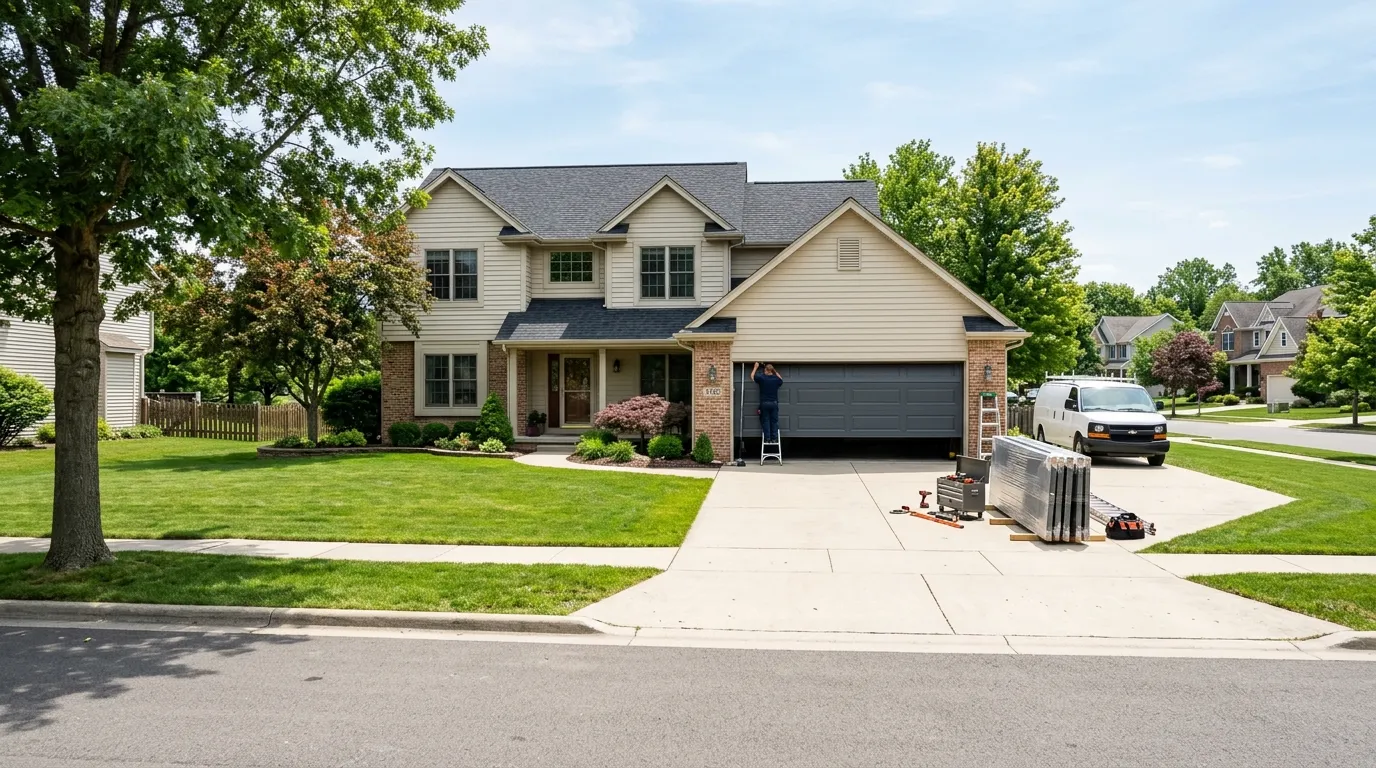
Seaside Heights sits about 7 miles from our shop in Toms River, out past the mainland stretch and onto the barrier island. That drive matters less than what's waiting at the end of it: a lot of the housing here went up around 1956, well ahead of the 1972 median you'd find if you averaged the whole Toms River service area together. A shore town built up in the 1950s got smaller garages, narrower openings, and doors that have spent seventy years taking salt air and wind off the water. That's a different job than a 1980s colonial in a newer development a few towns over. We work on both, but we don't pretend they're the same call.dummy
What We Do Not Do
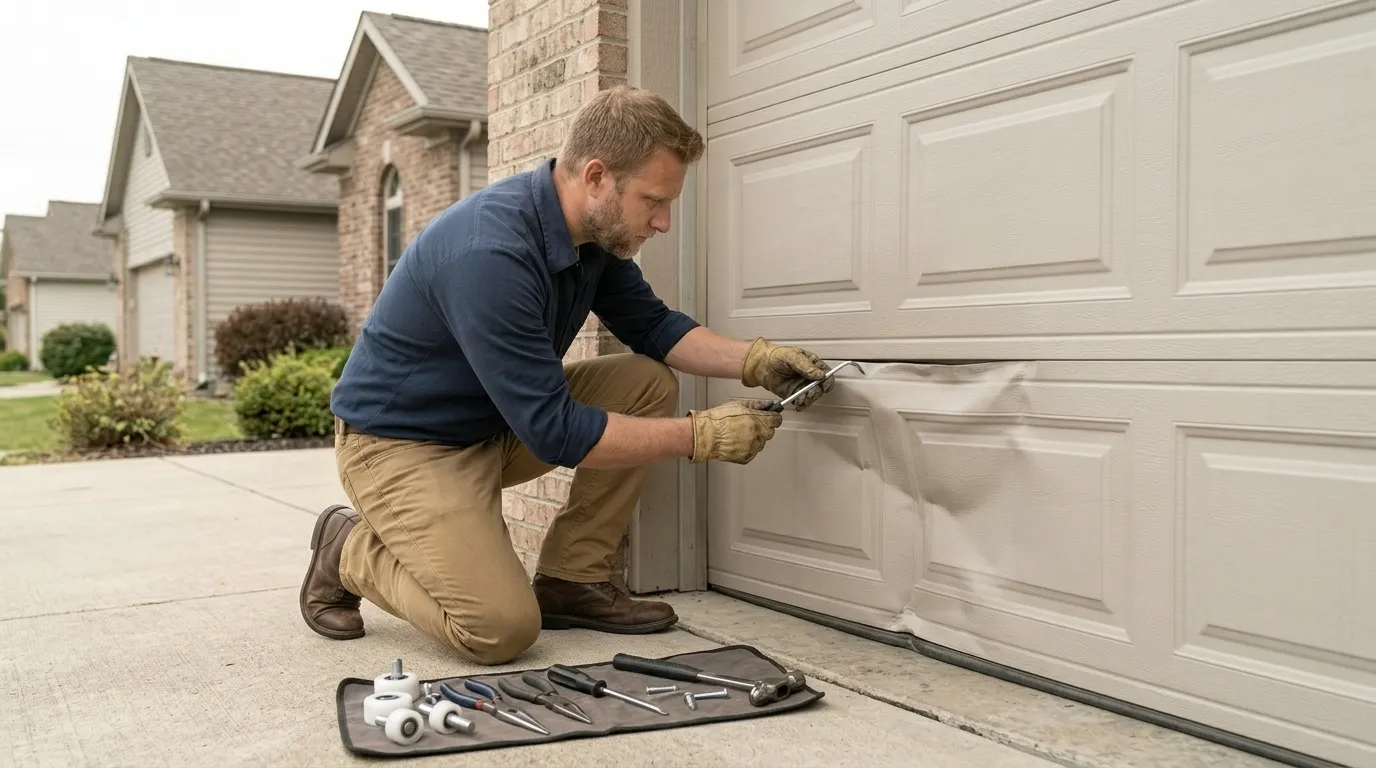
We don't keep a truck stationed in Seaside Heights, and we're not going to tell you we can be there in fifteen minutes - we're coming from Toms River, and the drive is part of the job every time. We also don't push full door replacement on a 1956 single-car opener when a spring swap or a bent track panel fix will get another decade out of it. If the door's original steel skin has gone soft with rust at the bottom panel, we'll say so and tell you honestly whether it's a patch or a full unit - we're not going to sell a repair we don't think will hold through another salt winter.
How That Shows Up in the Door
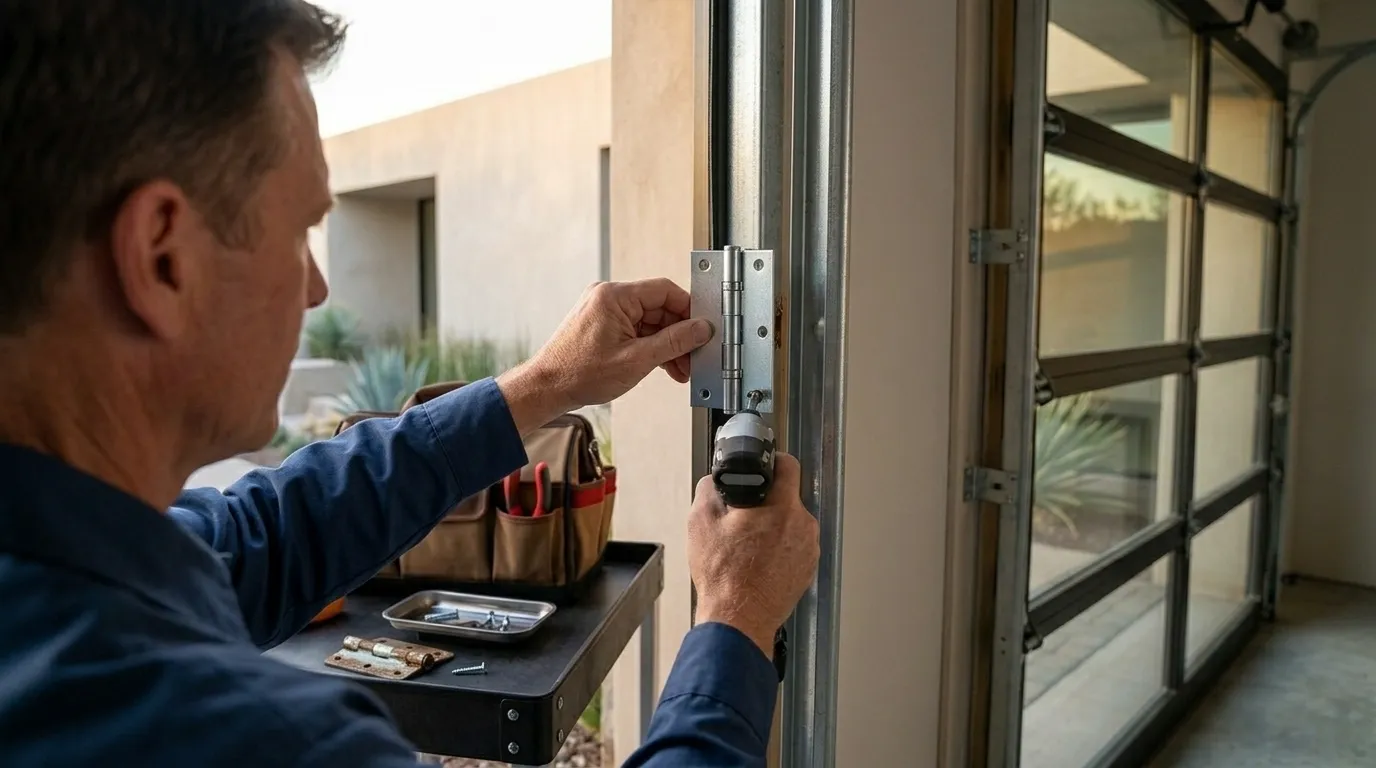
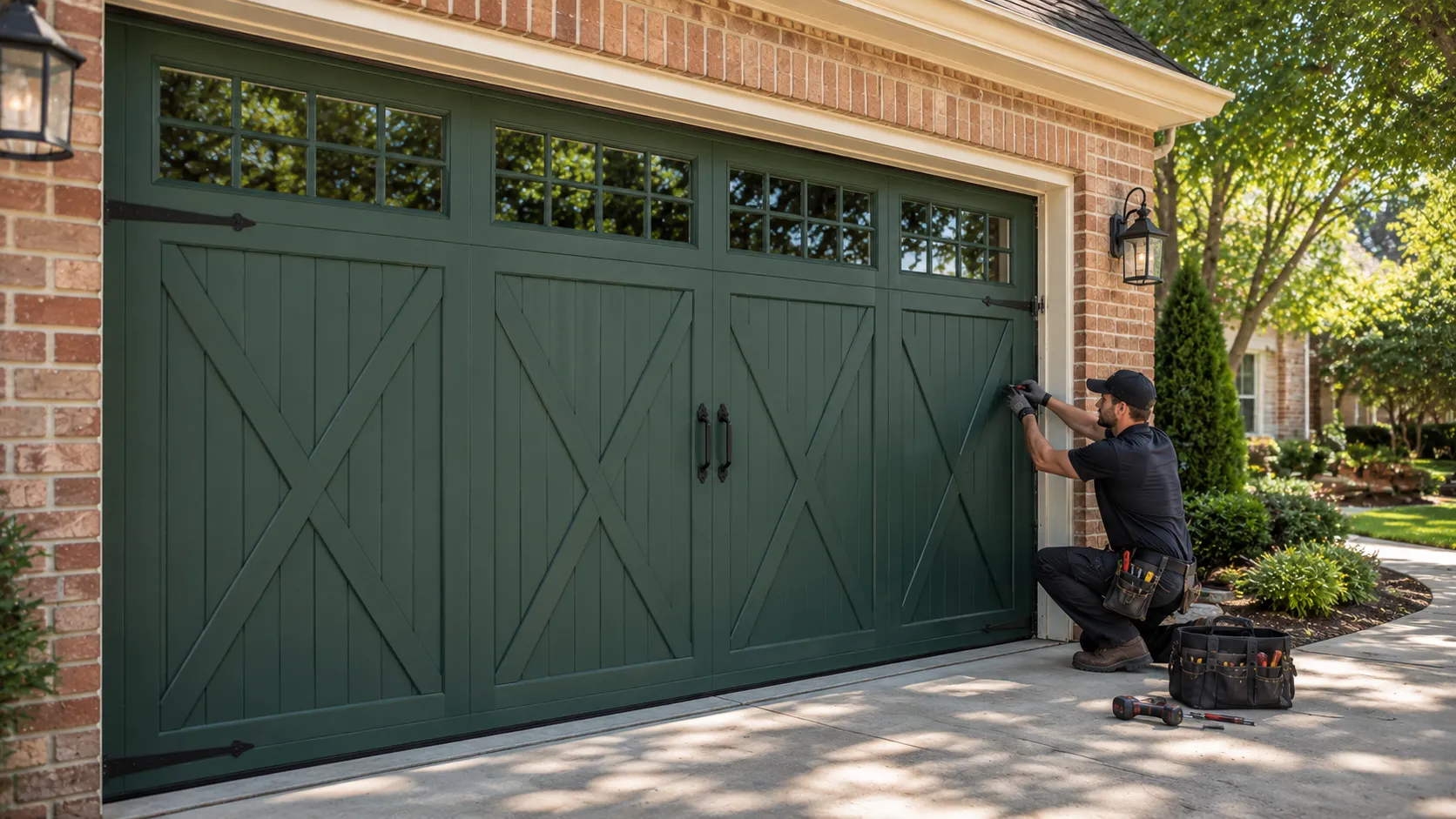
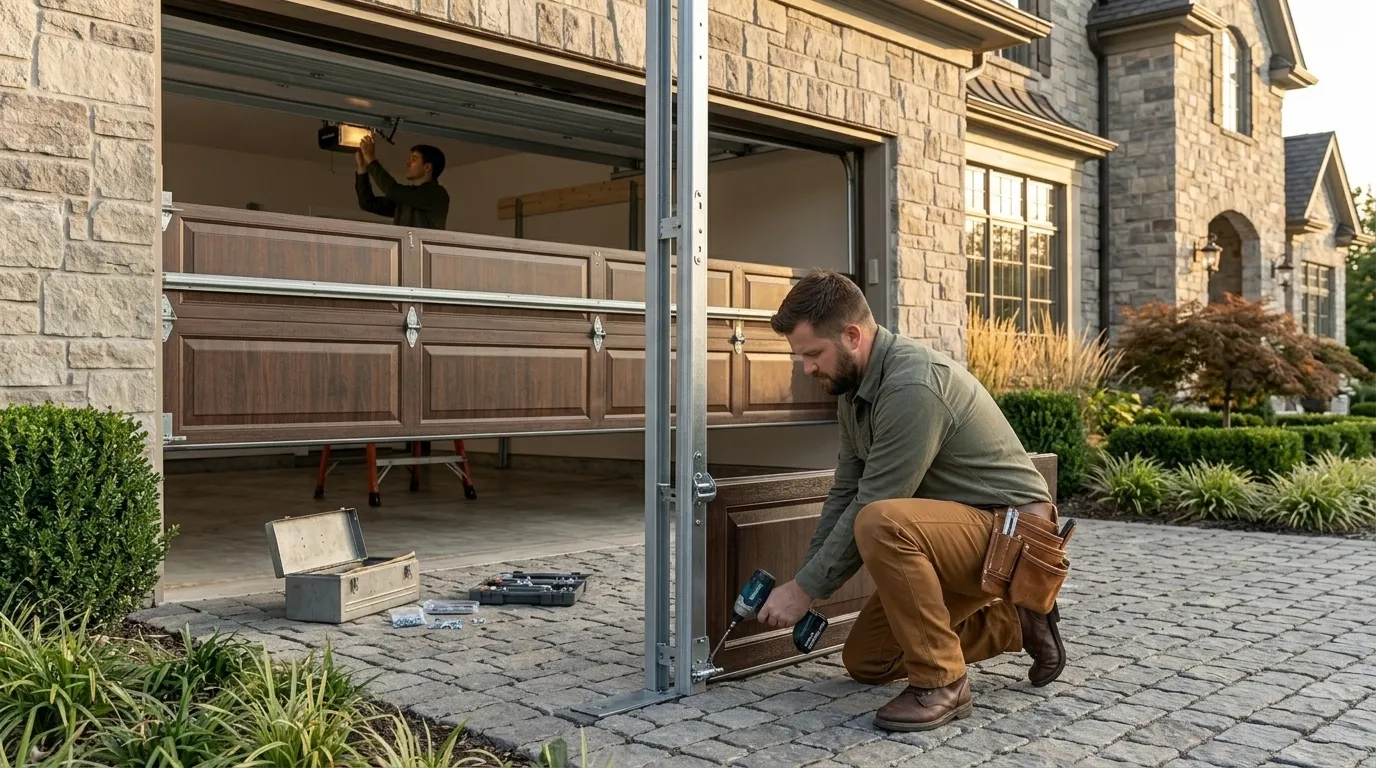
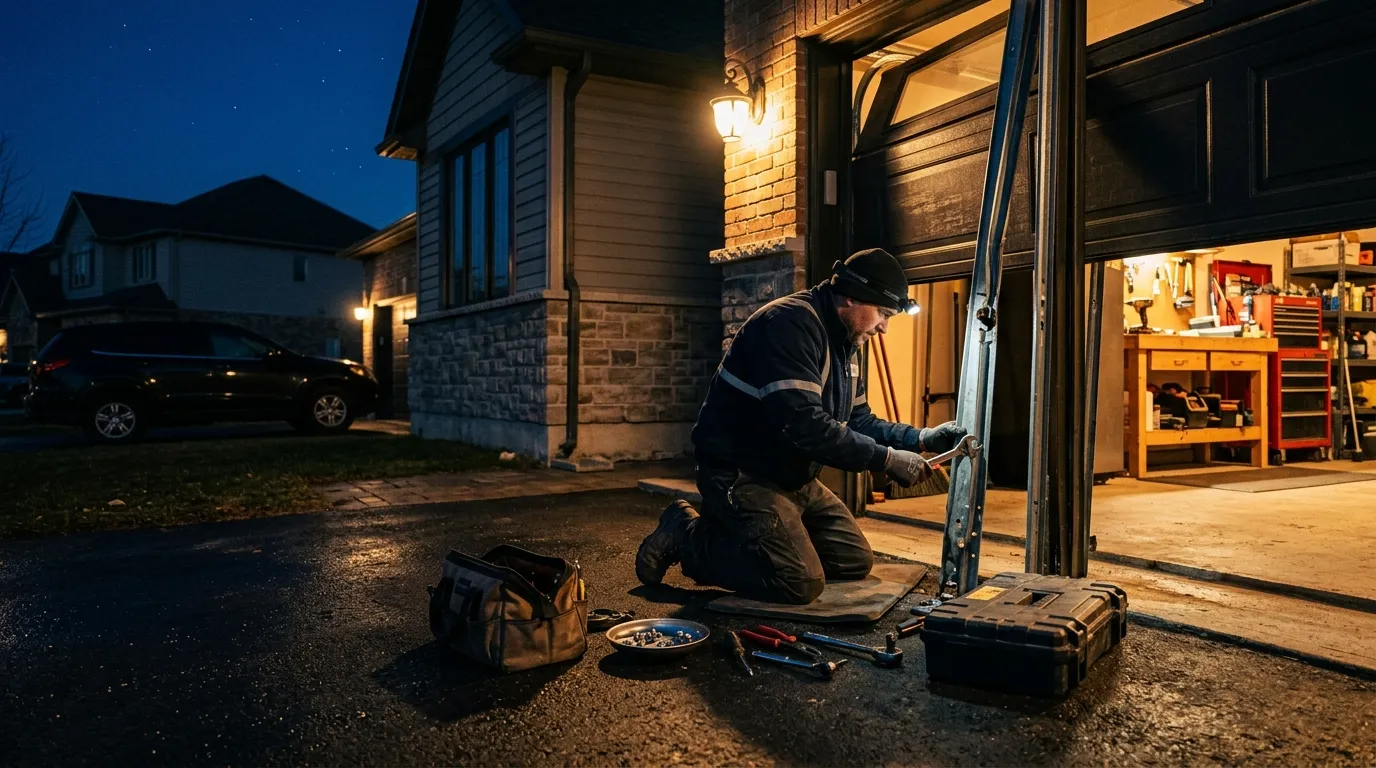
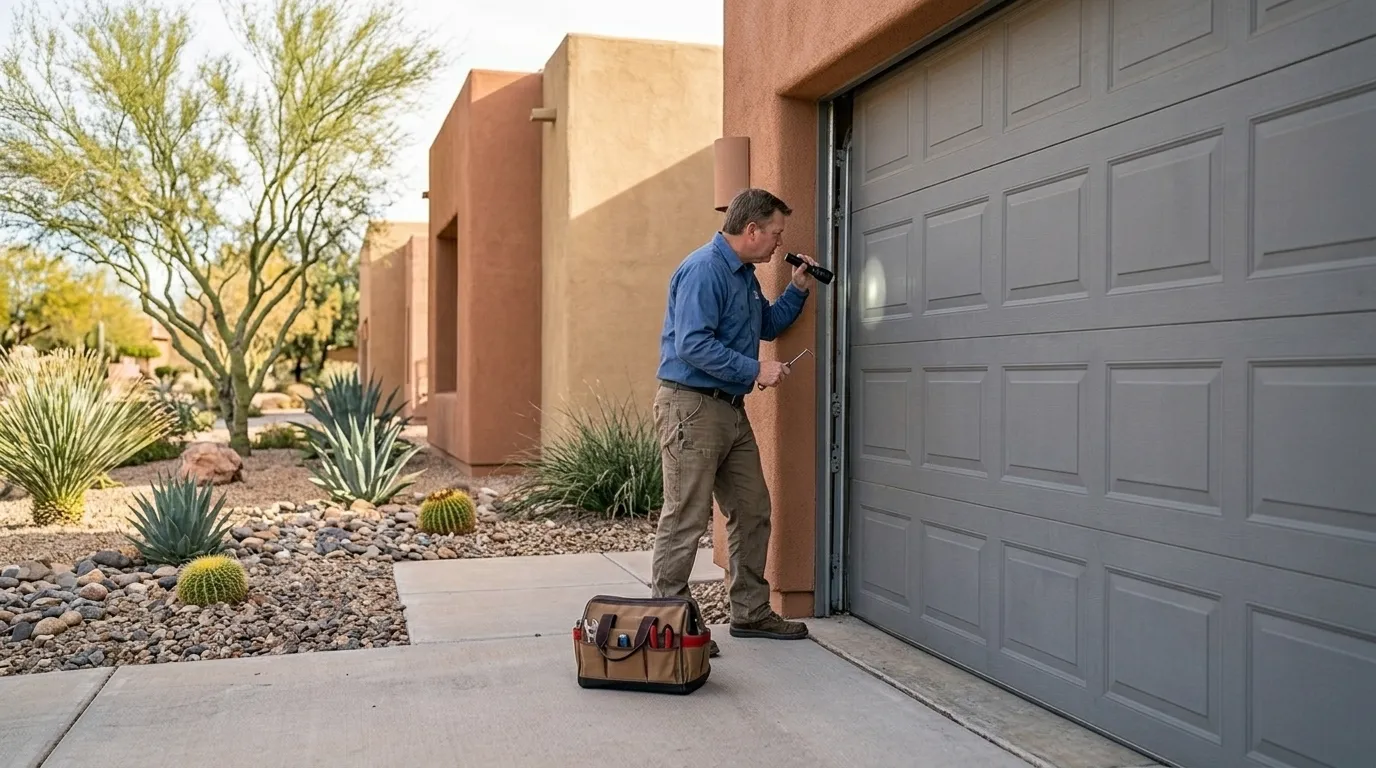
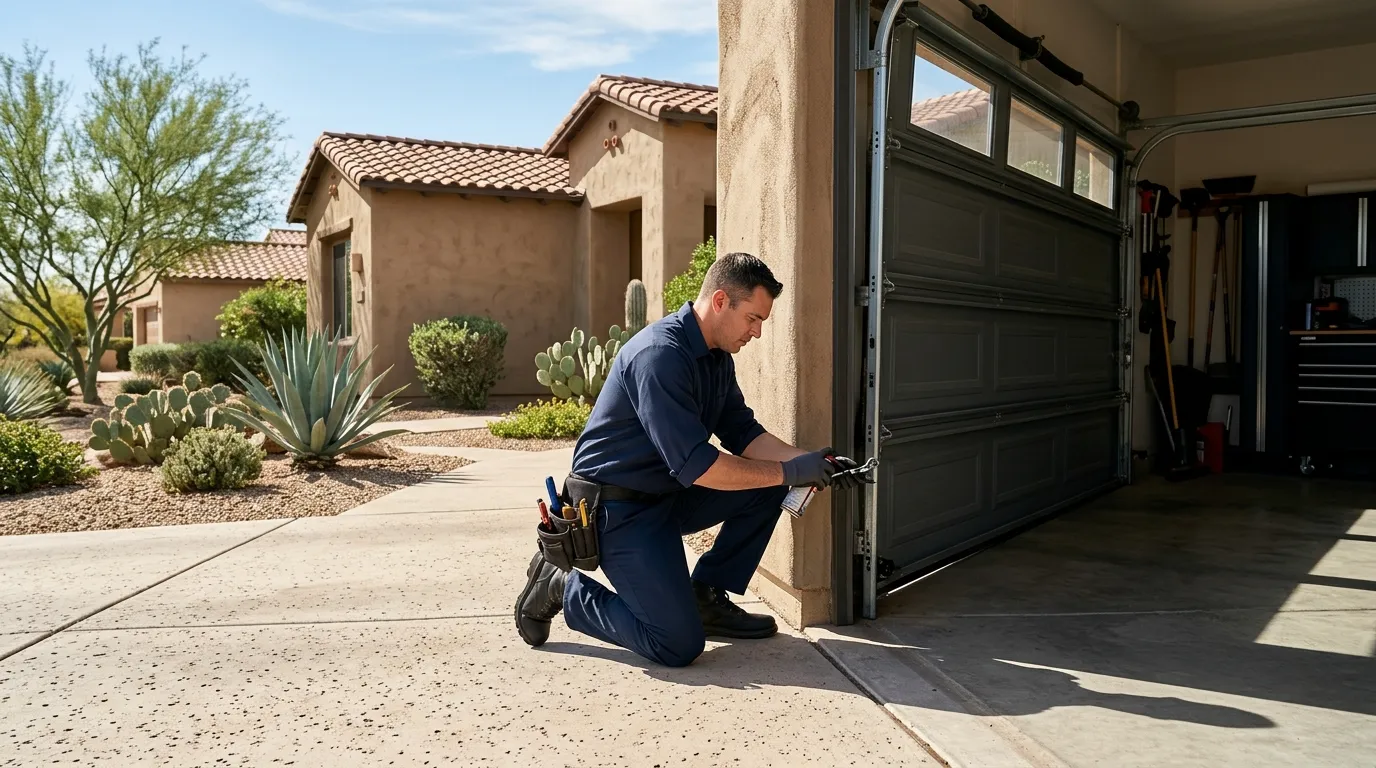
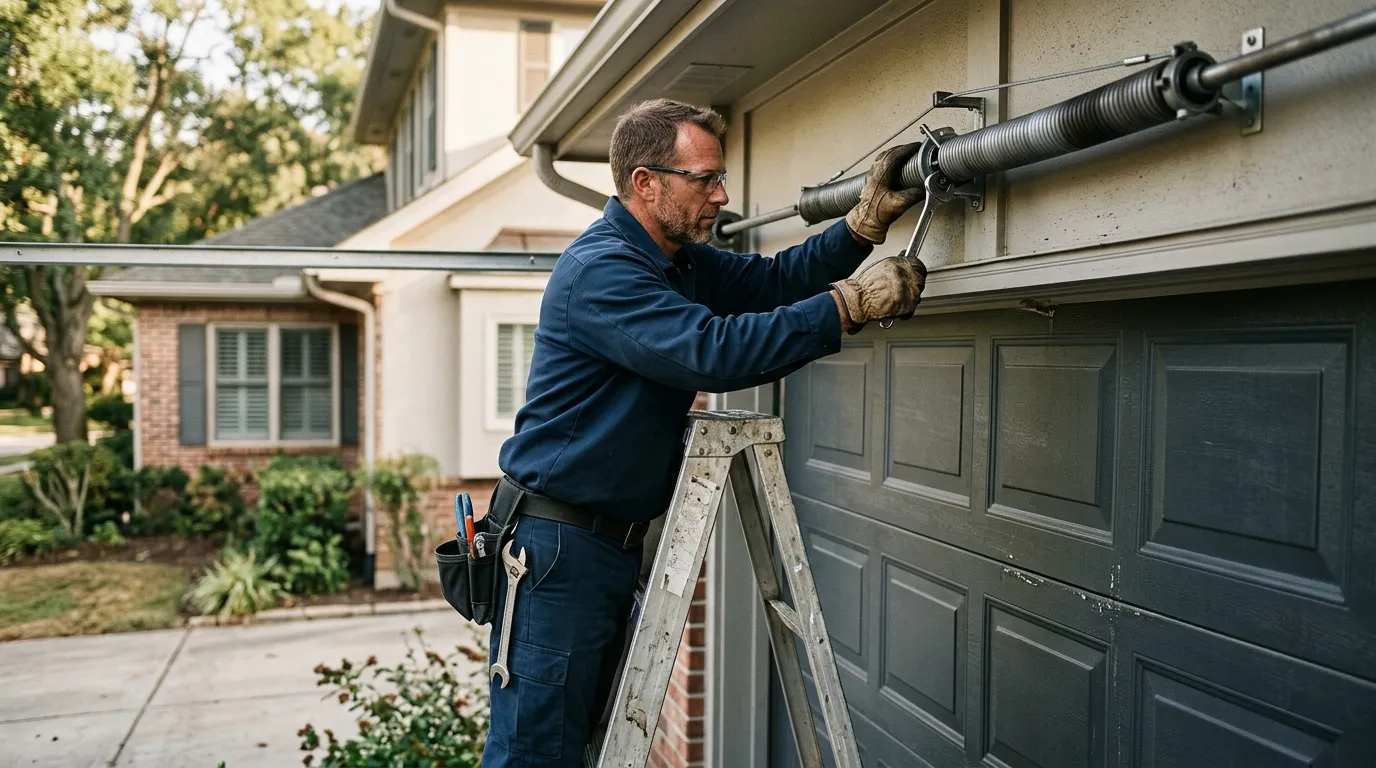
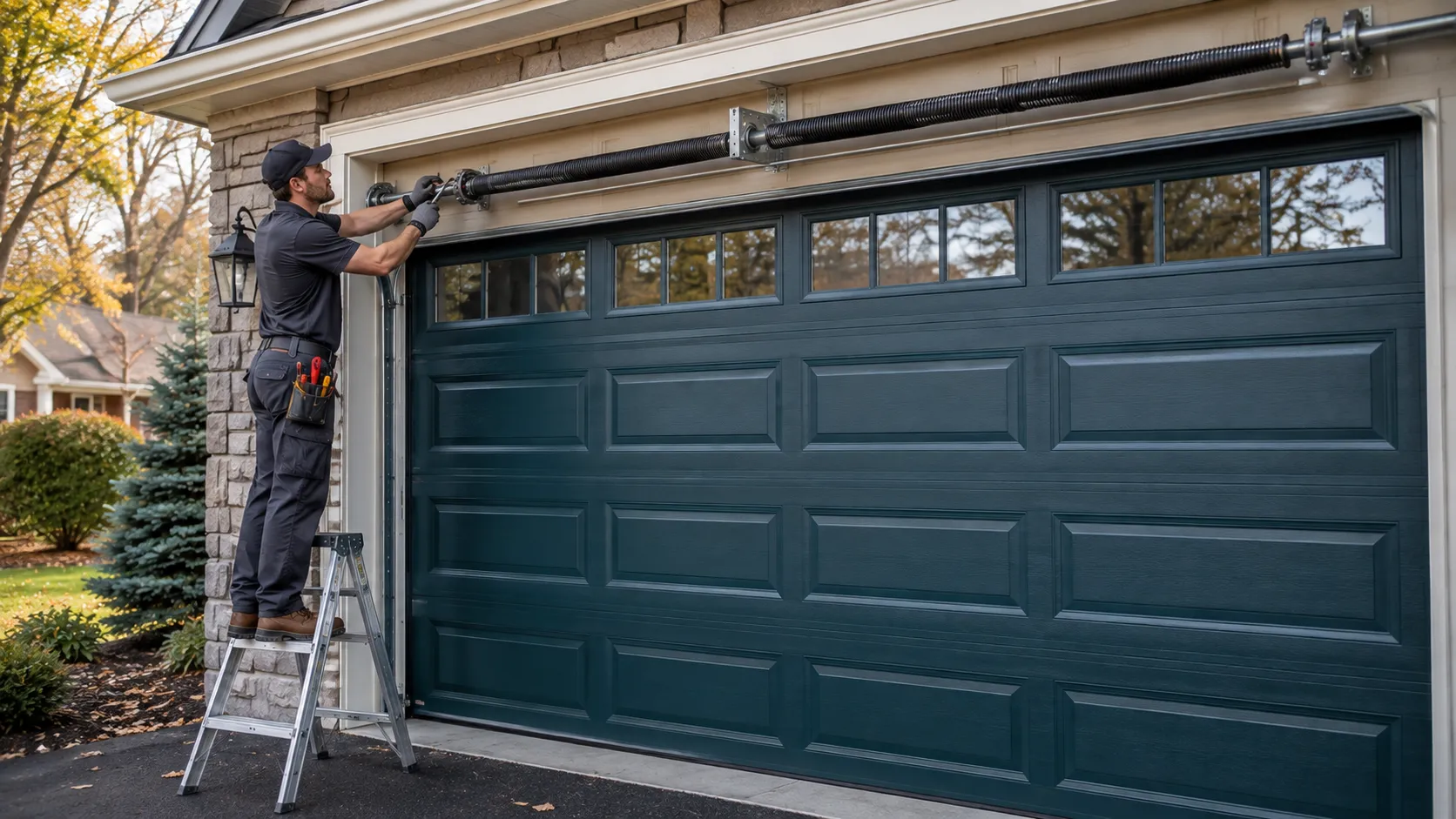
On a call in this town, we expect torsion springs that snapped early from salt-accelerated fatigue, not just age. We expect rollers and hinges seized with surface rust rather than worn from cycle count alone. We expect openers on 1950s-era single-car doors that were retrofitted decades after the door itself went up, meaning the safety sensors and force settings are often mismatched to a door frame that predates them by twenty or thirty years. None of that is a guess - it's what a house built around 1956 on a barrier island, seven miles out from the mainland, does to hardware over time. We bring parts sized for that reality, not for a newer subdivision door.