Old Streets and New Ones
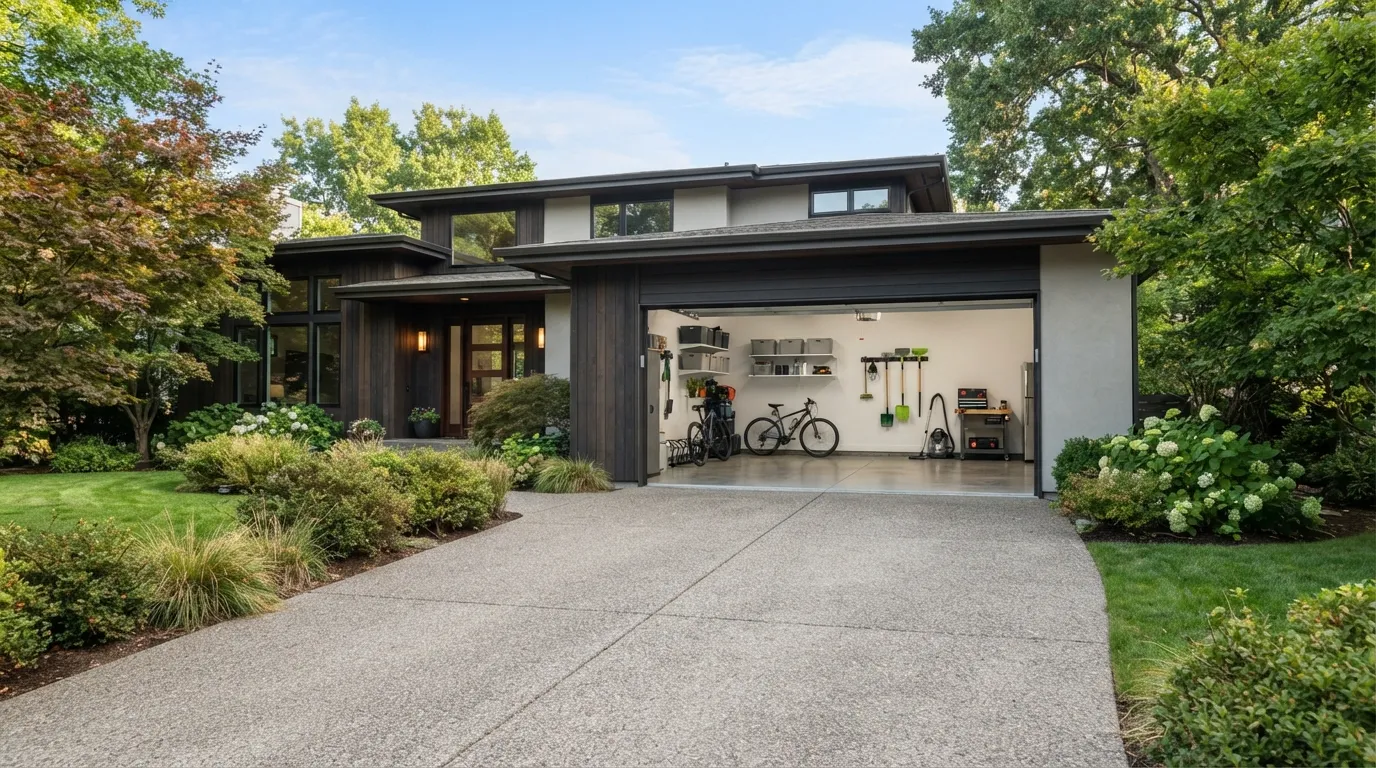
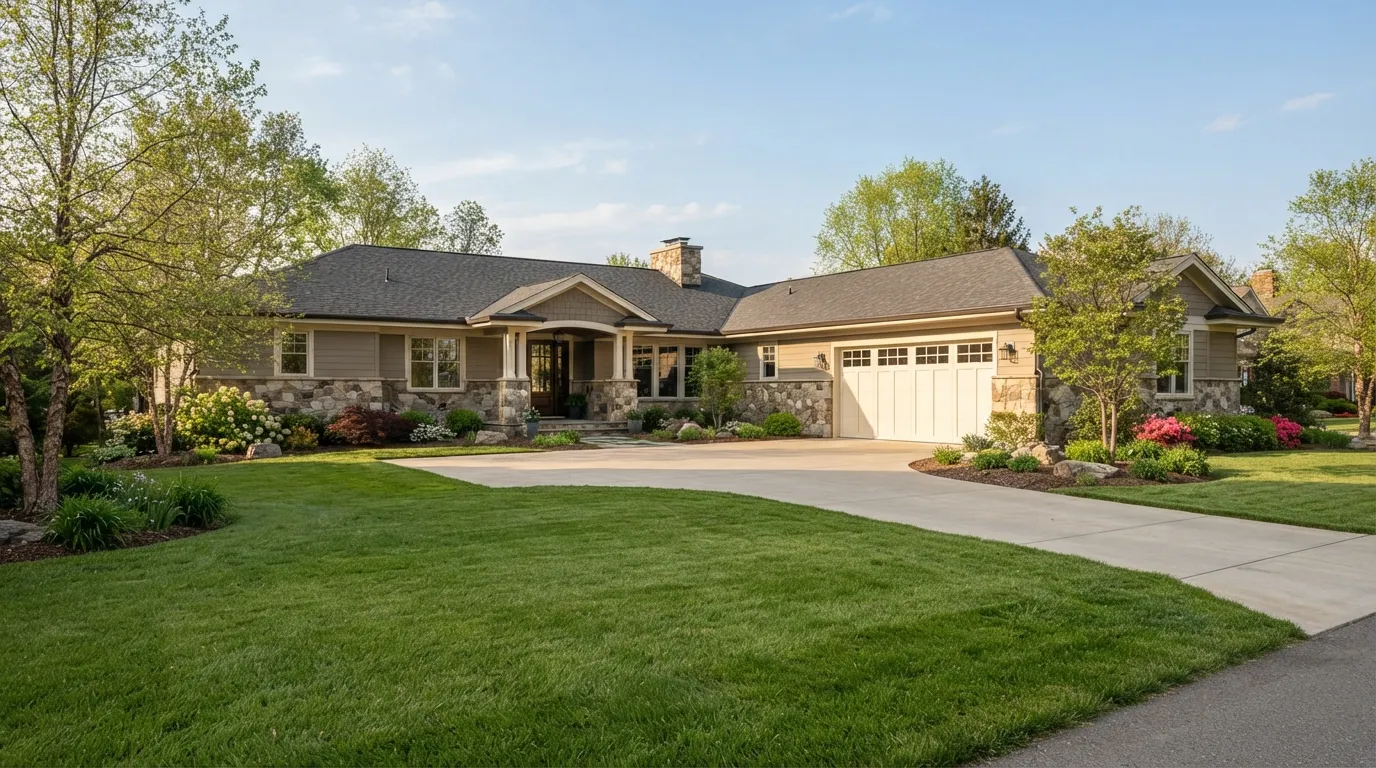
Point Pleasant Beach's housing stock centers on 1960, a decade earlier than the 1972 median across the wider coverage area. That gap matters more than it sounds like it should. A door installed in the early 1960s was built for hardware nobody makes the same way now: heavier wood sections, steel track with narrower radius bends, and springs sized for panel weights that changed once builders shifted to lighter composite doors later in the decade. Newer infill and renovated homes sit next to these older ones, so a single block can have a 1978 door with a modern extension-spring opener bolted on and a 1959 original with the torsion drum still riveted to the same shaft it shipped with. We don't have a count of exactly how many of each survive here, so we won't pretend to. What we do know is that the area's median is old enough that original hardware is still common, and that's the number that shapes every call we take from this stretch of coast.
What We Do Not Do
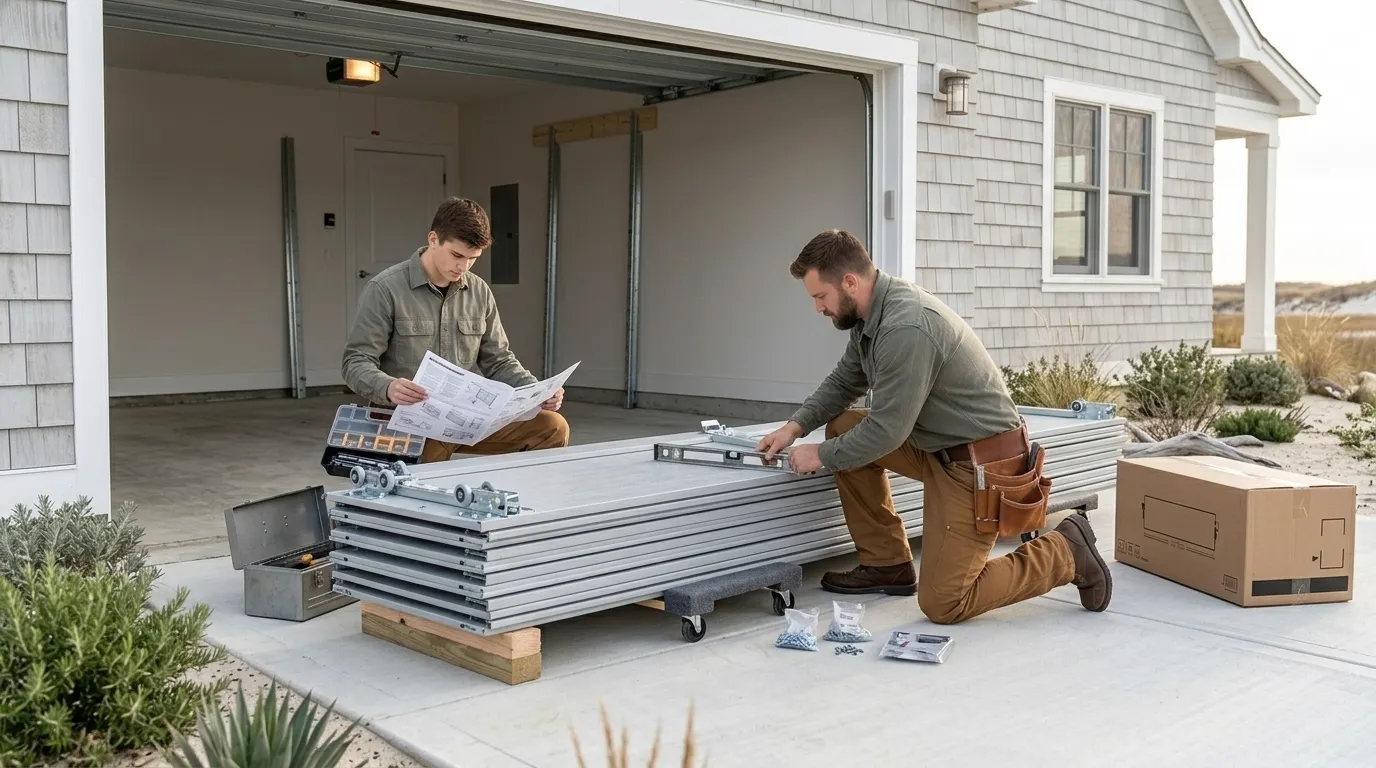
We don't keep a shop or a stocked truck bay in Point Pleasant Beach. At 10 miles out, this is the far edge of the run from Toms River, not a stop the truck makes on the way to somewhere closer, and we're straightforward about that rather than pretending there's a local depot. We also don't force a repair on hardware that's past the point of being worth it - if a torsion drum from an original 1960 install is cracked and the matching parts aren't made anymore, patching it is a short-term fix at best, and we'll say so instead of billing for a repair that won't hold. What we bring is the diagnostic work and the parts that fit COLD-severe climate hardware, not a guess at what might be in the van. If a part needs ordering because the door predates the standard stock sizes, that's a real wait, not a same-day promise.
How That Shows Up in the Door
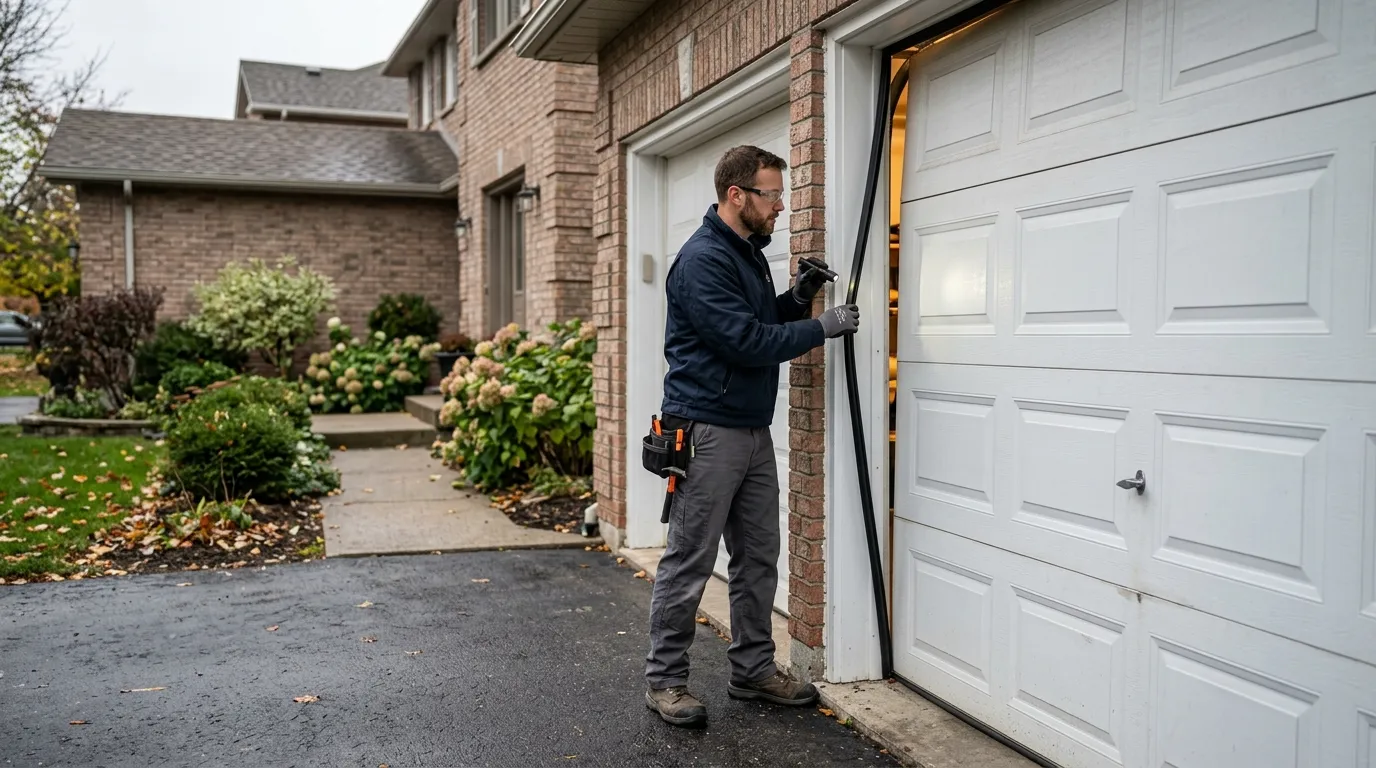
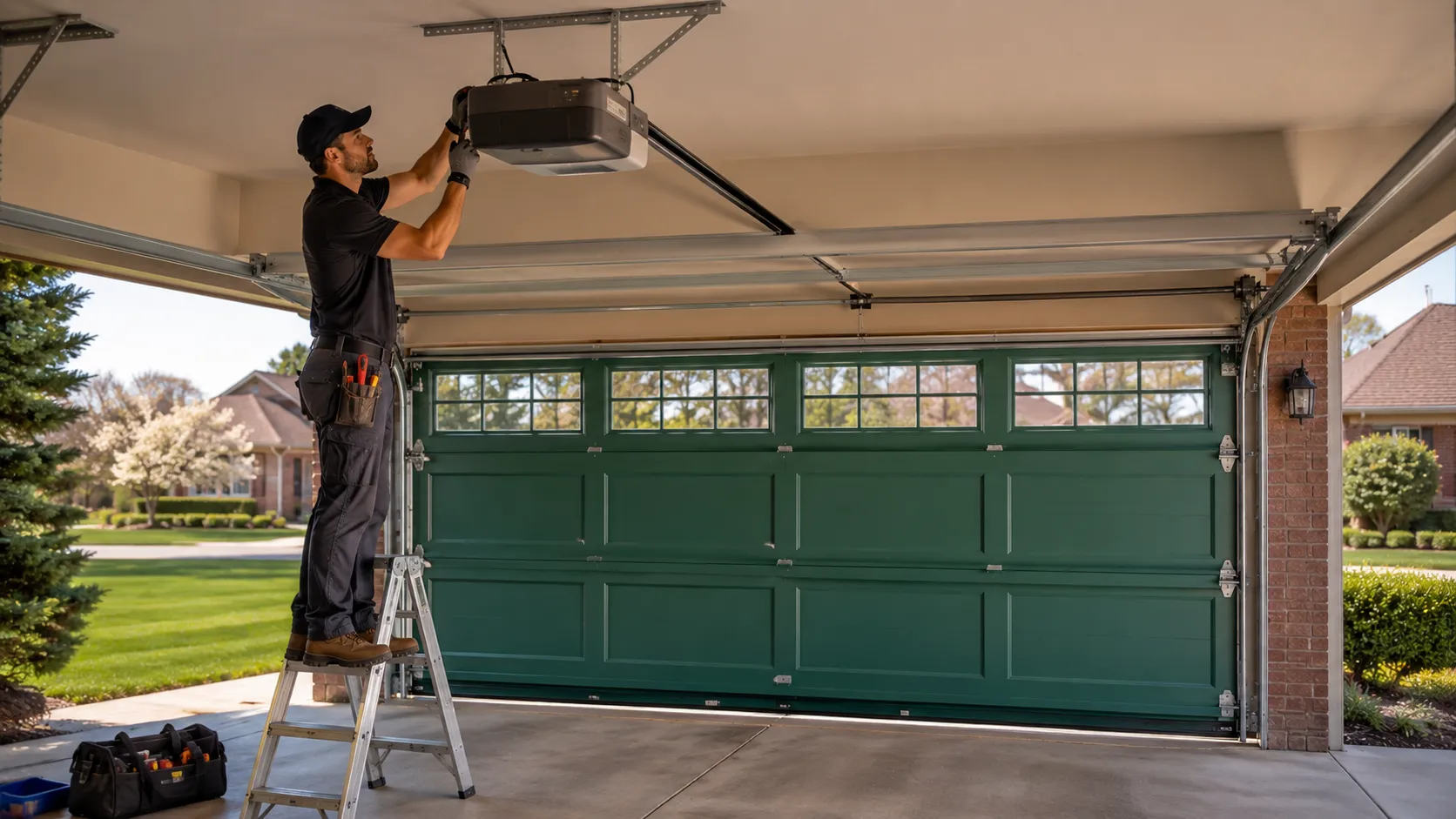
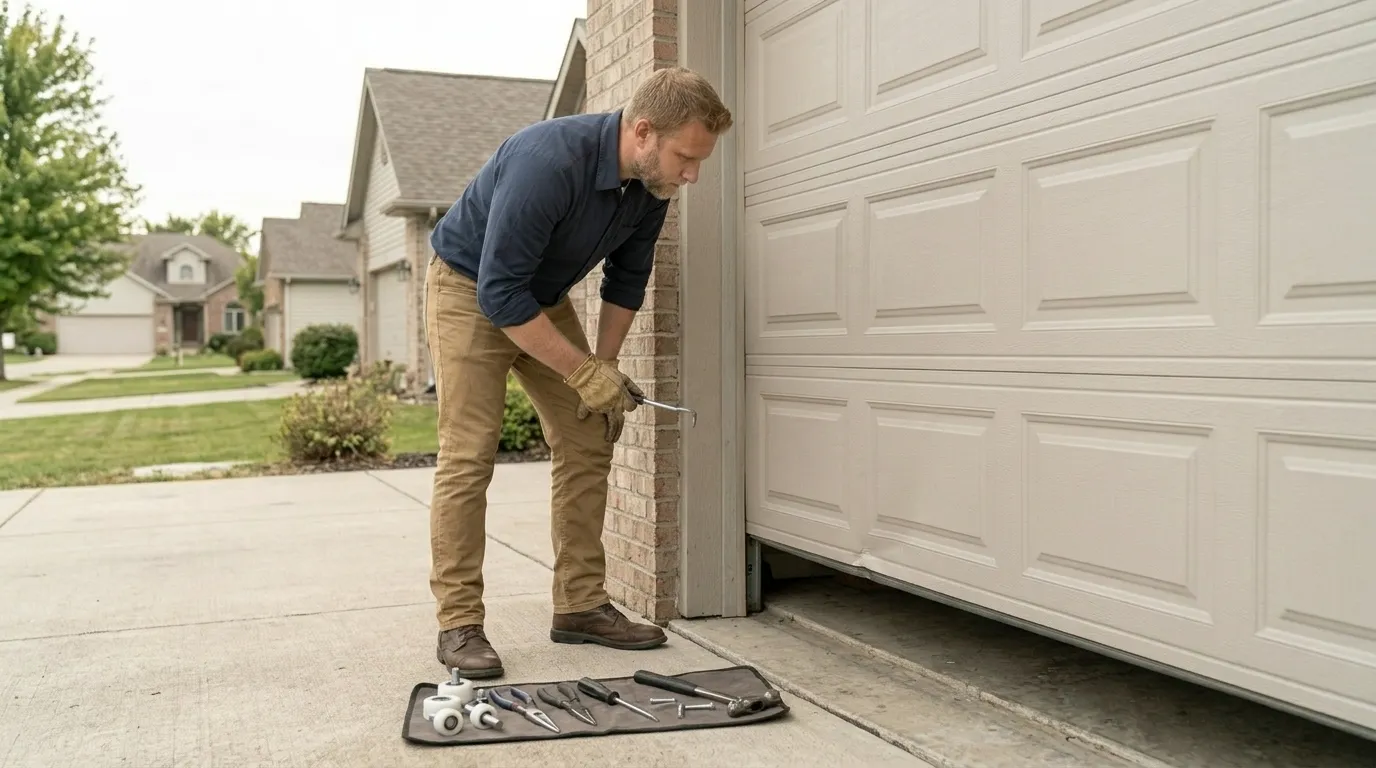
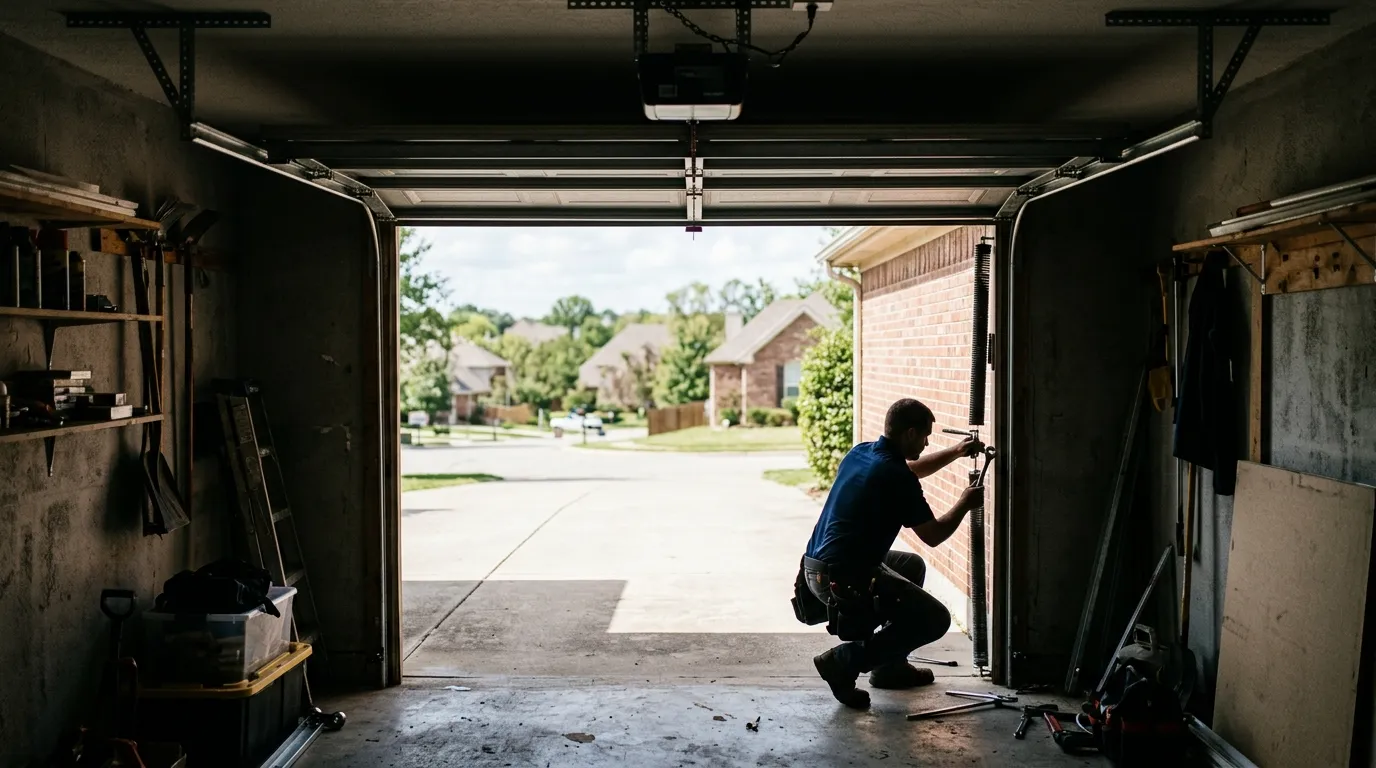
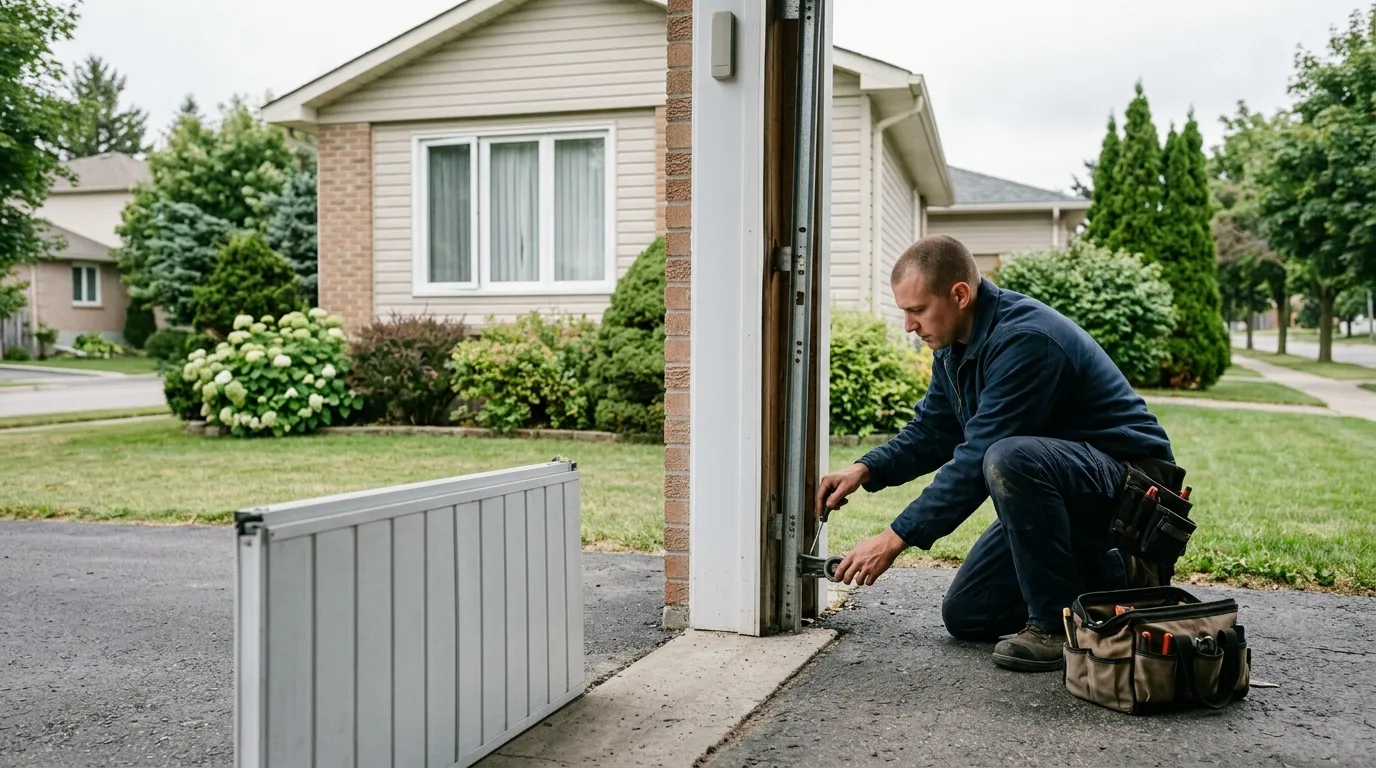
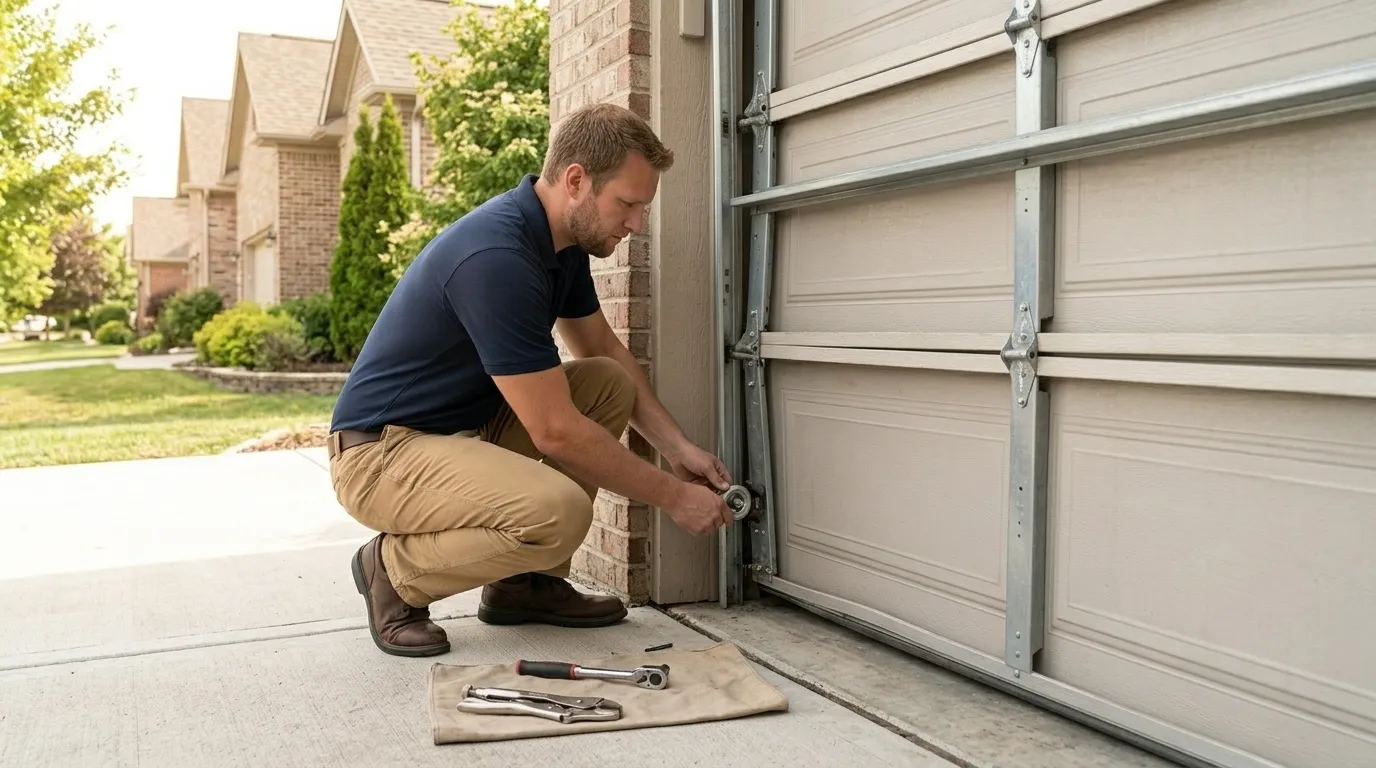
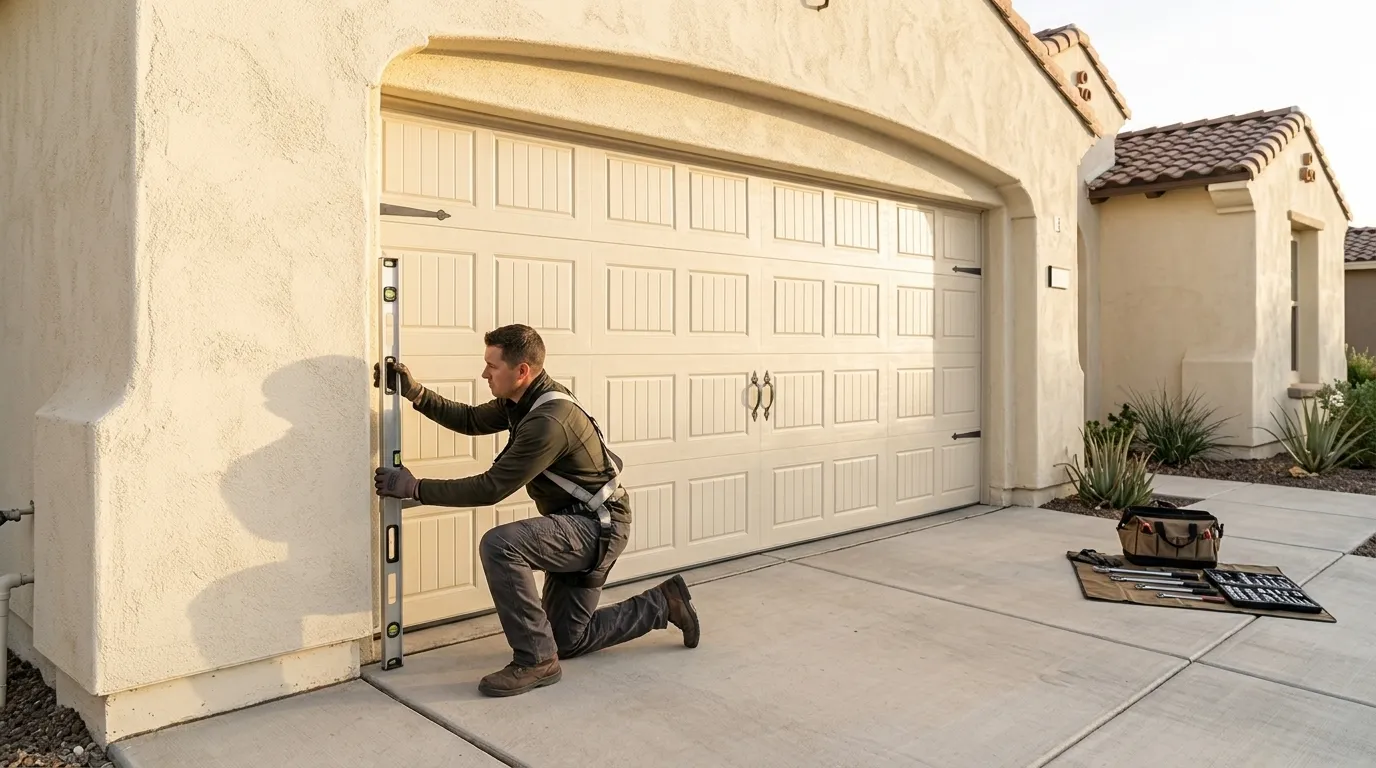
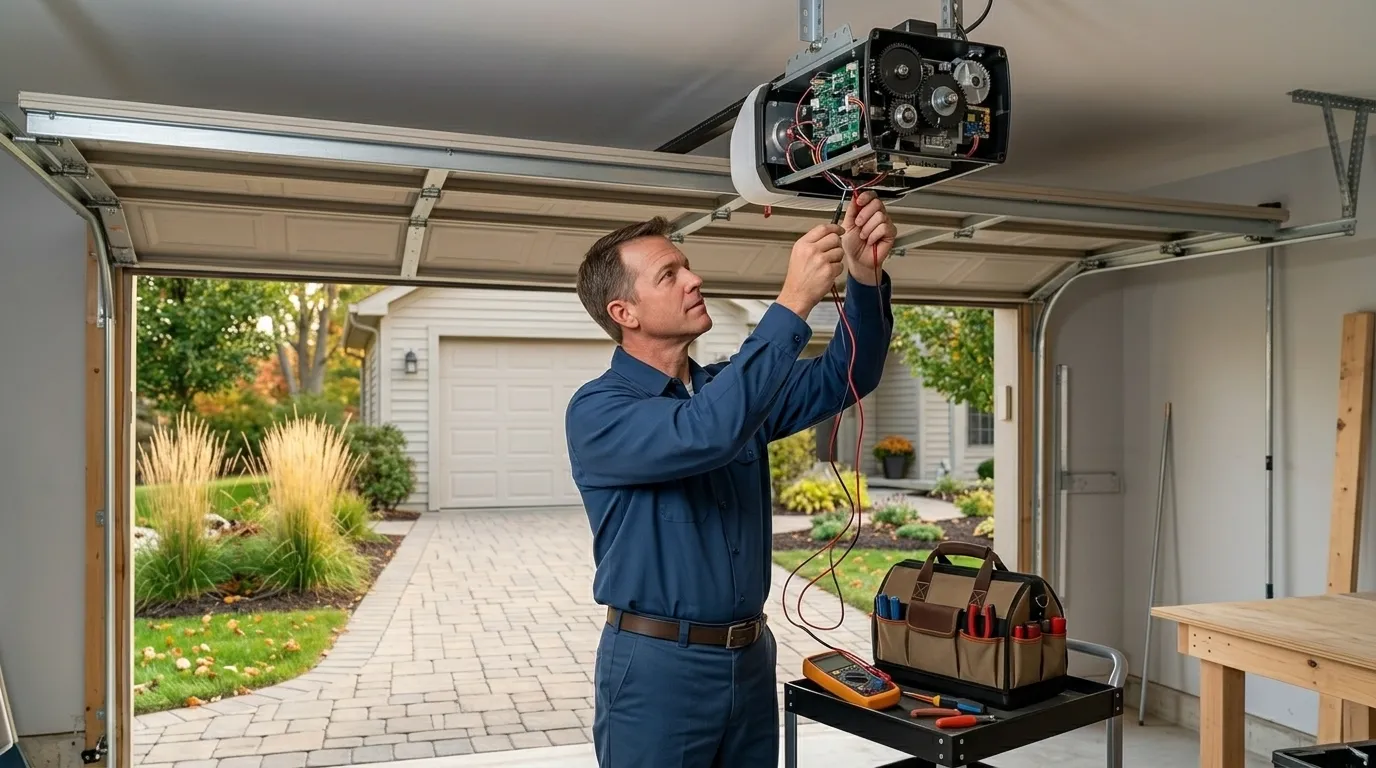
Doors going up around 1960 in a COLD-severe climate zone means torsion hardware and track alignment that predate the extension-spring designs common in later builds, and freeze-thaw cycling over sixty-plus winters loosens fasteners and pits rollers on schedules newer doors haven't hit yet. On a house from this era you're more likely to see a bent track from a car door catching it wrong decades ago and never fully straightened, or a spring that's been re-tensioned by hand one too many times. On a house built in the 1980s or later nearby, the more common call is a worn opener circuit board or a broken drive belt, not spring failure. We ask about the build year on the phone for exactly this reason - it tells us which era of hardware we're driving out to meet before we ever see the door.