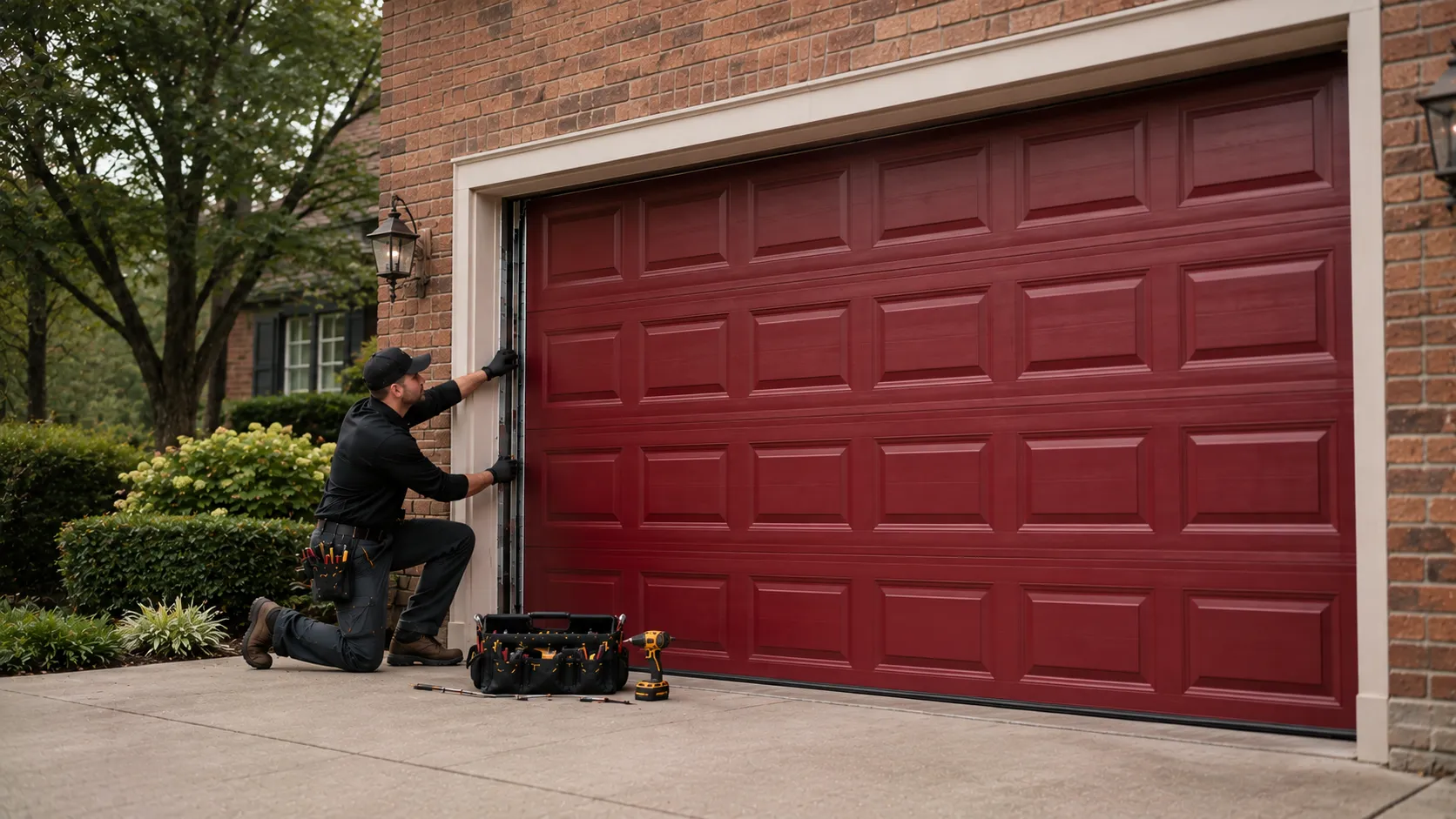
Old Streets and New Ones
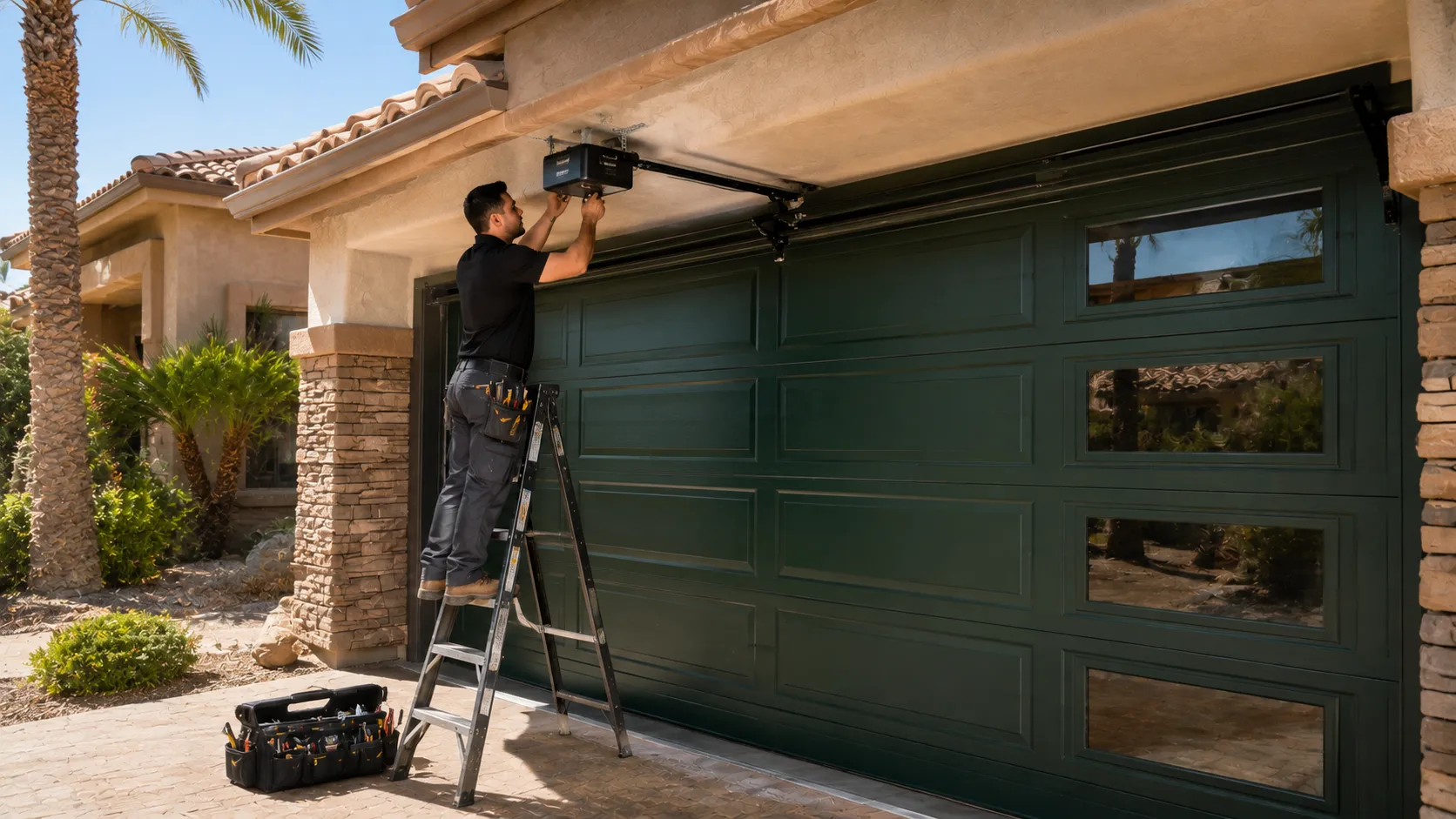
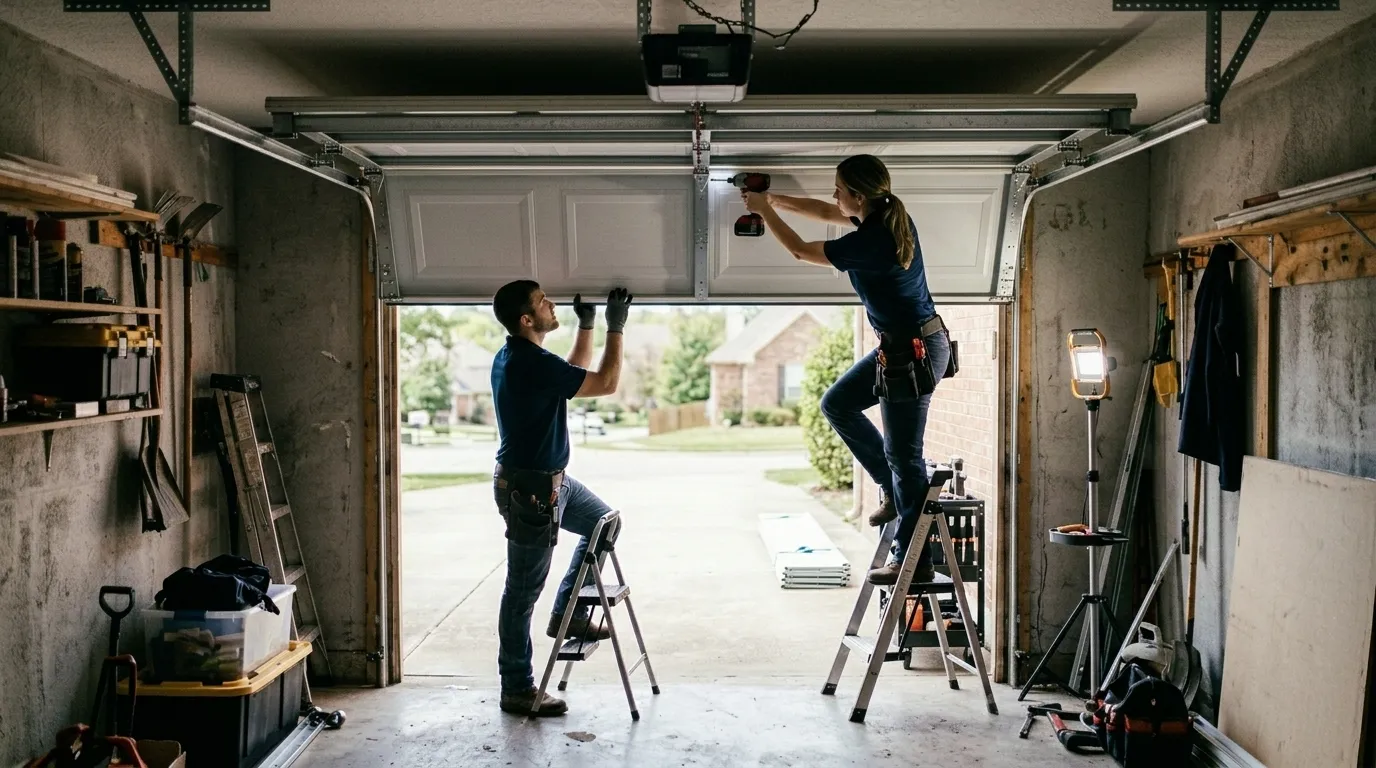
Pine Lake Park sits about 4 miles from our shop in Toms River, close enough that a spring call in the morning doesn't eat the whole day. The area reads newer than a lot of the streets around it. Where the wider Toms River service area is a mix of 1938 to 2005 construction with a median build year of 1972, Pine Lake Park's own median is 1981 - call it a full building cycle newer. That gap matters more than it sounds like it should, because garage doors and their hardware got redesigned more than once between those two dates.
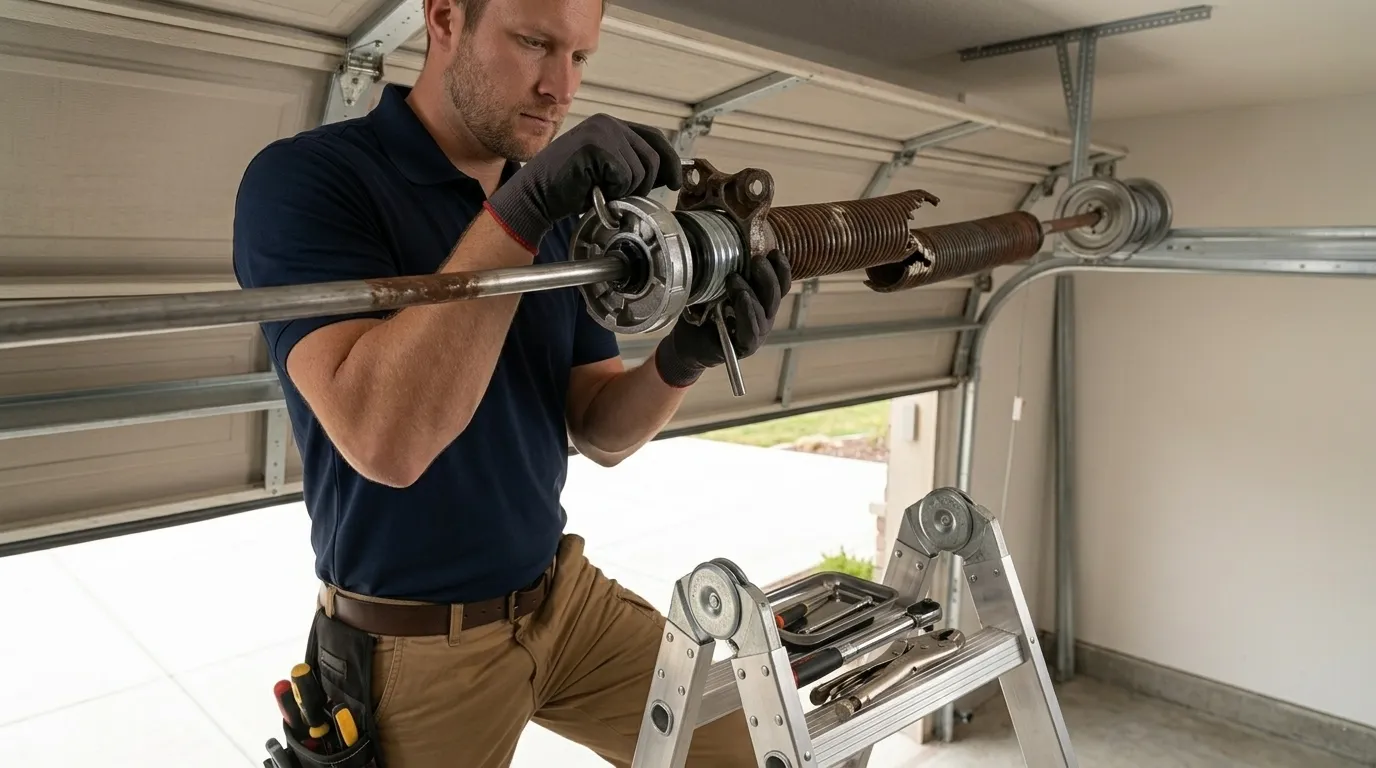
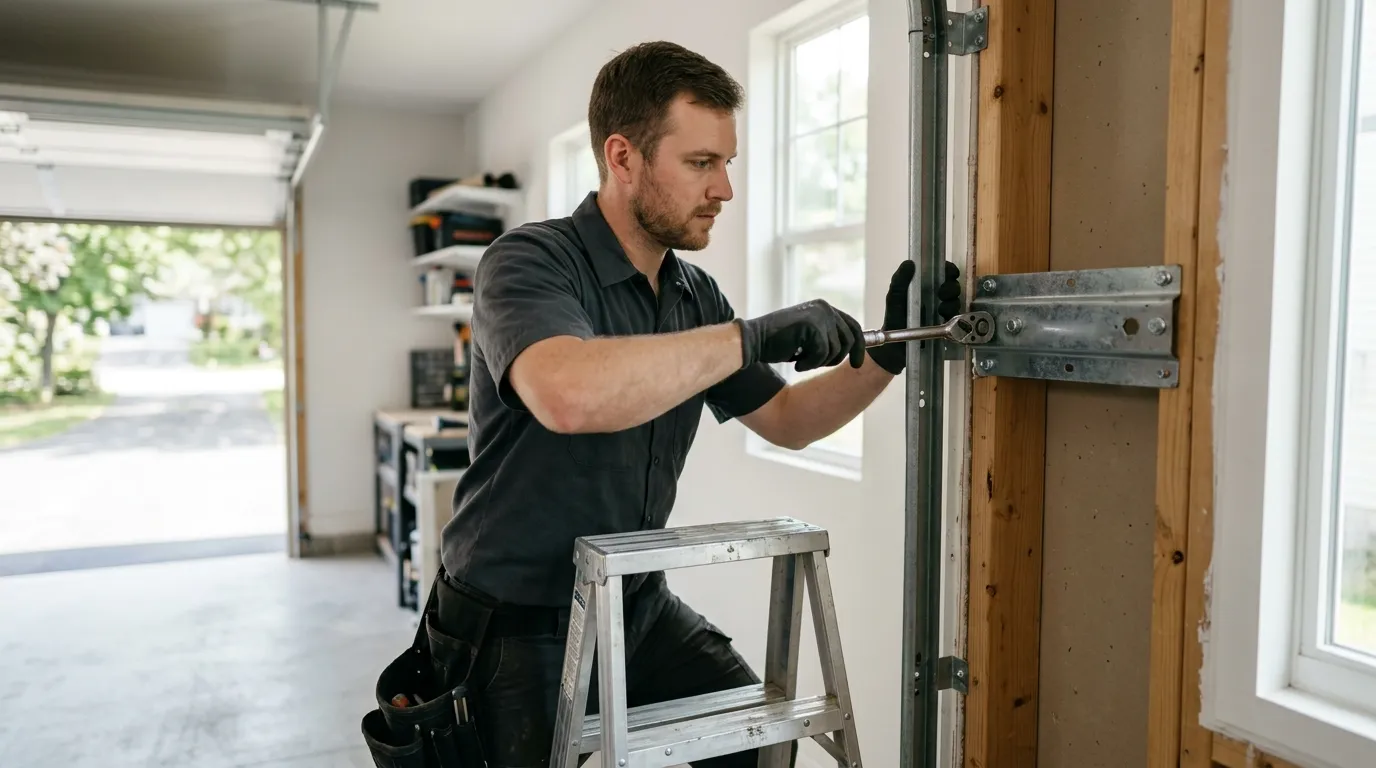
A 1981 build usually means the original door, if it's still there, came with an extension spring system rather than the older torsion setups common on pre-1972 stock, or an early torsion conversion that a builder bolted on cheap. Either way, the failure points aren't the same ones we chase on the older side of the service area. We're not guessing at this from a windshield survey - it's what the build-year gap tells us before we even open the truck.
What We Do Not Do
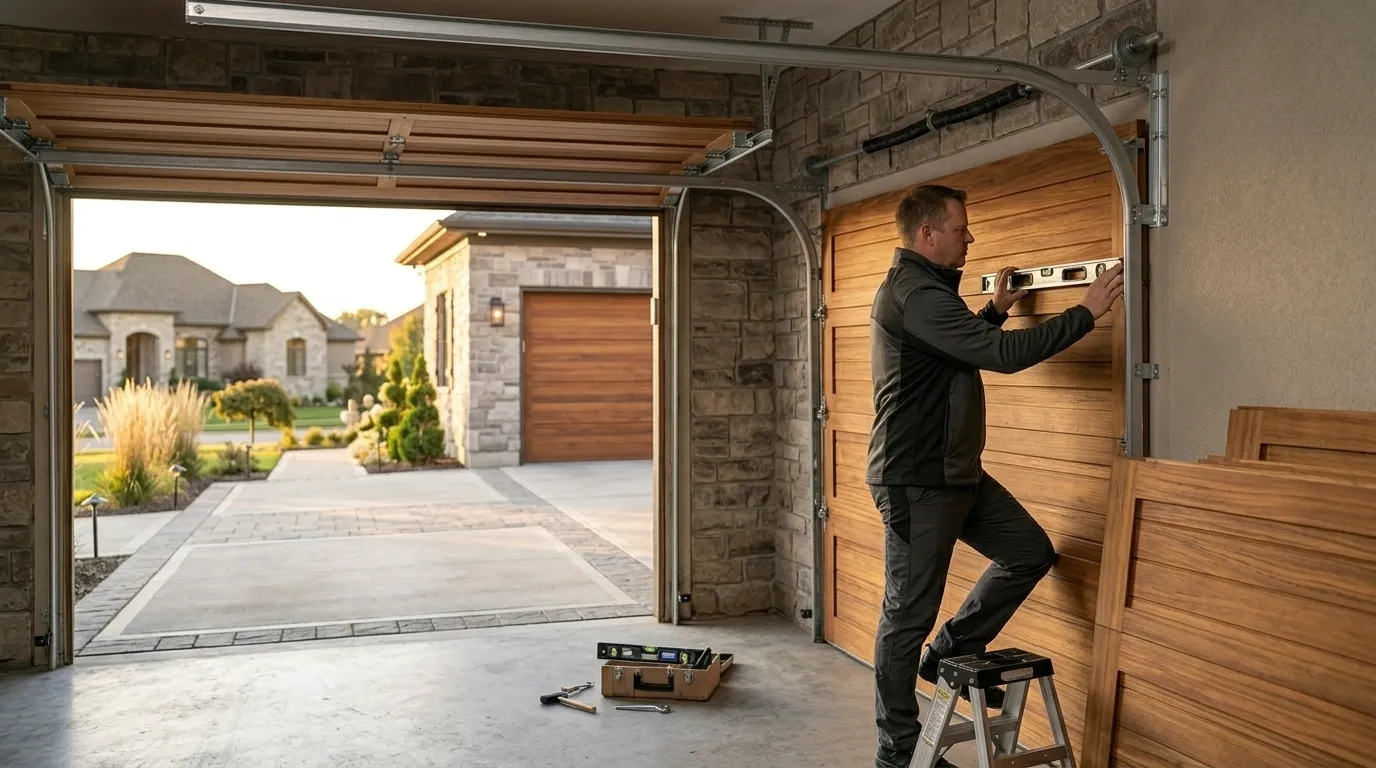
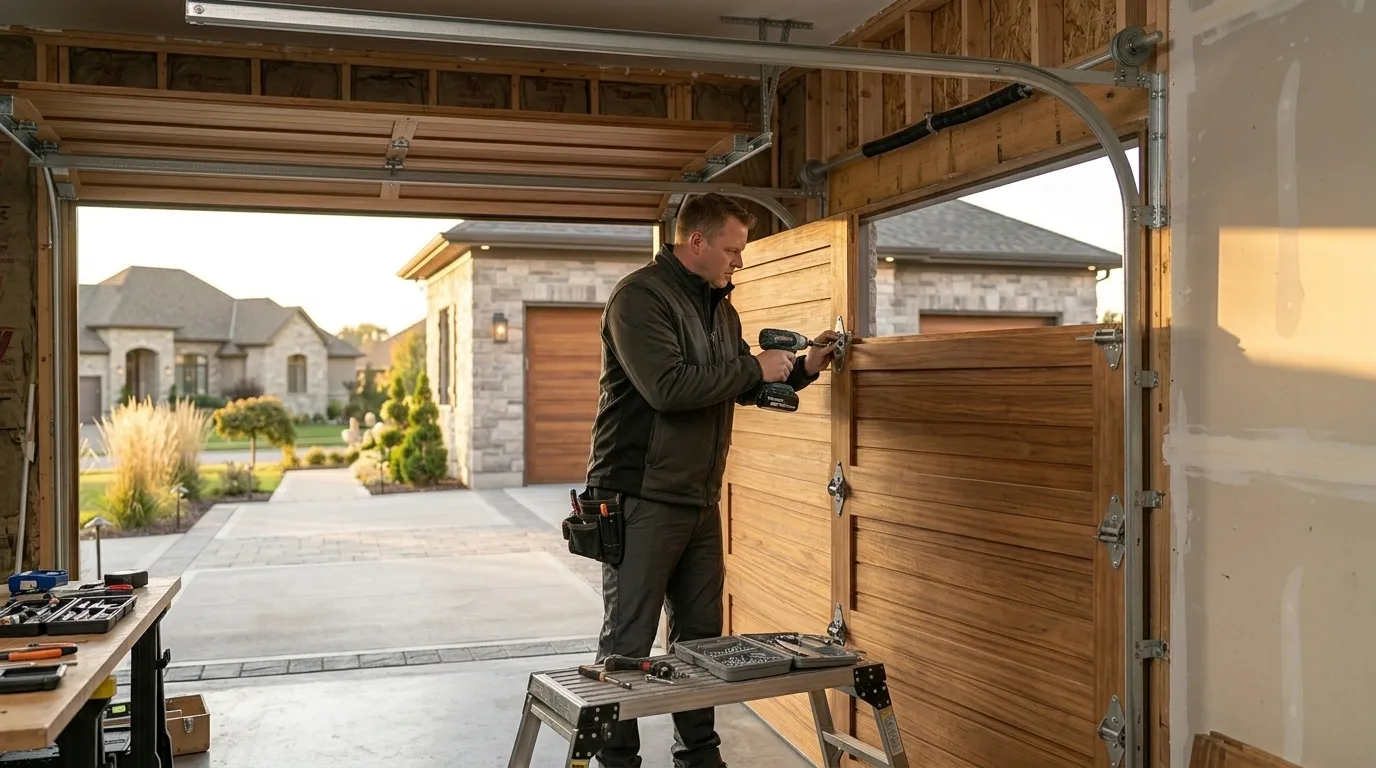
We don't keep a depot or a crew stationed in Pine Lake Park. Every job here is a truck coming out of Toms River, about 4 miles away, so we're not the outfit to call if you need someone standing outside your house in ten minutes flat. We also don't try to rebuild a door that's cheaper to replace - if a 1981-era single-layer panel has warped from cold and the track's bent to match, patching it is a band-aid, and we'll tell you that instead of running up a bill.
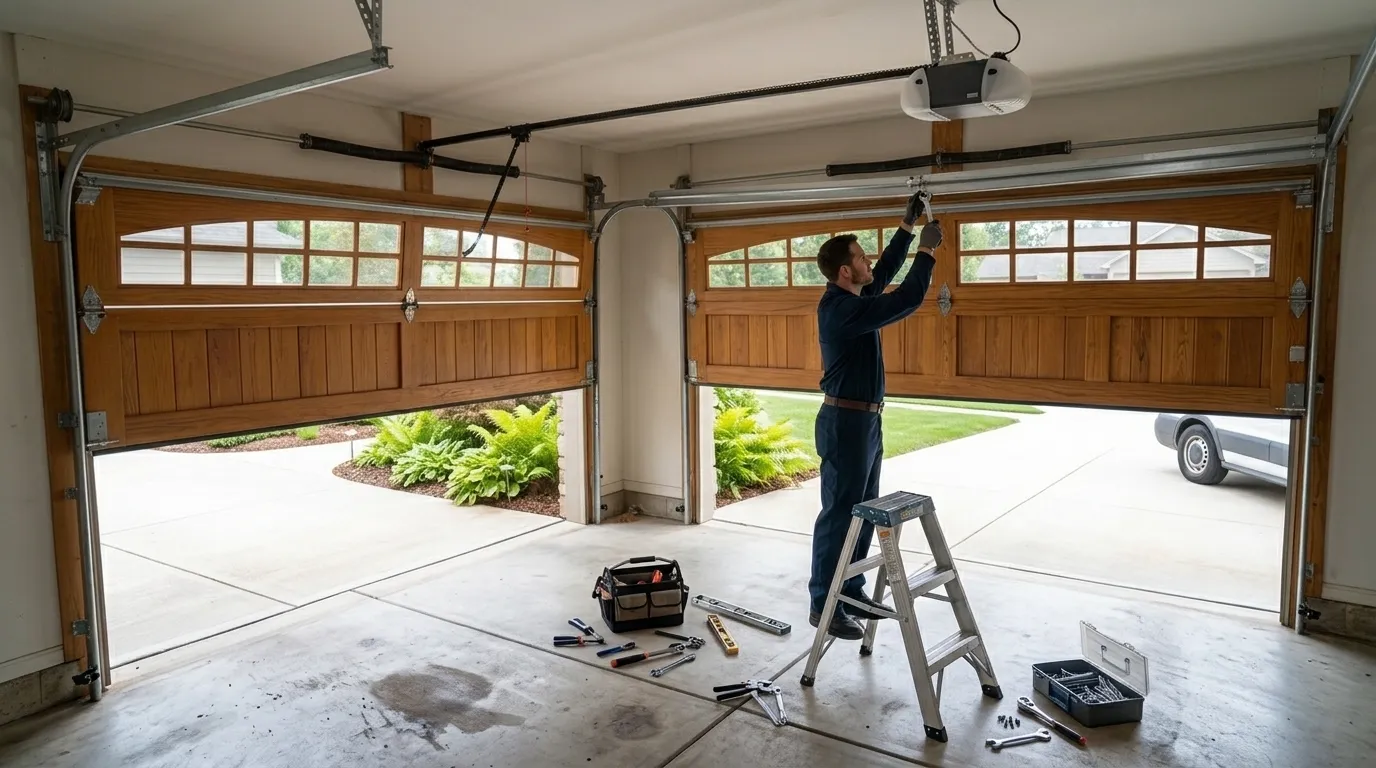
We don't install off-brand openers we can't get parts for later, and we don't guess at a spring size over the phone. A wrong spring on a torsion system isn't a small mistake; it's a door that slams down on somebody's hand. If a job needs a part we don't carry on the truck, we say so up front rather than padding the invoice with a workaround.
How That Shows Up in the Door
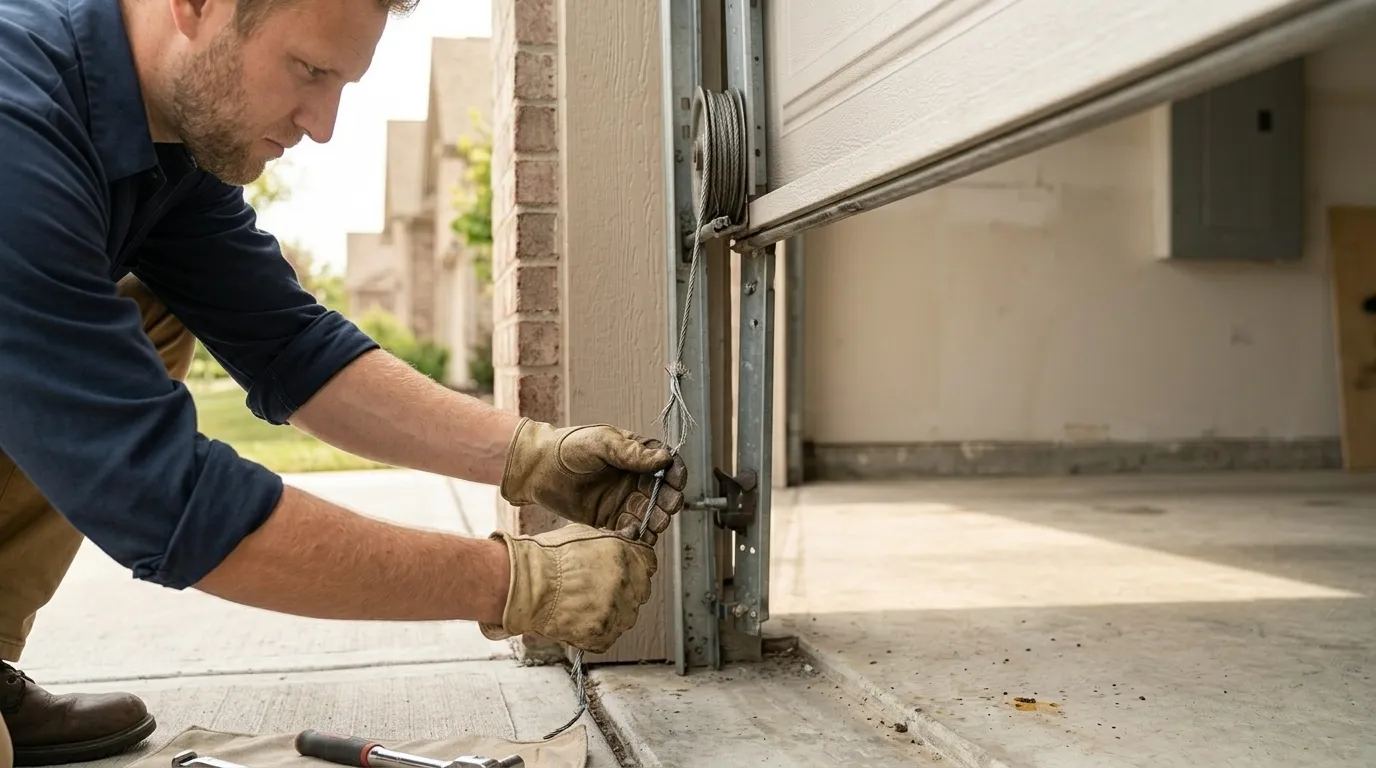
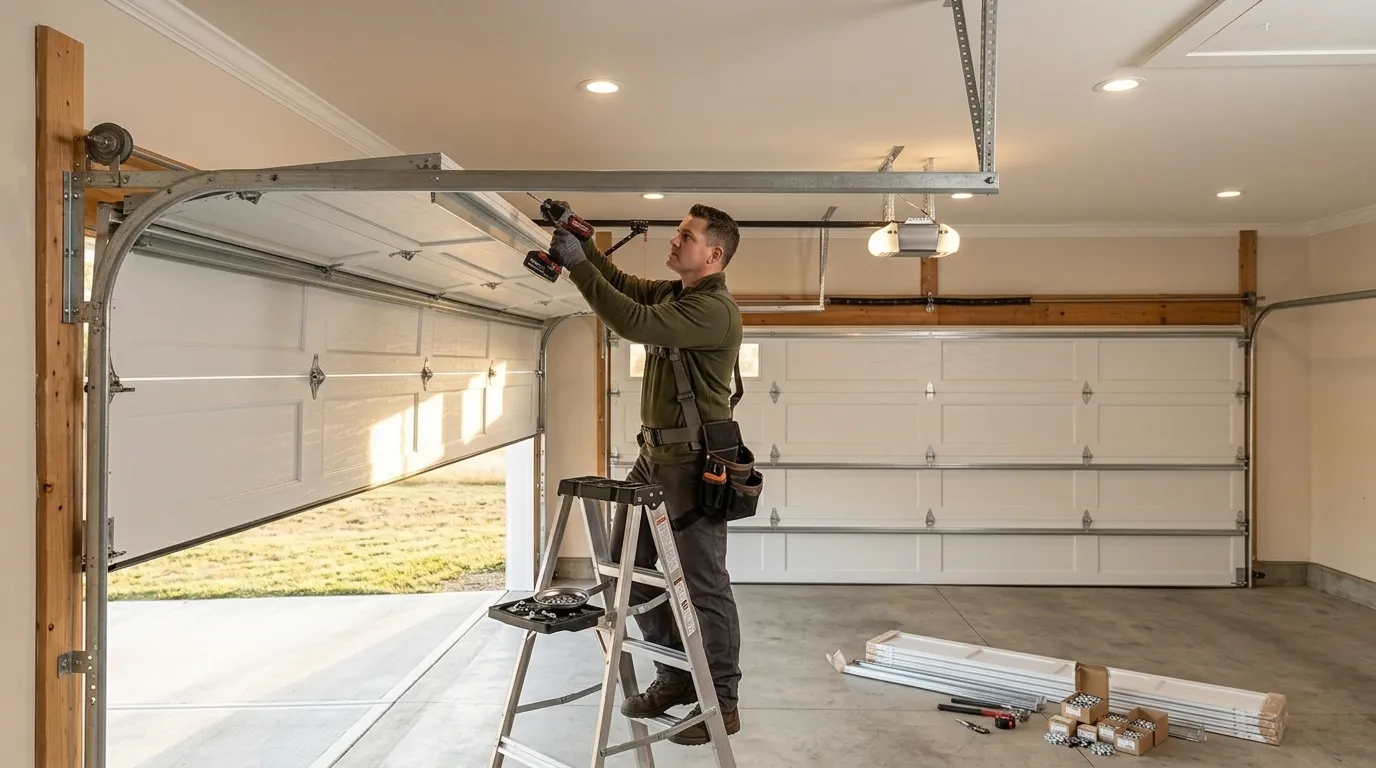
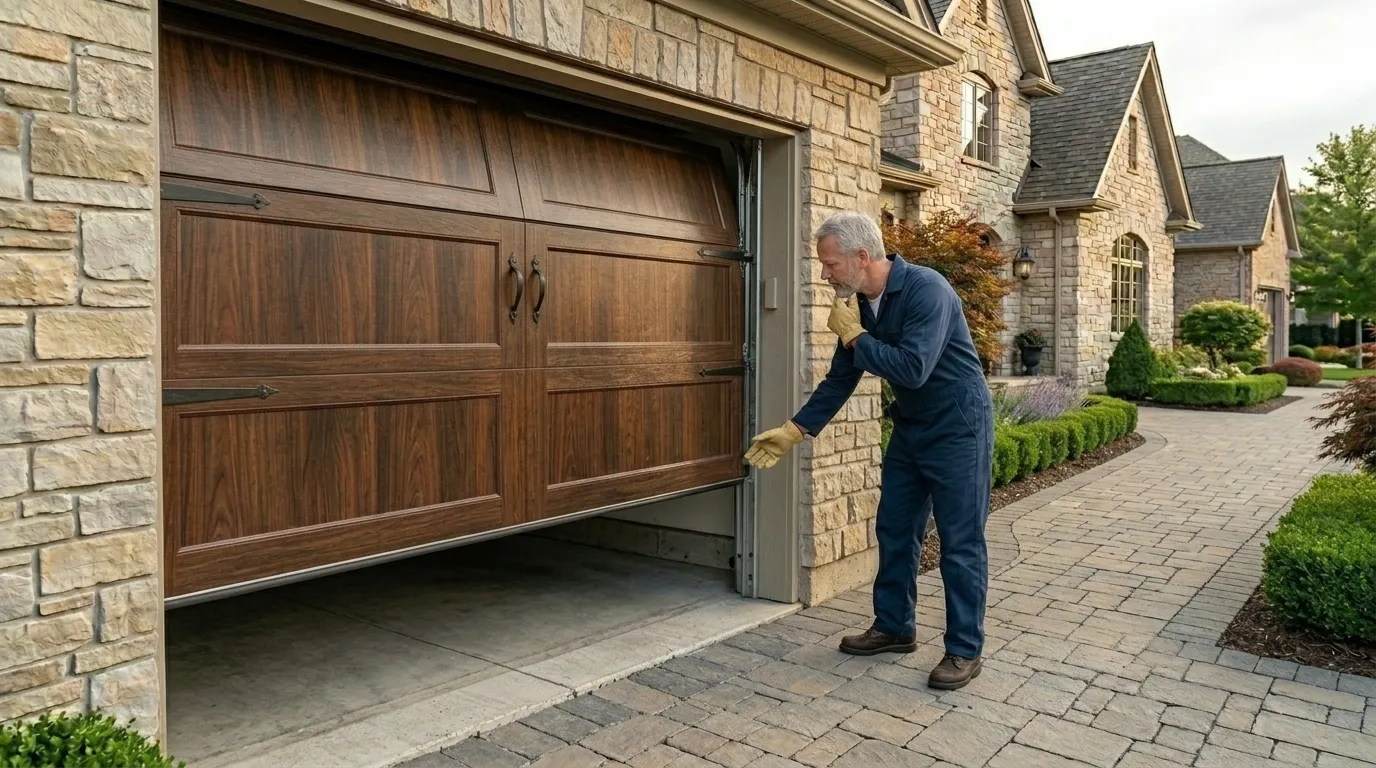
On a service call in Pine Lake Park, the first thing we check is whether the door is original to the house or a later swap, because a door installed near 1981 is old enough now that its rollers, cables, and spring wear are all in the same range - nothing's fresh, but nothing's ancient either. That's different from the pre-1960s stock elsewhere in the service area, where we're often dealing with hardware nobody manufactures anymore.
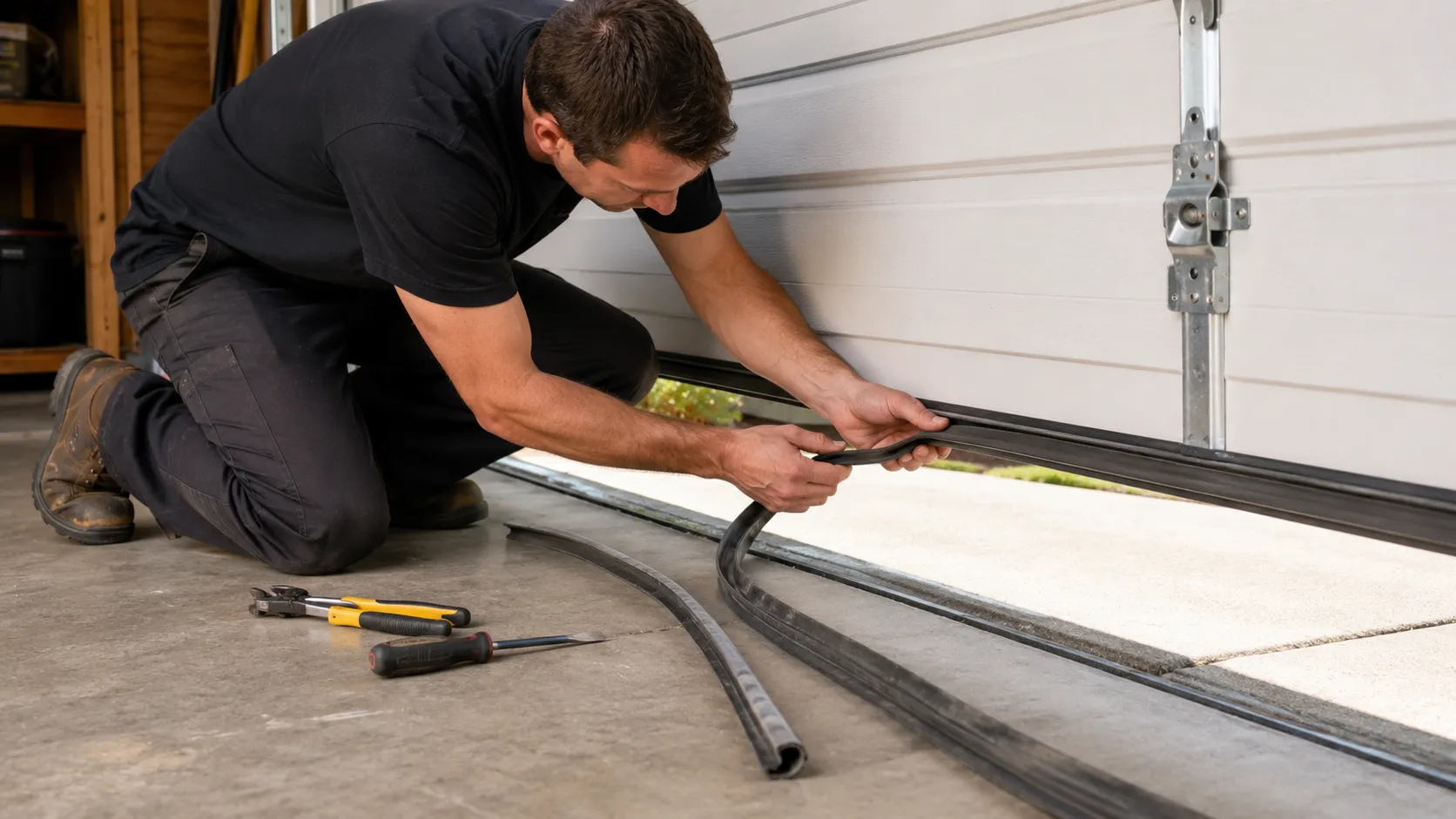
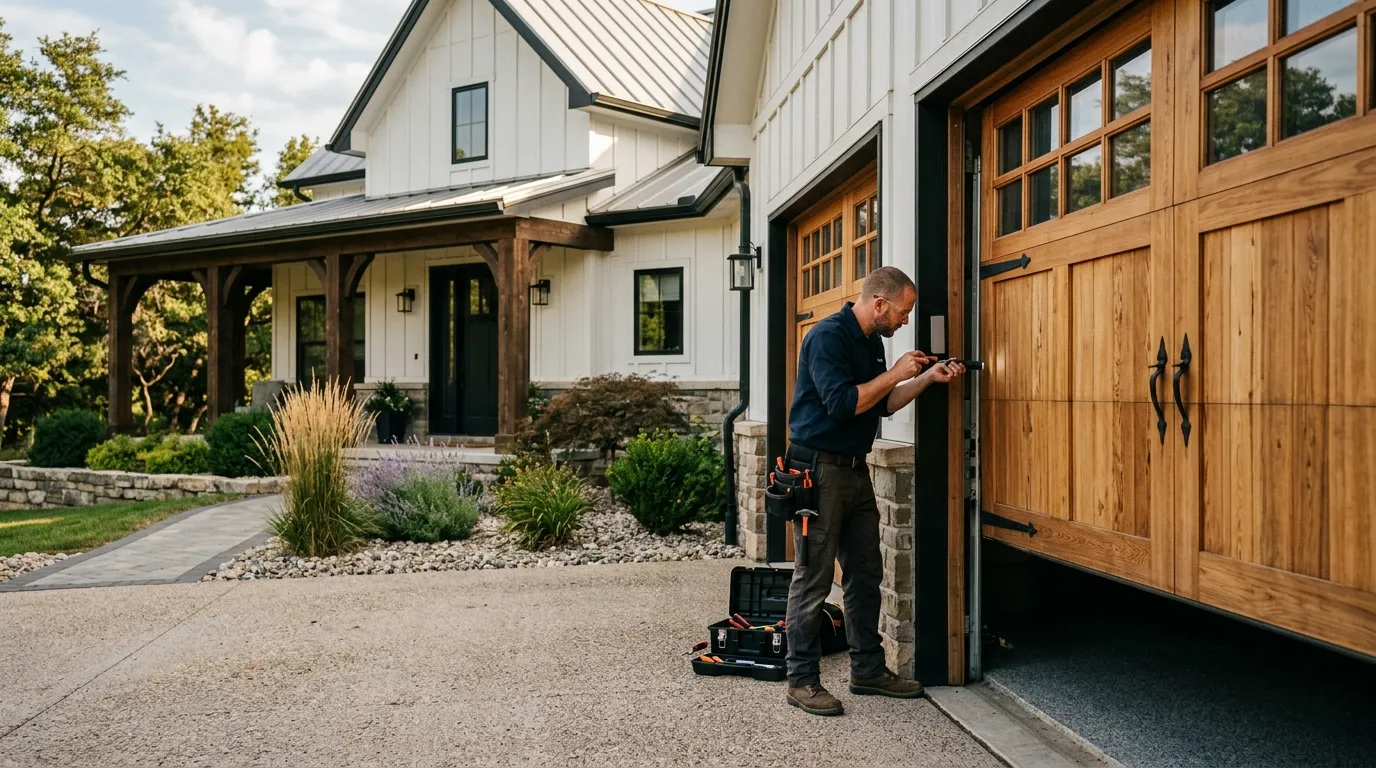
Cold-weather stress is the other pattern we look for. A single-layer steel panel from that build era gets brittle in the cold band this region sits in, and the seal at the bottom loses its grip long before the panel itself fails. If your door's binding on cold mornings and freeing up by afternoon, that's usually the seal and the track alignment, not the opener - and it's worth ruling that out before spending money on a motor that was never the problem.