Old Streets and New Ones
Ocean Grove sits apart from most of the towns we cover. The median house here was built in 1938 - three decades before the 1972 median across the rest of our Toms River service area, where the bulk of the stock is 1960s and 70s construction. That gap matters more than it sounds. A door and opener installed on a house from the Depression era, or even one retrofitted in the 1950s before automatic openers were common, sits on different bones than a door in a Holiday City ranch built during the postwar boom.
With only about 1,716 households in Ocean Grove, this is a small, dense pocket compared to the roughly 135,232 households spread across our wider coverage area. Lots here tend to be narrower, garages tighter, and a lot of the original framing has never been touched since it went up. That's not a knock on the town - it's just a different job than the split-level double-door jobs we run in the newer sections closer to Toms River.
What We Do Not Do
We're honest about the geography here. Toms River Garage Door Pros travels from Toms River, about eighteen miles out, and we don't keep a truck stationed in Ocean Grove. That means we're not the call for a five-minute emergency drop-in - we schedule the drive in, same as any other job outside the immediate Toms River streets.
We also don't force modern steel panel doors onto 1930s-era framing without checking the opening first. A lot of older Ocean Grove garages were never built to a standard width, and jamming a stock big-box door into an undersized or out-of-square opening just moves the problem to the rollers and hinges within a year. If the opening needs real carpentry to take a new door correctly, that's outside what we do - we'll tell you plainly rather than sell you a door that won't sit right.
We don't stock every obsolete panel size or extension-spring length on the truck either. Parts for hardware this old sometimes mean a short wait while we source the right piece instead of a same-visit swap.
How That Shows Up in the Door
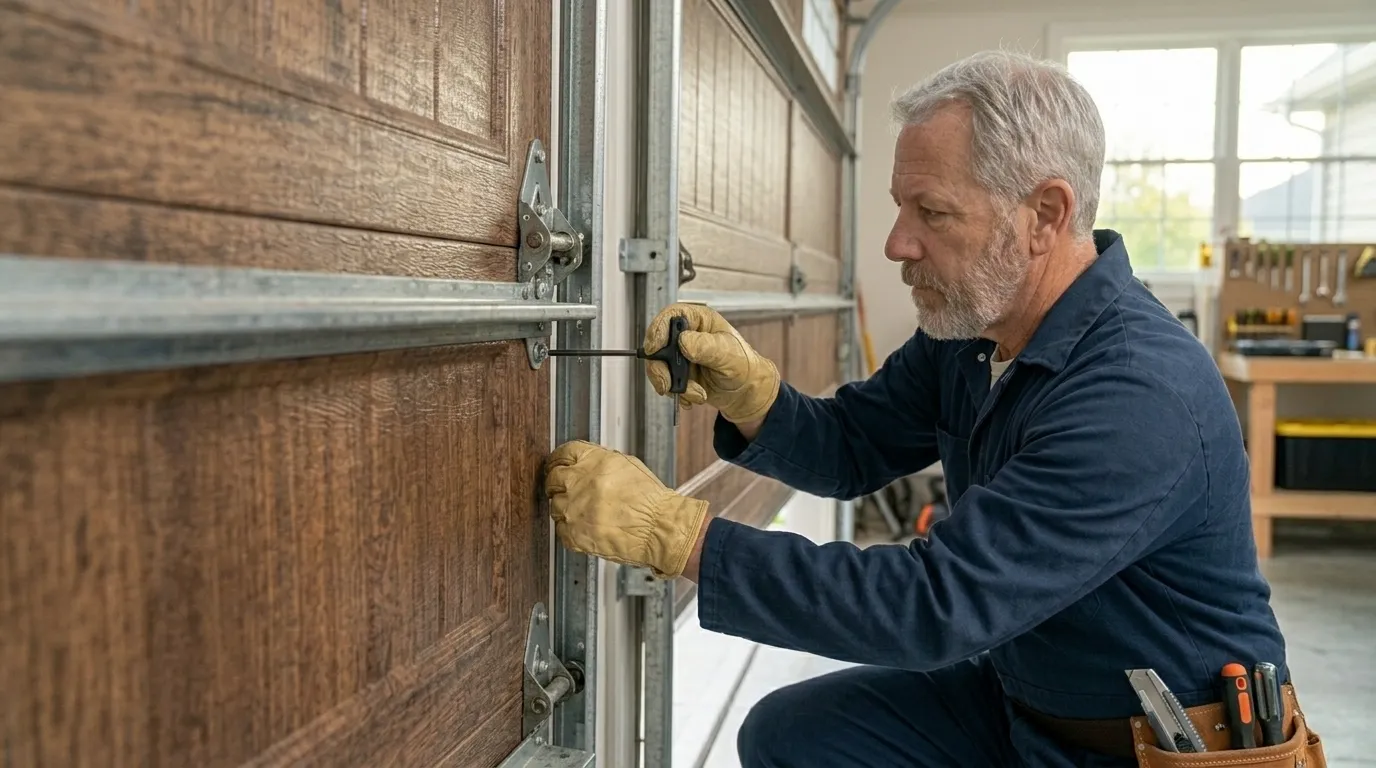
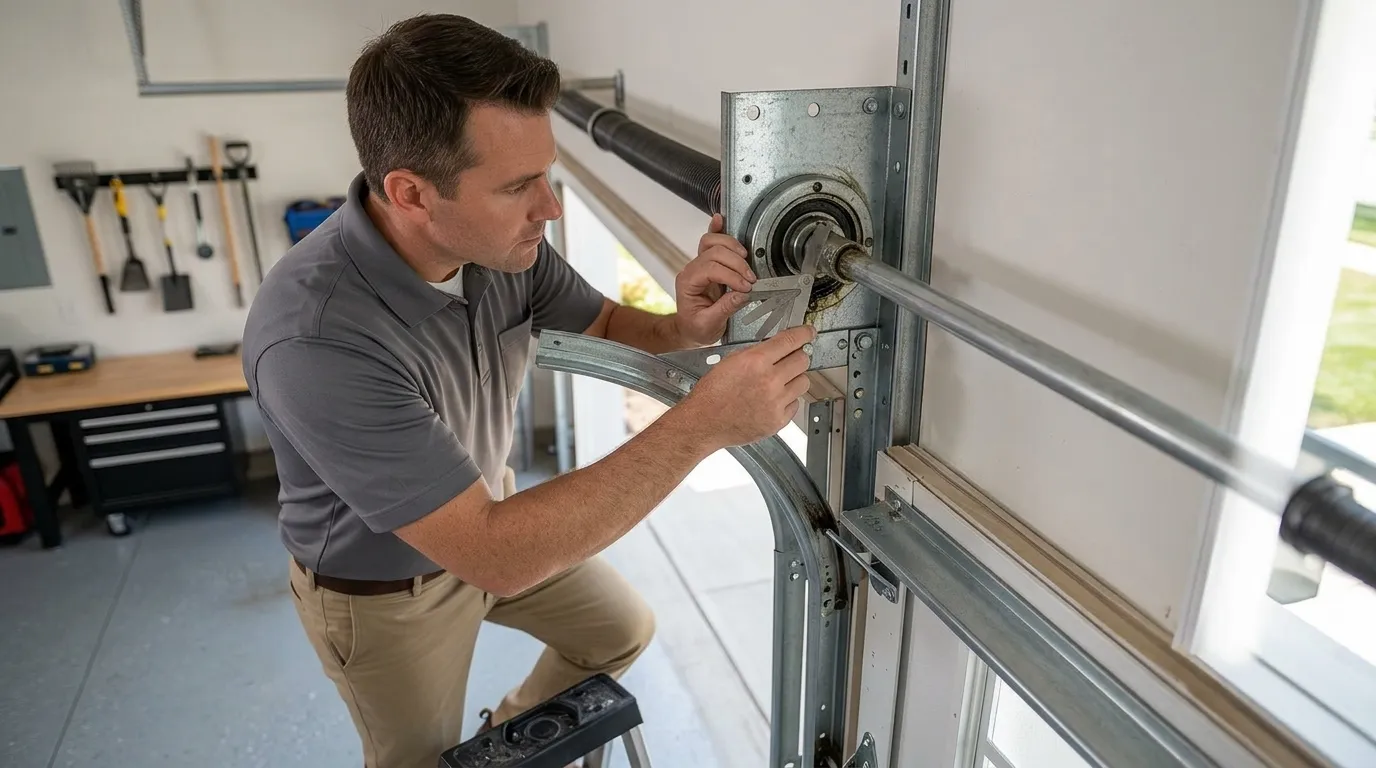
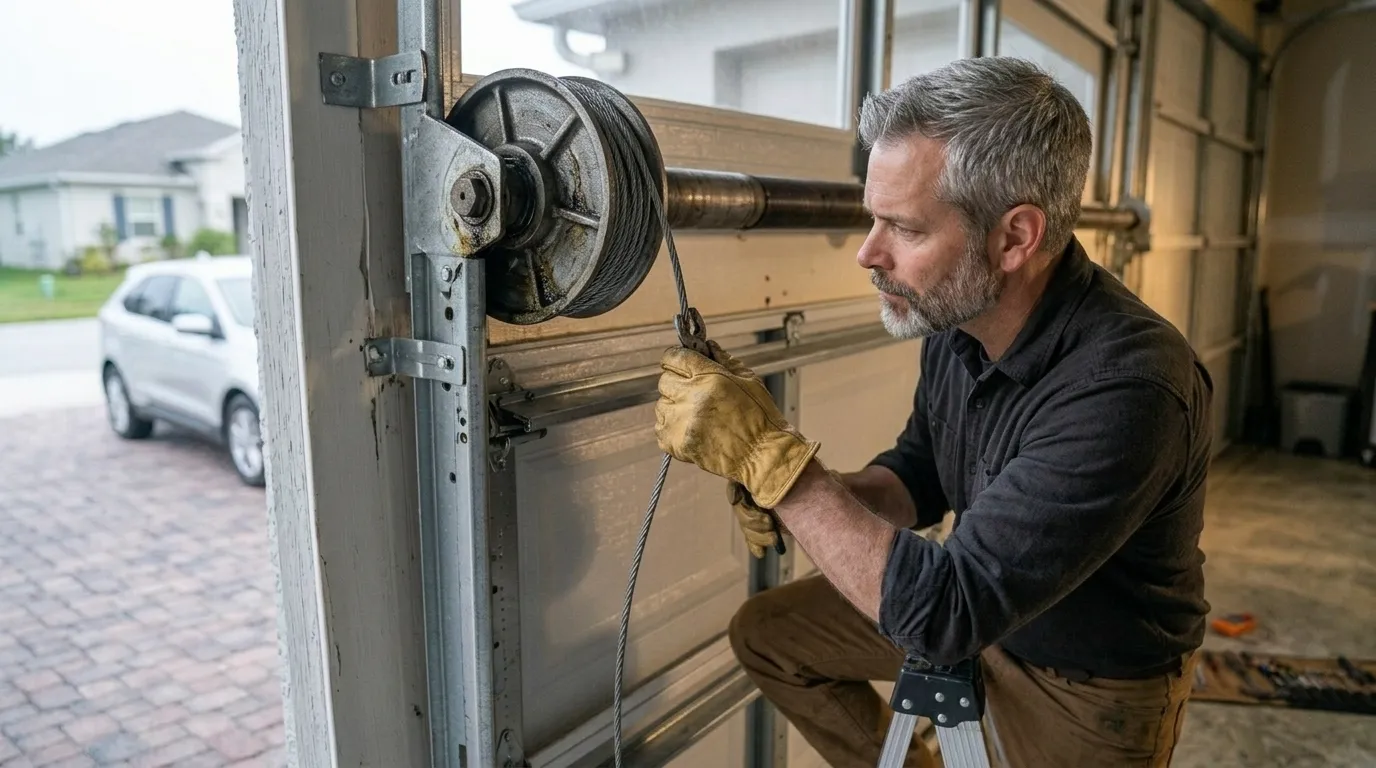
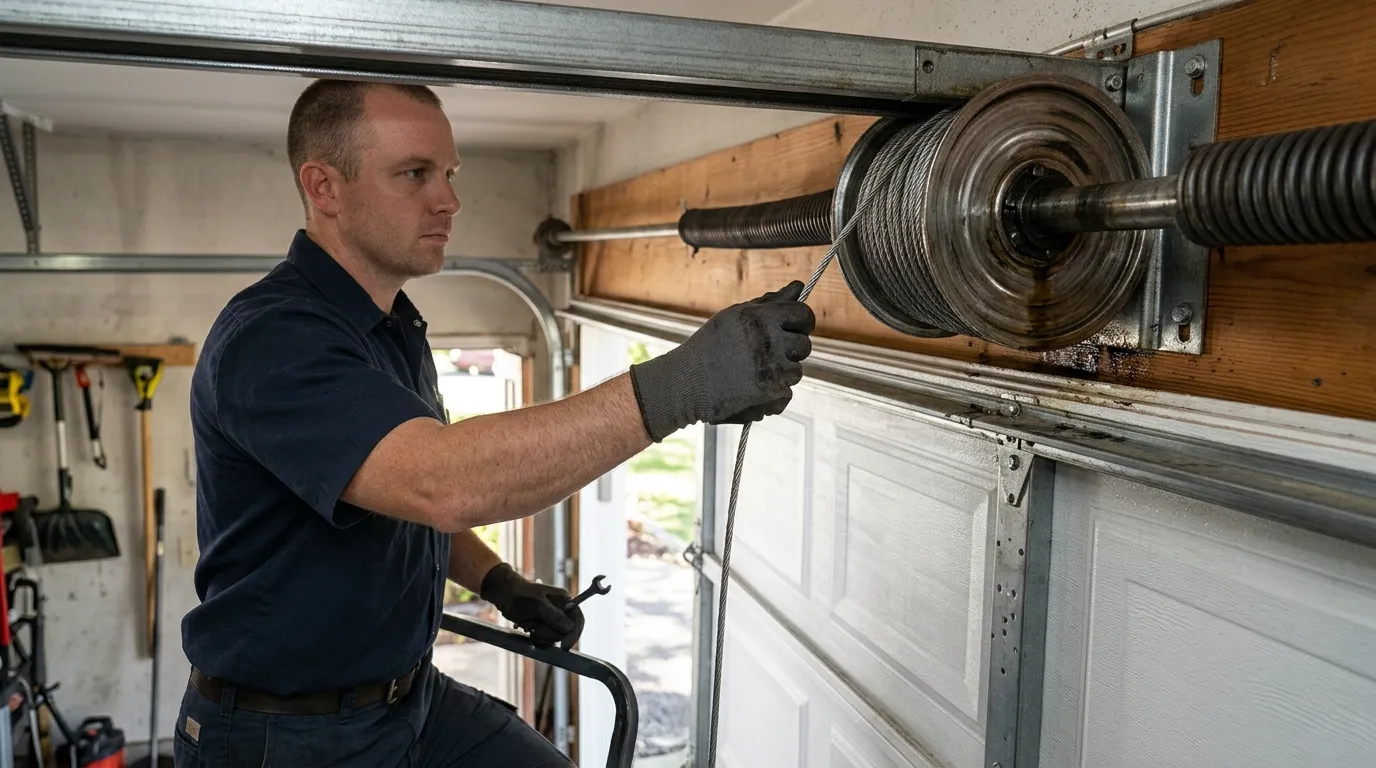
On a house with 1930s-era bones, the failures we see most often aren't the torsion spring snaps that dominate newer construction - they're worn extension springs, brittle old cable, and hinges that have been painted over so many times they bind before they break. Cold winters in this climate band put real stress on any spring system, but an older extension setup shows it faster than a modern torsion bar does, because the coils have less reserve left after decades of use.
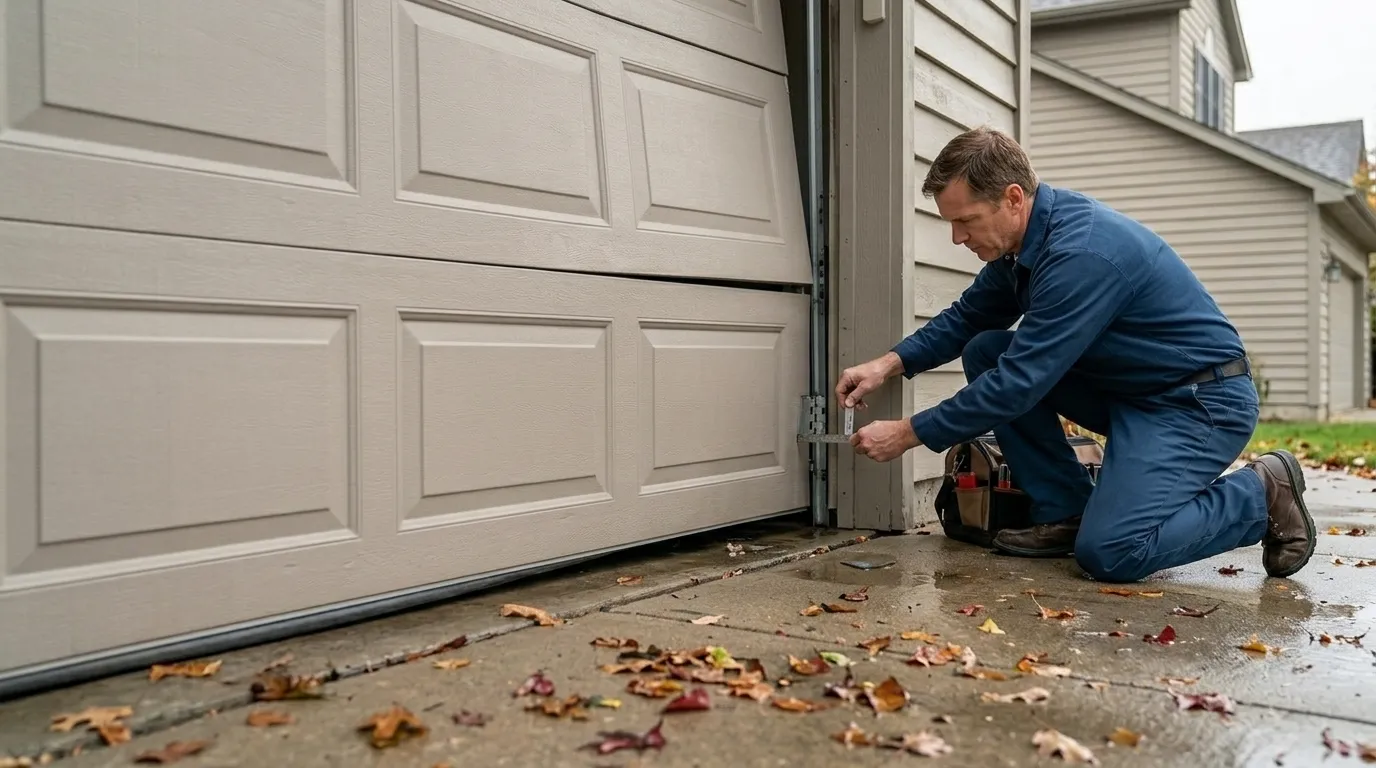
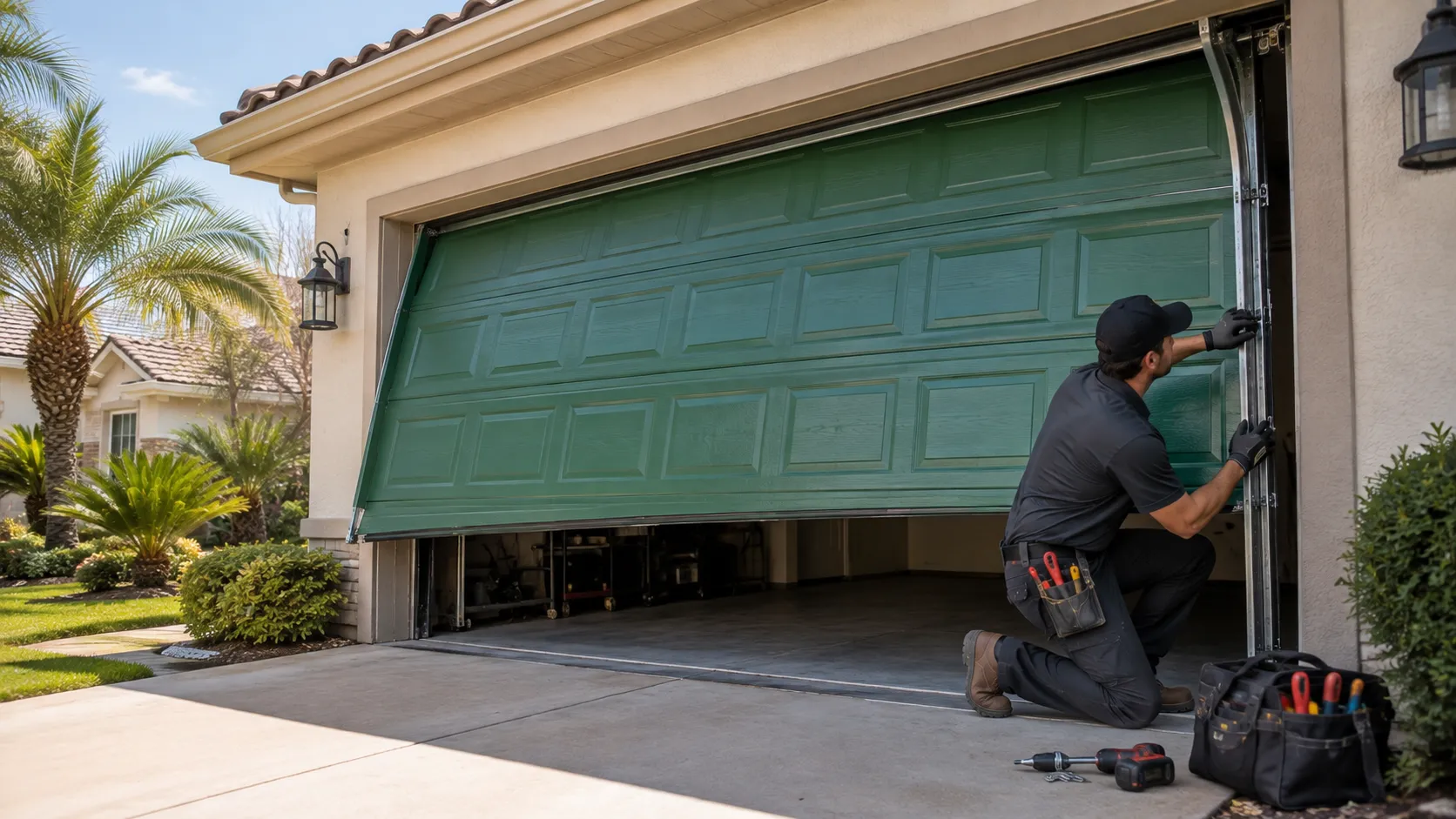
Track alignment is another recurring issue. Narrower original openings mean less tolerance for a track that's drifted even slightly, so a door that used to run quiet starts grinding or jumping the roller well before you'd expect on a wider, newer opening. If your opener is a later add-on bolted to old framing, the bracket itself is often the weak point - not the motor.
When we come out to Ocean Grove, we're usually diagnosing against this older baseline first, not assuming the door in front of us matches the newer stock we see closer to Toms River.