Old Streets and New Ones
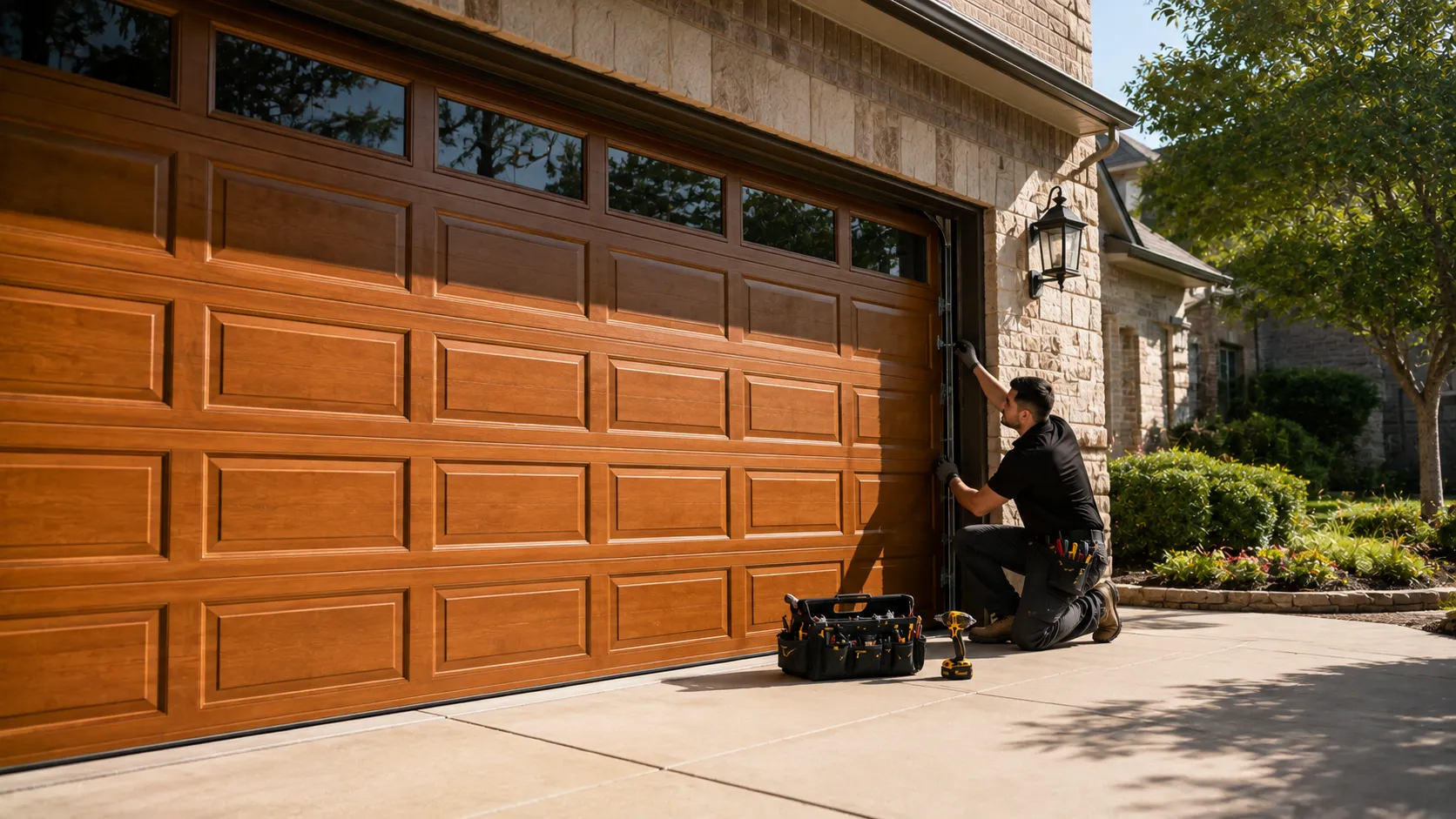
New Egypt sits about 19 miles out from our shop in Toms River, and it's a different build era than most of what we see closer to the coast. The median home here went up around 1973, which puts a lot of these garages a full generation past the 1960s stock that fills out the rest of our service area. That gap matters more than it sounds like it should. A door and opener installed in the early-to-mid 70s used different spring counts, different track widths, and openers that have usually been replaced once or twice already by whoever owned the house before. We're not guessing at a neighborhood we've never seen when we say this - it's what the build year tells us before we even load the truck. Some of these lots also sit on longer driveways and detached garages that weren't part of the tighter postwar layouts you find on smaller lots elsewhere. That changes how a door gets mounted and how much slack a torsion bar has to take up. We come out to New Egypt on scheduled jobs, not as a standing presence, so when we do get the call we plan for a 1970s door until we're standing in front of it and know otherwise.
What We Do Not Do
We don't keep a crew or a depot in New Egypt - every job here is a trip out from Toms River, so same-day service depends on the schedule that day, not on proximity. We also won't tell you a forty-year-old extension spring setup is worth patching if the drums, cables, and pulleys around it are original too; past a certain point of wear, swapping one part just means the next one goes in a few months, and we'll say so instead of running the bill up piece by piece. If a door's rotted through at the bottom corners from decades of slab moisture, that's a replacement conversation, not a repair one. We're straight about that up front rather than after the invoice.
How That Shows Up in the Door
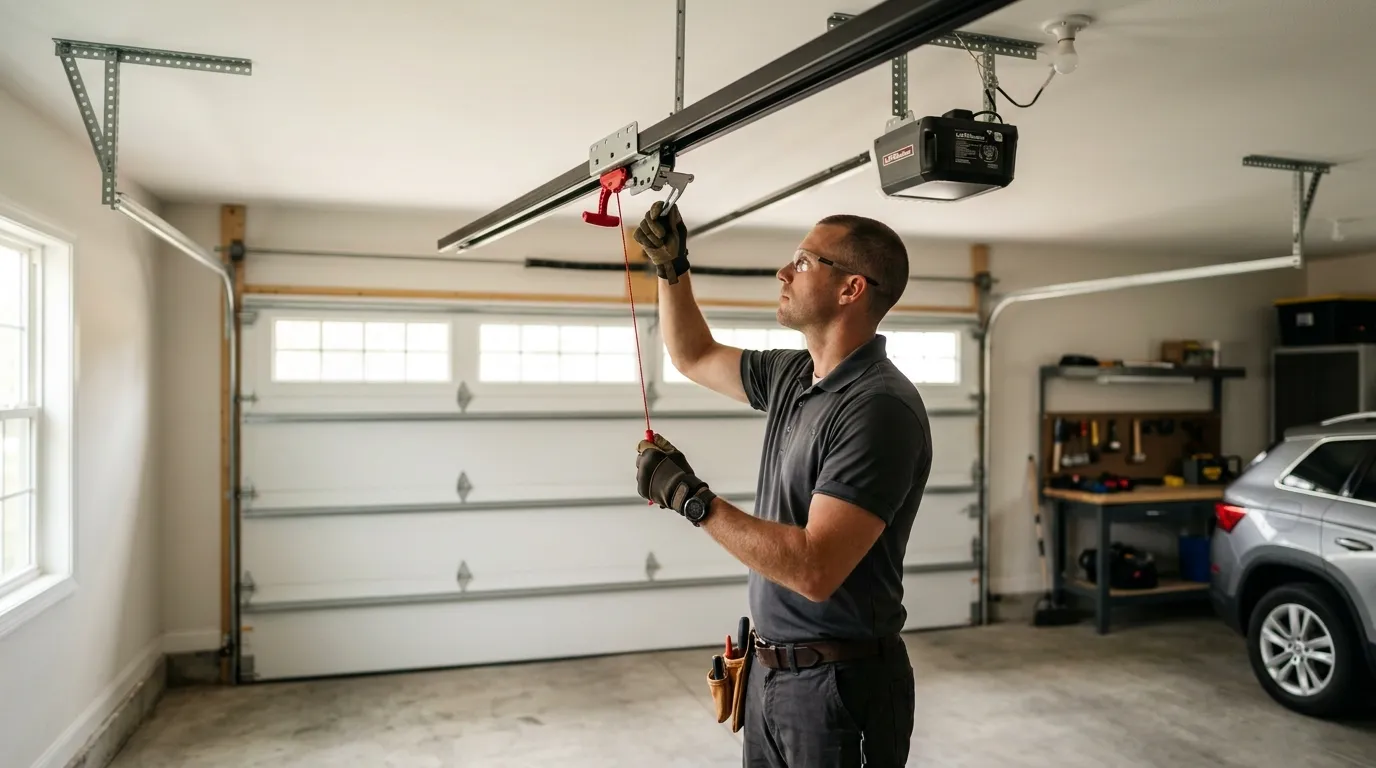
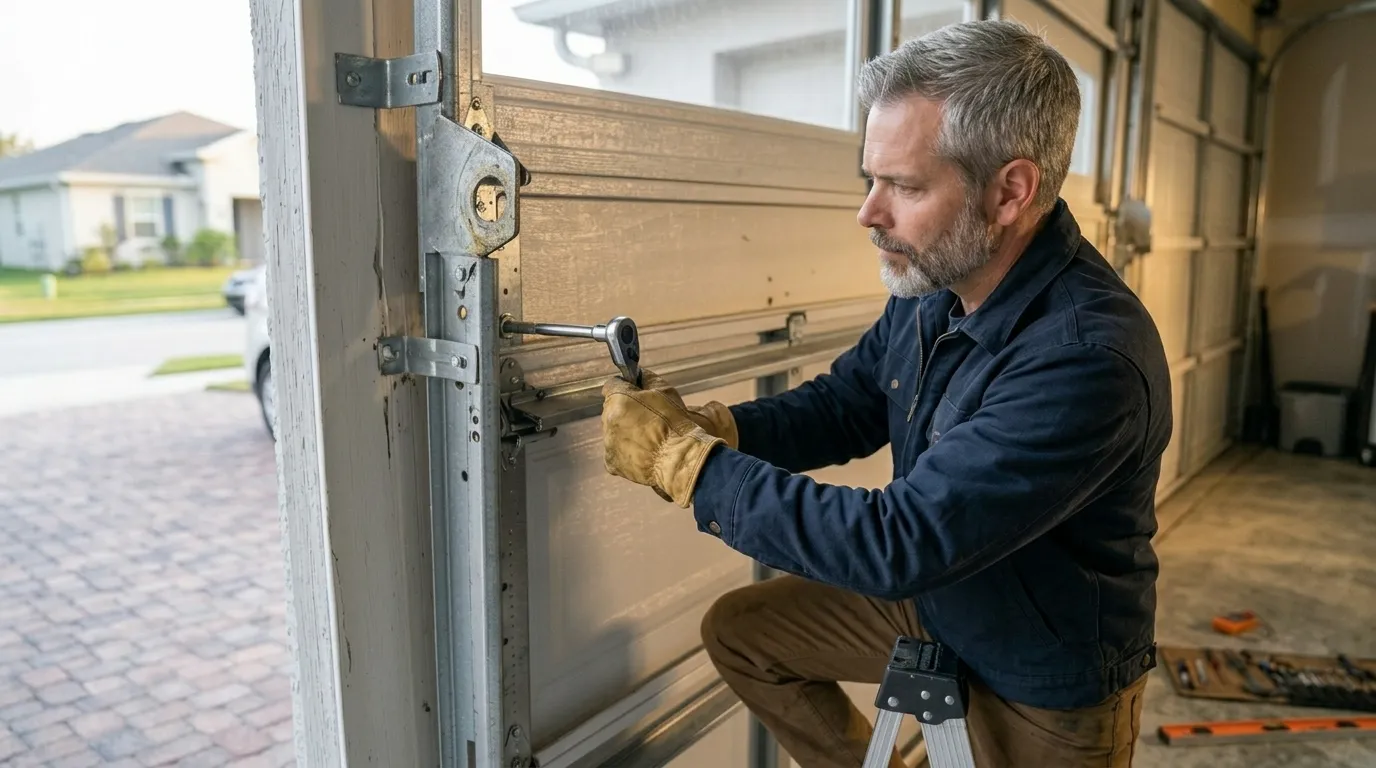
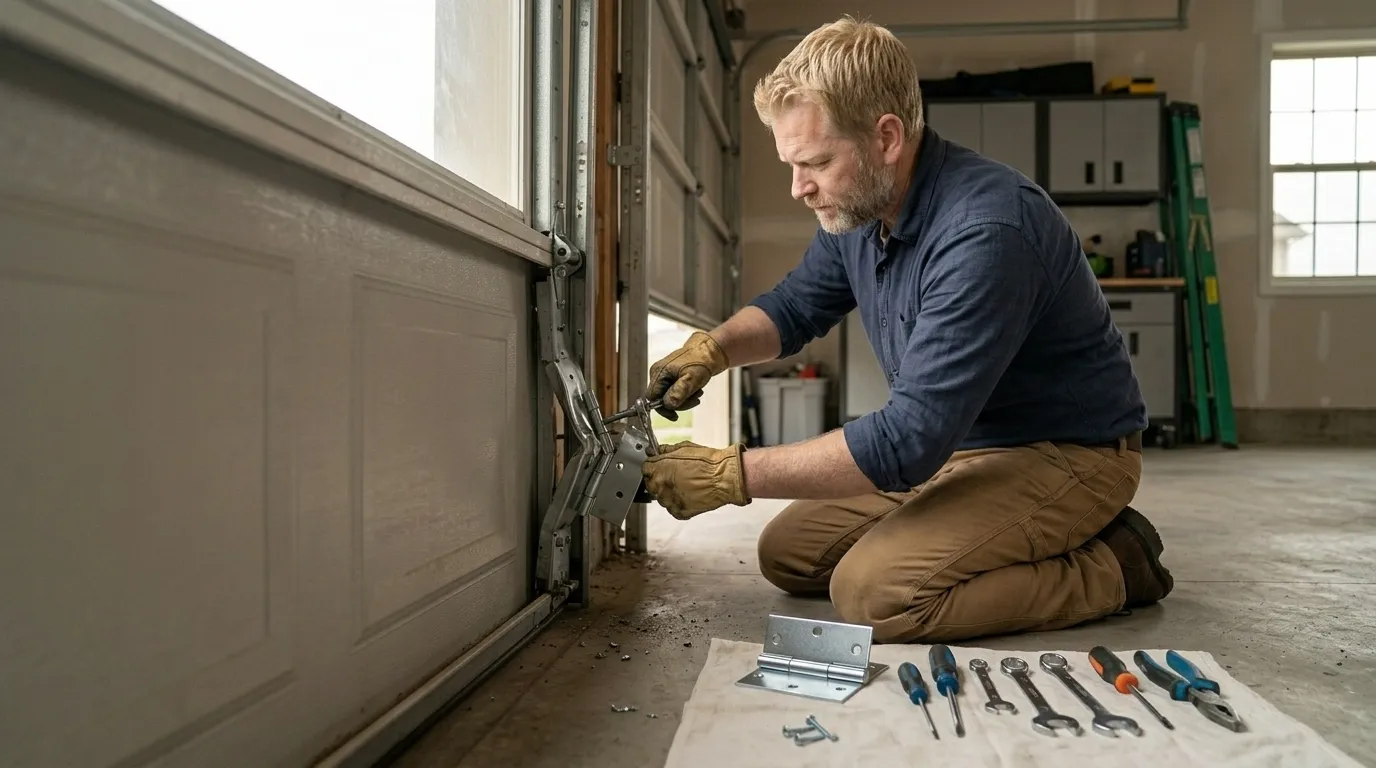
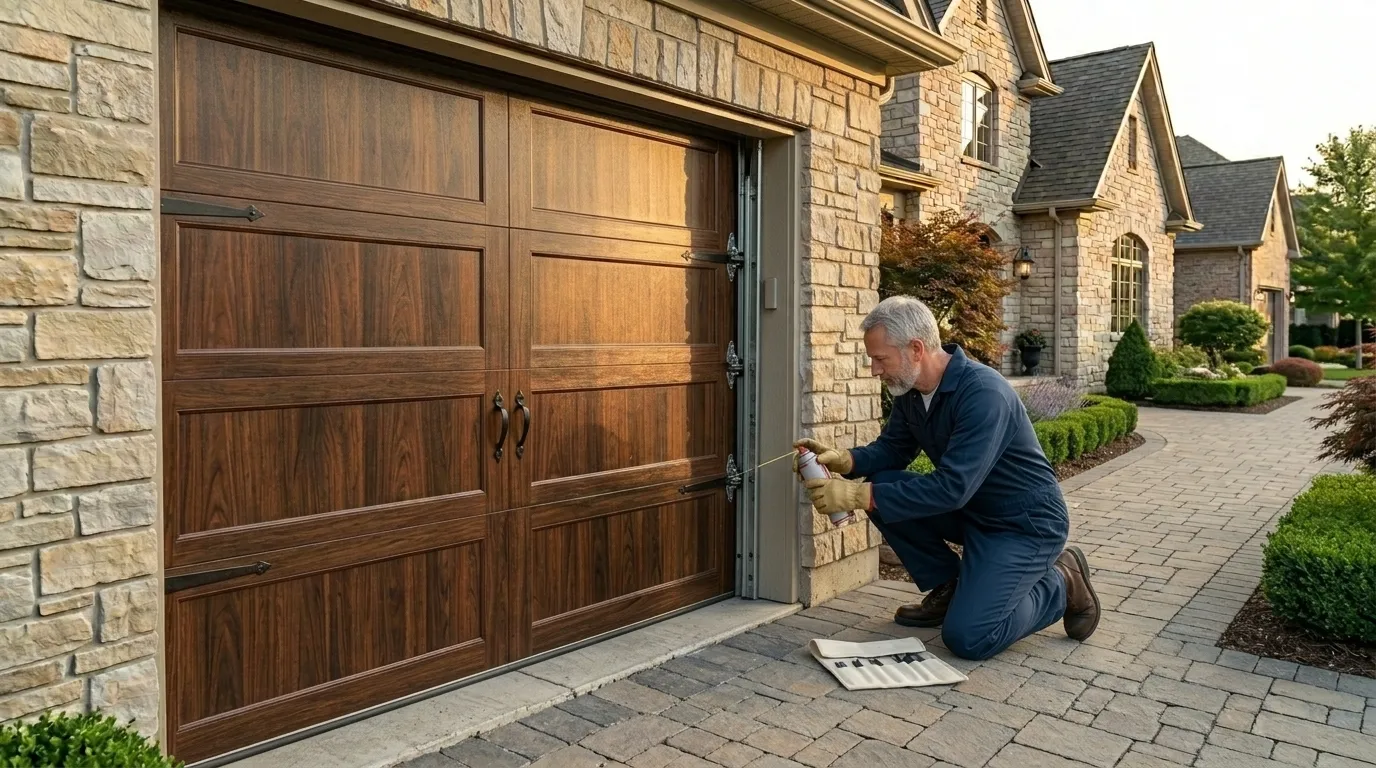
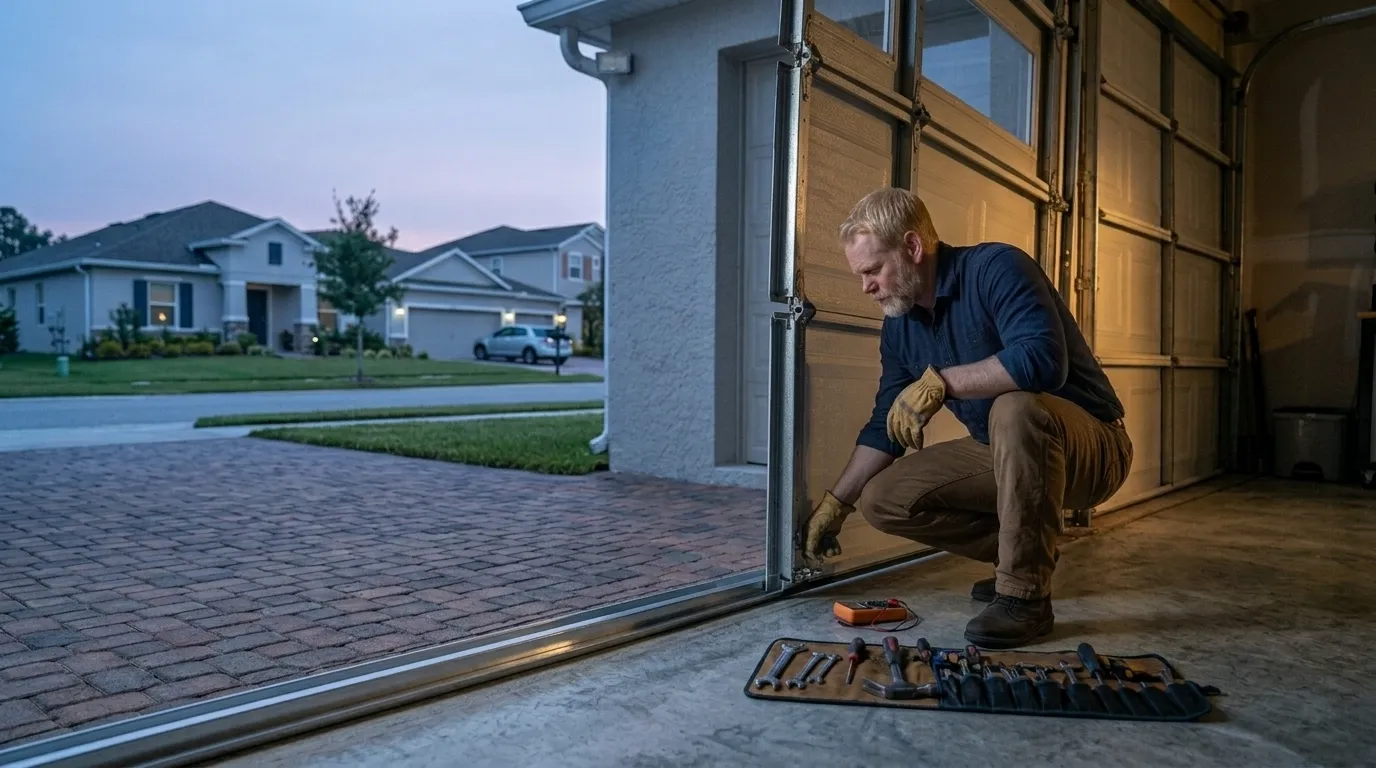
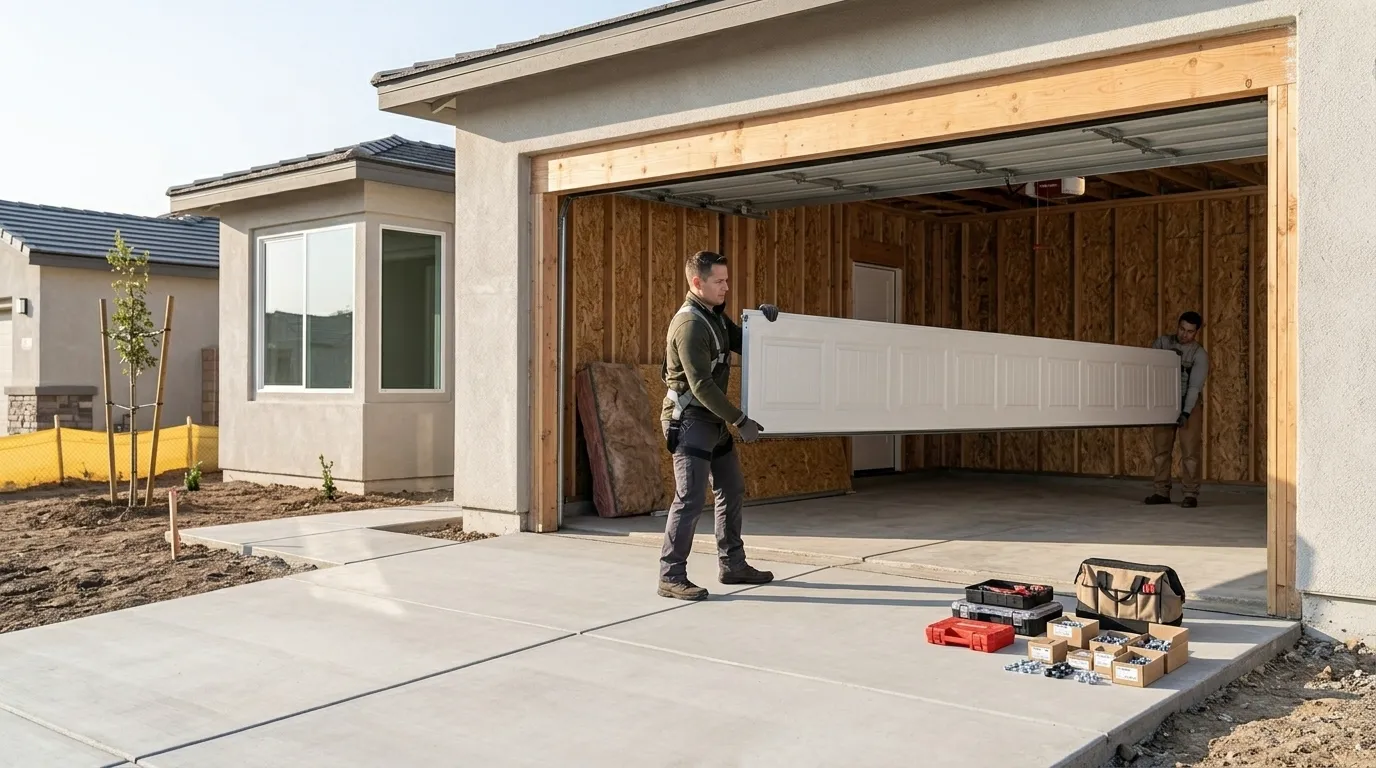
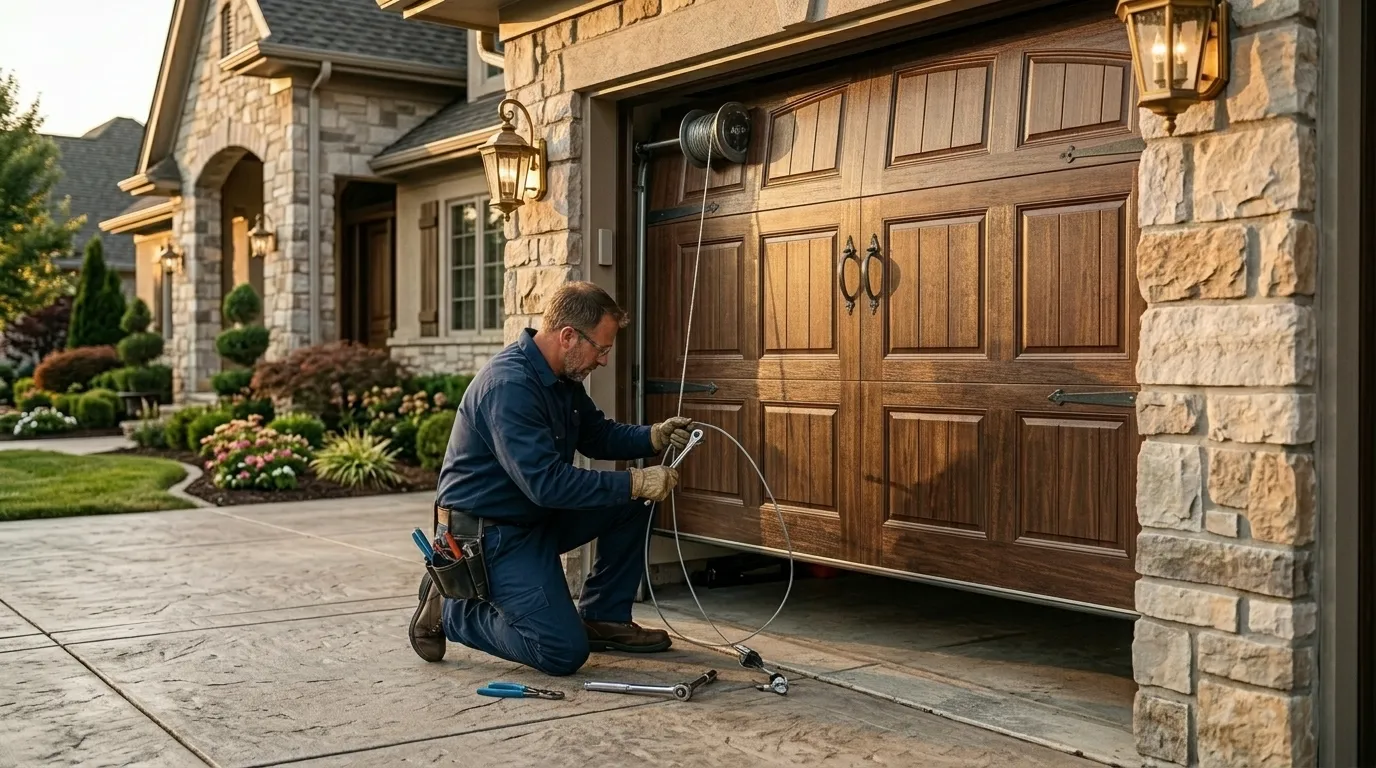
Put those two things together - a 1973 median build year and a household median income of $67,633 in this immediate area - and what we usually find is an original or first-replacement opener chain-driven, noisy, and past its expected service life, paired with hardware nobody's touched since installation. Owners here tend to hold onto a working door longer before calling, which means by the time we get the job the wear is usually further along than it would be on a newer install. That's not a criticism, it's just the pattern the numbers predict. When we do get out to New Egypt, we're usually looking at spring replacement on original torsion or extension setups, track realignment where a slab has settled over fifty years, or a full opener swap where the motor's simply worn out. We size the fix to the door that's actually there, not to a generic service-area average.