Old Streets and New Ones
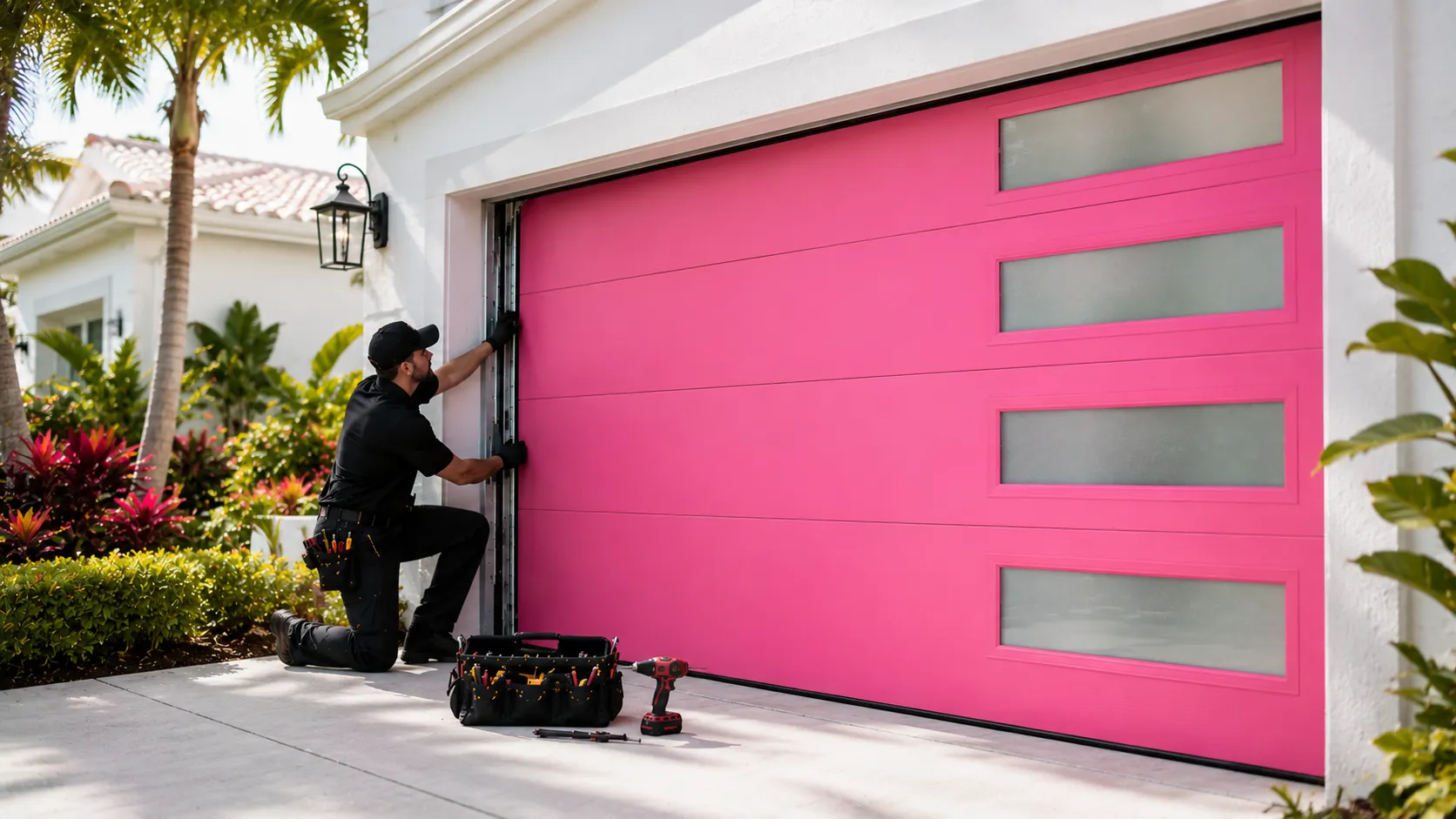
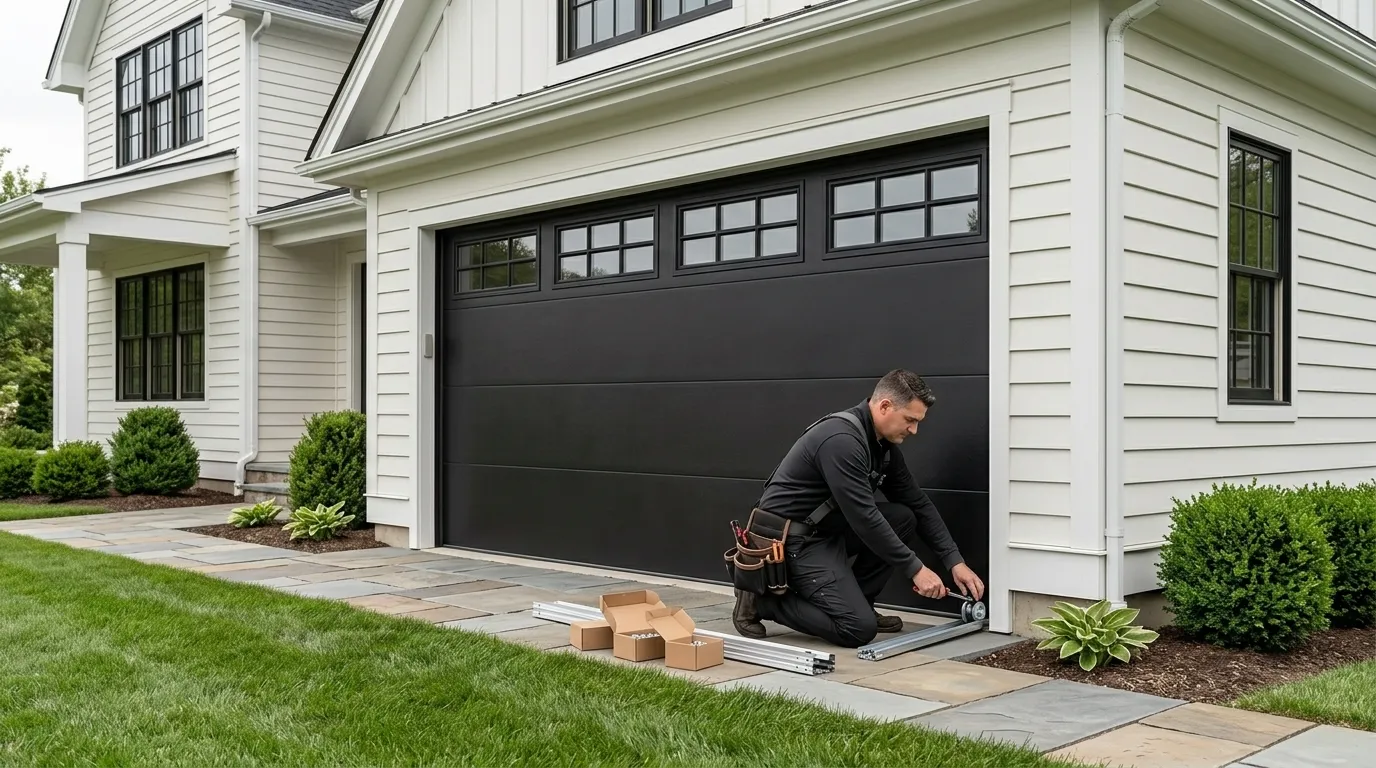
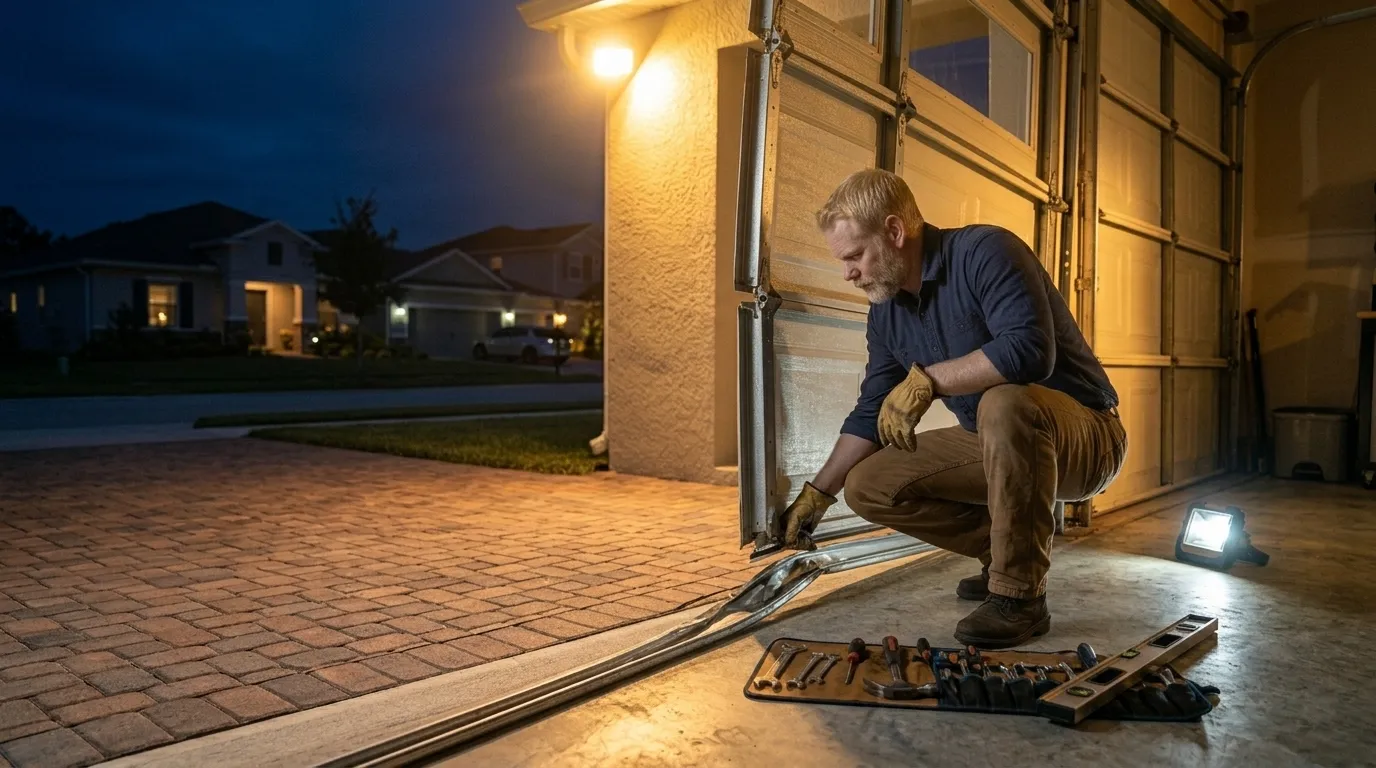
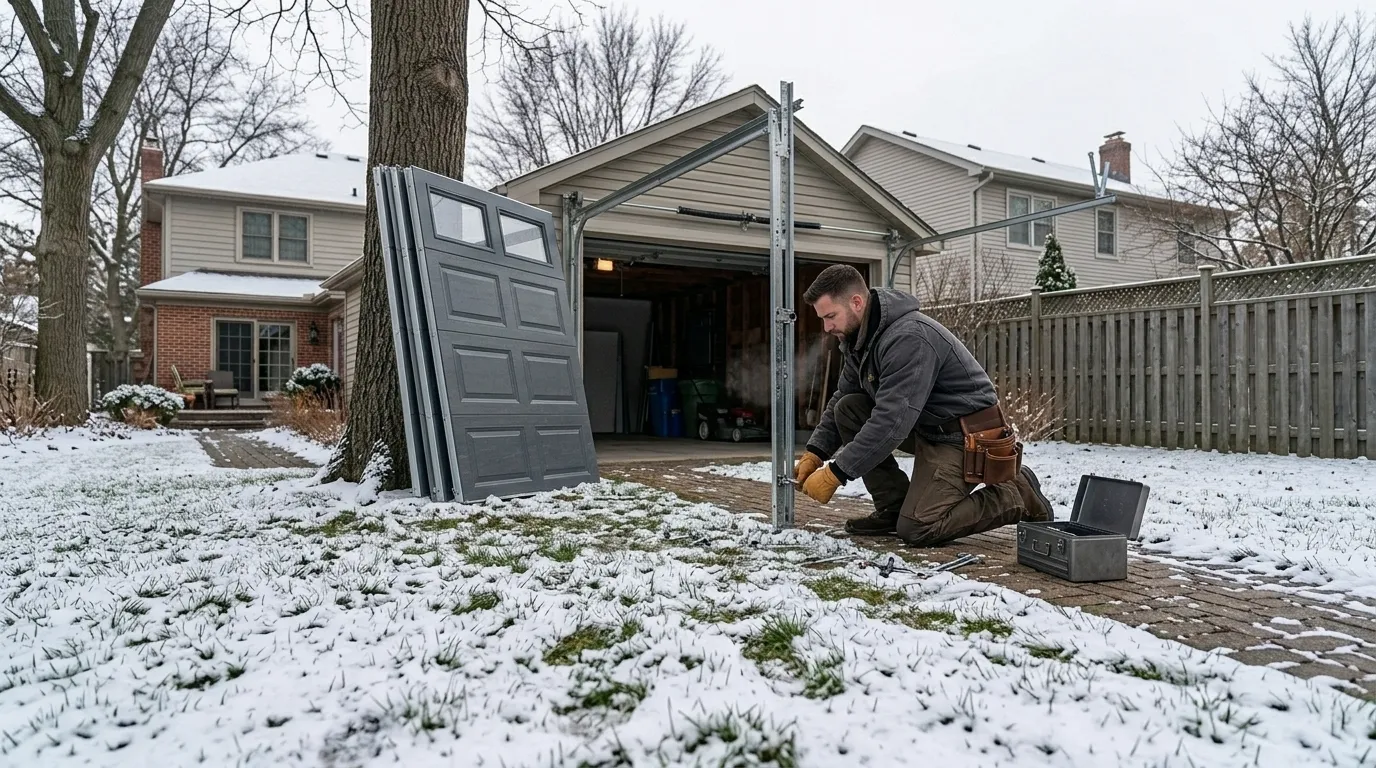
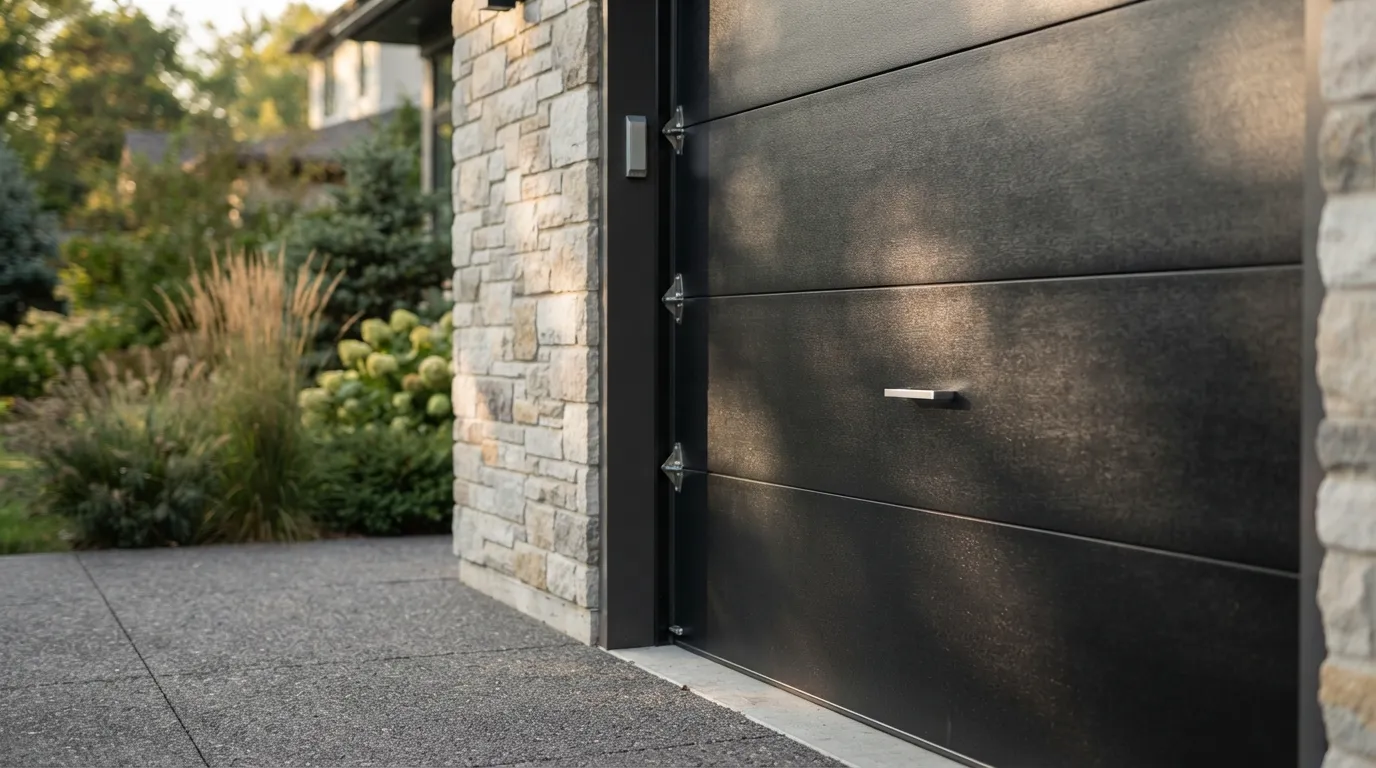
Lavallette is a narrow strip, and the lots reflect it: older cottages sit close to newer rebuilds where a storm or a renovation took out the original structure. That mix means we see two very different garages on the same block. One still has the door that came with the house, the other got a full teardown-and-rebuild with a modern opener and insulated panel. Neither is wrong, but they call for different service. A house with its original garage shell usually still has the original track and jamb dimensions too, even if the door itself got swapped out at some point. That matters when we're matching hardware, because a replacement panel ordered to today's standard sizing doesn't always sit right in a 1960s frame without shimming. We don't guess at this from the truck. We measure the opening, check the track spacing, and tell you honestly whether a like-for-like replacement will fit clean or need adjustment. On a barrier strip like this, where a lot of houses have been touched by renovation at least once, that extra look is worth the ten minutes.
What We Do Not Do
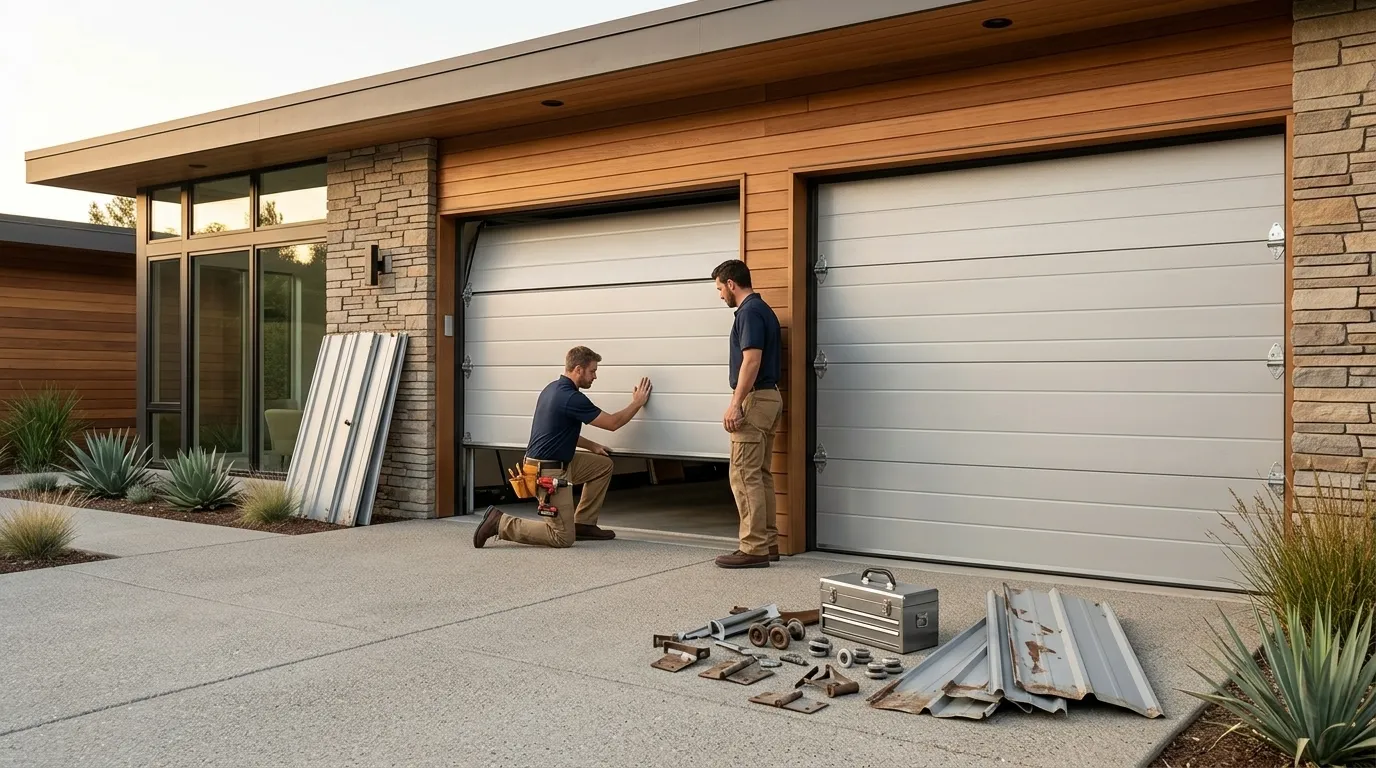
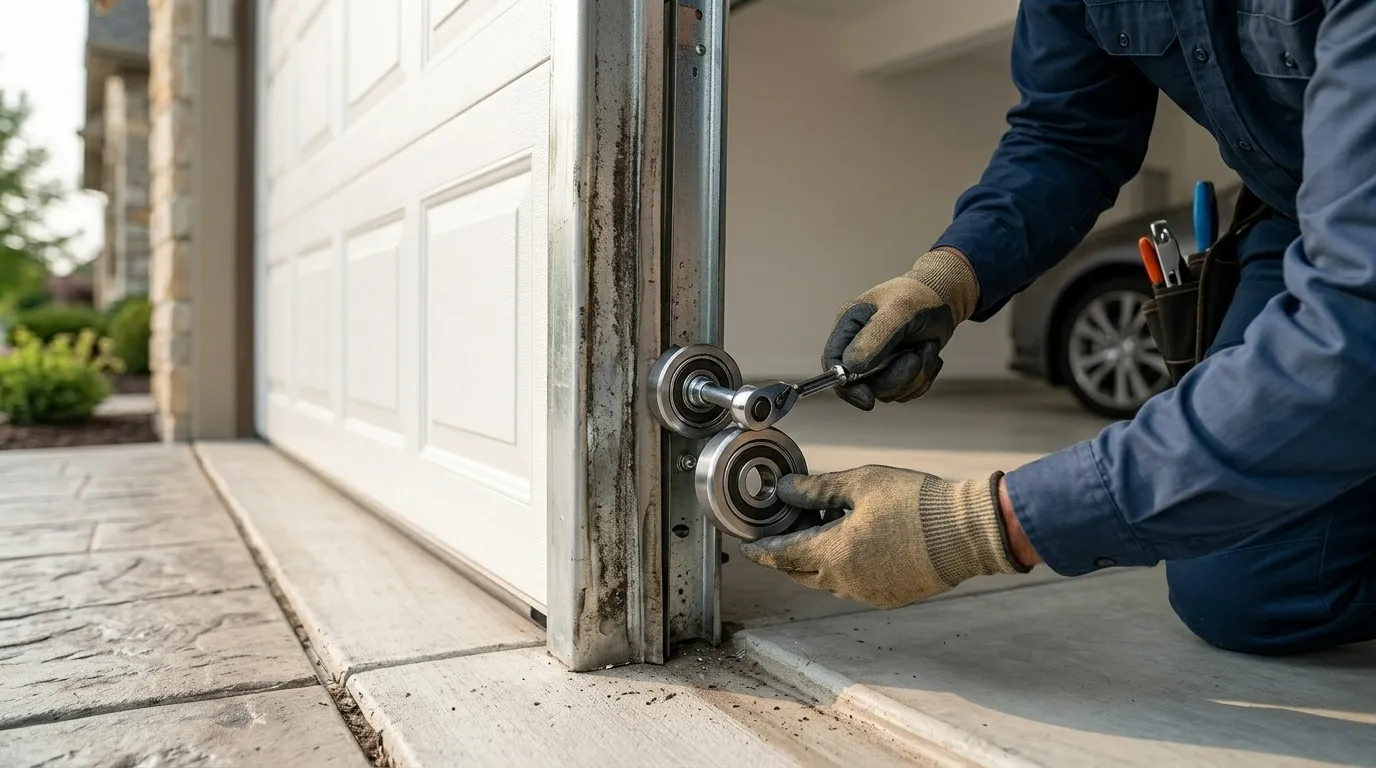
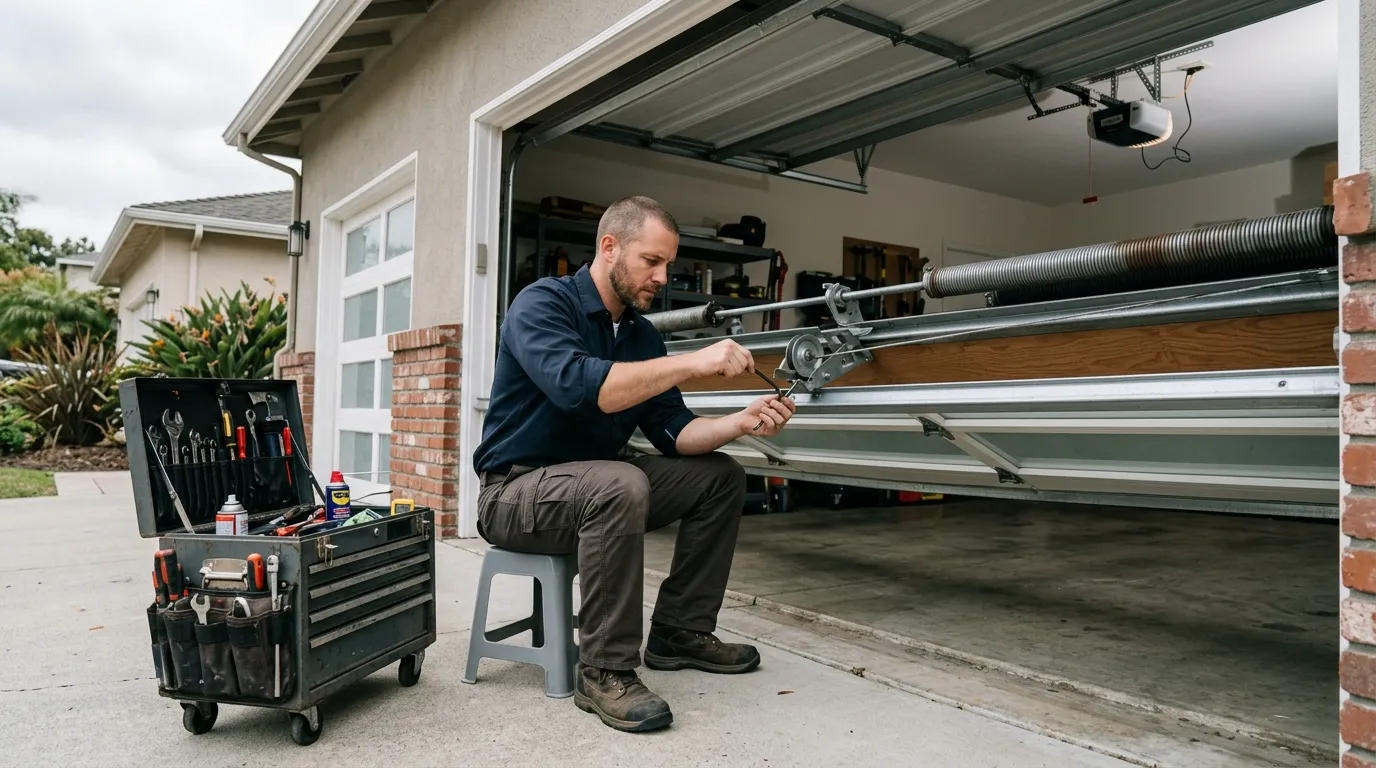
We work out of Toms River, about six miles from Lavallette, and we don't keep a depot or staff stationed on the barrier strip. If you call, we're driving out, not walking over, and we won't tell you otherwise. We also don't try to stretch a repair past the point it makes sense. If a door's torsion spring has gone and the drum, cable, and track are all original from the 1960s or 70s, replacing just the spring can mean the rest of that hardware fails again within a year or two - at that point we'll say so and give you the option to replace the full assembly instead of billing you twice. What we don't do is quote a same-day arrival window before we've actually got a truck free, and we don't carry every legacy part for every wood-jamb door built before 1980 - some of that hardware has a lead time, and we'll tell you upfront if yours is one of those.
How That Shows Up in the Door
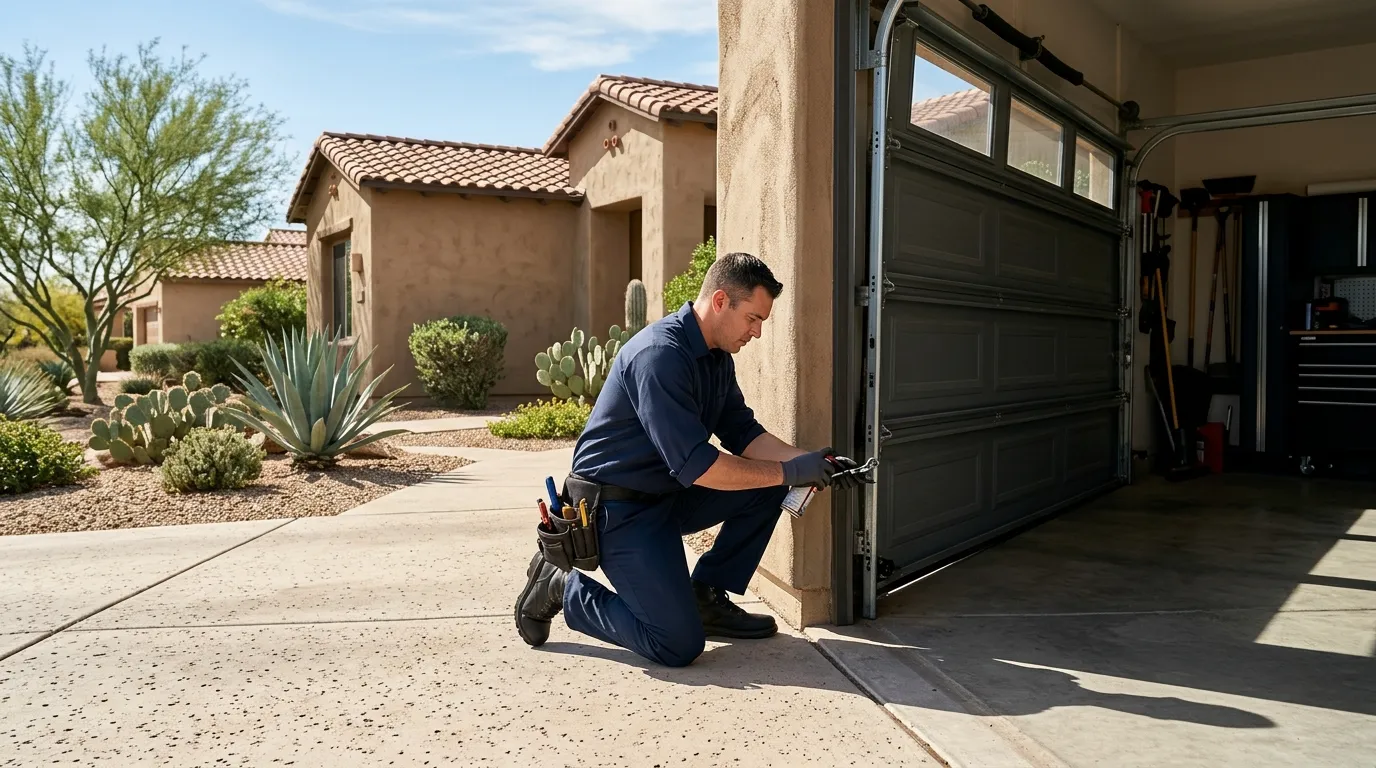
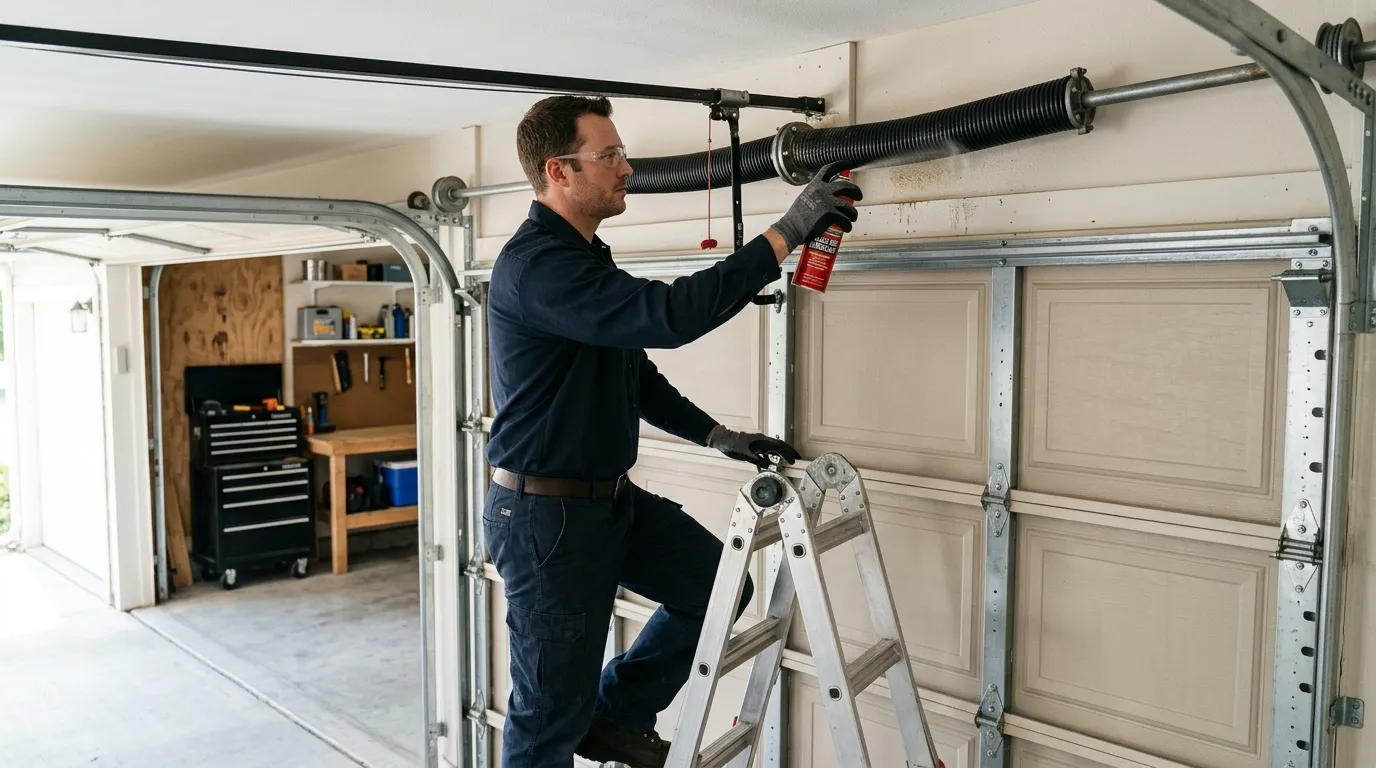
Because most of the region's stock, including Lavallette's, dates to 1960s and 70s cold-climate builds, torsion and extension springs on these doors fatigue faster under winter temperature swings than the double-wall doors going into new construction now. A spring rated for a certain cycle count wears down quicker when it's expanding and contracting through a hard winter every year for five decades. On an older single-layer steel door, that fatigue often shows up as a slow sag on one side before the spring actually breaks, and a lot of owners live with that sag for months thinking it's just the door settling. It usually isn't. If your door on this stretch is original to the house, or close to it, and it's started dragging on one side or the opener strains harder than it used to, that's the spring giving out, not the track. Catching it before full failure is cheaper and safer than waiting for the cable to let go.