Old Streets and New Ones
Lakehurst sits about seven miles from our shop in Toms River, and it's a small piece of a much bigger service area - one of 46 named communities we work across, most of them clustered along this stretch of the Jersey Shore. With around 1,005 households, it's one of the tighter, quieter stops on our route, not a place with its own depot or a truck parked on standby. We come out from Toms River when a call comes in, same as we do for the Leisure Village communities a few miles north or Holiday City to the south.
Median household income here runs about $80,458, noticeably below the $97,037 median across the wider area we cover. That gap matters more than it sounds like it should: it tends to track with how long people hold onto an original door and opener before replacing rather than repairing, and it shapes which calls we get - more spring and cable repairs, fewer full tear-outs. We don't assume every house here has been updated, and we don't price jobs as if it has.
What We Do Not Do
We don't keep a truck or a satellite location in Lakehurst. Every job here starts as a seven-mile drive from Toms River, and that's worth saying plainly rather than implying we're already around the corner. If you need something handled in the next few minutes, we're not that.
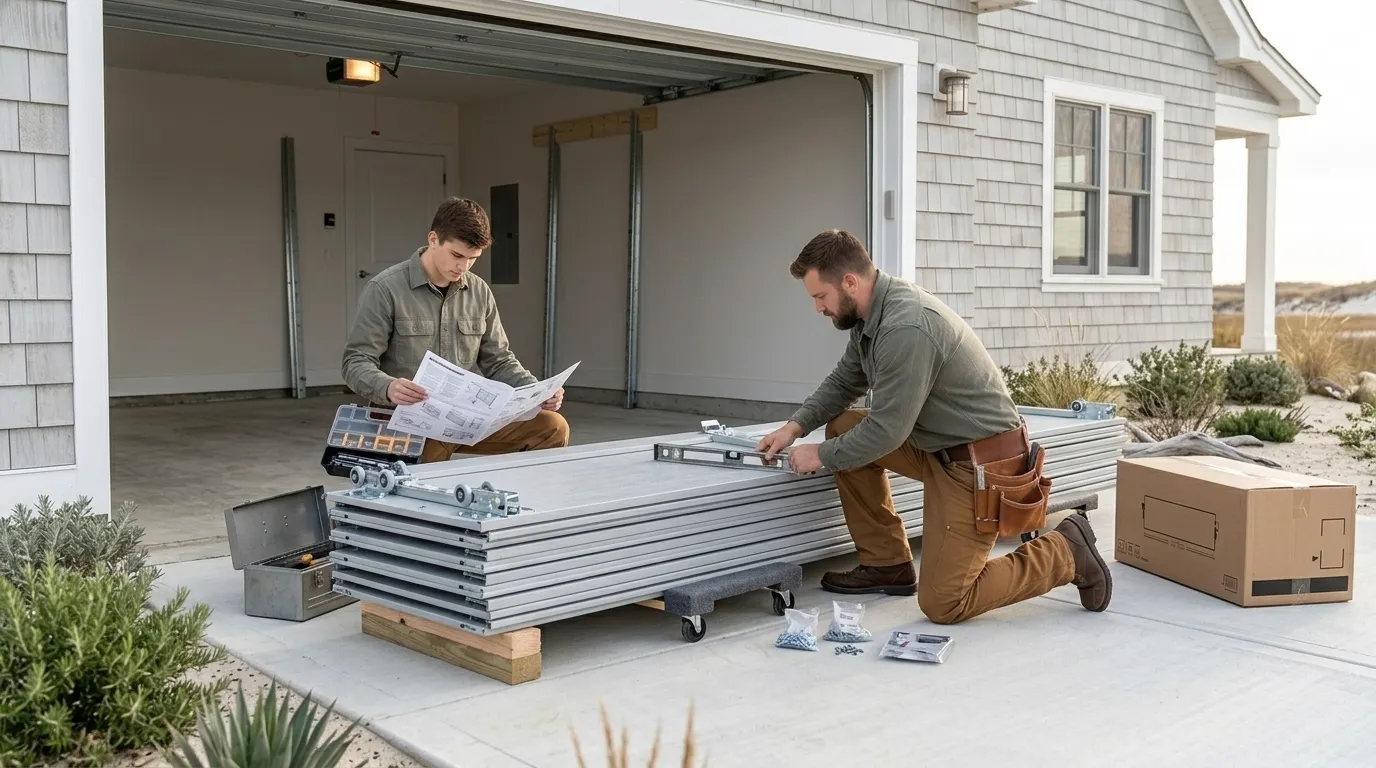
We also don't try to force a repair on a door that's past it. A torsion spring from a 1965 install can usually be swapped for a modern equivalent, and that's often the right call - the drum, track, and hinges are frequently fine to keep. But when the opener itself is original to a house this age, or the panels have rusted through at the bottom corners from decades of coastal winters, patching it further just delays a replacement that's coming anyway. We'll tell you when that's the case instead of running up a repair bill on a door that needs to go.
We don't guess at parts we haven't seen. Some hardware from this era is discontinued, and if a part needs to be sourced rather than pulled off the truck, that adds time to the job - we'd rather say that up front than promise a same-day fix we can't back.
How That Shows Up in the Door
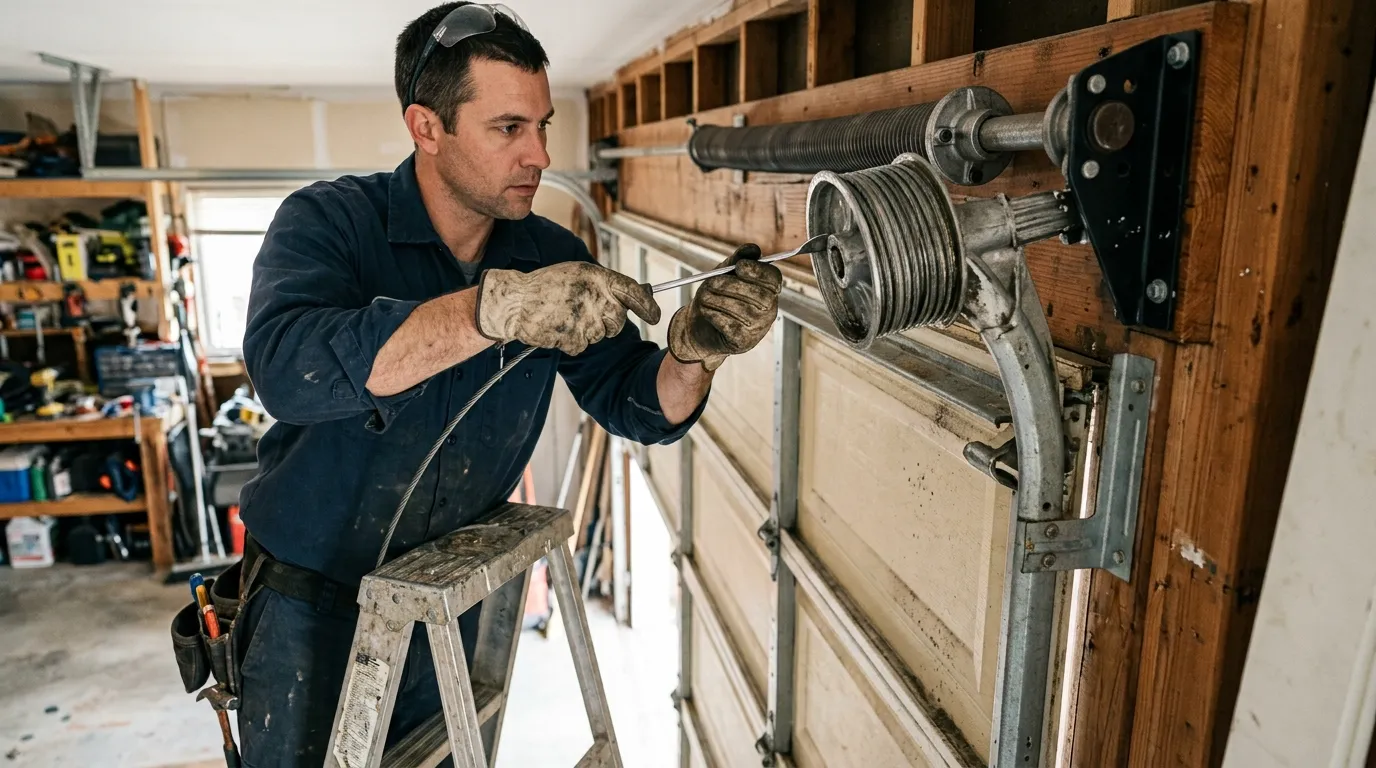
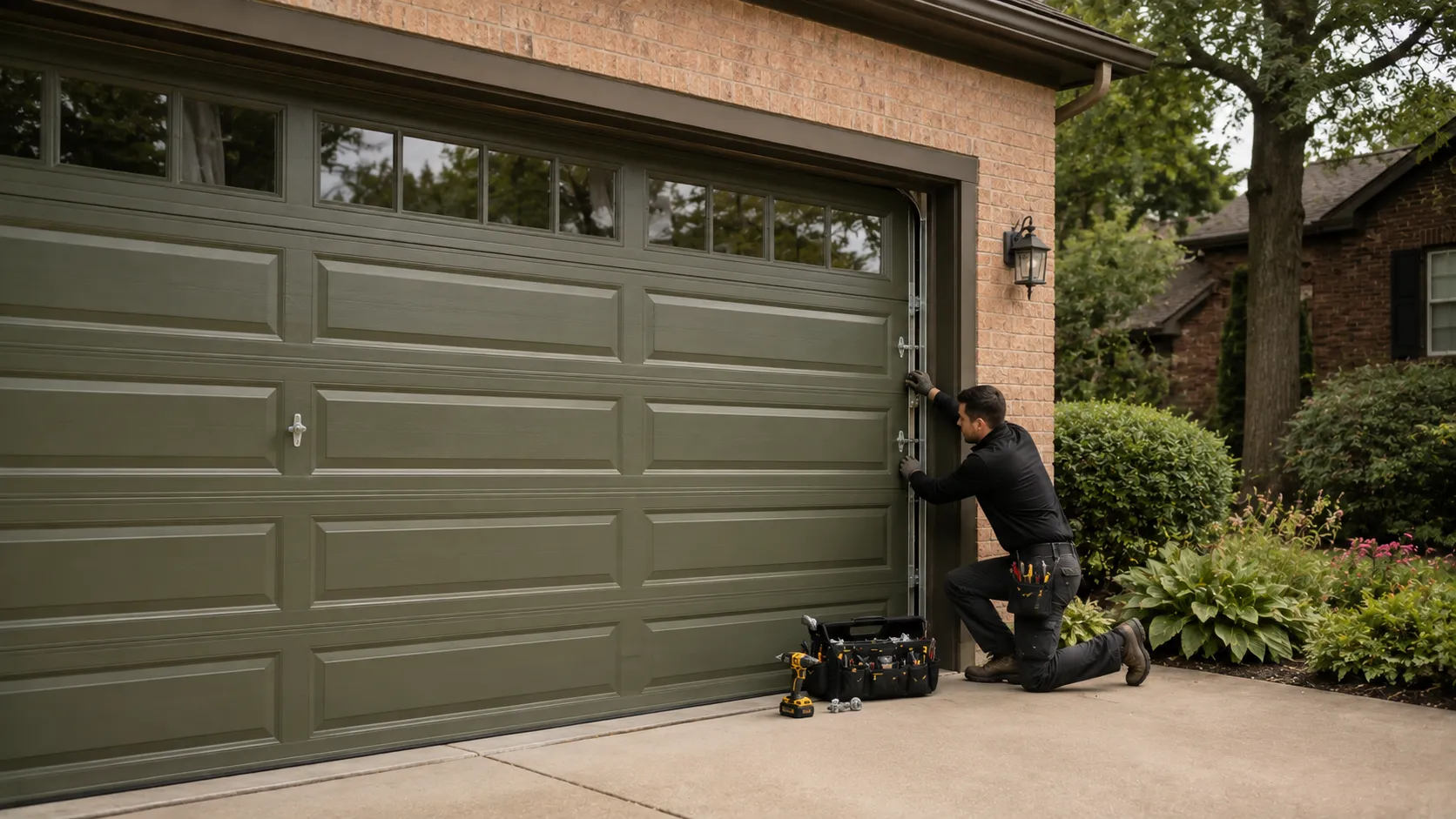
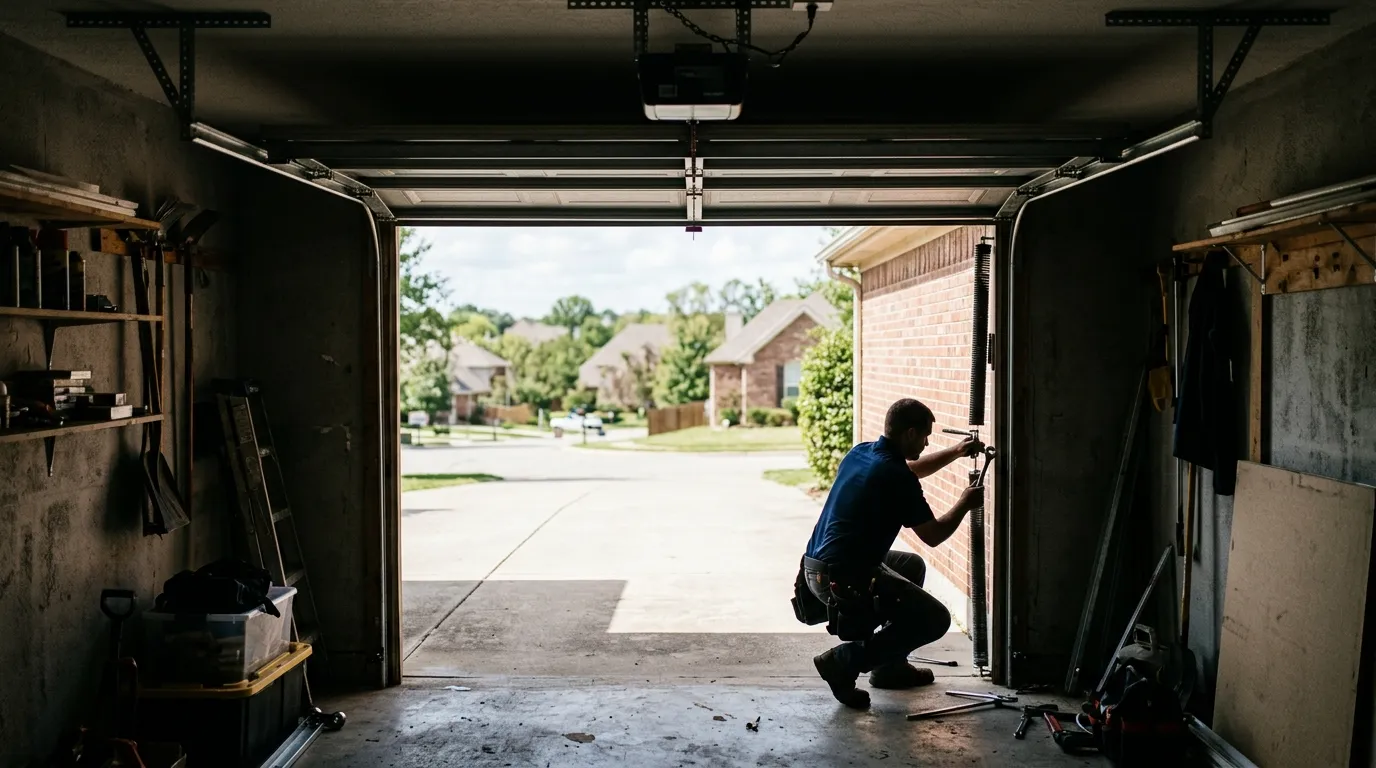
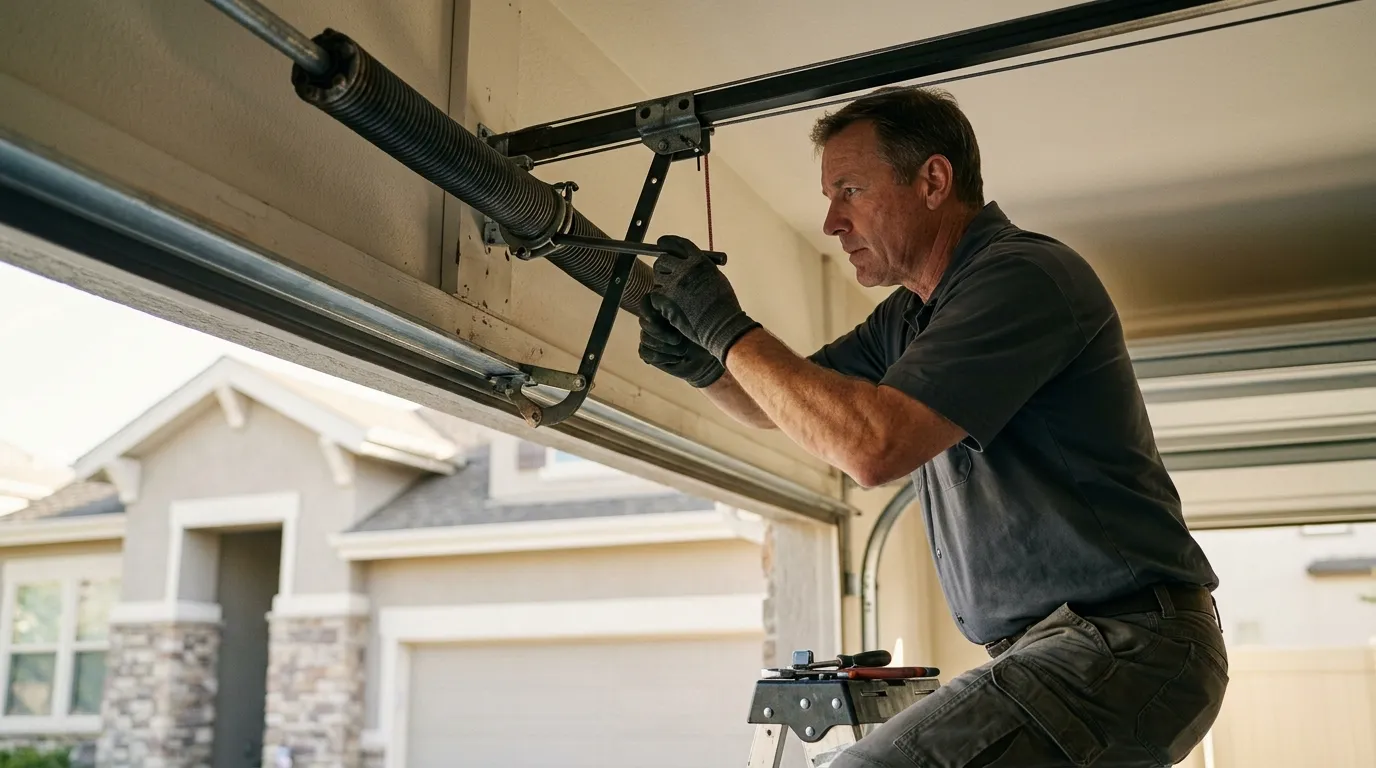
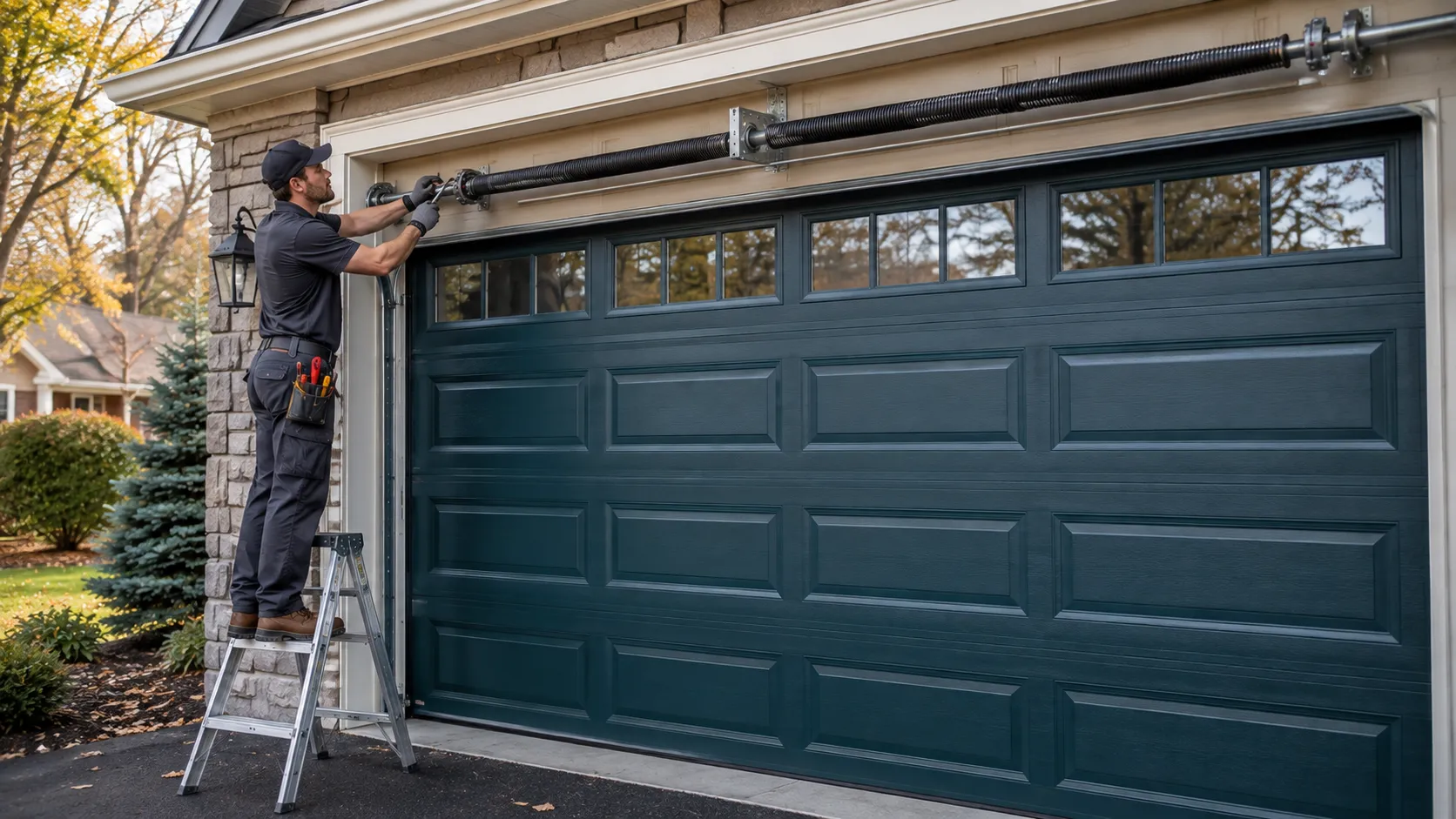
On a house built around 1965, the most common call we get is a torsion spring that's simply worn out - these springs weren't rated for the cycle counts modern springs handle, and forty-plus years of use in a severe cold climate shortens that lifespan further. Cold makes steel more brittle and lubricant thicker, so winter is when these springs let go, usually announced by a bang from the garage rather than any warning.
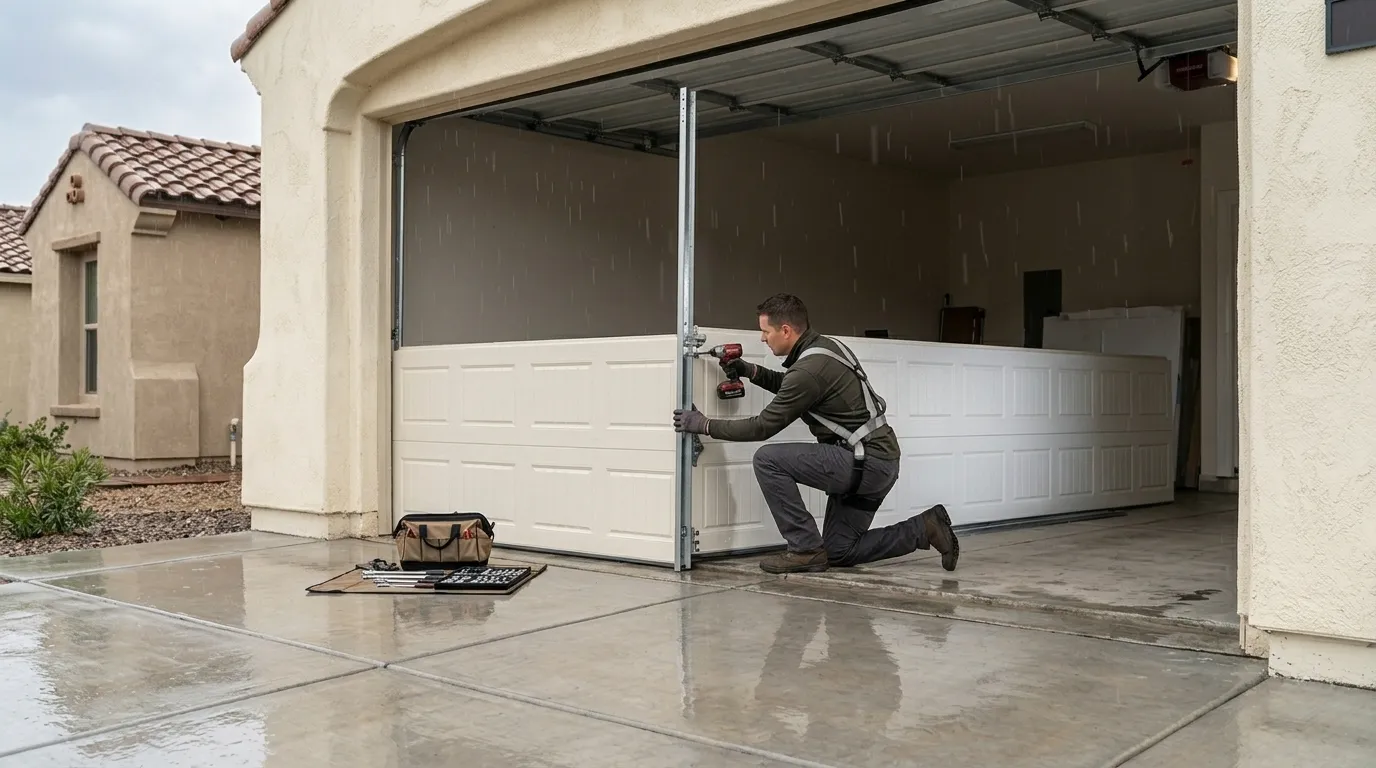
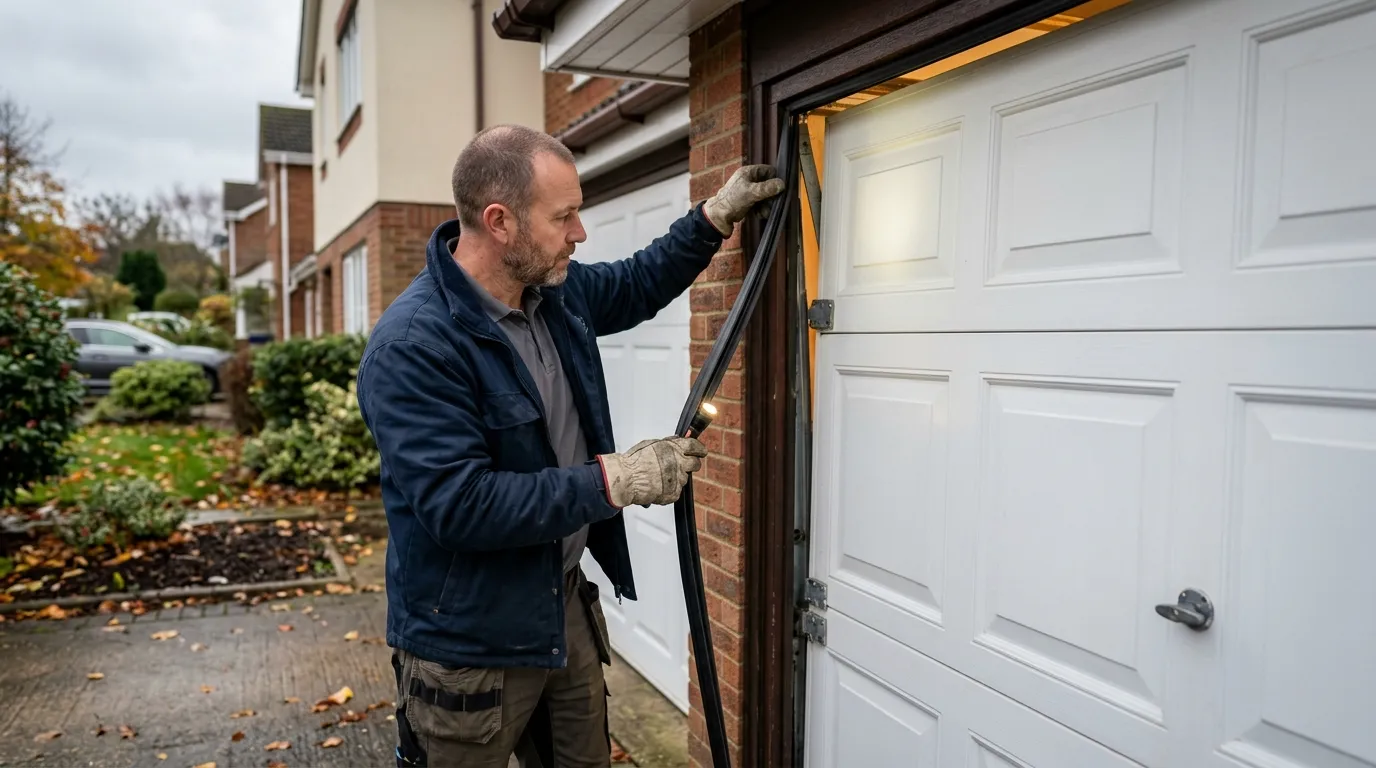
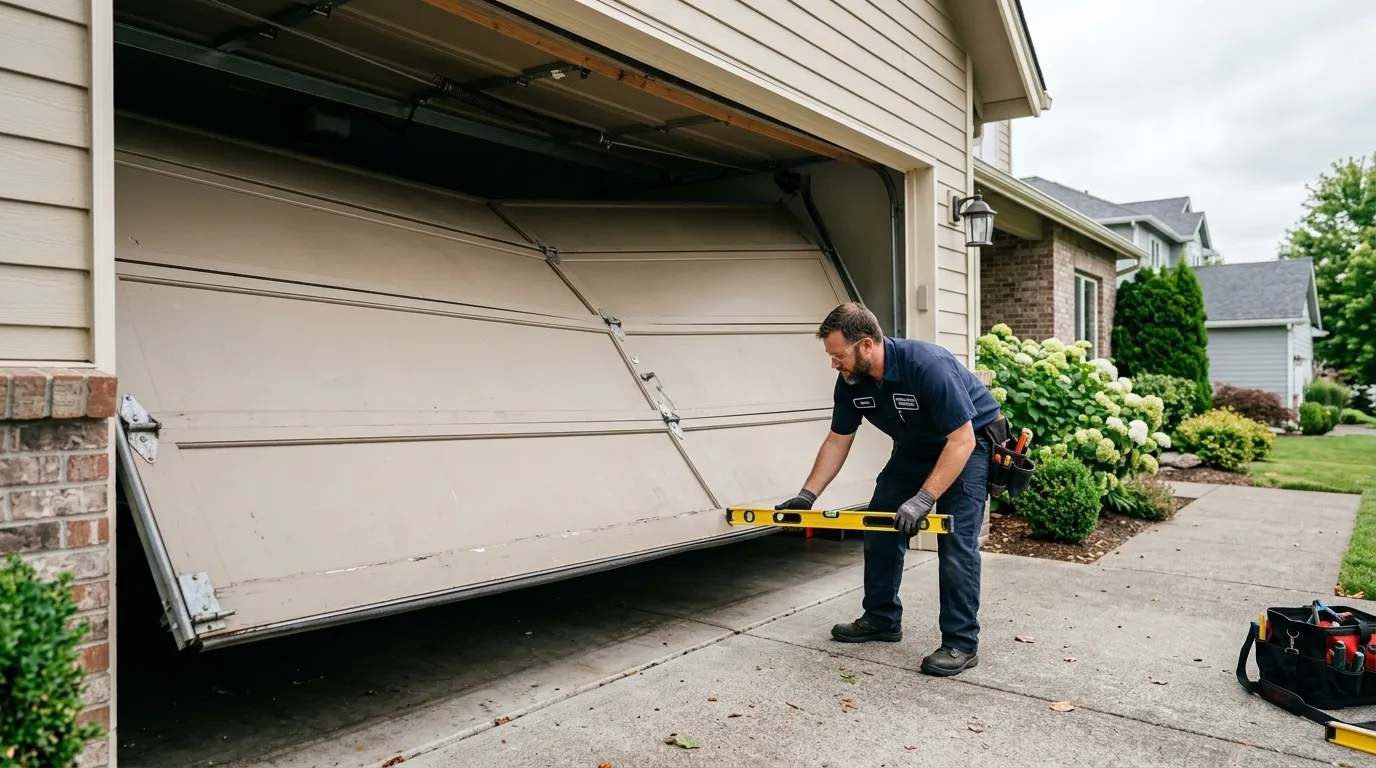
The second thing we see is rollers and hinges original to the door, worn oval instead of round, making the door judder on the track instead of gliding. On an insulated modern door that's an annoyance; on an original uninsulated steel panel from this era, it's often paired with a track that's slightly out of plumb from decades of settling, which compounds the noise and the wear.
Openers are the third piece. A unit original to a mid-60s build is long past any reasonable service life, and if it's still running, it almost certainly lacks the auto-reverse safety feature required in openers made after 1993. That's not a scare tactic - it's a straightforward reason to replace rather than repair once an opener that old starts acting up.