Old Streets and New Ones
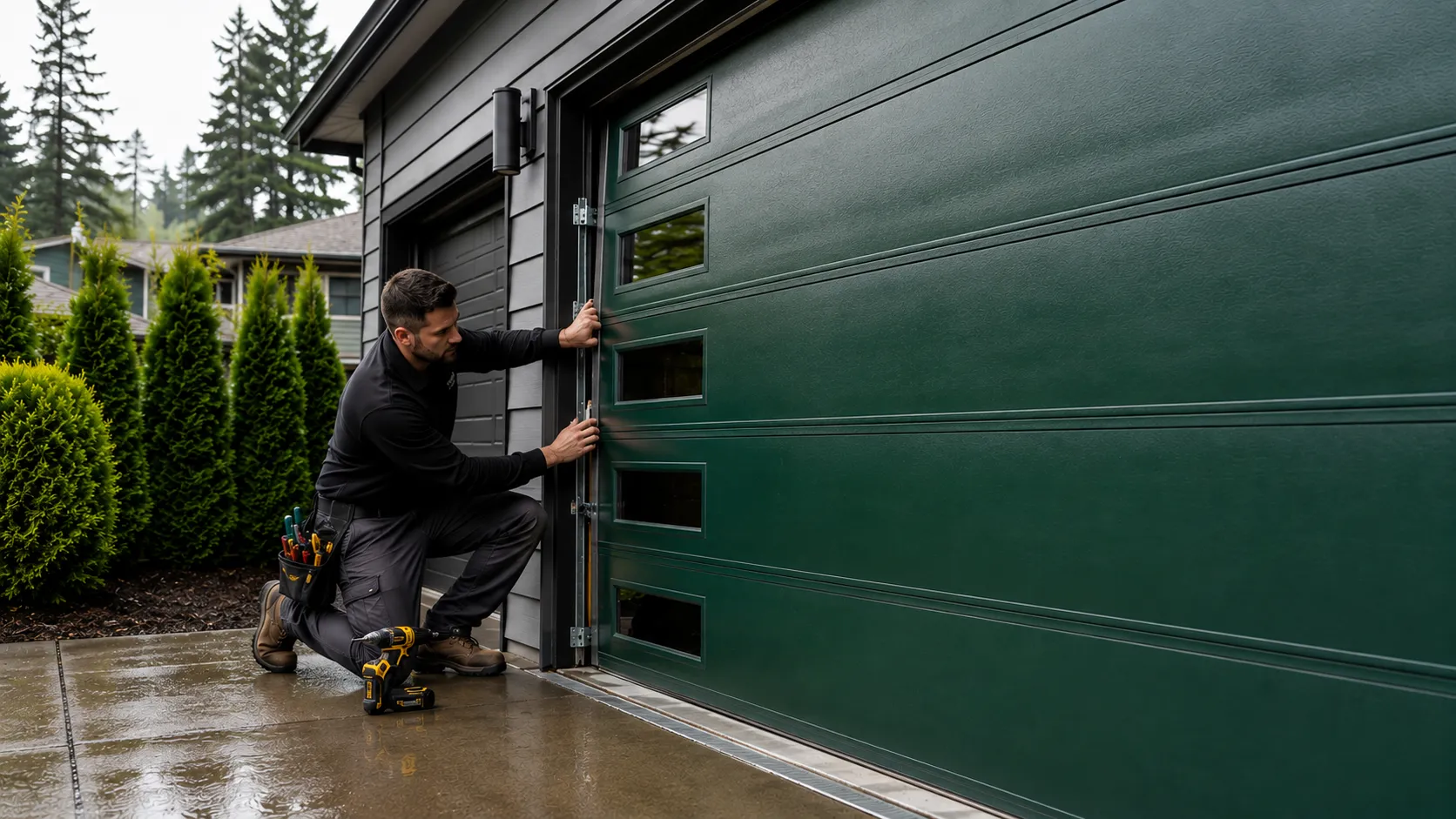
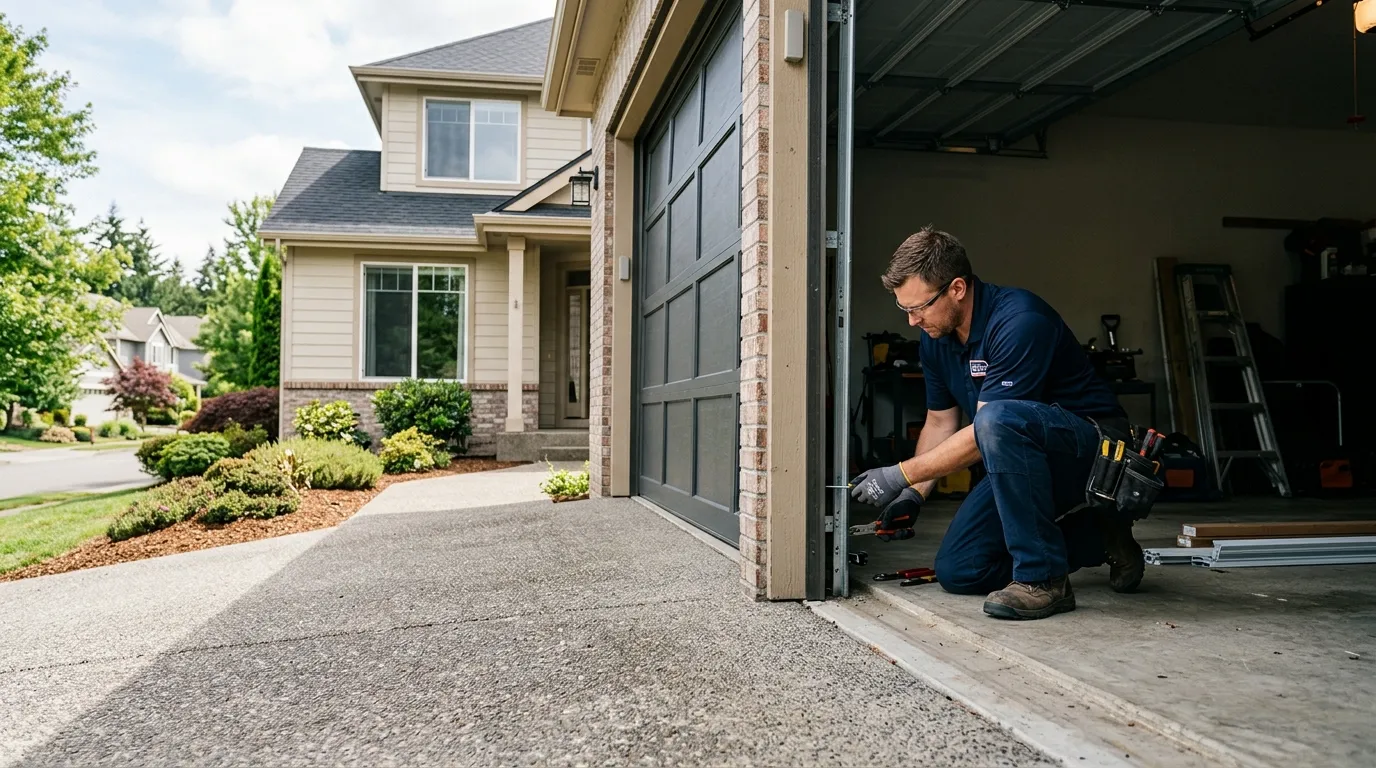
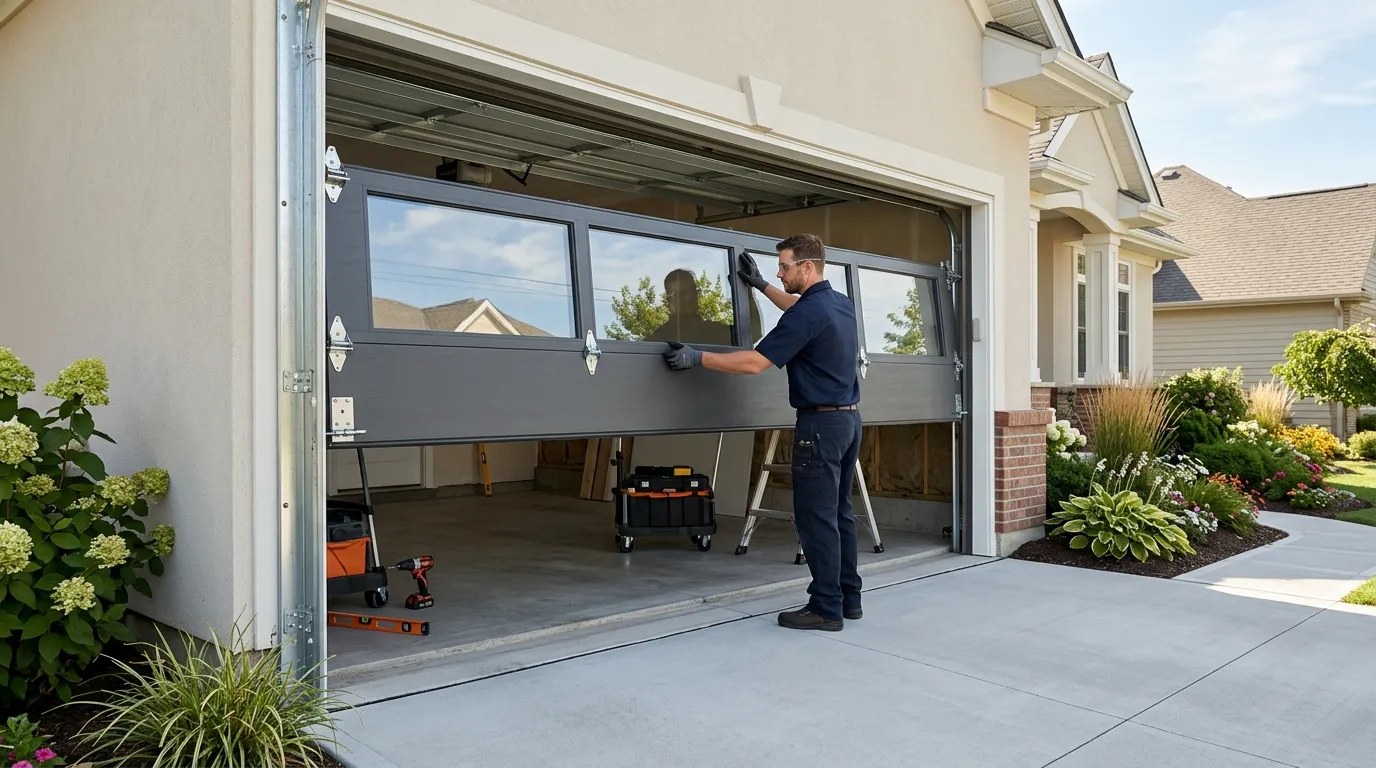
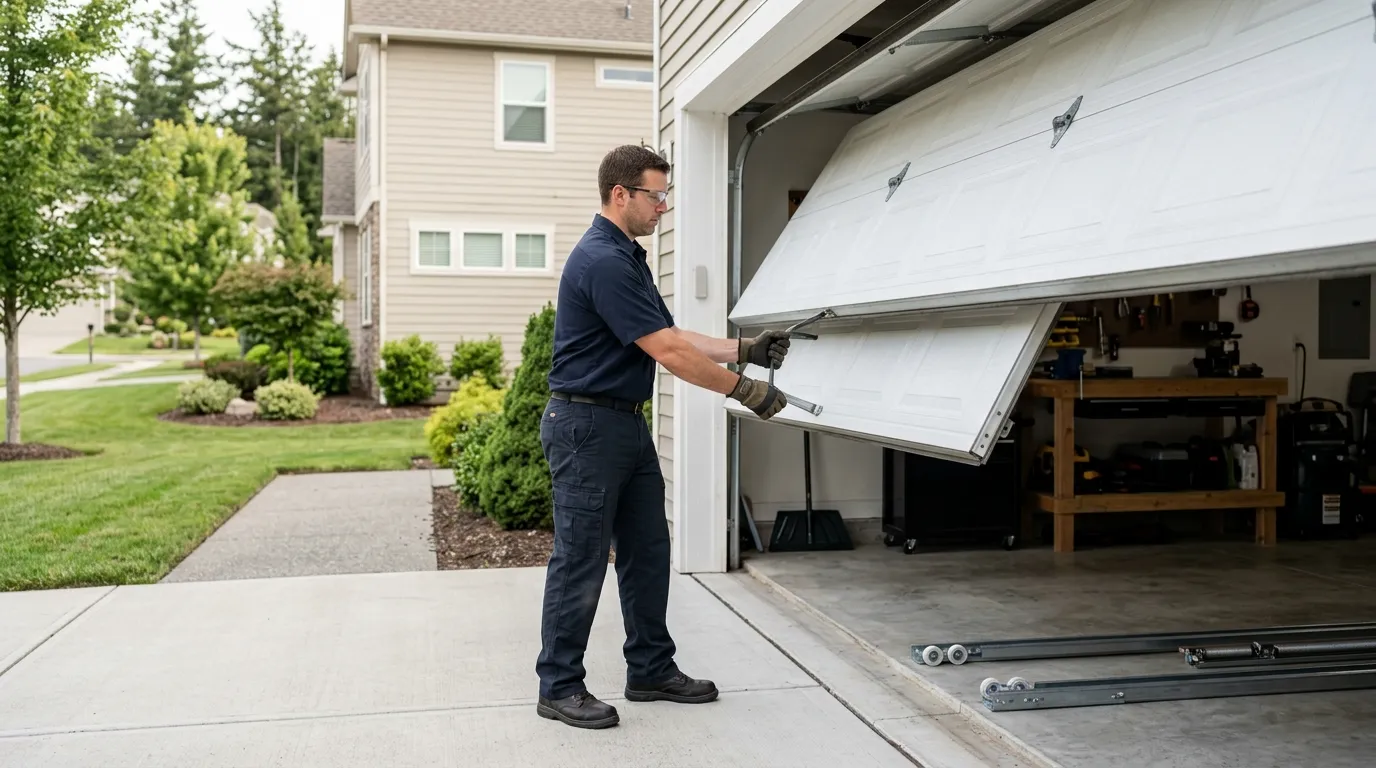
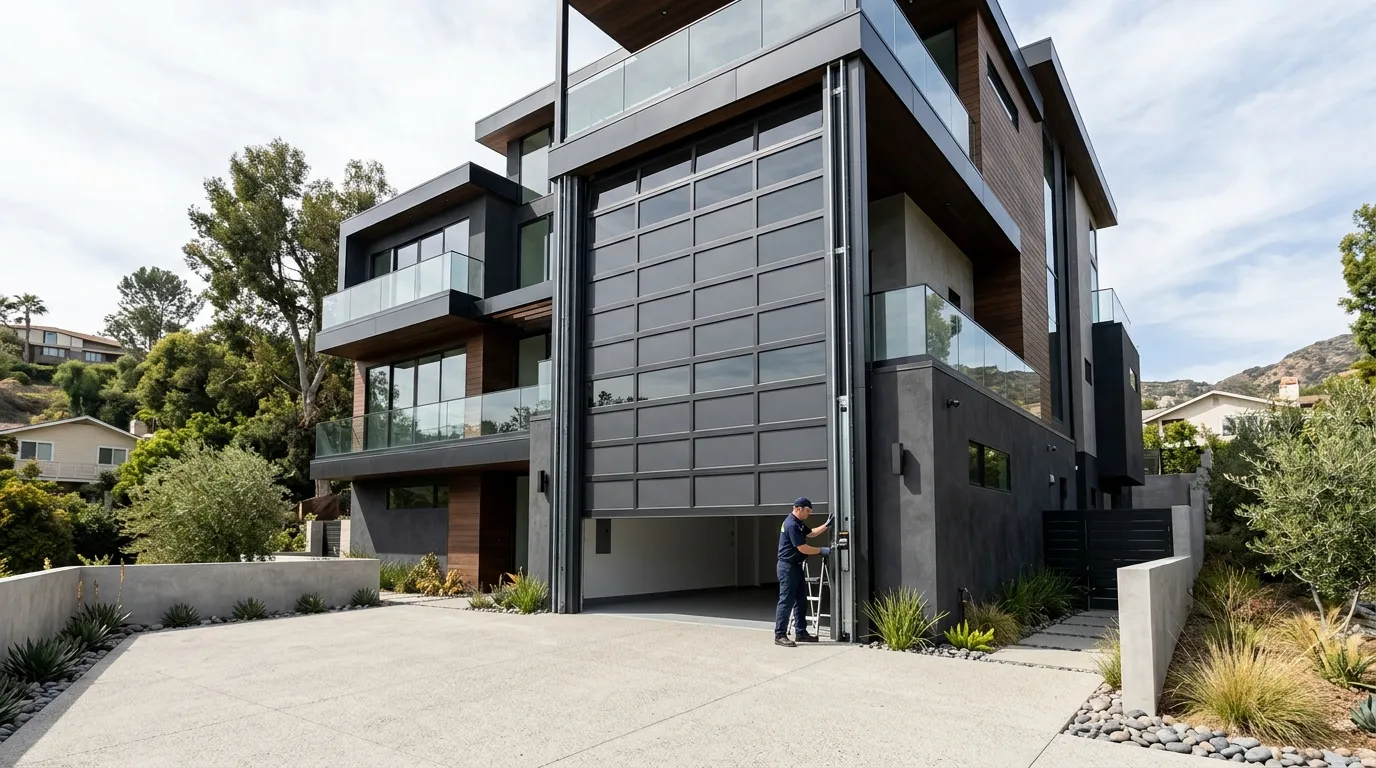
Island Heights sits about 4 miles from our Toms River shop, and it's a different job than most of the towns we drive to. The median home here dates to 1954, which is a couple decades older than the 1972 median across the wider service area we cover. That gap matters more than it sounds like it should. A house built in the mid-1950s was framed before the garage door industry standardized on the torsion-spring, steel-track setup that shows up in almost everything built from the late 1960s on. Some of these houses still have their original extension-spring hardware, or a replacement door hung on a jamb that was never squared to modern rail widths. We don't assume a 1954 opening is the same as a 1972 opening, because on this street it usually isn't. Walking in blind with a stock panel and a tape measure is how a job goes sideways. We measure the actual header height, the actual track clearance, and the actual spring type before we quote anything, because guessing on a house this age costs the customer twice.
What We Do Not Do
We don't keep a truck stationed in Island Heights. Every call here is a dispatch from Toms River, about 4 miles away, and we're upfront that we can't promise a same-day slot the way we might for a job closer to the shop. We also don't force a modern insulated steel replacement on a house where the original hardware, once serviced, still has useful life left. If a 1954-era door's track and spring are sound, we'll say so instead of pushing a full swap. And we don't stock every obscure extension-spring bracket or narrow-rail roller from that era on the truck; some parts on the oldest openings here need to be sourced before we can finish the job, which can mean a second visit.
How That Shows Up in the Door
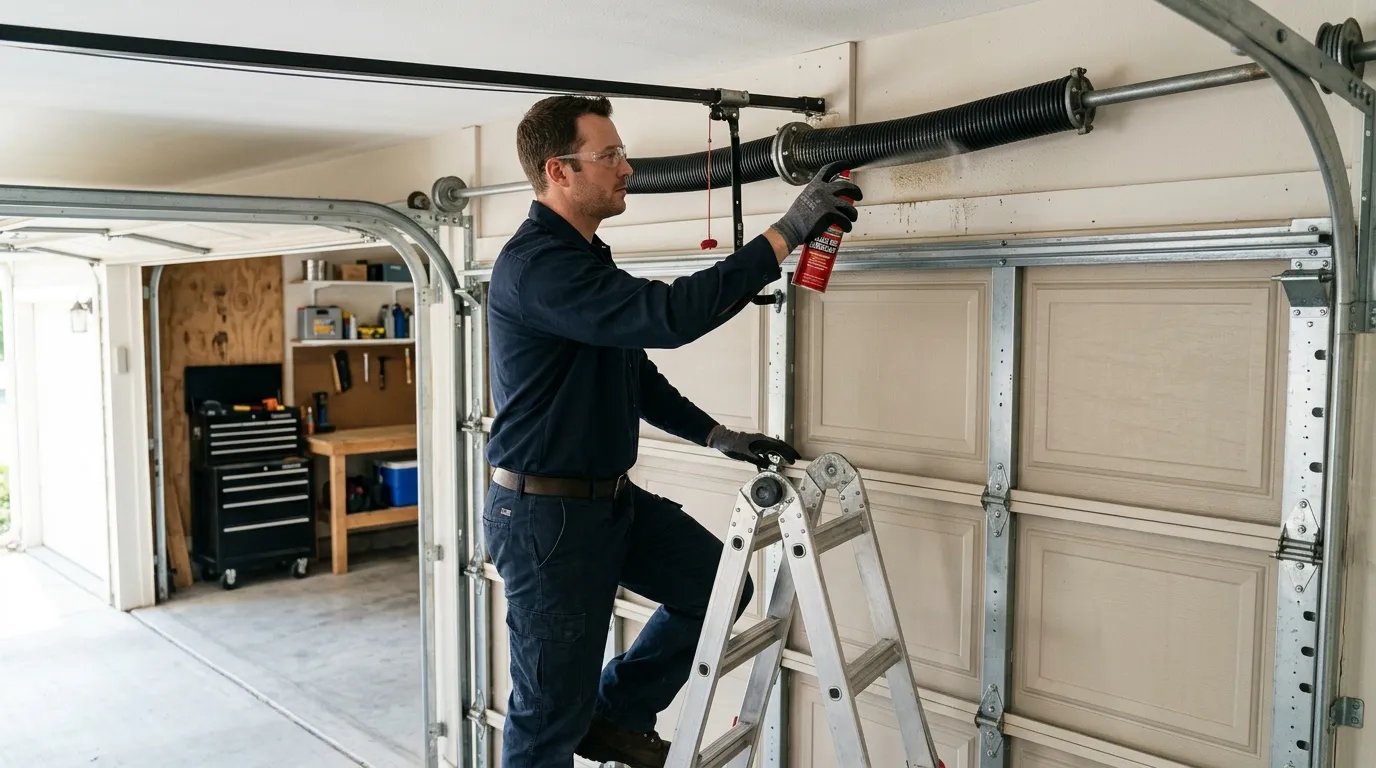
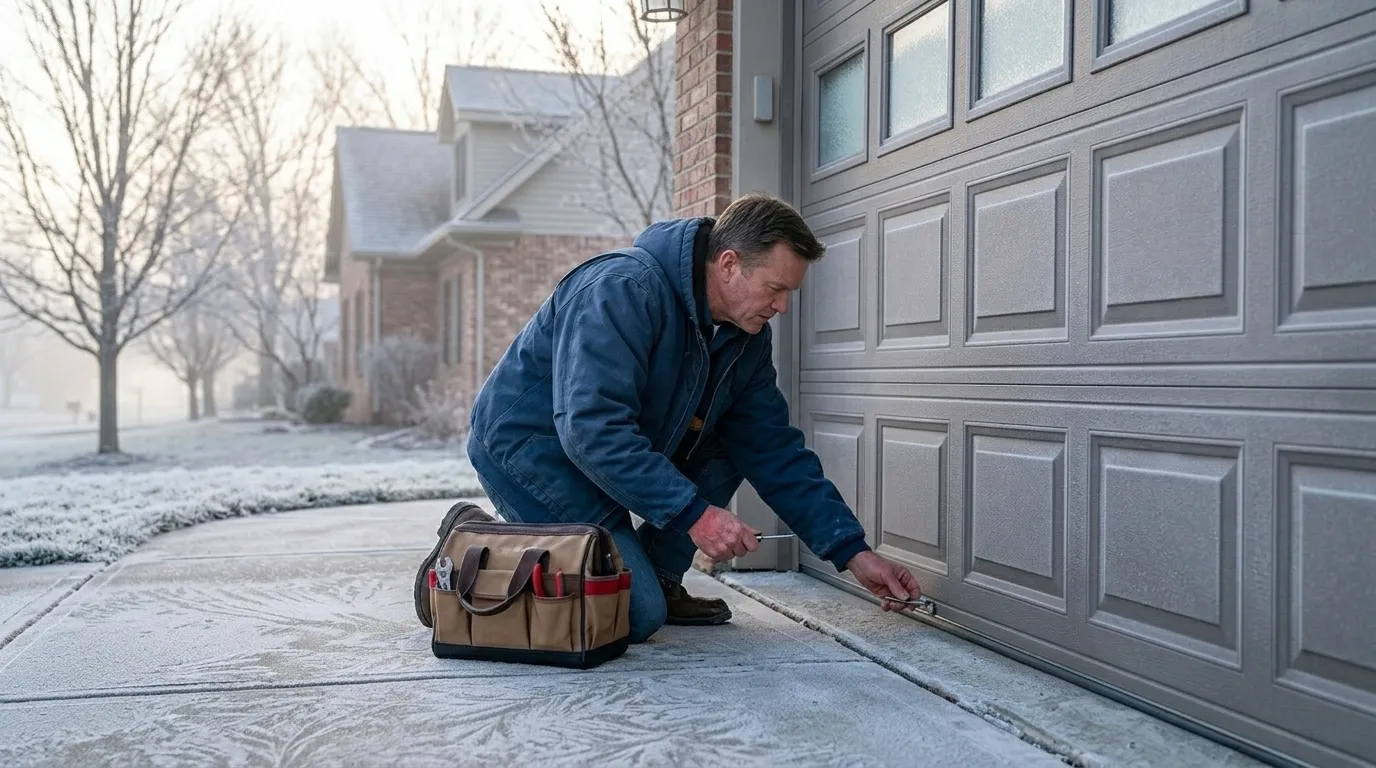
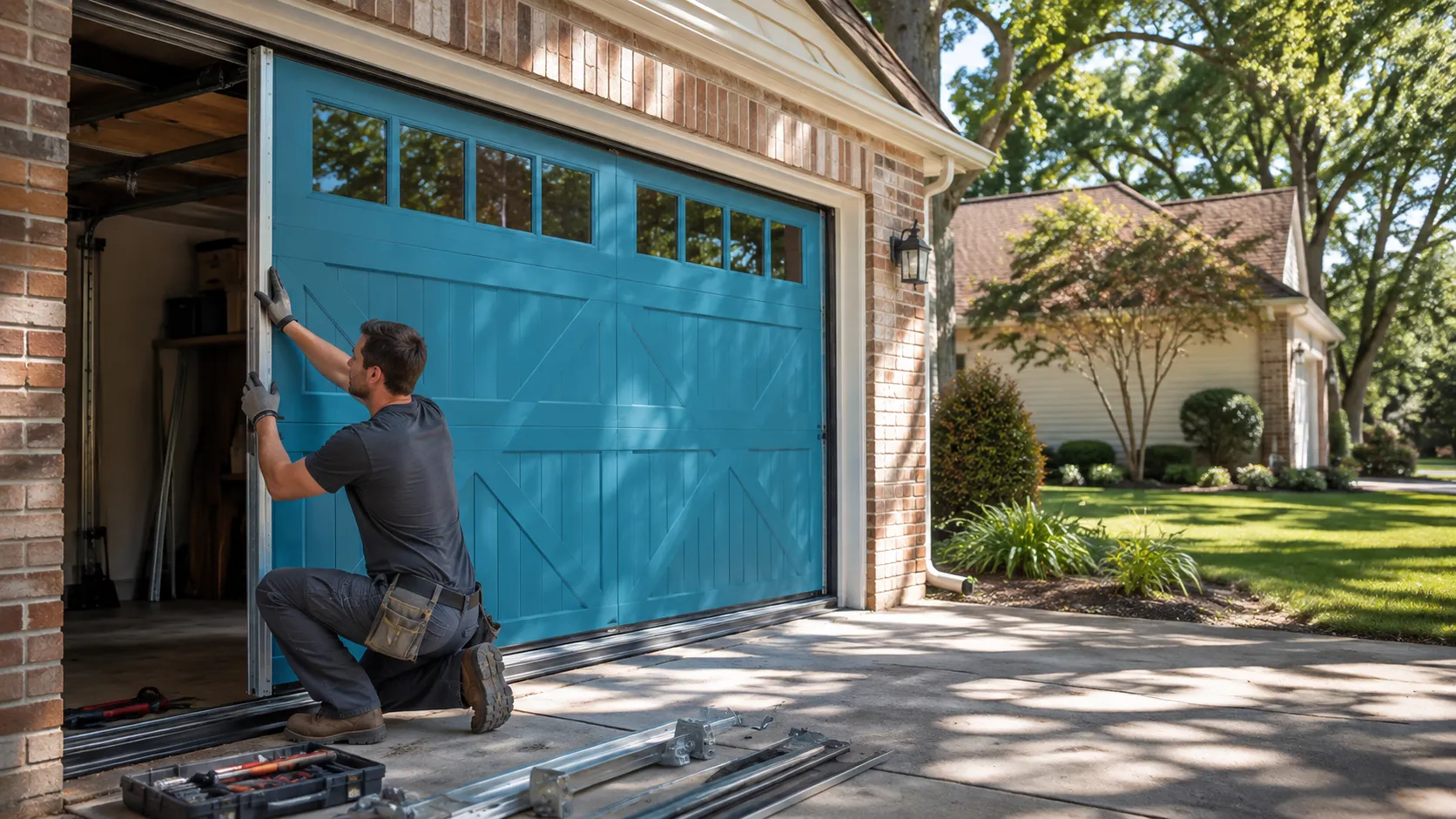
Cold winters here are the same severe-cold climate band that hits the rest of the region, and an older door doesn't handle that as well as a newer one. Extension springs on 1950s-era hardware lose tension faster in hard cold than the torsion springs common on newer builds, and steel that's 70 years old is more prone to hairline rust at the track bolts after a freeze-thaw stretch. On a house with the original jamb hardware, that often shows up as a door that binds on one side in January and runs fine the rest of the year. We check spring tension and track alignment as a pair on these older openings, not just the part that's obviously broken, because on a house this age the two failures usually travel together.