Old Streets and New Ones
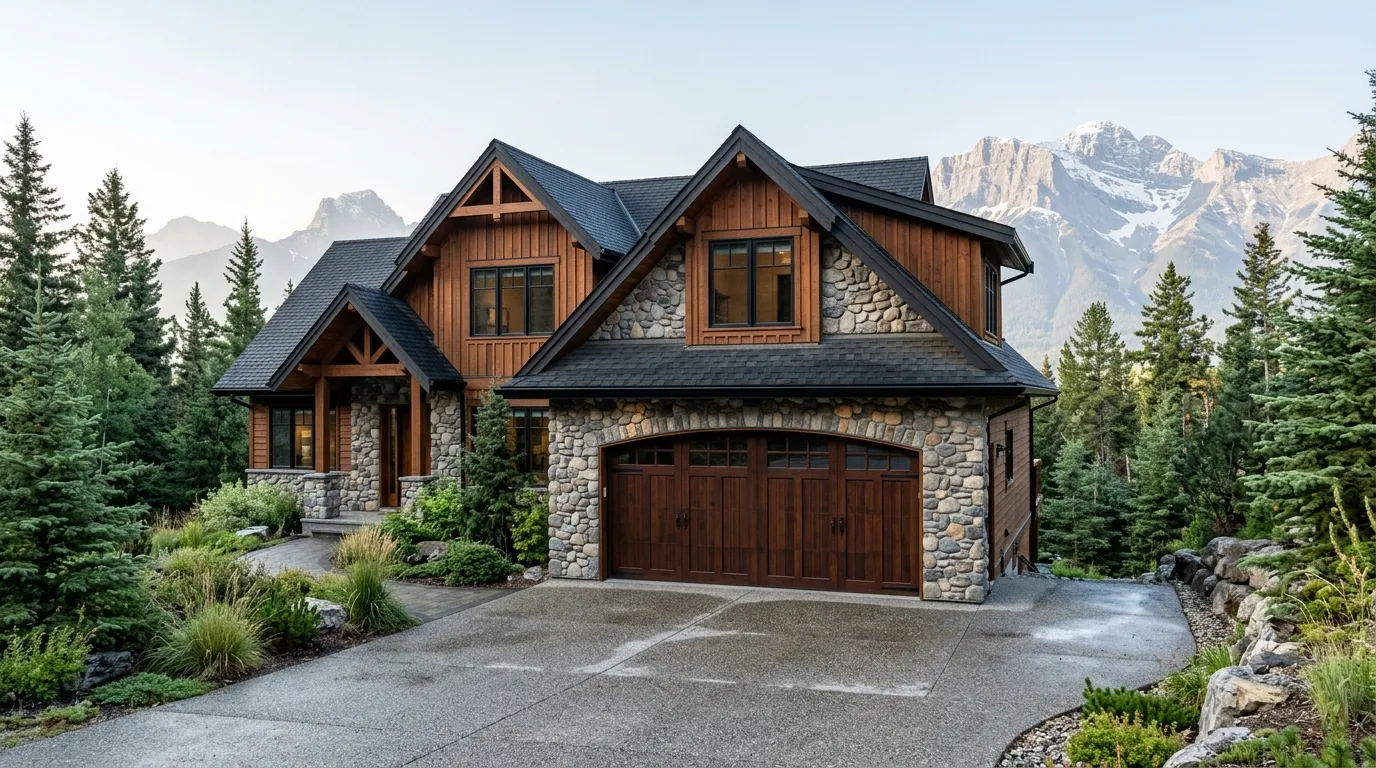
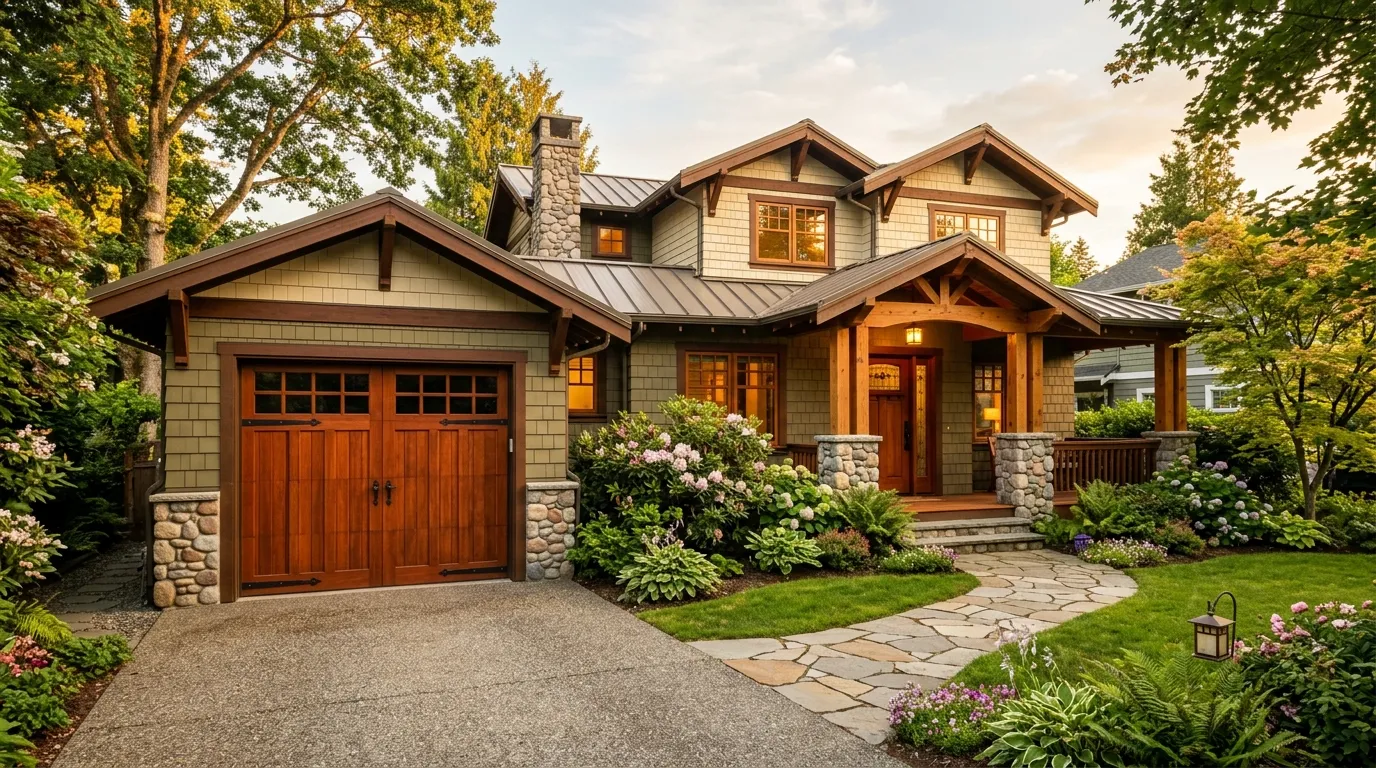
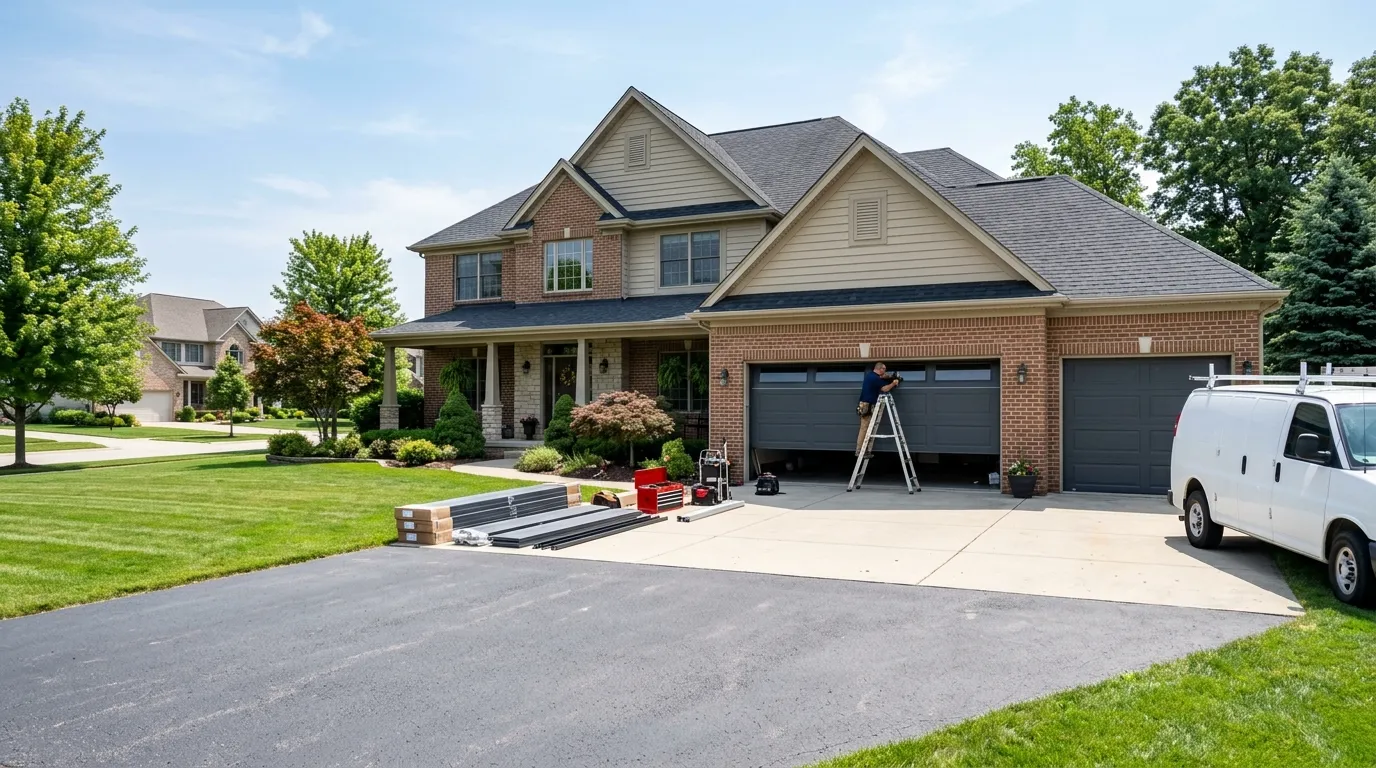
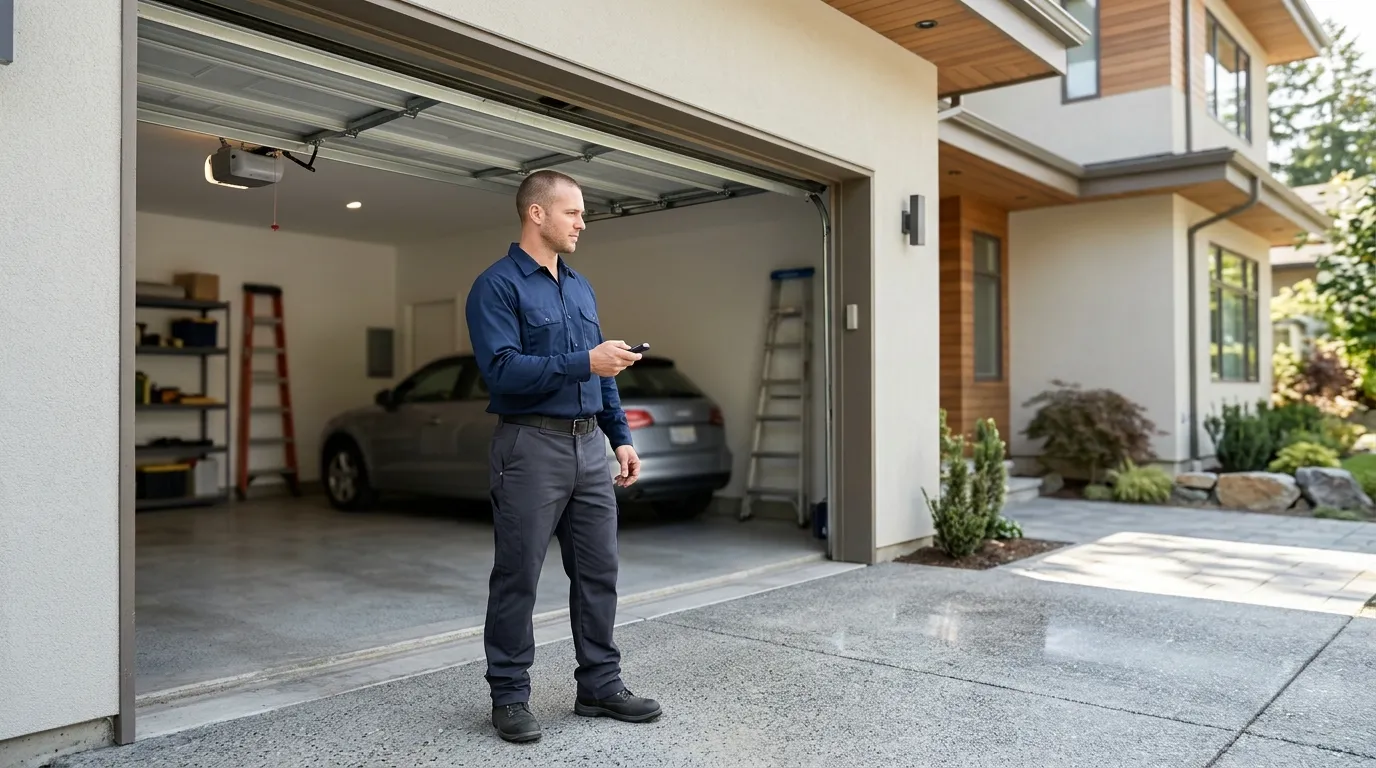
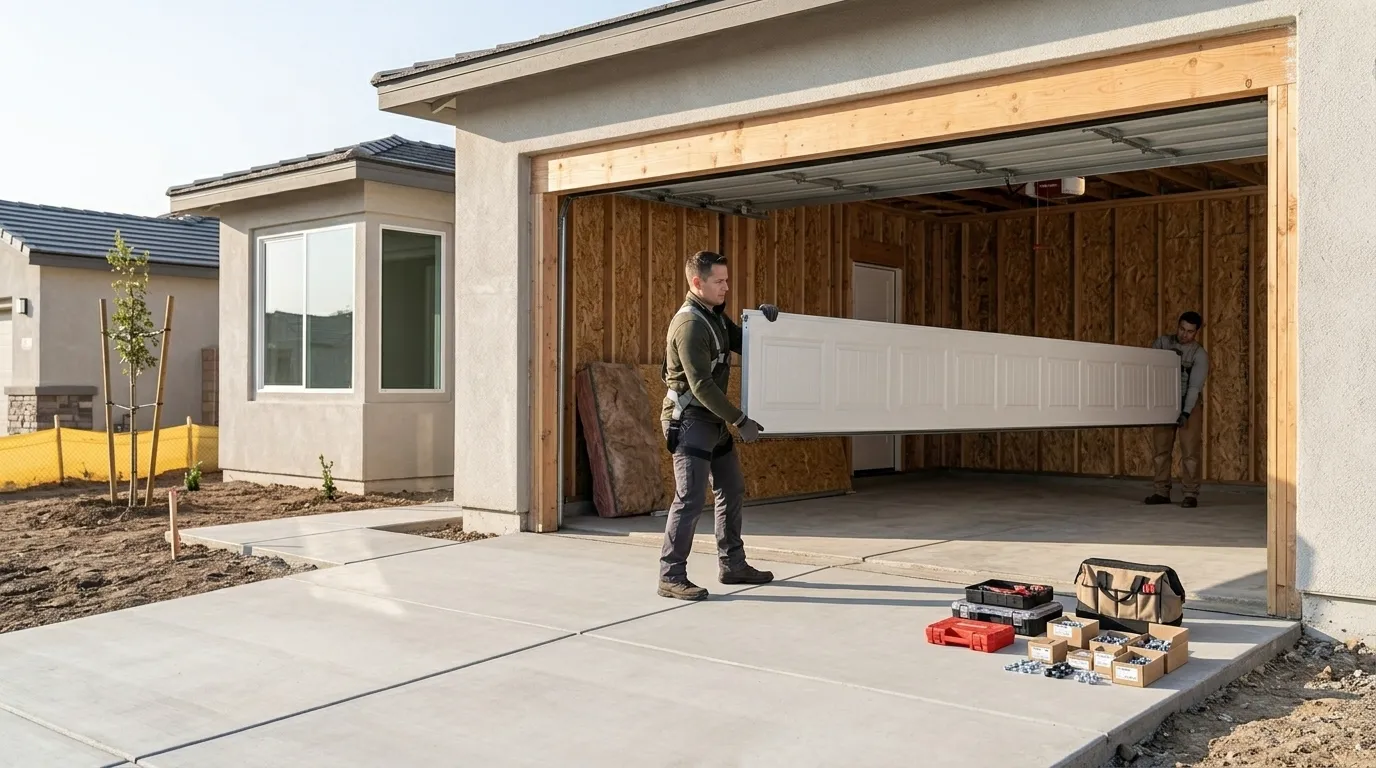
East Freehold sits about 20 miles from our shop in Toms River, and the housing stock here tells a different story than most of the towns we cover closer to home. Across the wider service area the median house went up around 1972, with a lot of that stock dating back to the late 1930s. East Freehold's median build year runs later, around 1979 - a full builder's generation newer. That gap matters more than it sounds like it should. A door installed in a house framed in 1979 was hung with different hardware, different spring configurations, and different clearances than one from a 1950s ranch. When we get a call from East Freehold, we're not walking into the same job we'd expect on an older Toms River street. The 1,685 households here also run a different profile than the service area as a whole - median income around $195,804, well above the broader area's $97,037. That doesn't change how a torsion spring fails, but it does mean more of these garages hold two cars, taller openers, and doors sized for that. We adjust what we bring on the truck accordingly.
What We Do Not Do
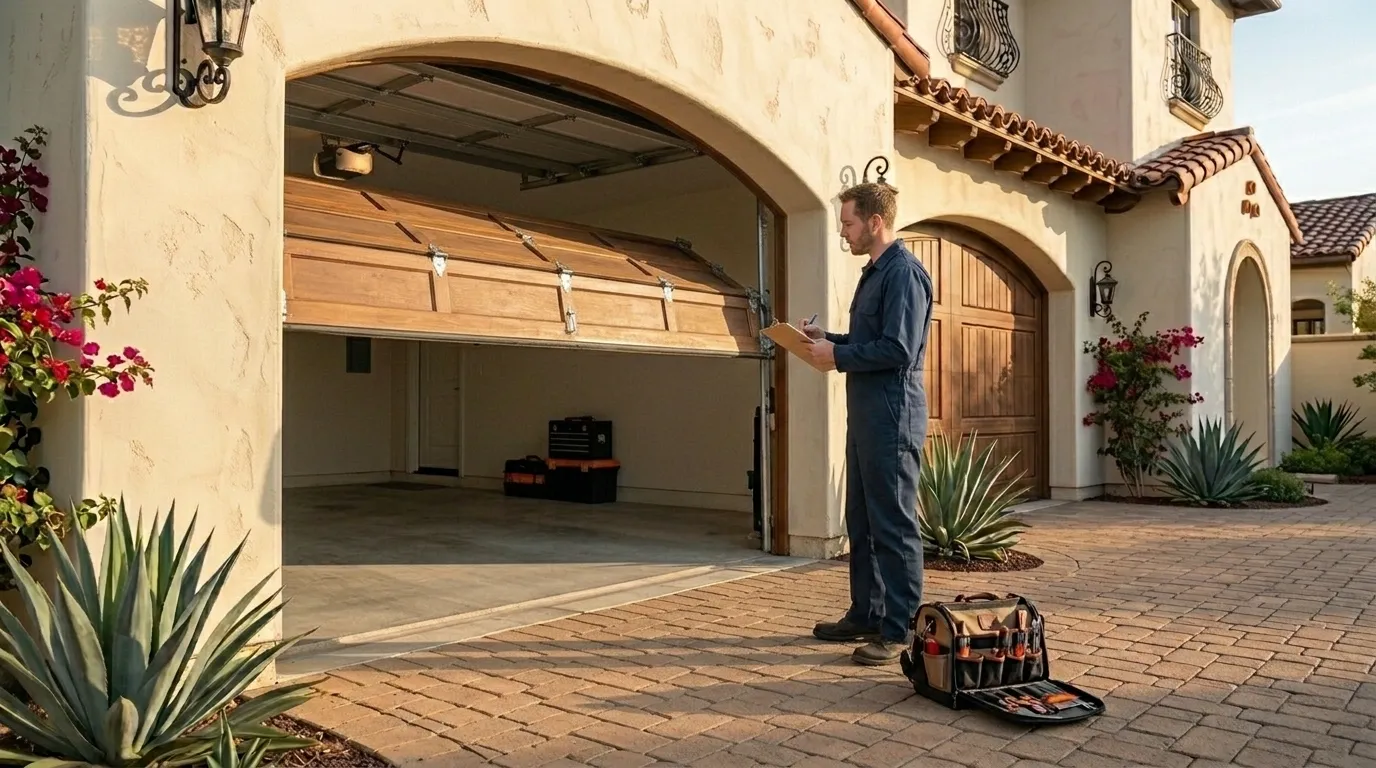
We don't keep a depot or a truck staged in East Freehold - every job here is a trip out from Toms River, roughly 20 miles each way. That means we're not the outfit to call for a same-day emergency at 6 a.m. if you need someone standing in your driveway in twenty minutes. We book the drive into the schedule like any other job on the route. We also don't try to force a repair on hardware that's past reasonable service life just to avoid a longer conversation about replacement. If a spring has failed on an opener system old enough that the safety reversal doesn't meet current expectations, patching the spring and leaving the opener as-is isn't a service we'll recommend, even if it's the cheaper visit that day. And we don't guess at parts before we see the door - torsion spring wire size, drum diameter, and opener drive type all vary enough within the 1970s-80s build range that quoting blind over the phone leads to a second trip, which costs the homeowner more than it saves.
How That Shows Up in the Door
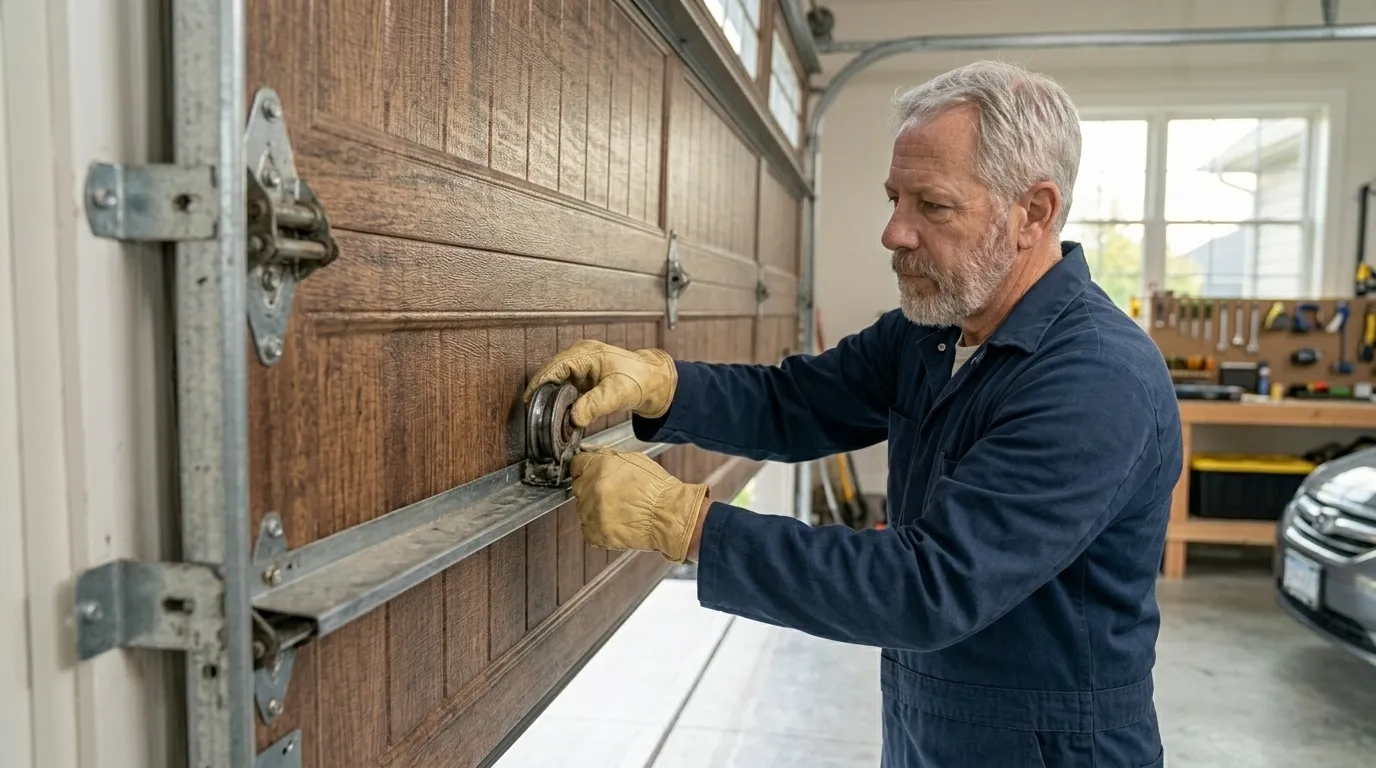
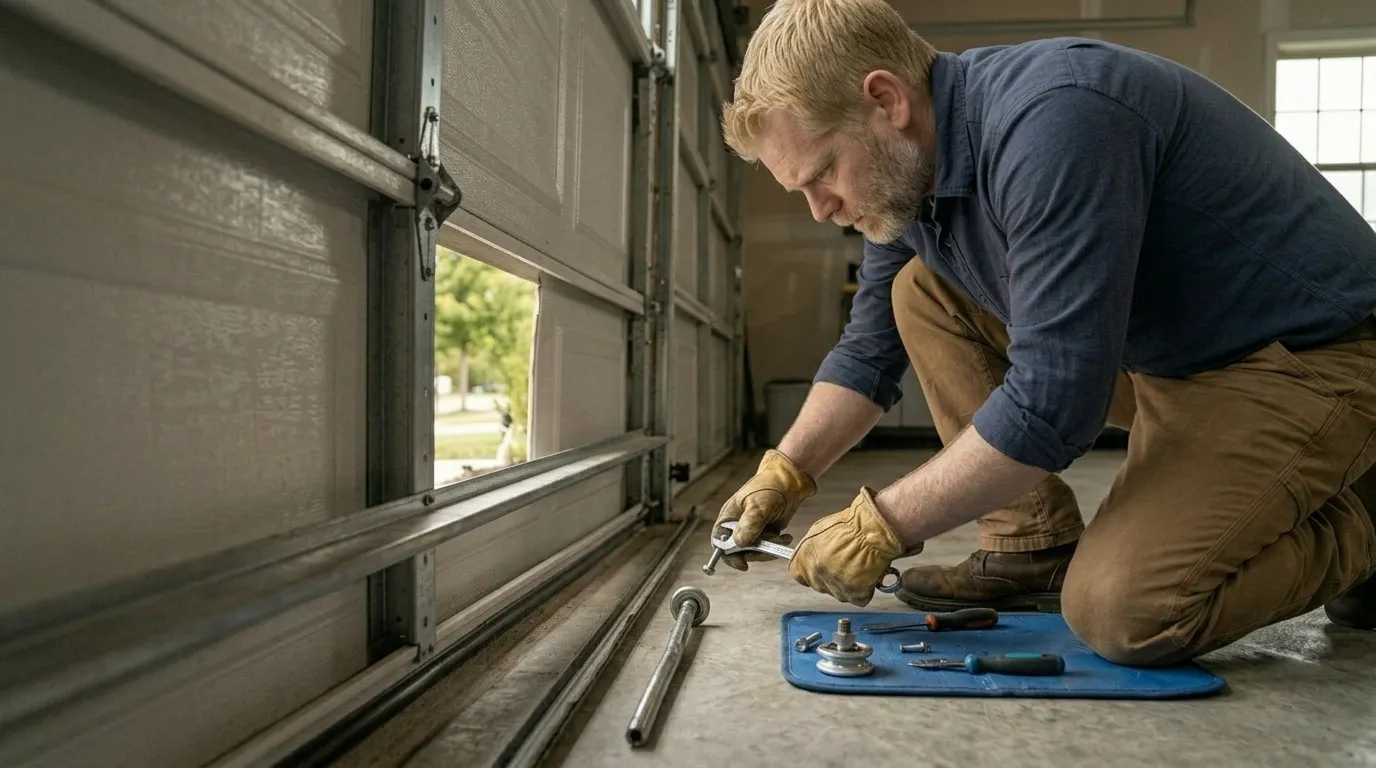
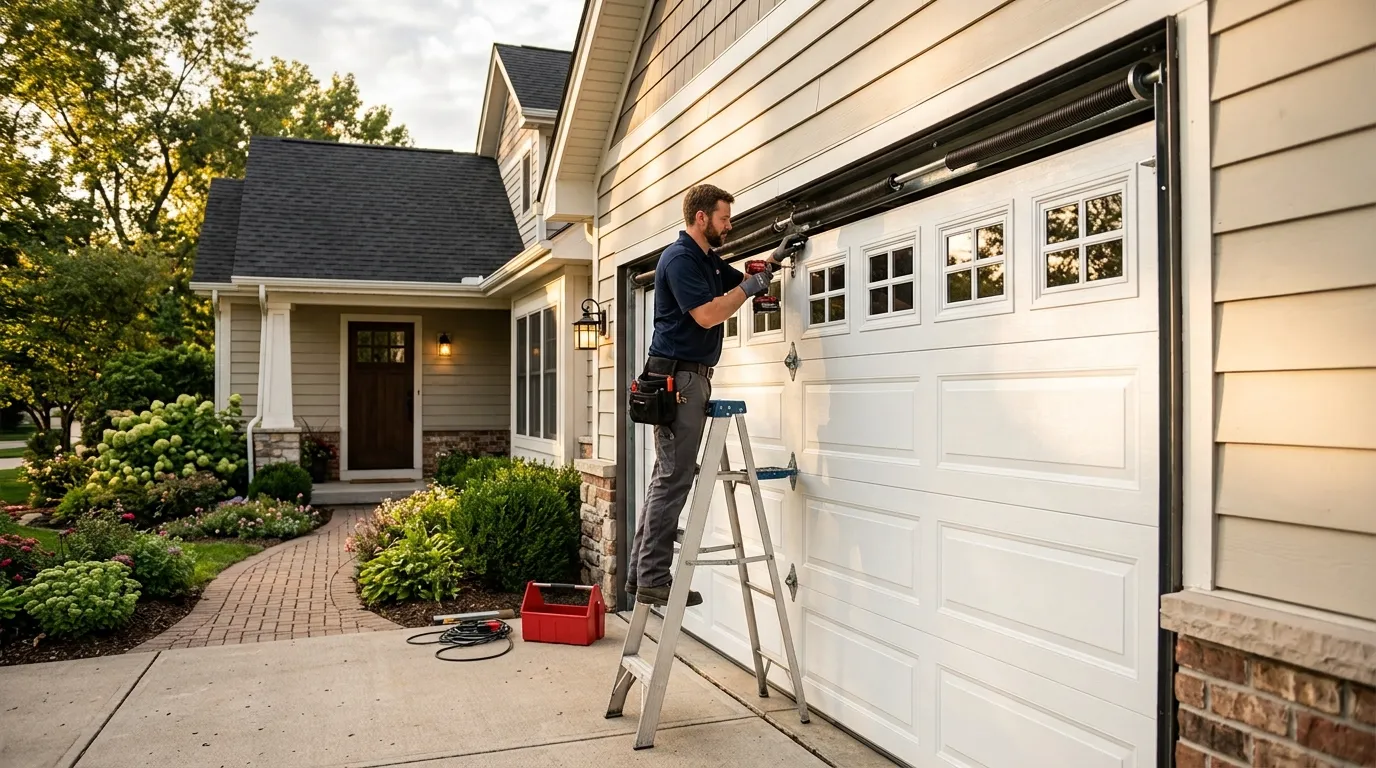
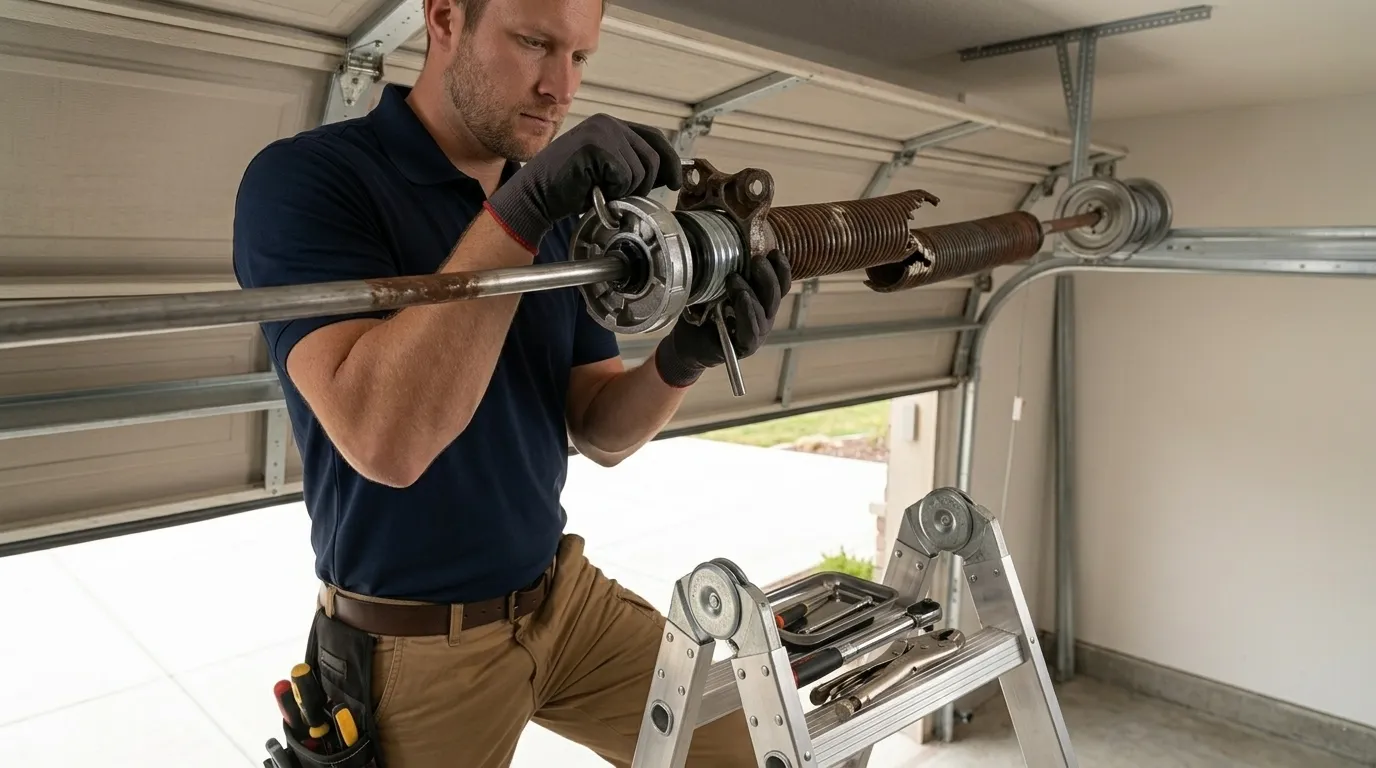
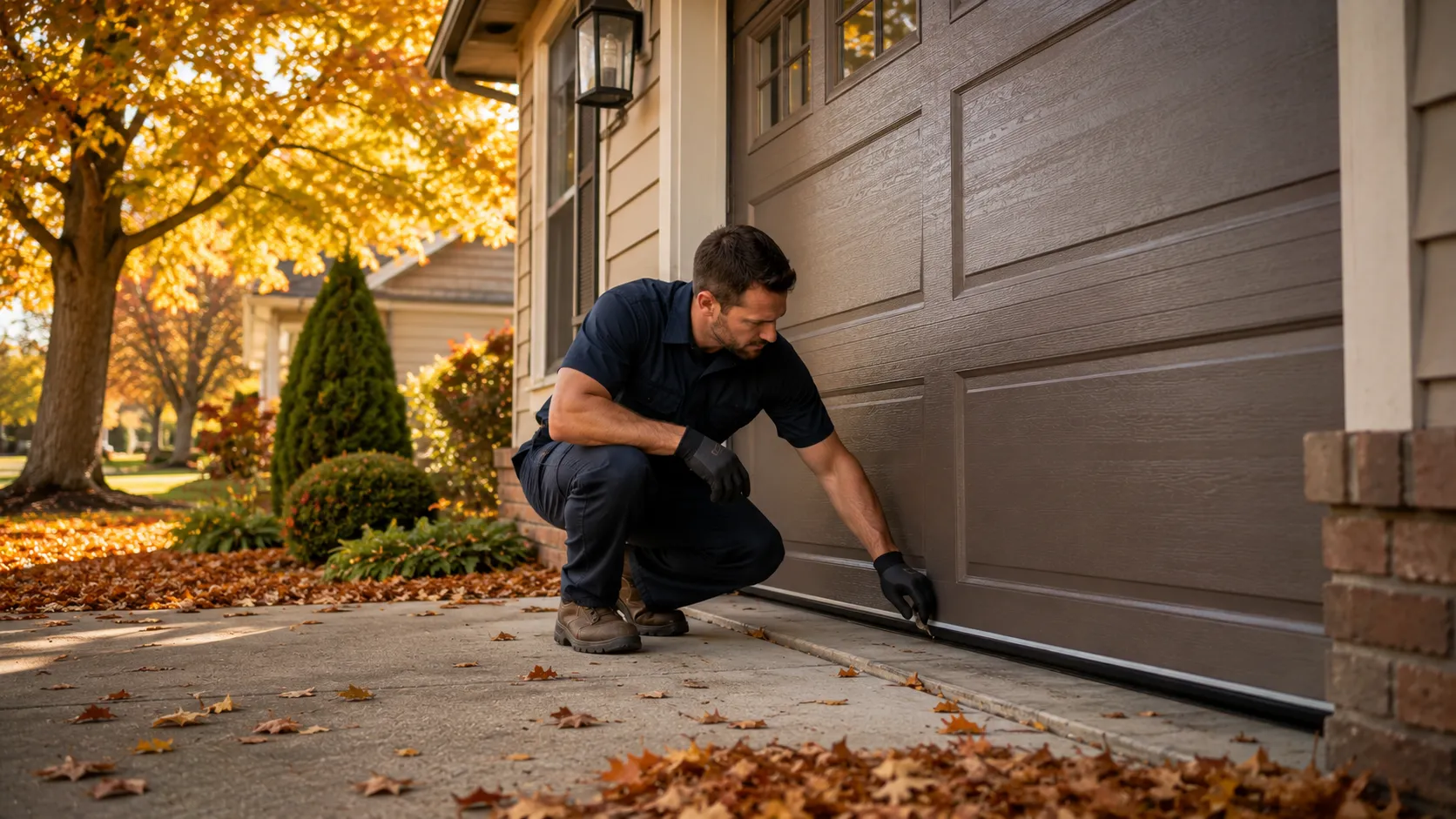
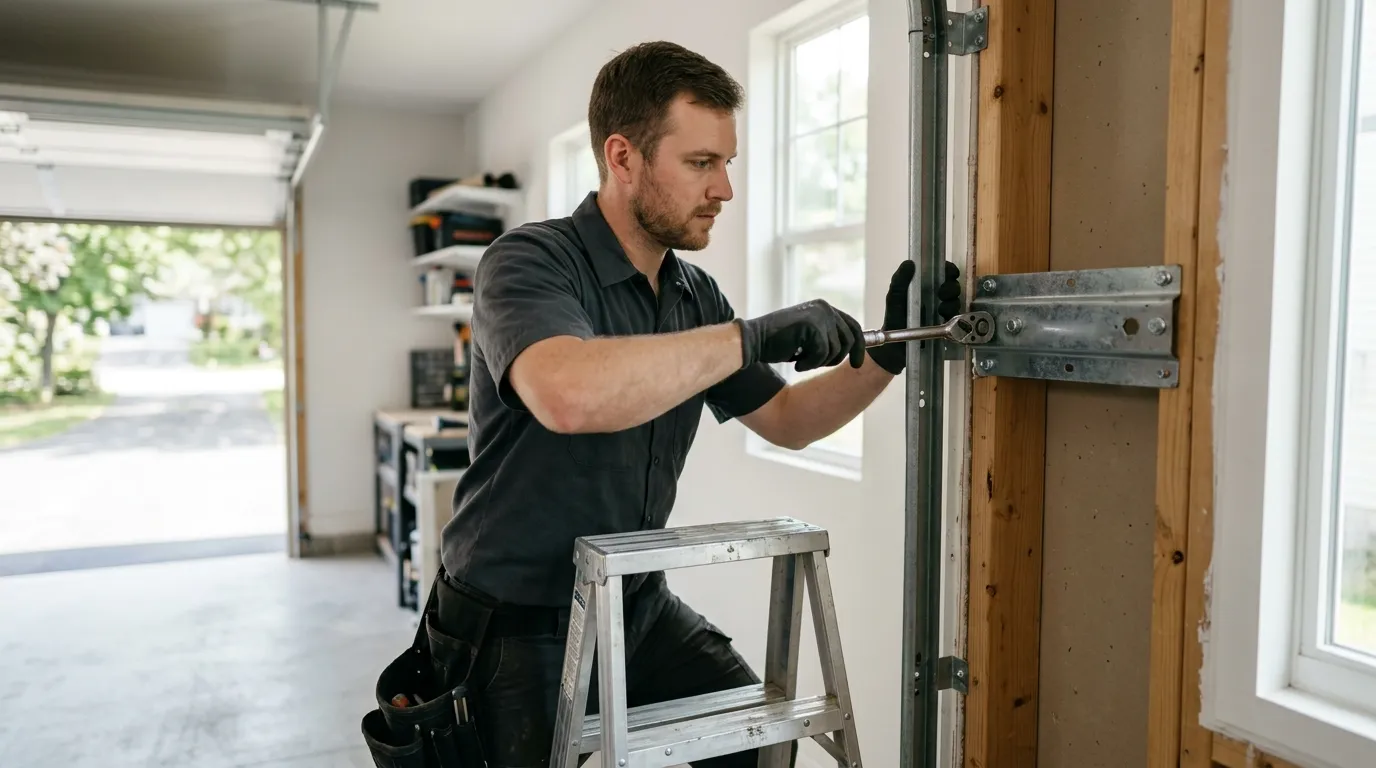
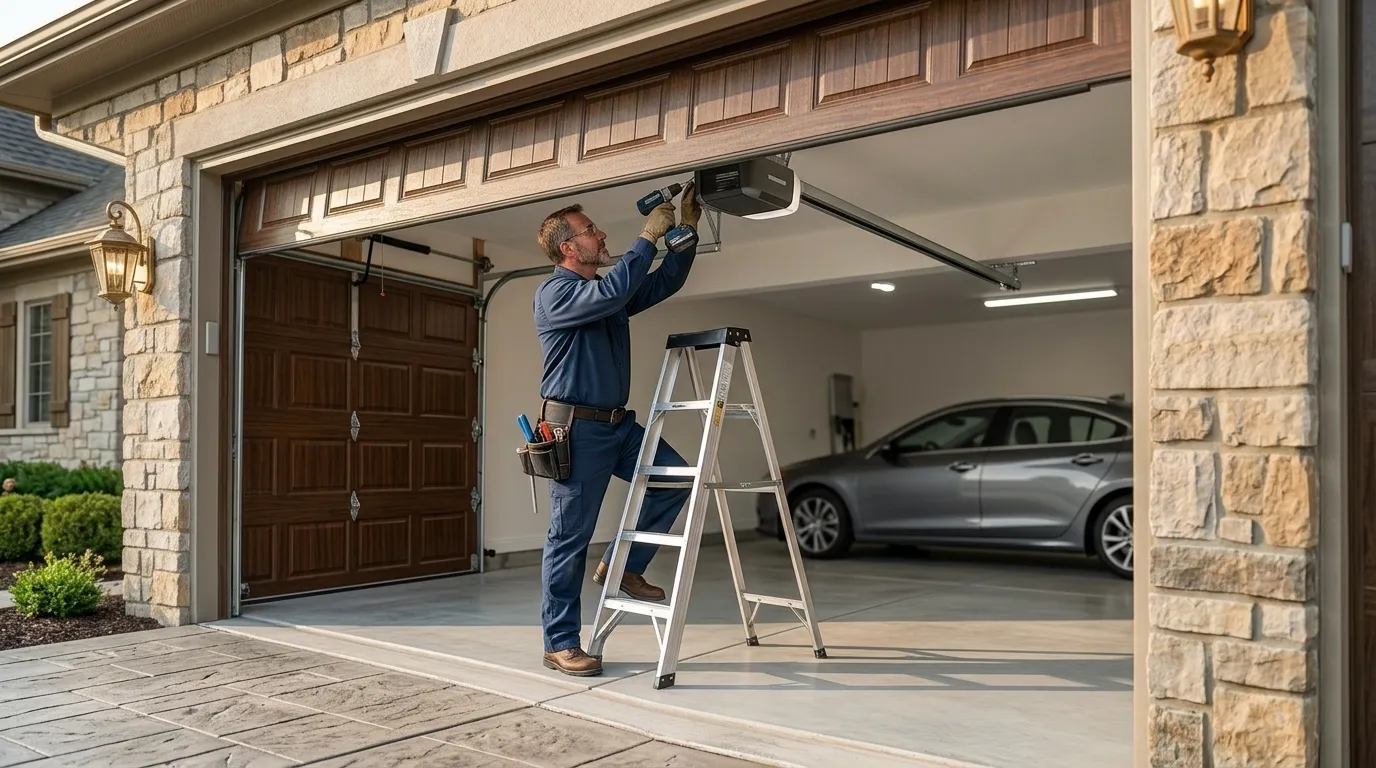
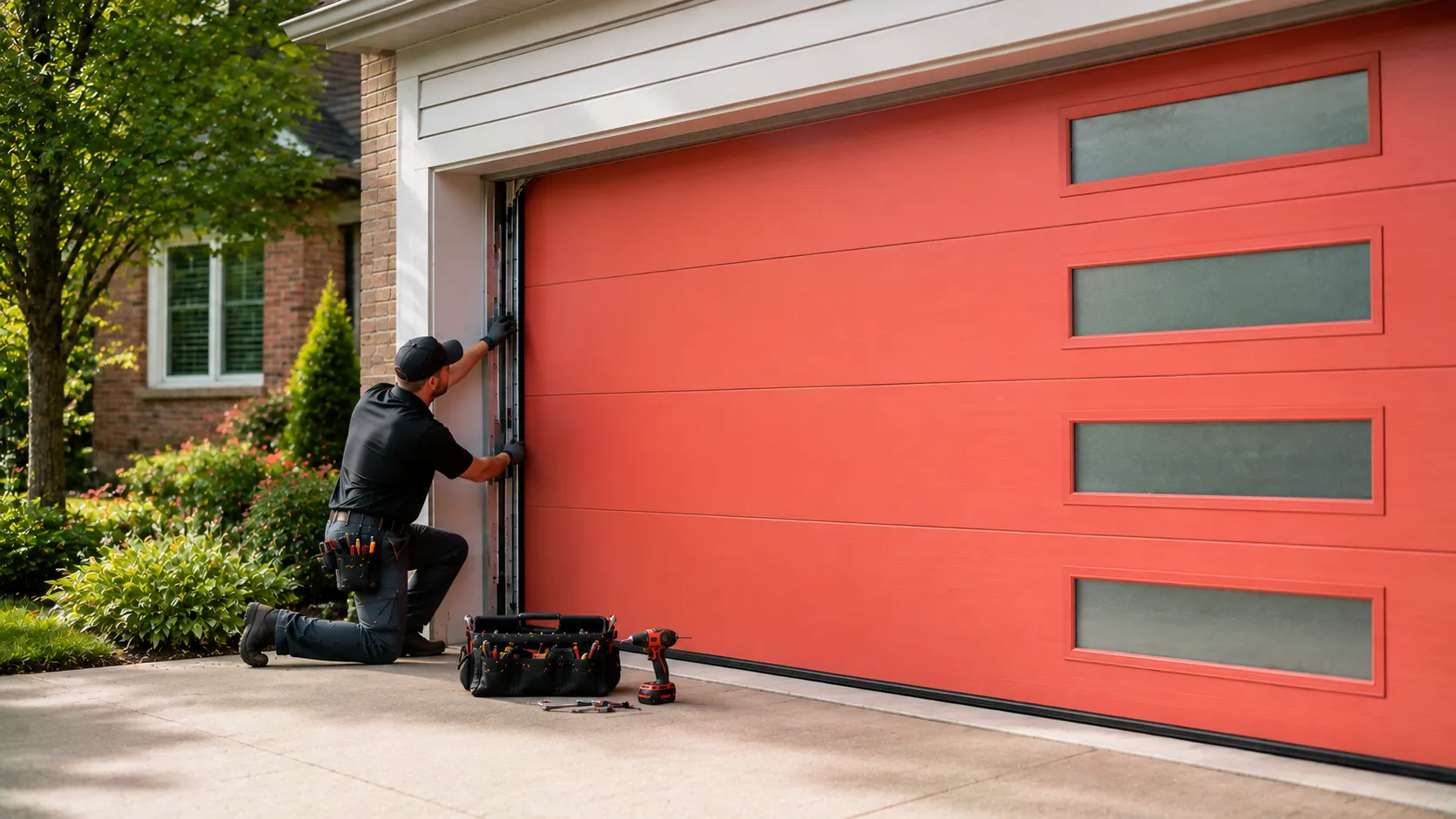
On a house from this build era, the most common call we get is a broken torsion spring on a double door - heavier doors, higher cycle counts on two-car households, and springs that are now old enough to be past their wind count. Second most common is opener failure on units that were swapped in sometime after the original build and are now themselves aging out, especially chain-drive models that grind before they quit outright. Cold-weather callouts follow the same pattern you'd expect in a COLD-severe climate band - stiff torsion springs and gummed-up track lubricant on the first hard freeze of the season, particularly on doors that haven't been serviced since they went in. Track misalignment shows up more on the taller two-car openings common in this area's larger garages, where a single bent roller track throws the whole panel off square. None of this is exotic work. It's steady, late-1970s-to-80s hardware doing what that hardware does after four decades, and it responds well to a straightforward repair rather than a full teardown.