Old Streets and New Ones
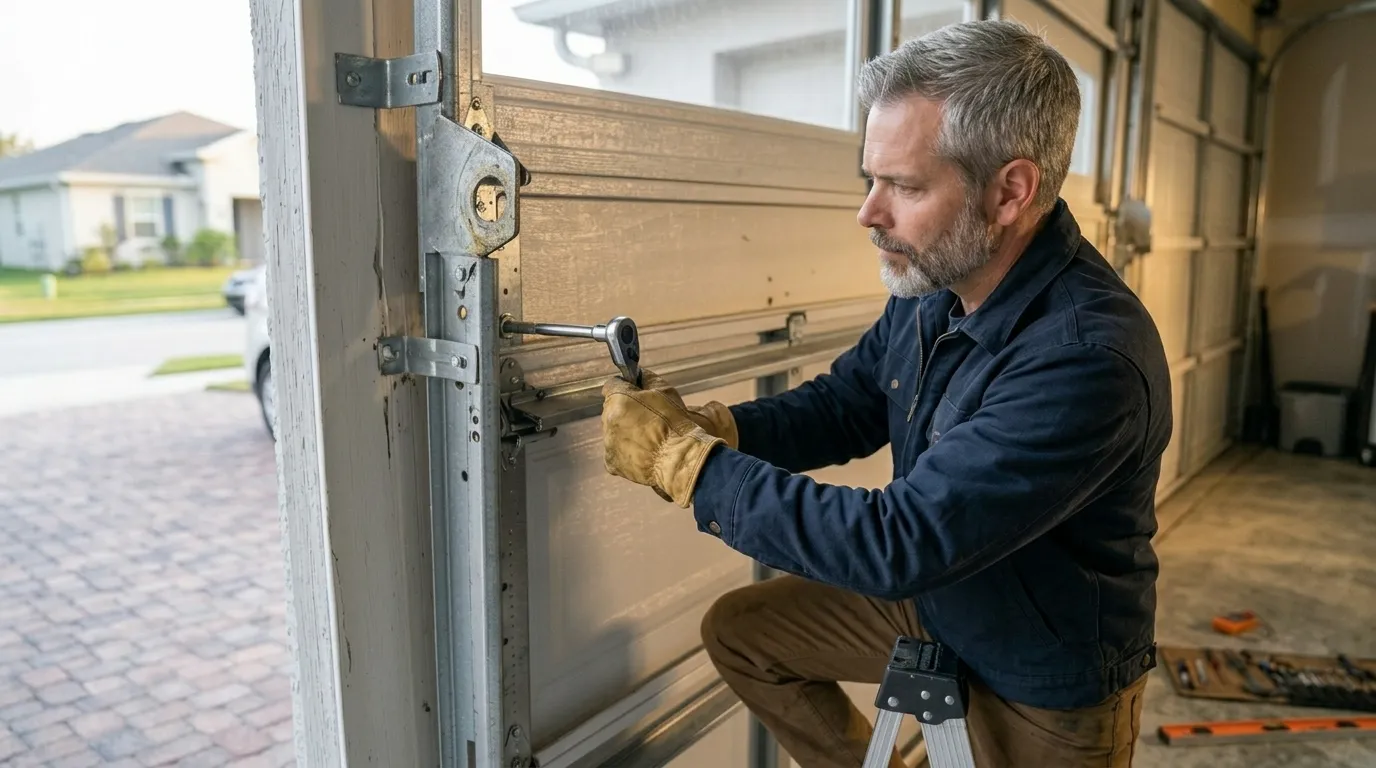
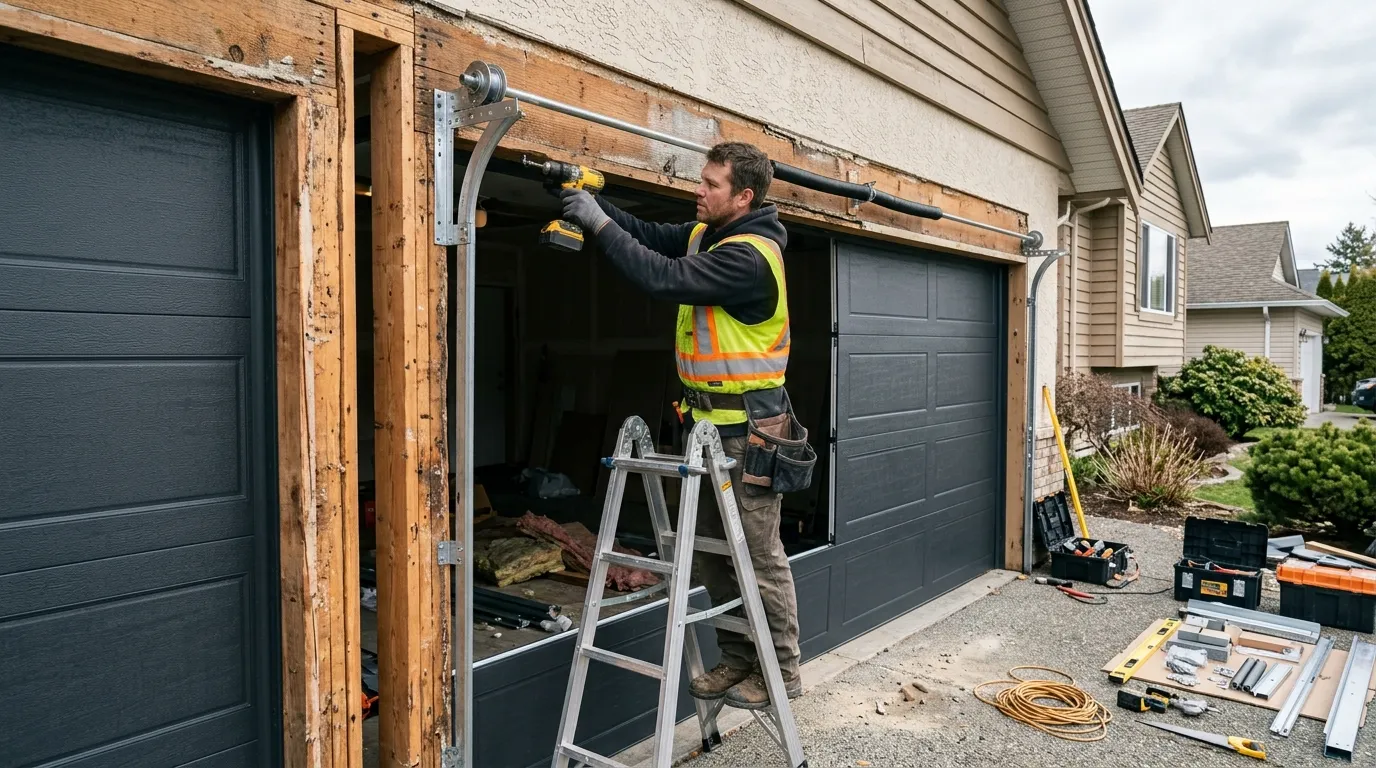
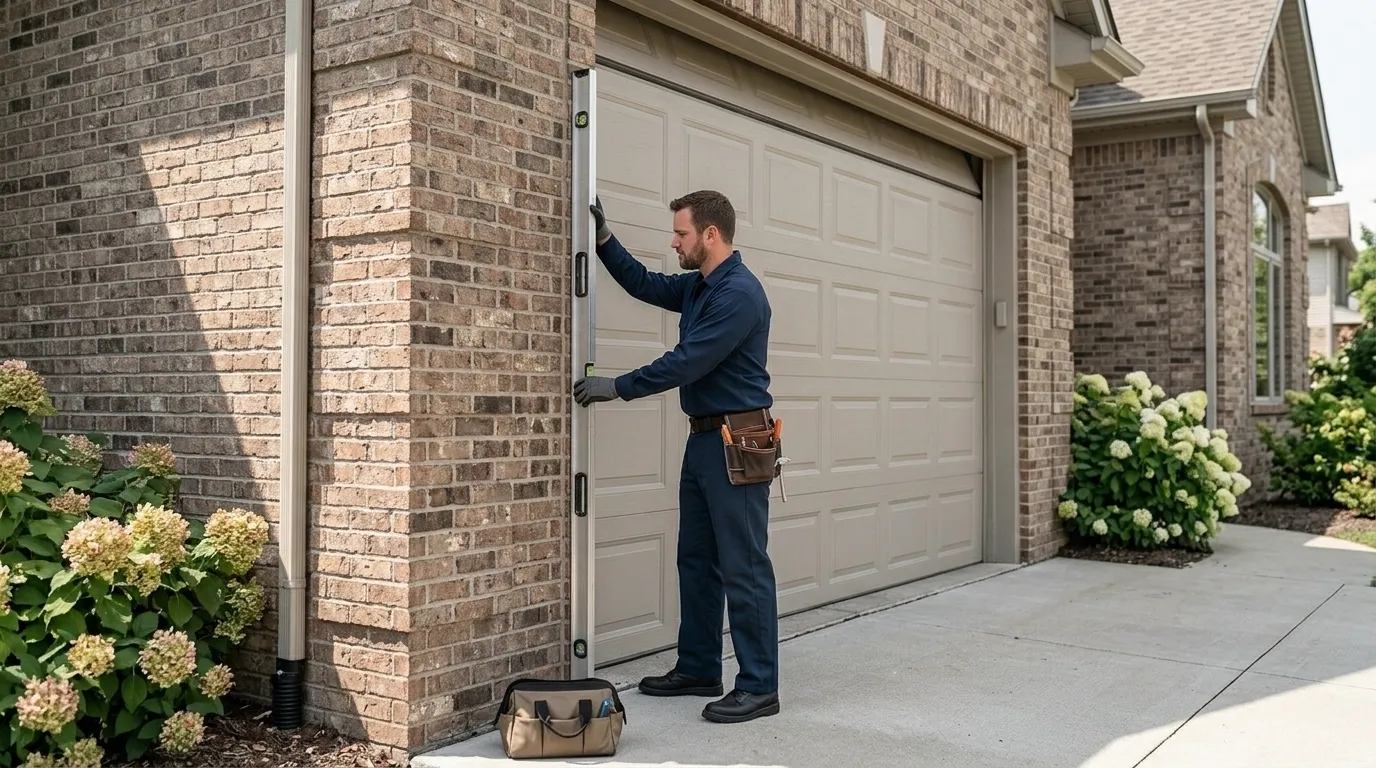
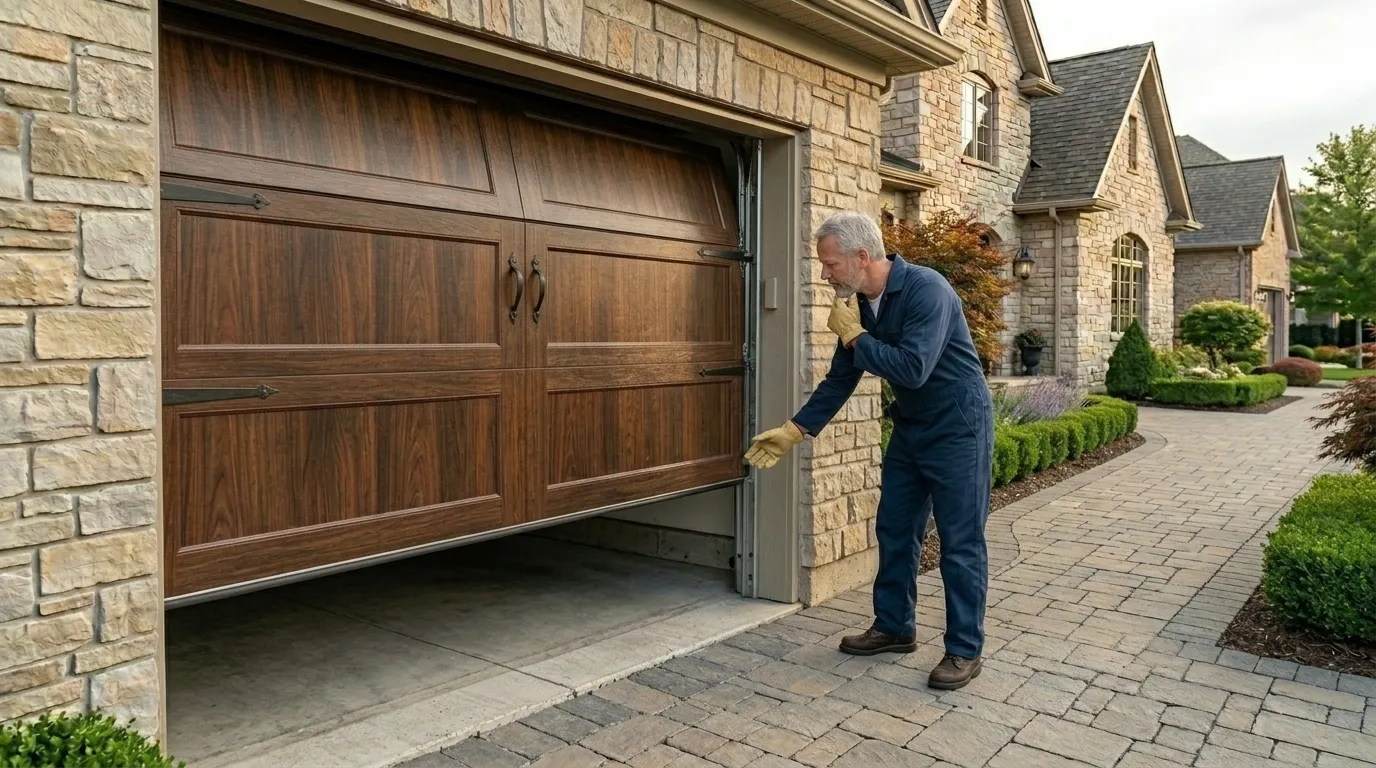
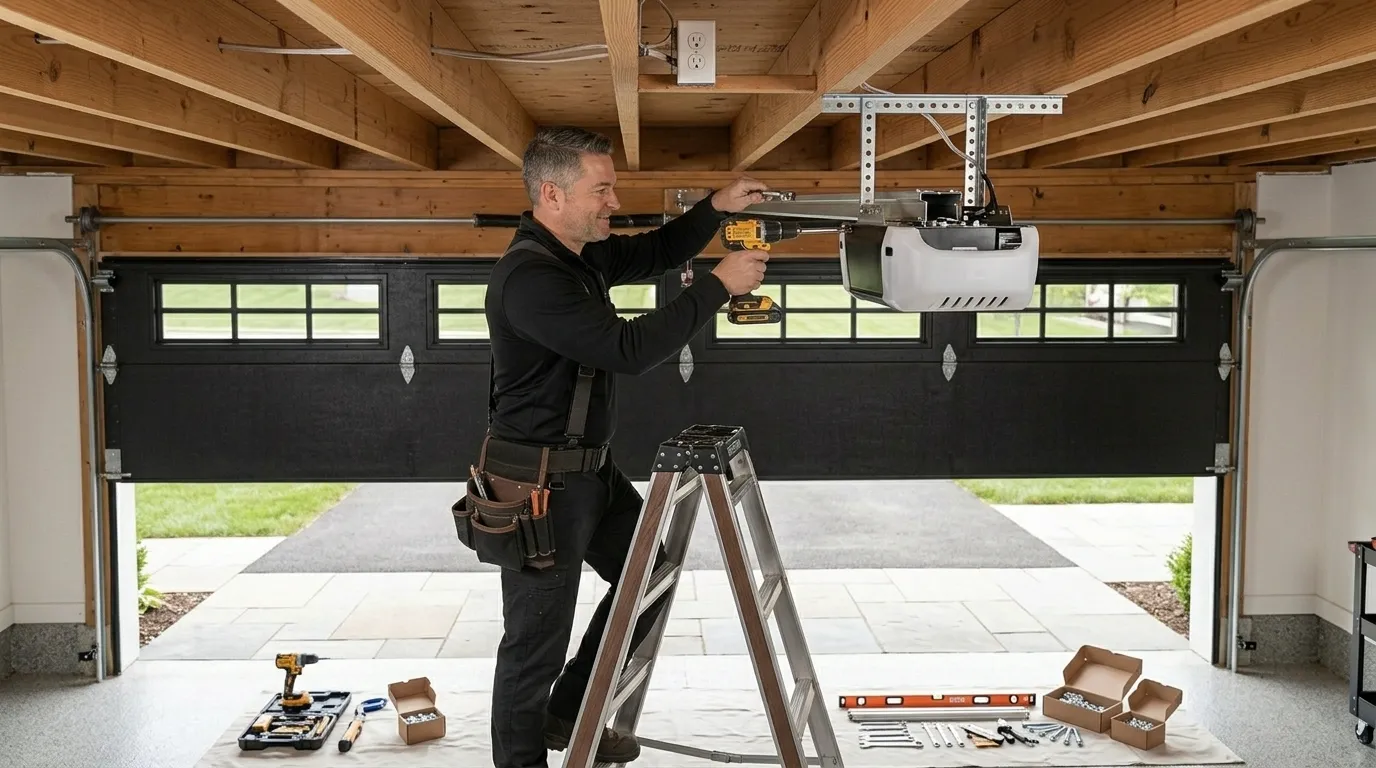
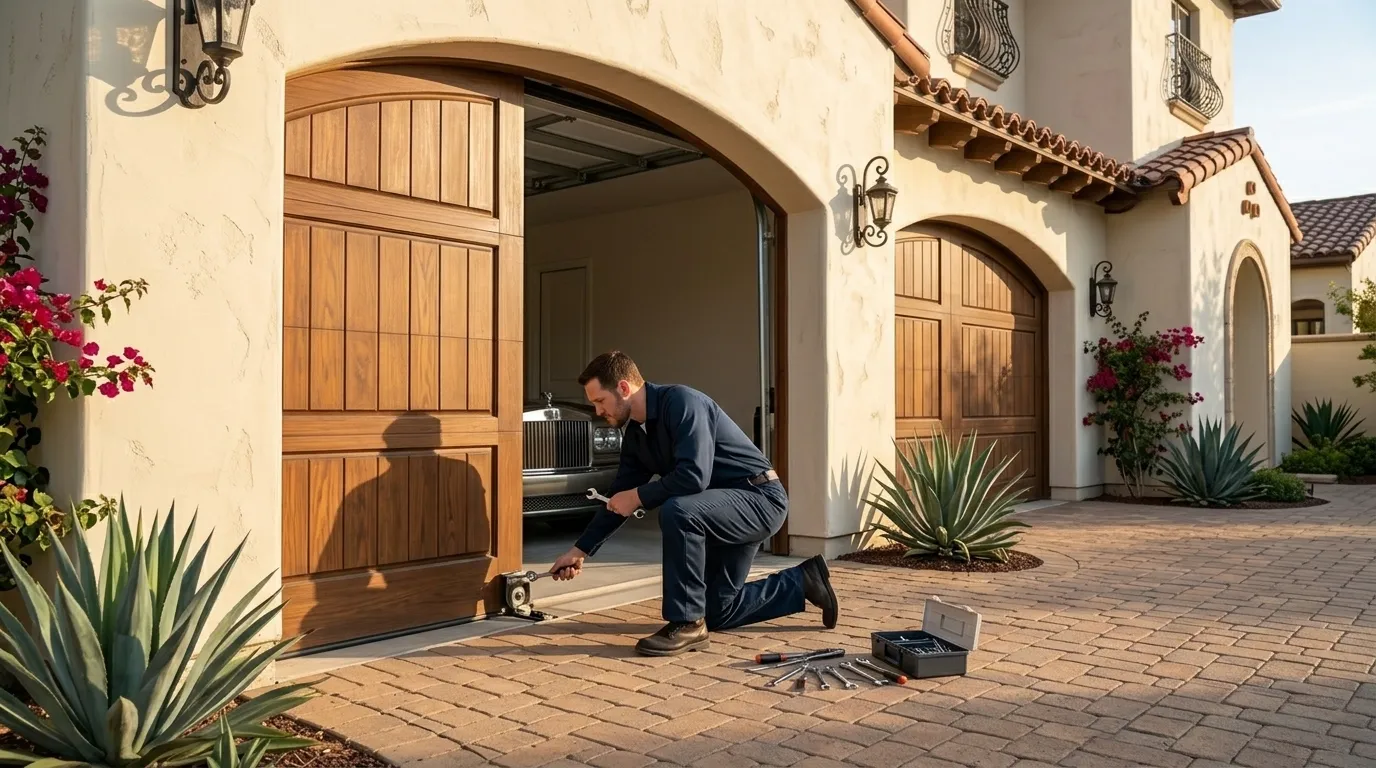
Brielle's housing stock centers on 1963, a few years ahead of the 1972 median across the wider Toms River service area. That gap matters more than it sounds. A house built in the early 1960s usually got a garage door and opener setup that's now on its second or third replacement cycle, and the bones underneath - the track spacing, the header clearance, the way the spring was originally sized - often stayed put even when the door on top got swapped out in the 1990s or 2000s. We see mismatches: a newer steel door hung on an old jamb that was cut for a lighter wood one, or a retrofit opener bracket screwed into a header that was never meant to carry it. None of this is unique to one house, but it's common enough in a town built on this timeline that we check for it before we quote a repair instead of after.
We're not based in Brielle - we run out of Toms River, about 10 miles off - so we don't know every block by memory. What we do know is what a 1963 build tends to hide behind the drywall, and we ask about it on the phone before we load the truck.
What We Do Not Do
We don't stock a warehouse of vintage parts, and we won't pretend a 60-year-old wood jamb can take today's heavier insulated steel doors without reinforcement - sometimes the honest answer is a new frame section, not a patched one. We also don't do same-day guarantees for Brielle specifically; we're driving in from Toms River, and depending on the day's schedule that can mean a wait. If a door needs a part we don't carry on the truck, we tell you that up front rather than stringing out a visit.
How That Shows Up in the Door
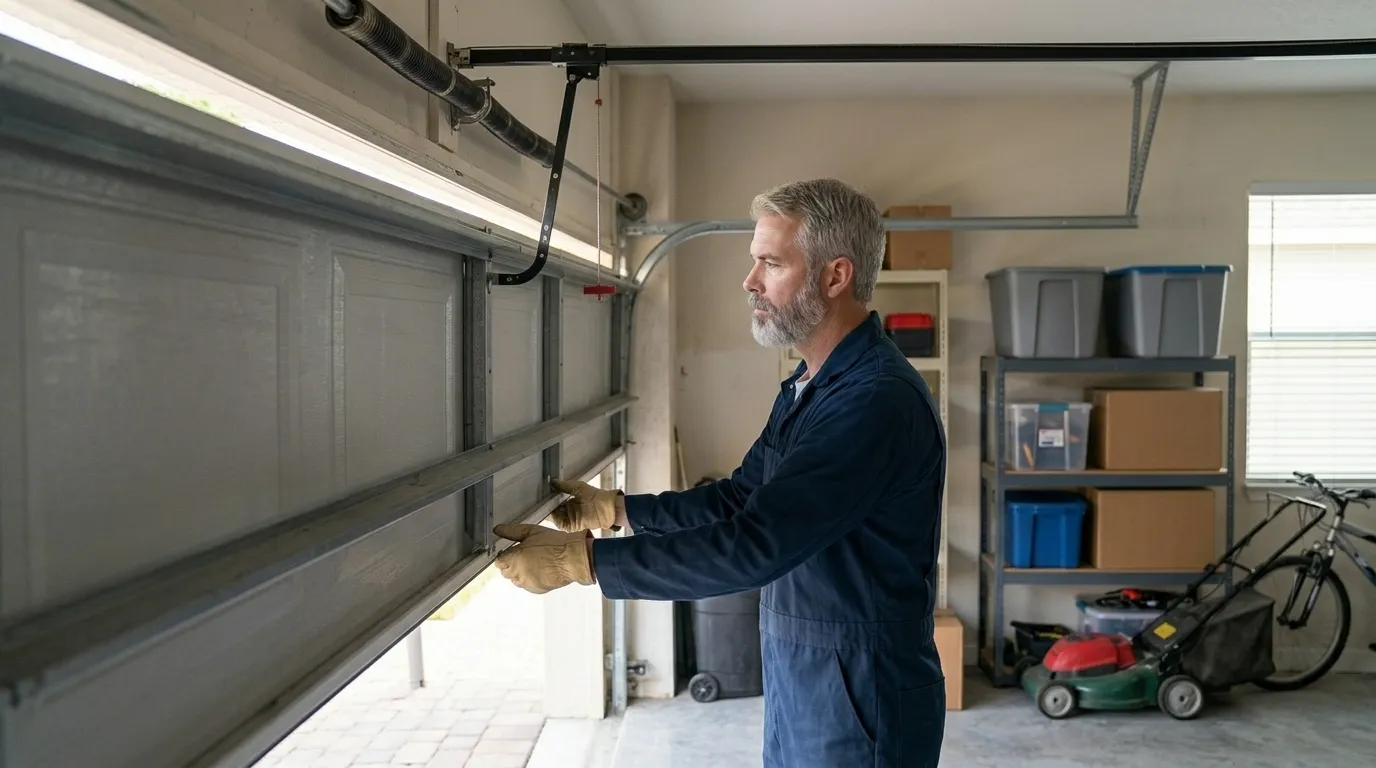
On a house built around 1963, the most common call we get is a torsion spring that's finally worn through after decades of cold-weather cycling, paired with an opener that's been quietly overworking to compensate for the slack. The second most common is hardware mismatch - a replacement door hung on original track brackets that were sized for a lighter panel. Both are fixable without tearing out the frame, most of the time. What isn't worth fixing is a door and opener that are both original and both failing at once; at that point, replacing the pair costs less over five years than repairing each separately as it goes. We'll tell you which situation you're in before we write anything up.