Old Streets and New Ones
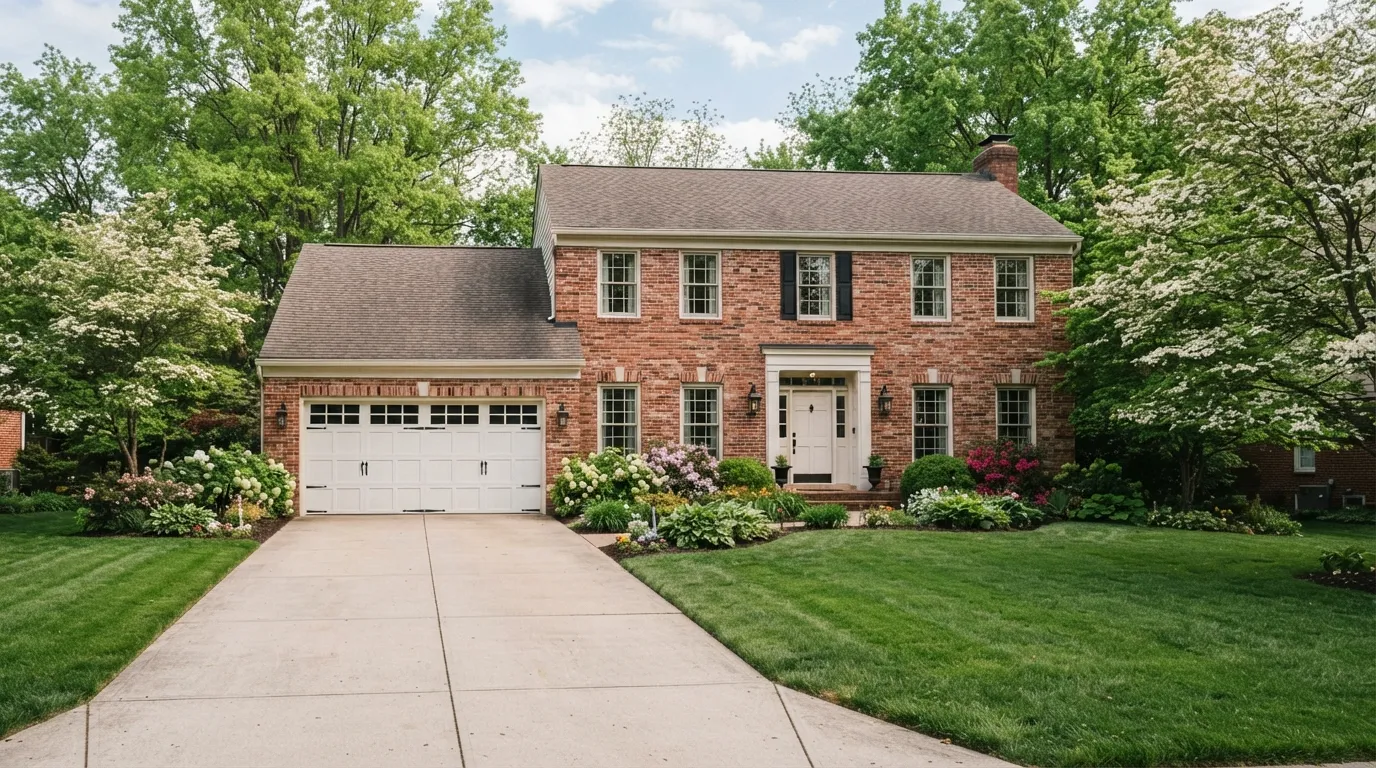
Bradley Beach is a small town - about 2,020 households - and the housing here clusters tightly around one build era instead of spreading across decades the way bigger towns do. The median home here went up around 1970, which puts it right at the front edge of the wider region's 1938-2005 build window. That matters more than it sounds like it should. A door built for a 1970 opening doesn't match the track length, the header clearance, or the spring weight of a door built in 1995, and a lot of the original hardware in this town has never been swapped for anything newer. When we get a call from Bradley Beach, we're usually looking at a door that's original or close to it, on a house that hasn't been touched since the driveway was poured. That's a different job than a service call in a newer subdivision, and we plan the parts we bring accordingly.
What We Do Not Do
We don't keep a depot in Bradley Beach - we run out of Toms River, about 17 miles off, and that's worth saying plainly rather than dressing up. It means we're not the crew for a same-day panic call where every minute counts; we schedule the trip, we don't drop what we're doing across town. We also don't carry every obsolete panel width or non-standard spring length on the truck for a first visit - some of the original 1970-era hardware on doors out here was sized to specs nobody stocks off the shelf anymore, and if that's what we find, the first visit is diagnosis and the second is the fix. If a door is far enough gone that patching it means spending most of a replacement's cost to keep an original 1970 frame alive, we'll say so instead of running up a bill on a door that's not worth saving.
How That Shows Up in the Door
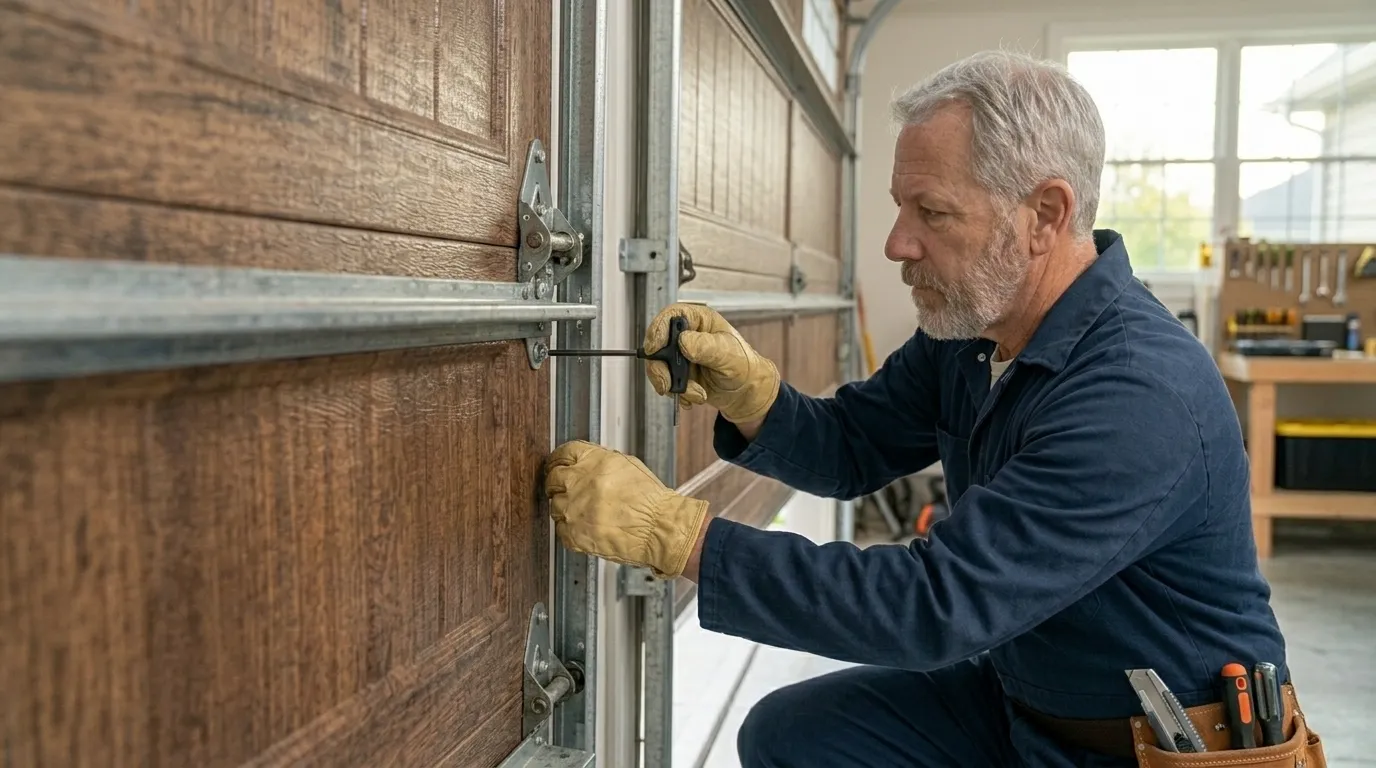
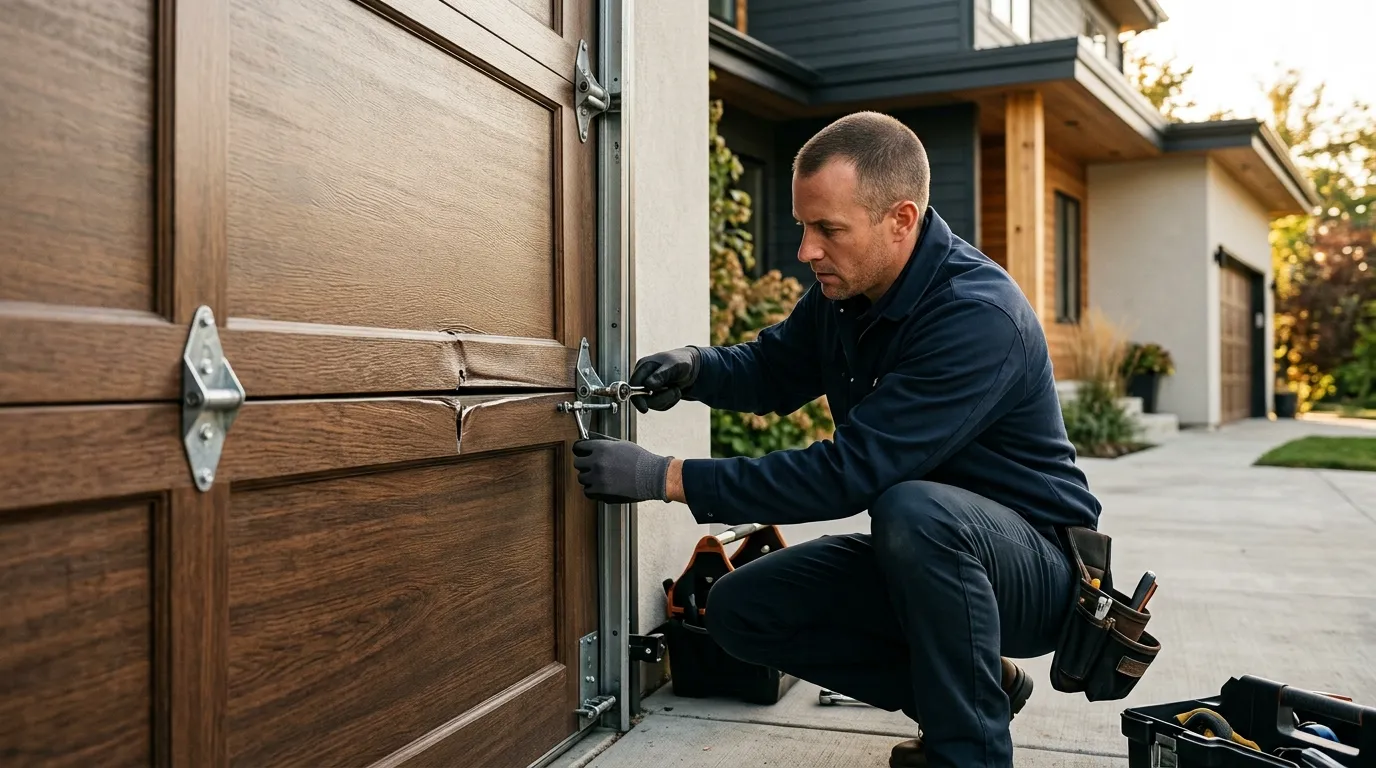
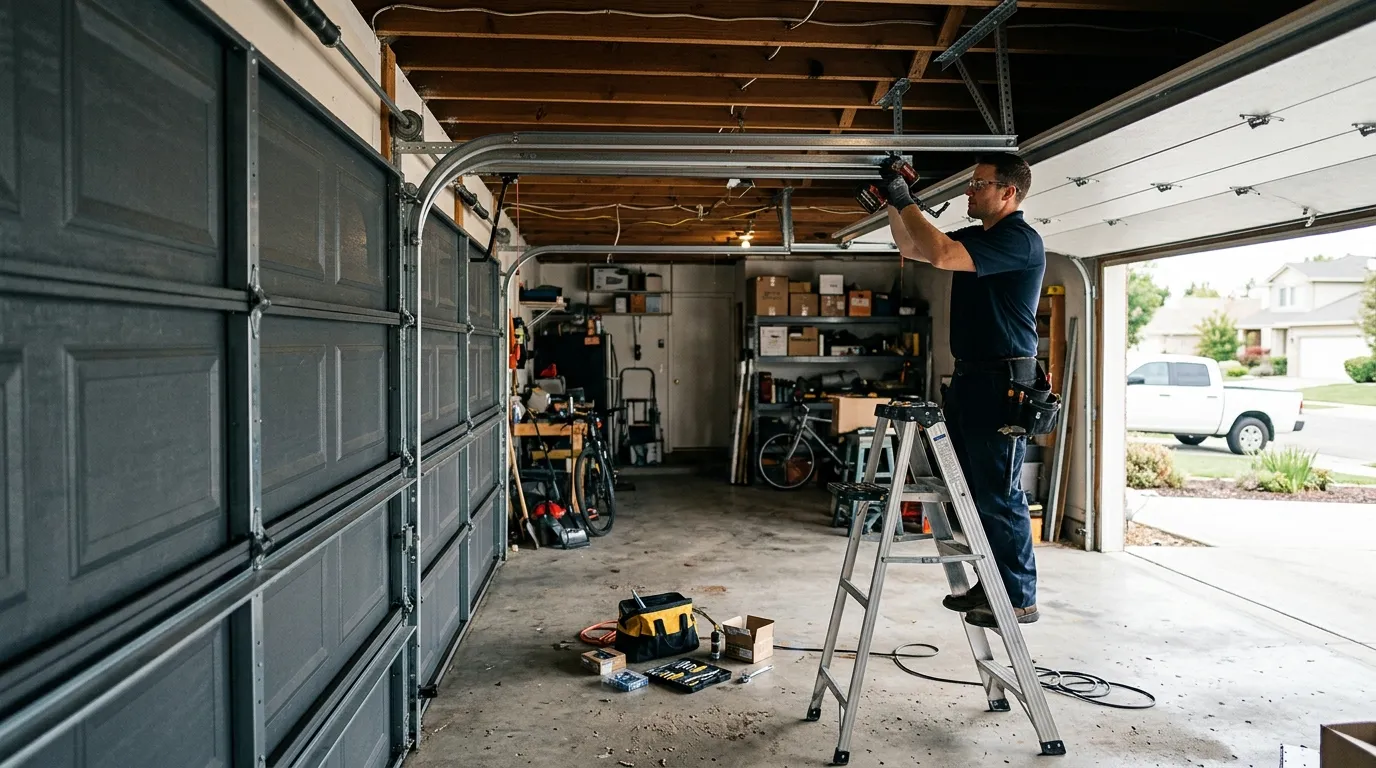
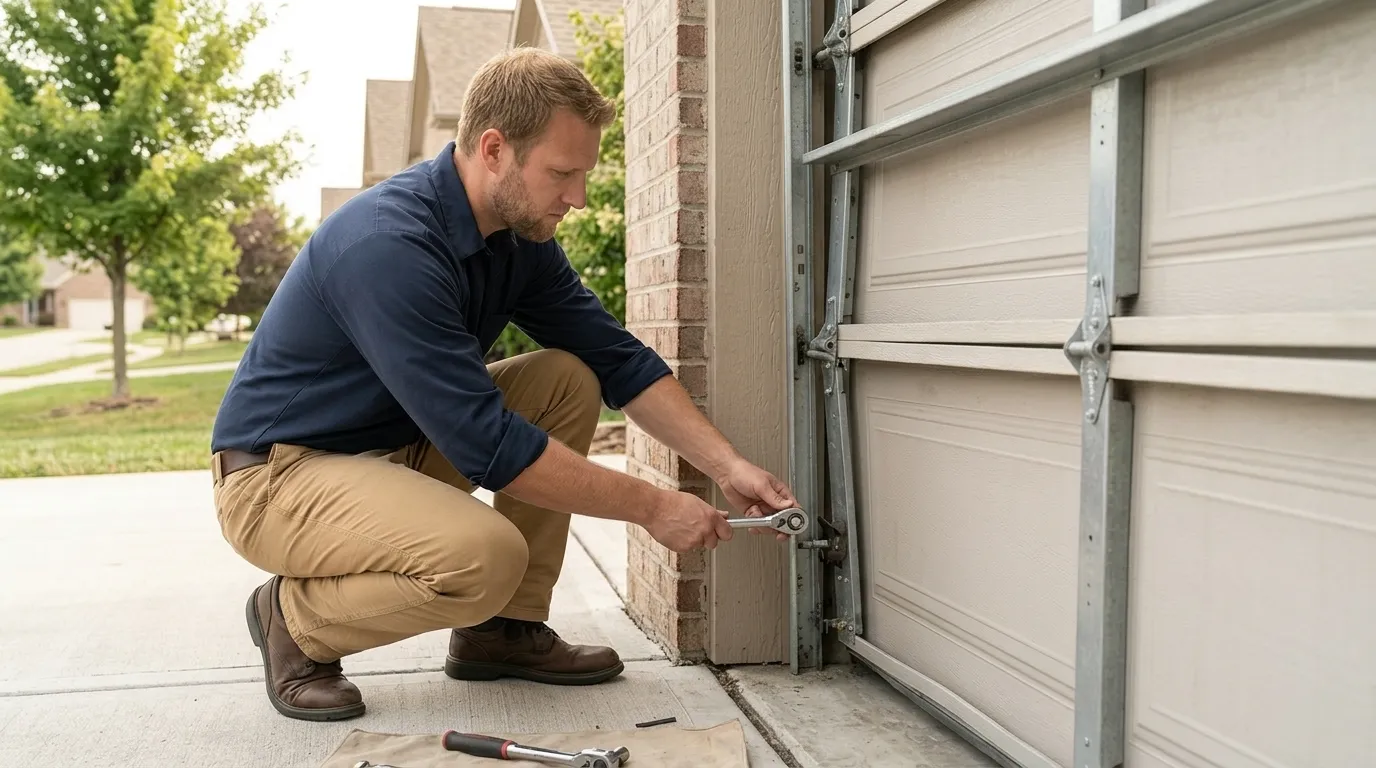
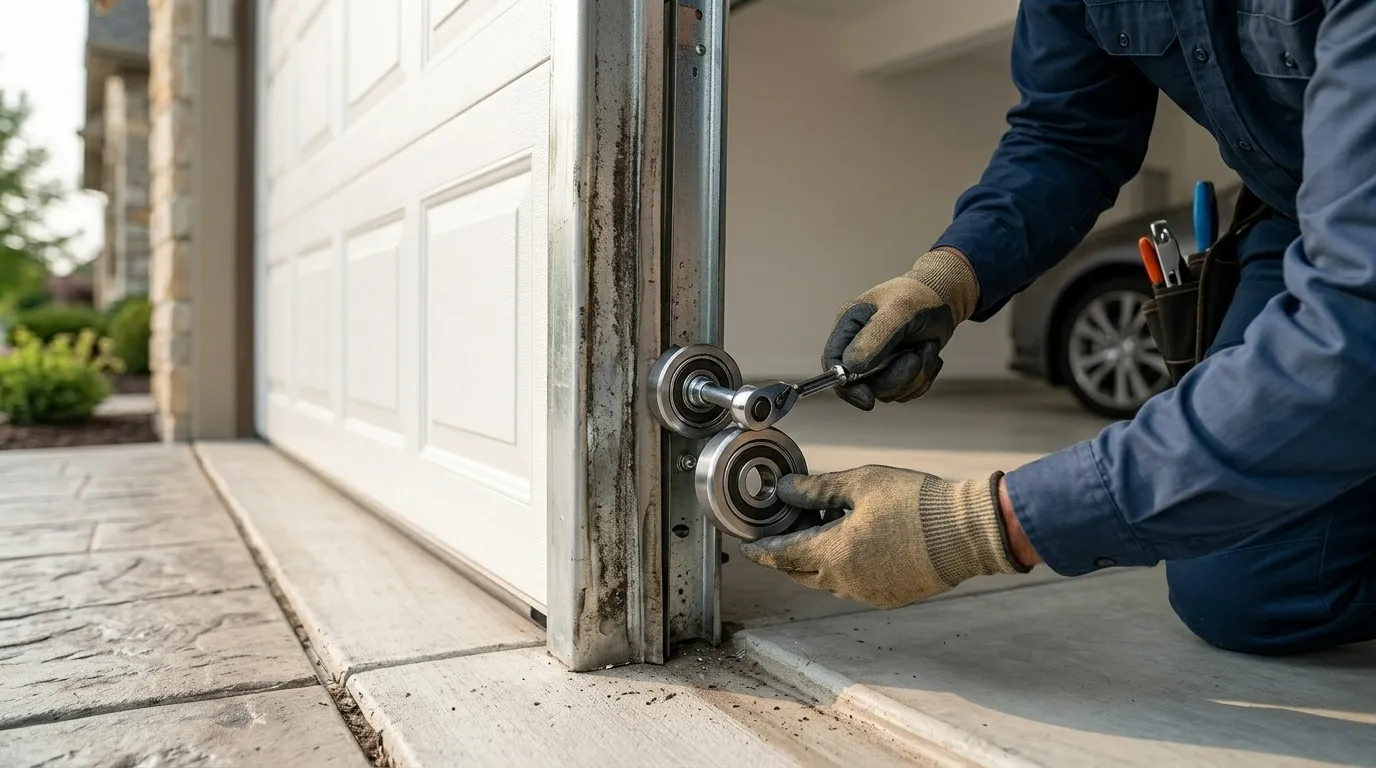
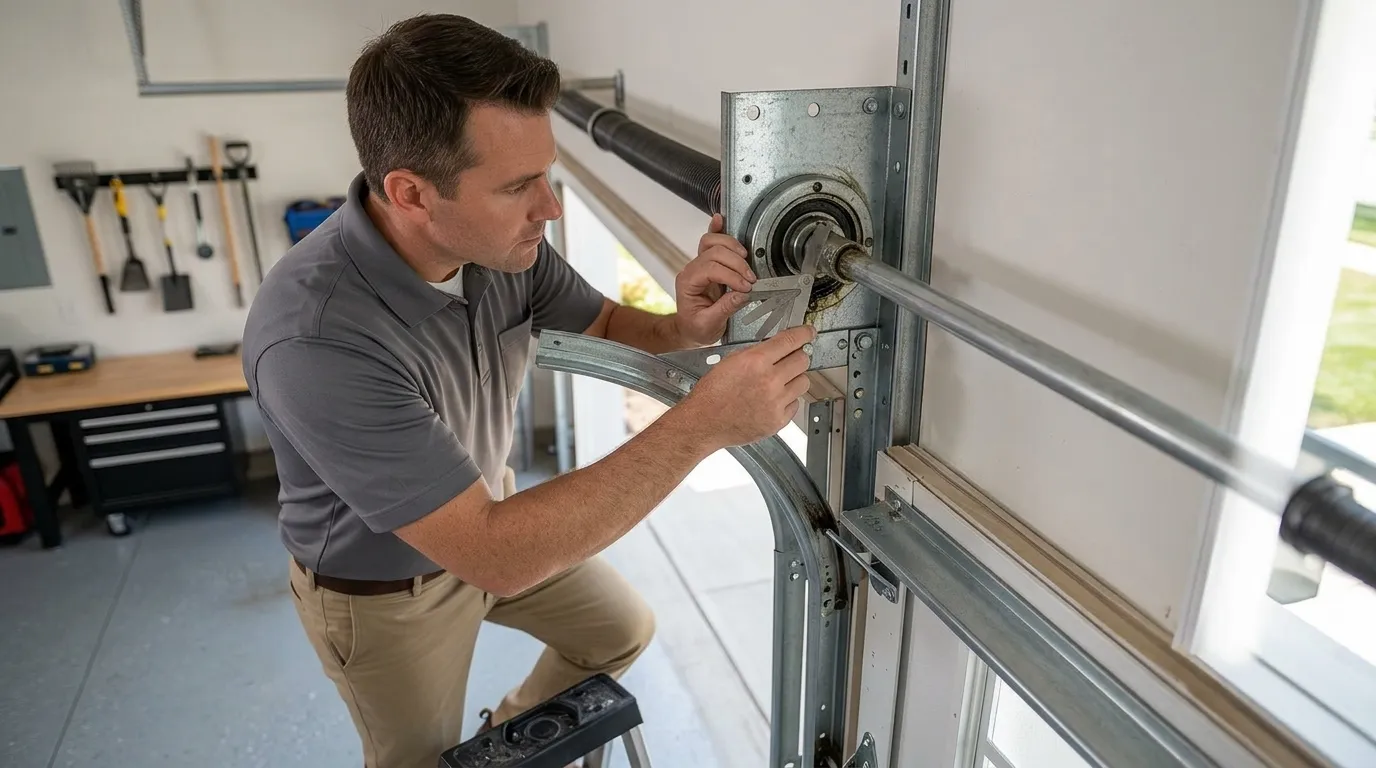
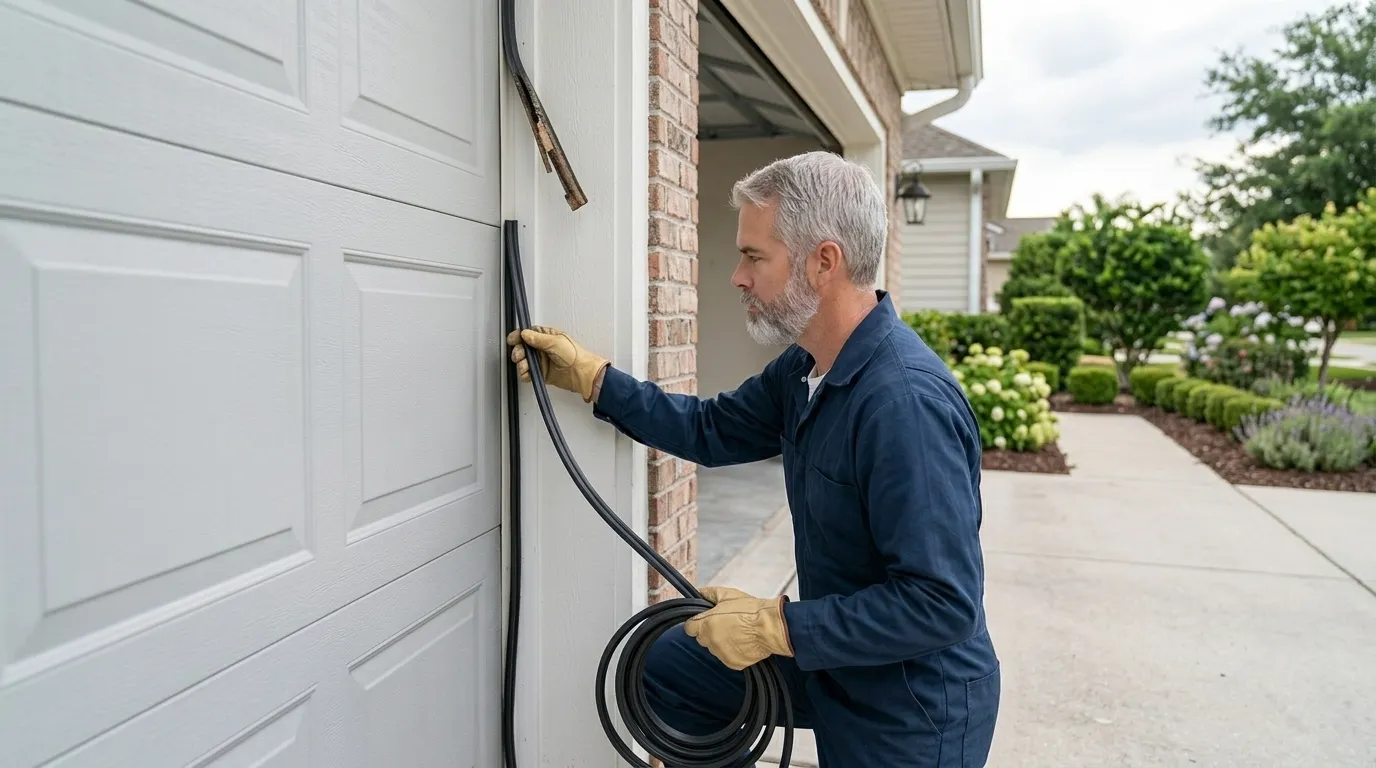
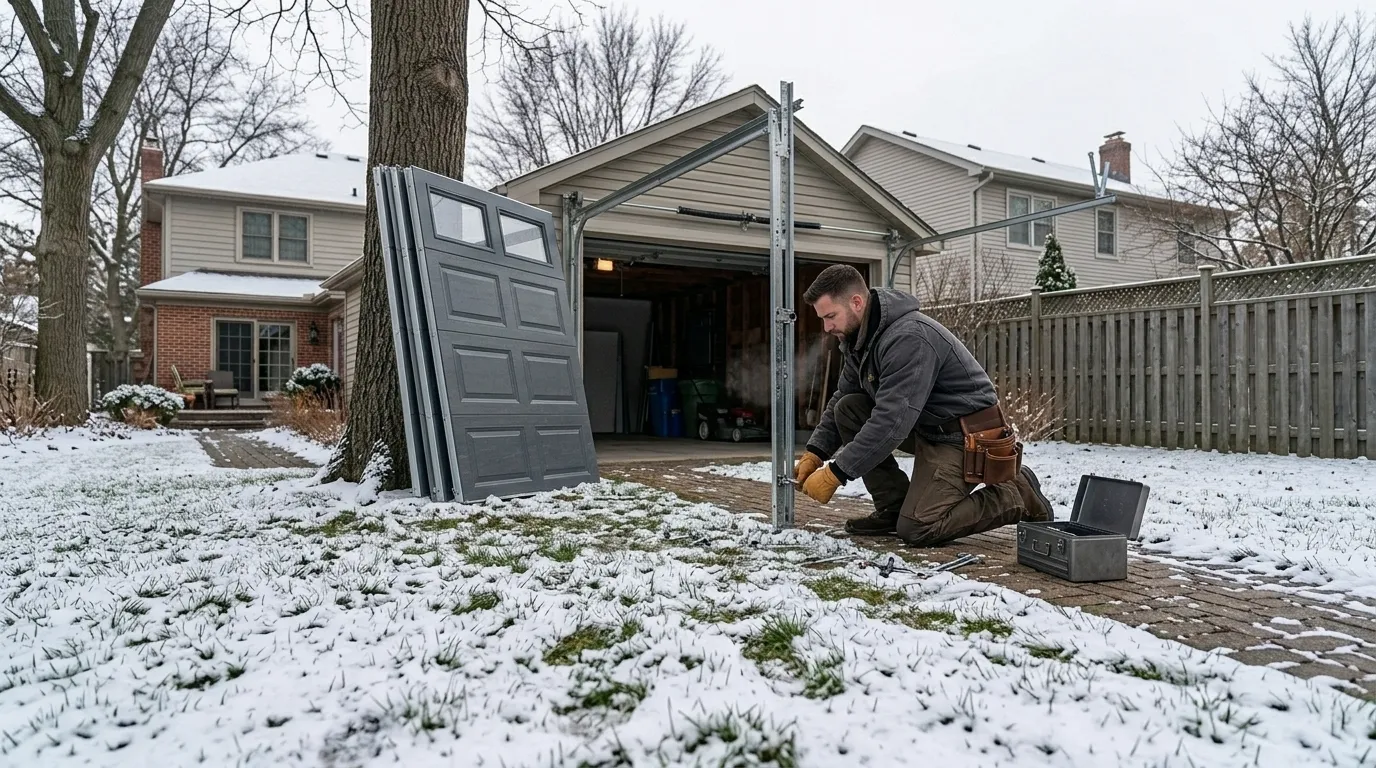
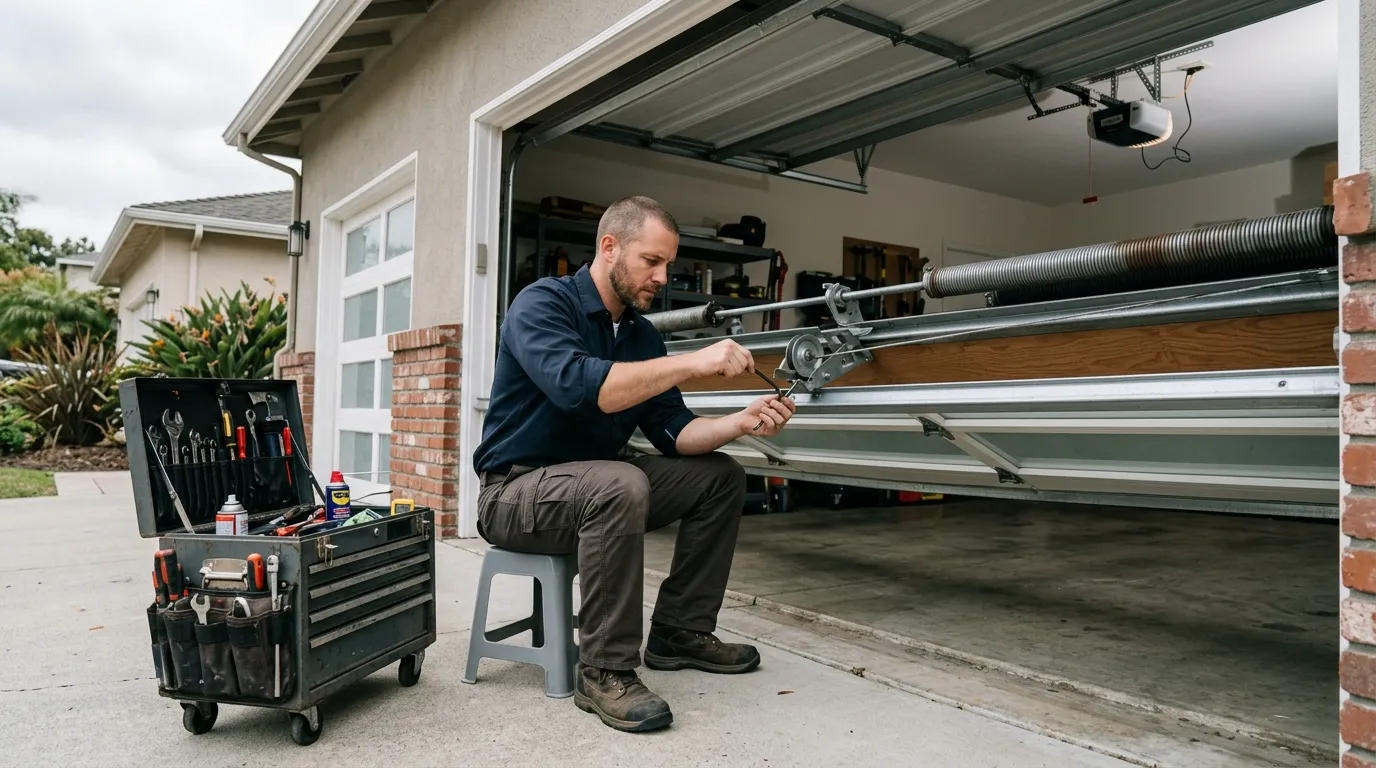
On a door built around 1970, the two failures we see most are torsion springs that were never rated for the door's actual weight after decades of panel sag, and openers bolted onto header framing that was never meant to carry a chain-drive unit - those got added on later, not built in. Cold-severe winters make both worse: cold steel gets brittle at the spring coil, and an opener under strain in low temperatures draws harder and burns out sooner. Weatherstripping on a door this age has usually been patched more than once, which means the bottom seal rarely matches the track it's sitting in anymore. None of this is dramatic - it's slow wear catching up all at once, which is exactly what you'd expect from a town where the housing stock is this consistently one age.