Old Streets and New Ones
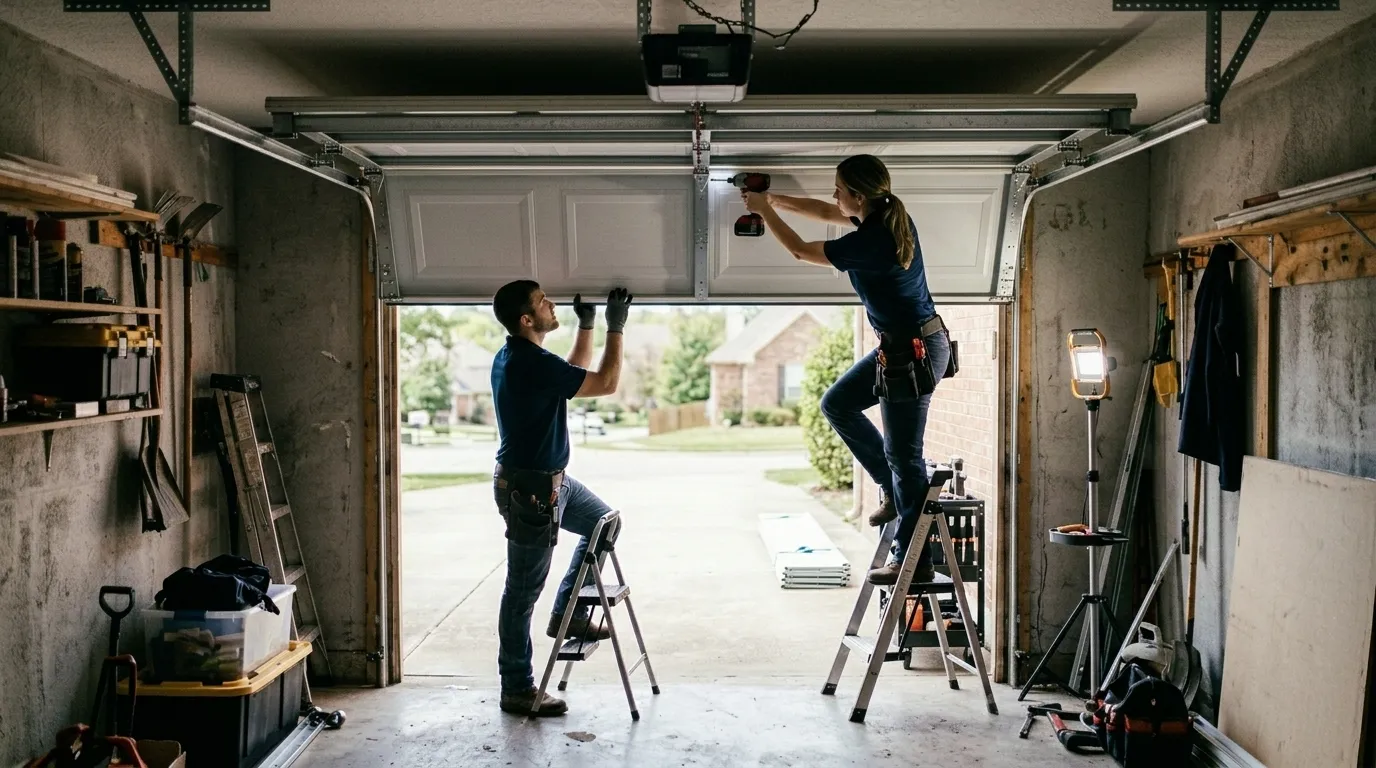
Asbury Park's housing stock centers on a median build year of 1959, more than a decade earlier than the 1972 median for the wider Toms River service area we cover. That gap matters more than it sounds. A door installed in 1959 was likely replaced once already, maybe twice, and each swap left behind a different track width, a different spring size, or a header opening that doesn't match what a big-box store sells off the shelf today. We're 18 miles out from our Toms River shop when we take a call here, which puts Asbury Park on the far end of our route rather than the near end - worth knowing if you're comparing us to someone closer. With roughly 7,668 households in the area and a median income of $71,080, this isn't a neighborhood full of new-construction three-car garages. It's older single doors and older double doors, on hardware that a lot of newer techs don't carry parts for. We do, but we bring what the job calls for, not a generic kit.
What We Do Not Do
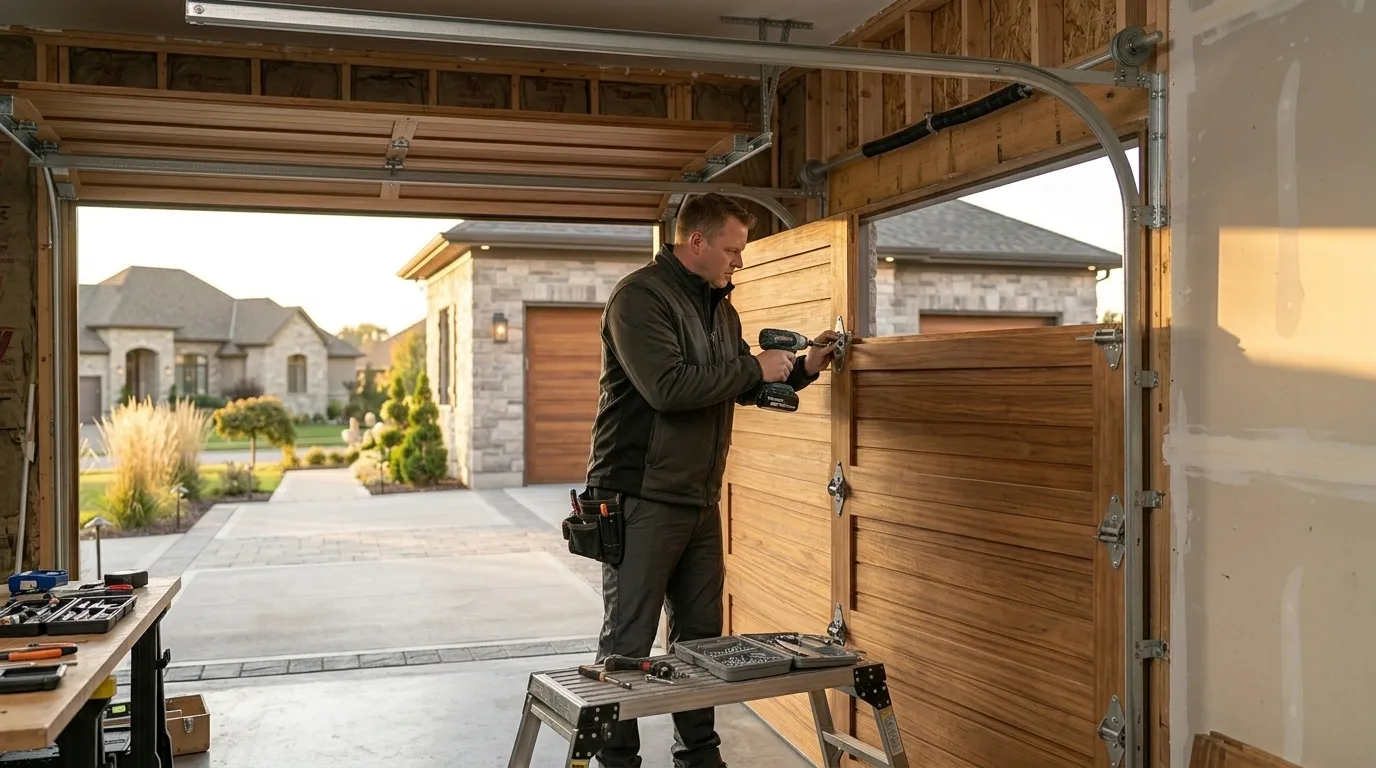
We don't keep a depot or a truck stationed in Asbury Park - every job here is a trip out from Toms River, so same-day emergency work depends on where our trucks already are that day. We don't do new construction framing or garage additions; we work on doors and openers already in place. We don't stock every obsolete torsion spring size on the truck either - some older 1950s and 60s openings used spring wire diameters that aren't common stock anymore, and those jobs sometimes need a special order part with a short wait. If your door is original to a 1959 build and nobody's touched the spring system since, that's worth telling us on the call, because it changes what we bring. We also won't tell you to replace a door that just needs a spring or a cable - if the panels are sound, we'll say so, even though a full replacement pays more.
How That Shows Up in the Door
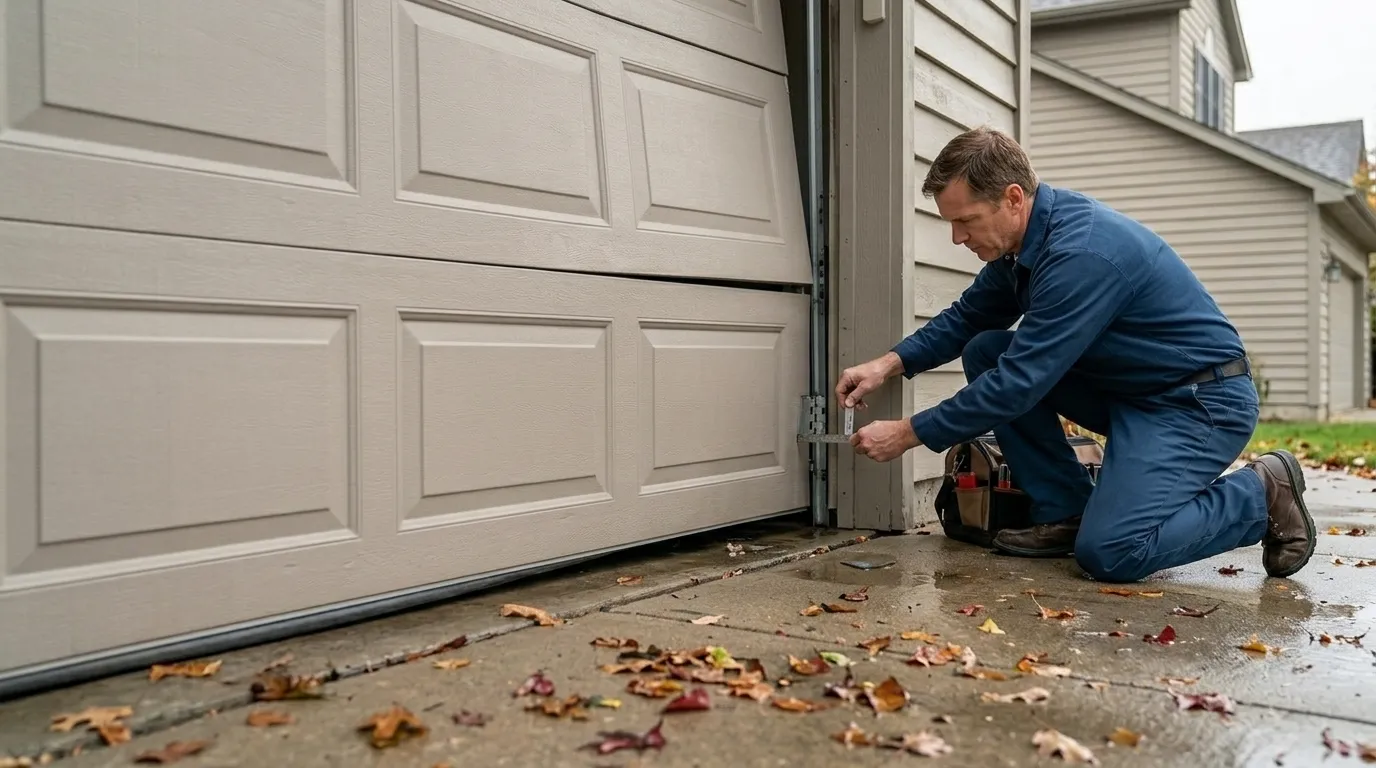
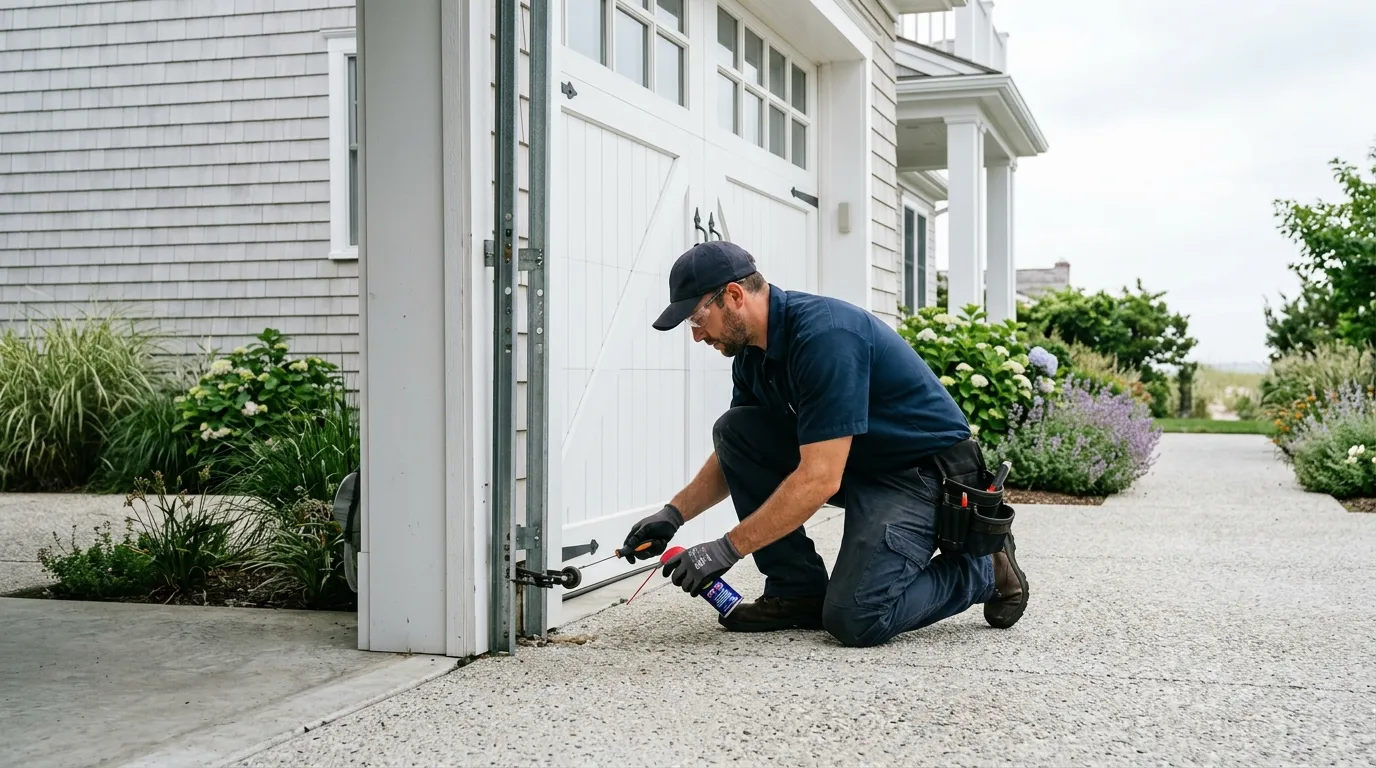
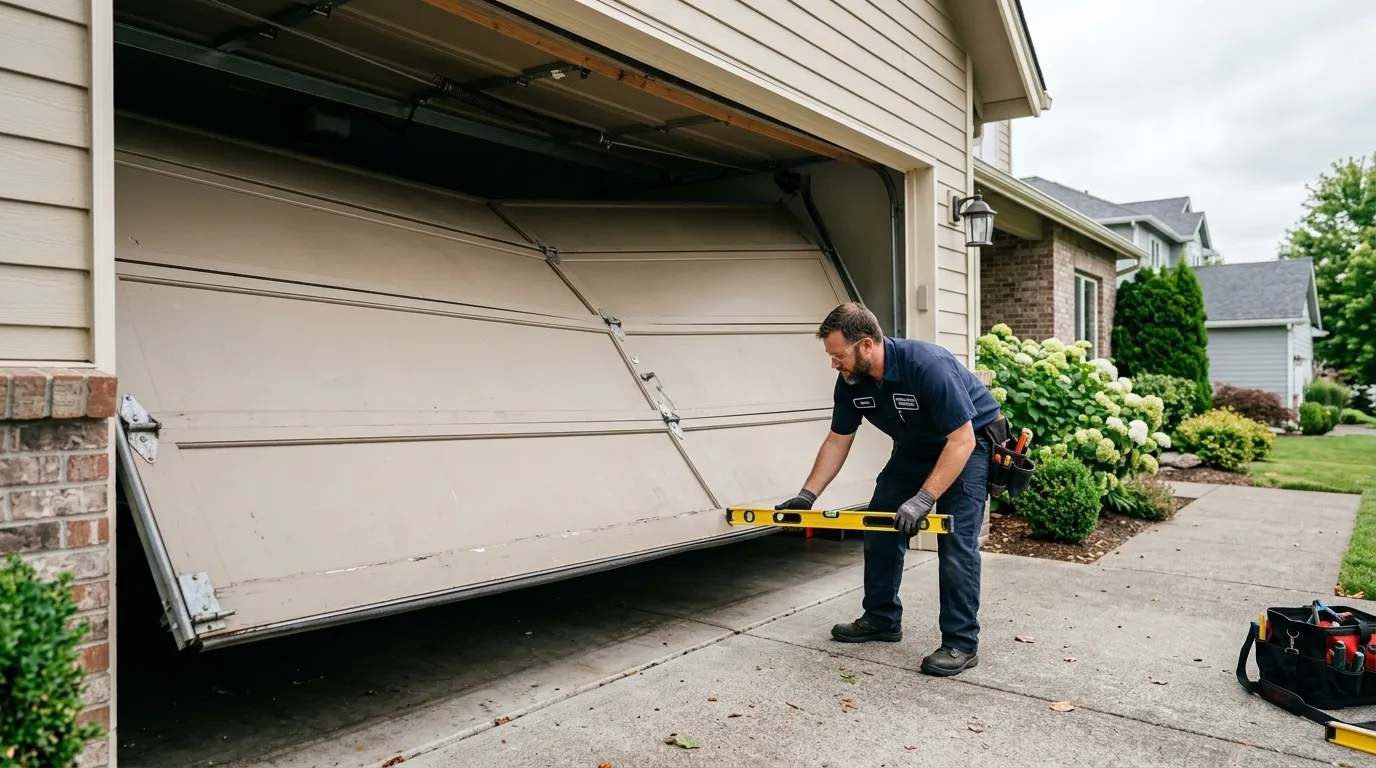
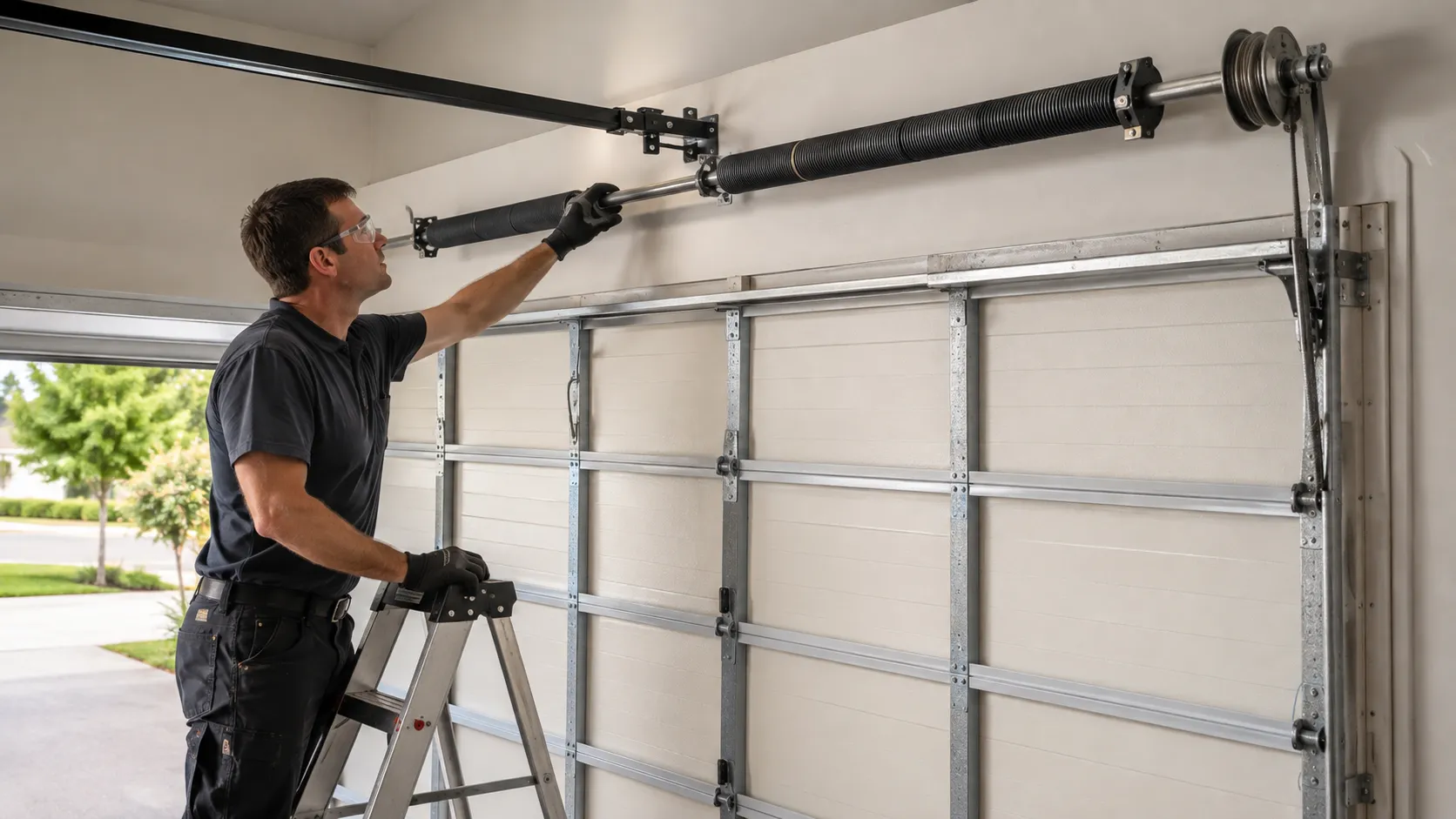
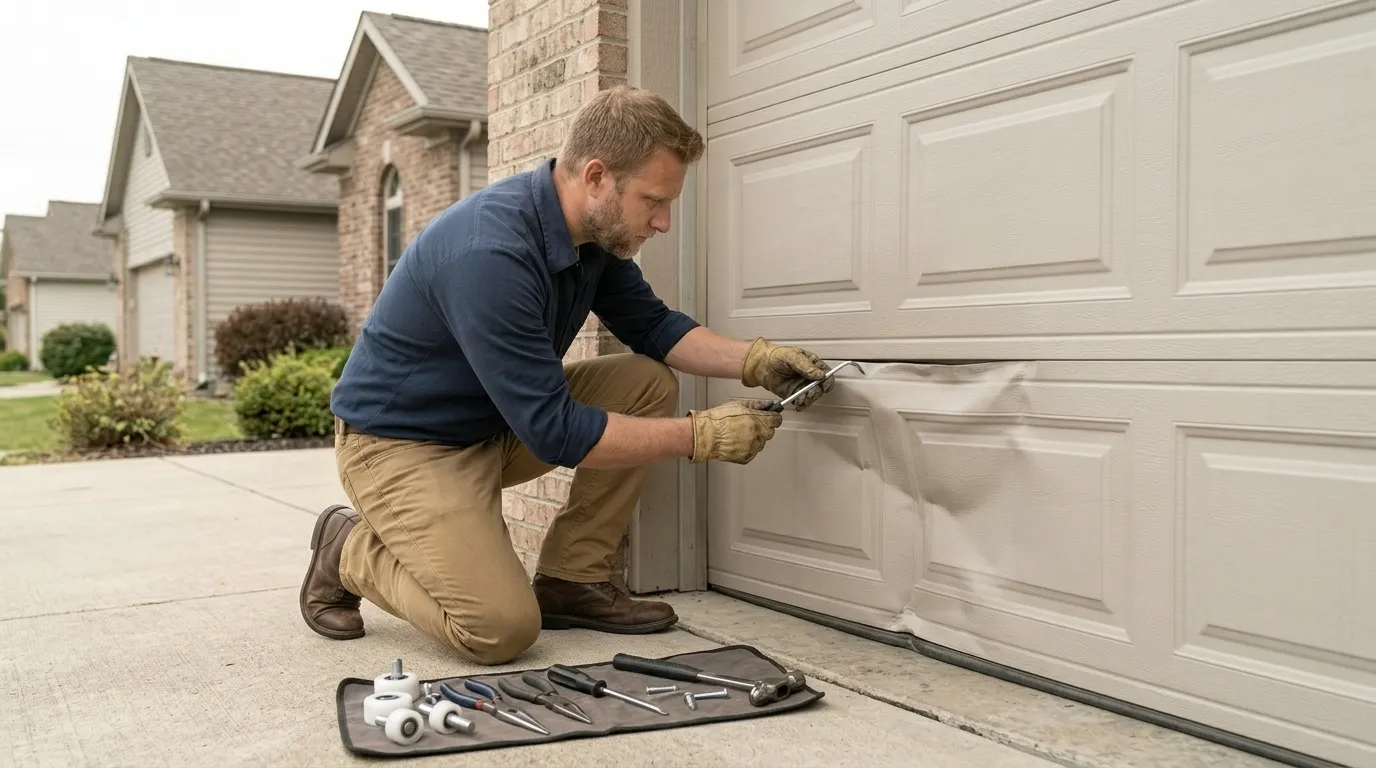
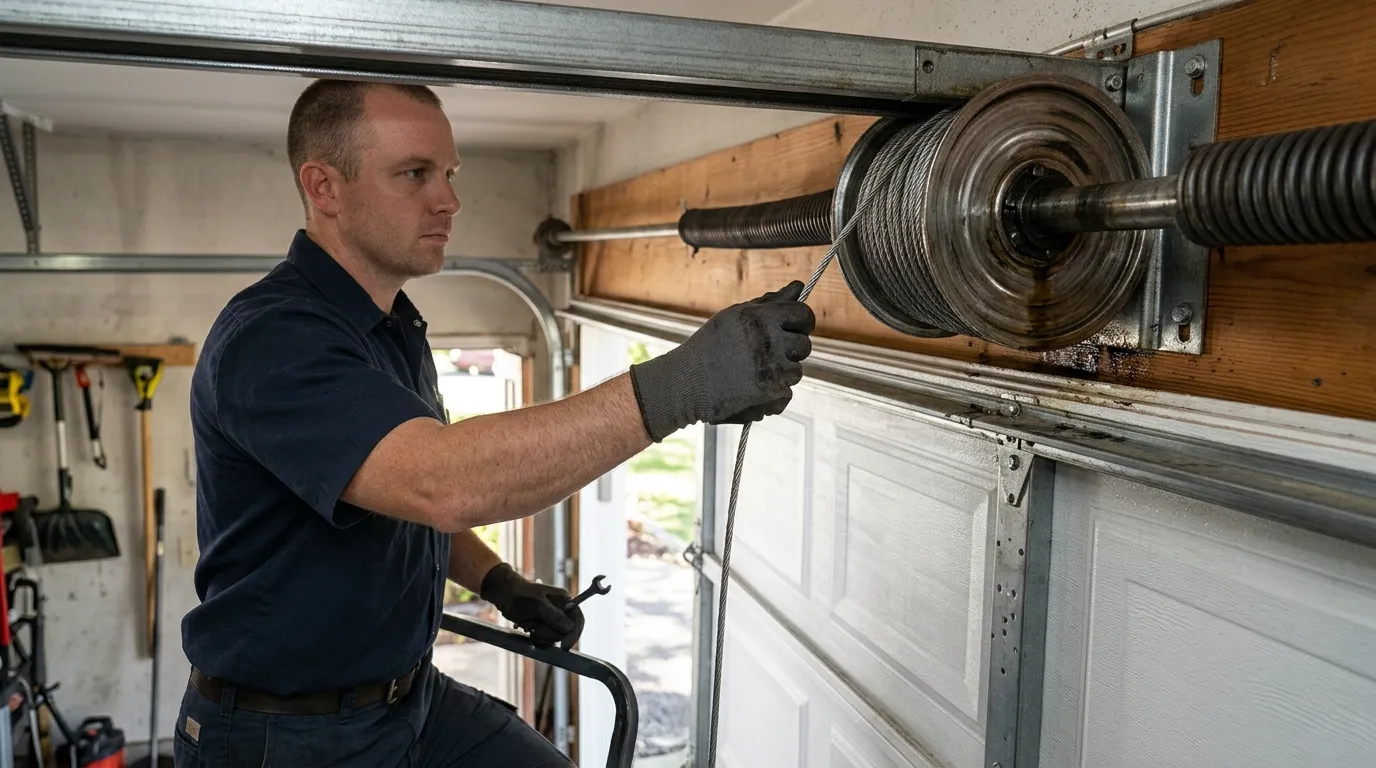
On a service call in this area, we're checking the spring winding cones for the older galvanized coating that 1950s and 60s torsion springs used, since it wears differently than the zinc-coated springs sold today and can look fine right up until it snaps. We're also looking at the track alignment on doors that got a second opener bolted on later without the rollers or hinges being upgraded to match - a common shortcut on older single-door conversions. Cold, severe winters mean the steel contracts each night and expands each afternoon sun, so hairline seam gaps that started small in 1959 have had decades to work themselves wider. None of this is exotic work. It's just work that goes faster when the tech already expects an older torsion setup instead of guessing based on what's typical in a newer subdivision twenty minutes away.