Old Streets and New Ones
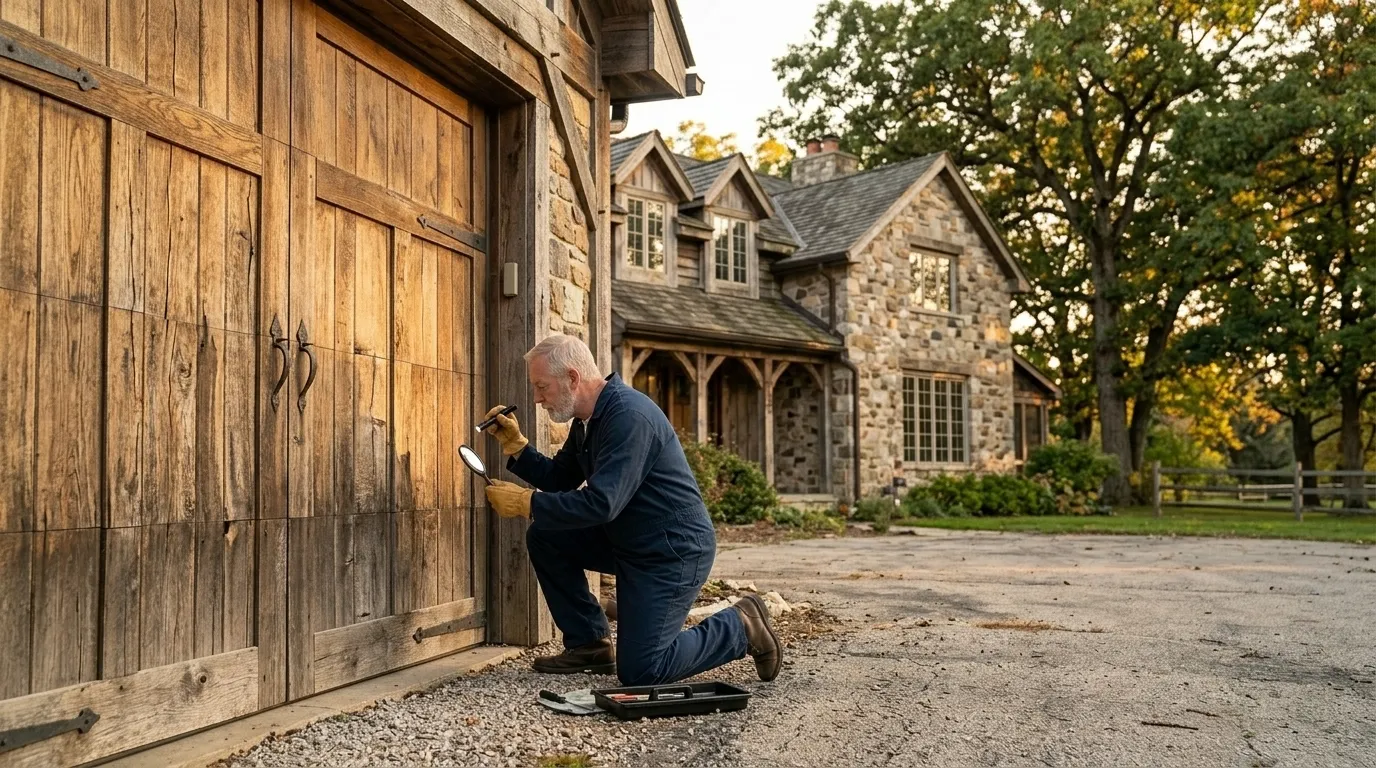
Allenhurst isn't like most of the towns we cover out of Toms River. Across our wider service area, the median house went up around 1972, with plenty of stock from the 1960s and 70s. Allenhurst's median build year is 1938 - more than three decades earlier. That gap matters more than it sounds like it should. A door installed on a house built in 1938 has usually been replaced once or twice already, but the opening itself, the framing, the header clearance, often hasn't changed since the original construction. With only 168 households in Allenhurst, this isn't a subdivision full of identical garages built off one set of plans. Each opening tends to be its own case: narrower bays, lower headroom, sometimes a detached garage set back from the house entirely, which was common practice on older shore-area lots. When we get a call from Allenhurst, we're not expecting a builder-grade door on a track system from twenty years ago. We're expecting something that's been patched, adapted, or replaced piecemeal over eighty-plus years, and we plan the job around that instead of assuming a standard fit.
What We Do Not Do
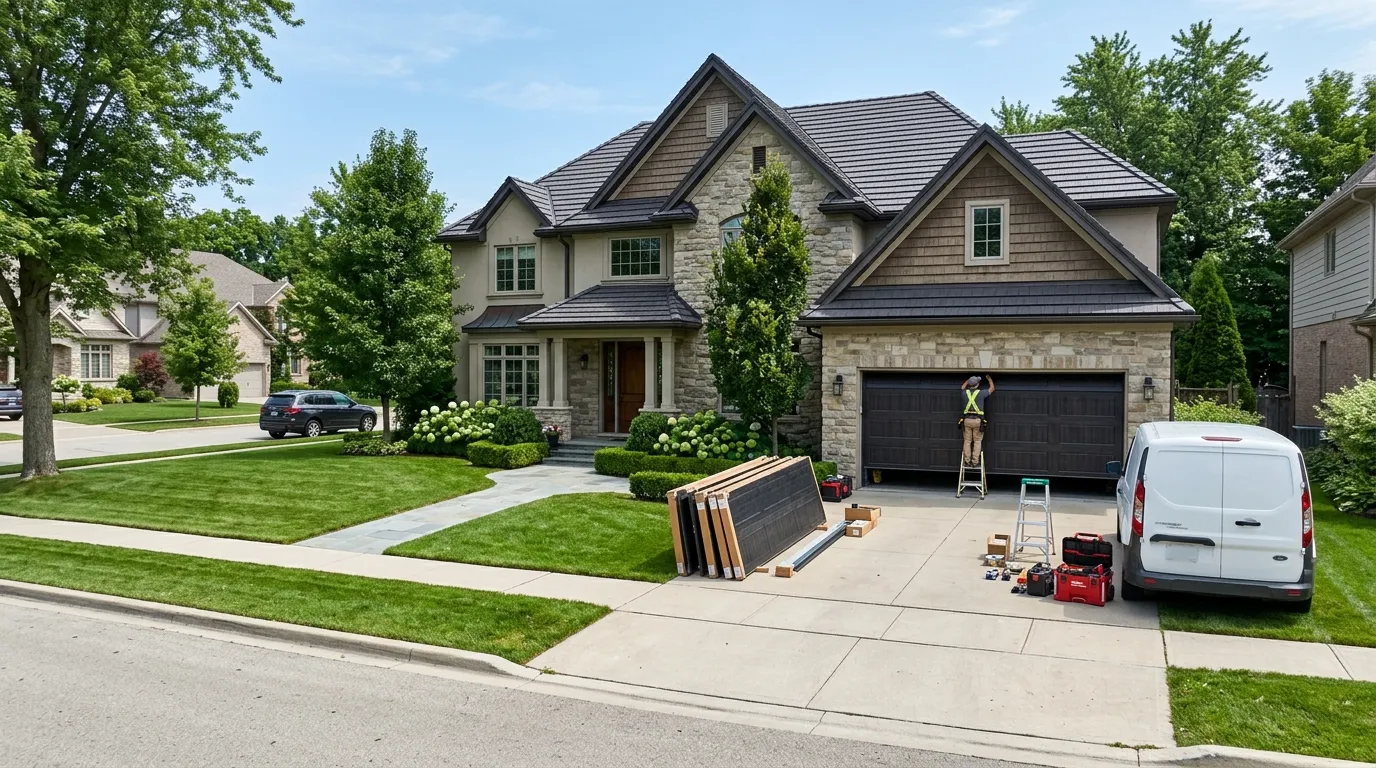
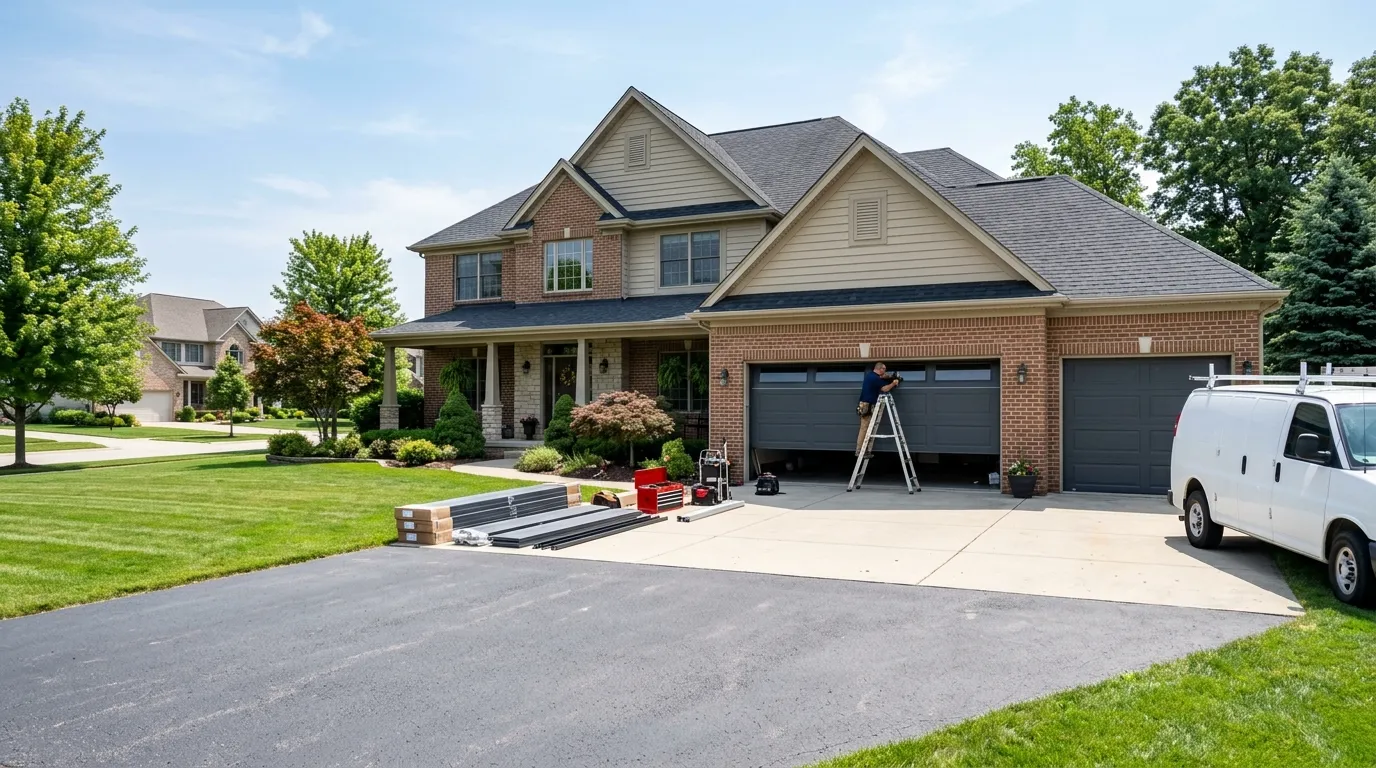
We don't keep a truck stationed in Allenhurst, and we won't tell you we can be there in some fixed number of minutes - we run out of Toms River, 19 miles away, and that drive is part of the job. If a spring or opener part isn't something we carry stock of for an older, non-standard opening, we'll say so rather than guess at a fix on-site. We also won't recommend replacing a full door and frame when the actual problem is a worn roller or a bent track section; on a house this old, matching the original opening size sometimes costs more than it's worth, and we'll tell you that plainly instead of upselling a full tear-out. If the framing itself has settled enough that no standard door will hang square, that's a carpentry problem before it's a garage door problem, and we'll say that too instead of pretending a new door fixes it.
How That Shows Up in the Door
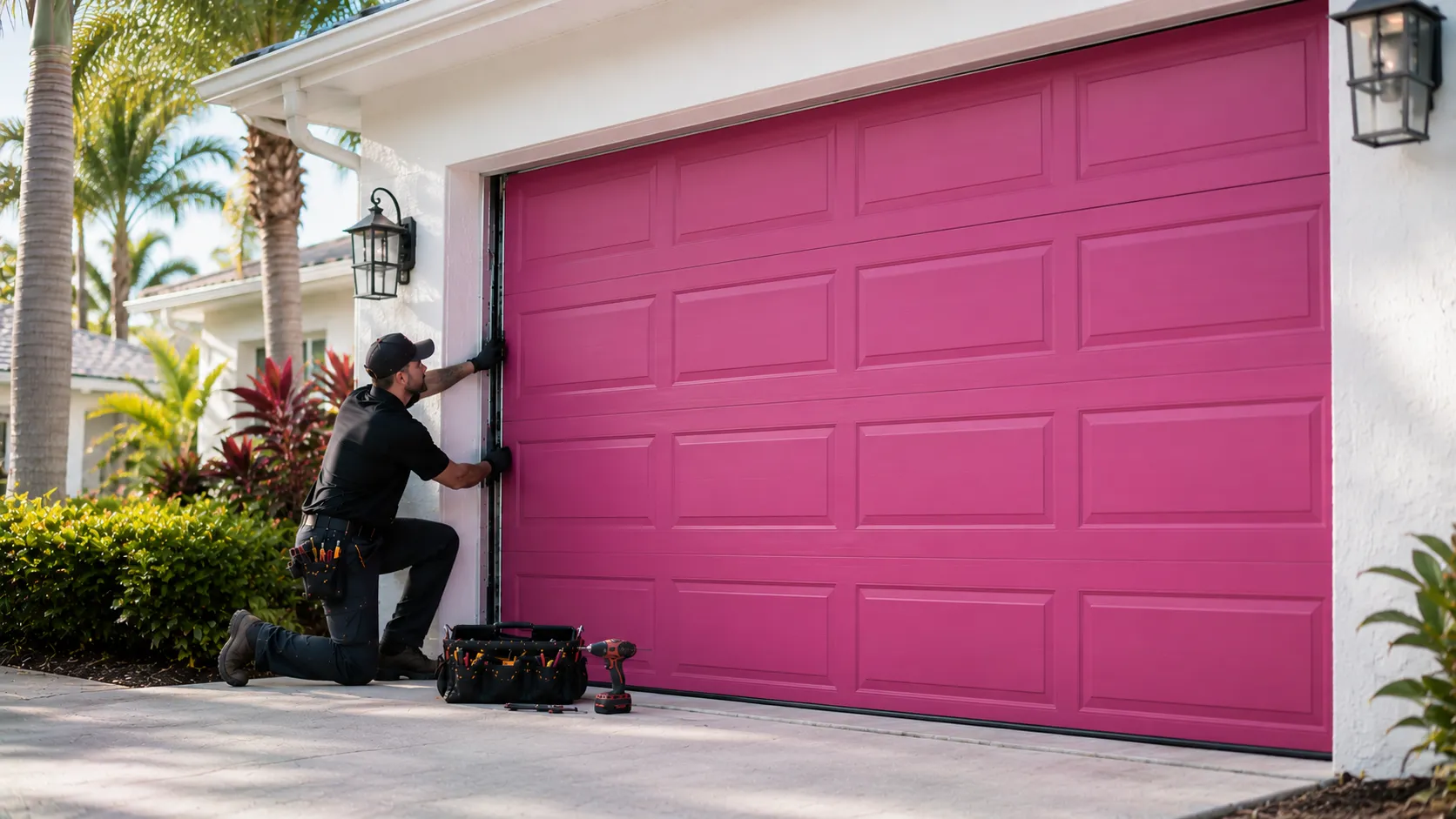
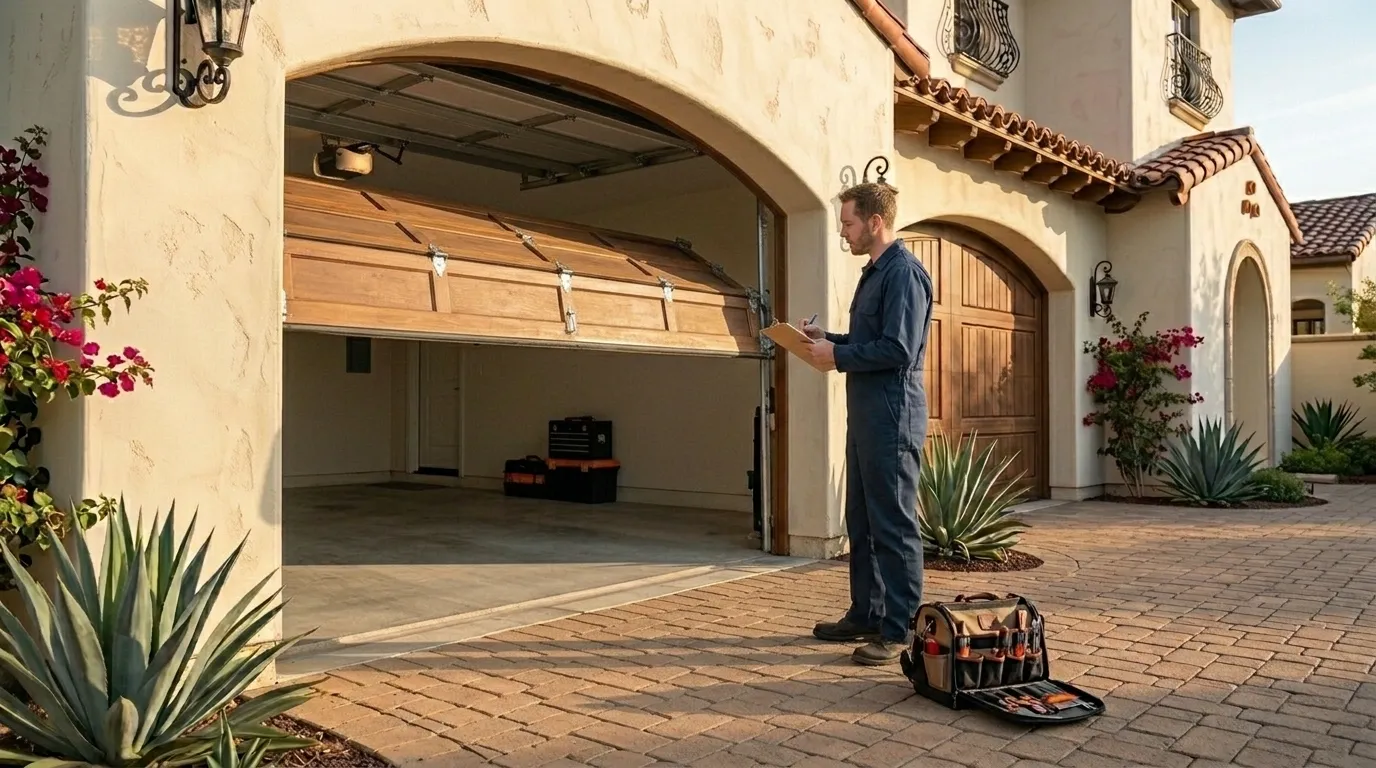
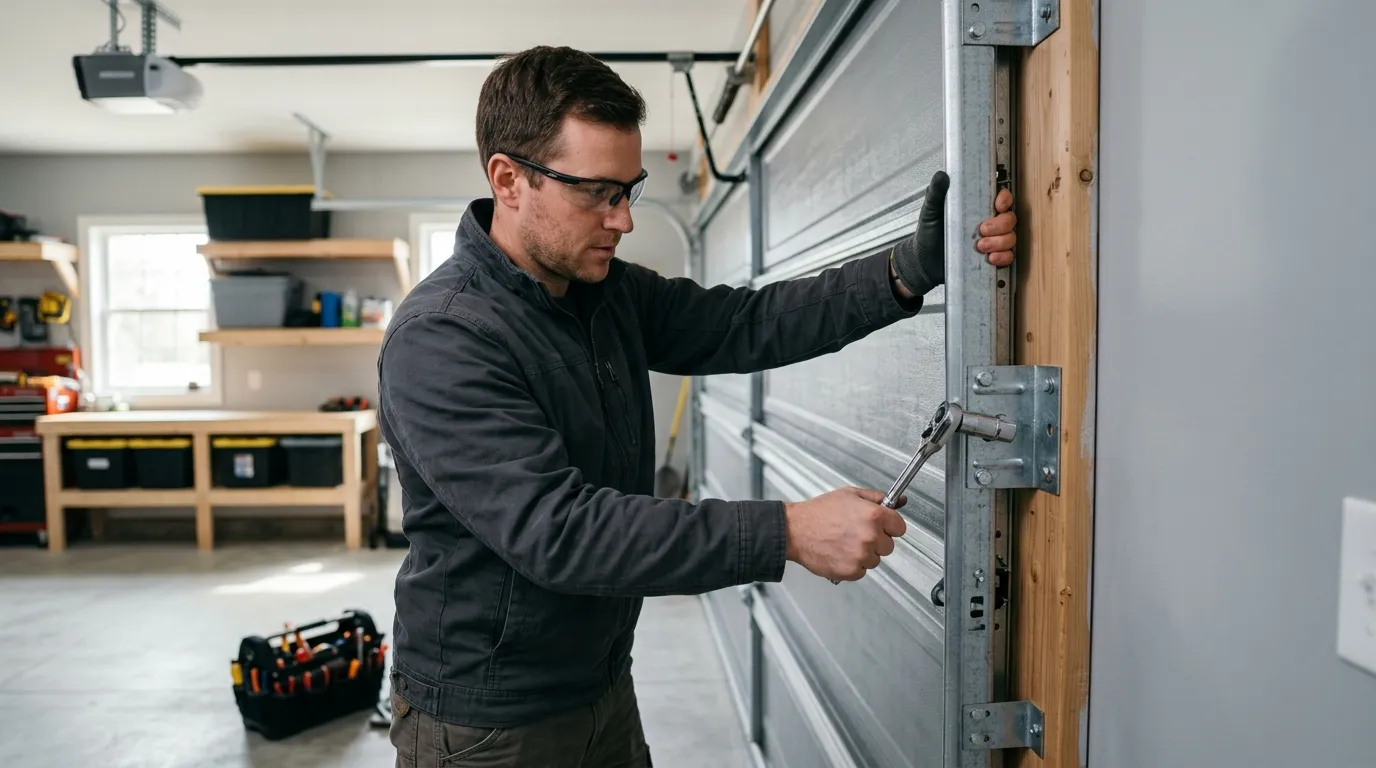
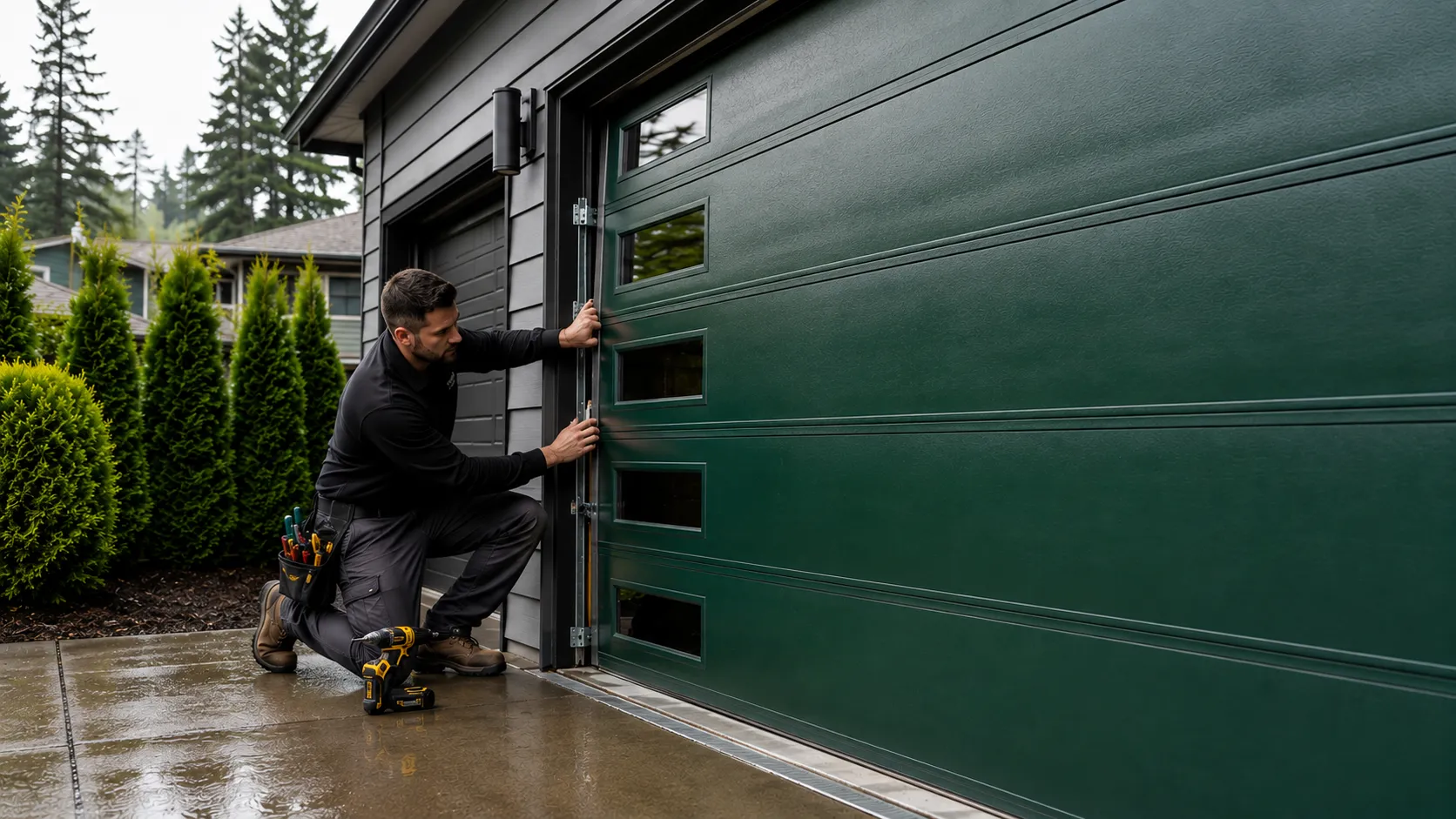
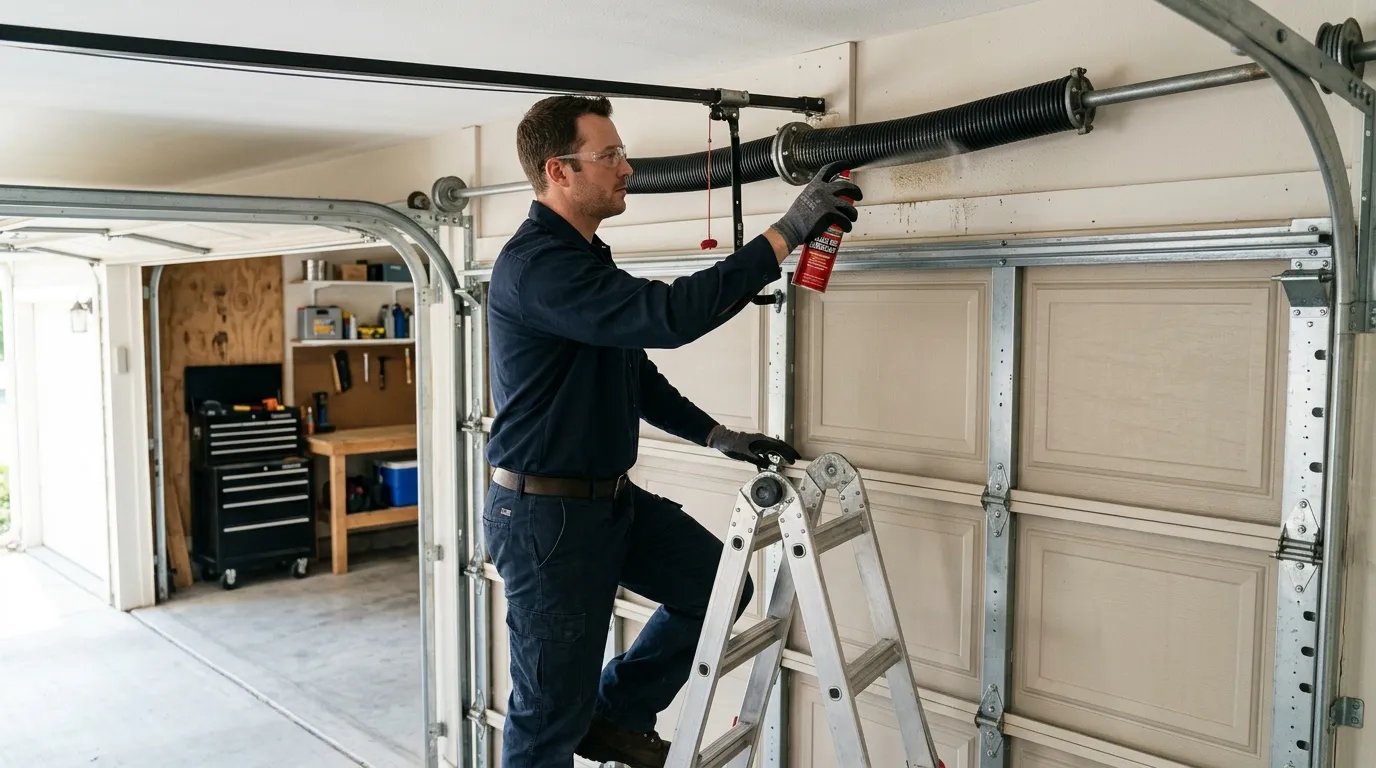
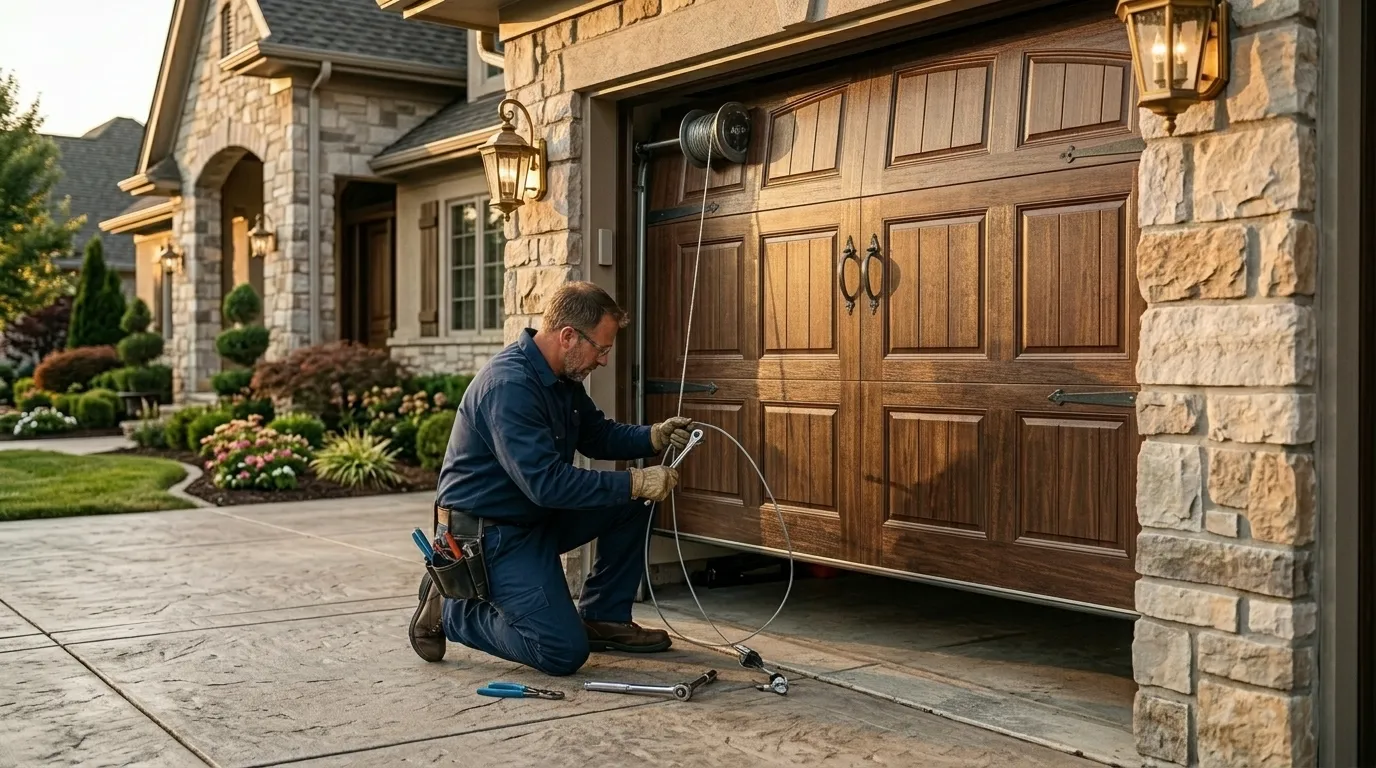
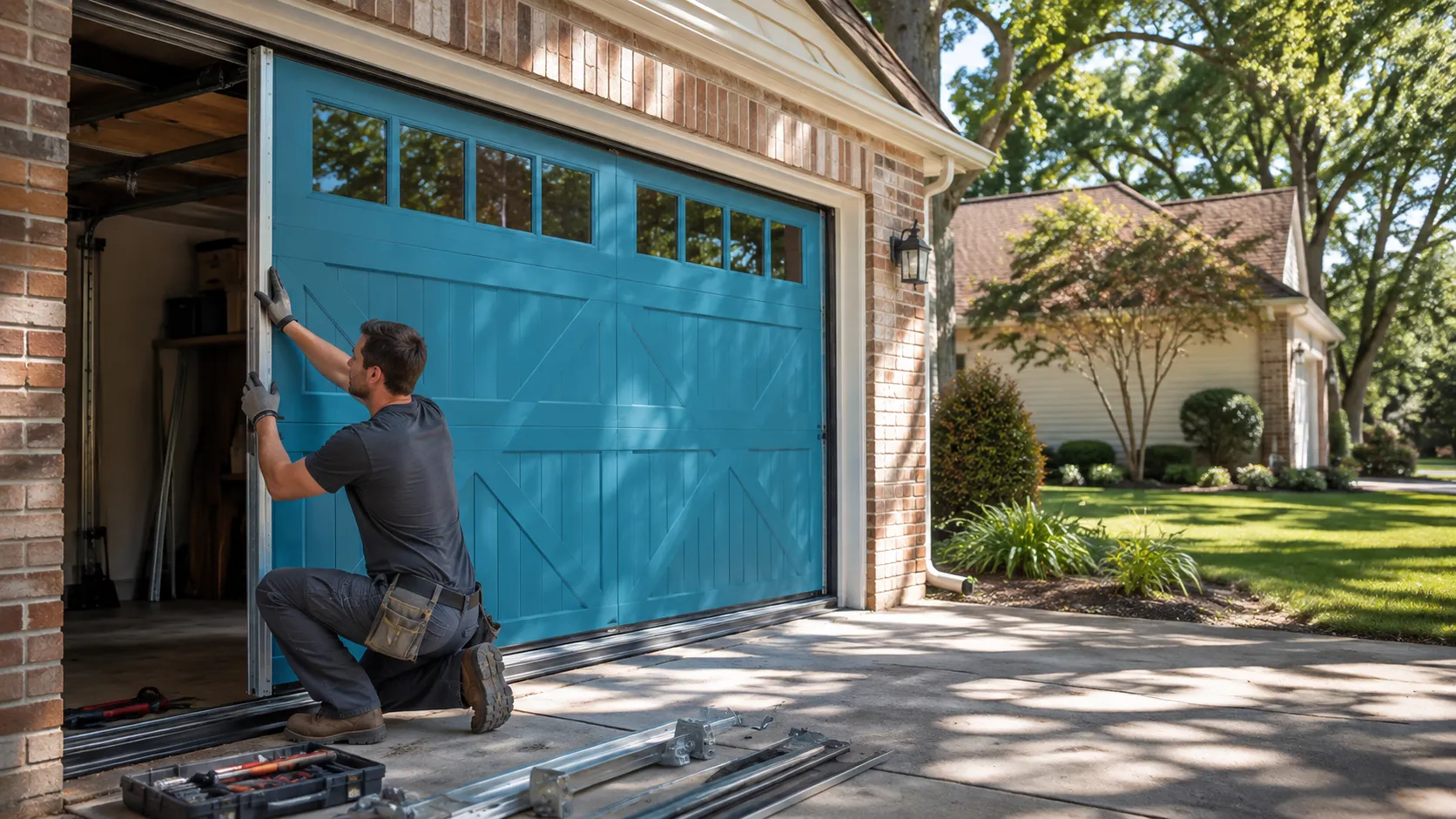
In practice, an Allenhurst service call tends to start with us measuring twice before we quote anything, because the opening rarely matches a stock size cleanly. We check whether the track was rerouted for low headroom, whether the spring on the wall matches the door currently hanging there, and whether the mounting hardware is sunk into original framing or into a repair patch from some point in the last eighty years. Coastal exposure this close to the shore also means more corrosion on exposed hardware than you'd see further inland, so cable and spring condition get a closer look here than they might on a newer inland build. None of this changes what a repair costs to do right - it changes what we check before we say the job is simple.