Where This Job Goes Sideways
Start with the money, because it decides the job before we even look at the door. Median household income in Pine Lake Park runs $87,998, which sits below the $97,037 median across the rest of the service area we cover from Toms River. That gap matters on a panel call: a single cracked or dented section on a newer door is worth fixing, but once a homeowner is staring at two damaged sections plus faded paint on the rest, replacing the whole door often costs less over five years than chasing discontinued panels one at a time.
Housing here mostly went up around 1981, later than the 1972 median across the wider area we serve. That later build date means steel sectional doors on standard-depth tracks rather than the older one-piece or narrow-track hardware you find on the 1960s stock closer to Toms River proper. The failure we see most is seam cracking on foam-core aluminum panels that have been through decades of the cold-climate freeze-thaw cycle this part of New Jersey gets - the foam pulls away from the skin at the bottom corners first, right where water sits after a thaw.
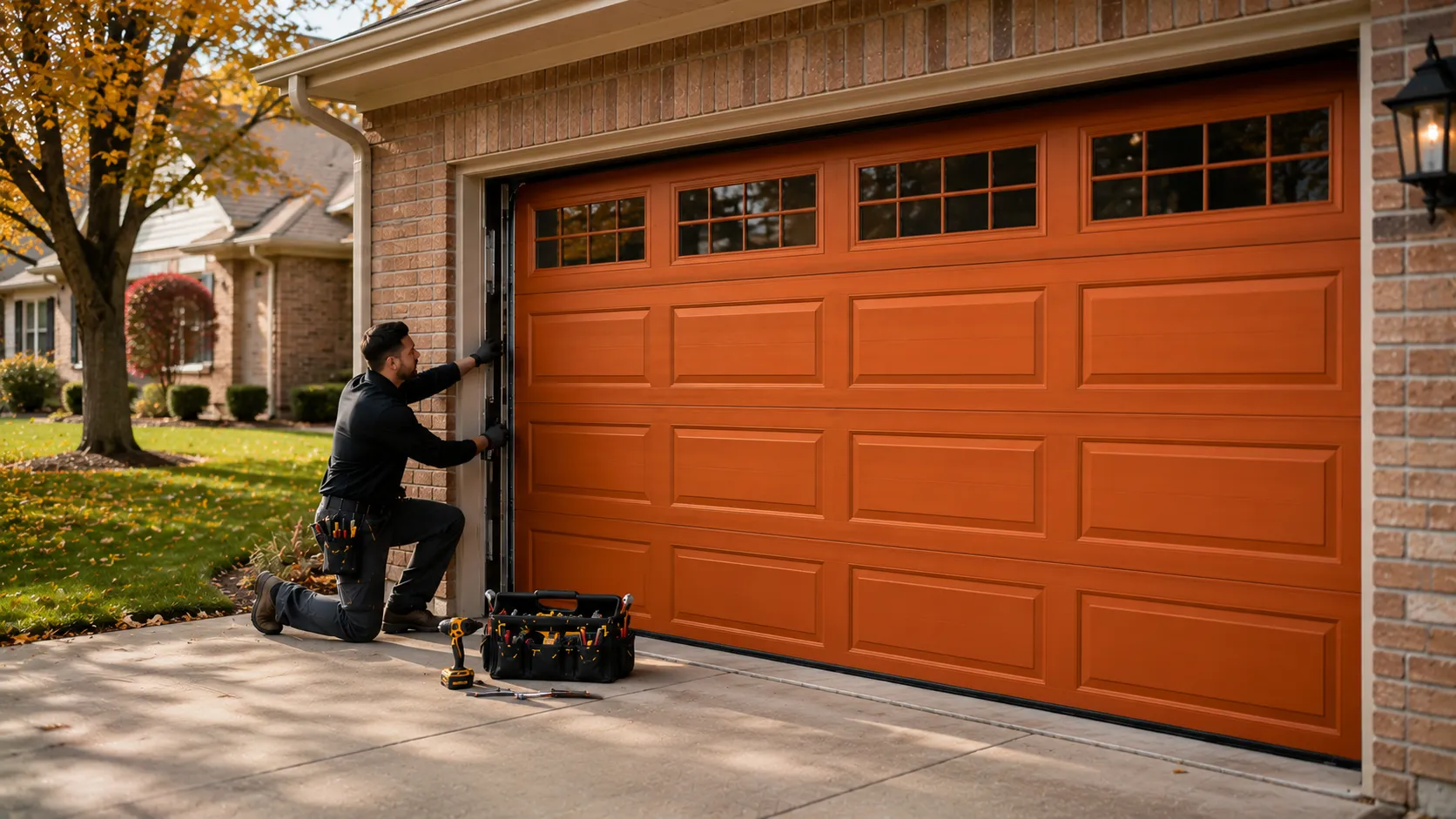
Color and texture matching is the other snag. A 40-year-old panel run rarely has an exact replacement still in production, so we're matching by profile and paint code, not by pulling the same part off a shelf.
How Long It Takes
A straight panel swap, where the replacement section is in stock or close to matching, is usually a same-visit job - an hour or two once the truck is on site, not counting the drive from Toms River. That's the fast version.
The honest limitation: on a door built around 1981, in-stock matches are the exception, not the rule. Most Pine Lake Park panel jobs turn into a two-step process - we measure and confirm color and profile on the first visit, order the section, then come back once it arrives. Lead time on a special-order panel typically runs longer than the repair itself, and that's not something we can shorten by working faster on our end.
If more than one section on the door has failed, or the track and rollers show wear consistent with the door's age, we'll tell you that during the first visit rather than let a panel-only quote turn into a bigger bill later. Sometimes the right call is a full door instead of chasing parts for one that's on its way out anyway.
Can You Do This Yourself
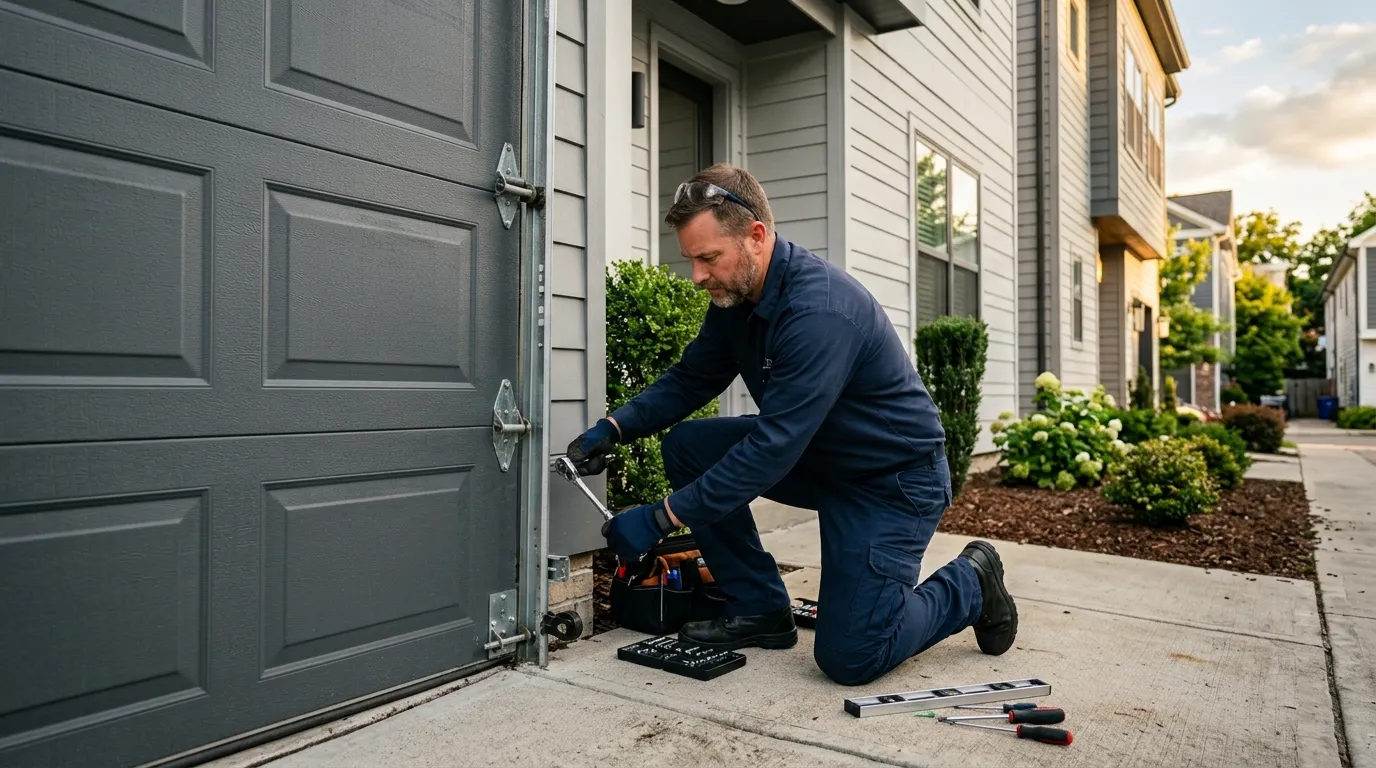
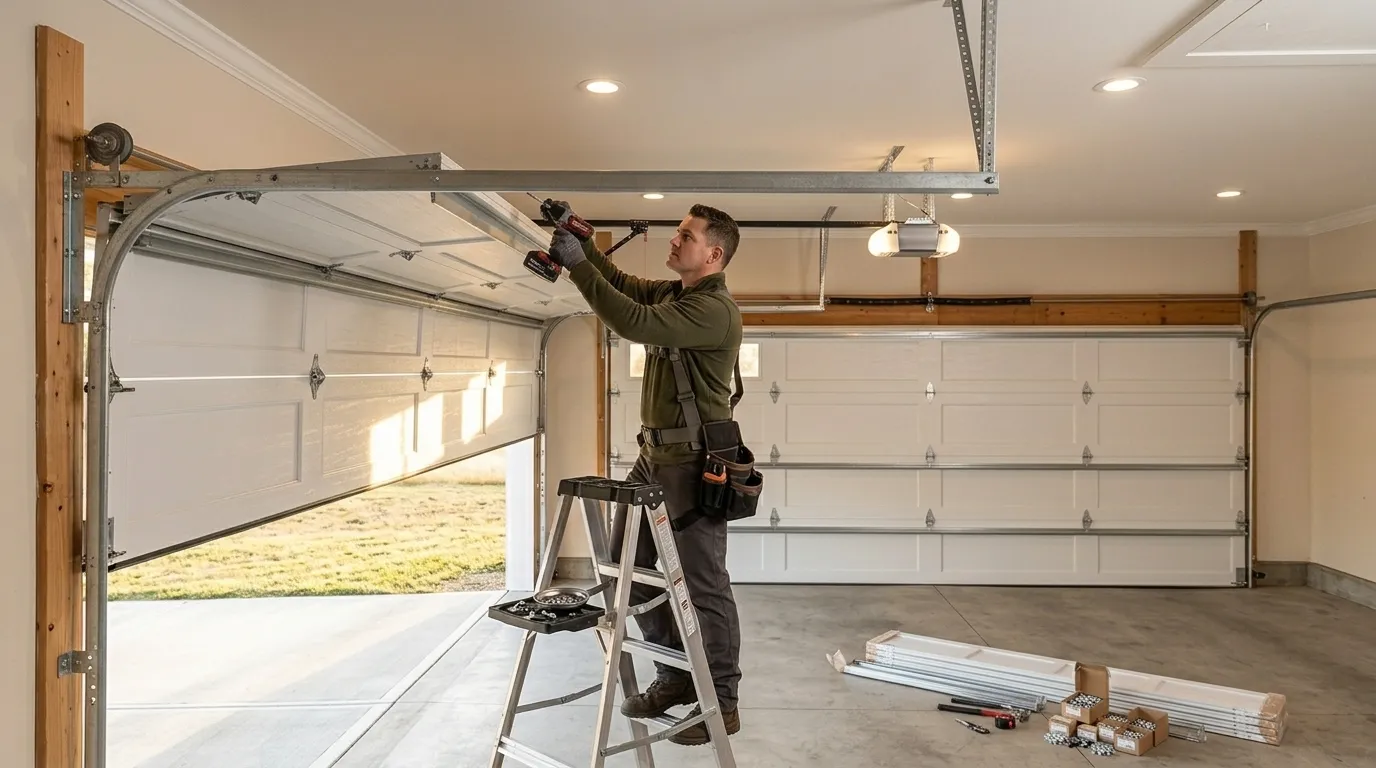
Swapping a single bottom panel on a door with the springs disconnected and the door propped is within reach for a handy homeowner - it's mostly unbolting the end hinges, sliding the old section out, and bolting in the new one. If the damaged panel is anywhere but the bottom, though, the door has to come apart from the top down, and that means handling a wound torsion spring, which is not a place to learn on the job.
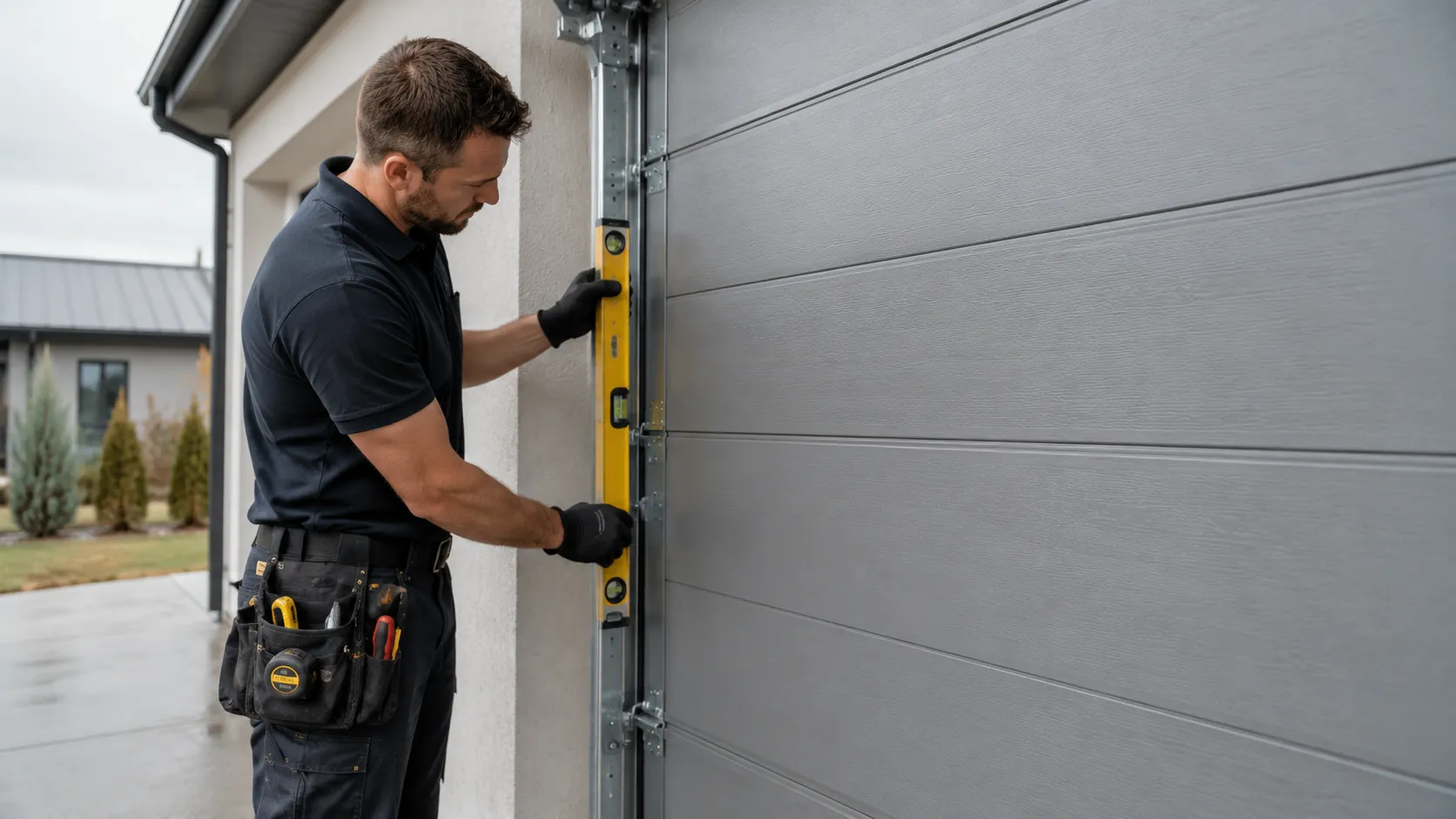
On a house built around 1981, there's a decent chance the track and hinges are original. Pulling one panel can reveal that the hardware around it is worn enough that the new section won't sit flush, and at that point what looked like a bolt-on fix turns into a bigger tear-down. We'd rather you know that going in than find out halfway through a Saturday.
One thing we won't do: guess at a color match over the phone. If you want to try the panel yourself, get the exact section number off the inside of the existing panel before you order - it saves a return trip for everyone.