Where This Job Goes Sideways
Pine Lake Park sits four miles from our shop in Toms River, which is close enough that a call here doesn't turn into a half-day trip, but it's still a drive we plan for, not a walk-in. We load the truck knowing what we're likely to find before we ever pull up.
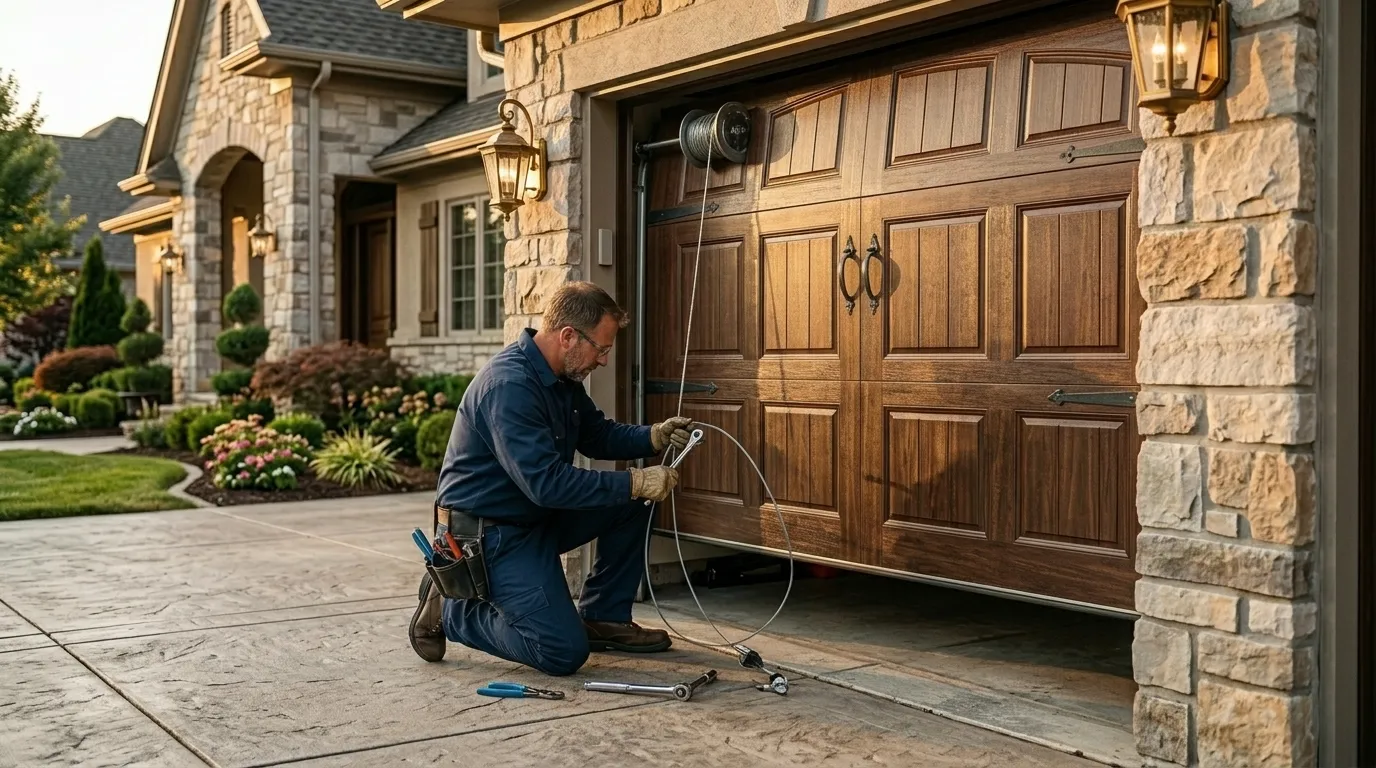
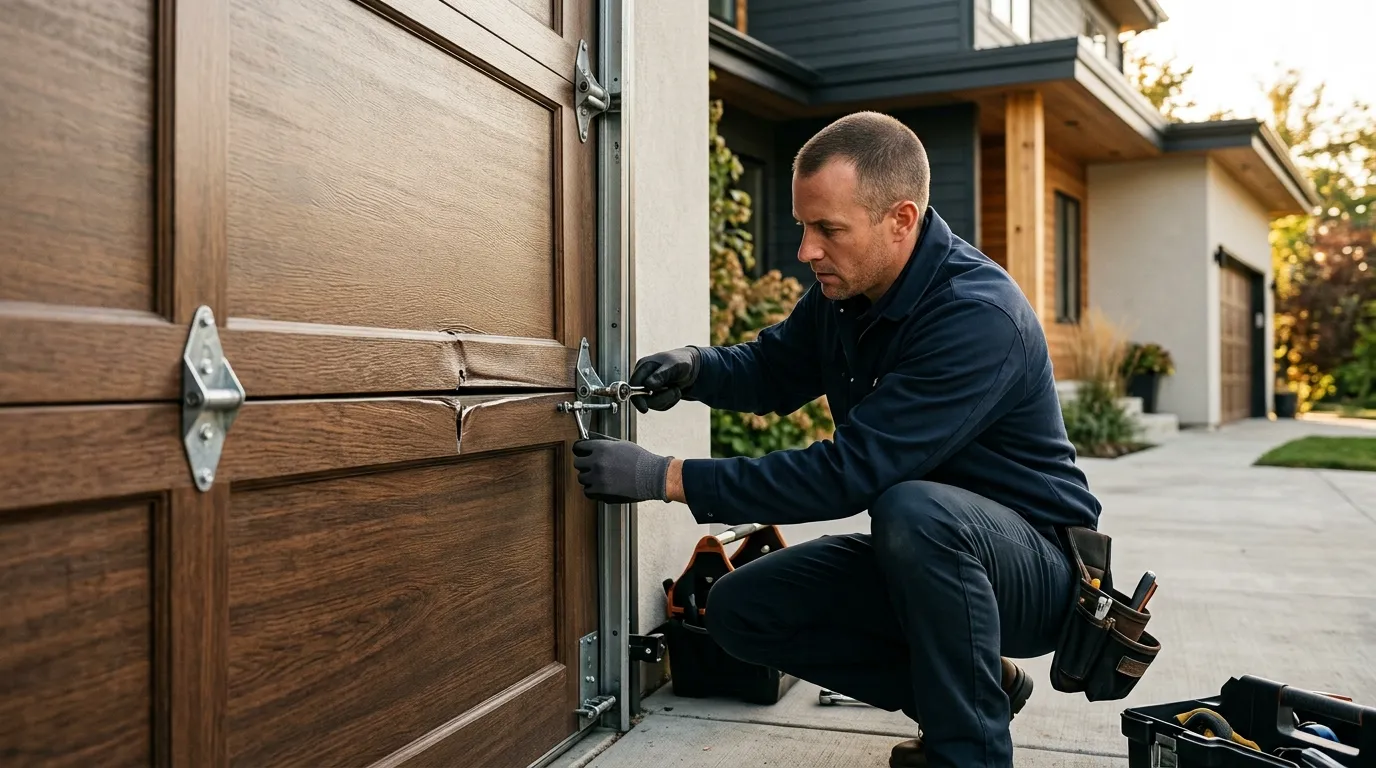
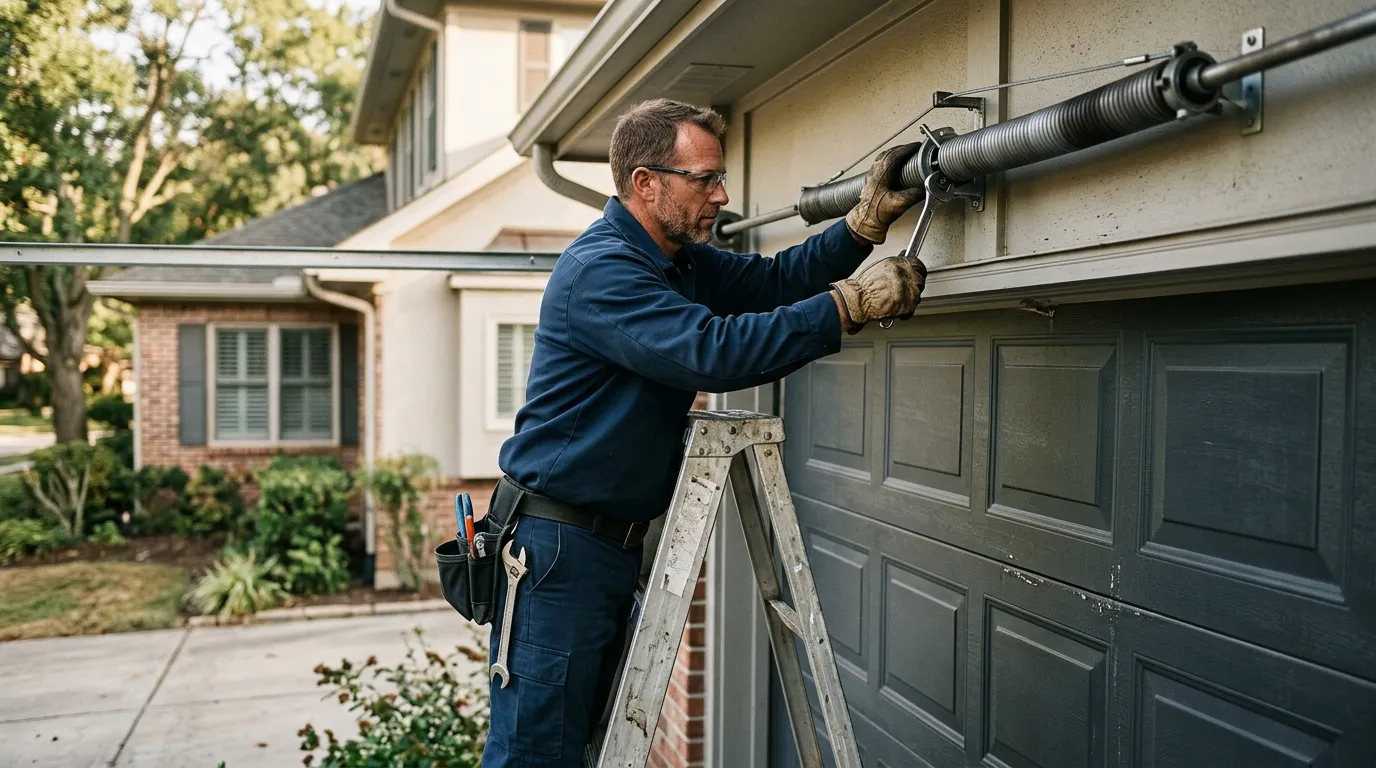
That matters because this neighborhood isn't the same age as the older sections we cover. The median home here was built around 1981, a good decade newer than the broader service area's 1972 median. That gap shows up in the garage. You're less likely to be fighting a original one-piece door on ancient side-mount hardware, and more likely dealing with a sectional door from the extension-spring era, or an early torsion setup that's now over forty years old and due for a spring, cable, or drum failure regardless of how well it's been kept.
Winter is where these doors get tested. The cold band here is severe enough that a spring under strain from years of use will often let go on the first real cold snap, not gradually. If a cable frays or a roller seizes in freezing weather, it tends to happen all at once, and usually right when you're trying to leave for work.
How Long It Takes
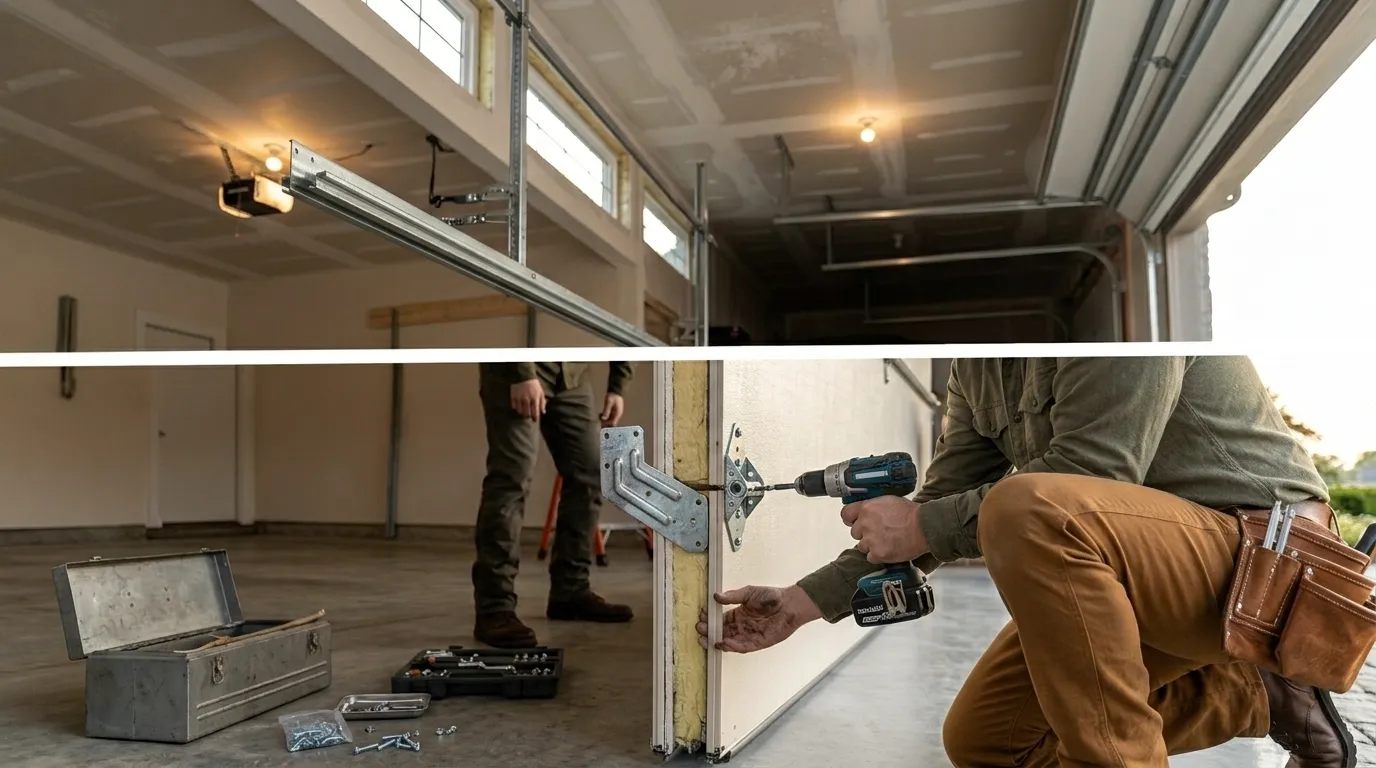
Most emergency calls in Pine Lake Park break down into two categories: a spring or cable failure on a torsion or extension system from the 1980s-to-90s build wave, or an opener that's died and left the door mechanically fine but electrically dead. The first is usually a same-visit repair once we're on site, assuming the part matches what's on the truck. The second sometimes needs a specific opener part we don't stock and have to source, which can stretch things by a day or two.
With 2,991 households in this pocket and a fair number of them built around the same years, we see the same handful of failure patterns repeat: worn torsion springs giving out from age rather than damage, and extension-spring doors where the safety cables were never upgraded. Knowing that in advance from the drive over saves time once we're standing in your driveway.
Can You Do This Yourself
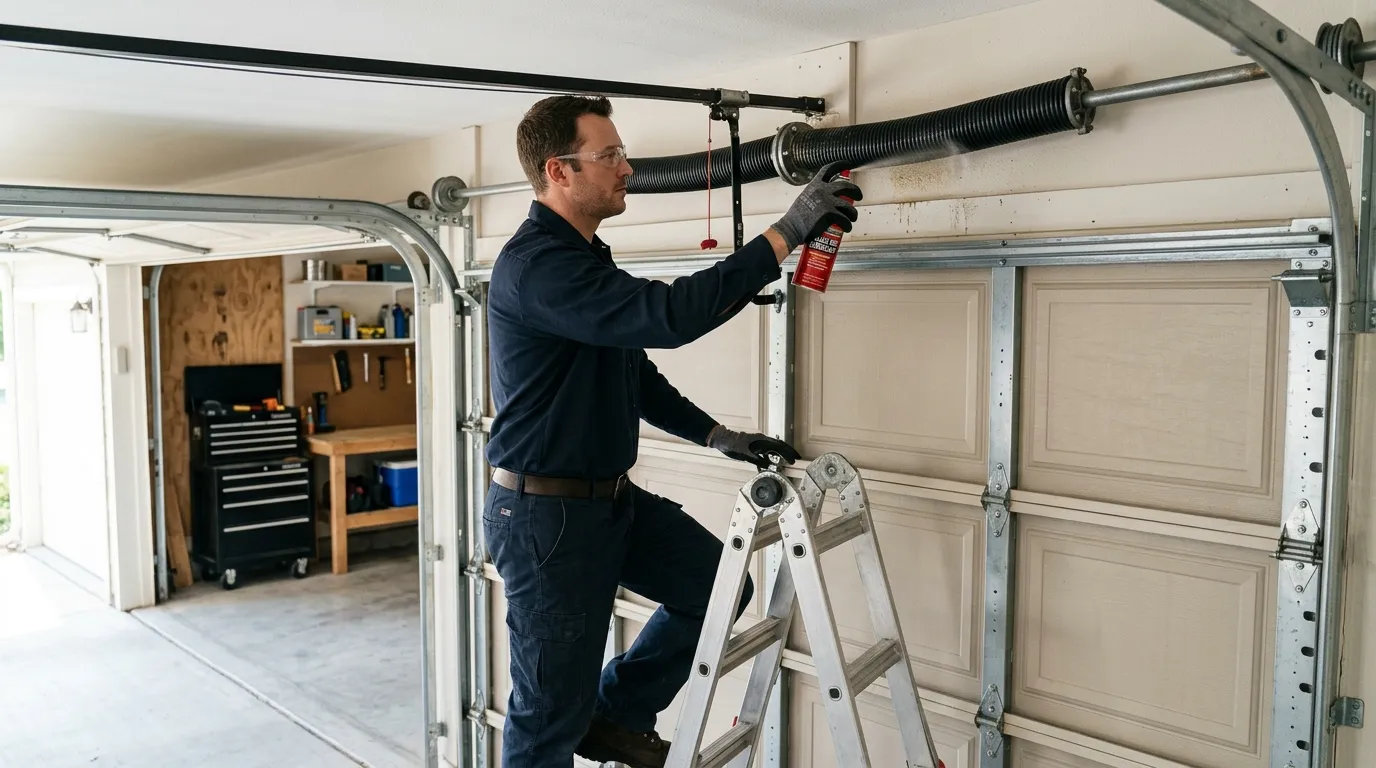
Some of this you can handle. Lubricating rollers and hinges, tightening a loose bracket, checking that the photo-eye sensors are aligned and unobstructed - all fair game and all things that can head off a bigger failure.
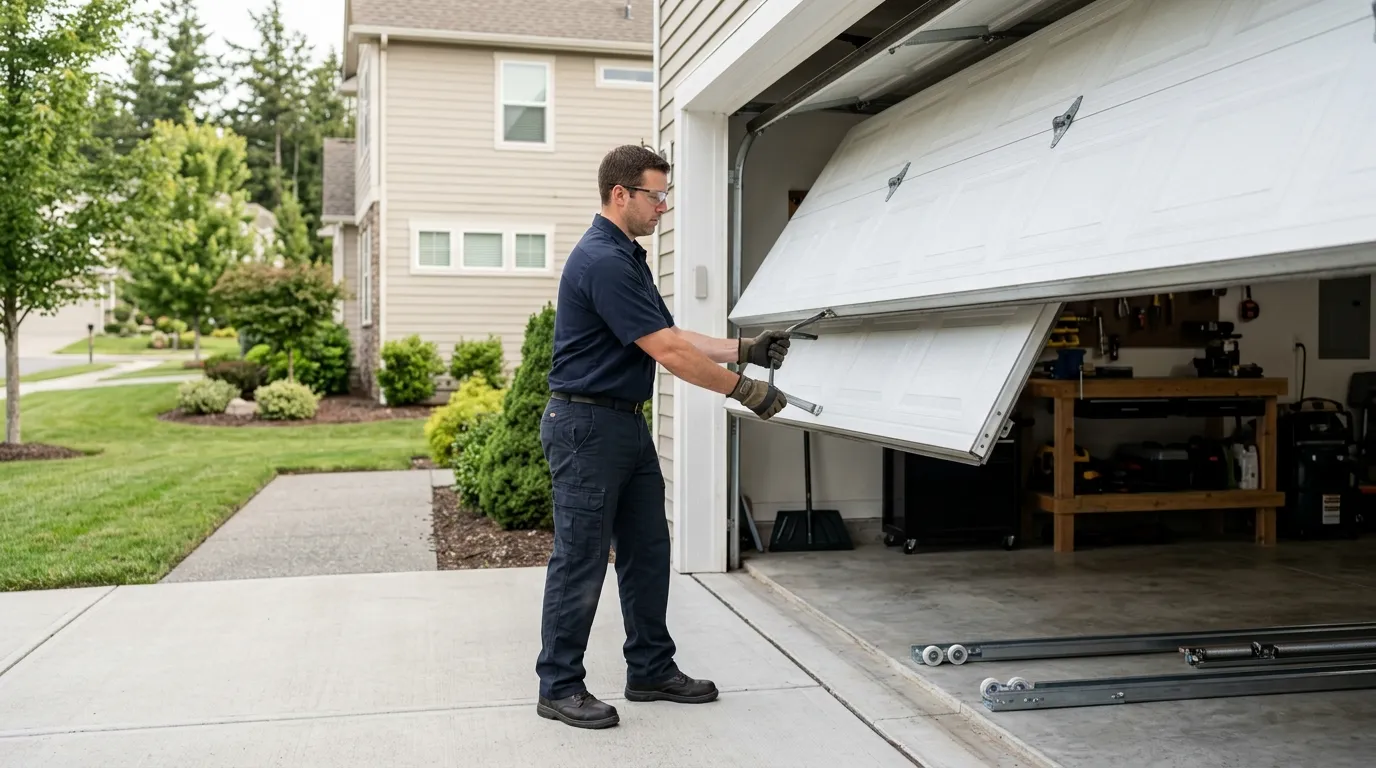
A broken torsion spring is not a DIY job, full stop. These springs are wound under enough tension to break a bone or worse, and the tools to safely wind or unwind them aren't things most homeowners own or should buy for a one-time repair. Same goes for a snapped cable under load, or a door that's come off its tracks. If the door won't move and something inside sounds or looks wrong, stop and call rather than troubleshoot further.
One honest limit: if your opener is old enough that replacement parts are no longer made, we'll tell you plainly that a new opener costs less over time than us chasing down a discontinued part, and we won't string you along hunting for one just to bill the search.