
Old Streets and New Ones
Holiday Heights sits about 5 miles from our shop in Toms River, tucked in among Holiday City-Berkeley and Holiday Heights proper on the same side of town. Drive the wider service area and you're mostly looking at houses from the 1960s and 70s - that's the median build year across the 46 named areas we cover. Holiday Heights breaks that pattern. The median build year here runs closer to 1990, which puts most of the neighborhood a full generation newer than the streets just a few miles off.
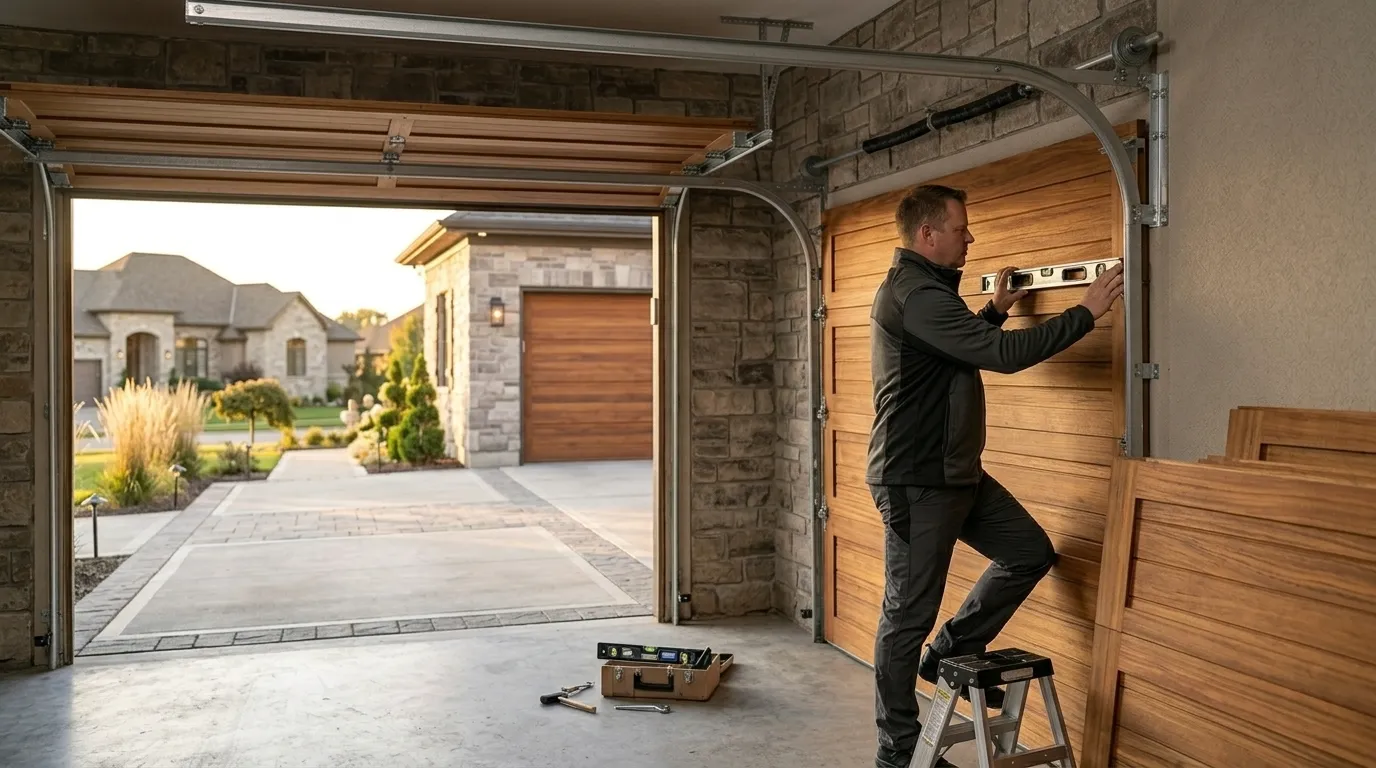
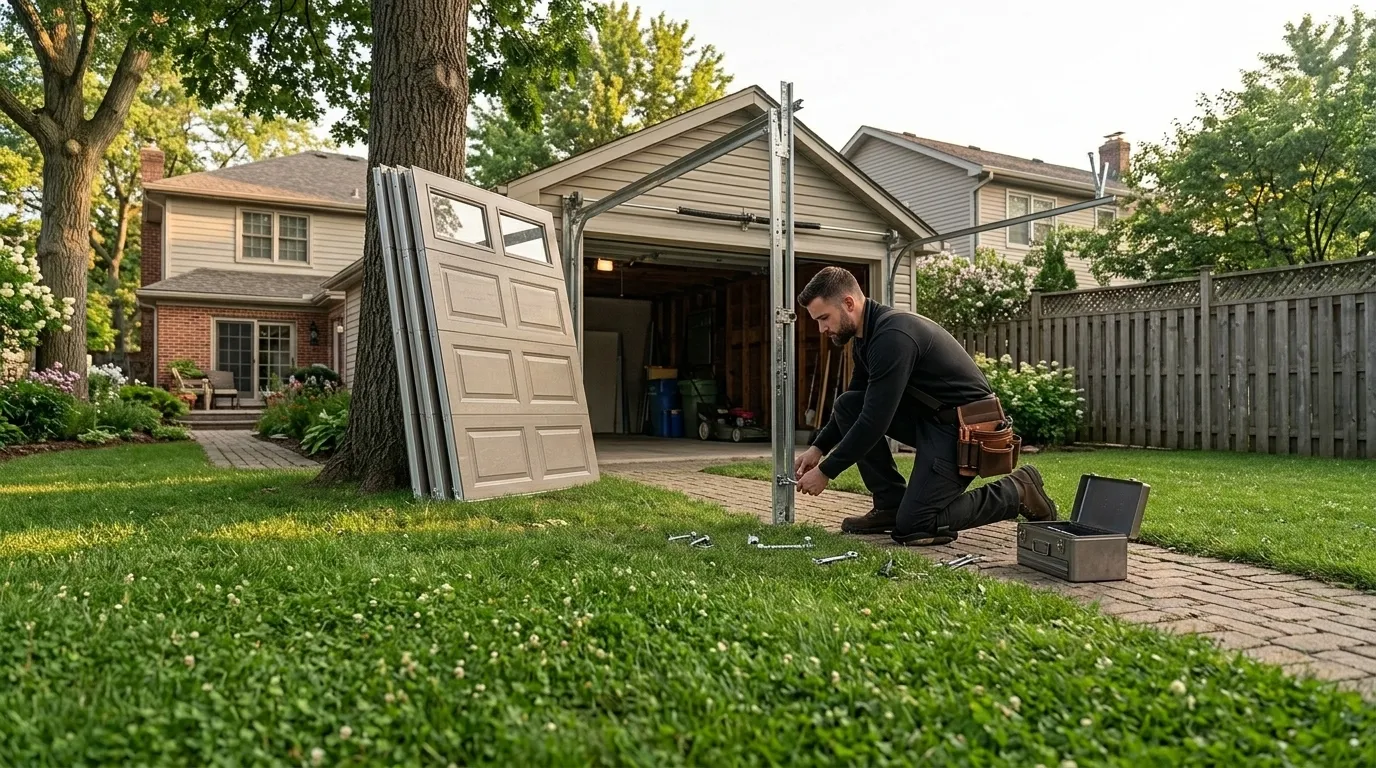
That gap matters more than it sounds like it should. A door installed in 1968 and a door installed in 1992 are built to different hardware standards, use different spring types as a rule, and fail in different ways. When we get a call from Holiday Heights, we're not walking in expecting the same setup we'd see on an older street in Pine Lake Park or South Toms River. We're expecting sectional steel doors on torsion hardware that's had thirty-some years of Jersey winters on it, not fifty.
What We Do Not Do
We don't keep a crew or a depot in Holiday Heights - every job here is a truck coming out from Toms River, about 5 miles away, so we're not the outfit to call if you need someone standing on your driveway in ten minutes. We also don't try to force a repair onto a door that's past the point of being worth it. If the sectional panels are rusted through at the bottom or the torsion tube is bent, patching it is a short-term fix that costs you twice.
We don't stock every trim color or panel style either - if you want an exact match to a discontinued builder-grade door from the early 90s, that can mean a longer wait on parts than a same-week job. We'd rather tell you that up front than have you find out after we've already started.
How That Shows Up in the Door
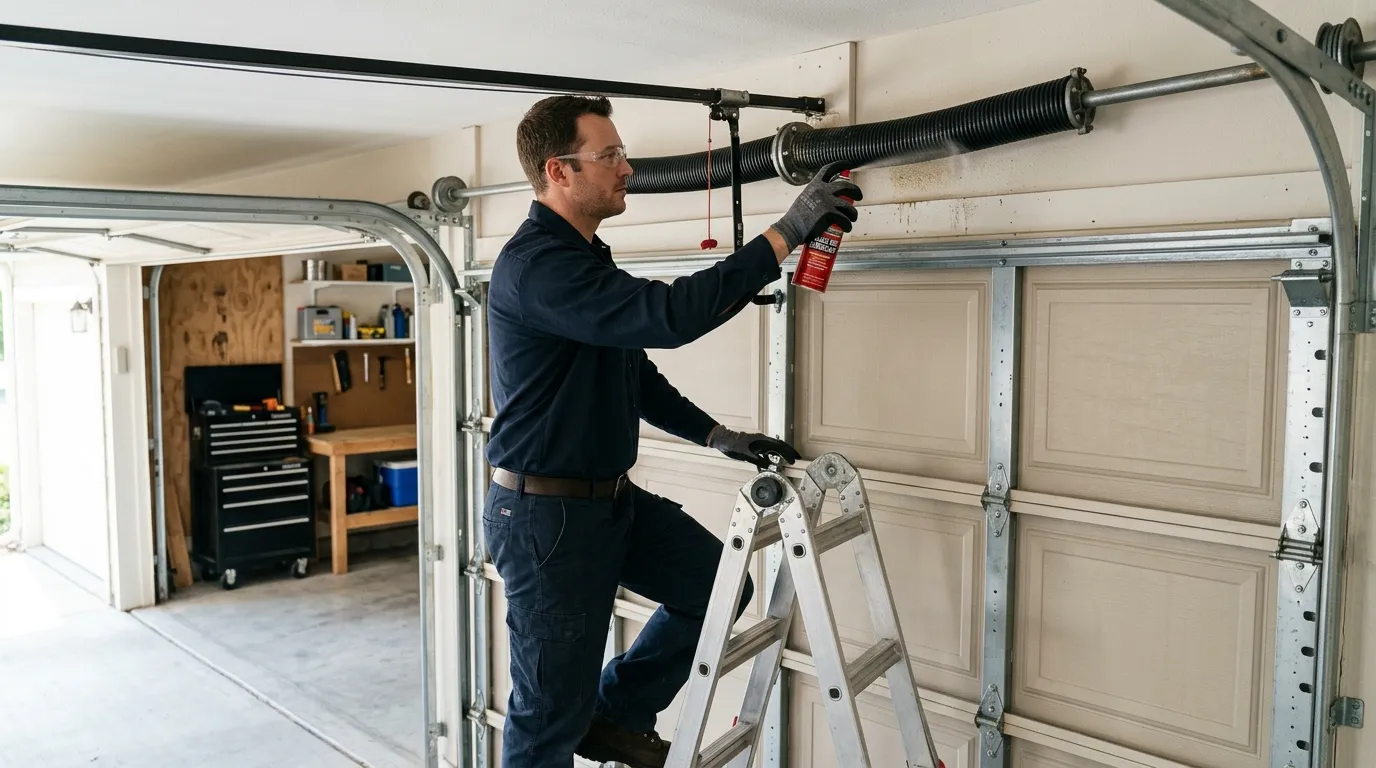
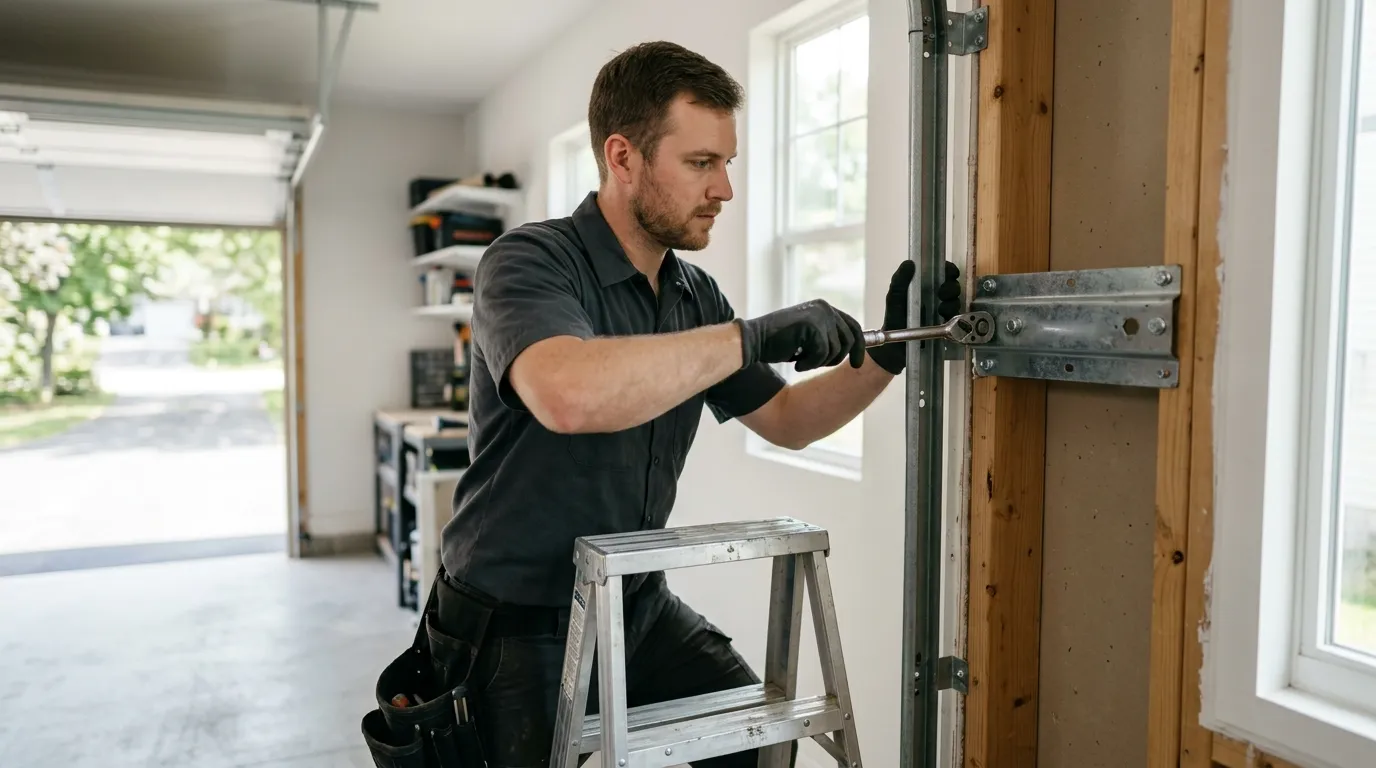
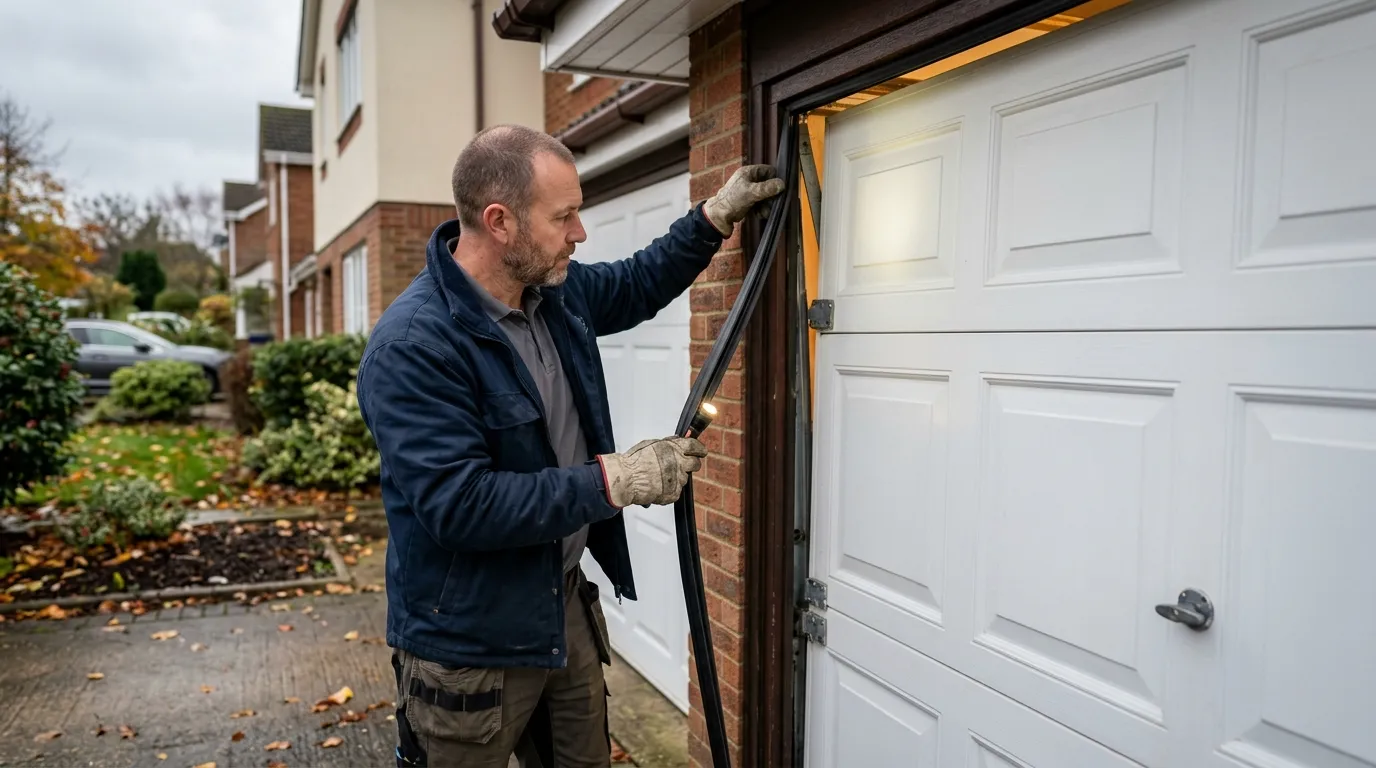
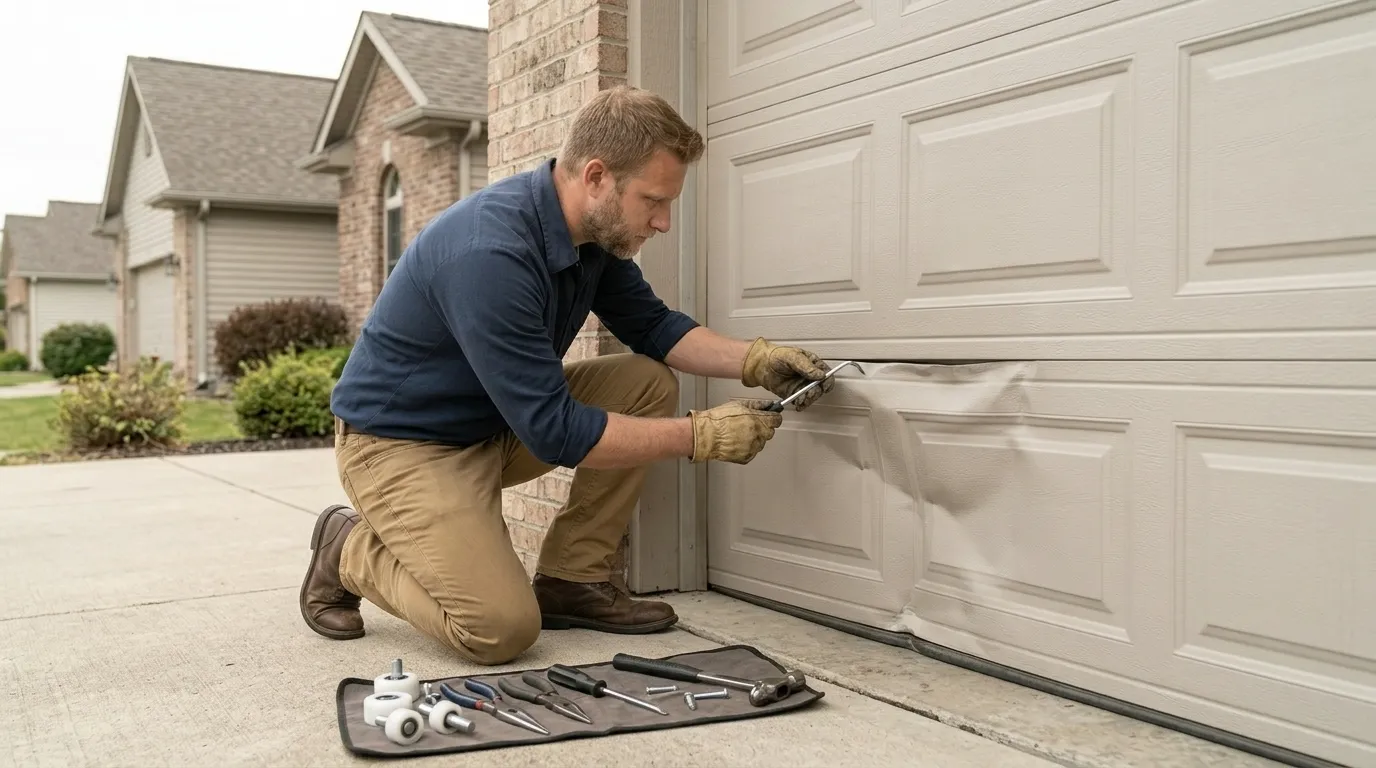
Cold winters in this part of New Jersey are hard on garage doors generally, but the failure points on a Holiday Heights door tend to be different from what shows up on an older street. Instead of the ancient one-piece wood doors and side-mounted hardware you'd find on 1960s-era houses closer to you're more likely dealing with a factory torsion spring nearing the end of its rated cycle count, aging nylon rollers that go brittle and loud in cold weather, or a first-generation opener whose logic board just doesn't like the temperature swings anymore.
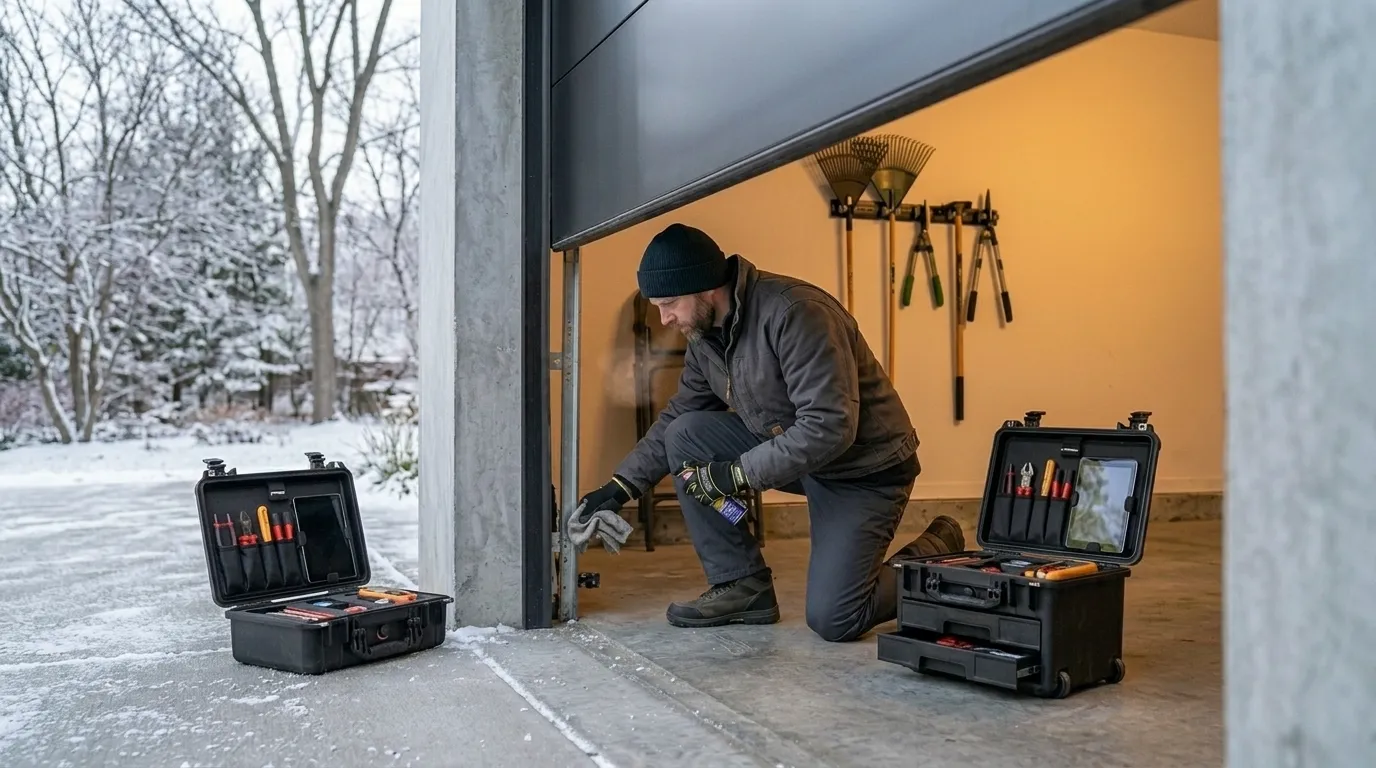
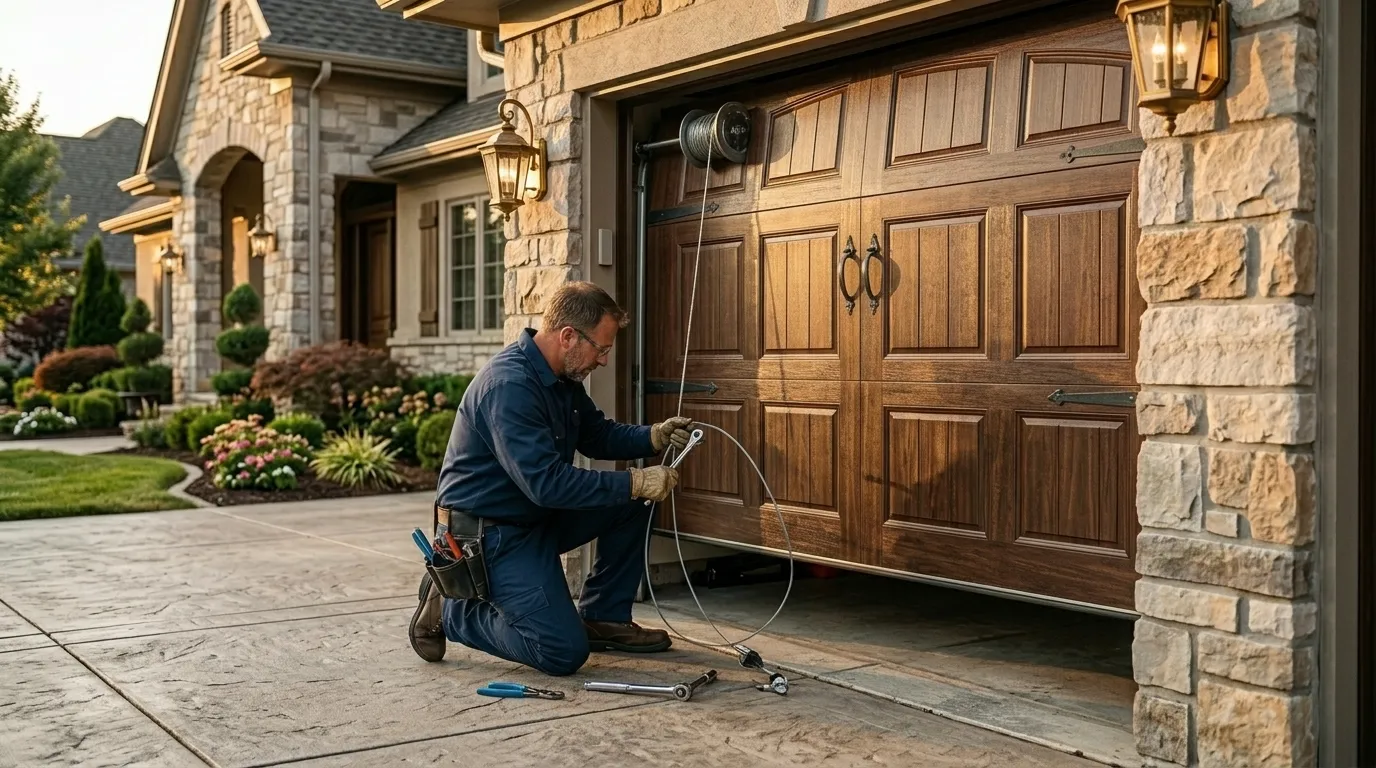
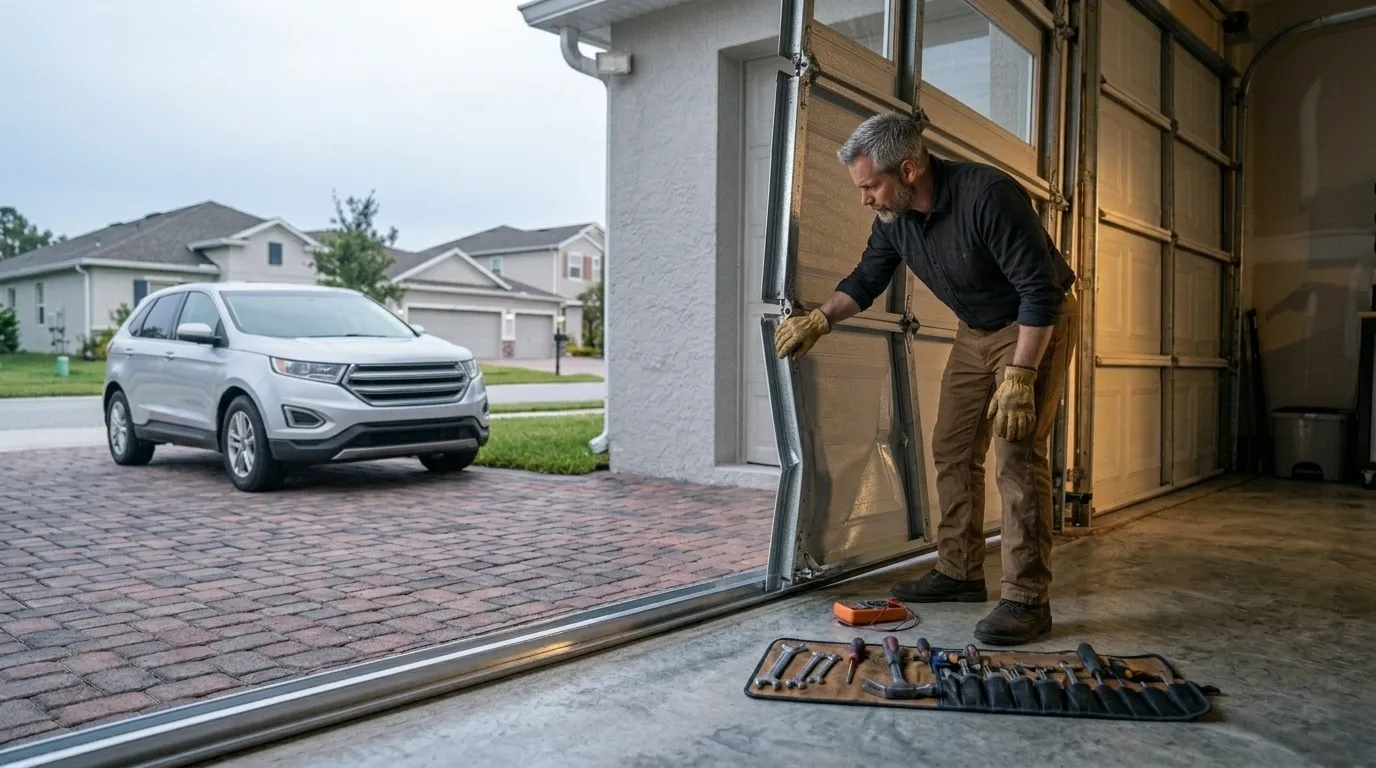
When the severe cold hits, steel contracts and old lubrication thickens, and a torsion spring that's already tired from three decades of daily cycles is the part most likely to let go on a January morning. That's usually the call we get from this neighborhood - not a rotted panel, but a spring or a roller that finally gave out.