Where This Job Goes Sideways
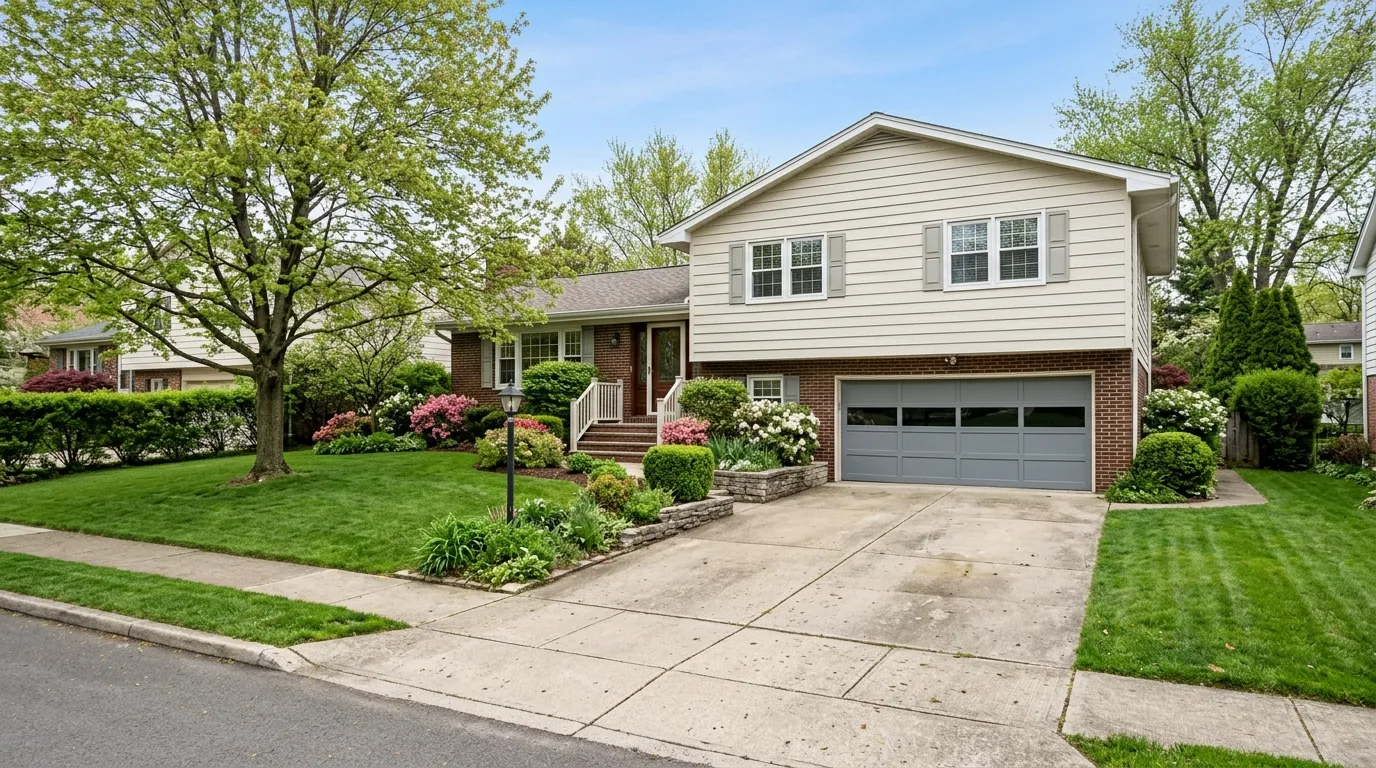
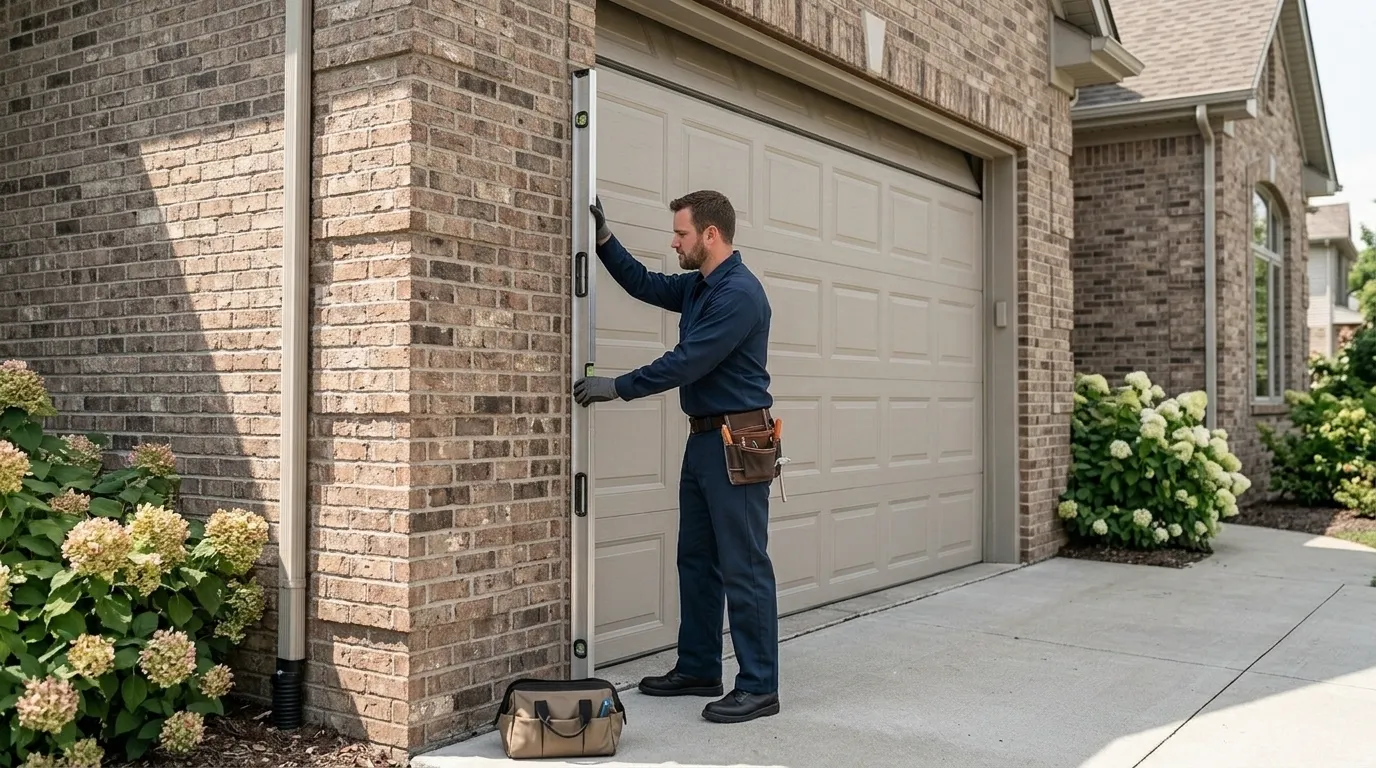
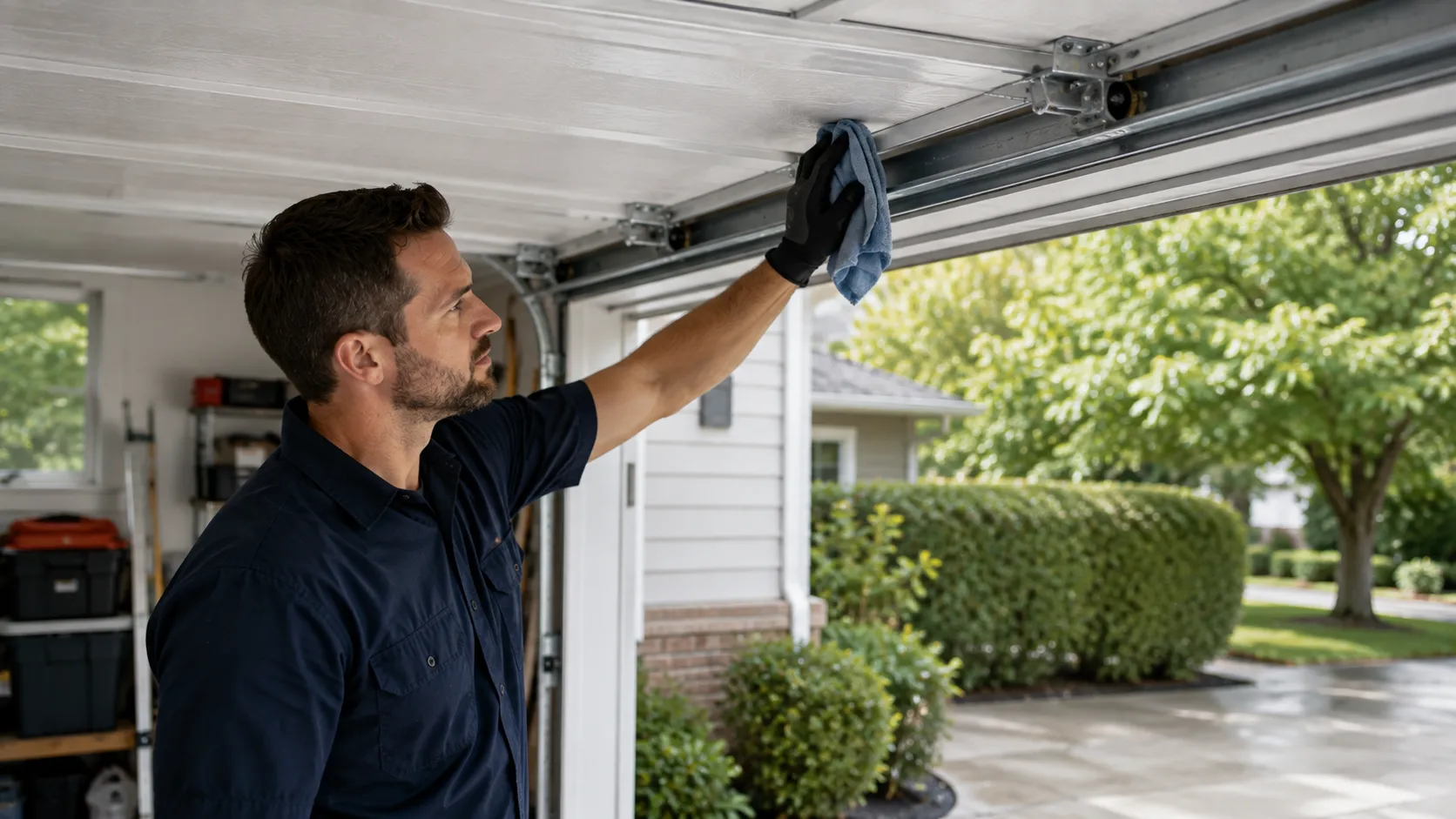
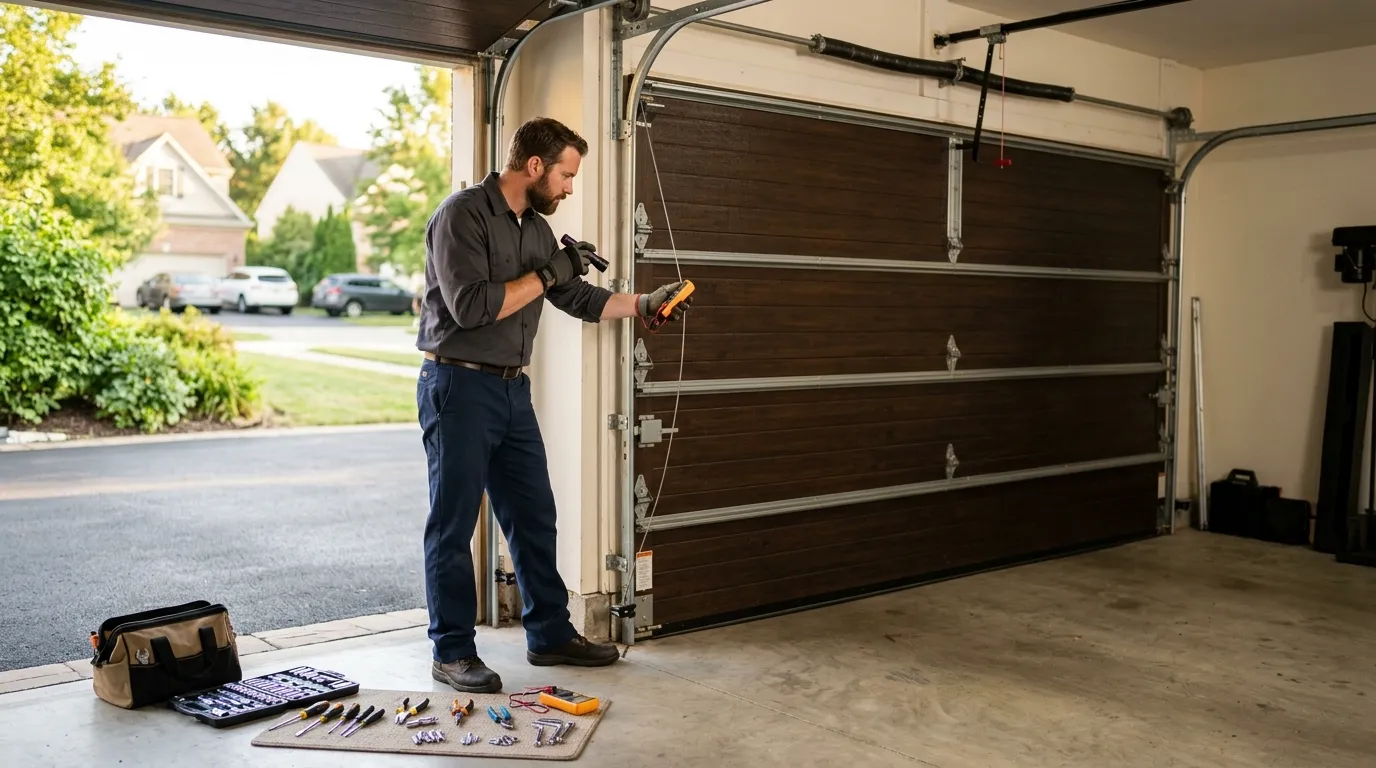
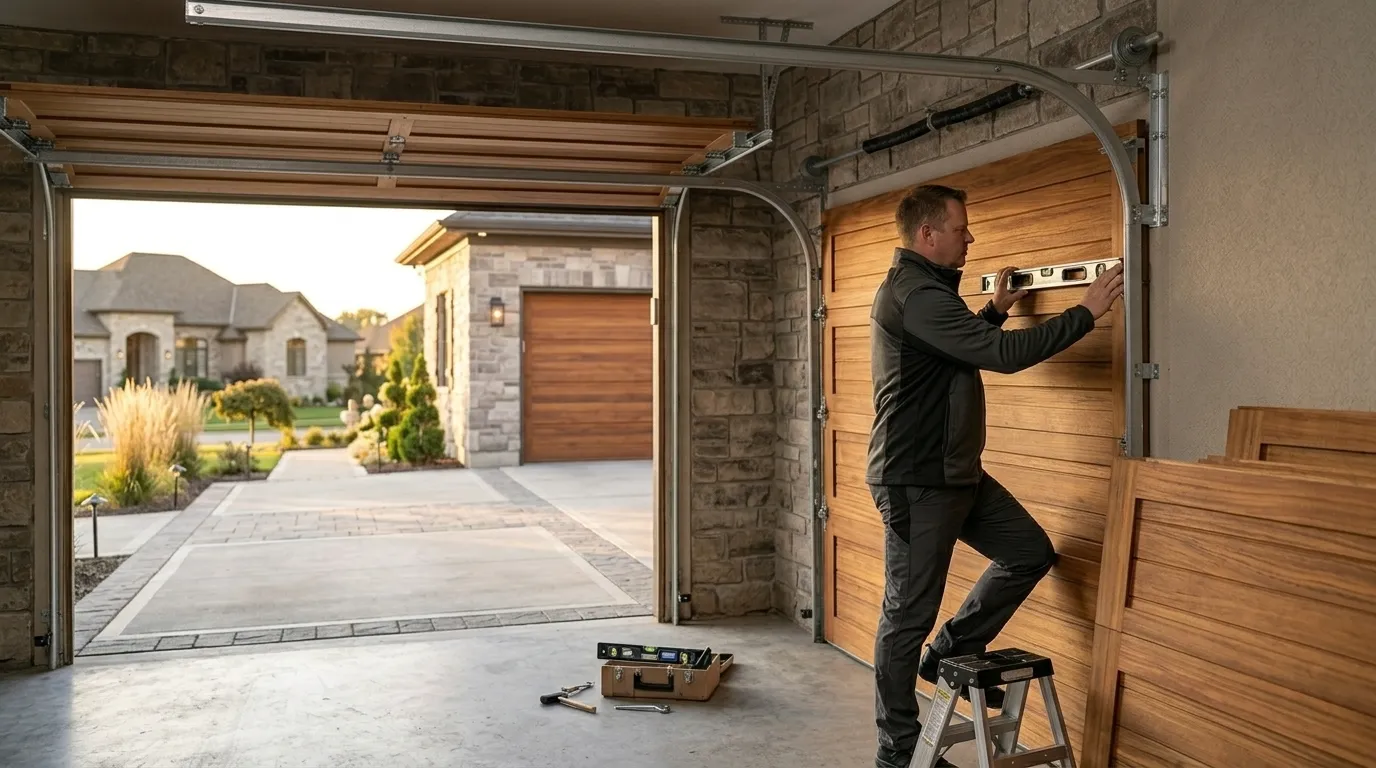
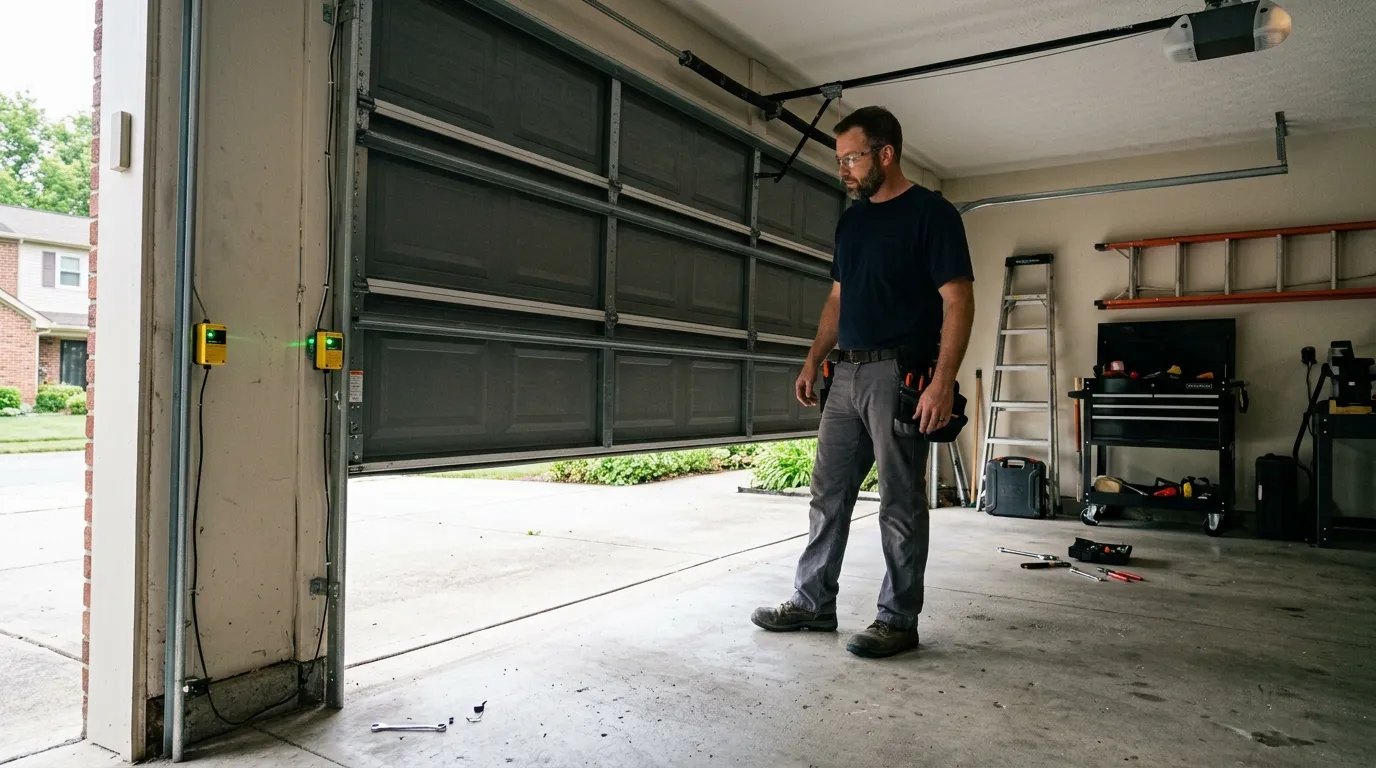
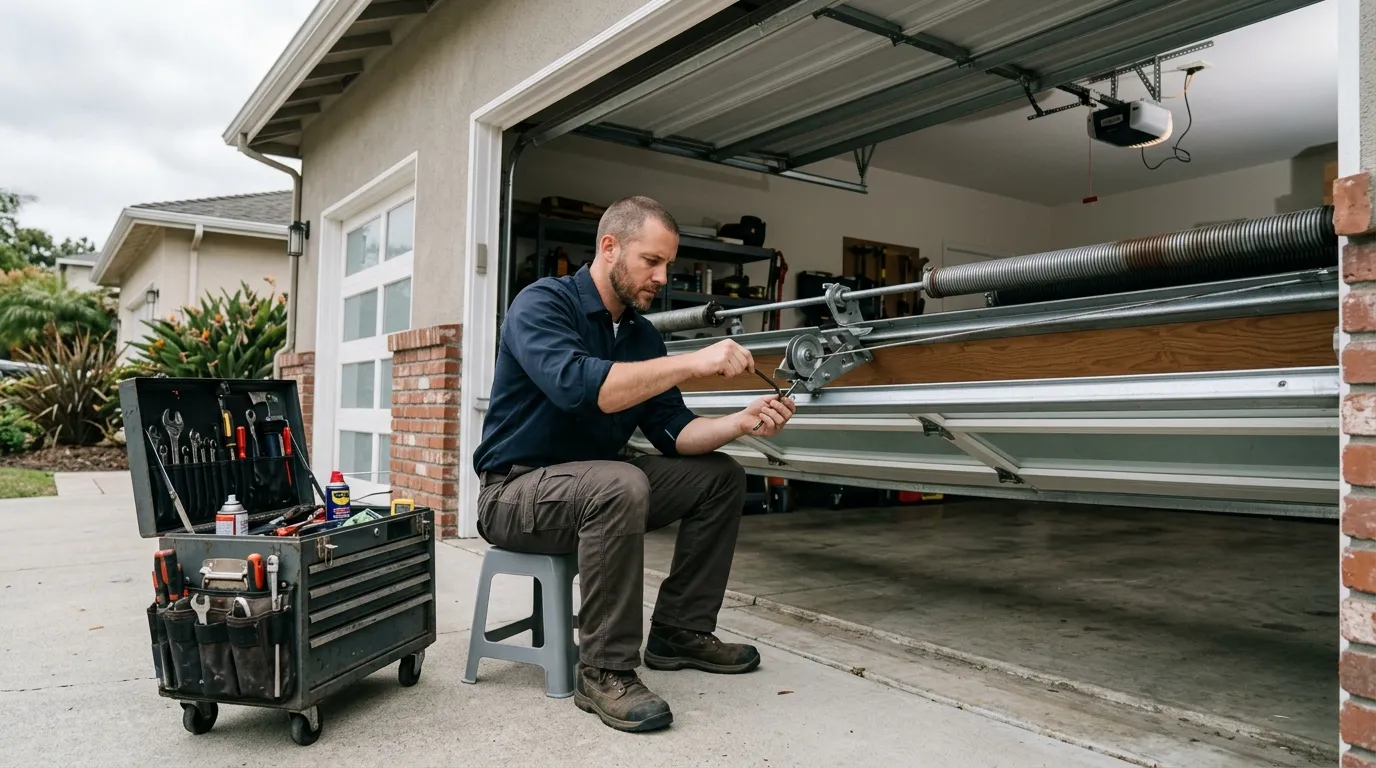
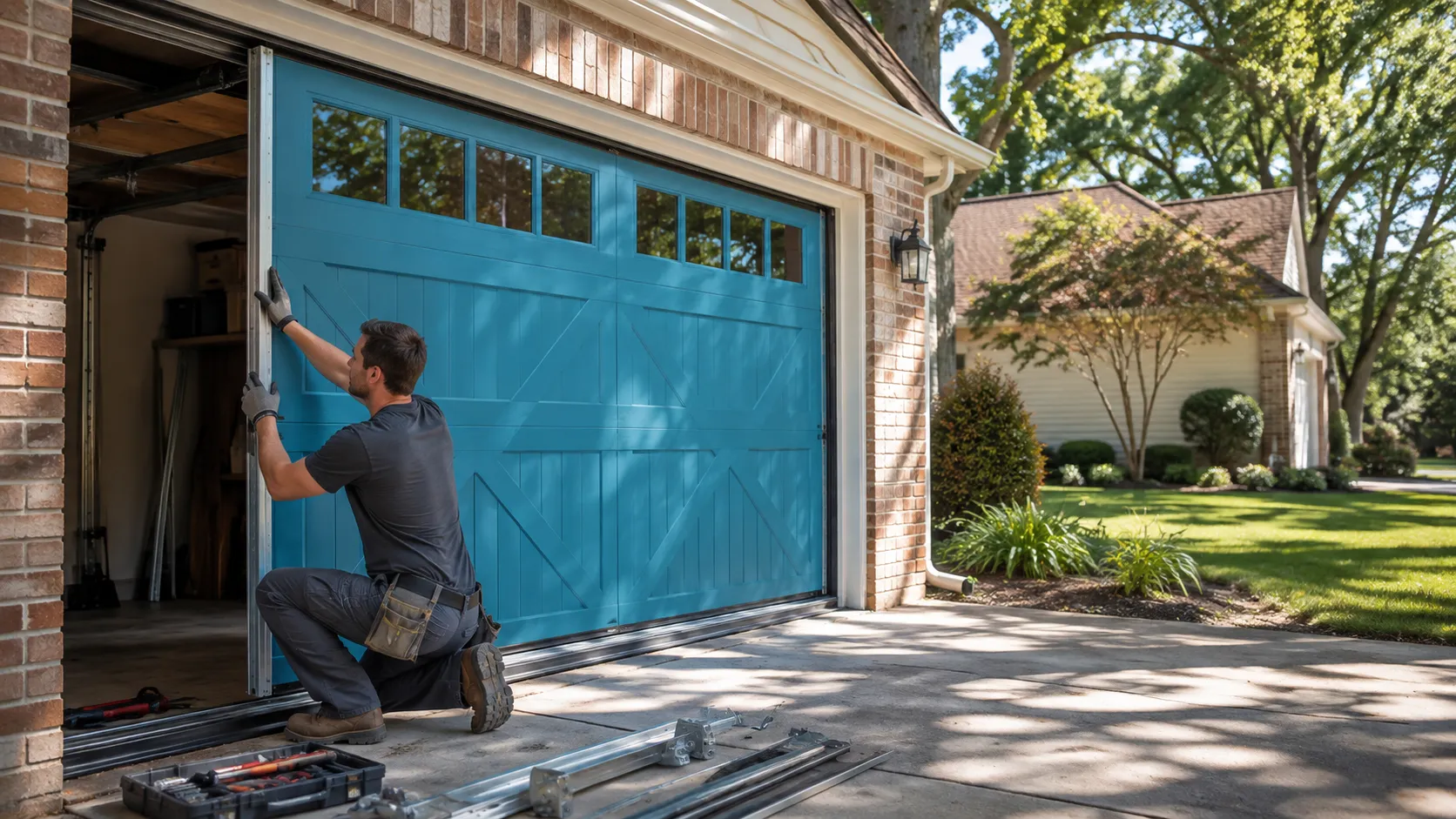
Most houses in Pine Lake Park went up around 1981, which puts the original garage door and track hardware squarely in the early-80s single-layer steel or wood-composite era - thin panels, no insulation core, and openers sized for doors that weighed a lot less than what's sold today. When a homeowner here calls for a new door, the first surprise is usually the header: it was built for that lighter door and older track spacing, not for a modern insulated panel that can run twice the weight. We measure the opening and the header before we quote anything, because guessing on a house this age is how you end up with a door that doesn't seat right or an opener straining against a load it wasn't built for. The other issue is the track itself. Thirty-plus-year-old vertical track was set for a specific roller and spring combination, and swapping in a new door without checking that geometry is where a lot of installs from other outfits go sideways months later - the door works fine until the first cold snap, then it binds. New Jersey's winters are cold enough that steel contracts and hardware tolerances matter, so we don't treat this as a drop-in swap. It's a measure-first job every time on a house this age.
How Long It Takes
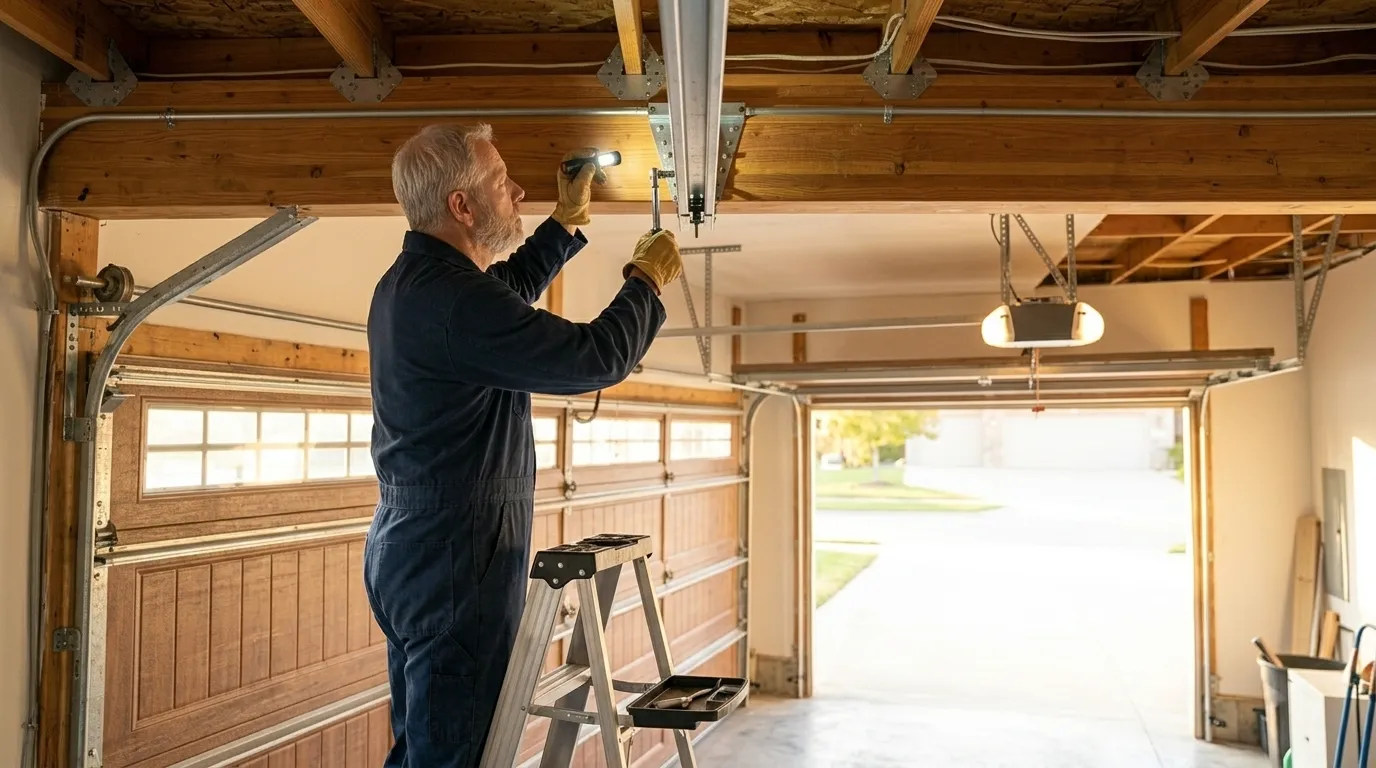
A straight swap - same size opening, no header work - usually runs a single day once the door's on the truck. Where it stretches out is exactly the header and track issue above: if your opening needs reinforcement to carry a heavier insulated door, or the track spacing has to be redone to match new rollers, that's additional time on site, sometimes a second visit if we find something once the old door's off that we couldn't see from outside. We'd rather tell you that up front than promise one day and blow past it. Houses in this pocket built in the early 80s run into this more often than newer construction does, simply because the header wasn't engineered for today's door weights.
Can You Do This Yourself
Honestly, the panel swap itself isn't the hard part - it's the header and track evaluation on a house this age, and that's not a job for a Saturday with a borrowed level. If your opening needs reinforcement, that's structural work behind drywall and trim, not just hardware. We'll also say plainly: if your existing opener still runs fine and the header checks out, you don't always need a full new install - sometimes a new door on existing track is the right call, and we'll tell you that instead of upselling a bigger job. That's the one honest limit here: we're not going to recommend touching your header or track if the numbers say your current setup will carry the new door safely.