Old Streets and New Ones
Holiday City-Berkeley sits about 5 miles from our Toms River shop, and the drive matters less than what's waiting at the end of it. The rest of our coverage area skews toward houses built in the 1972 range, plenty of them older than that. Holiday City-Berkeley runs newer, with a median build year closer to 1978. That six-year gap sounds small until you're standing in front of the door. A door and track system installed in the early-to-mid 1970s is a different animal from one installed in 1962, even a mile away. Springs, drums, and hinge gauges changed across that stretch, and a lot of the community-style construction here went up in a shorter window than the older grid neighborhoods closer to the water. We don't treat this as a satellite of the city page. It's its own build era, and we set up the truck differently before we even knock on the door. With 8,349 households in this area, we see enough of this specific vintage to know what fails first and what's still original.
What We Do Not Do
We don't keep a depot or a truck stationed in Holiday City-Berkeley. Every call here starts as a 5-mile trip from Toms River, and we're not going to promise a response window we don't control. We also don't stock every obsolete extension-spring bracket or 1970s track hardware profile on the truck for every job - some of what's original to a 1978-built garage is no longer made, and if your track is bent or your bracket is cracked, we may need to order a part rather than swap it same-visit. We won't tell you a repair is worth doing if the door itself has outlived its hardware; on a door this age, sometimes the honest answer is replacement, not another patch. And we don't do cosmetic-only work - if the panel's dented but the spring and track are sound, that's a conversation about what you actually need, not an upsell.
How That Shows Up in the Door
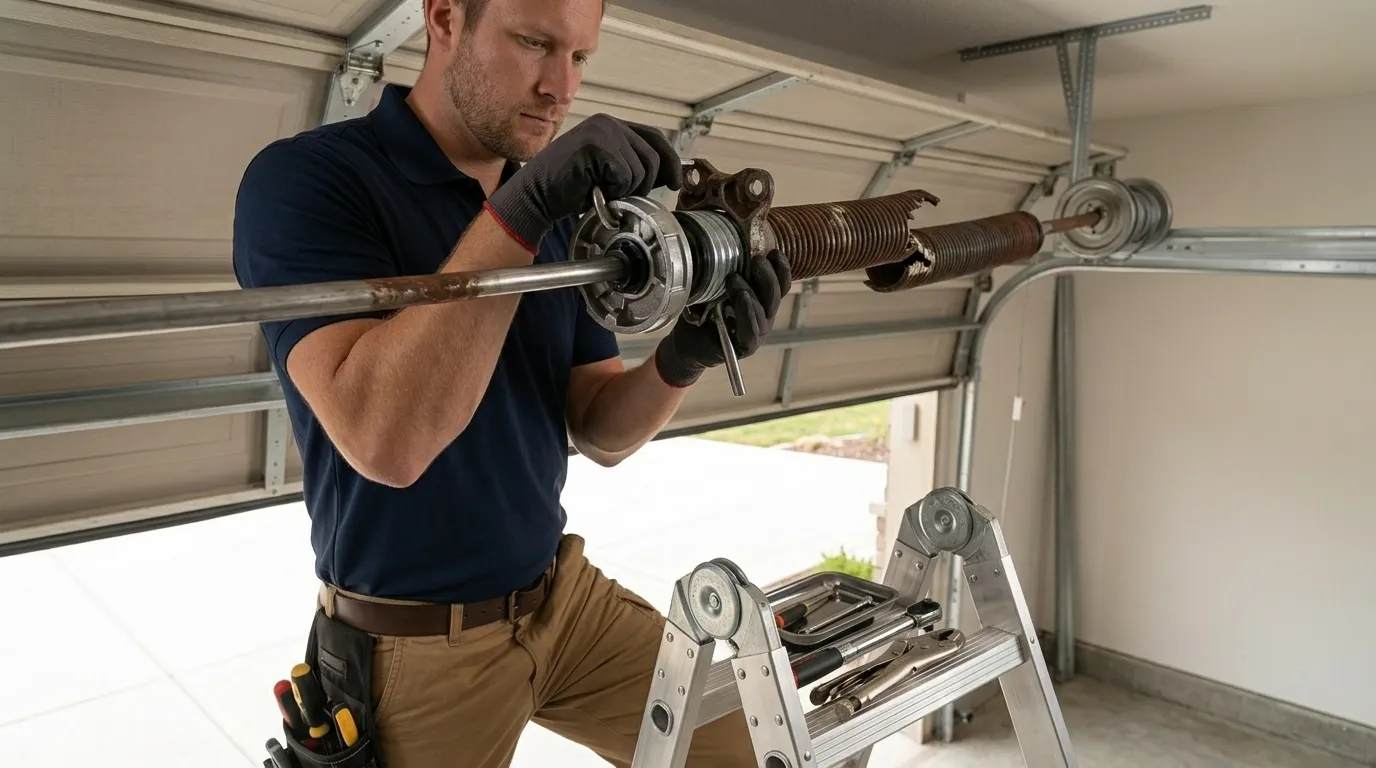
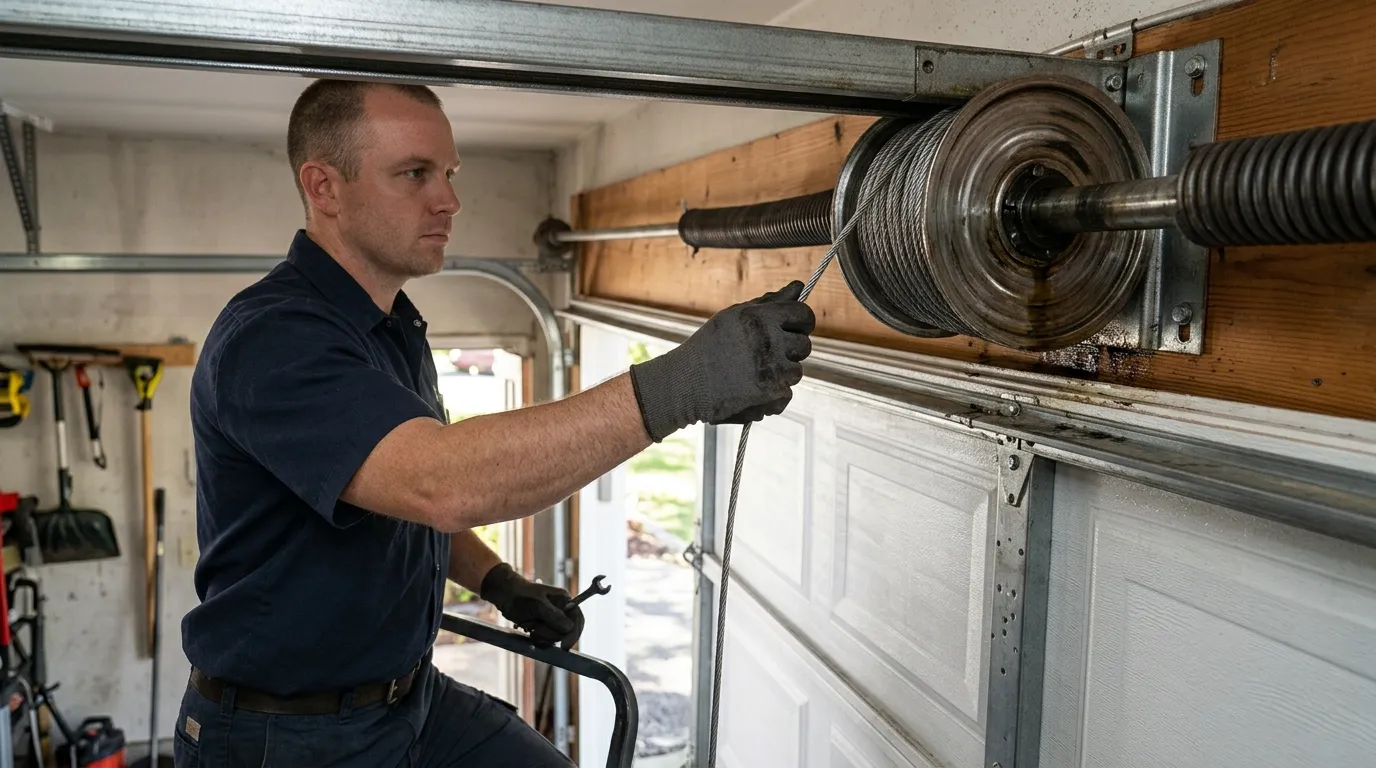
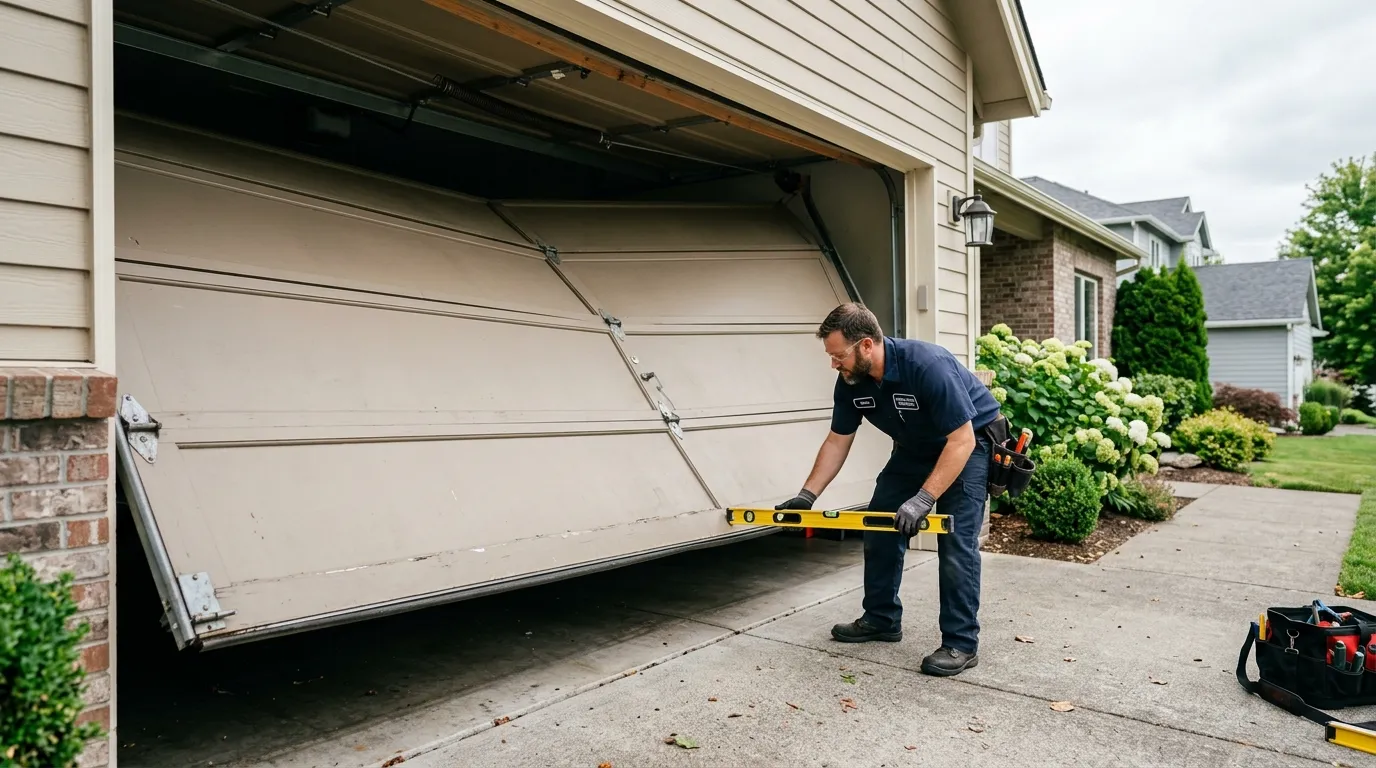
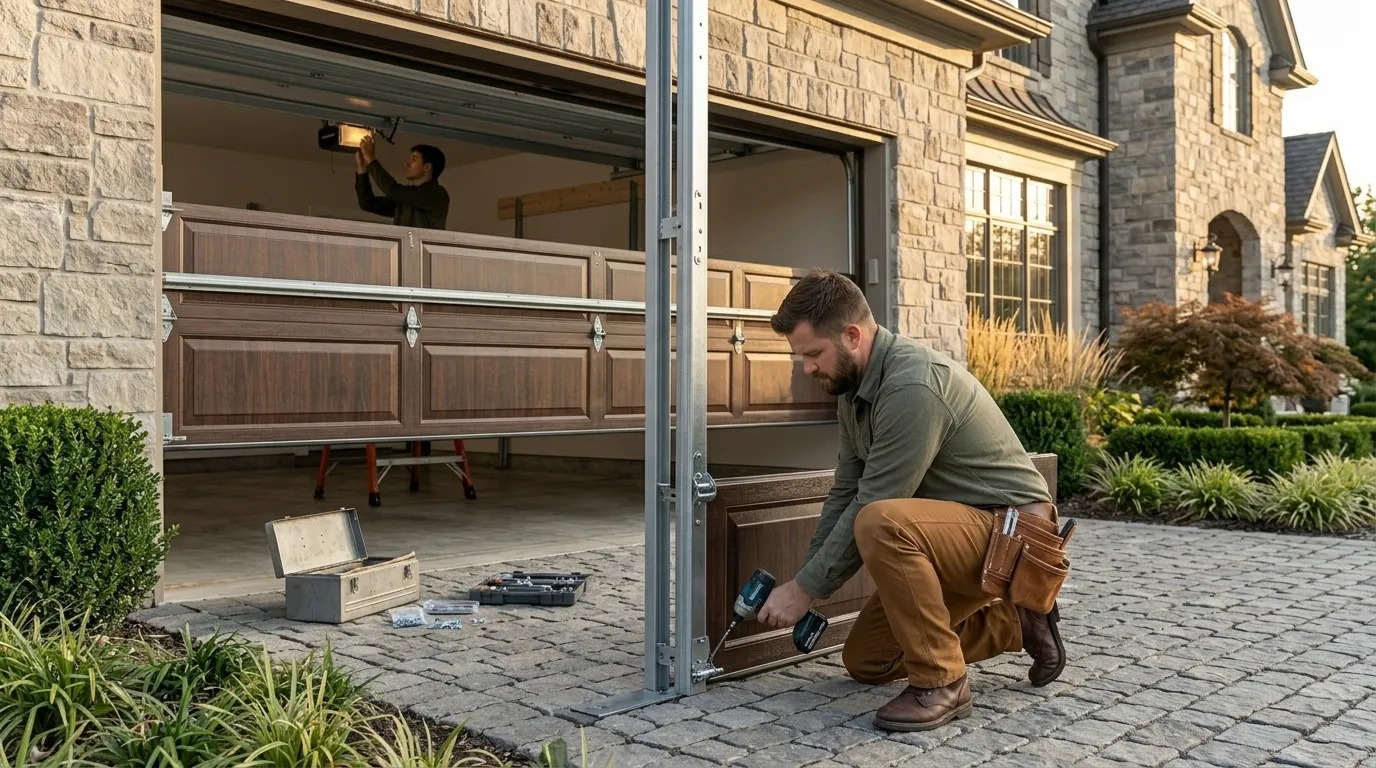
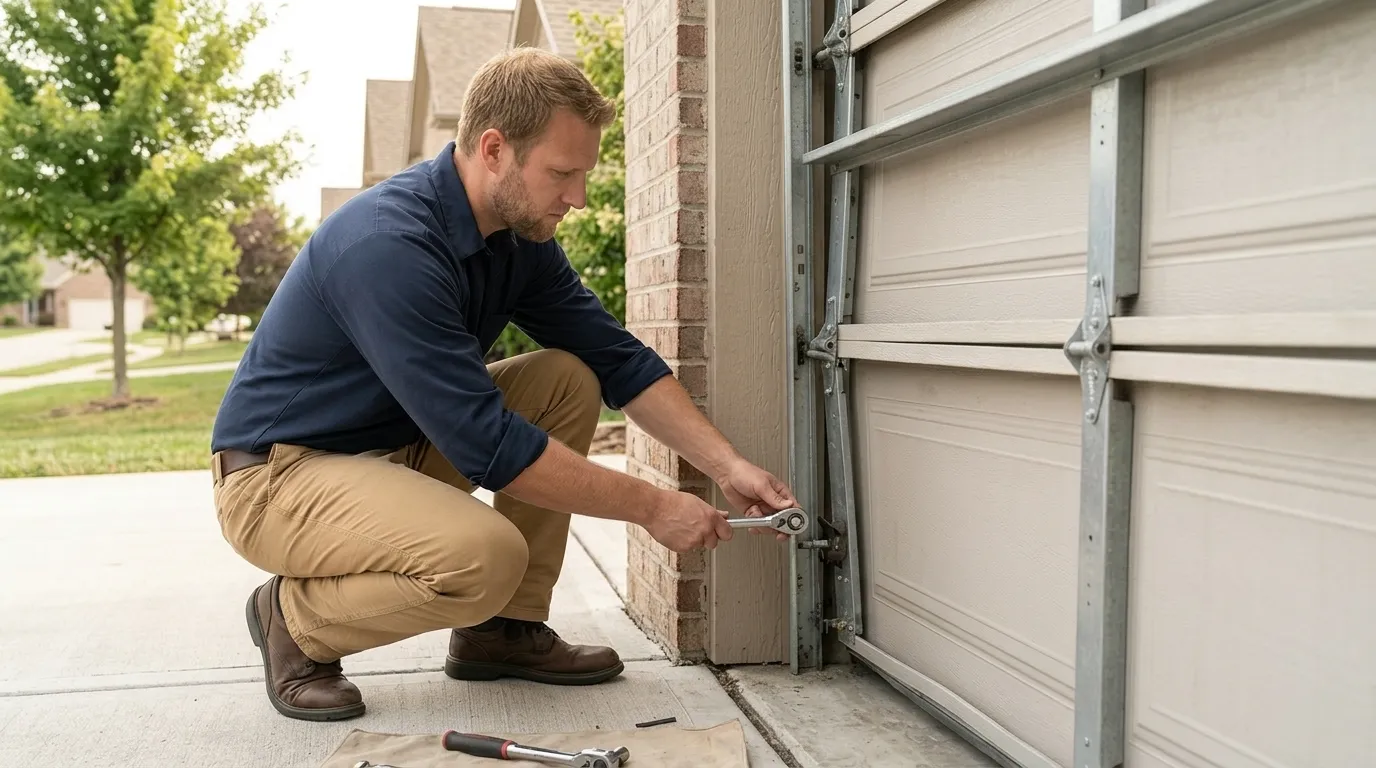
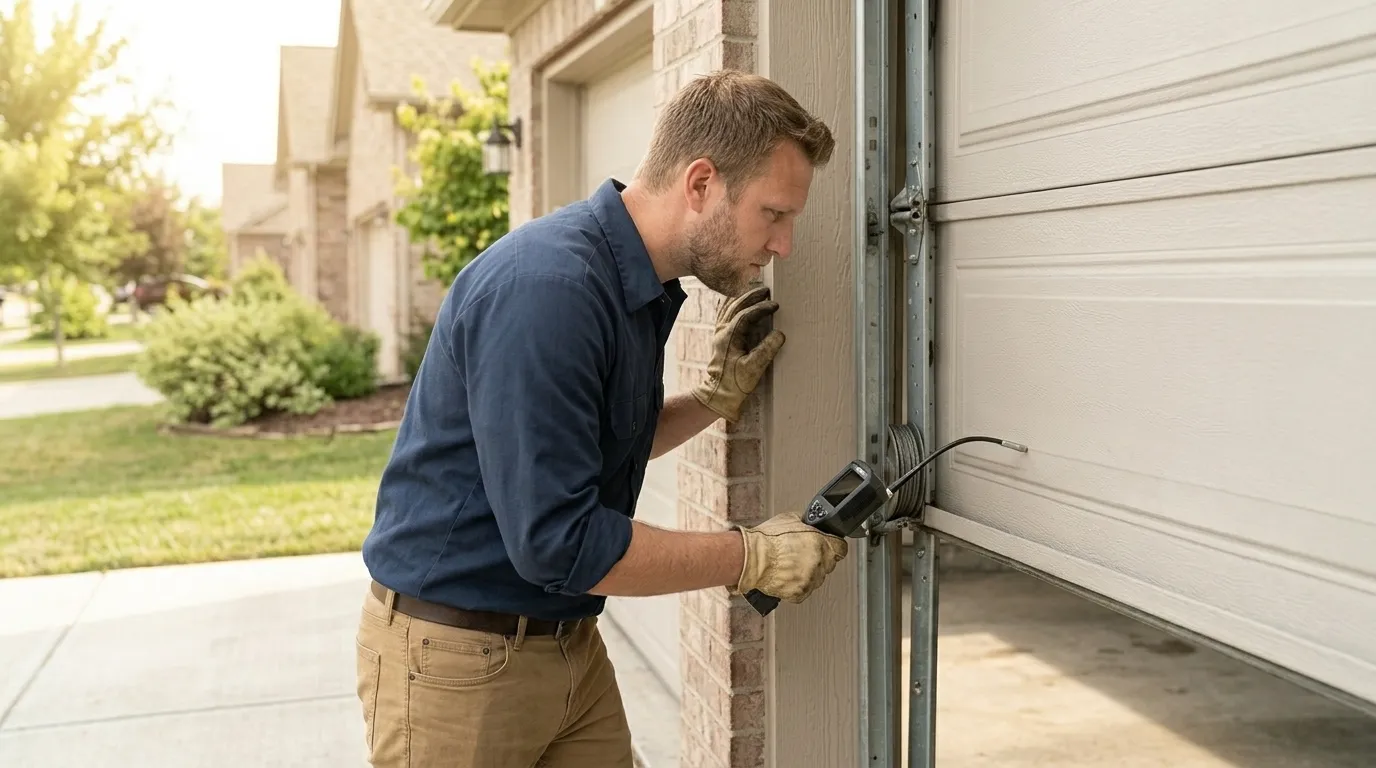
On a late-1970s door with original extension springs, the failure we see most is a snapped or stretched spring on one side, which throws the door off-level and puts strain on the opposite cable. Because so many of these openers are older chain-drive units without modern safety sensors, a door that reverses unpredictably or won't close all the way is often an opener issue layered on top of a track issue, not one clean problem. Cold, severe winters stiffen lubricant in older rollers and hinges faster than in newer nylon-roller doors, so a door that worked fine in October can bind hard by January. Steel panels from this era also dent and rust at the bottom section faster than newer galvanized stock, especially where the weatherstrip has failed and let moisture sit against the panel edge. None of this is unique to one street in Holiday City-Berkeley - it's a pattern tied to what was built here and when, and it's why we ask the build year before we ask anything else.