Where This Job Goes Sideways
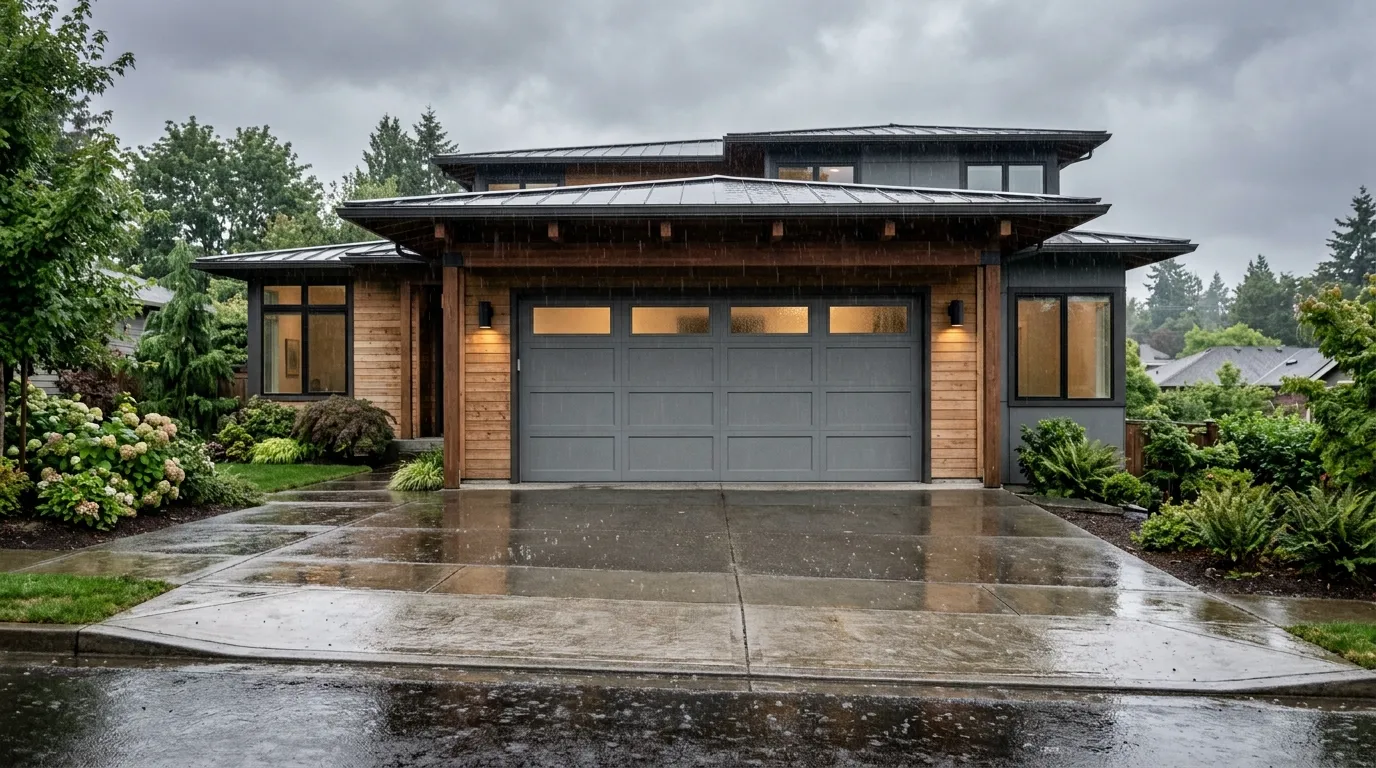
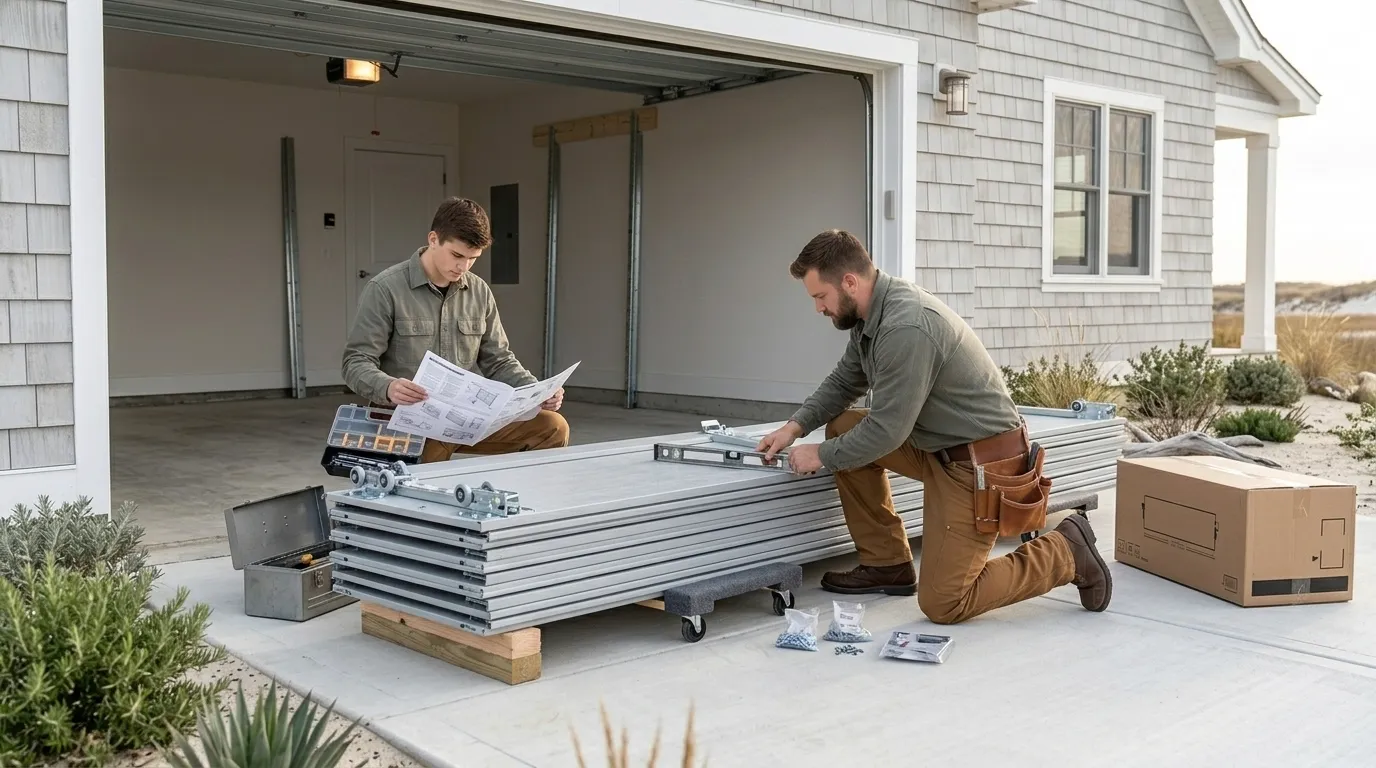
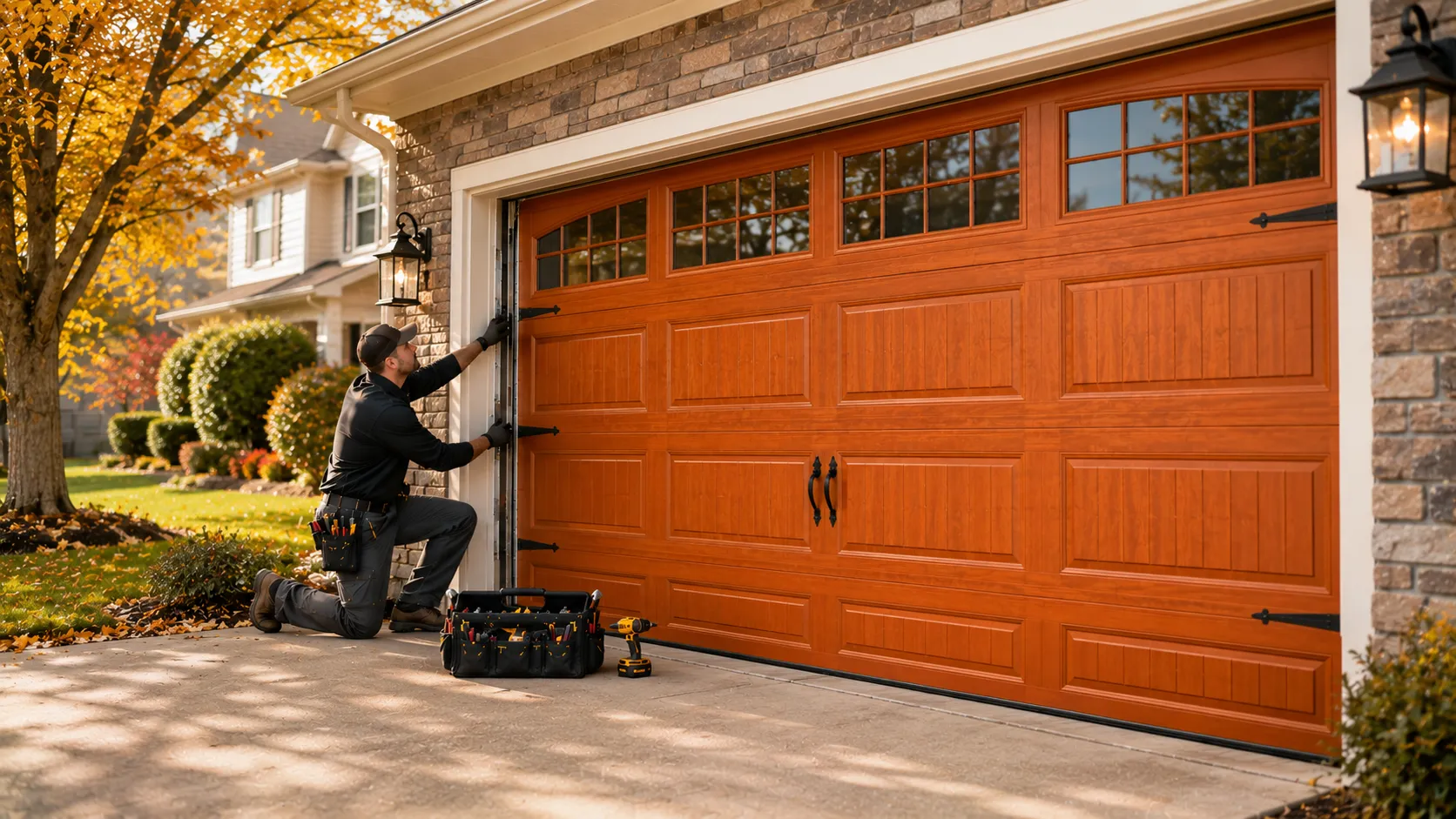
The fault we see most in Pine Lake Park isn't the same one we see in the older pockets of the wider Toms River area. Houses here mostly went up around 1981, roughly a decade after the service area's overall median of 1972. That decade matters. By 1981, builders had mostly shifted to lighter steel sectional doors on extension-spring setups paired with early chain-drive openers - not the heavier one-piece doors and side-mount torsion hardware that dominate the older streets nearby.
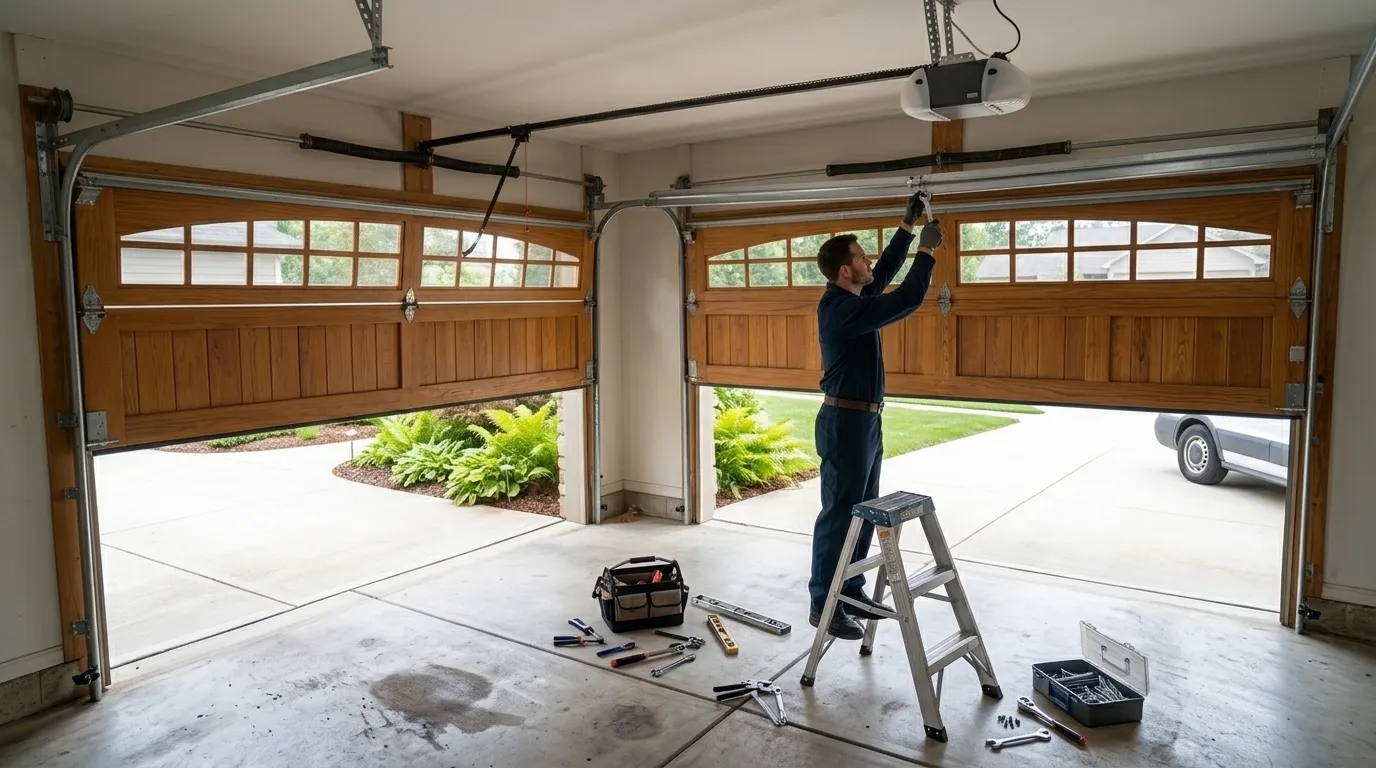
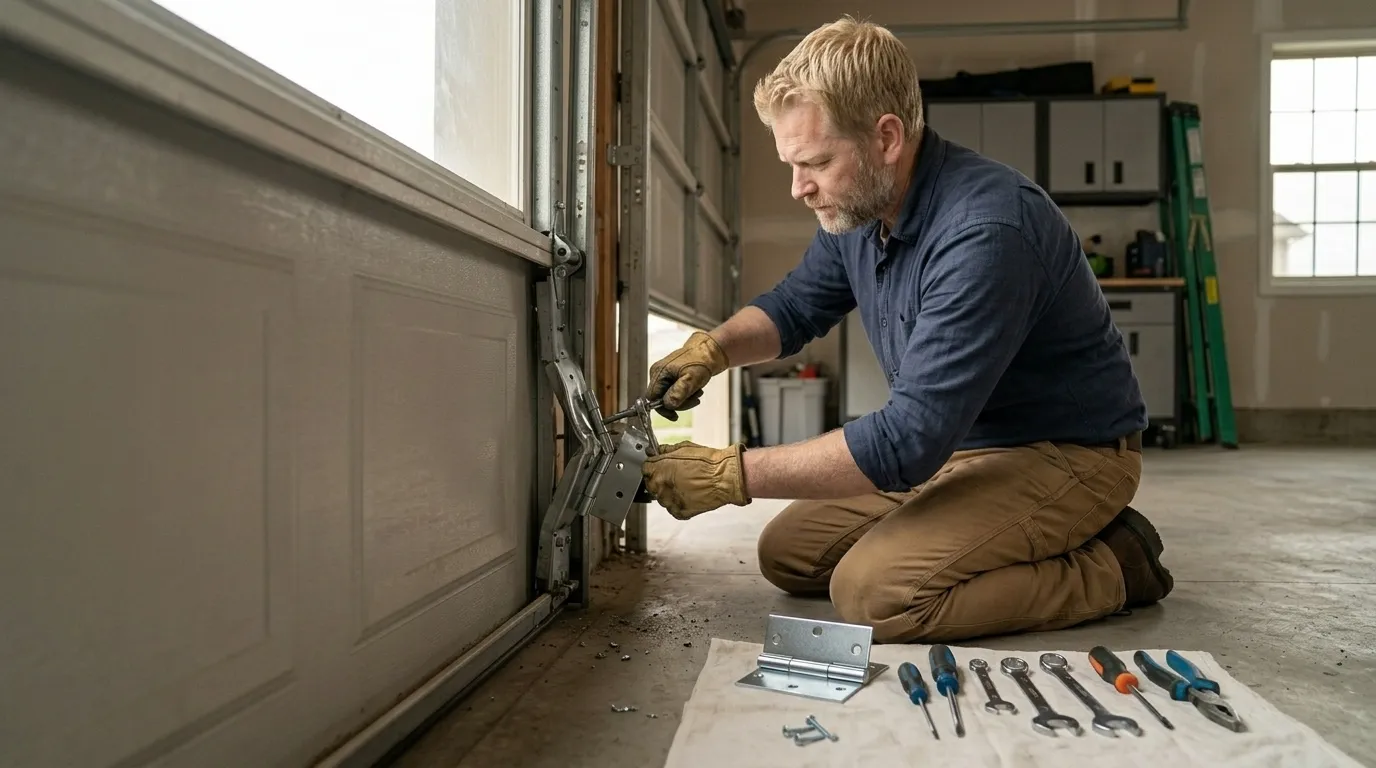
What fails on a 1981-era door is usually the extension spring itself, stretched out and losing tension after decades of cold-weather cycling, or the safety cable that's supposed to run through it and often doesn't anymore because someone swapped a spring without replacing the cable. We also see the original chain-drive opener still limping along - noisy, slow to reverse, and due for a logic board or gear replacement rather than a full swap. None of this is dramatic. It's just old parts doing old-parts things, on a schedule tied to when the house was built, not to how careful the owner has been.
How Long It Takes
A straightforward extension-spring replacement or cable swap on a door from the early-1980s stock common here usually runs under two hours once the tech is on site, parts loaded correctly. Opener repairs vary more - a gear-and-sprocket kit is quick, but if the whole chain-drive unit needs replacing because the motor's gone, that's a longer job and sometimes a next-visit part order if we don't have the exact mount pattern on hand.
Winter adds time, not because the truck runs slower but because cold-stiffened springs and hardened grease on old rollers make everything work a little harder to free up. Given the service area's severe cold climate band, that's a real factor here, not a generic weather line - metal contracts, lubricant thickens, and a spring that was already fatigued from age fails faster once temperatures drop. If your door's acting up in January, don't assume it'll hold until spring.
Can You Do This Yourself
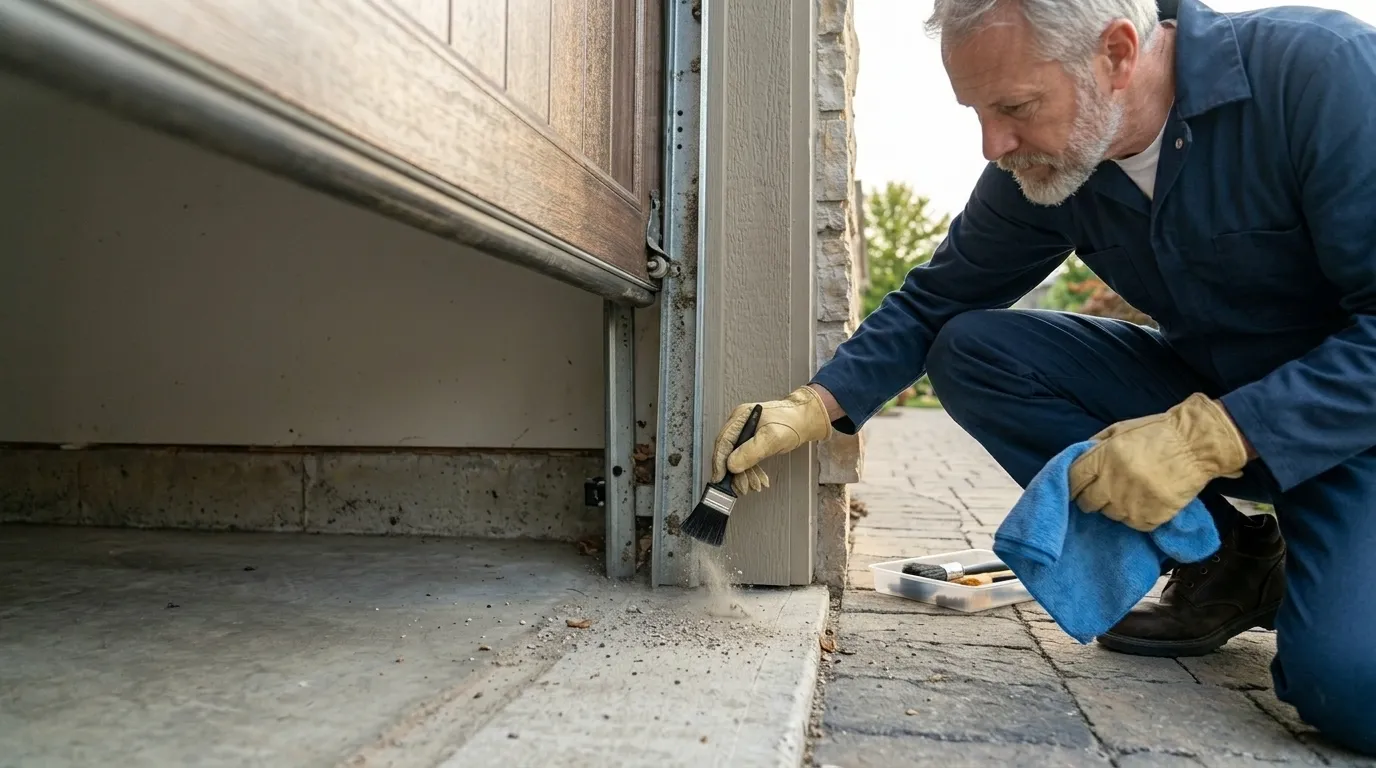
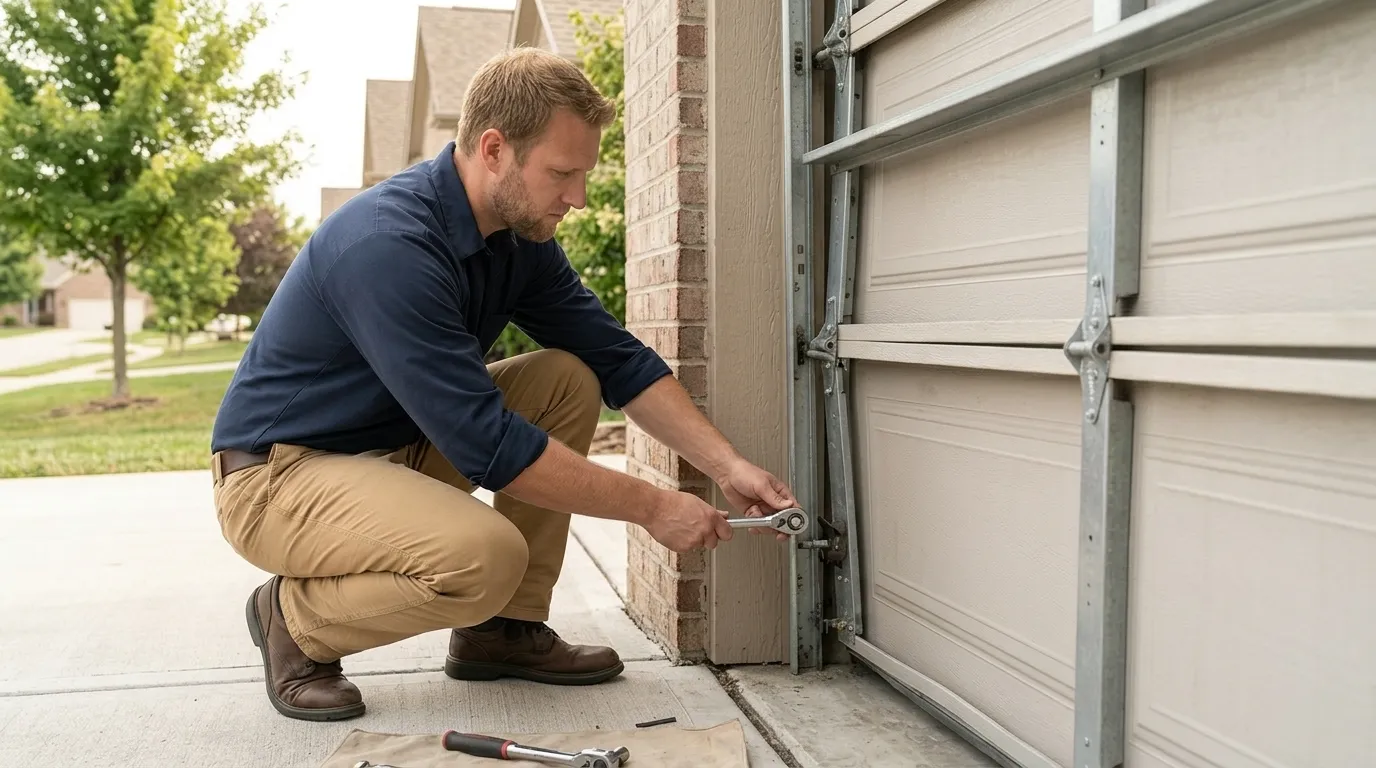
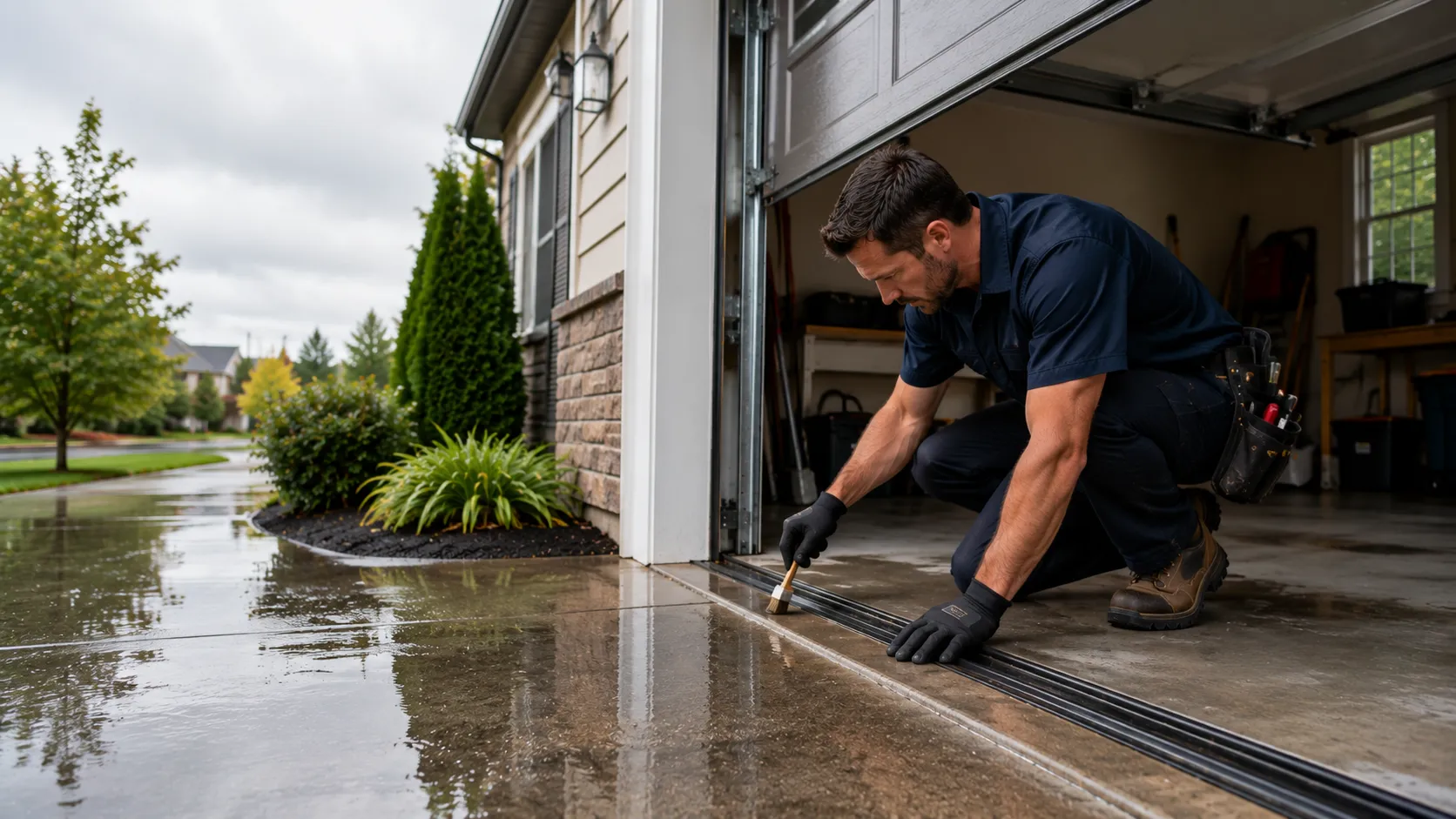
Some of it, yes. Lubricating hinges and rollers, tightening loose bolts on the track, or replacing a worn weatherstrip at the bottom of the door are reasonable DIY jobs on a door from this era. Springs are not. Extension springs under tension can whip hard enough to break a bone or worse, and on a house where the median build year is 1981, we're often finding springs that have never been touched since installation - they're not going to behave predictably once you start loosening anything near them.
We also won't tell you to replace an opener logic board yourself if the unit's original to the house; matching an old chain-drive mount to a new opener sometimes needs bracket work that's not obvious until you're halfway into it. Here's the honest limit: if your door is a straight spring or cable job, call us and it's a same-visit fix. If the whole opener needs replacing and the mount doesn't match anything current, that can mean a return trip once the part's ordered - we won't pretend otherwise.