Where This Job Goes Sideways
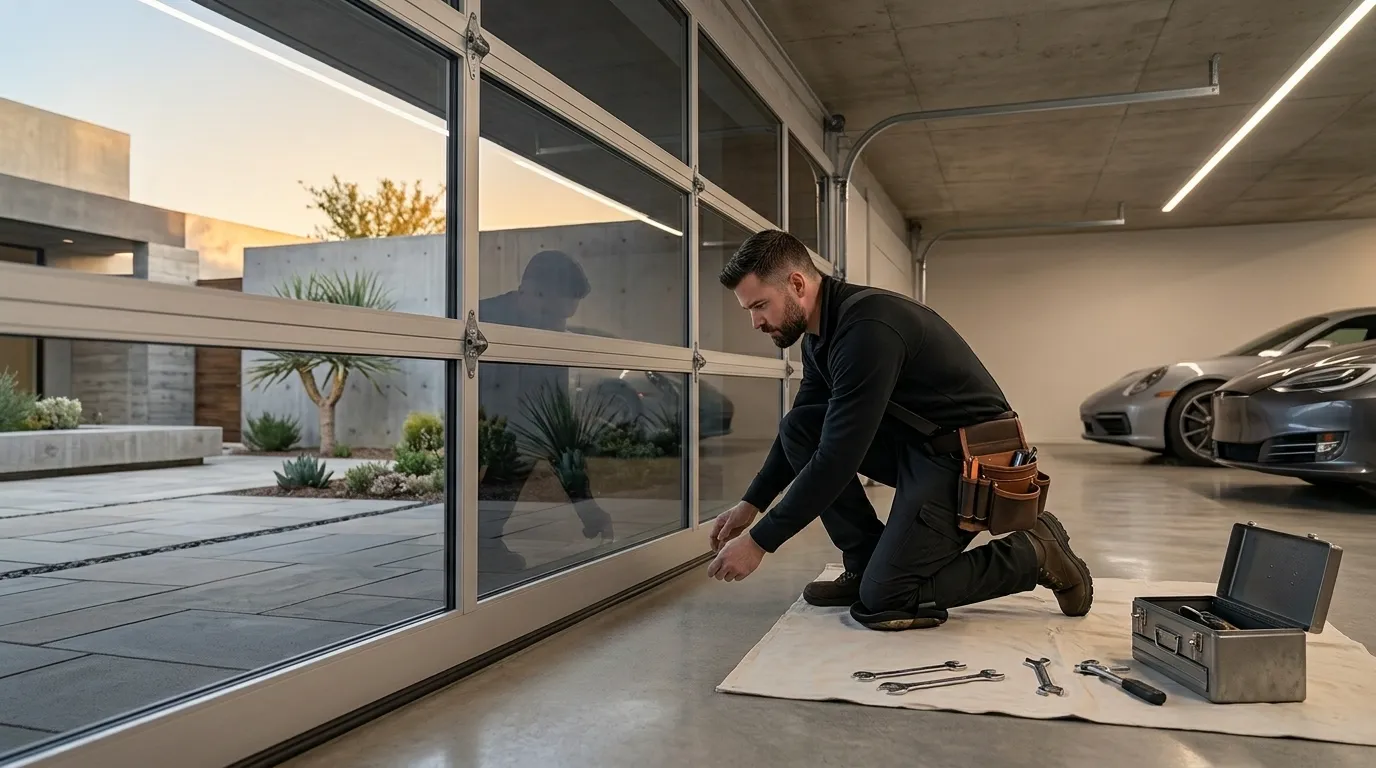
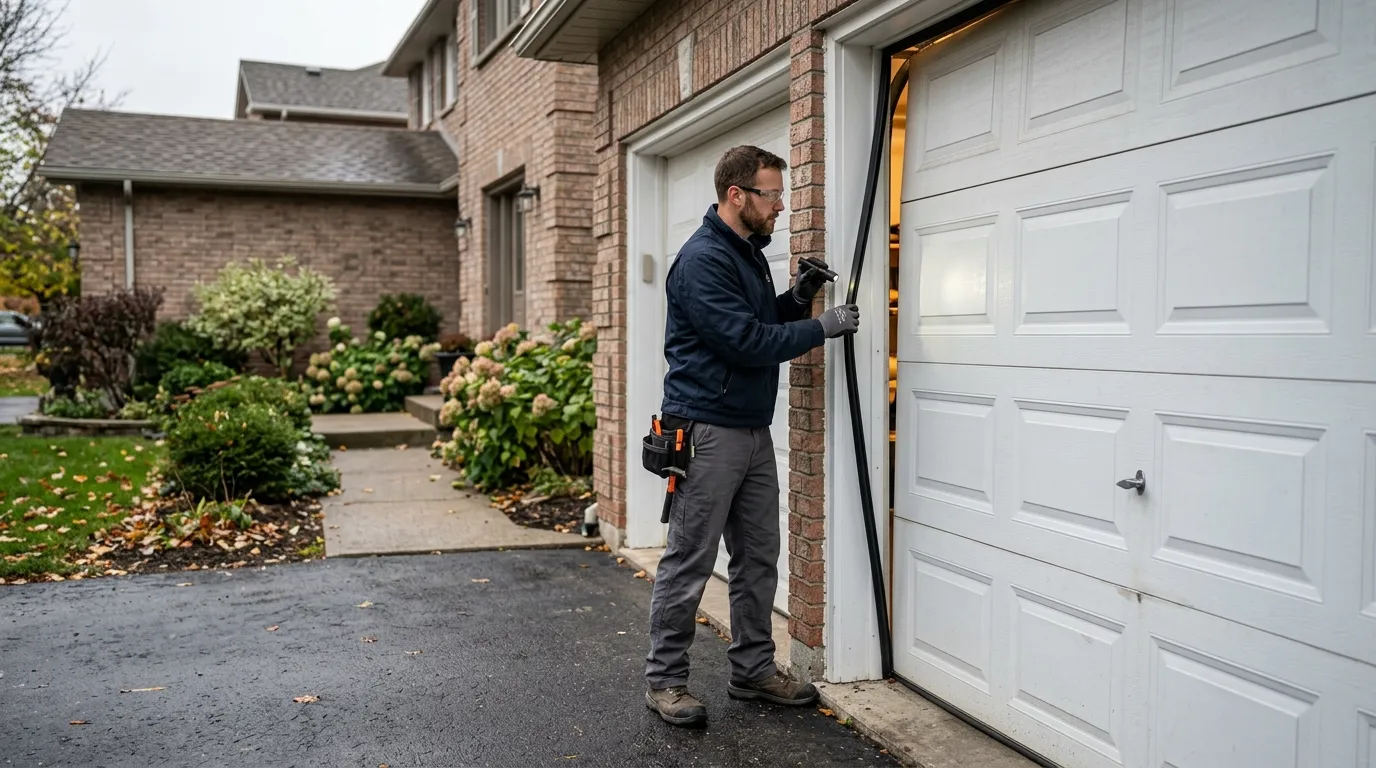
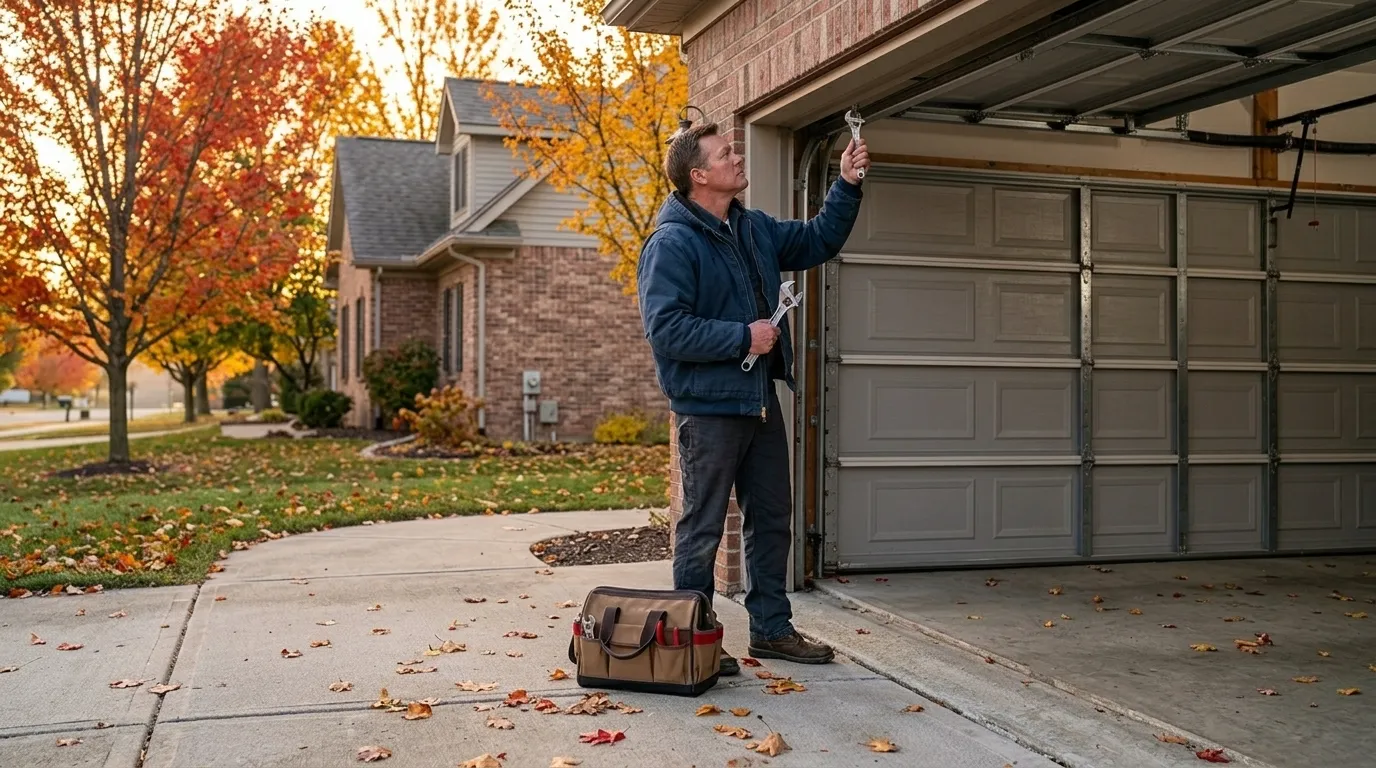
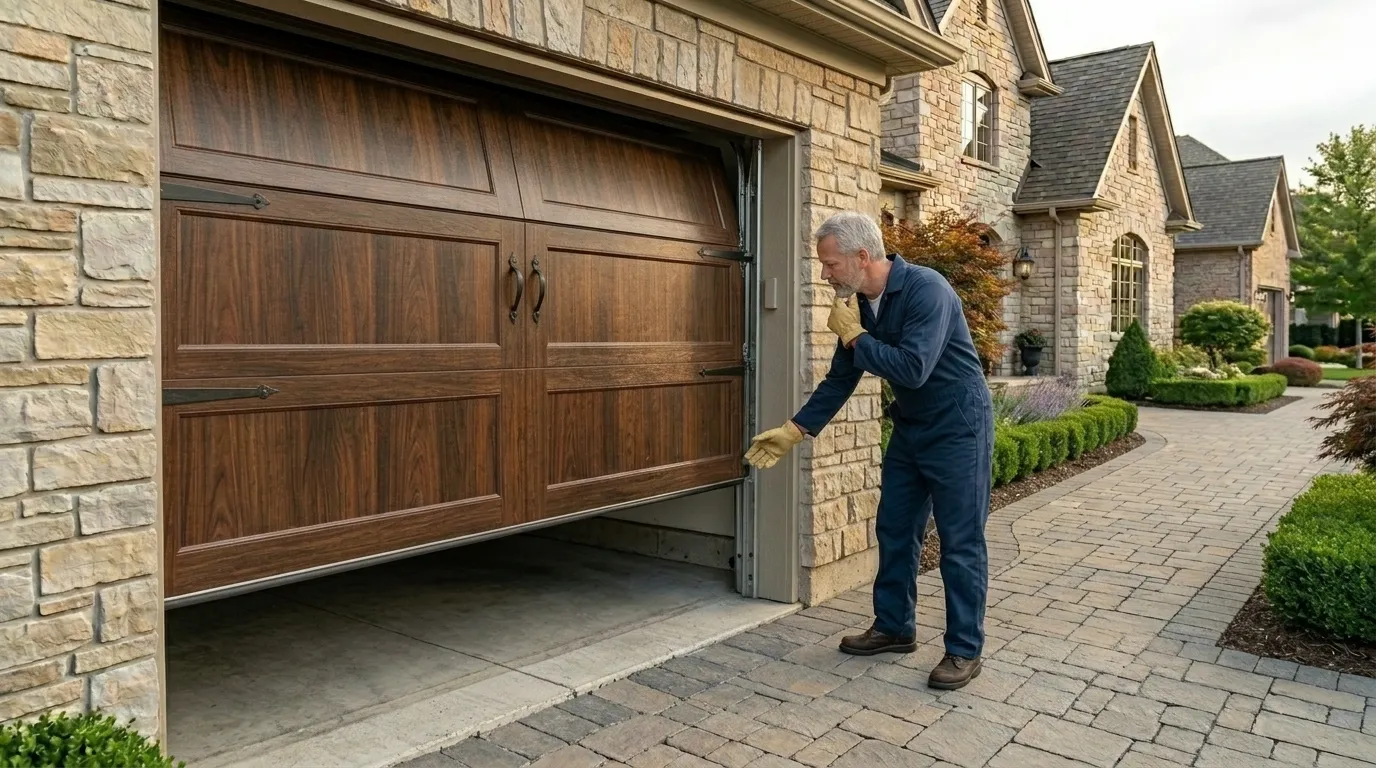
Across the wider Toms River service area, the median home dates to 1972, with most of the 46 named communities built out through the 1960s and 70s. Beachwood sits a bit later on that curve - its median build year is 1976 - which sounds like a small gap until you're standing at the header with the wrong spring on the truck. Houses framed in the mid-to-late 70s more often came with torsion hardware already installed at the factory, rather than the extension springs still common in the older pockets of this area. That matters because a tech who assumes "older Toms River housing = extension springs" and doesn't recheck the header setup can show up short a spring size or a cable drum.
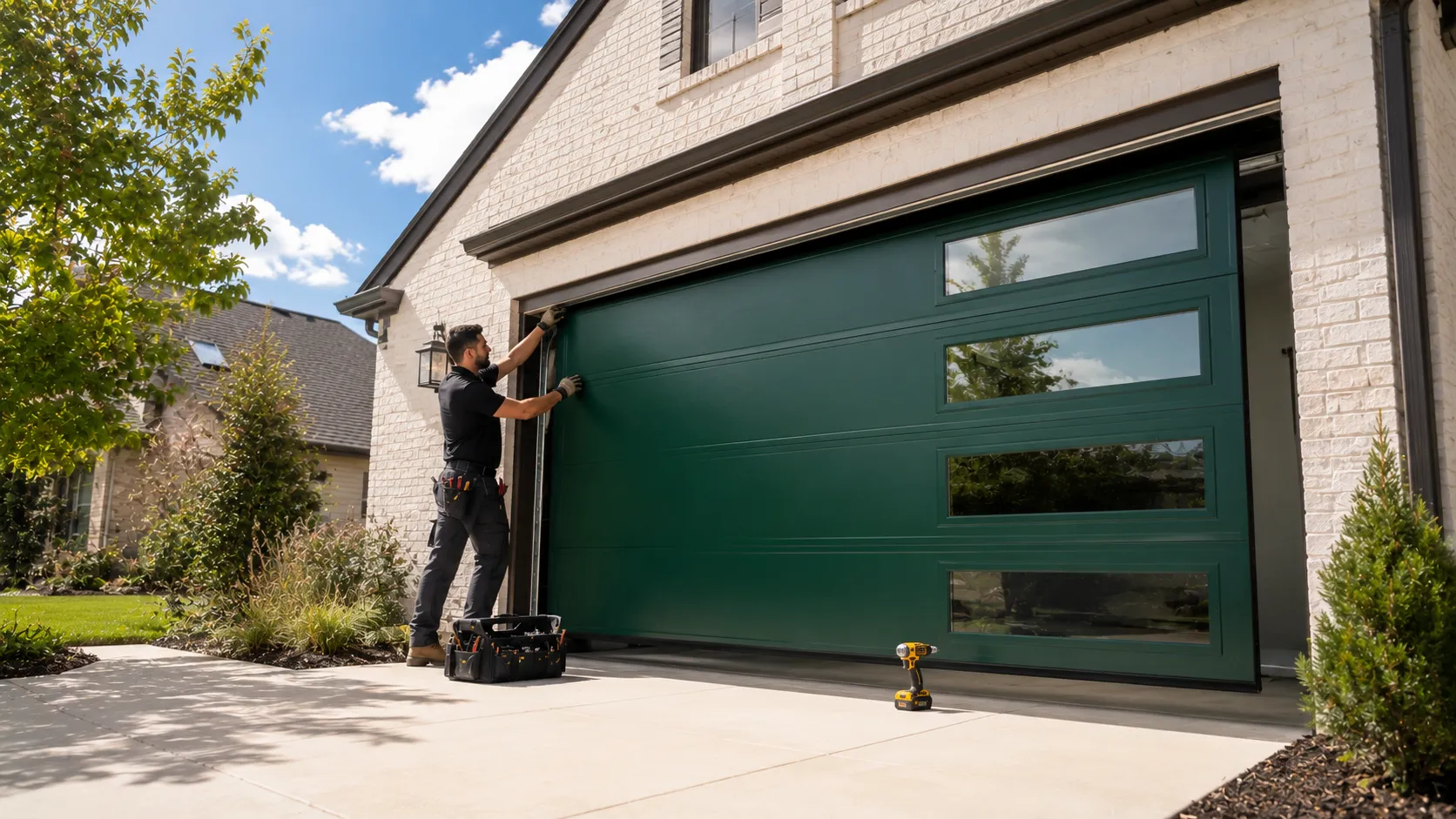
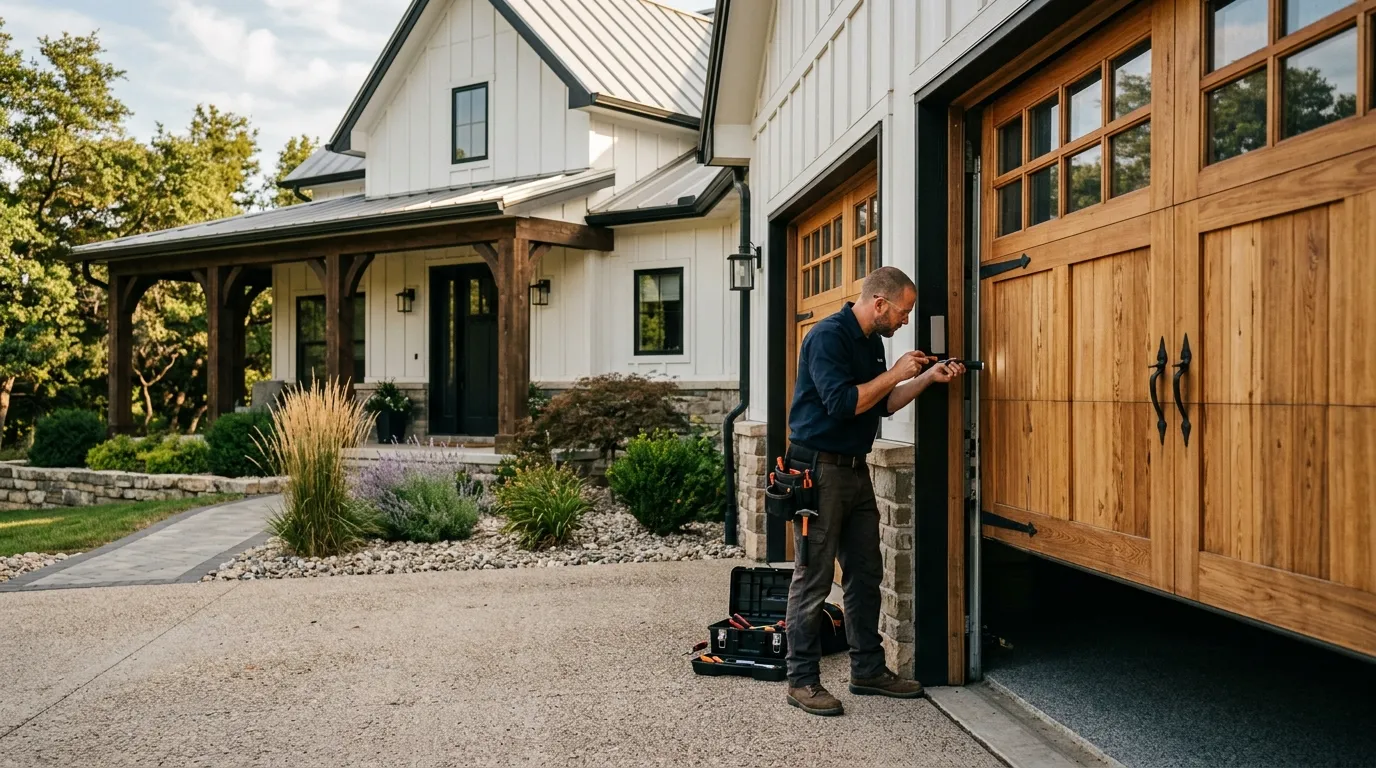
We run out of Toms River, about 5 miles from Beachwood, so there's no local branch stocking parts on your block - everything comes on the truck already loaded, and getting the load right starts with knowing which build era a job falls into before the truck leaves. A 1976 door isn't a 1962 door, and the fix looks different from the driveway.
Parts We Carry
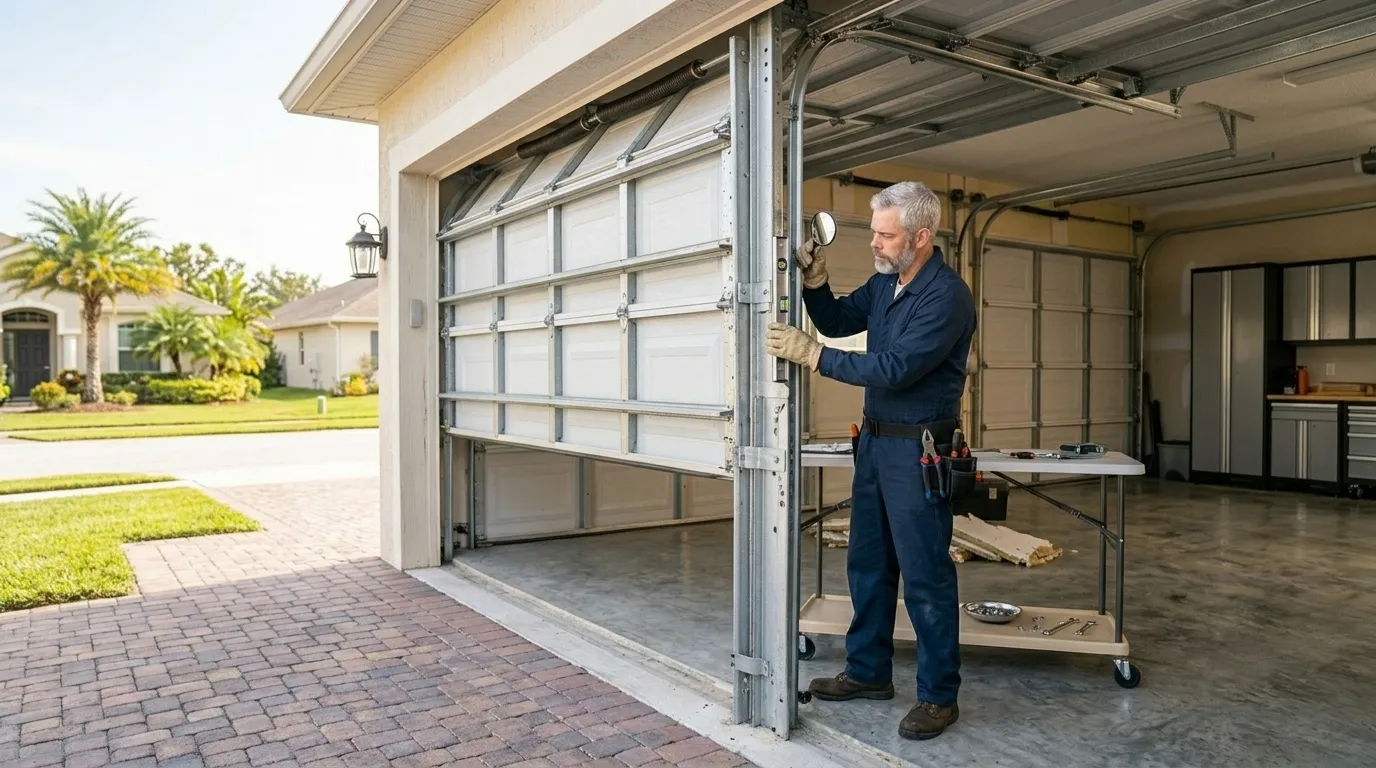
For the torsion setups common on Beachwood's housing stock, we carry standard torsion springs sized to typical residential door weights, along with the cable drums, center bearing plates, and stationary cones that wear alongside a spring at end of life. We also carry extension springs and their safety cables for the older-style setups still found on some homes in the broader area, since build year isn't a hard rule - retrofits and replacement doors mean either hardware type can show up on a given call.
What we don't stock on the truck is anything custom - oversized commercial-grade springs, or hardware for a nonstandard door someone installed outside the usual residential range. That's a fair limitation to name up front: if your setup falls outside what a typical Toms River-area residential door uses, we may need to order the part, and that's a delay worth knowing about before we're standing at your garage.
Can You Do This Yourself
Don't. A wound torsion spring holds enough stored force to break fingers or worse if the winding bars slip, and extension springs without proper safety cables can launch across a garage if they let go under tension. This isn't a caution built for a liability page - it's the actual physical reality of a coiled spring under several hundred pounds of tension.
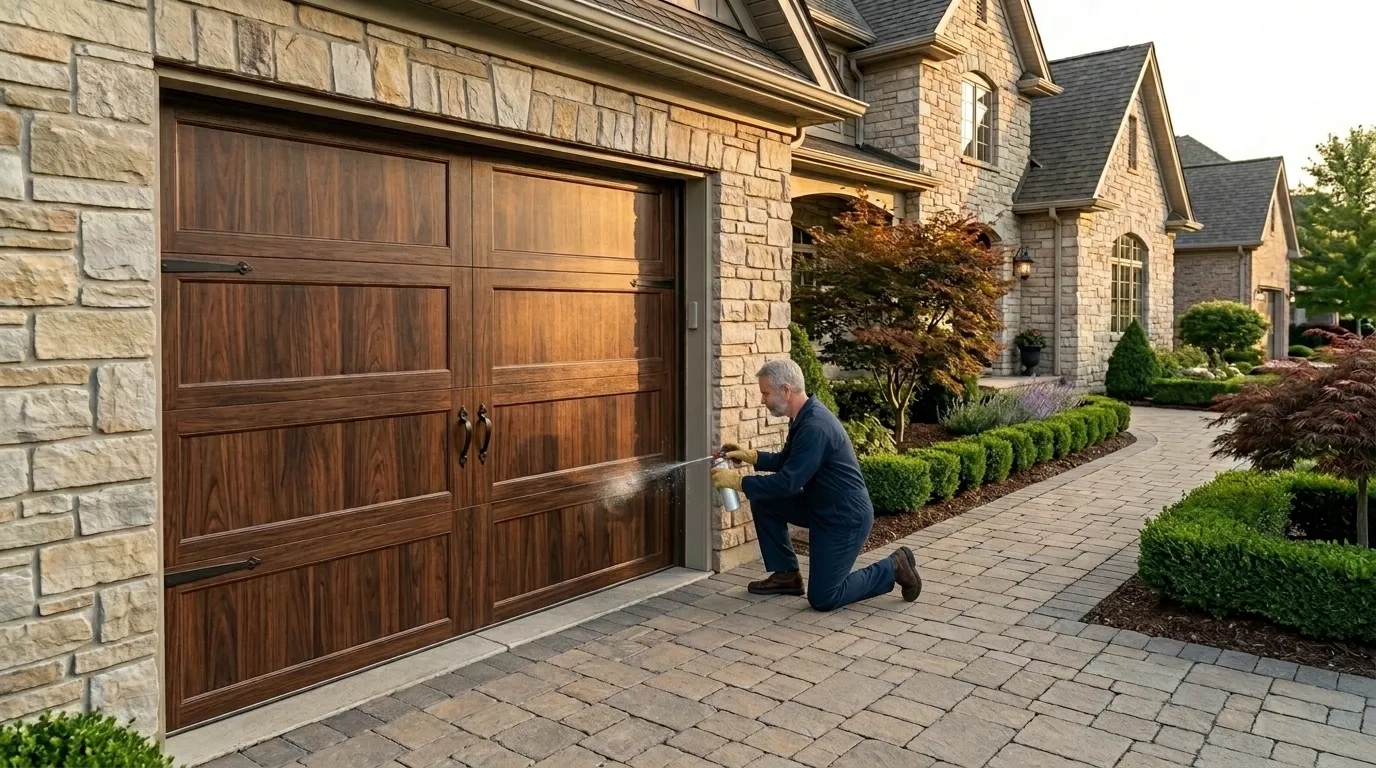
Where a homeowner can reasonably do their own work: lubricating rollers and hinges, tightening loose hardware, checking that photo-eye sensors are aligned and clean. None of that touches the spring system. If the door won't open and the spring looks broken or unwound, that's a call, not a project.