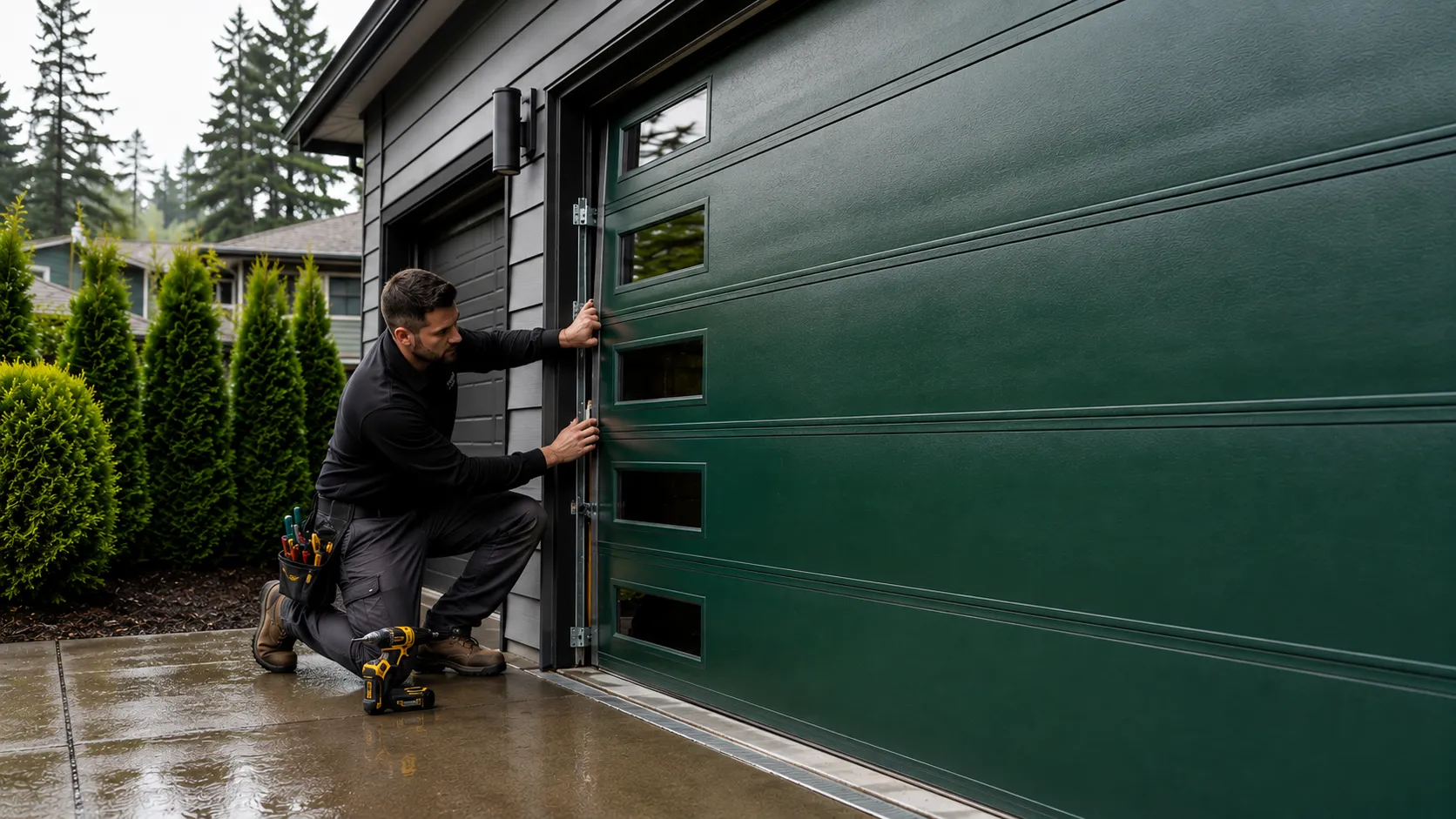
Where This Job Goes Sideways
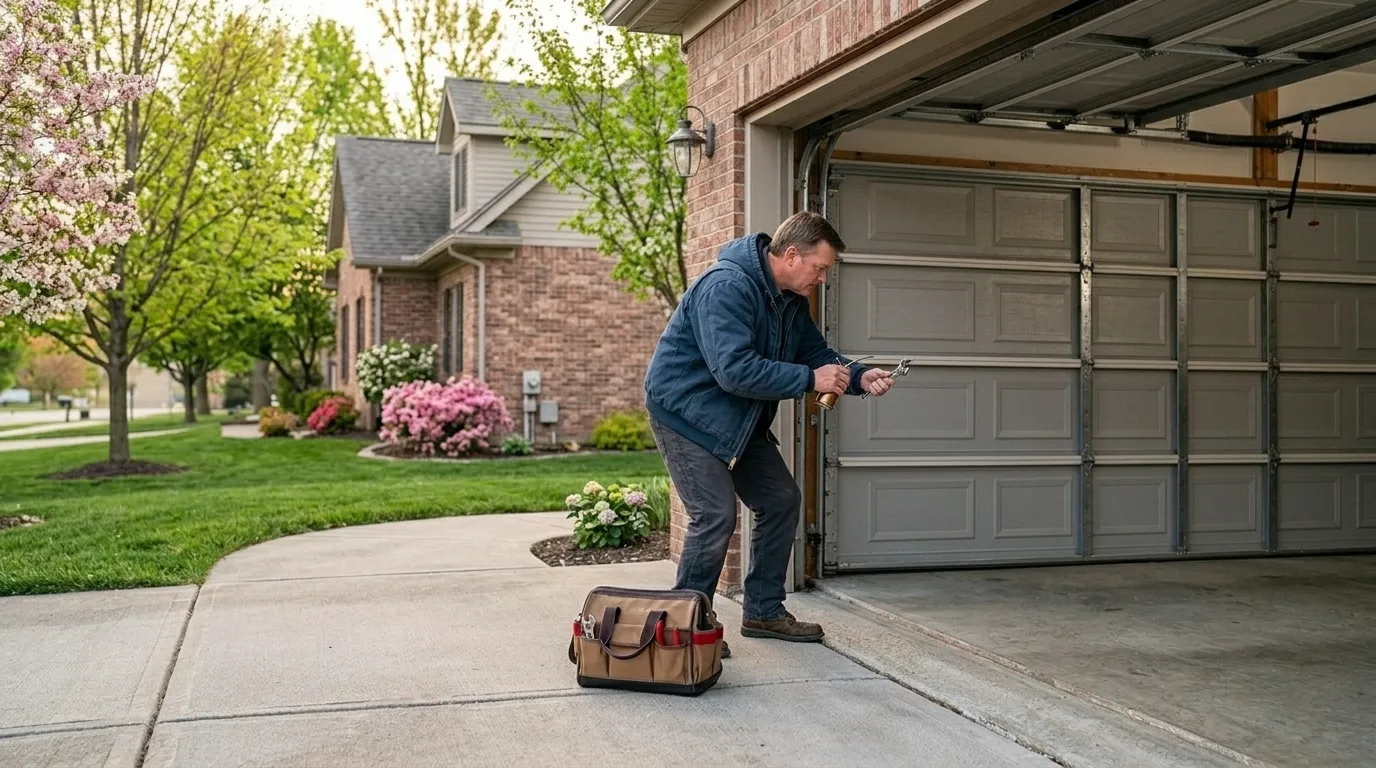
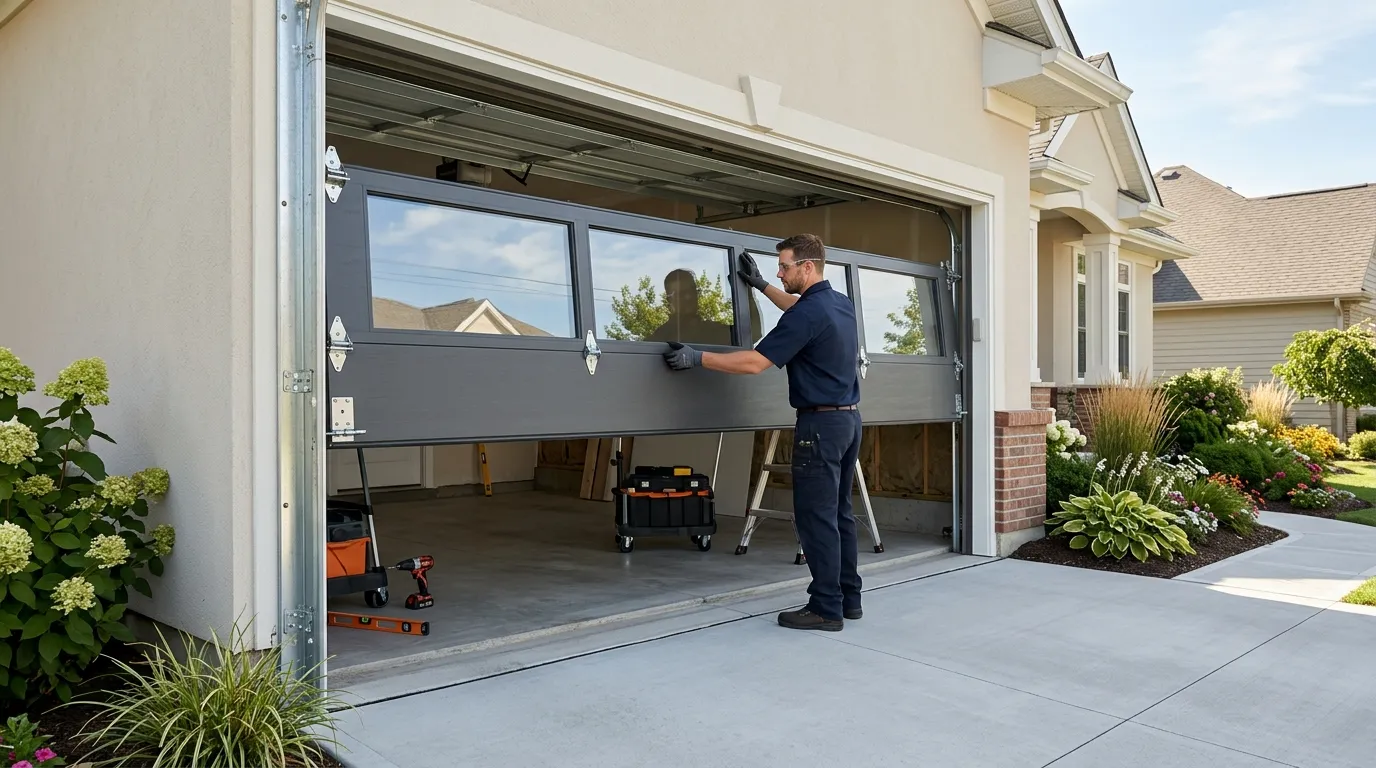
Beachwood sits about 5 miles from our shop in Toms River, which is a short run on a clear afternoon and a slower one once the Garden State Parkway backs up or a nor'easter is dumping wet snow on Route 9. That drive matters because it's the difference between a spring snapping at 8 AM on a weekday and the same thing happening at 6 PM when everyone else on the barrier peninsula is also trying to get home. We don't have a branch in Beachwood - every call routes from Toms River - so when you call, tell us exactly what the door is doing (won't move, moves and stops, one side hangs low) so we can bring the right parts on the first trip instead of a second one. A cable that's frayed but not snapped, or a spring that's stretched but not broken, can usually wait for a same-day slot rather than a true emergency dispatch. Knowing which one you've got before we're on the road saves everybody time, especially on a longer haul like this one.
Parts We Carry
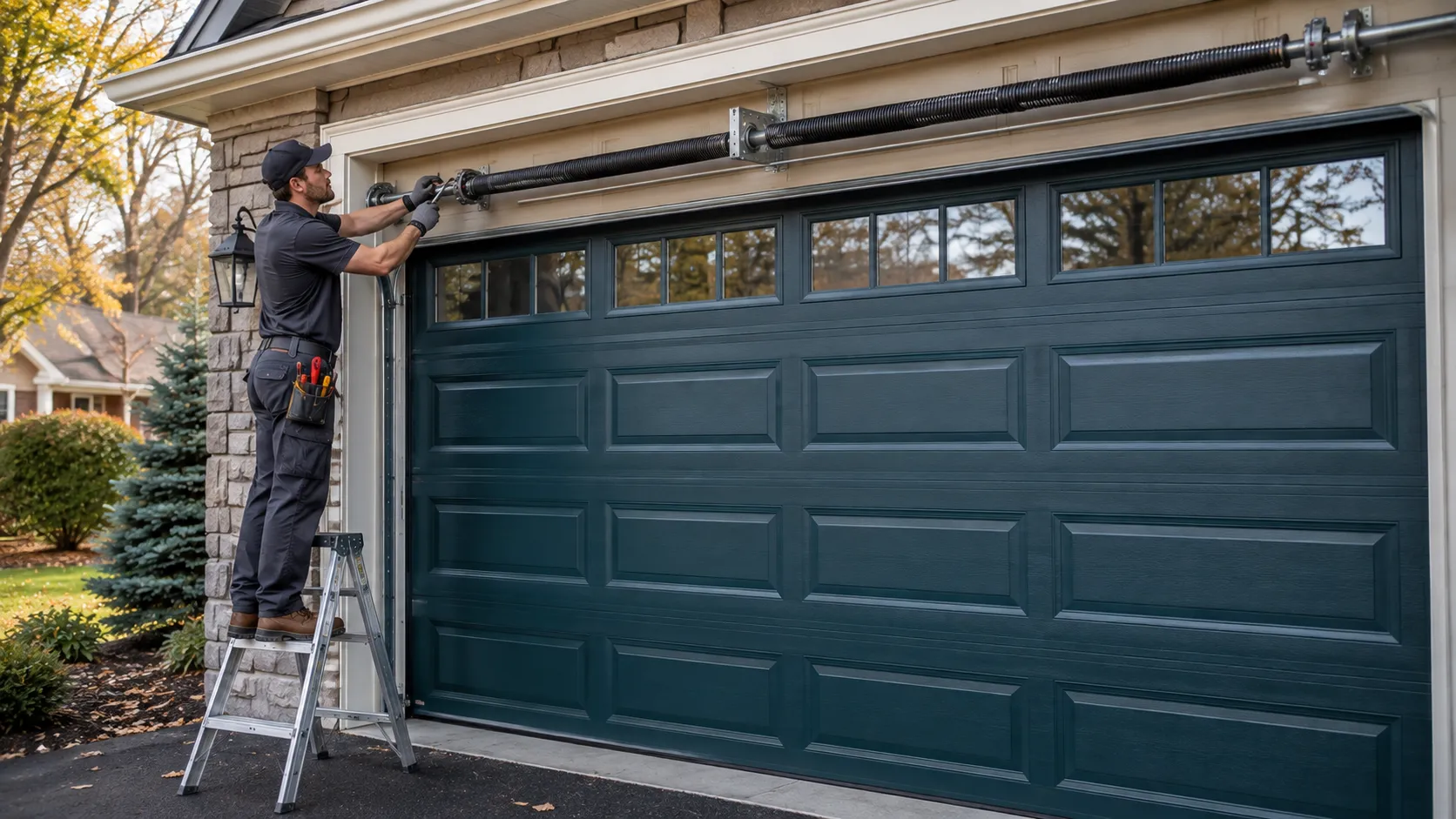
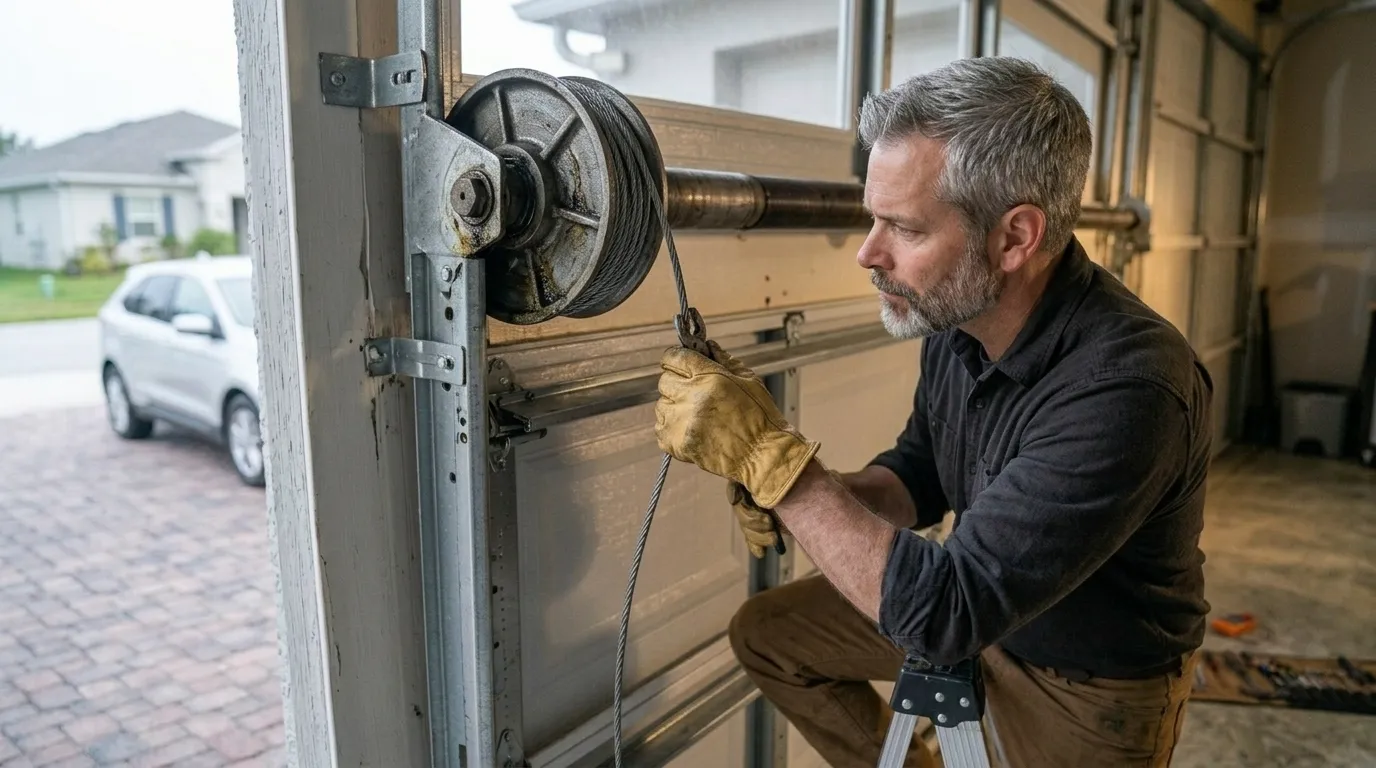
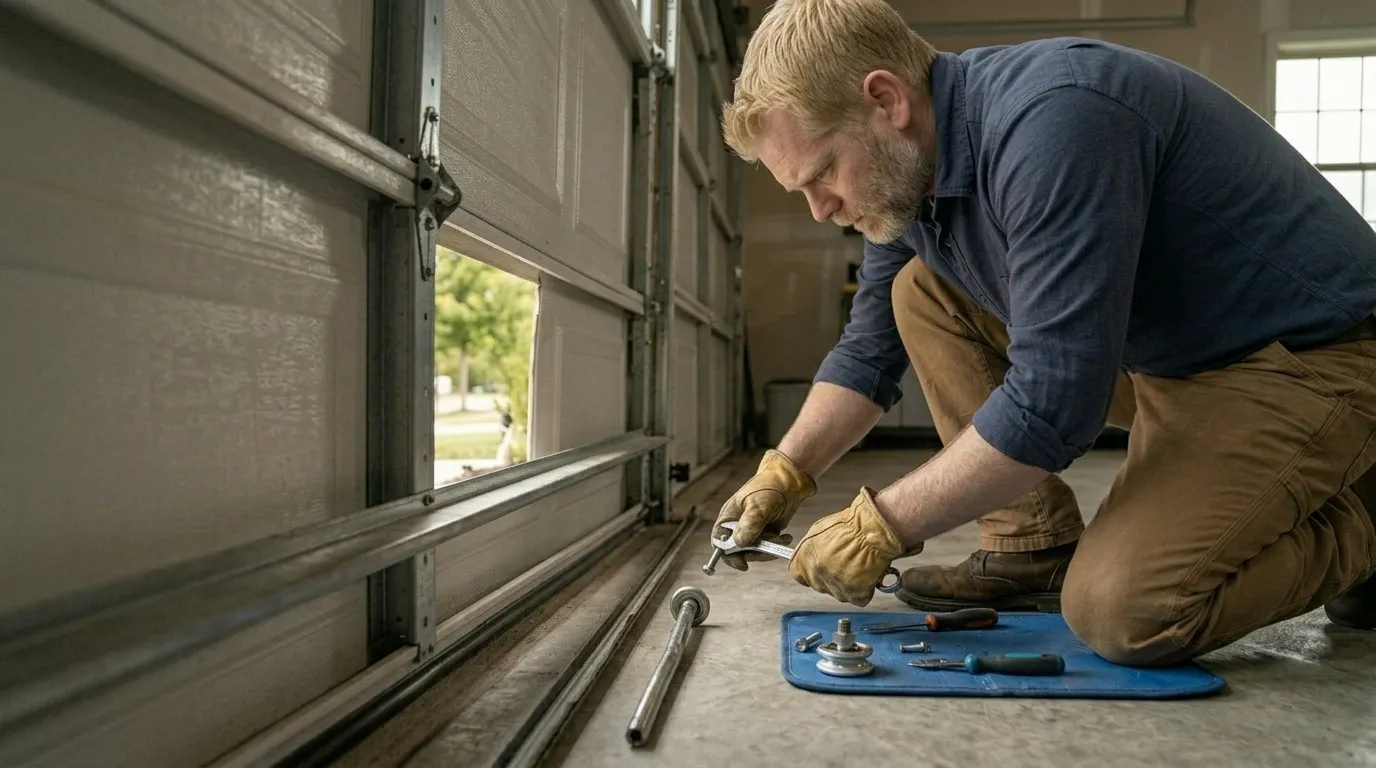
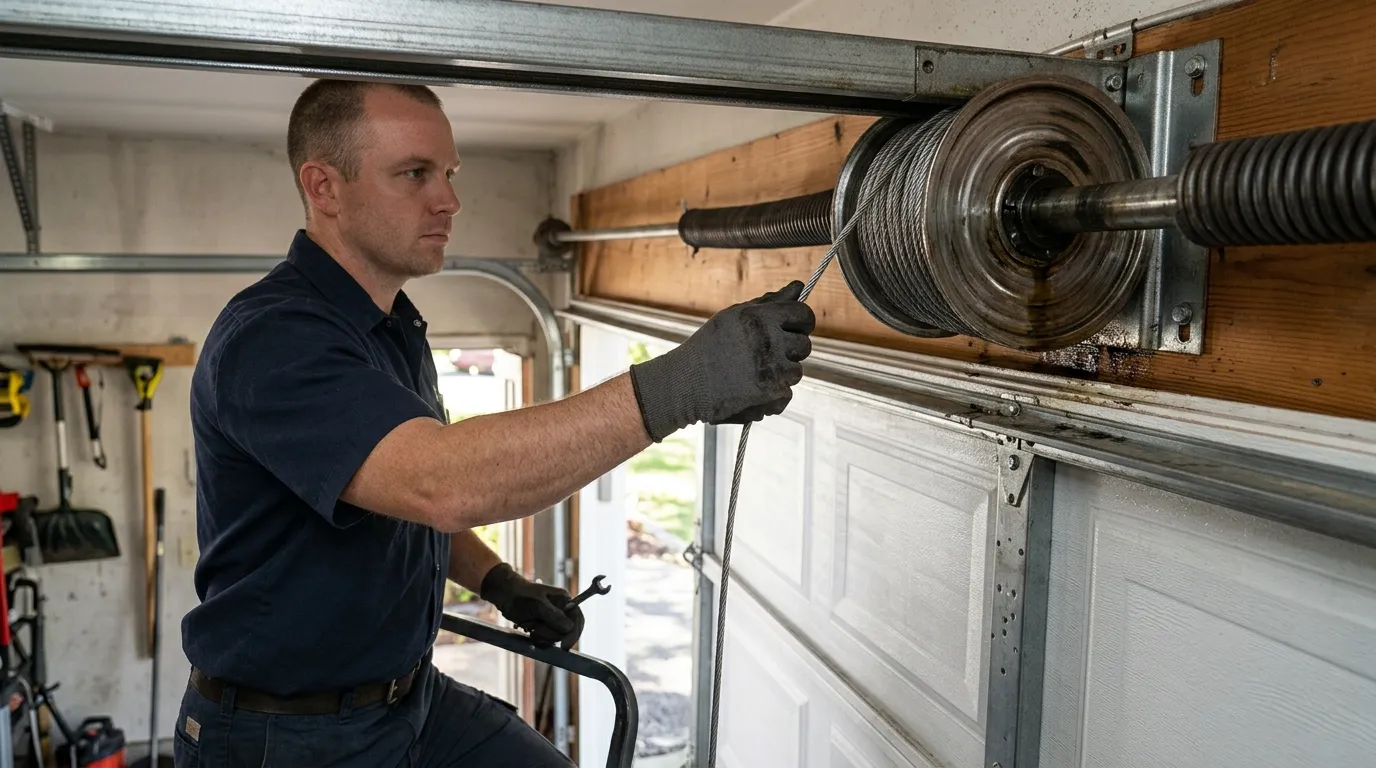
For torsion setups like the ones common on 1970s Beachwood construction, we carry standard torsion springs sized to typical residential door weights, along with the center shaft bearings, cable drums, and lift cables that tend to fail alongside them. We also stock rollers and hinges to match steel sectional doors from that era, since the original hardware on a door this age is usually worn well past spec even if the spring itself is fine. What we don't keep on the truck is anything custom - a wood door with a non-standard track width, or a spring sized for an oversized or unusually heavy door, has to be ordered, and that's a second trip. If your door was replaced more recently than the house itself, tell us the age when you call; a newer door might need parts we'd otherwise assume you don't have.
Can You Do This Yourself
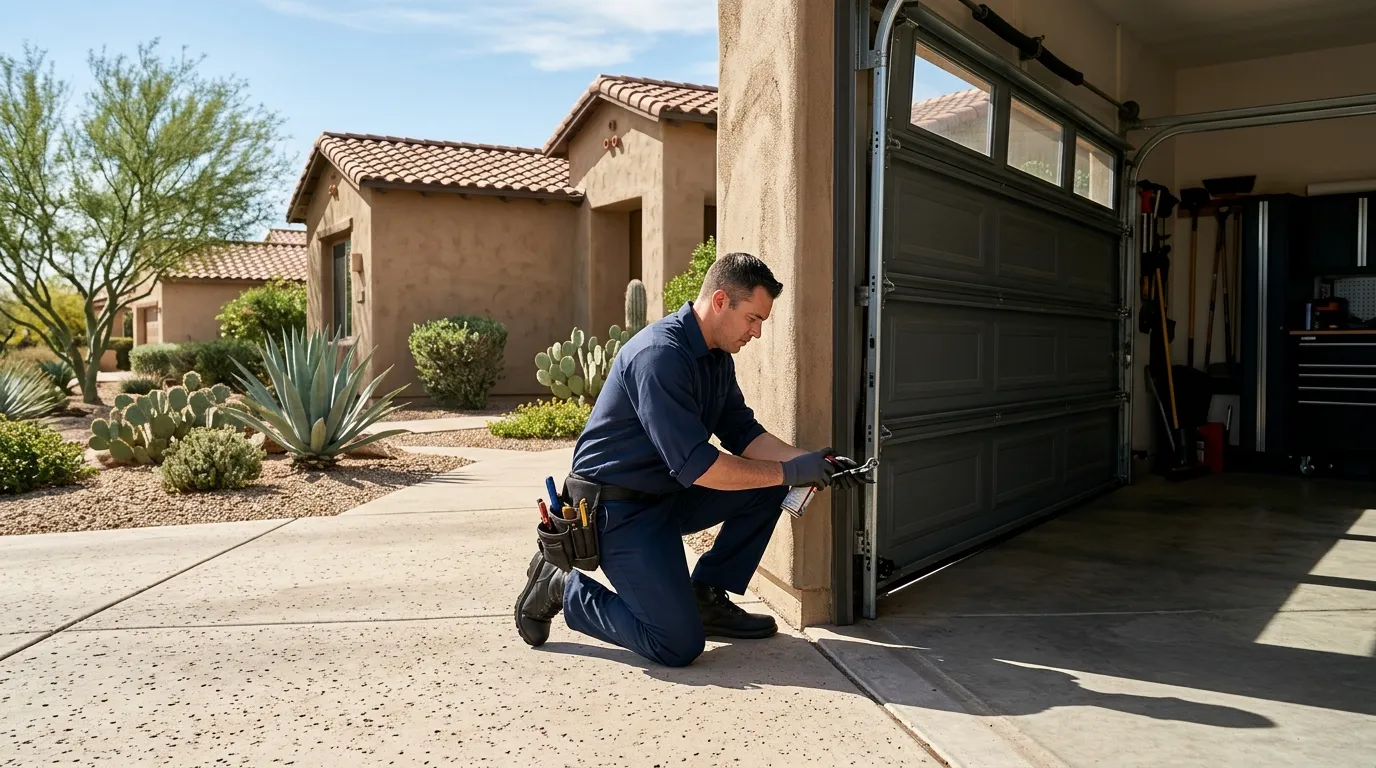
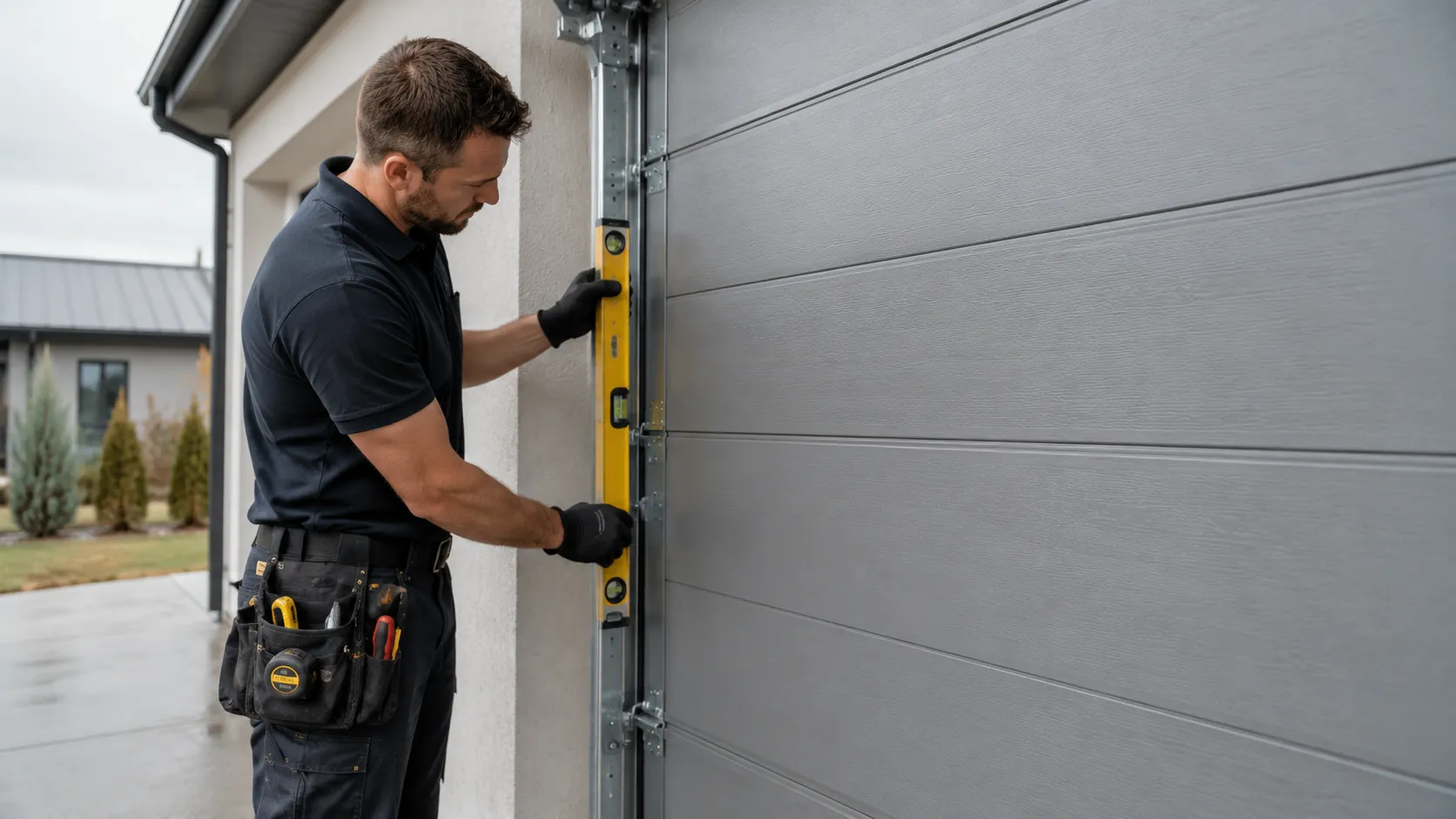
Don't touch a torsion spring yourself. It's wound under enough tension to break a hand or worse, and that's true whether the house is in Beachwood or anywhere else. What you can safely check: whether the opener is unplugged or tripped, whether the track has an obvious bend or obstruction, and whether the manual release cord has been pulled (it disconnects the opener from the door, and people forget they pulled it). If the door moves freely by hand with the opener disconnected, the problem is likely the opener, not the door hardware, and that's a lower-stakes fix. If it doesn't move freely, or moves and drops, stop and call - forcing it usually turns a spring job into a track and panel job.