Where This Job Goes Sideways
Most houses in Beachwood went up around 1976, which puts them square in the middle of the region's 1960s-70s building wave. That means a lot of single-car and narrow double-car openings, sized for the steel doors that were standard when the house was framed - not the wider, insulated panels builders use now. The trouble starts when a homeowner orders a modern door off a size chart without checking the actual rough opening. A door that's an inch off on width or height doesn't just look wrong, it fights the track and the seal for years.
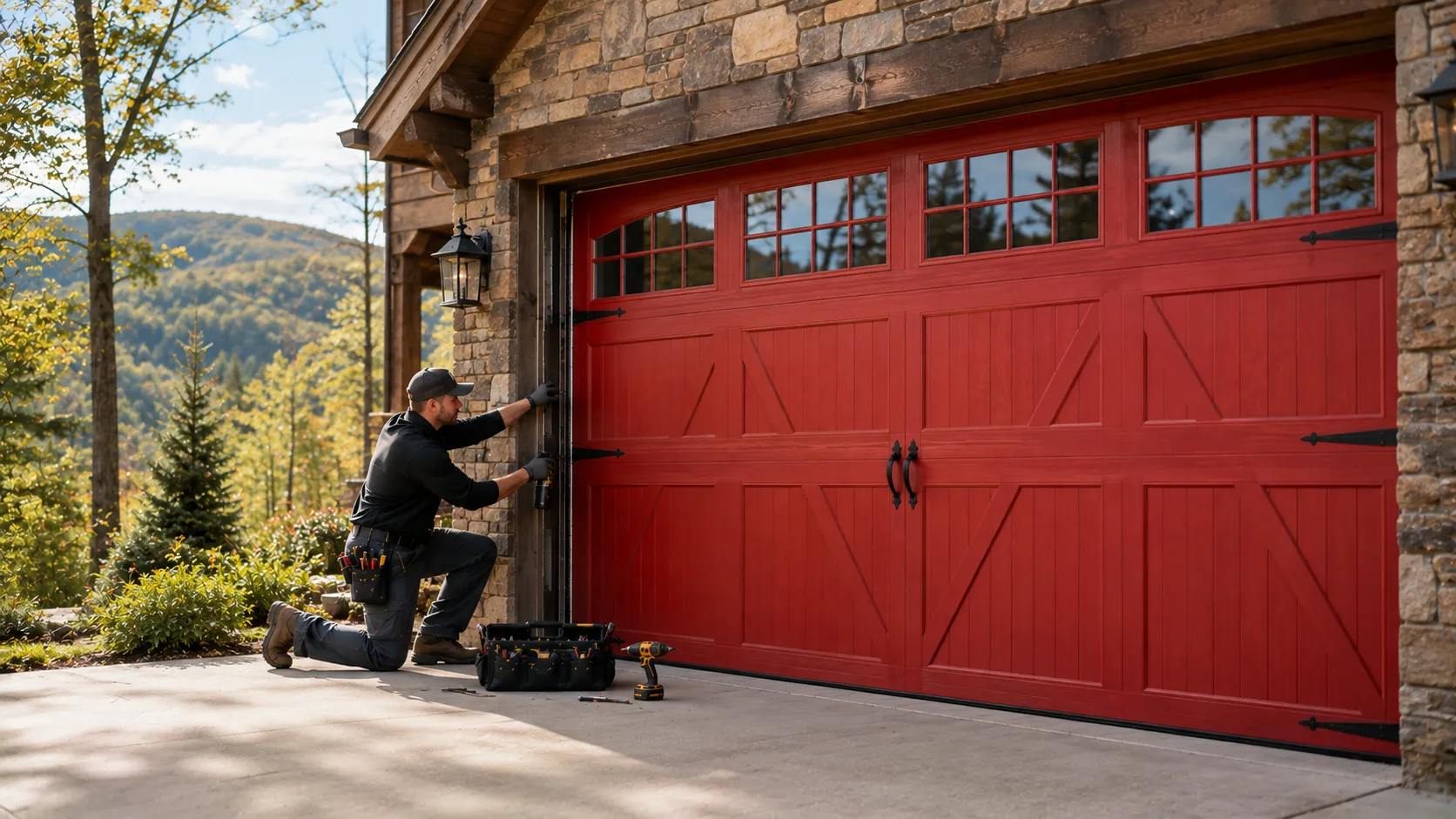
The other place this goes sideways is the header. Homes from this era in the region were framed for lighter doors than what's sold today - steel is heavier per square foot than the thin builder-grade panels of 1976, and a heavier door asks more of a header that was never sized for it. We check that before we quote anything, because a door that's too heavy for its opening will sag at the top corners inside two winters.
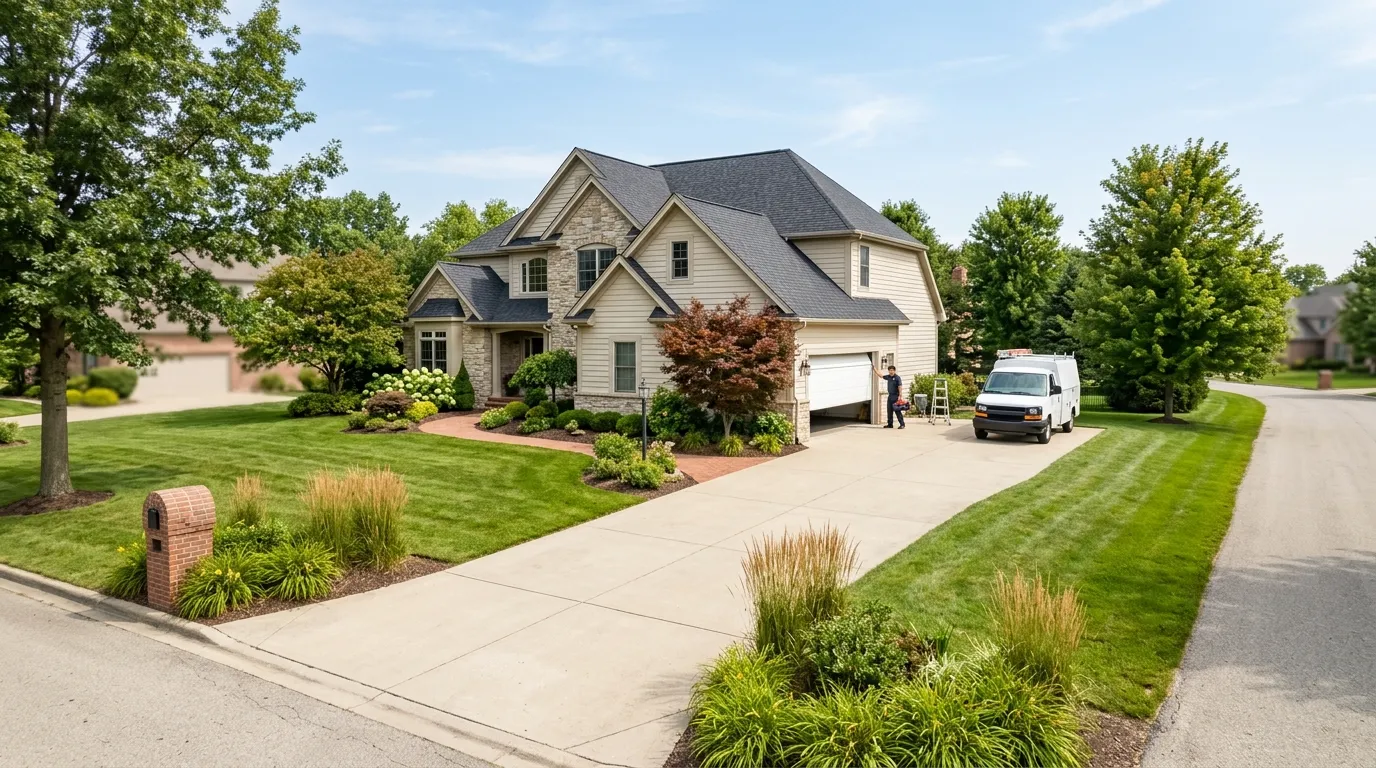
We drive out from Toms River, about 5 miles, so nothing here is guesswork done over the phone - we look at the opening before we cut a number.
Parts We Carry
For a house from this era we're usually replacing a single-width or standard double opening, and we stock the sizes that match that 1970s-era framing along with the wider modern openings if you're upgrading the header at the same time. Panels come insulated as standard now - given the cold-climate design load this region sits in, an uninsulated steel door is a step backward from what's on the shelf, not an upgrade.
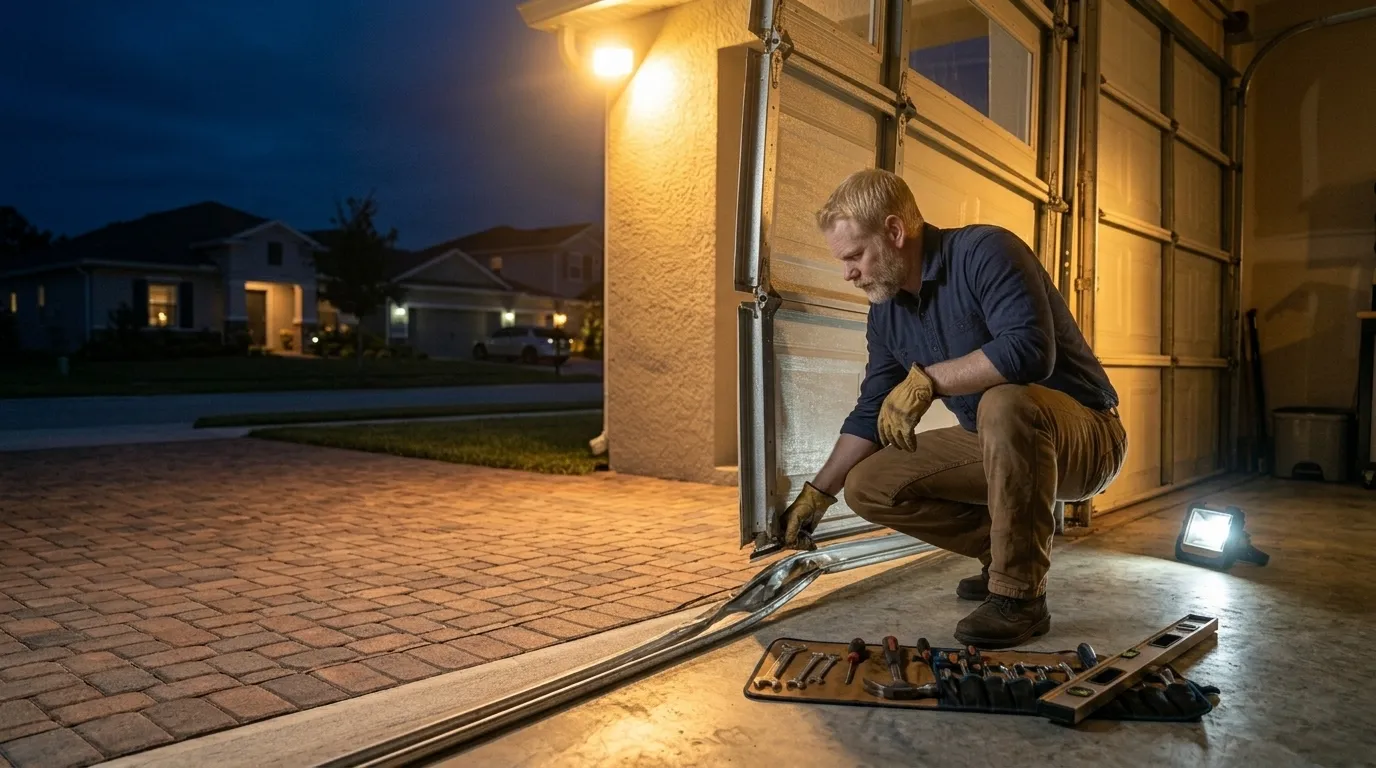
We carry torsion springs sized to the heavier insulated panels, not the lighter springs that shipped with the original 1970s doors - reusing old spring hardware on a new heavier door is one of the most common mistakes we get called out to fix later. Openers, tracks, and rollers are stocked separately so a full swap doesn't sit waiting on a supplier. One honest limit: on double-wide custom openings outside standard sizes, the panel itself sometimes has a lead time we can't shorten, and we'll tell you that number before you commit, not after.
Can You Do This Yourself
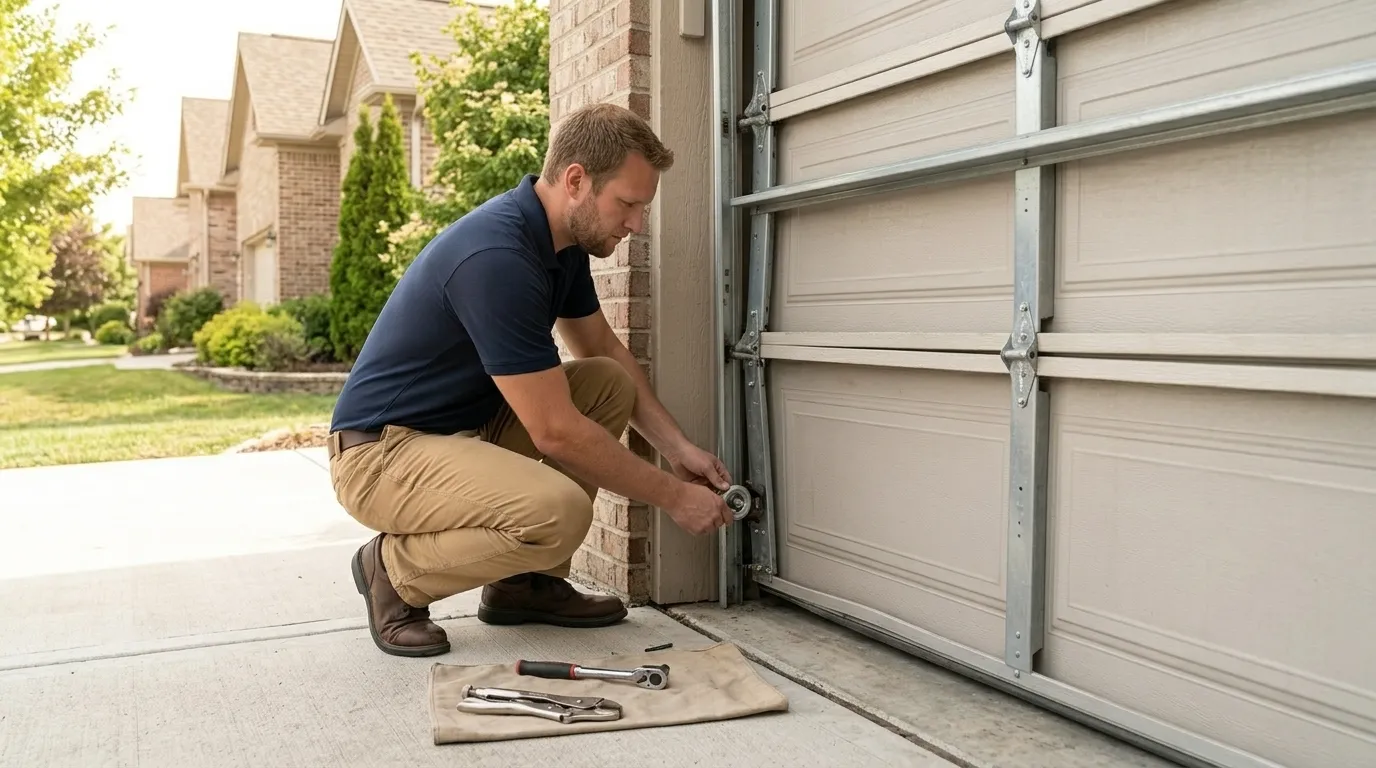
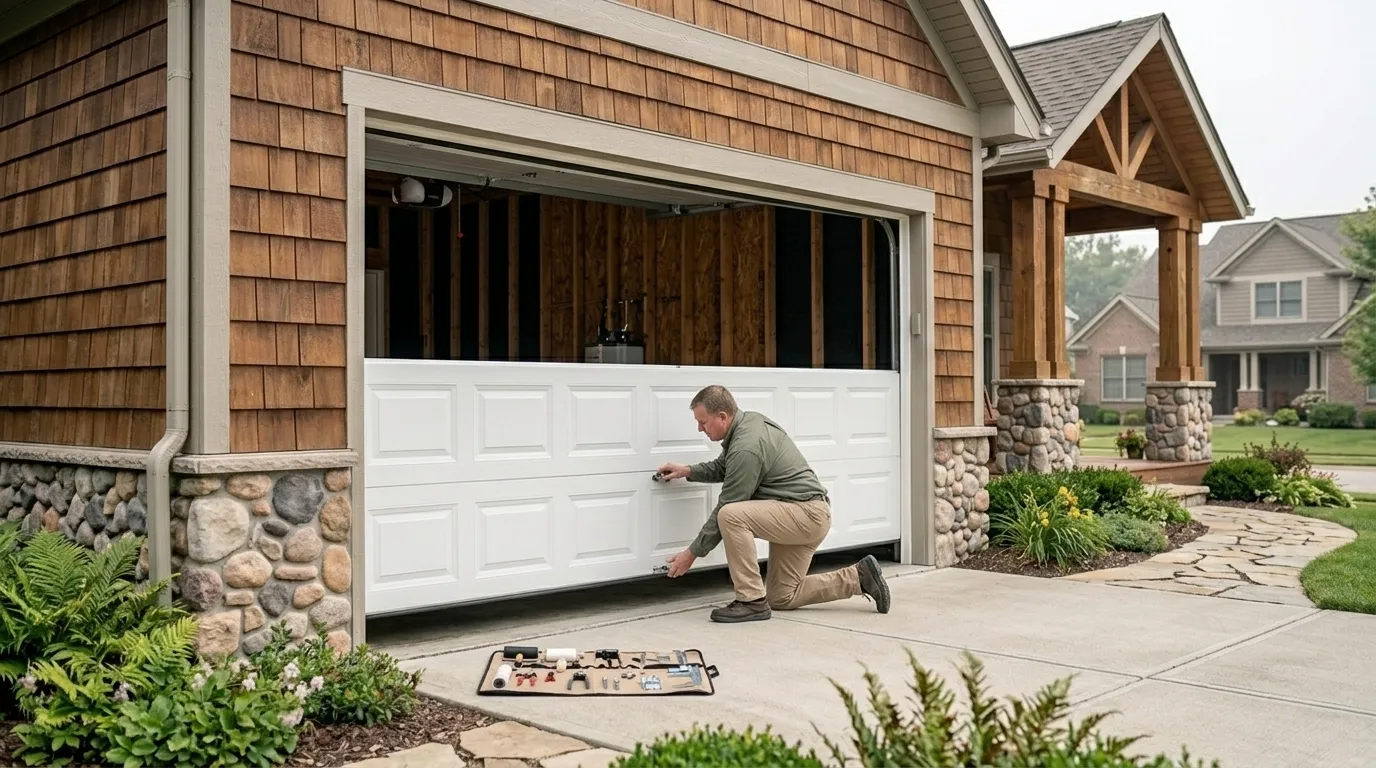
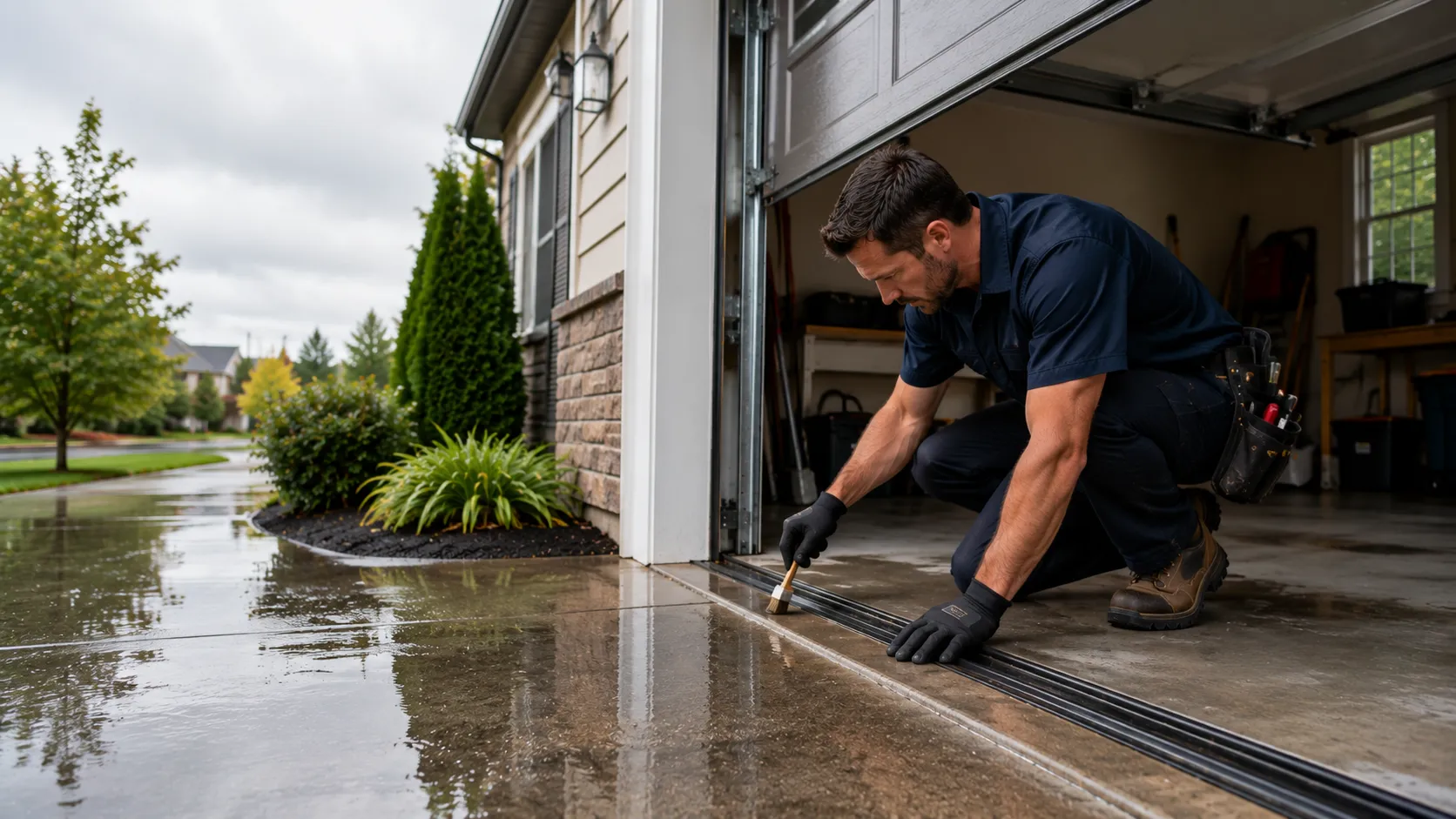
Swapping a panel or a weatherstrip kit yourself is reasonable if the frame and track are square and you're not touching the spring. Torsion springs are a different matter - they're under real load on any door built to current cold-climate specs, and a slipped winding bar has put people in the hospital. That part isn't a skill gap, it's a tool and leverage problem, and we don't recommend it as a first DIY project regardless of the house.
If your household is weighing a full replacement against a repair, the honest math usually comes down to age and header condition, not price alone. A 1976-era single panel with a sagging header is rarely worth patching a third time. We'll say so plainly if that's what we find, even if it means a smaller job than you called about.