Where This Job Goes Sideways
Start with the money, because it decides how this job goes. At $102,043, the median household income in Beachwood runs about $5,000 above the $97,037 figure for the wider Toms River service area, which puts most homes here above the point where a full panel swap pencils out over patchwork repair. Across that broader service area there are 135,232 households and 84,621 owner-occupied houses, and the arithmetic on a dented or rusted section is the same everywhere: if a panel costs more to source and fit than roughly a third of a new door, replacing the whole door instead of chasing a discontinued panel usually wins.
Beachwood sits about 5 miles from our Toms River shop. That's close enough that a panel job here rides on the same day's route as three or four other calls, not a special trip.
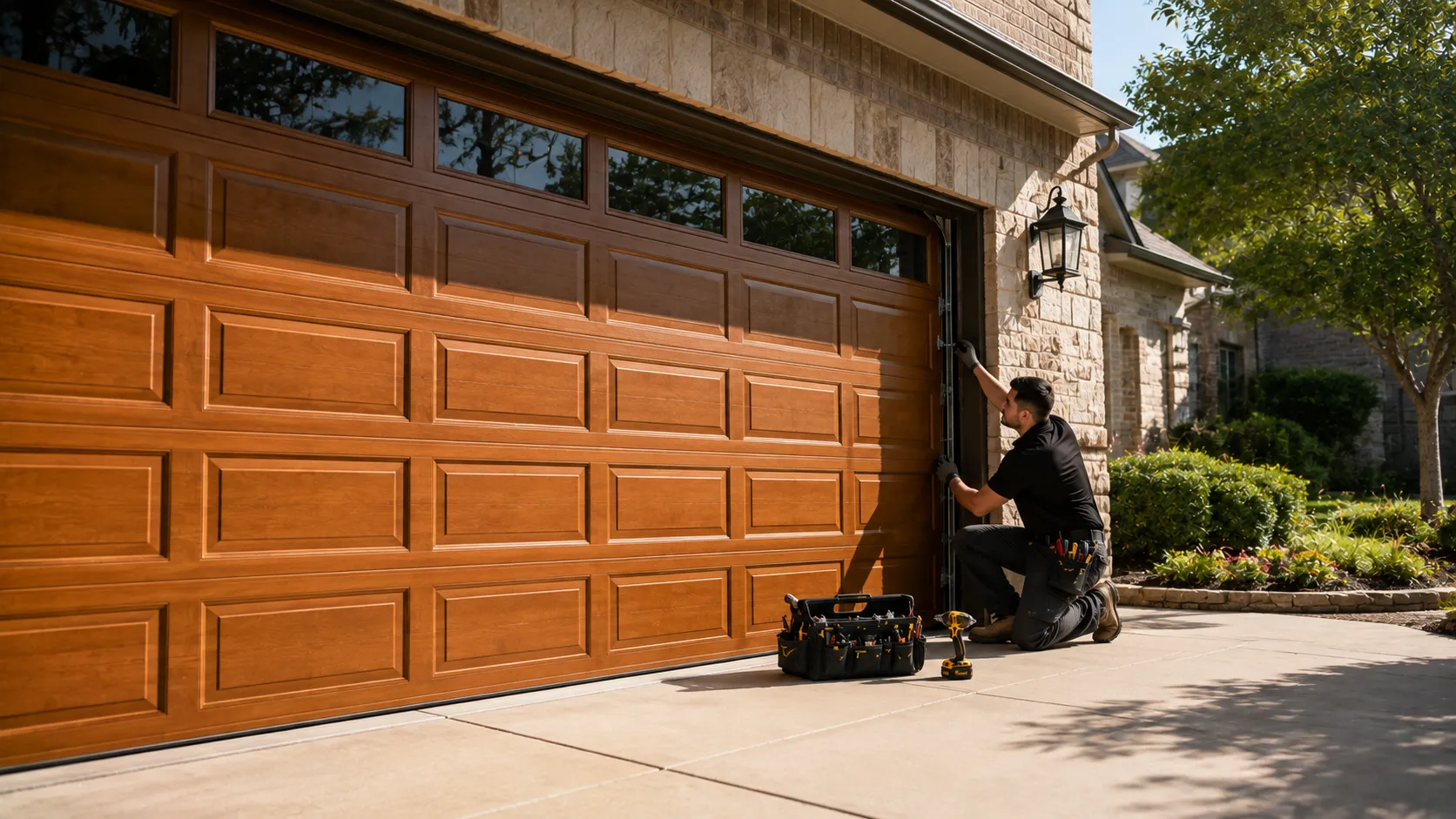
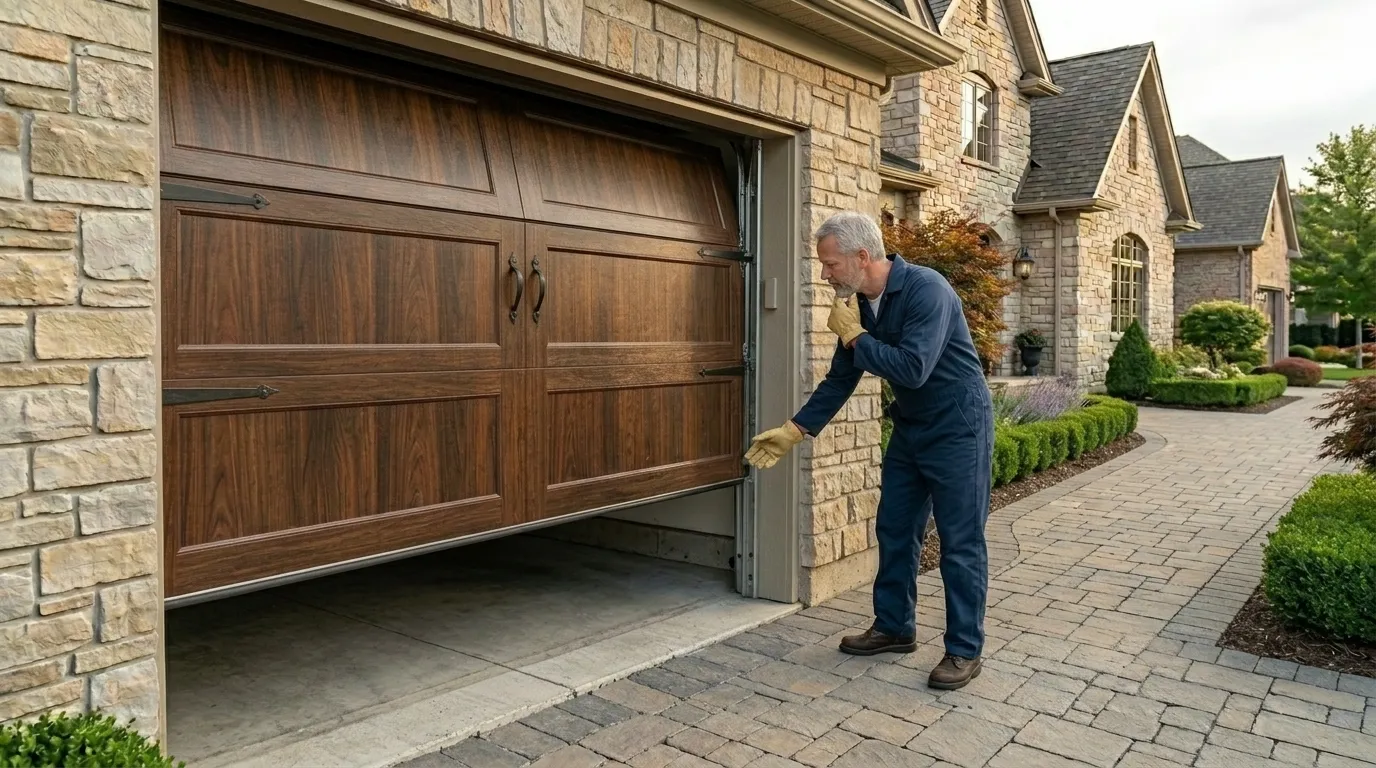
Where it goes sideways is when someone tries to match a single damaged section on a door where the rest of the panels have faded, chalked, or dented unevenly over the years. New steel doesn't match fifteen-year-old paint, and a mismatched panel on an otherwise good-looking door bothers people more than the dent did.
Parts We Carry
We stock steel panel sections sized for the standard door widths that went into Beachwood and the rest of the service area's 1938-2005 housing stock, with the heaviest overlap sitting right in that mid-1970s to 1980s window. That 1976 build date also means aluminum-frame single-panel doors sized to the narrower two-car openings common in Ocean County starter homes of that era, not the wider builder doors that came after 2000.
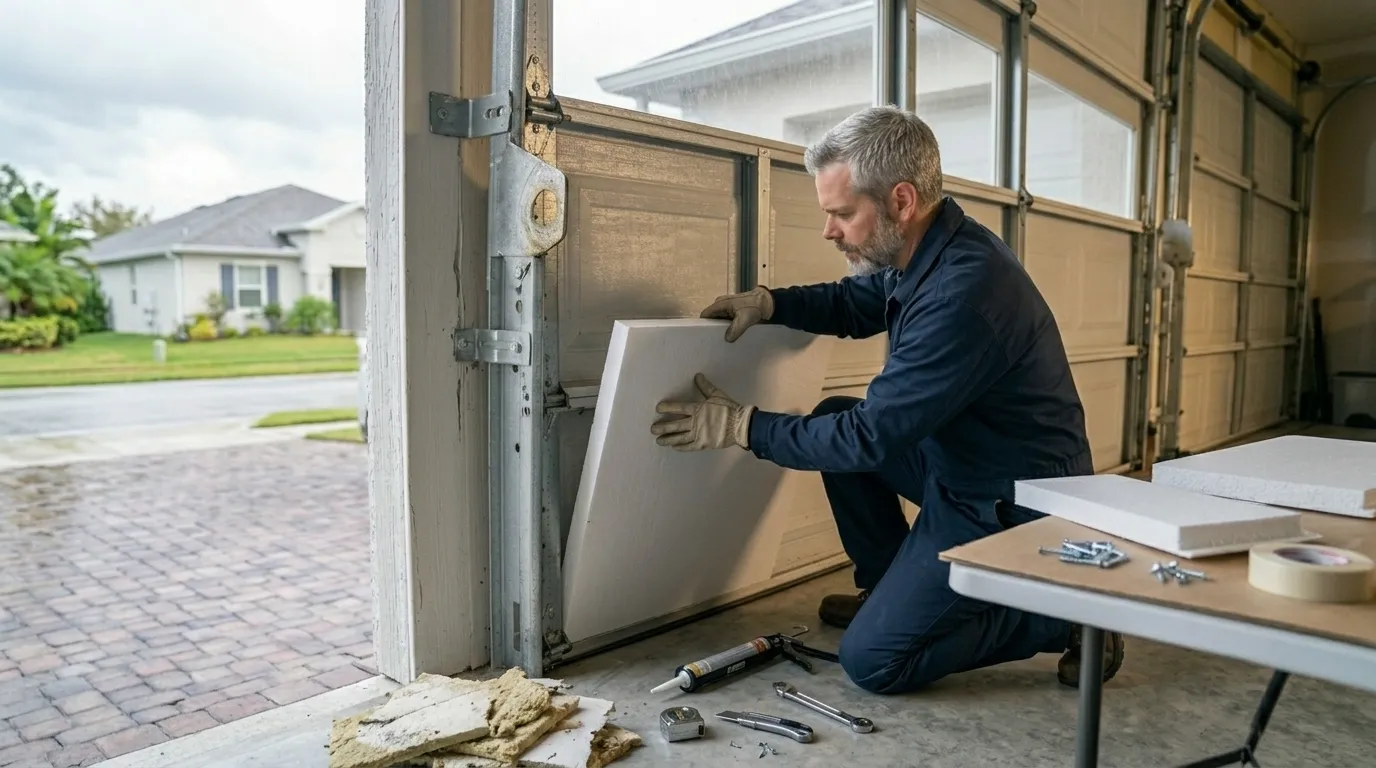
Given the cold-band winter climate this part of New Jersey sits in, we lean toward panels with at least a thin foam backing when a full section needs replacing, even on an otherwise uninsulated door - it stiffens the panel against the flexing that cracks old seams in a hard freeze. We carry standard raised-panel and flush-panel styles in the common widths; anything with decorative glass inserts or a custom profile takes special order and a longer wait.
We don't stock every discontinued profile from the 1970s. If your door used a builder-specific panel design that's no longer made, we'll tell you straight rather than string out a search that won't end well, and we'll price a full door swap alongside it.
Can You Do This Yourself
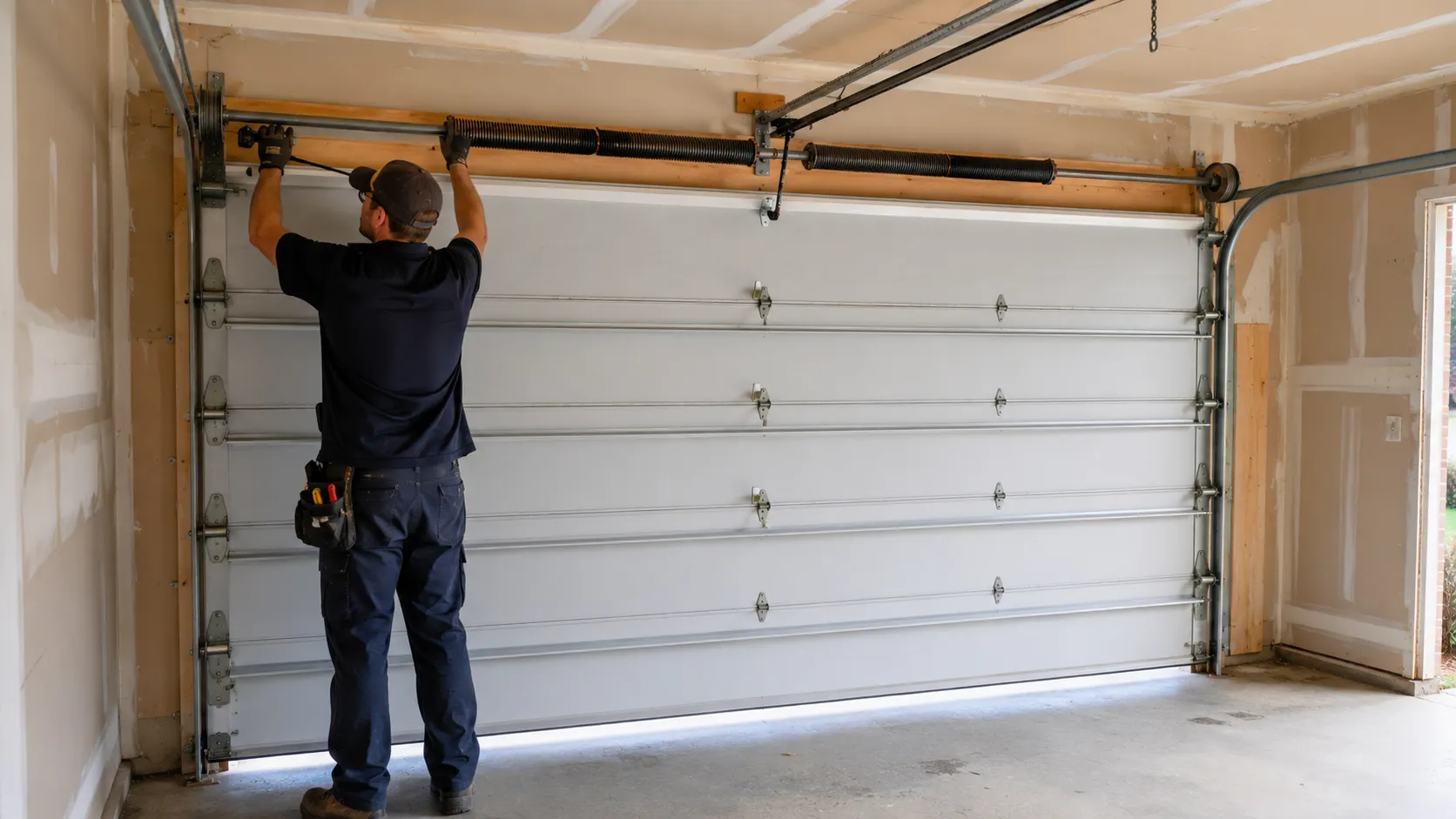
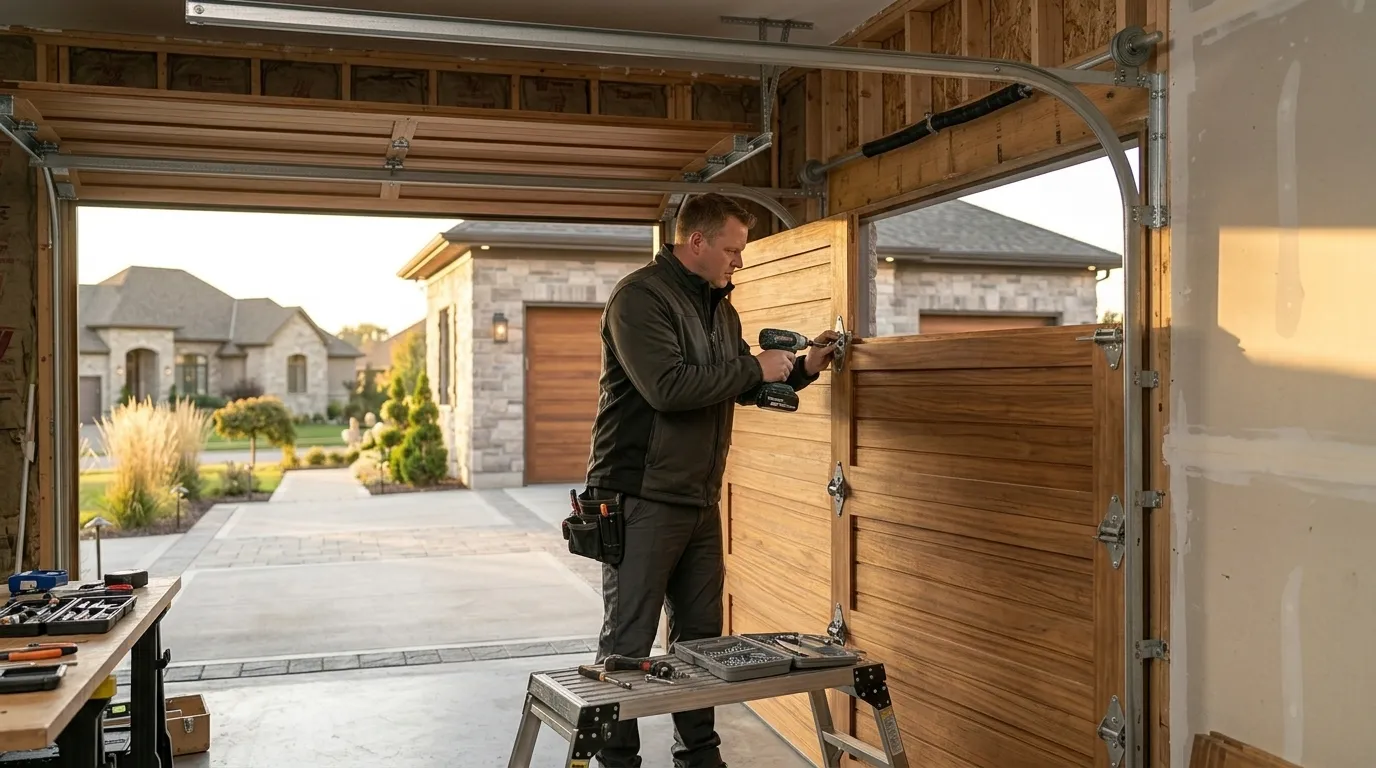
A single bottom panel with no window cutout and no cable running through it is within reach for a handy homeowner with the right clamps and a helper. Above that, it gets risky fast. Torsion springs store enough force to break fingers or worse, and on a door built in the mid-1970s the spring and cable hardware has usually seen forty-plus years of salt-air corrosion, which makes it more likely to fail unpredictably mid-job than newer hardware would.
If the panel you're replacing has a window section or sits mid-door where the door's structural rails run through it, pulling and reinstalling it without throwing the door out of square takes more than patience. We'd rather talk you through what tools and part number you need for a simple bottom panel than sell you a call you didn't need - but for anything involving spring tension, mid-door sections, or a door that's already sagging on its tracks, that's not a Saturday project worth the trip to urgent care.