Where This Job Goes Sideways
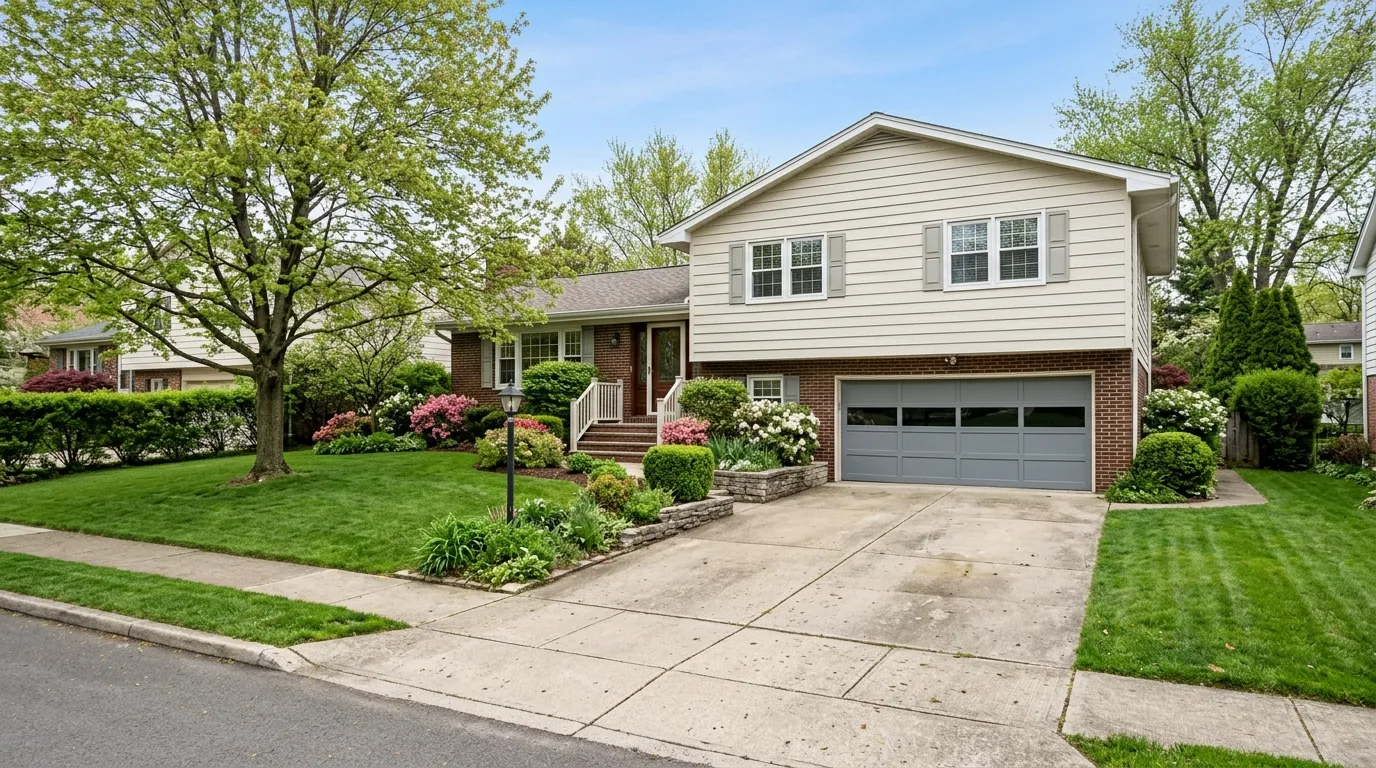
Most of the calls we get from Beachwood aren't random failures. They're a pattern that comes straight from when the neighborhood was built. The median home here went up around 1976, which means a lot of these garages still have the torsion springs and track hardware that shipped with a mid-70s build - steel components sized for a lighter door and a milder duty cycle than what they've actually seen over close to fifty winters.
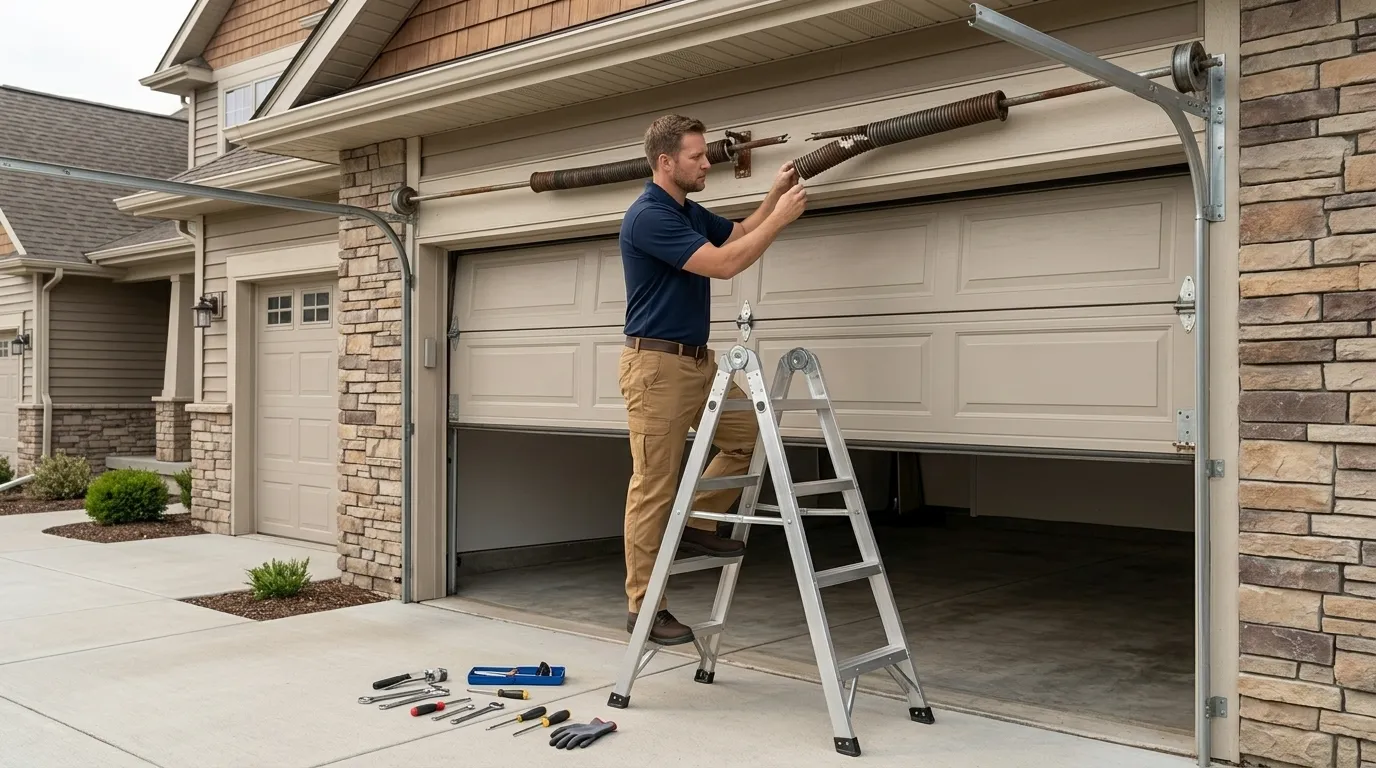
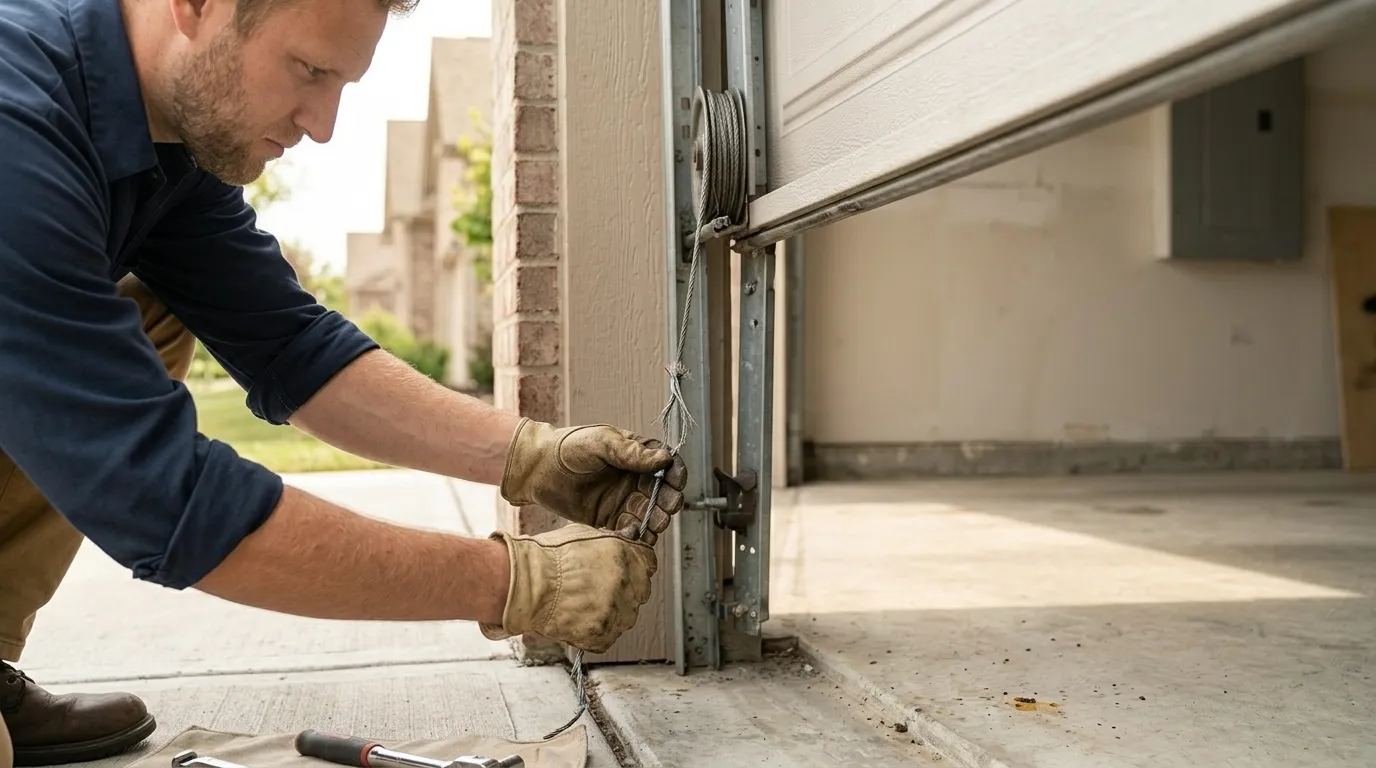
That era of hardware wasn't built with the safety cable standard that came later, and a lot of it was never upgraded because the door kept working right up until the day it didn't. When a spring on one of these setups finally lets go, it tends to go all at once rather than fraying first, and the door drops instead of easing down. We see this more in Beachwood's older sections than in the newer infill built since, because the infill got modern hardware from the start.
The second piece is the cold. New Jersey's winters put real stress on steel torsion springs - the metal contracts, lubricant thickens, and a spring that's already fatigued from 45-plus years of cycling is more likely to snap on a cold morning than a warm afternoon. If your door bangs, hesitates, or drops the last foot with a thud, that's usually the spring telling you it's near the end, not the opener.
Parts We Carry
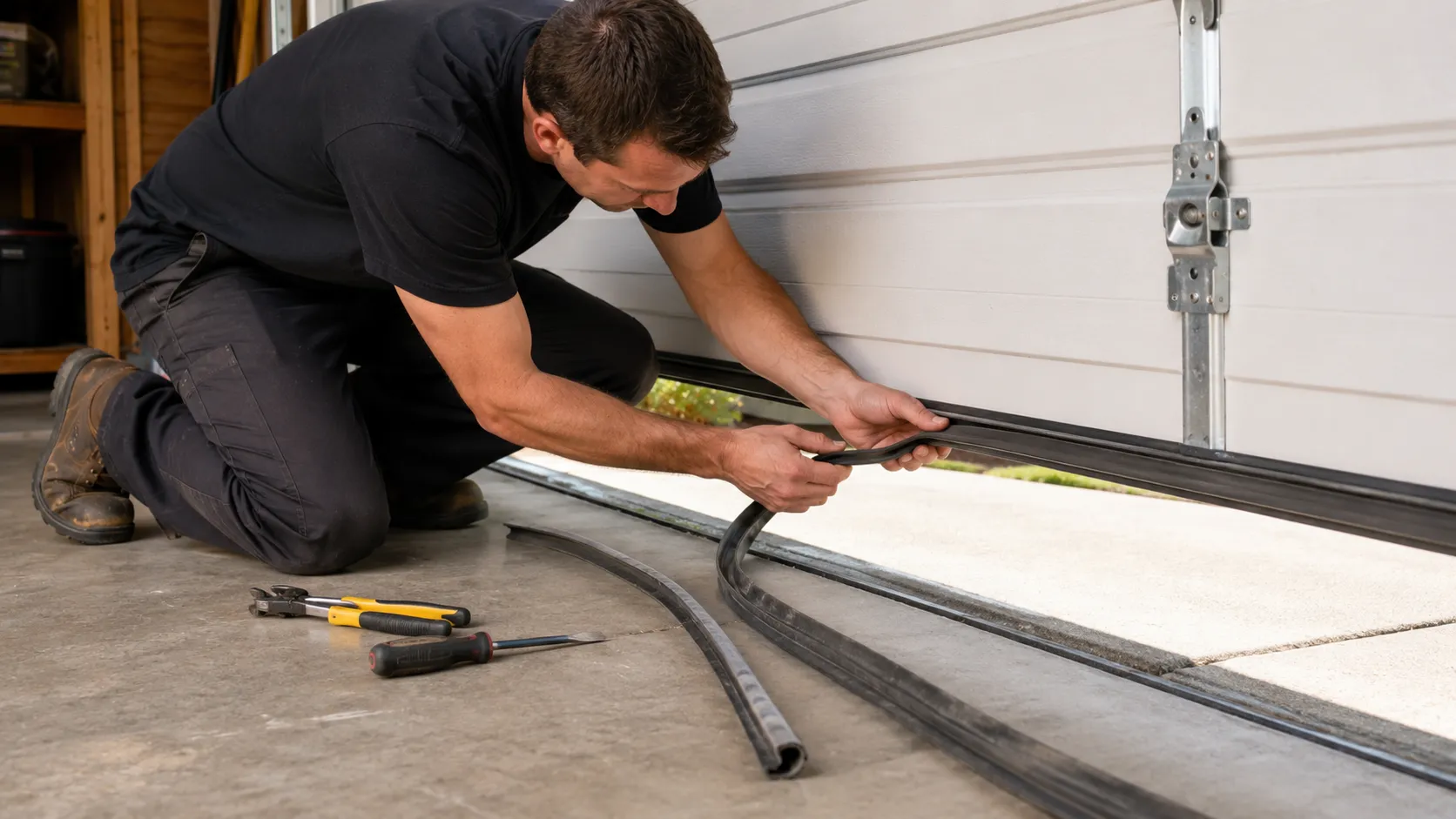
We stock torsion springs sized for the steel sectional doors common on Beachwood's mid-70s builds, along with the extension spring and safety cable kits for the handful of older setups that never got upgraded. Rollers, cables, and hinges for that era's standard door widths are truck stock, not special-order.
We do not carry every panel style. If your door is an older wood or discontinued steel pattern and you need a matching replacement panel rather than a full door swap, that part sometimes has to be ordered, and lead time depends on what the manufacturer still makes. We'll tell you straight if that's the situation instead of promising a same-visit fix we can't deliver.
Given the household income here, a lot of Beachwood owners choose full spring and roller replacement over patch repairs when the door's original hardware is already at the end of its service life - it costs more up front but avoids a second truck trip in six months for the next worn part on the same 45-year-old assembly.
Can You Do This Yourself
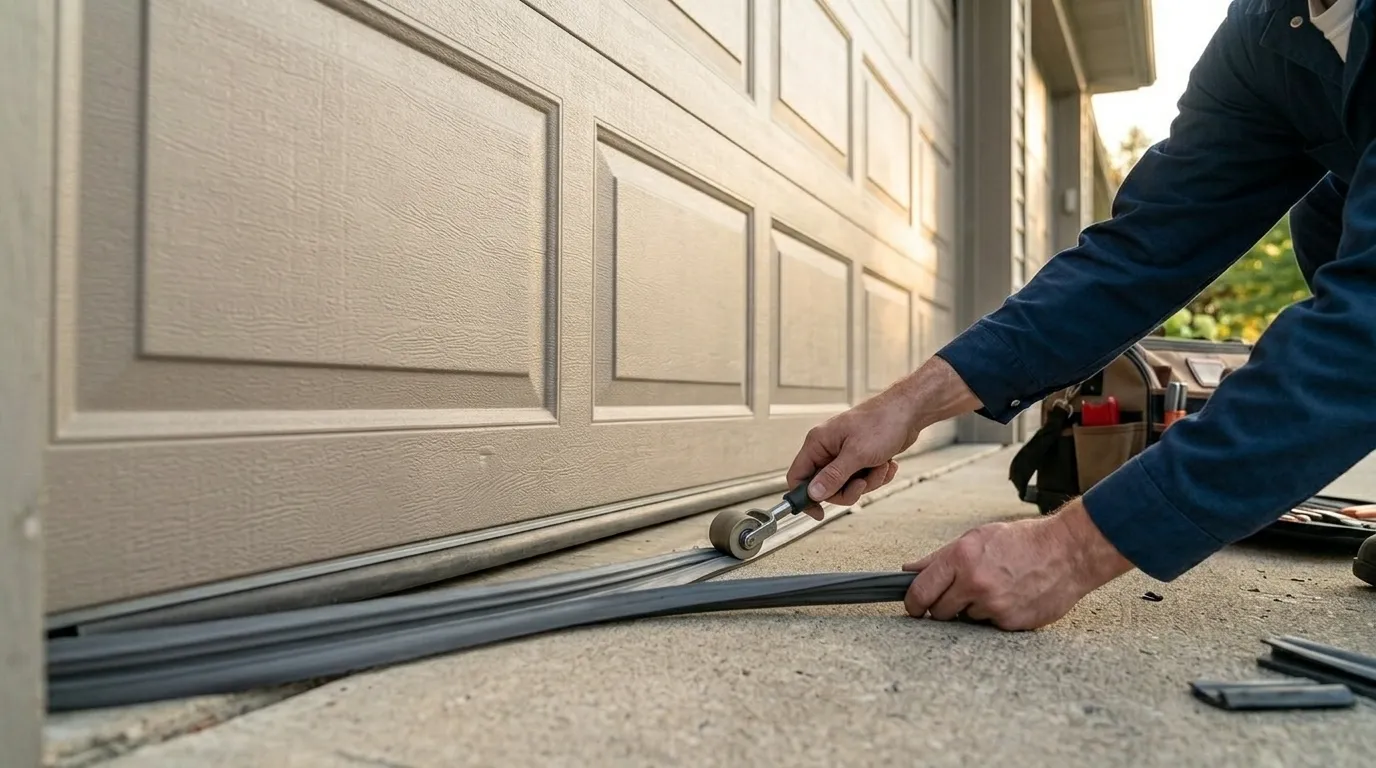
Tightening loose hardware, cleaning and aligning sensors, and lubricating hinges and rollers are reasonable DIY jobs on any door, Beachwood's included. A can of the wrong lubricant or a misaligned sensor is not dangerous to fix yourself.
Torsion springs are a different matter. A spring under tension on a door this old can release with enough force to break bones or worse, and the winding bars and clamps needed to do it safely aren't things most homeowners have lying around. This isn't a scare line - it's the actual reason spring work is one of the few garage door jobs we tell people not to attempt themselves, regardless of how handy they are.
If your door is original to a 1976-era Beachwood build and the spring is starting to sound tired, that's the call to make rather than the project to start.