Getting It Booked In
We run this job out of Toms River, about 4 miles up the road, so there's no local branch or drop-in counter here - you call, we schedule, and a truck comes to you. That distance is short enough that it doesn't change your options or add a special fee; it just means the crew is coming from the shop, not sitting on your block waiting.
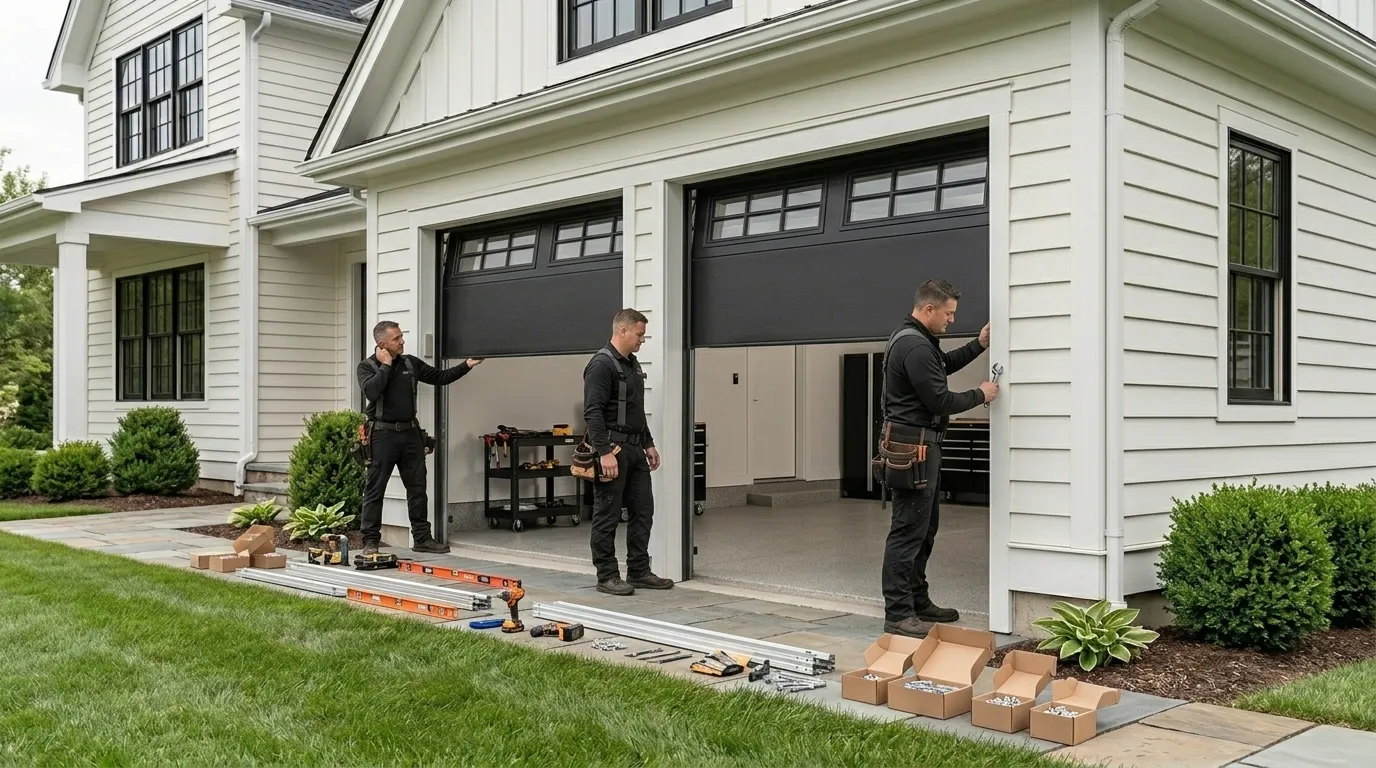
South Toms River is a small town - about 1,066 households total - so we're not running multiple trucks through it in a day. We batch the visit around what you actually need: a straight opener swap is a different appointment than an opener install where the door and track need work first. Tell us on the call which one it sounds like, and if you're not sure, that's fine too. We'll ask a few questions about the door's age and how it's currently opening (or not opening) before anyone drives out.
What You Are Seeing
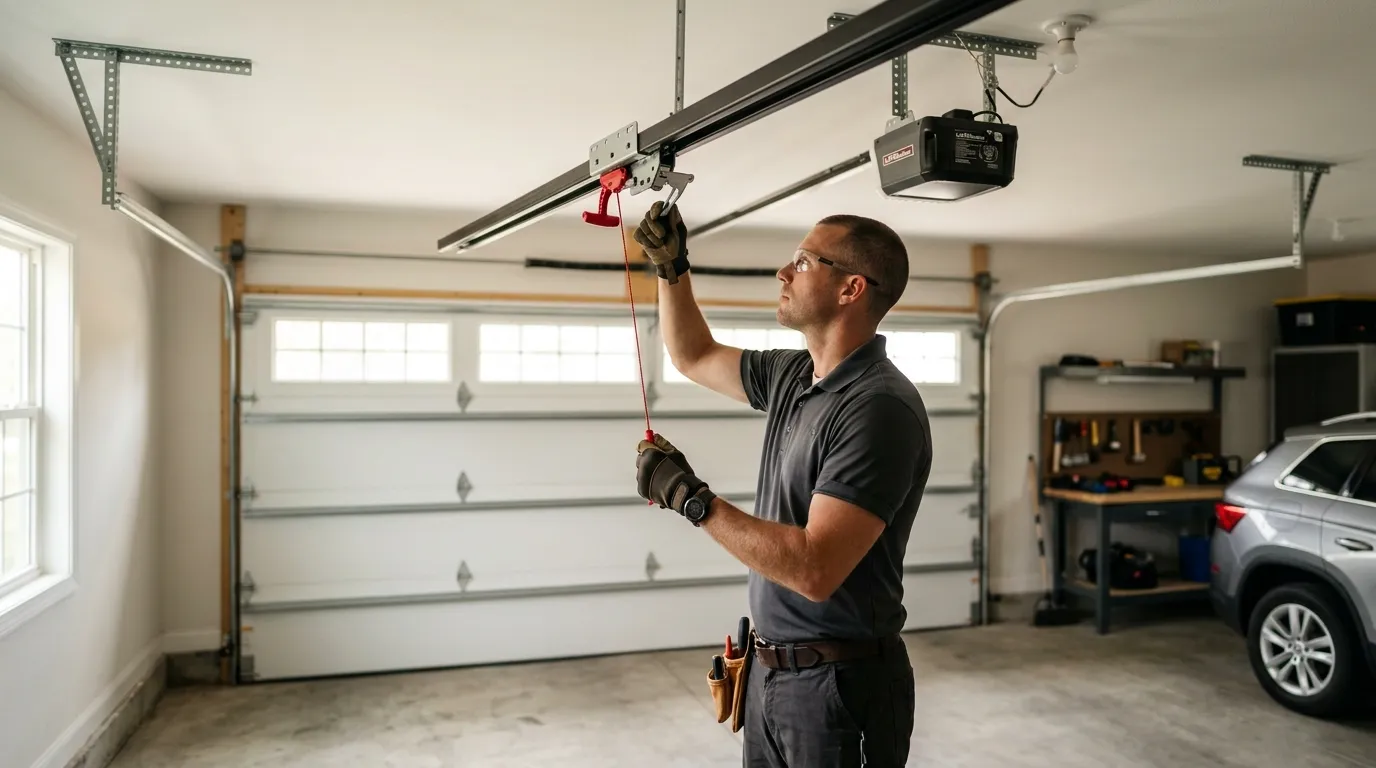
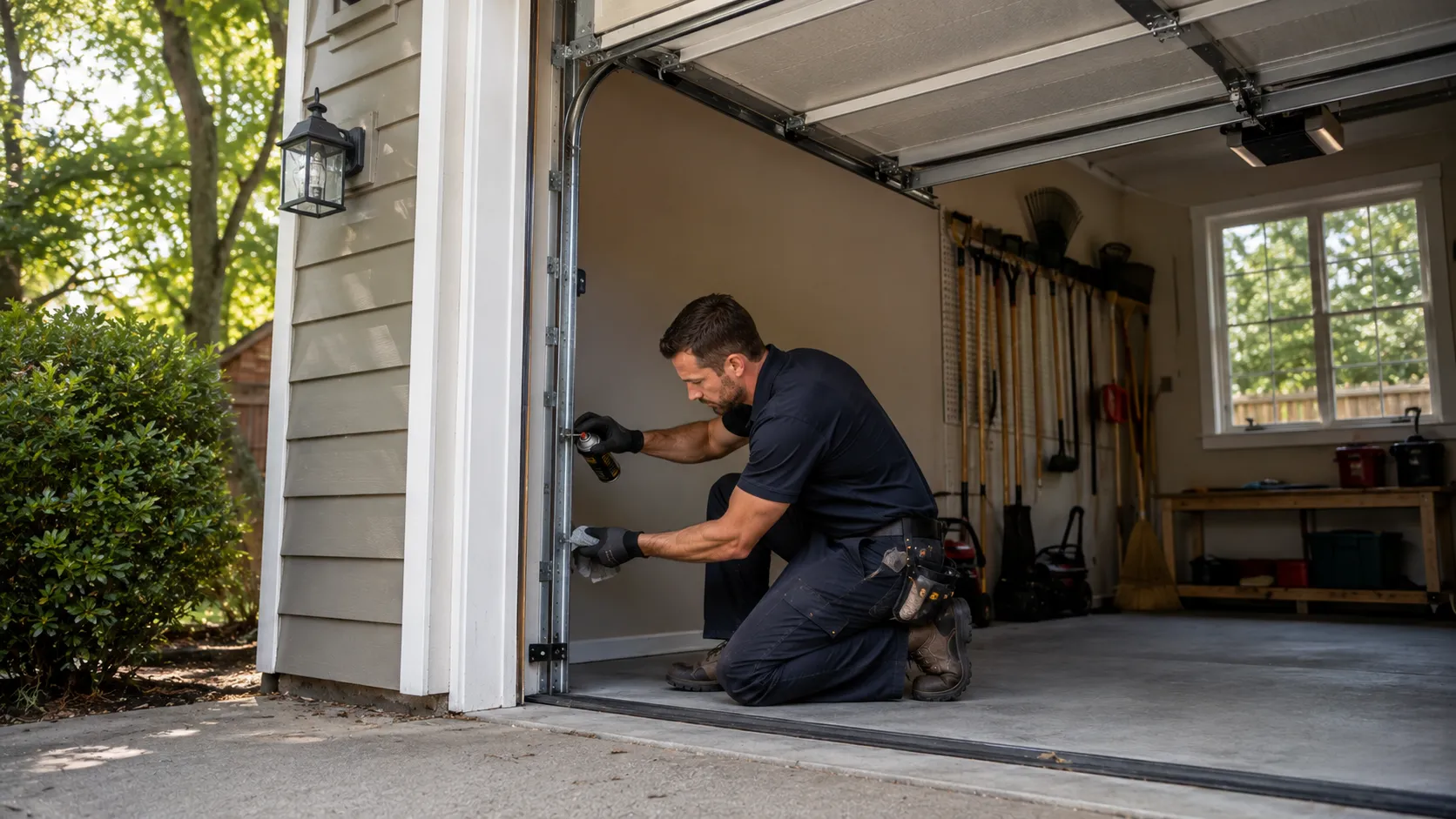
Most calls for this start one of two ways: the opener runs but the door barely moves, or it moves but doesn't fully seat or reverse right. On the older chain and belt units still hanging in South Toms River garages, you'll hear it before you see it - grinding at the motor, a chain that's gone slack and slaps the rail, or a trolley that disengages on its own partway through the cycle.
Some owners are calling because the opener still runs but has no safety reverse at all - you can hold your hand under the door and it keeps closing. That's not a maintenance issue, that's a straight liability, and on a house this age it's common because the unit long predates the sensor eyes that became standard later. If your opener has no sensors at the base of the track, it needs replacing, not repairing.
What Causes It Around Here
South Toms River's housing runs older than a lot of the towns around it - median build year 1966, which puts the garage and its original hardware a good decade or more ahead of what you'd find in the newer pockets nearby. Openers installed in a house like that have usually been swapped once already, sometimes twice, and each swap inherited whatever header, wiring, and headroom the original builder left behind.
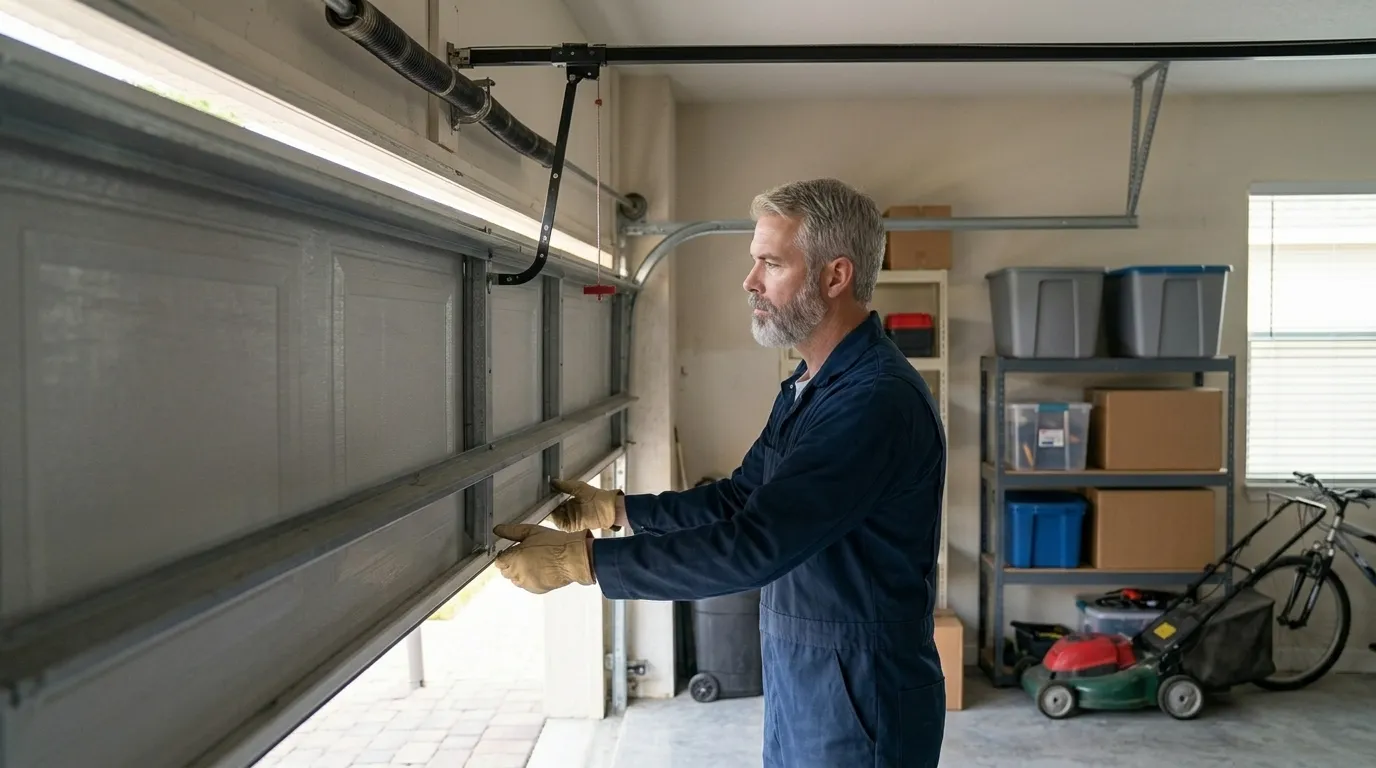
Low headroom is the recurring issue. Garages from this build era were framed tight, with barely enough clearance above the door track for a standard chain-drive unit, let alone the newer belt or jackshaft styles some owners want. We measure that clearance before we quote anything, because a low-headroom kit costs more and takes longer than a standard install, and there's no way around that if the ceiling won't clear it.
The other factor is just wear timing - an opener installed in the '80s or '90s in one of these houses is well past any reasonable service life now, and the motor and gear failures we see reflect that age, not anything specific about how the door is used.
Where This Job Goes Sideways
Here's the honest part. If your garage doesn't have power run to the header - no outlet, no switch box - that's an electrician's job before it's ours, and we're not going to run new circuit wiring through your walls. We'll tell you straight if that's what we're looking at, and you'll need someone licensed for that piece first.
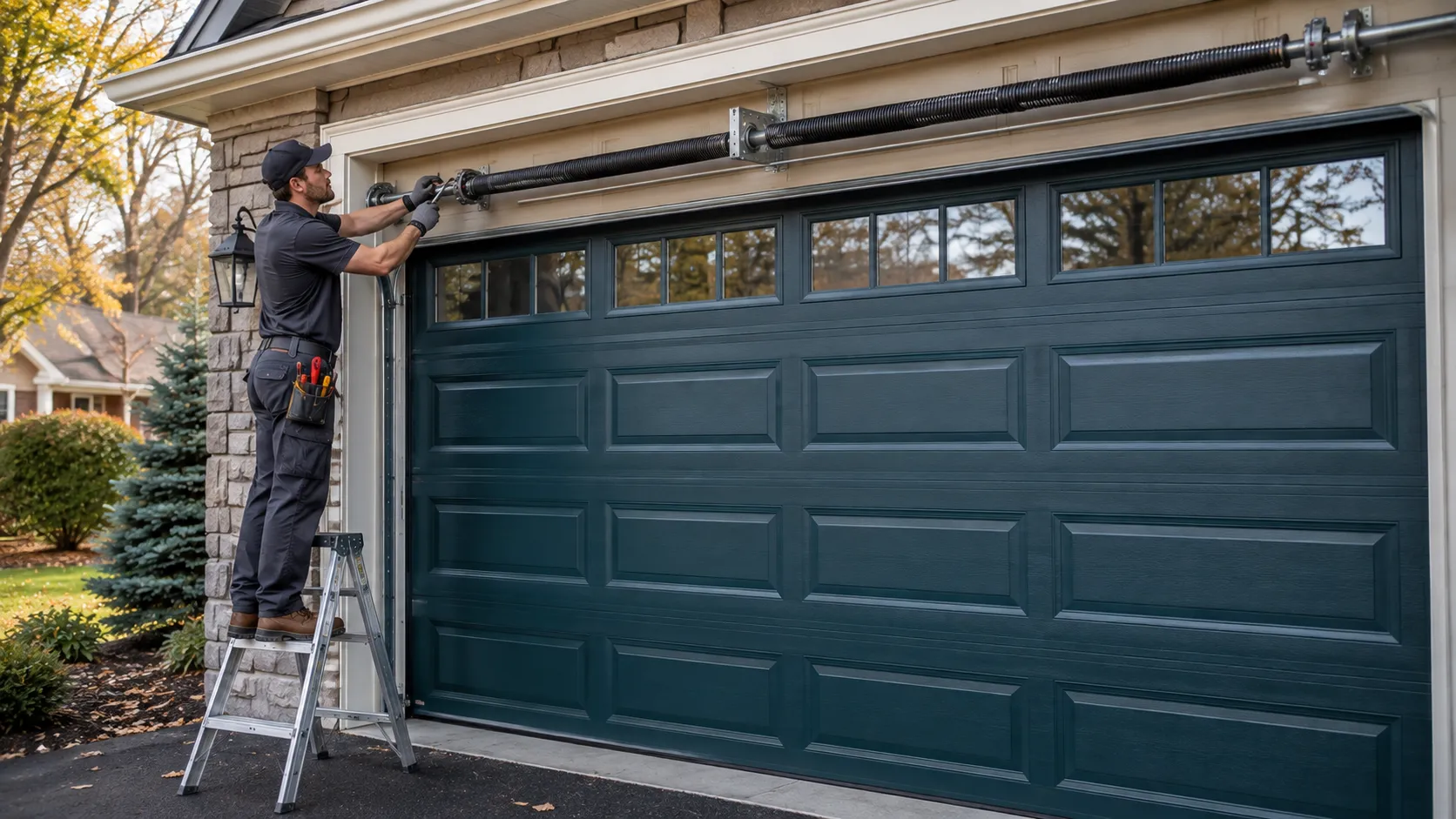
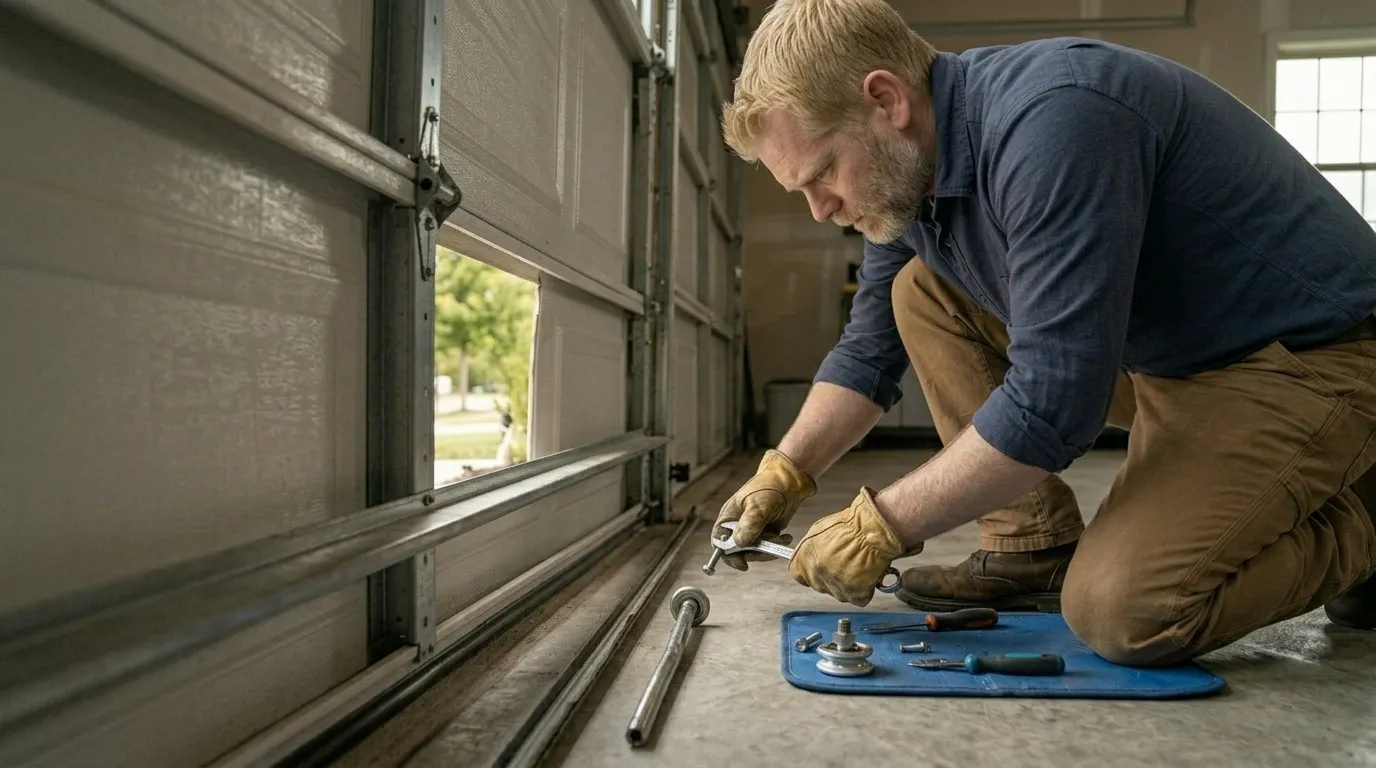
The other place this goes sideways is when the door itself is the actual problem and the opener just looks like the symptom. An opener straining against a broken spring or a bent track will burn out again in months no matter how well it's installed. If we get out there and the door's the real issue, we'll say so before we hang a new motor on it - installing an opener onto a door that can't carry its own weight isn't a fix, it's a second call waiting to happen.