Getting It Booked In
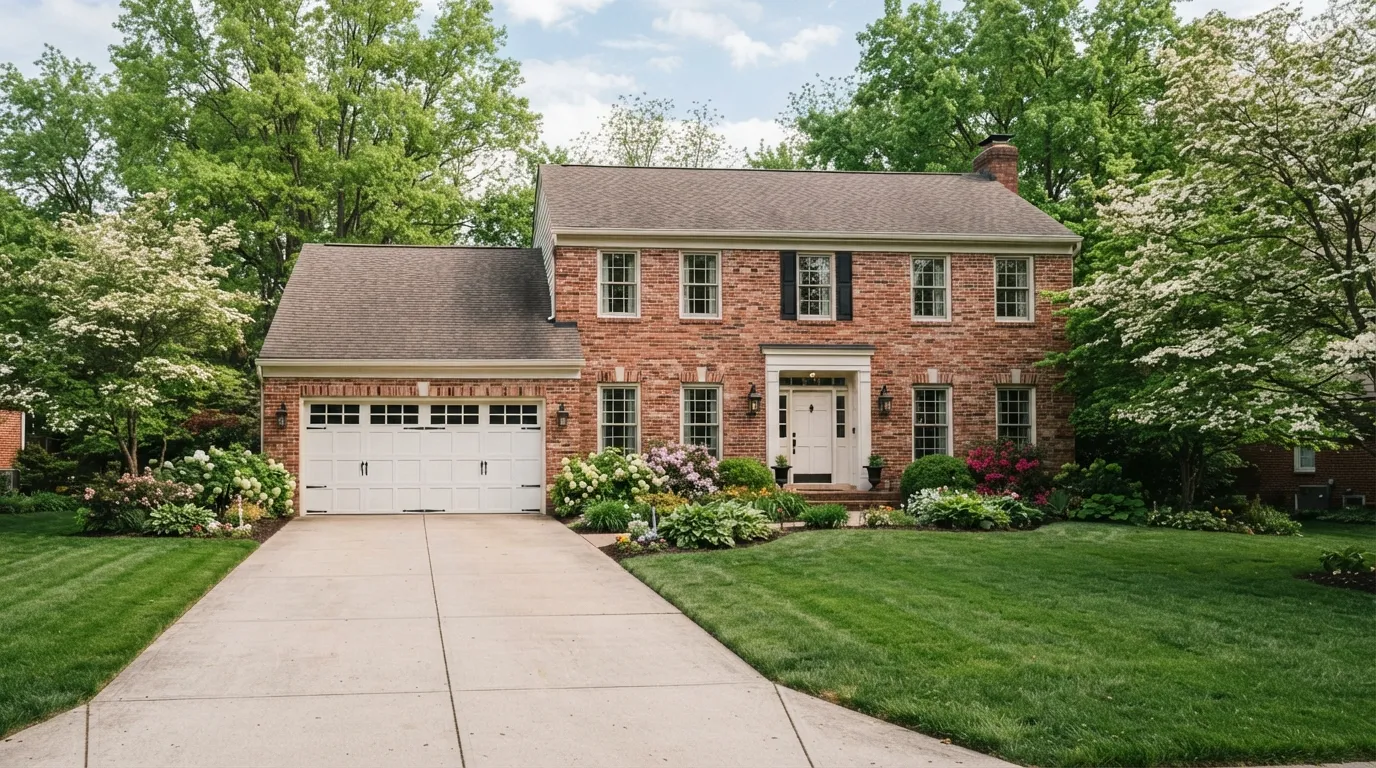
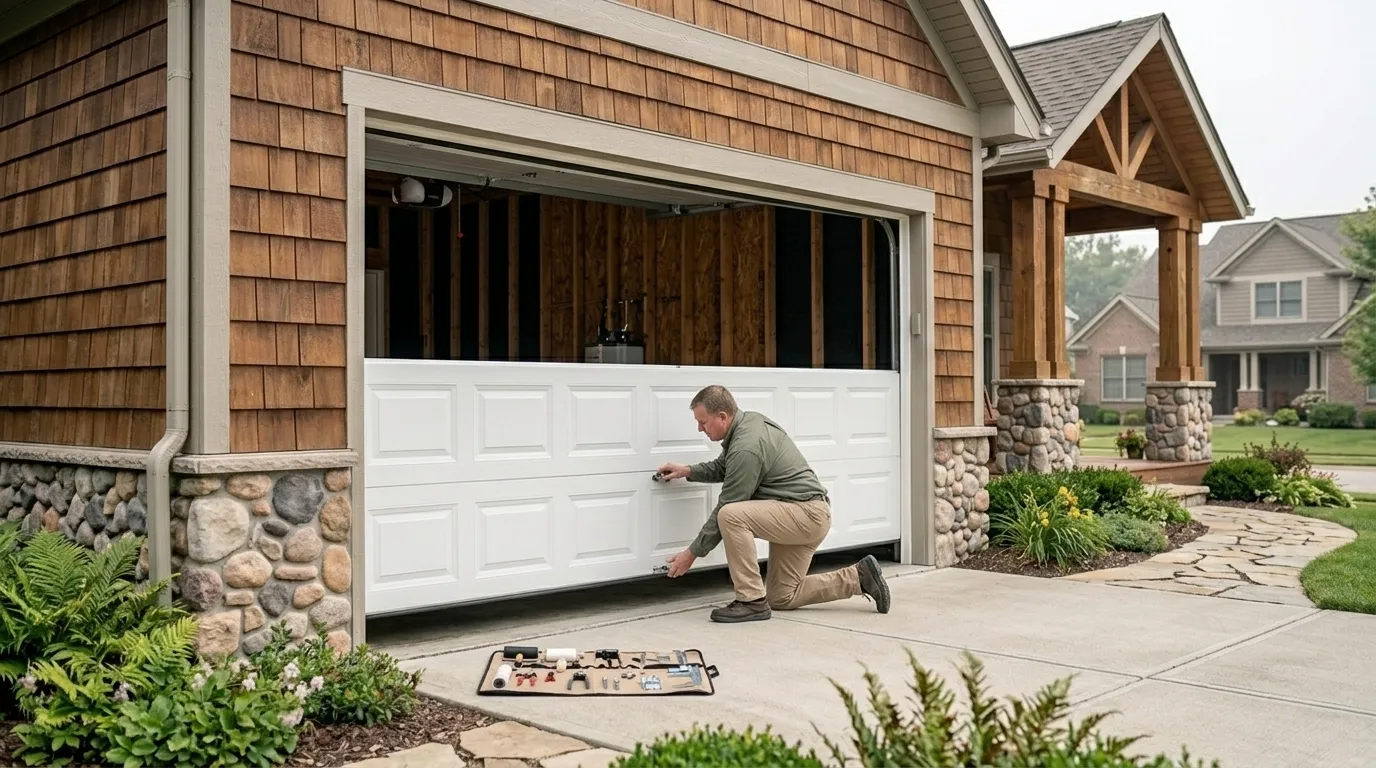
South Toms River is a small place - about 1,066 households packed into a tight footprint just south of the river. That size matters for how this job runs: it's not a subdivision built off one plan where every opening is identical. You get a mix of additions, garages converted or rebuilt over the decades, and openings that were framed to whatever standard size was common when the house went up. We come from Toms River, about 4 miles off, and we still measure every opening on site before we quote a door. We don't sell off a phone conversation here. Given the household count, we're not running multiple trucks through town on a given day, so booking a firm date matters more than it would in a bigger service area - we're scheduling around a handful of jobs, not dozens.
What You Are Seeing
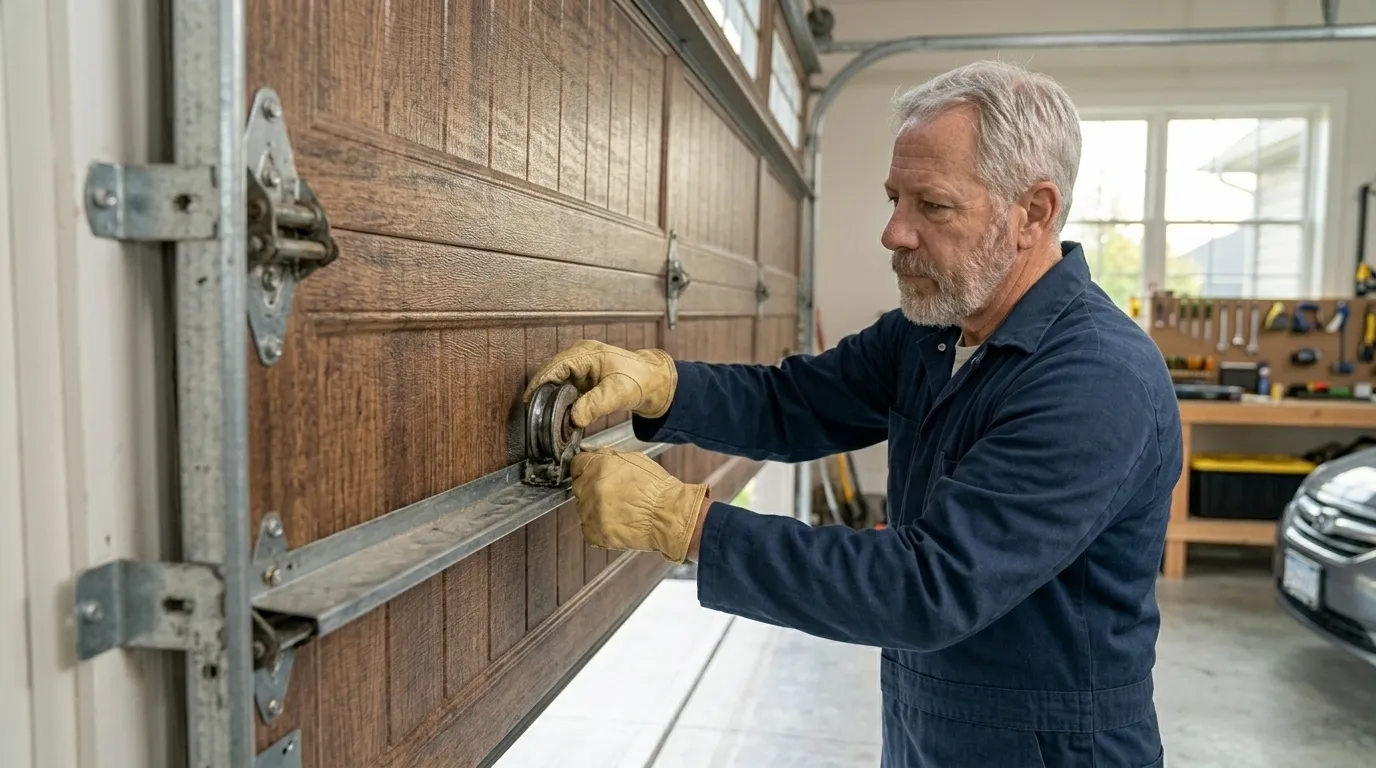
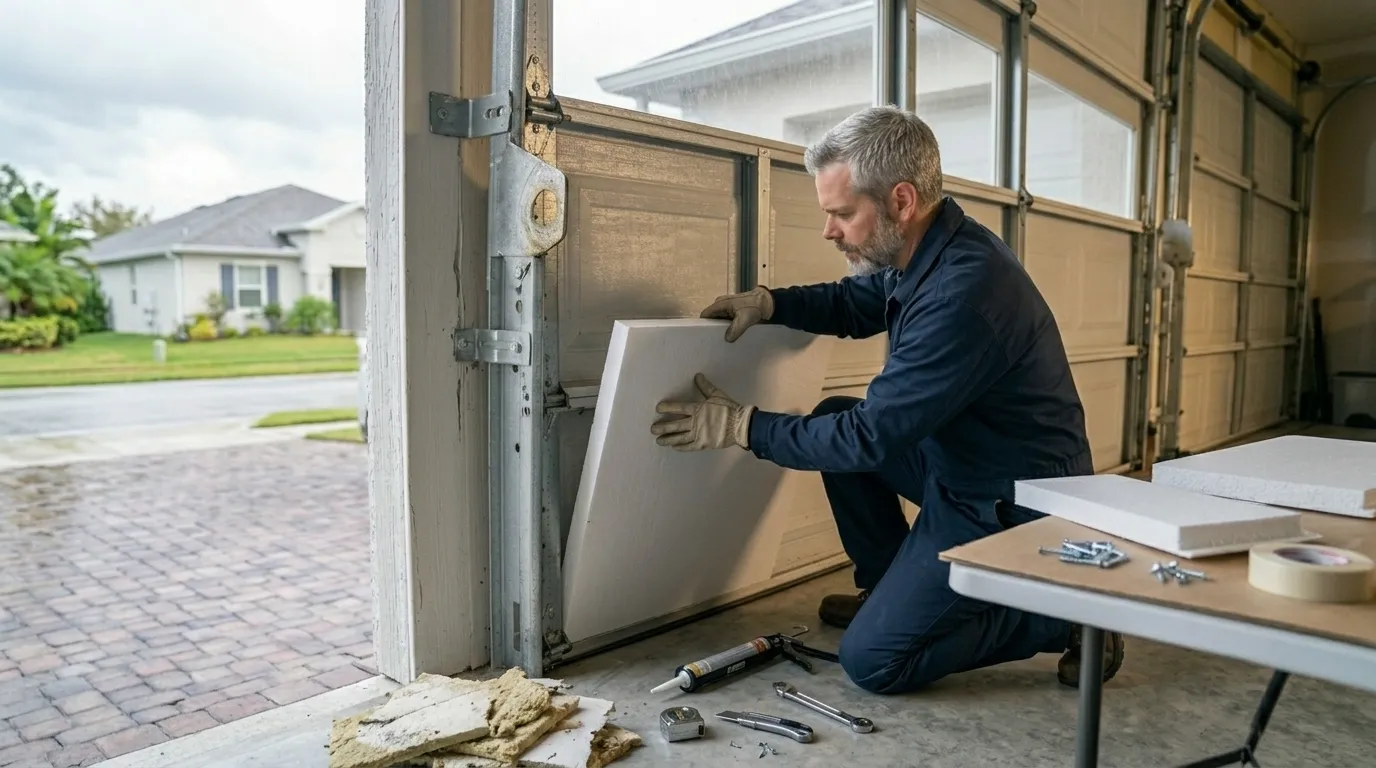
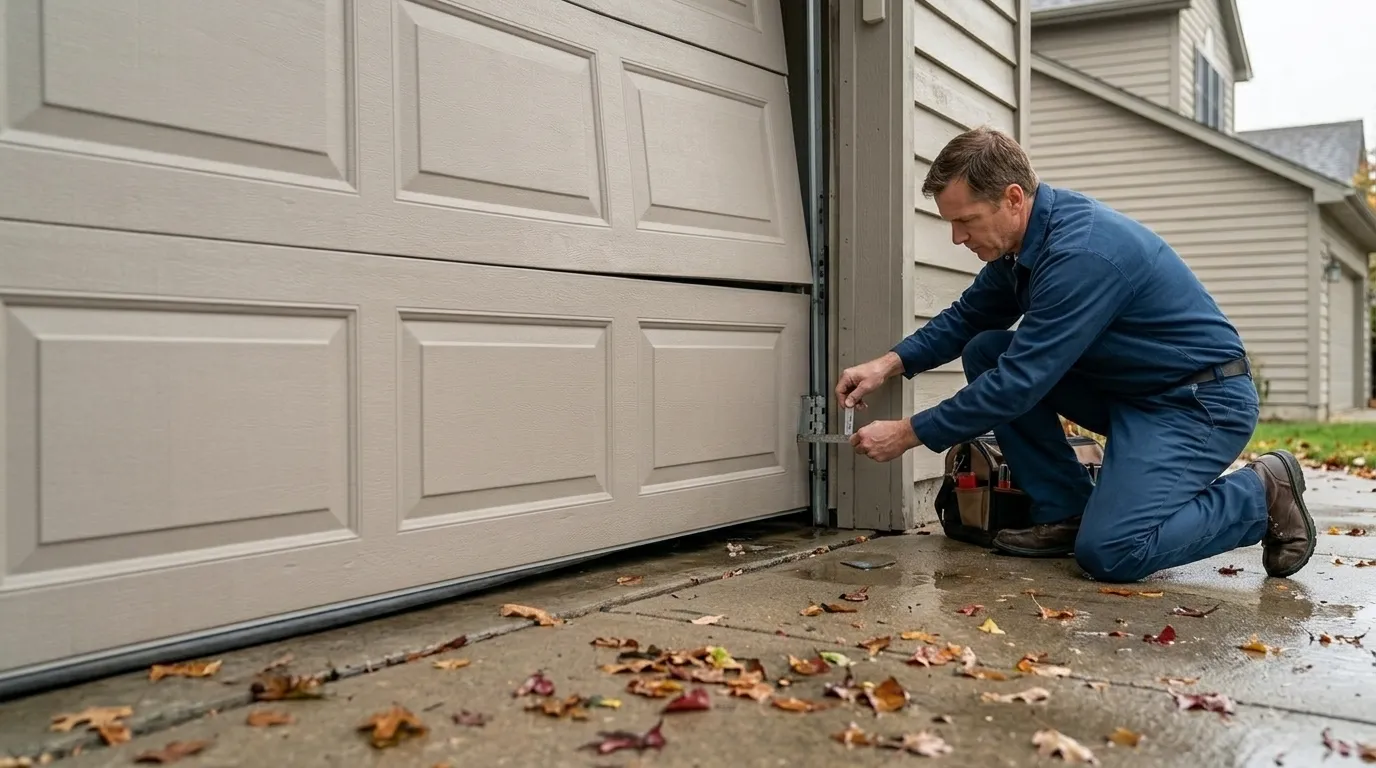
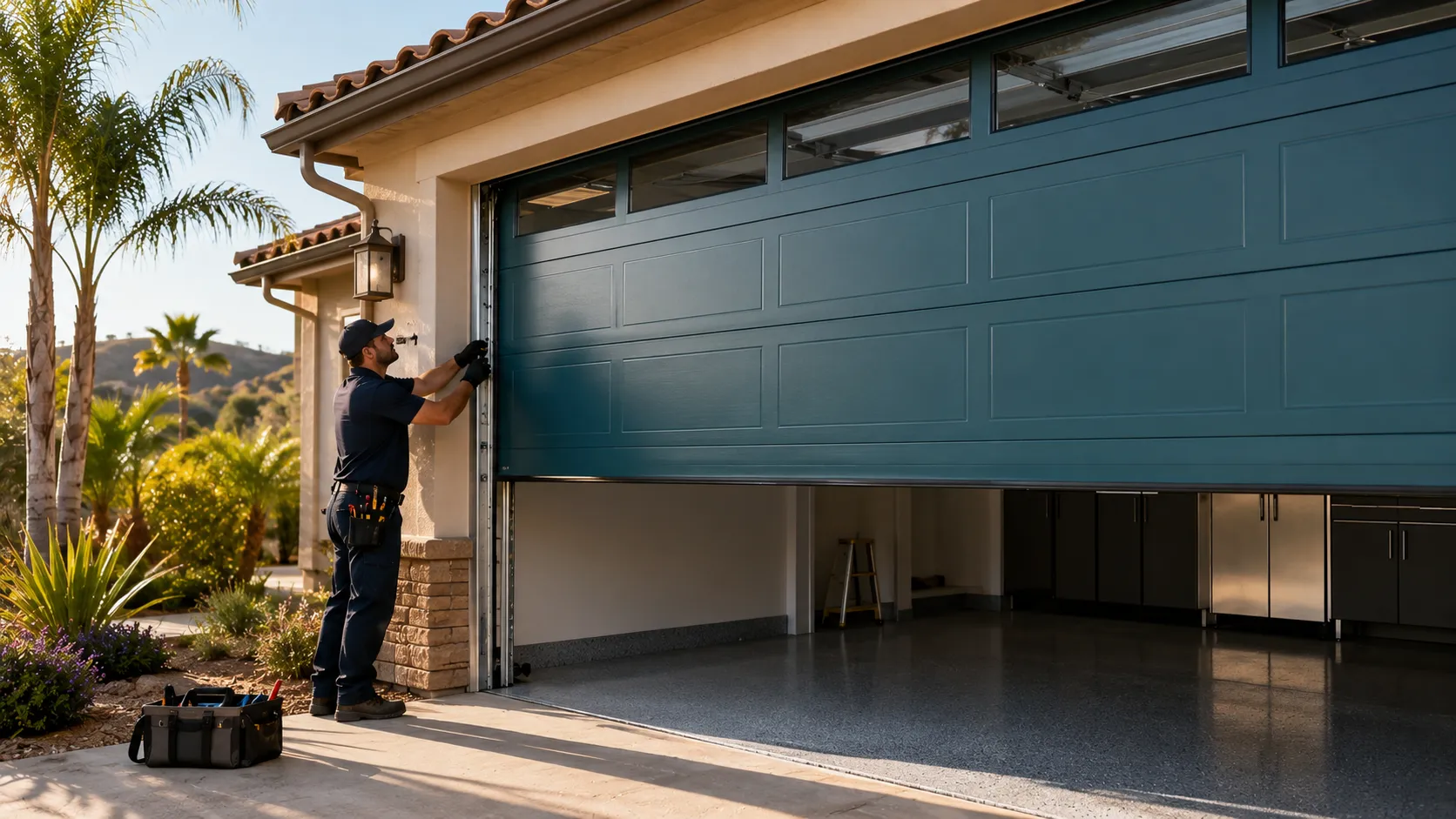
If you're looking at new installation rather than a repair, you're probably dealing with one of a few things: a door that's cracked or delaminating at the panel seams, a track that's bent enough that shimming won't hold, or a single-car opening on an older house that the owner wants widened or upgraded to insulated steel. Homes from the 1960s in this area often still run the original one-piece or early sectional door, and once the steel starts rusting through at the bottom panel, patching it doesn't make sense anymore.
What Causes It Around Here
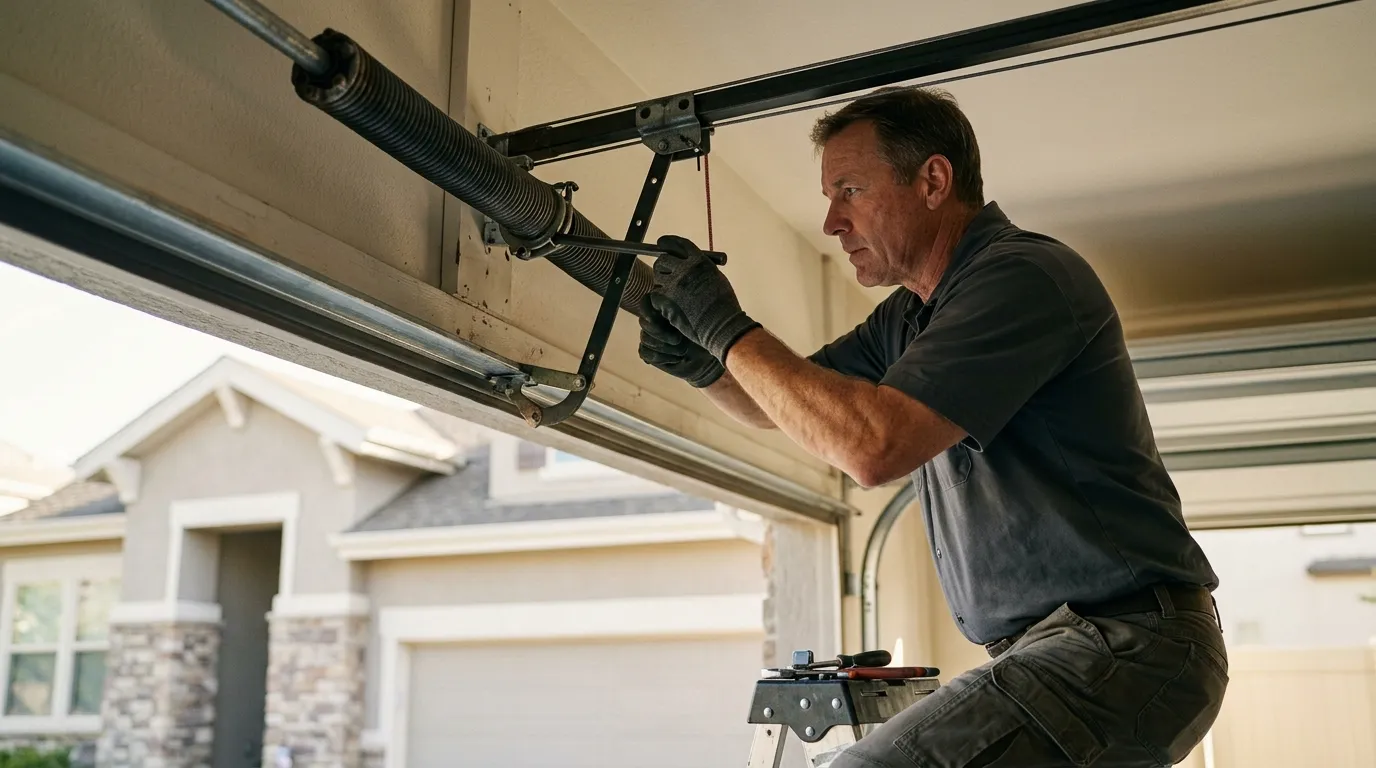
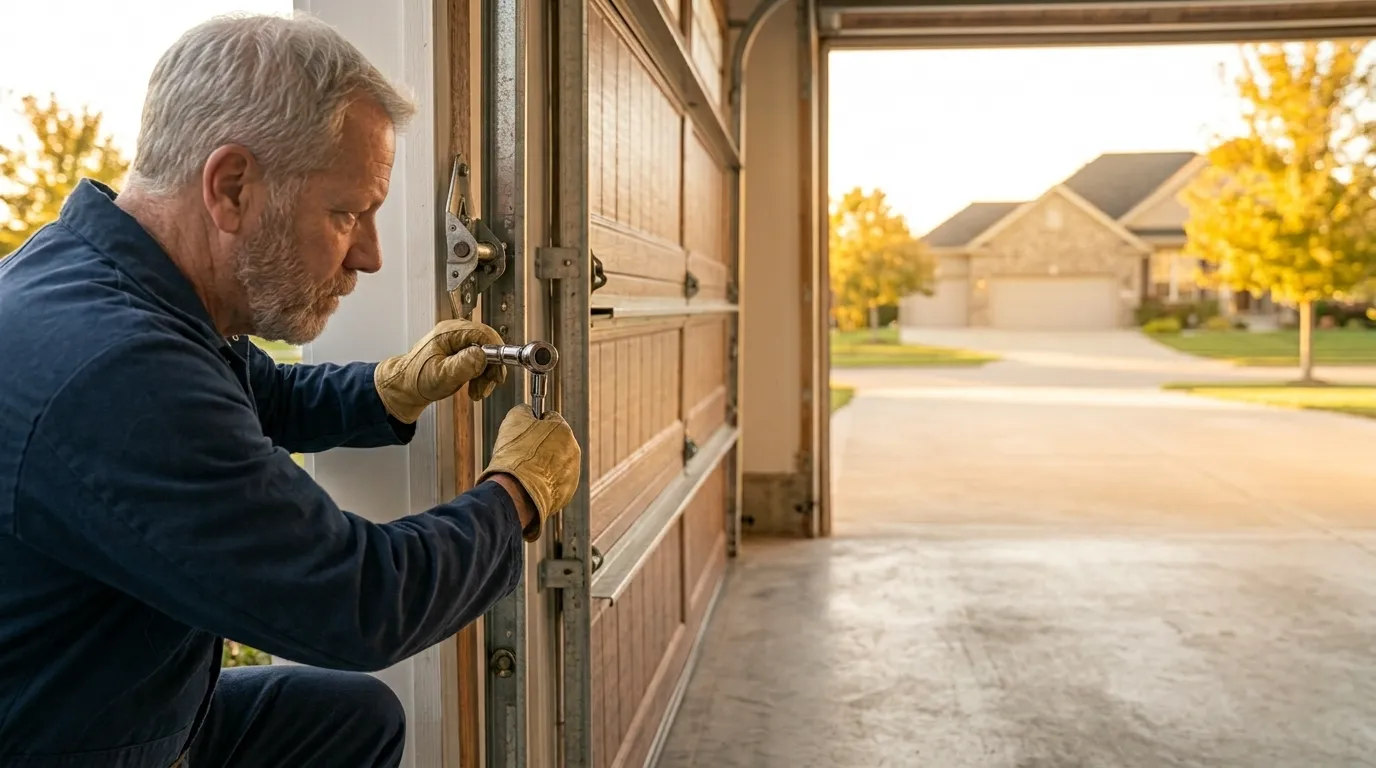
This area sits in a cold-climate band with real winter exposure - freeze-thaw cycling is hard on old seals, hardware, and any door that isn't insulated. On a house built when insulation code requirements were lighter than they are now, a non-insulated door lets a lot of cold into an attached garage, and if there's living space above or beside it, that shows up on the heating bill. Combine that with 55-plus years of use on original hardware and you get springs and rollers that are simply worn out, not damaged by any one event.
Where This Job Goes Sideways
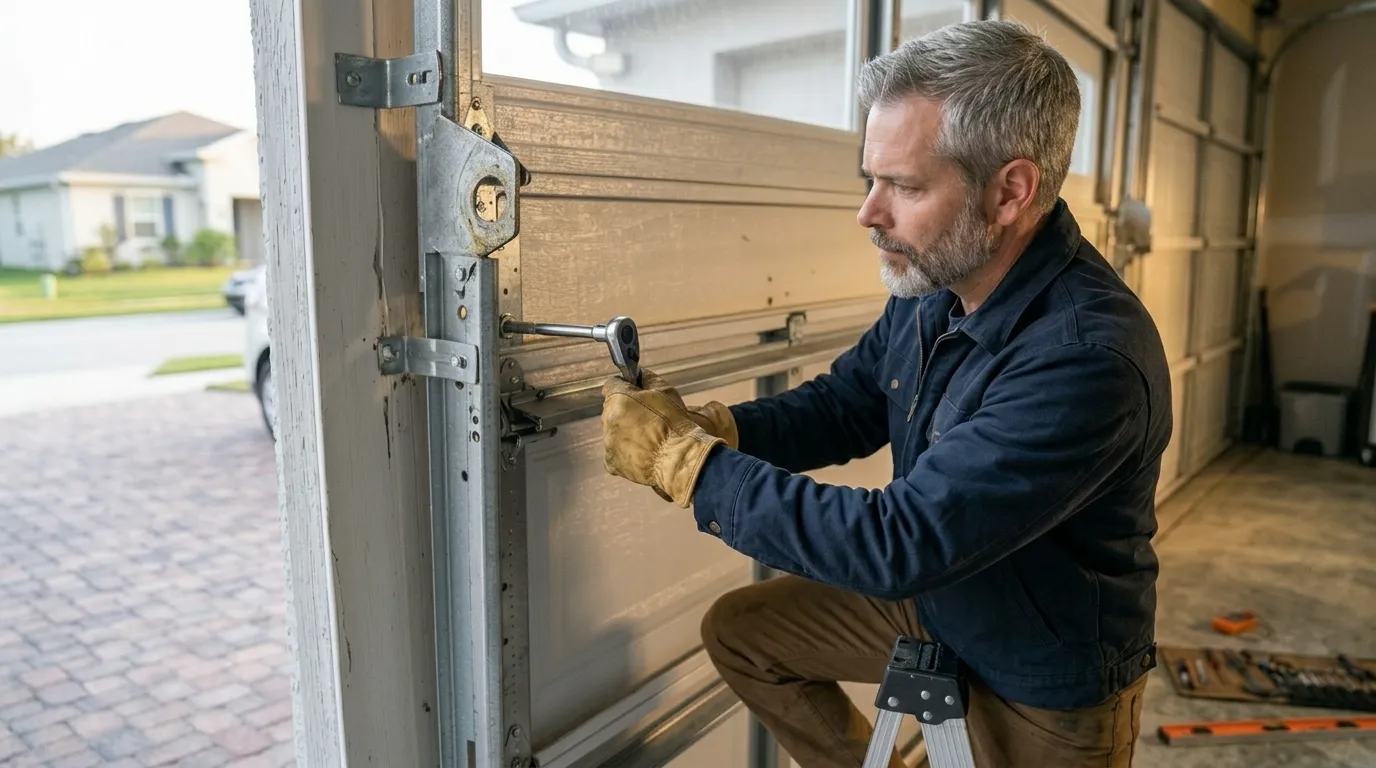
The most common surprise on a 1960s-era house is a header that was never built to carry a heavier insulated door - the original single-layer wood door was light, and the framing above it reflects that. When we find that, the honest option is to reinforce before the new door goes up, which costs more than the install alone. We'll tell you straight if a repair isn't worth it versus replacement - on a door with rusted-through bottom panels and a bent track, patching it is money spent to buy a few more months, not a fix. We'd rather say that up front than sell a repair we don't believe in.