What It Costs
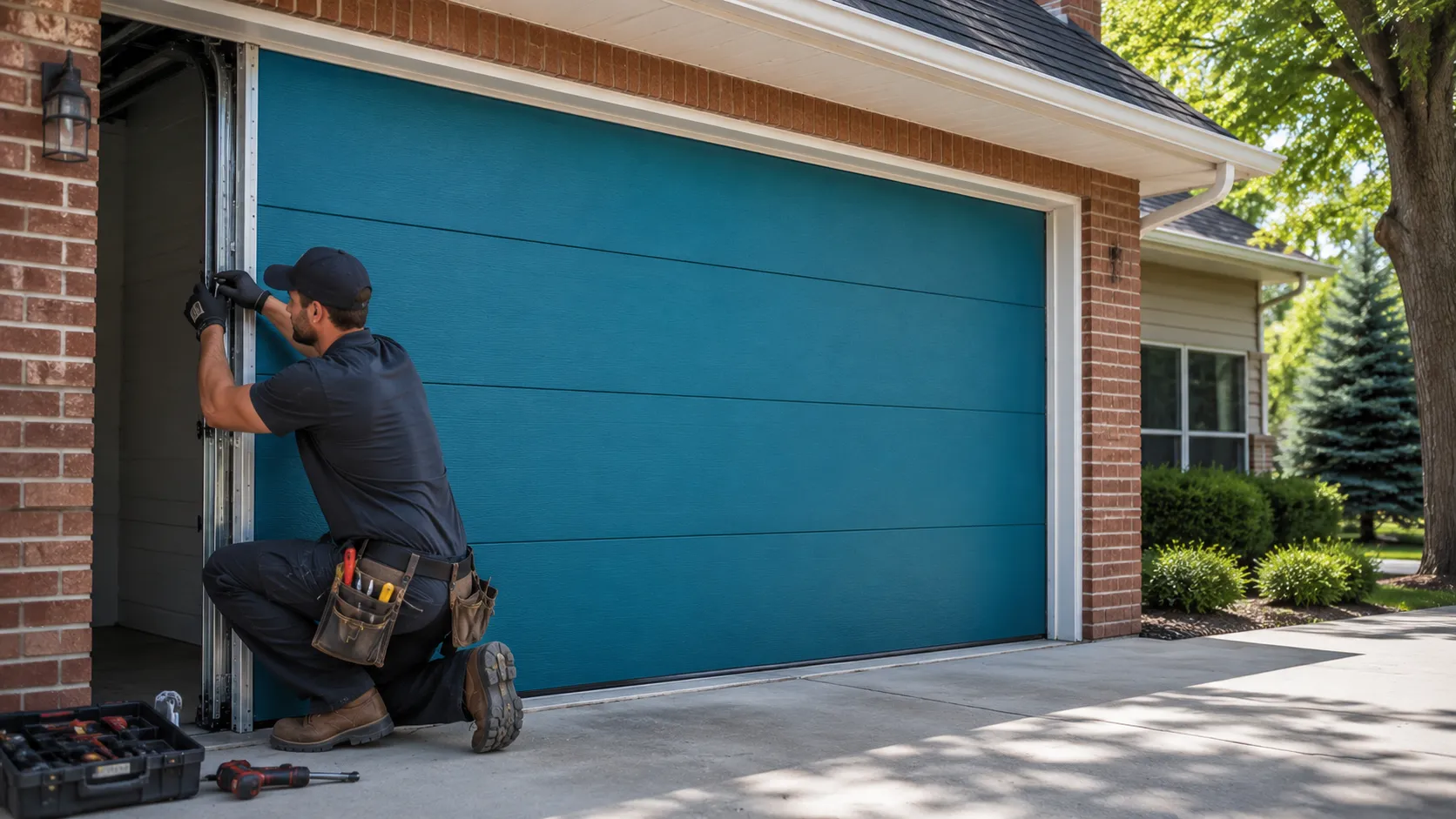
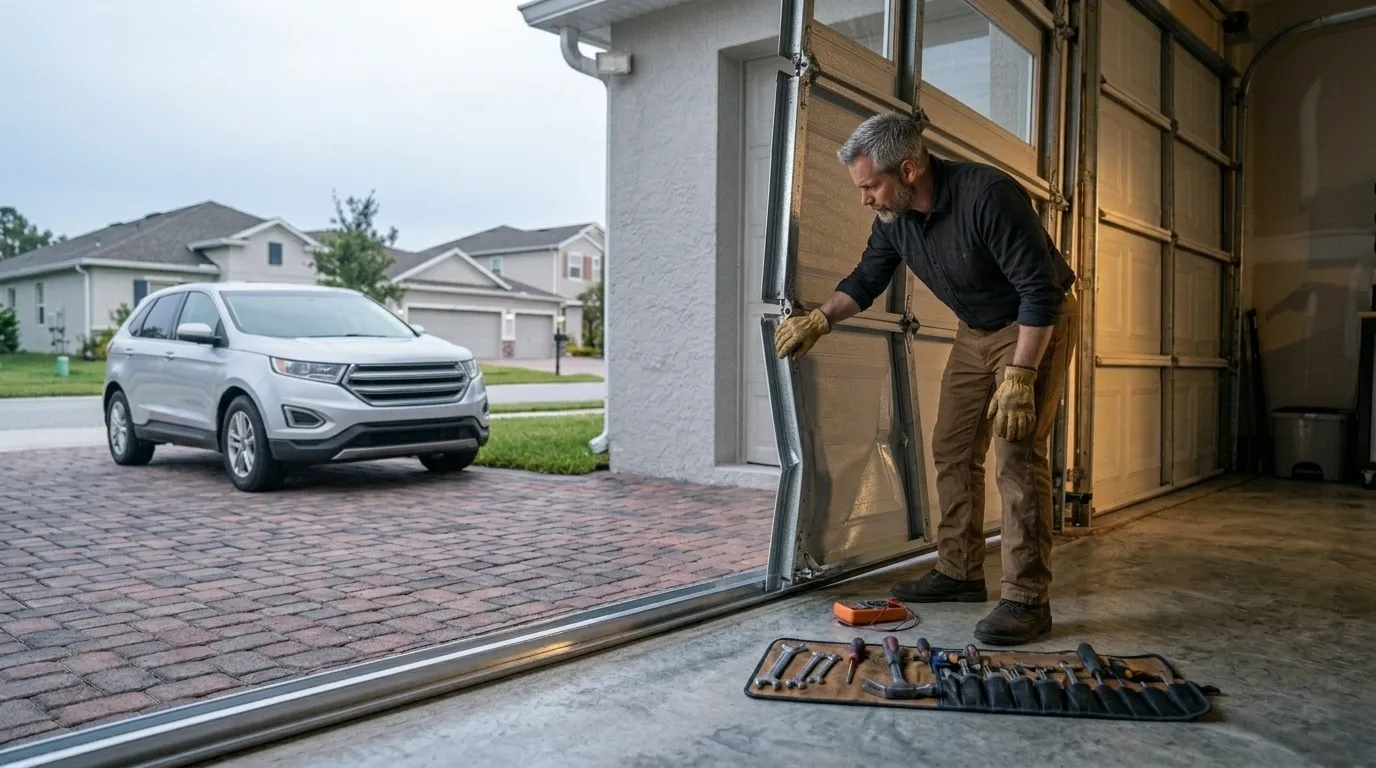
We don't quote a number here without seeing the door, and we won't invent one just to fill this space. What we can tell you is what drives the bill in a neighborhood like Holiday Heights: most of the doors here are 30-plus years old at this point, not original-original, but old enough that the opener is on its second or third life and the torsion spring has never been touched. A spring swap on a door this age is usually a straightforward job. An opener that's failing its safety sensors, or a track that's bent from a slow-motion door-off-track slide, runs longer. If your panel is dented but the door still tracks straight, replacing one section can cost less than a full new door - we'll tell you when it doesn't make sense to fix rather than replace. Median household income in this pocket runs lower than the wider Toms River service area, and we keep that in mind when we lay out options rather than pushing the most expensive fix first.
Where This Job Goes Sideways
The most common way a simple call turns into a bigger job: someone tries to force a door that's stuck on a broken spring, and the opener motor burns out trying to lift a dead weight it was never built to carry alone. We see this a lot with 1990s-era openers that are already at the end of their service life - the spring goes, the door won't lift, and a few days of the opener straining against it finishes the motor too. Another way it goes sideways: a homeowner replaces just the bad spring on a two-spring door and leaves the other one, which is usually within a year or two of failing on the same cycle count. With 1,279 households in this pocket alone, we see the same failure pattern repeat house to house because the housing stock aged in together. COLD-climate winters here also stiffen old lubricant on tracks and hinges, which makes a marginal spring or roller fail sooner than it would in a mild season - that's a maintenance issue, not a parts issue, and it's cheap to head off.
Parts We Carry
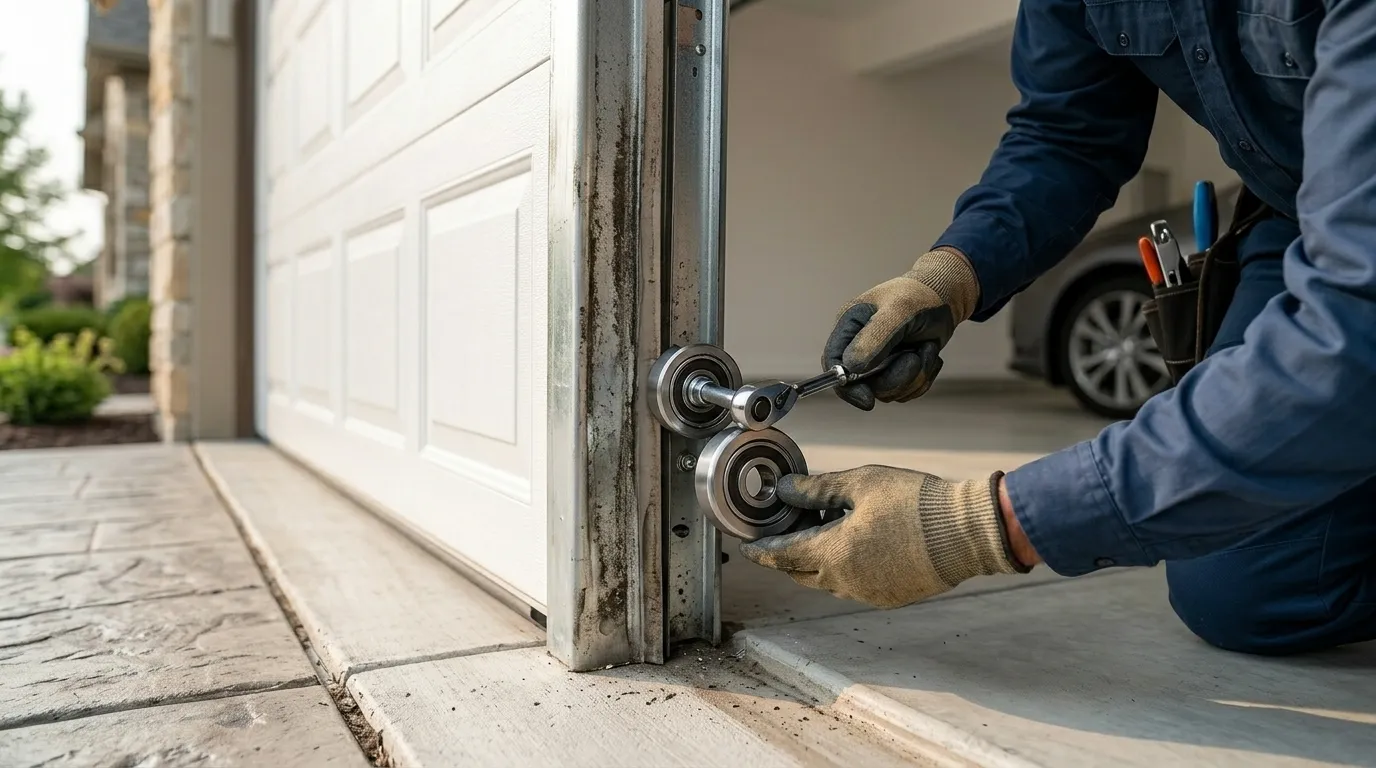
We stock torsion springs sized for the standard residential door widths you'll find on 1990s-built garages, along with the rollers, cables, and hinges that wear out on a door of that age. Extension-spring hardware for older side-mount setups is something we can source, but it's less common on this side of the service area given when these homes were built, so it's not sitting on the truck by default - expect a short lead time if that's what your door needs. Opener parts are mixed: newer logic boards and photo-eye kits we carry, but a specific drive gear for a discontinued motor sometimes has to come from the manufacturer, and we'll tell you upfront if that's the case rather than guess at a timeline. Panels are made to order in most cases since color and profile vary house to house, even within the same subdivision. If a full replacement makes more sense than chasing parts for an aging opener, we'll say so plainly instead of running up a repair bill on hardware that's on its way out anyway.
What Causes It Around Here
The main driver is simply age lining up across the neighborhood - houses built around 1990 mean springs, cables, and openers that are mostly hitting end-of-life within a few years of each other, not spread out over decades like in an area with mixed-era construction. COLD-band winters add a second factor: stiff lubricant and contracted metal put extra load on a spring or roller that's already near its cycle limit, so failures cluster in the cold months more than they would in a milder climate. Being about 5 miles from our Toms River base doesn't change the diagnosis, just the drive time. We don't see much storm damage here the way you might in a coastal spot - this is wear-and-tear country, not impact damage, and that shapes which parts we bring on the truck for a Holiday Heights call versus a call closer to the water.