What It Costs
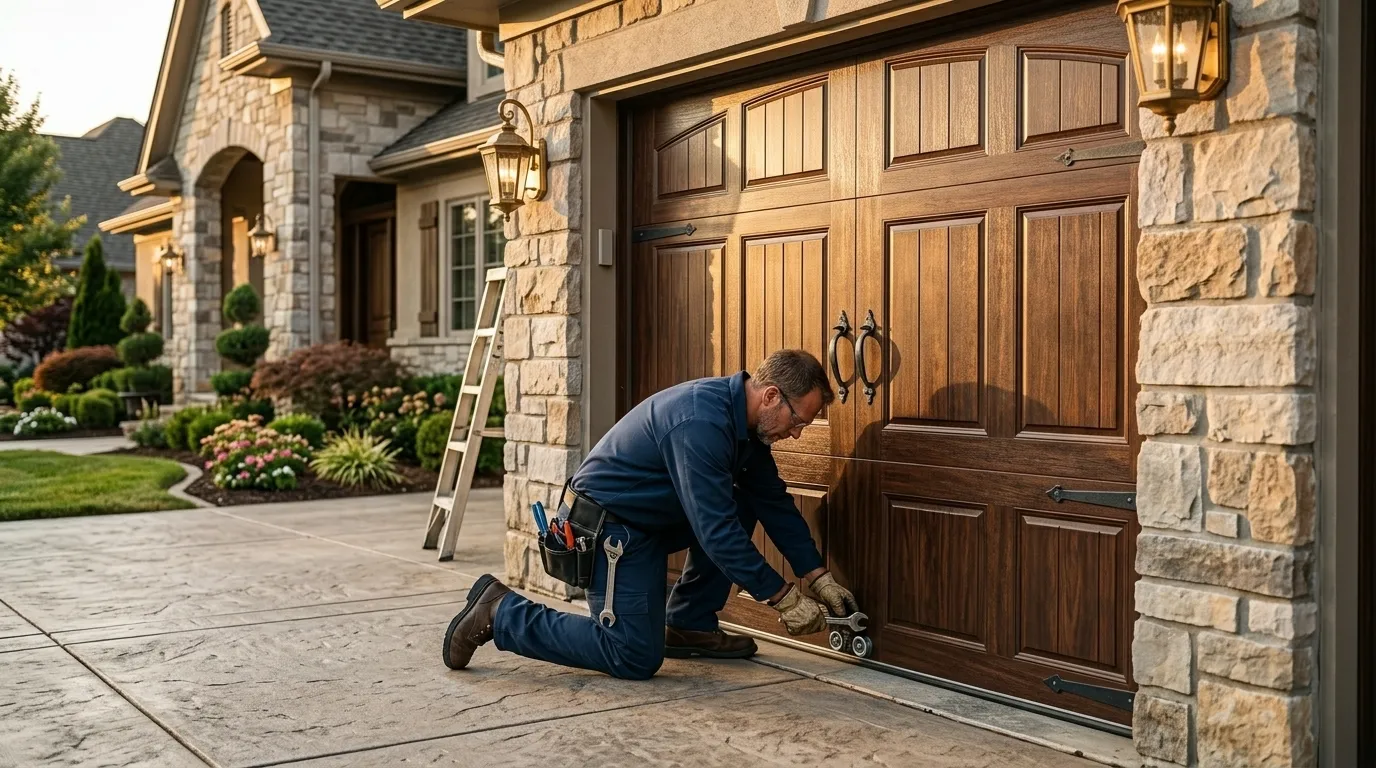
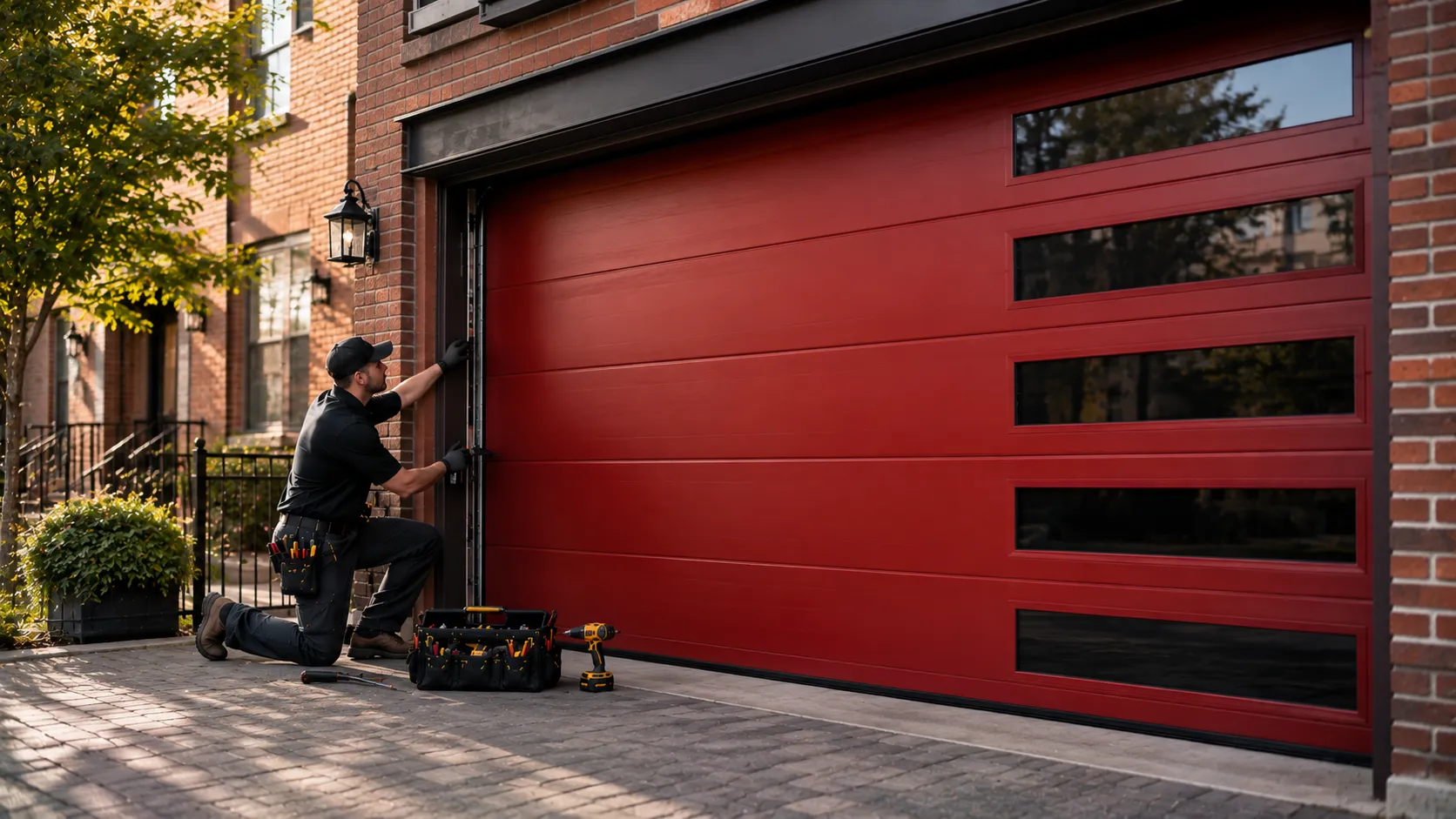
We don't quote a number here without seeing the door, the opening, and what's behind the wall, so we won't invent one for this page. What we can tell you is what drives the cost in Holiday Heights specifically: most houses here went up around 1990, which is newer than a lot of the surrounding Toms River service area (median year built 1972). That means openings are more standardized, headroom is usually more forgiving, and you're less likely to be paying extra to correct an odd rough-in from an older build. The truck comes from Toms River, about 5 miles away, so the trip itself isn't the cost driver - the door size, insulation level, and whether the opener gets replaced at the same time are. If your opener is original to a 1990-era house, it's worth replacing alongside the door rather than bolting a new door to 30-plus-year-old chain-drive hardware. We'll walk you through what that adds before anything gets ordered, not after.
Where This Job Goes Sideways
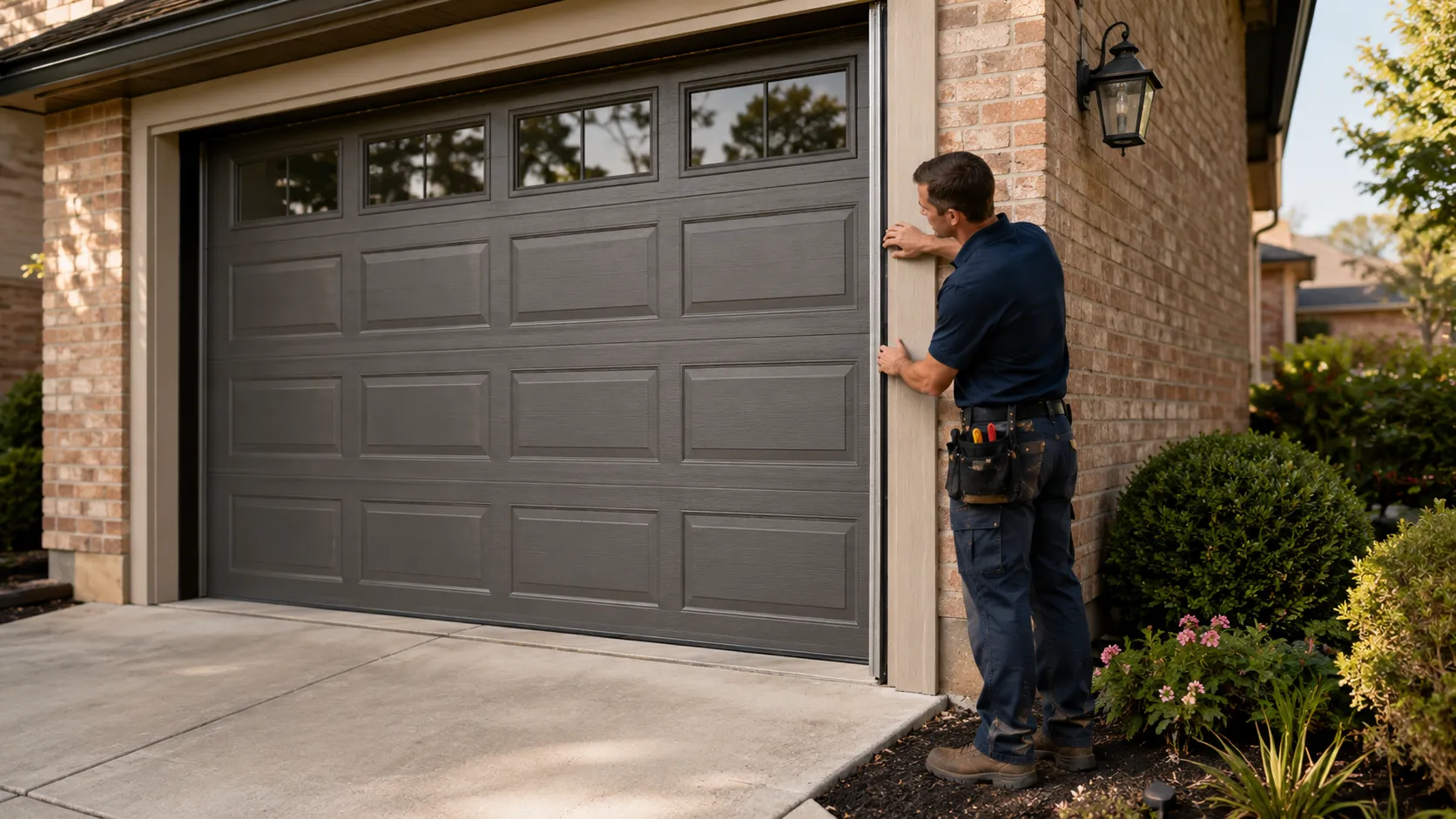
The trip from Toms River is 5 miles, which is short enough that we're not planning around traffic delays, but it does mean we show up with what we quoted for, not a rolling parts truck stocked for every possible surprise. Where a 1990-era Holiday Heights install goes sideways is usually the opening itself: houses built in that window sometimes used non-standard header heights or a slightly narrower frame than what current steel sectional doors assume. If the opening is off from spec, we either shim and trim on site or, if it's bad enough, come back with the right jamb kit - and that second trip is the one thing we'd rather avoid by measuring twice before the door leaves the shop. The other spot this goes wrong: homeowners assume a new door means the old torsion spring and drums carry over. On a door this age, they usually don't meet the new door's weight rating, and swapping them after the fact costs more than pricing them in from the start.
Parts We Carry
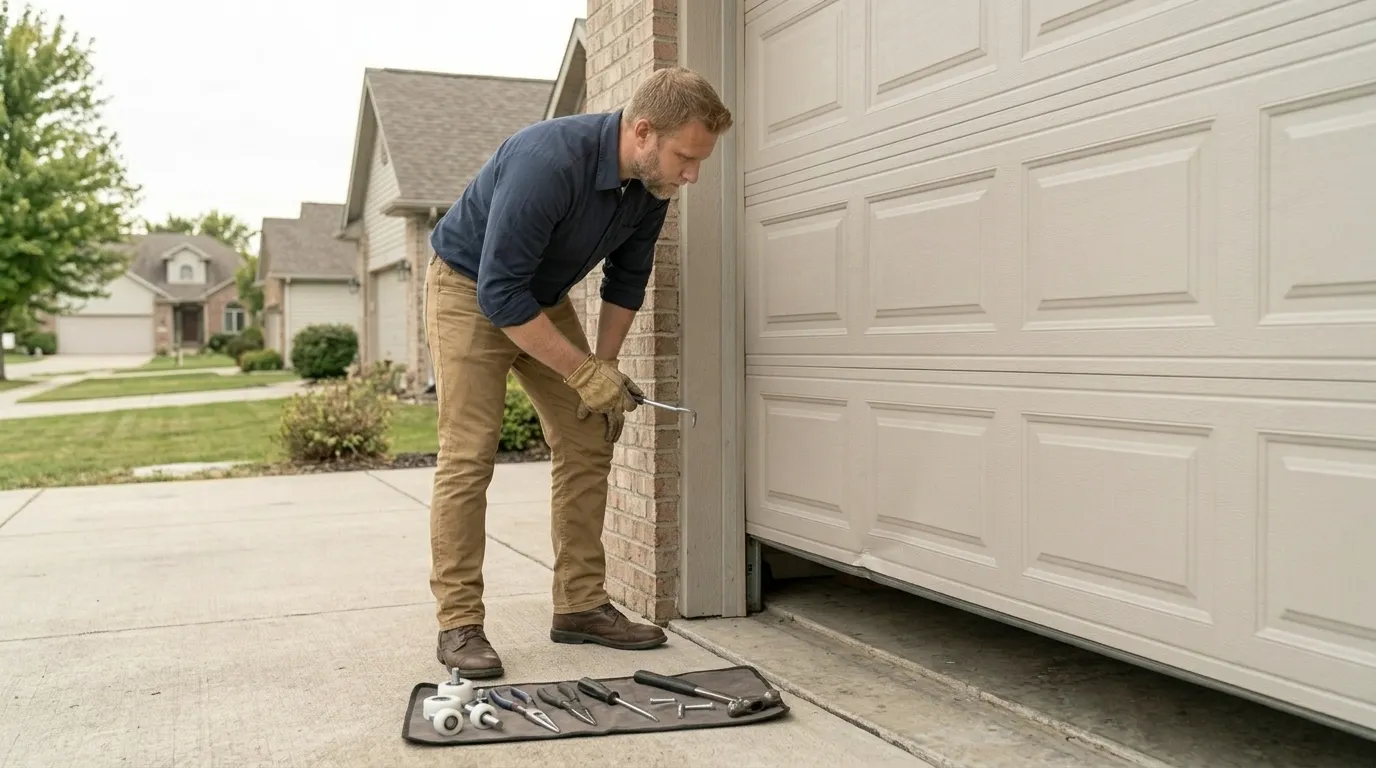
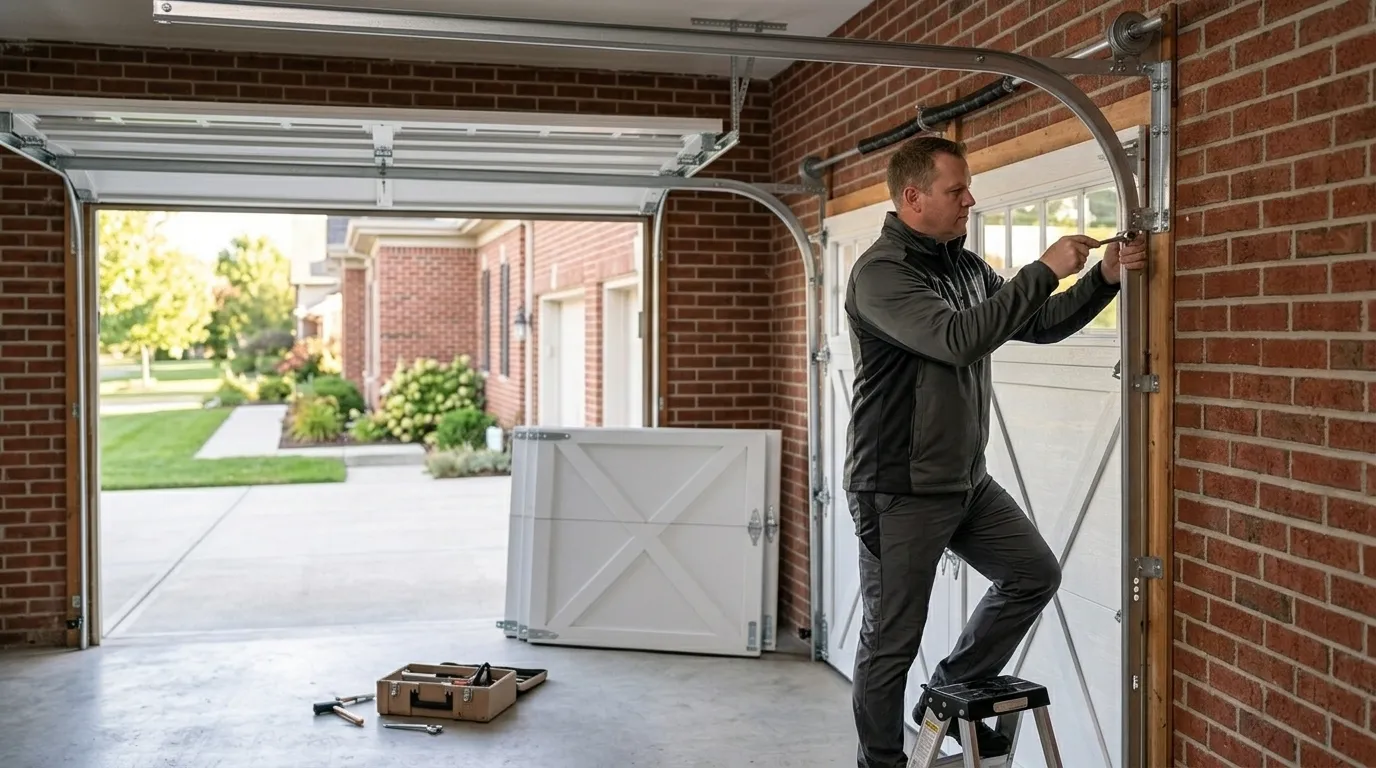
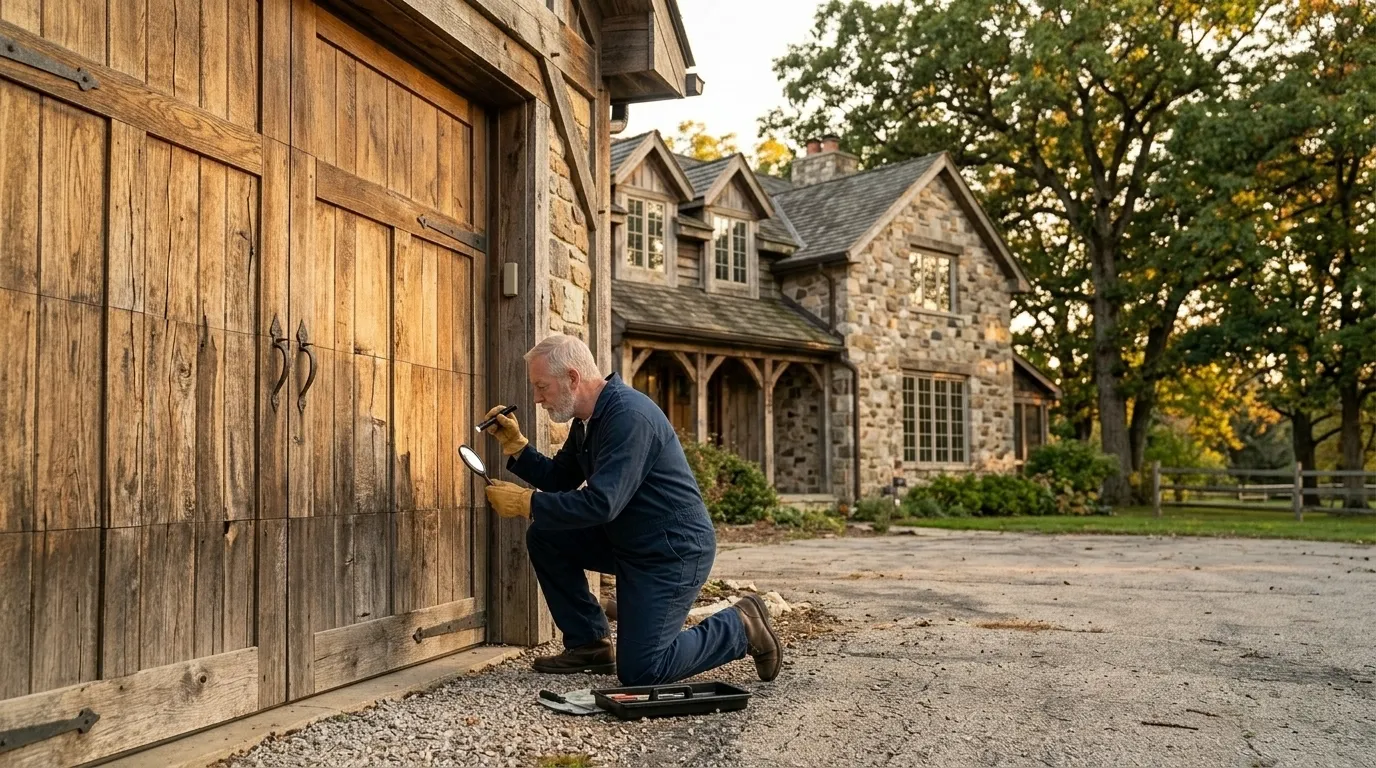
For a straight new-install job on a Holiday Heights house, we bring steel sectional doors sized to the standard openings common in 1990-era construction, along with torsion springs and drums matched to the new door's actual weight - not the old door's. We carry standard-lift track hardware for typical 7-foot garage heights, which covers most of what's out there in this housing era. What we don't carry on the truck: custom wood doors, oversized commercial track, or anything built to a nonstandard opening - those get special-ordered once we've measured, which adds lead time you should know about up front rather than finding out at the end. If your opener is original to the house, we stock standard chain and belt-drive units to replace it in the same visit, since running a new heavy door on a 30-year-old motor isn't worth the risk to the motor or your patience.
What Causes It Around Here
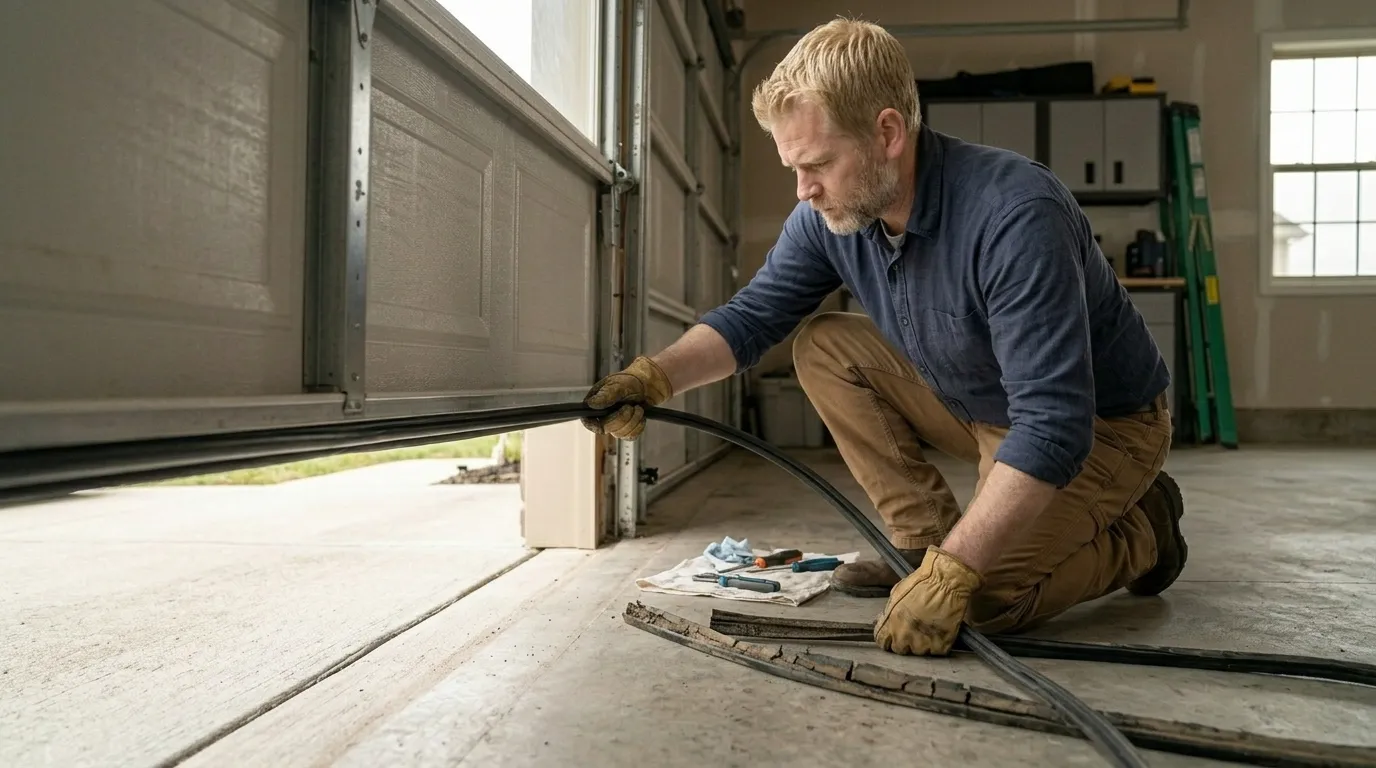
Holiday Heights sits in a colder-climate zone, and a door and opener installed around 1990 were built to a different insulation and weatherstripping standard than what's available now. Thirty-plus winters of temperature swing on original weatherstripping means gaps at the bottom seal and sides, which is often the first thing homeowners notice before the hardware itself fails - cold air at floor level in the garage, not a door that won't open. Add in original springs cycling for three decades and the failure pattern is predictable: seal first, spring fatigue next, opener motor last. None of this is unique to one house - it's the shared age of the housing stock in this pocket of the Toms River service area, and it's why a new install here usually pairs a better-sealed door with a spring set rated for current door weights, not a like-for-like swap of what was there in 1990.