What Causes It Around Here
Most of the wider Toms River service area was built out between 1938 and 2005, with the bulk of it going up through the 1960s and 70s. Holiday City-Berkeley sits a little later on that curve - median build year here is 1978, a handful of years past the area's overall median. That gap matters more than it sounds. A garage built in the late 1970s almost always got a single-layer steel door, no foam, on a torsion spring sized for that thin panel and nothing heavier. Fifty years on, those springs are past due, the steel has usually dented or rusted at the bottom panel, and the R-value is close to zero. This is also a community built out in one tight stretch - 8,349 households, mostly ranch-style, mostly the same garage footprint. That consistency is useful: once we've measured a handful of openings in this pocket, we have a good sense of what the next one looks like before we get there. It's a different starting point than a house built in 1948 with a side-mounted torsion setup, or one built in 2001 with an insulated door already in place. The fix depends on knowing which decade you're standing in front of.
What the Fix Involves
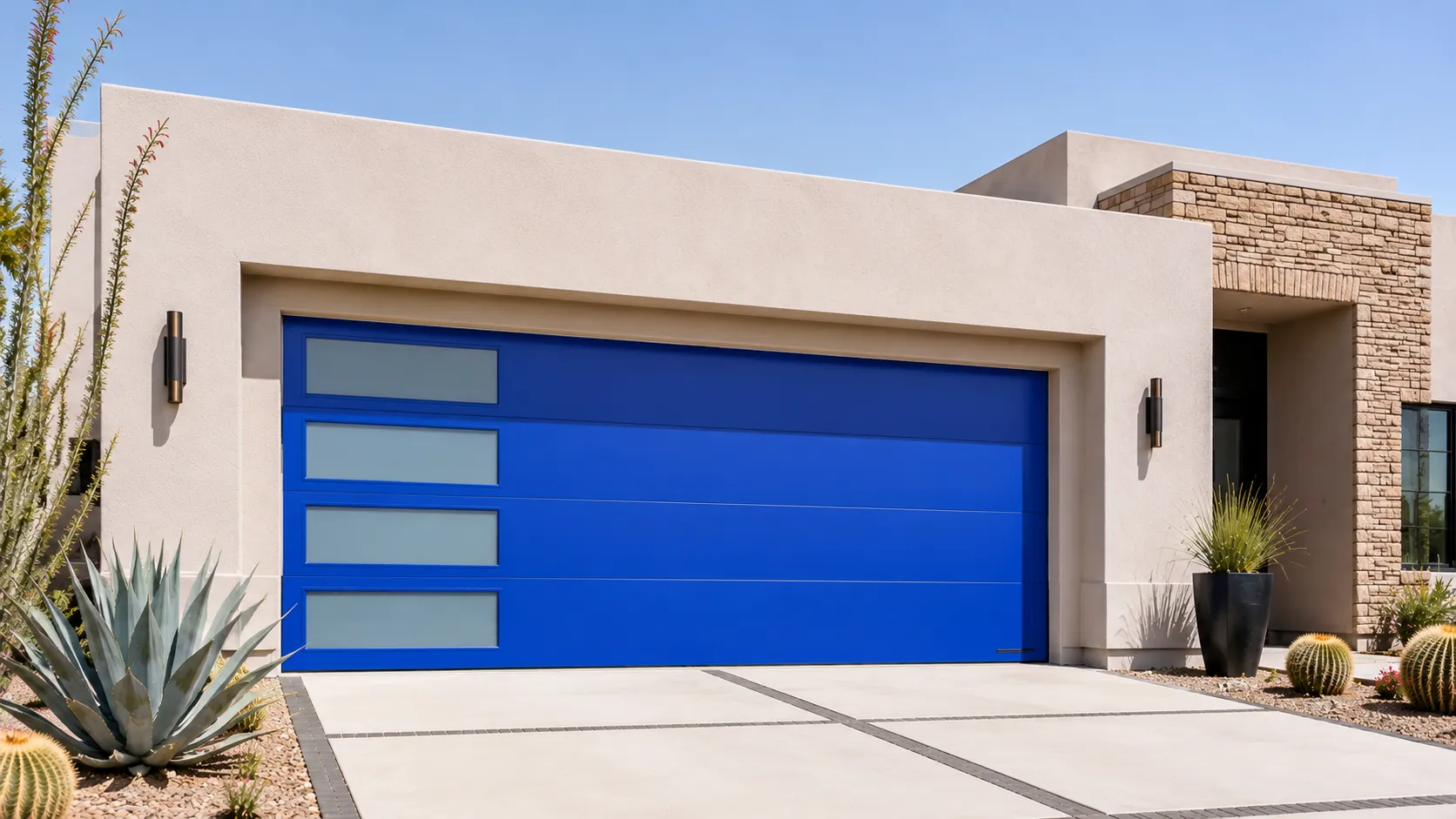
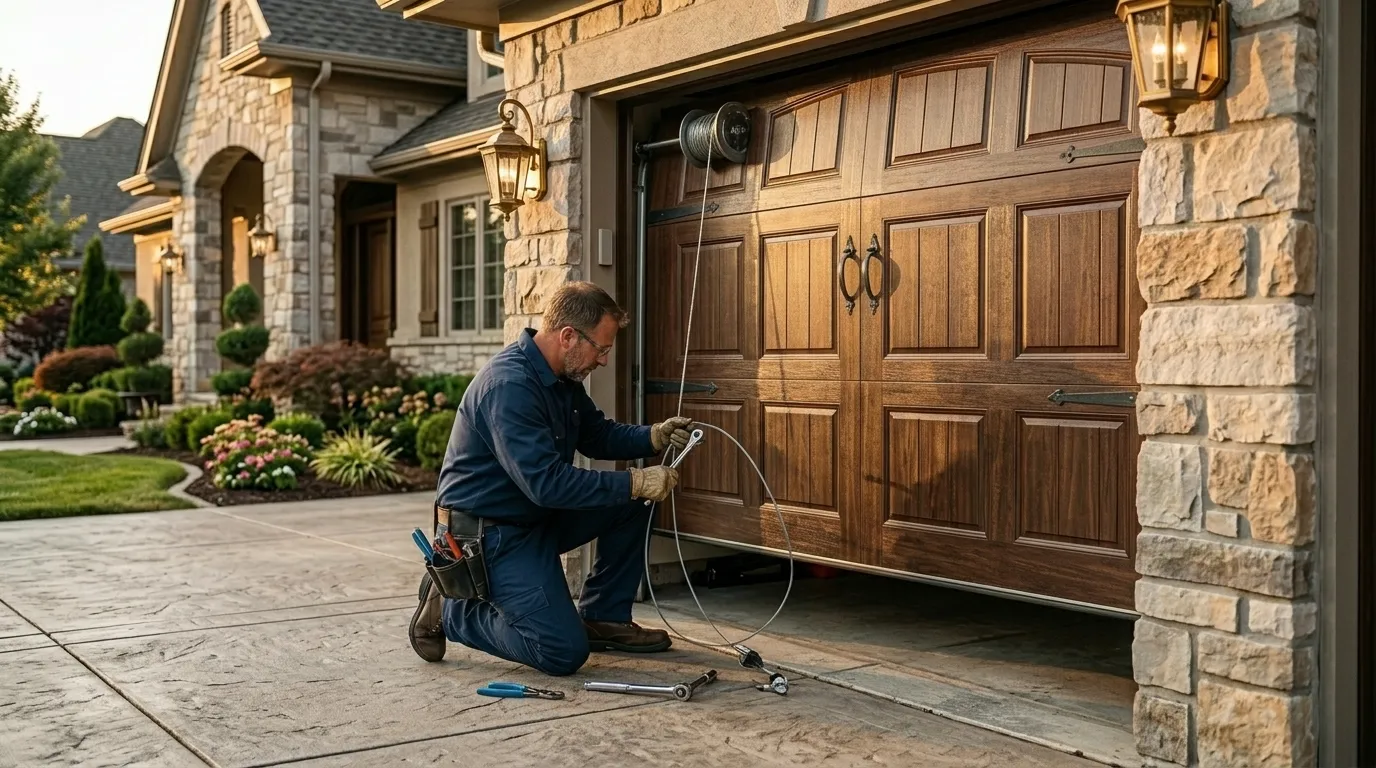
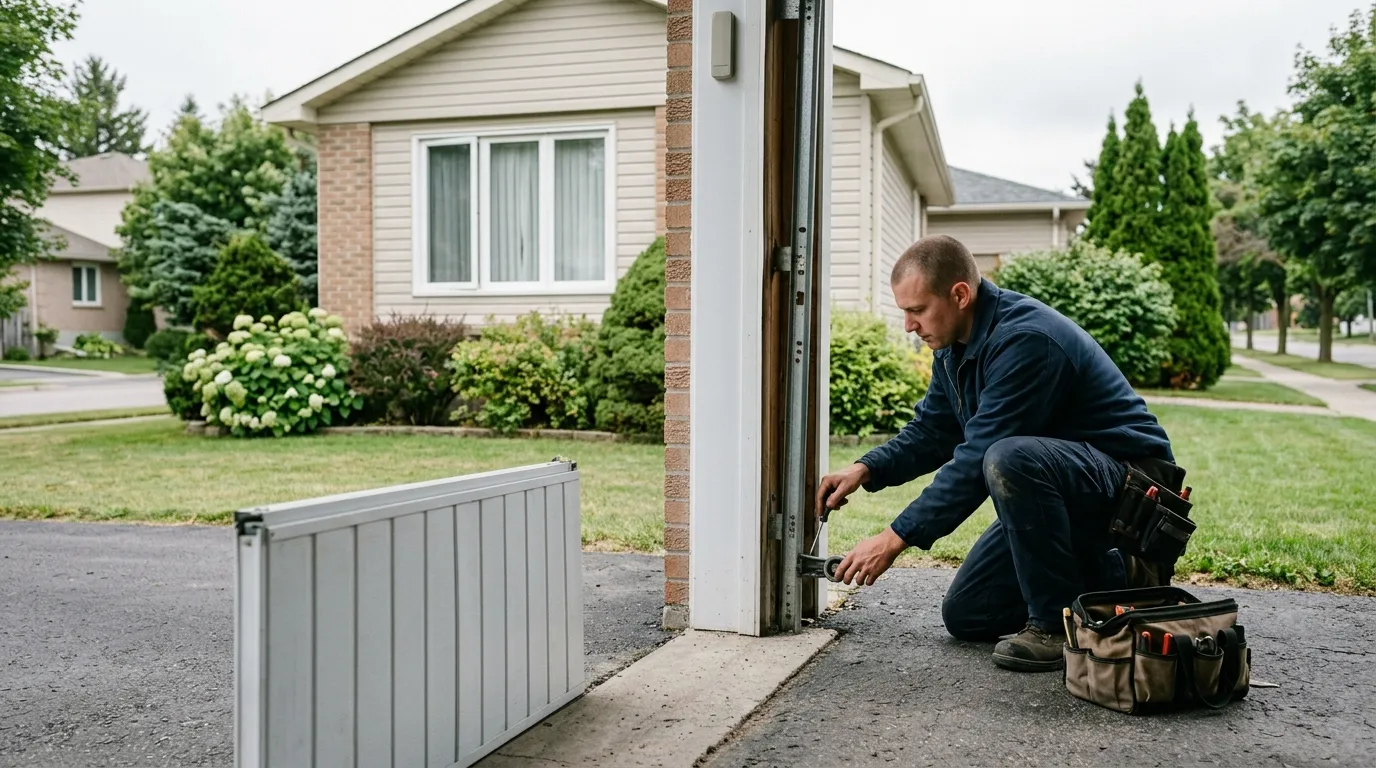
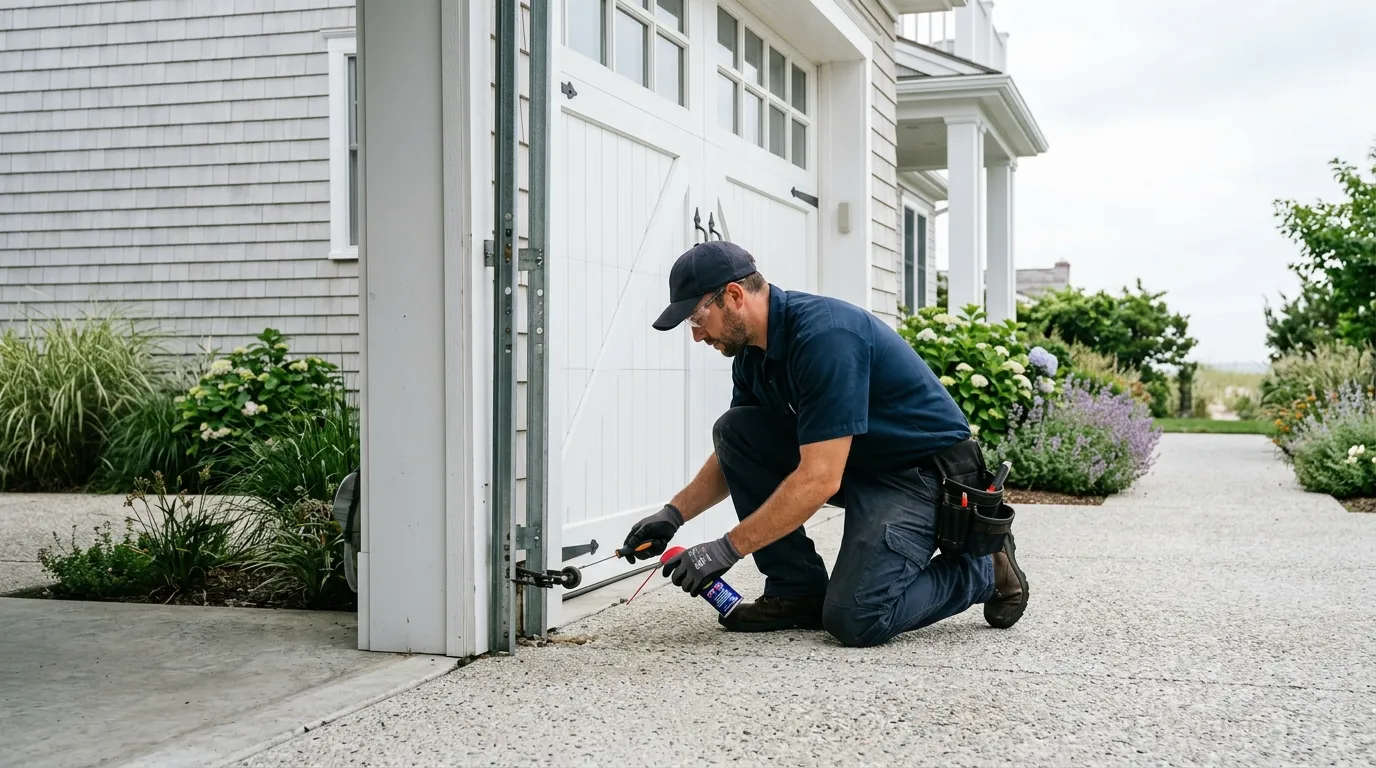
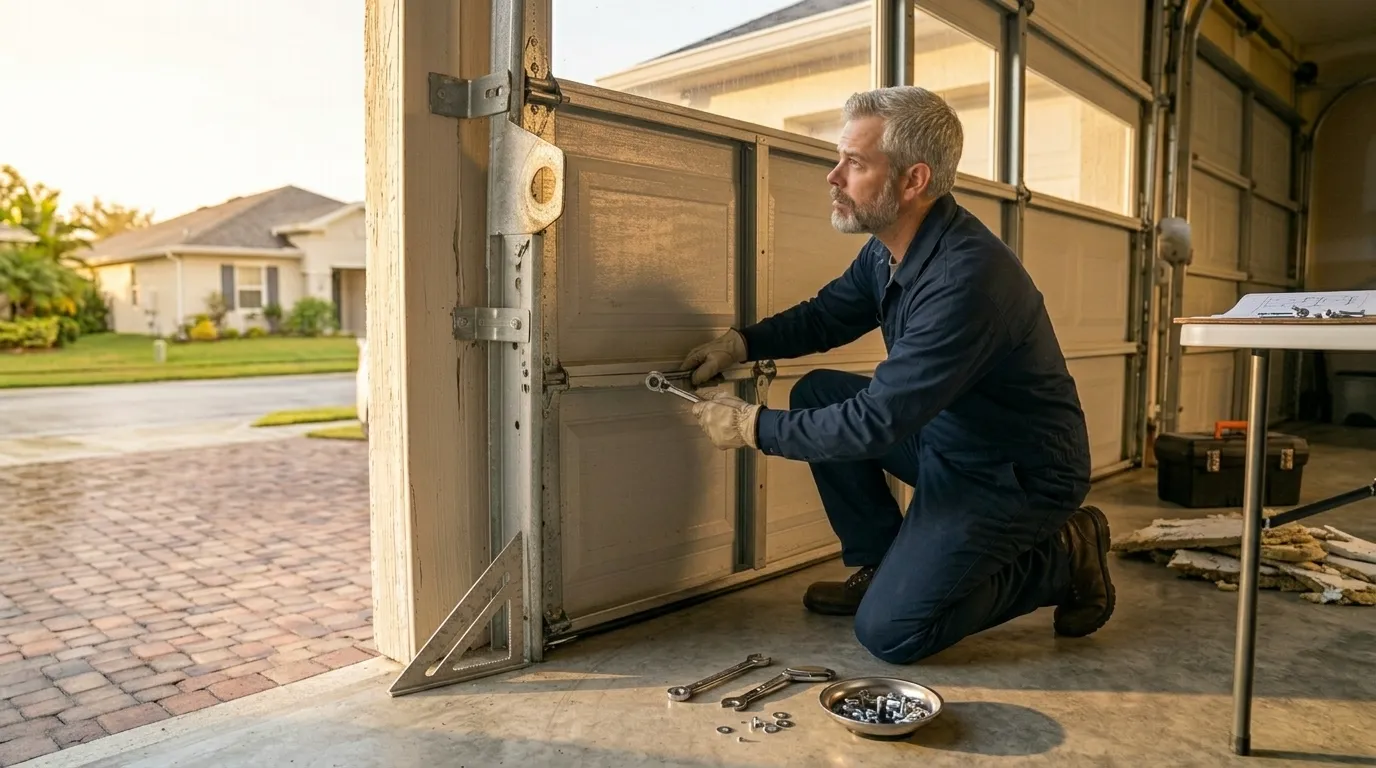
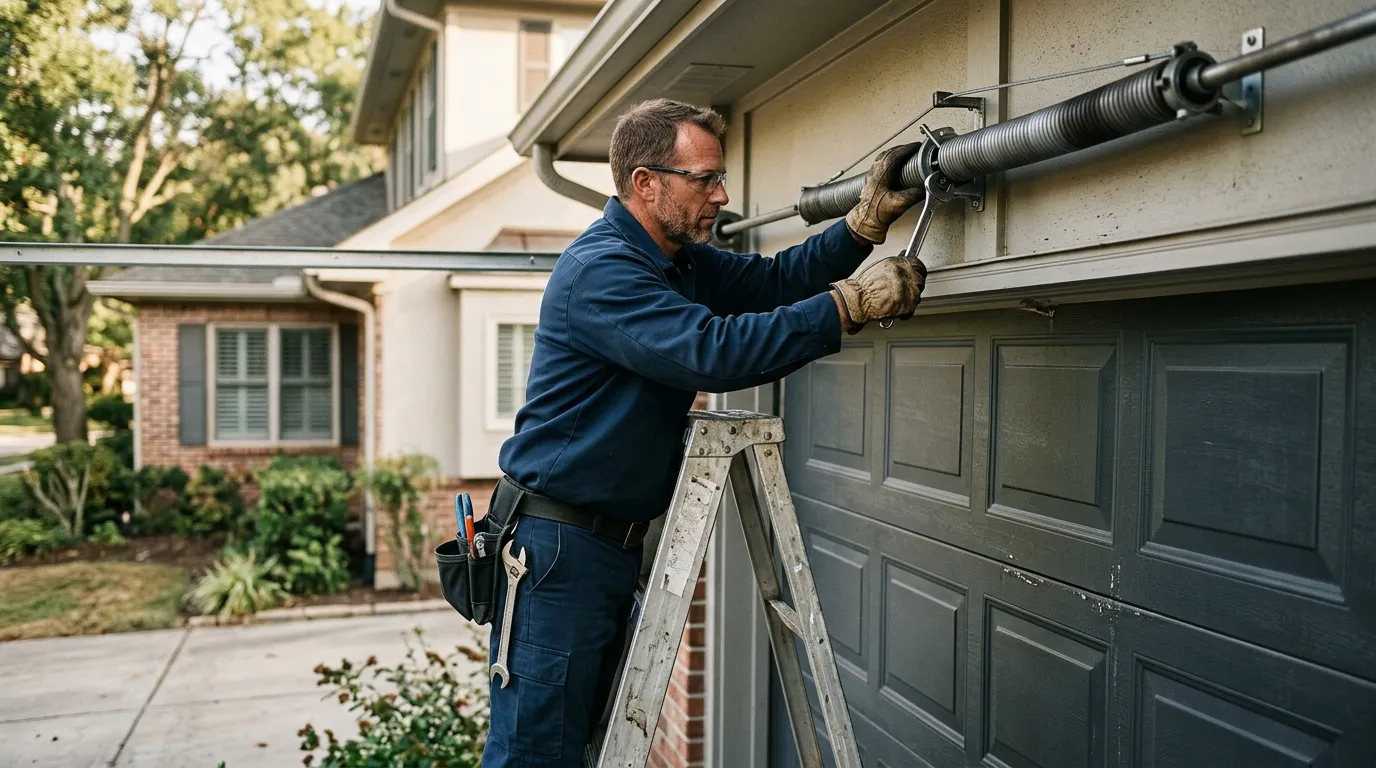
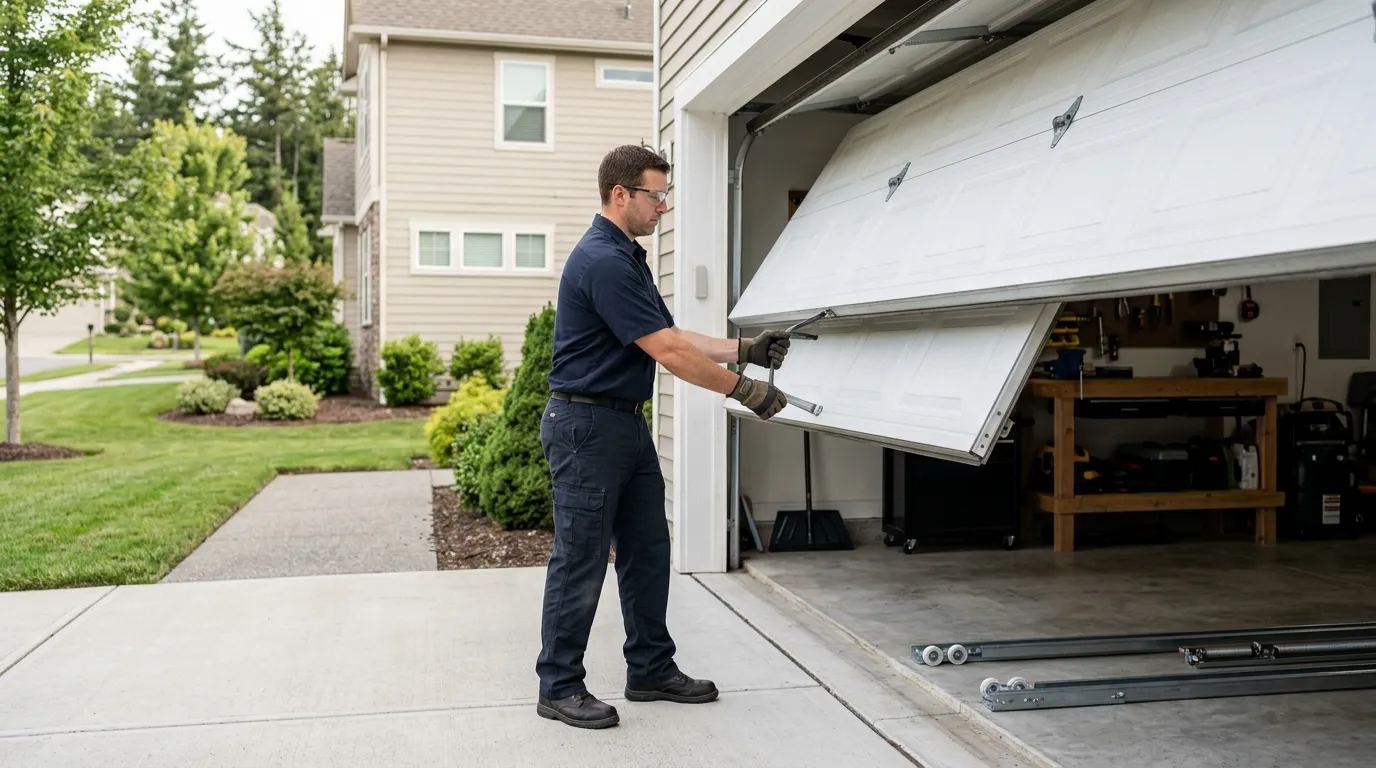
We start by measuring the actual opening and headroom, not going off the old door's listed size, since openings settle and framing shifts over 45-plus years. From there it's picking a panel construction that makes sense for the cold-climate exposure here - insulated steel holds up better against the swings this area sees than the bare single-layer steel that came with the house originally. Springs get sized to the new door's finished weight, including any glass or added insulation, not left at whatever tension the old torsion setup was running. Track and rollers get replaced as a set rather than reused, since mixing 1970s hardware with a new door usually just moves the noise problem instead of fixing it. Opener compatibility gets checked too - a lot of these garages still run openers from a prior door and not every bracket lines up with a new panel's mounting points. None of this is unusual work. It's routine once you know the housing stock is running late-70s rather than earlier or later, and once you've priced the door to the weight it'll actually carry.
Getting It Booked In
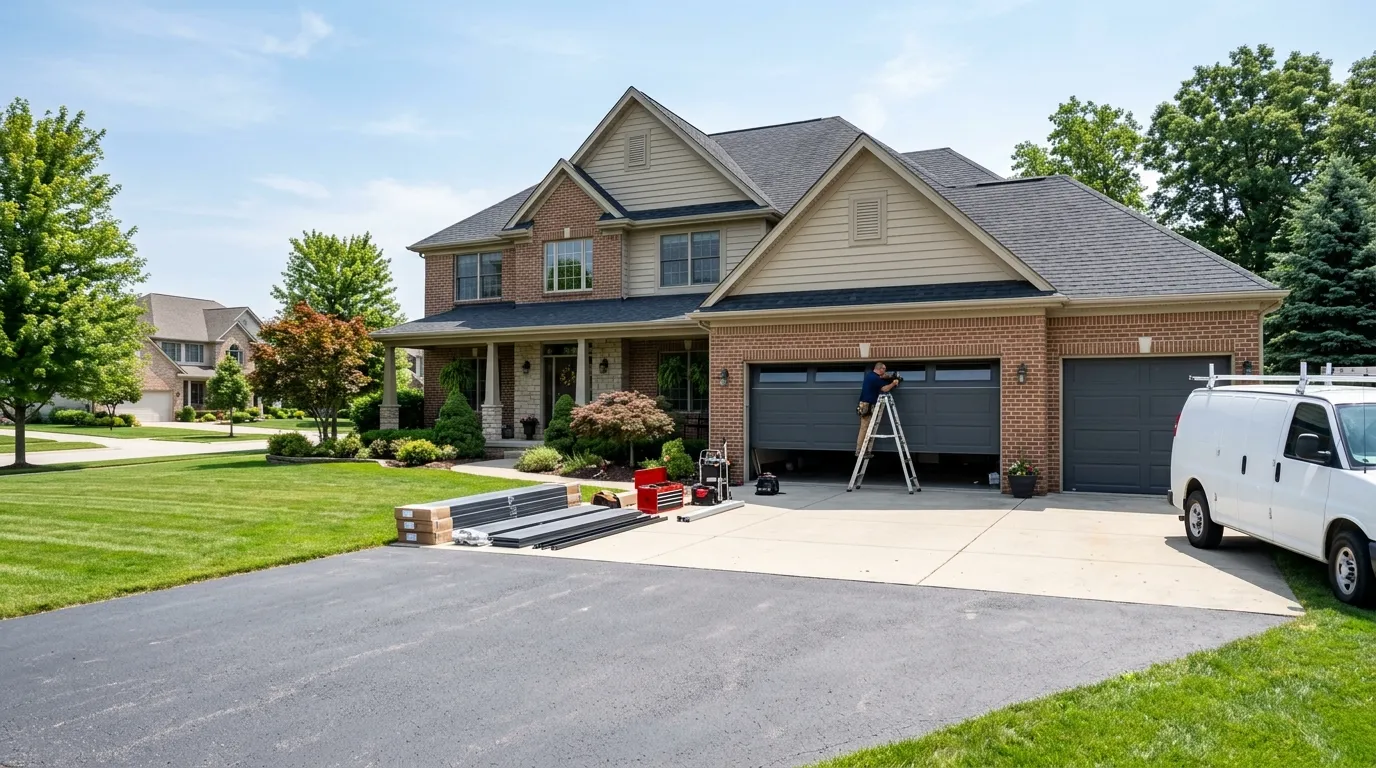
We run out of Toms River, about 5 miles from Holiday City-Berkeley, so we don't keep a truck staged in the neighborhood - a visit here starts with a call to the Toms River shop to get measurements and a quote scheduled. That short distance means getting someone out to measure isn't a logistics problem, but we're not claiming a same-day window or a local depot we don't have. What we can do is come prepared: knowing the build era and the headroom quirks common to this pocket means fewer surprises once we're standing in the driveway with a tape measure.
Parts We Carry
We stock steel panel doors in the sizes this pocket actually uses, plus the torsion springs and low-headroom track hardware that late-1970s ranch garages tend to need. Given the area's median household income sits under the wider service area's figure, we keep straightforward steel options on hand rather than defaulting every quote to a premium insulated line - insulated doors are available and make sense given the severe cold climate here, but we don't assume that's the right call for every budget. One honest limit: specialty sizes or custom finishes aren't something we keep on the truck, and those add lead time regardless of which town you're in. Standard sizes in the common ranch-garage dimensions we see around here are usually the fastest turnaround.